DiscoverHey Tradies! Podcast
Hey Tradies! Podcast
Claim Ownership

Hey Tradies! Podcast

Author: Hey Tradies Podcast

Subscribed: 1Played: 1
Share

Description

Helping Tradies run better businesses


Running a trade business isn’t just about being good on the tools — it’s about systems, numbers, decisions, and leadership.


Hey Tradies! Podcast is for Tradies who want to run a better business without drowning in admin, working every night, or guessing where the money’s going.


Each short, practical episode dives into the business side of trade life — from job management, cash flow, quoting, and getting paid, to systems, leadership, and real-world lessons from other tradies and industry experts.


You’ll hear straight-talk advice, honest opinions, and conversations designed to get you thinking differently about how you run your business — whether you’re just getting started or already leading a growing team.


No fluff. No corporate jargon. Just practical business thinking to help you build a trade business that actually works.


 🎧 New episodes released weekly.

7 Episodes
Reverse
Why Invoicing Late Hurts More Than You Think Episode Summary Invoicing late feels harmless — but it quietly damages your cash flow, margins, and stress levels. In this episode, Amanda breaks down why delaying invoices creates bottlenecks, increases missed revenue, and turns tradies into accidental lenders. This episode covers behaviour, systems, technology, and practical steps to improve invoicing habits. In This Episode ·      Why tradies delay invoicing ·      The emotional weight of invoice backlogs ·      Why you are not the bank ·      The cash flow impact of delayed invoices ·      How same-day invoicing improves debtor days ·      Using Fergus to streamline invoicing ·      The long-term goal of invoicing before leaving site ·      Taking credit card payments on-site ·      Deposit invoices and setting expectations early ·      Simple progression to improve invoicing habits This Week’s Action Step Move your invoicing frequency up one level: - Monthly → Weekly - Weekly → Twice Weekly - Twice Weekly → Daily Small shifts create major improvements in cash flow. Need Help? If you want help tightening up your invoicing systems, using Fergus properly, or building better processes — Virtual Coastie helps tradies do this every day. Learn more at: www.virtualcoastie.co.nz Follow Hey Tradies so you don’t miss the next episode.
Episode 6 – Why Receipts in a Shoebox Cost You Real Money Shoebox receipts = lost money. Episode Summary Still throwing receipts into a shoebox, glovebox, or back pocket? That habit might feel harmless — but it’s quietly costing you money. In this episode, Amanda breaks down the real cost of a “shoebox system” and why recording expenses in real time is one of the simplest ways to improve cash flow, reduce stress, and stop overpaying GST. Because if it’s not recorded properly, it doesn’t exist in your numbers. In This Episode, We Cover: ✔ Why shoebox bookkeeping keeps you in constant catch-up mode ✔ How missed receipts lead to missed tax deductions ✔ The hidden GST impact of poor expense tracking ✔ Why real-time recording improves cash flow visibility ✔ How Xero users can use Hubdoc (included in most plans) ✔ The simple automation Amanda uses on her iPhone ✔ One small habit that makes a big difference The Real Cost of a Shoebox System When receipts aren’t recorded properly: You miss deductible expensesYou risk paying more GST than you shouldYou waste hours at tax time sorting paperYou lose visibility over your real costsYou make decisions without accurate numbers That’s not a system — that’s damage control. What Good Looks Like Simple and consistent: Every receipt scanned or forwarded within 24 hoursHubdoc connected to XeroExpenses coded correctlyReal-time visibility of where money is going If you bought it, it’s in Xero. No piles. No guessing. No year-end panic. This Week’s Action Step Connect Hubdoc to XeroDownload the mobile appTest scanning a receiptSet up a phone shortcut or automationMake it a habit — fuel stop = snap receipt Small habit. Big control. The Bottom Line Shoebox receipts equal real lost money. Real-time receipts equal control. You can absolutely set this up yourself. And if you’re drowning in paperwork or want it done properly, that’s exactly what we help tradies with at Virtual Coastie. _________________________________________ 🔧 Learn more at: www.virtualcoastie.co.nz 📞 Book a Power Hour or chat to us about weekly support 🎧 Follow Hey Tradies! so you don’t miss the next episode Catch you next time.
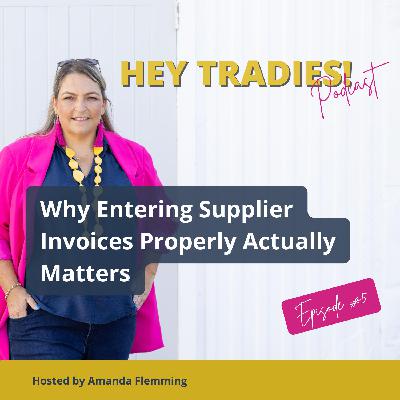
Episode 5 – Why Entering Supplier Invoices Properly Actually Matters It’s not boring admin. It’s margin protection. Episode Summary Supplier invoices aren’t exciting. But ignoring them — or just relying on your bank feed — is quietly costing you money. In this episode, Amanda breaks down why properly entering supplier invoices (not just filing them) matters for your cash flow, job costing, GST, and overall sanity. Because guessing your costs is not a business strategy. In This Episode, We Cover: ✔ The common supplier invoice chaos most tradies deal with ✔ Why relying on the bank feed isn’t enough ✔ How poor invoice entry affects job costing ✔ The link between supplier invoices and cash flow stress ✔ How missed or late entry impacts GST and tax ✔ What “good” actually looks like in a small trade business ✔ A simple weekly habit that fixes most of the problem The Common Problem Invoices sitting unread in emailReceipts living in the vanForwarded to the bookkeeper weeks lateGuessing costs based on bank transactions And then GST time hits — and it’s a scramble. Without proper entry, you’ve got: No clear breakdownNo accurate job marginsNo visibility over true costs Why It Matters When supplier invoices aren’t entered properly: You price jobs without knowing real costsBills surprise youCash flow gets tighter than it needs to beGST can be wrongTax deductions can be missed And that unexpected $4,000 merchant bill? That’s when things start to feel stressful. What Good Looks Like Simple. Consistent. Nothing fancy. All supplier invoices entered into Xero (or your accounting system)Matched to the correct account or jobEntered weekly — not monthlyGST coded properlyIdeally synced with your job management software (like Fergus) That’s how you protect your margins. This Week’s Action Step Block out 30 minutes every Friday. Check your inboxUpload invoicesCode them correctly Done. If you know that’s not going to happen — outsource it. This is one of the easiest admin wins in a trade business. The Bottom Line Supplier invoices might not be sexy. But they directly impact your margins, cash flow, and stress levels. Whether you do it yourself or get help — just make sure someone’s on top of it. 🔧 Learn more at: www.virtualcoastie.co.nz 🎧 Follow Hey Tradies! and share this episode with a mate who needs to sort their admin out. Catch you in the next episode.
Episode 4 – Why Cash in the Bank Matters More Than Profit on Paper Profit is theory. Cash is real. Episode Summary Your Profit & Loss says you made money. But your bank account says otherwise. In this episode, Amanda breaks down the difference between profit and cash flow — and why cash in the bank is what actually keeps your trade business stable. Because you can be “profitable” on paper and still feel stressed every week trying to make payroll. And that’s a cash flow problem. In This Episode, We Cover: ✔ Why profit doesn’t automatically mean financial security ✔ The common end-of-month trap tradies fall into ✔ Why cash flow issues sink good businesses ✔ The stress cycle that starts when cash gets tight ✔ What healthy cash flow actually looks like ✔ Simple bank account structures that protect your business ✔ A small action you can take this week to regain control The Common Scenario Your P&L shows a $12k profit. But your bank balance is sitting at $1,800. Fuel bills are due. Wages are coming up. Clients haven’t paid yet. This is where many tradies feel like they’re working flat out but never getting ahead. Why It Matters You can’t pay suppliers with a profit report. You can’t pay wages with accounts receivable. Cash in your bank account is what: Pays the billsReduces stressKeeps growth movingGives you breathing room Without it, even a “profitable” business feels chaotic. What Good Looks Like Healthy cash flow means: You know exactly how much cash you need each weekYou’ve got separate bank accounts (GST, wages, tax, etc.)You set aside a percentage from every paymentYou have visibility over what’s coming in and going outYou’ve built a buffer to handle slow payers or surprises It’s not complicated. It’s just consistent. This Week’s Action Step Open a second (or third) bank account. Name it: “Bills”“GST”“Don’t Touch” Next time money comes in, transfer 30% immediately. And if you’ve already got a tax account sitting there empty — start using it. Small habit. Big difference. The Bottom Line Being profitable doesn’t mean you’re safe. Cash in the bank is what gives you options, lowers stress, and lets you step away from the business without panic. If cash flow feels messy or confusing, this is exactly what we help tradies sort at Virtual Coastie. You can absolutely do it yourself. Or you can get it set up properly and move on. 🔧 Learn more at: www.virtualcoastie.co.nz 🎧 Follow Hey Tradies! so you don’t miss the next episode. Catch you next time.
Episode 3 – What Good Accounts Receivable Actually Looks Like Less chasing. More cash in the bank. Episode Summary Chasing unpaid invoices is exhausting. If you’re checking your bank account every morning, wondering when that invoice will land — or having awkward “just following up…” conversations with clients — this episode is for you. In this one, Amanda breaks down what good accounts receivable actually looks like in a trade business. No theory. No finance jargon. Just practical systems that reduce stress and improve cash flow. Because late payments aren’t just annoying — they hurt your momentum, your growth, and your sleep. In This Episode, We Cover: ✔ Why most tradies don’t have a proper accounts receivable system ✔ How poor receivables management damages cash flow ✔ Why sending an invoice isn’t the same as getting paid ✔ What a healthy accounts receivable system looks like ✔ The importance of reviewing your aged receivables weekly ✔ What “average debtor days” means (and why under 14 days is the goal) ✔ A simple step you can take this week to clean things up What Good Accounts Receivable Looks Like A strong system includes: Invoices sent immediately (not “when I get time”)Clear payment terms and due datesClients set up with expectations from day oneAutomatic reminders before and after the due dateWeekly follow-ups on overdue accountsReviewing your aged receivables report weeklyTracking your average debtor days (aim for under 14) No chasing chaos. Just consistent systems. This Week’s Action Step Log into Xero. Pull up your Aged Receivables Report. Highlight every client over 14 days. That’s your follow-up list this week. Then: Set up automatic reminders (if you haven’t already)Spend 20 minutes following up — phone or email Not to nag. Just to move the money. The Bottom Line Cash flow drives everything. If your accounts receivable system is weak, the rest of the business feels harder than it needs to. And if you’re flat out and never get around to this stuff — this is exactly what we help tradies with at Virtual Coastie. You can absolutely do it yourself. Or you can get help and free up your headspace. Totally up to you. 🔧 Learn more at: www.virtualcoastie.co.nz 🎧 Follow Hey Tradies! so you don’t miss the next episode. Catch you next time.
Episode 2 – The Bare Minimum Setup Every Tradie Needs in Xero Keep it simple. Keep it functional. Stop flying blind. Episode Summary If you’re using Xero but feel like you’re barely scratching the surface, this episode is for you. In this one, Amanda walks through the bare minimum setup every tradie needs in Xero to keep their books clean, their numbers clear, and their accountant happy. No advanced accounting talk. No overcomplicated systems. Just the essentials that make your business easier to run. Because when Xero isn’t set up properly, it costs you time, money, and unnecessary stress. In This Episode, We Cover: ✔ Why a messy Xero setup leads to expensive mistakes ✔ The non-negotiables every tradie must have set up from day one ✔ Bank feeds and why manual entry is a waste of time ✔ Cleaning up your chart of accounts ✔ When to use tracking categories (and when not to overcomplicate it) ✔ GST settings that actually match your business ✔ Invoice branding and payment reminders ✔ Common Xero mistakes tradies make ✔ What “good” actually looks like in a simple, functional setup The Non-Negotiables Amanda Talks About Connected bank feeds (all business accounts + credit cards)A clean, relevant chart of accountsClear income and cost categoriesProper GST settingsBranded invoice templates with clear payment termsSmart user permissionsAutomatic reminders for unpaid invoices The Goal When Xero is set up properly, it should: Take less than 15 minutes a week to maintainShow you a clear monthly profit and lossMake invoicing easy and automatedReduce stress at GST and end of financial yearSave you money on accountant fees It doesn’t need to be fancy. It just needs to work. This Week’s Action Step Log into Xero and check: Are your bank feeds connected?Is your invoice template branded and clear? If not — fix it or flick it to your bookkeeper. And if you’re sitting there thinking, “I don’t even know what half this means” — that’s exactly what Virtual Coastie helps tradies with every day. Need Help? If your Xero setup is giving you a headache and you want it sorted properly once and for all, that’s literally what we do. We make it tradie-proof, clean it up, and hand it back to you in a way that actually makes sense. 🔧 Learn more at: www.virtualcoastie.co.nz Catch you in the next episode of Hey Tradies! 👊
Episode 1 – Why Job Costing is the Fix for Time, Stress, and Sh#t Margins Stop guessing. Start knowing. Episode Summary Quick question: Did you actually make money on your last job? Not “I think so.” Not “the invoice went out.” But properly — did the numbers stack up? In this first full episode of Hey Tradies!, Amanda breaks down why most tradies are flying blind when it comes to job costing — and how that guesswork is costing time, money, and serious headspace. This isn’t about spreadsheets or accounting jargon. It’s about knowing, for sure, whether each job is making you money. In This Episode, We Cover: ✔ Why most tradies aren’t job costing properly (and why it’s not your fault) ✔ How “gut feel” quoting leads to undercharging ✔ The hidden costs that quietly destroy your margins ✔ Why being busy doesn’t automatically mean being profitable ✔ How poor job costing impacts cash flow ✔ What proper job costing actually looks like in a small trade business ✔ How tools like Fergus can make this simple — if you use them properly The Real Problem When you’re not tracking real labour hours and materials: You underquote because you forget how long similar jobs tookYou over-service without realising itYour team blows out hours and no one spots itThe bank balance doesn’t match how hard you’re working And that constant question creeps in: “Where’s the bloody money?” What Good Job Costing Looks Like It’s simple: Labour hours are clocked accuratelyMaterials are entered as they’re usedCompleted jobs are reviewedFuture quotes are adjusted based on real data No fancy systems. No accounting degree. Just consistency. This Week’s Action Step Pick one completed job and do a manual job costing check: Add up the actual labour hoursTotal materials and other expensesCompare it to what you invoiced Then ask yourself: If I did this for every job last month, would I make different decisions this month? If the answer is yes — that’s your next move. The Bottom Line Job costing isn’t about more admin. It’s about visibility. It protects your margins. It protects your time. And it protects your sanity. If you’re using Fergus but not job costing properly — or you want help setting it up so it actually works — that’s exactly what we help tradies with every day at Virtual Coastie. You don’t have to fly blind anymore. 🔧 Learn more at: www.virtualcoastie.co.nz 🎧 Follow the podcast so you don’t miss the next episode. Catch you next time on Hey Tradies!
Comments 
loading