


 Claim Ownership
 Long Live the ABB: Conversation from the Crossroads of Southern music, history, and culture with historian Bob Beatty
Subscribed: 0Played: 4
Subscribe

© Bob Beatty, Long Live the ABB
Description
Conversation from the Crossroads of Southern music, history, and culture with historian Dr. Bob Beatty, author of 'Play All Night! Duane Allman and the Journey to Fillmore East'
www.longlivetheabb.com
93 Episodes
Reverse

Resilience was one of the qualities I most admired in my father. Dad kicked booze in the mid-70s, the day his divorce with Mom was final. A year or so later—three years after they’d separated—they remarried. I was six. I do not remember the years they weren’t together. He remained sober for the last 38 years of his life. A key part of my theology is the Serenity Prayer, which Dad learned in A.A.God grant me the serenity to accept the things I cannot change; the courage to change the things I can; and the wisdom to know the difference.This prayer reminds me that though loss, suffering, and tumult are inevitable and part of the human condition, how we choose to deal with the ups and downs is 100% up to us.ResilienceThe video above addresses lessons of resilience I’ve learned from the Allman Brothers Band. Outside of their music, it’s probably the quality I most admire about the group. Their sheer will to continue doing what they do best in the face of all kinds of adversity, including the death of their leader Duane at the moment the band was taking off.November 20, 2026 would’ve been Duane Allman’s 80th birthday. Though he didn’t live to 25, Duane cemented a helluva legacy. Long Live the ABB is my founding precept for this newsletter; it is the idea that Duane’s greatest legacy is the 45-year career of the band he founded. Duane’s spirit and belief in the band infected his bandmates. They carried on in his honor, and did the same a year later when Berry Oakley died.There are lessons baked within their songs, “Dreams” and “Ain’t Wastin’ Time No More” in particular.Sheer determination in the face of existential crisis in “Dreams”Pull myself together, put on a new face.Climb down off the hilltop, baby. Get back in the race!And an emphatic fuck you to death: “Ain’t Wastin’ Time No More”Last Sunday morning, the sunshine felt like rain.Week before, it all seemed the same. With the help of God and true friends, I come to realizeI still have two strong legs, and even wings to fly.These aren’t just lyrics, they’re lessons in how to live.Music is one of my coping mechanisms.Last month, I trekked down to Florida to record with my band Jam Depression and to speak at the memorial service for my oldest friend, Scott Puleo. While there in my hometown of Stuart, I surreptitiously buried a small urn of my kid brother Brian’s ashes at the family plot.My younger brother Brian was a phenomenal drummer and musician. Next level. Eight years my junior, he was a drummer because I said I needed a drummer. Brian and I kinda hipped to the Allman Brothers Band about the same time. And he was with me the first time I saw them, November 13, 1993.As I’ve written before, Brian struggled mightily with drugs and alcohol his entire life. That caused a rift in our relationship that we never truly repaired. I’ve been intentional about making amends for that behavior ever since.Music was one of the only places he and I truly communicated. In 2015, I booked studio time and recorded five demos with Brian. His death of an overdose early in the pandemic rocked me pretty hard and I determined to finish the tracks and put them out into the world.In February 2026, I recorded rhythm guitars and Troy Wilson recorded bass on two of the tracks featuring Brian’s drums: “Santana Jam” and “Jam Depression.” This past October, we (more or less) finished “Rail of Fears.”I’m sharing a rough mix, but I’m happy with how it came out. Brian’s drums drive the song and Troy and I lock in several times throughout. I had no idea we were recording and was just playing along to the drums and bass.This is Troy’s riff, one we’ve been playing together since the late 1990s. It’s a simple two-chord vamp: C# > B. This song is one of the ways I learned how to play lead guitar—exploring various routes of expression over the chord changes for hours. I’ve got a couple Duane-inspired moves in there—including landing the plane with two teases, Jimi’s “Who Knows” and Jane’s Addiction’s “Summertime Rolls.”The “Rail of Fears” is cocaine, specifically the rails Troy observed sucking the creativity out of a bandmate. To me, it’s about Brian, whose life was an unfulfilled promise due to addiction.I still have to record Brian’s lyrics and poetry in spoken word. I’ve got the material pulled together, just need to get it recorded.Jam DepressionOur band’s name is Jam Depression. The phrase started as a song about feeling down when I wasn’t jamming with my bandmates and how great it feels when I get to play that feeling away. I’ve brought the song (just chords and riffs) with me to every group I’ve played in since 1993. It’s a song I can jam endlessly.Jam Depression grew into an ethos: it’s important to pursue music because it lightens the load. The core band is me (guitar/vocals/songs) and Troy (bass/drums/grooves), but our true band is anyone we’ve played with over the decades. That includes Brian, my earliest, longest musical collaborator.Godspeed BrianDeath and death rituals are how we remember, no matter how painful that is. After all, as Patterson Hood sang, “To love is to feel pain.”This is the only photo I have of the 2015 session with Brian. It was 18 months after Dad’s death, 3.5 years since Mom’s. I recorded the track above nearly 11 years to the day of this initial session in November 2015.Thanks for joining me at the Crossroads.🍄🍑MERCH🍑🍄 This is a public episode. If you'd like to discuss this with other subscribers or get access to bonus episodes, visit www.longlivetheabb.com/subscribe
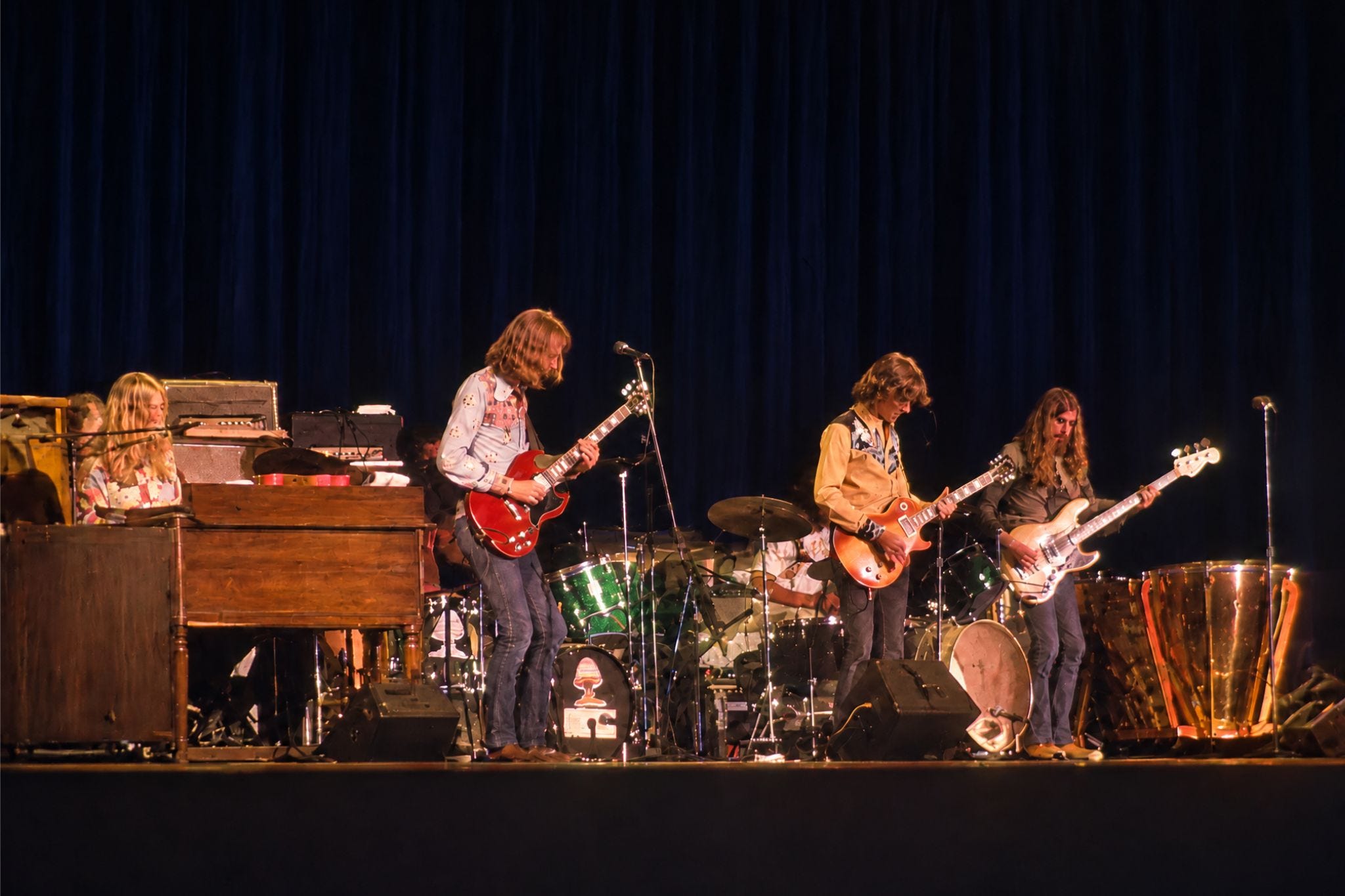
Episode OverviewRecorded live September 22, 2026 at the Memphis Listening Lab, my dude Jeff Kollath and I chopping it up about the 55th anniversary of Duane’s last appearance in Memphis: 9/17/71 Mid-South Coliseum.Our CrossroadsJeff and I are record nerds, music nerds, music history nerds. We share a deep love of Southern music—from the Southern soul sounds of Stax and Muscle Shoals, to the Allman Brothers Band, Widespread Panic, and Tedeschi Trucks Band. And we love to talk music in front of an audience. The last time we did this in Memphis, neither of us thought to record it.The ConversationThe show. The ABB arrived in Memphis fresh off a phenomenal show the night before at “A” Warehouse in New Orleans. (Two days later was another barn-burner 9/19/71 SUNY: Stony Brook.) An audience recording, the 9/17/71 Memphis show is one of the poorer-sounding tapes of the Duane era. The Allmans and ZZ Top drew about 4,700 people that night in a show that was plagued with problems.Tom Dowd and At Fillmore East. Dowd flew in from Africa just in time to engineer the Fillmore run. In my not-so-humble-opinion, telling the band to excise the out-of-tune horn section after Thursday night’s show is one of the most important decisions of the whole project.Riding high on At Fillmore East. The band’s landmark album had been out for a little over two months and was on its way to Gold record status. Offstage, drugs, especially heroin, had taken an ever-deepening hold on the band, which Grover Lewis chronicled for Rolling Stone in a devastating and cruel article published in the same issue announcing Duane’s death.Dickey steps forward. Jeff hears confidence and precision as Dickey Betts steps to the fore. It foreshadowed Dickey’s masterful work as the band’s sole guitarist from 1972-1976.The People’s Band. The Allman Brothers Band earned the moniker by playing their ass off. By 1971, free Sunday shows in parks had given way to what Willie Perkins called “dartboard tours.” Even so, that July the band played five 45-minute sets a day on the Steel Pier in Atlantic City.Brought to you by the paid members of the Long Live the ABB community. Upgrade to join them in supporting Conversation from the CrossroadsLagniappeI posted the show on Youtube. It’s a brief set and a pretty rough recording, but the band’s brilliance shines through the murk. Don’t miss Dickey on “In Memory of Elizabeth Reed”—he was slaying that tune all through 1971, but had hit a new gear altogether by September. You can hear him taking leadership of the band onstage. This is a public episode. If you'd like to discuss this with other subscribers or get access to bonus episodes, visit www.longlivetheabb.com/subscribe
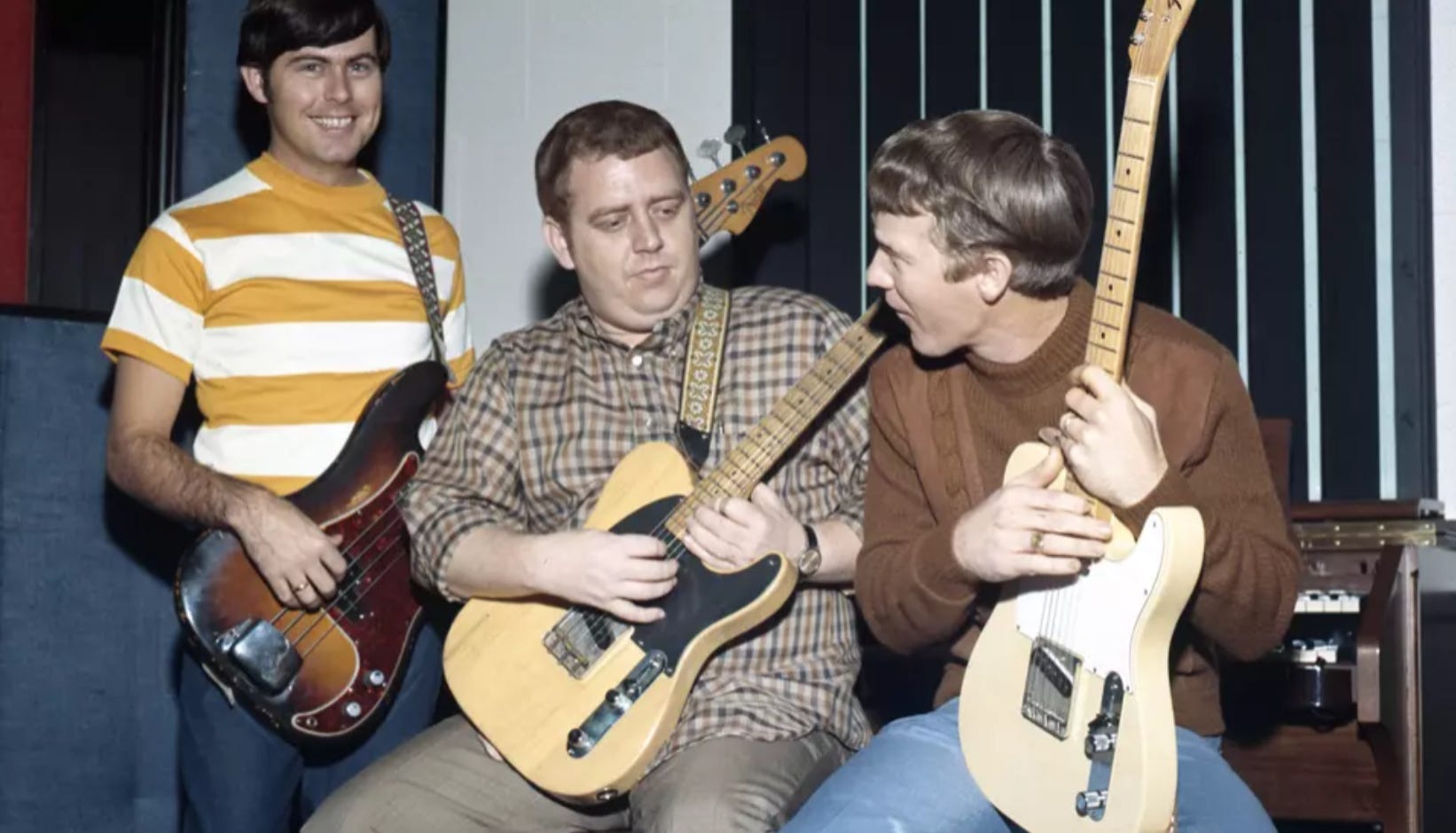
Episode OverviewAn interview from the archives.In May 2017, I sat down with producer and guitarist Jimmy Johnson at the studio he co-founded with his Swampers’ bandmates—Muscle Shoals Sound, 3614 Jackson Highway, Sheffield, Alabama. It’s the room where the Stones recorded “Brown Sugar” and “Wild Horses” and where Duane cut his incendiary solo on Boz Scaggs’s version of “Loan Me a Dime.” Jimmy was honest and generous with his time. He signed my Telecaster at the end of the day as well.Our CrossroadsJimmy Johnson and I meet at the crossroads of Duane Allman and Muscle Shoals, Alabama. Jimmy produced the Hour Glass at FAME Studios in spring 1968. He first recorded “Hey Jude” with Duane in November 1968. It was the first of multiple collaborations they had in Duane’s short life. Jimmy died September 5, 2019 at 76. Not only a contemporary of Duane’s, he was a true giant in Southern music. The Conversation“Hey Jude.” Jimmy shares his version of the story of Wilson Pickett recording the song that served as Duane’s coming out party. Duane convinced Pickett to cut the track while the rest of the players were on a dinner break. Johnson calls it the beginning of Southern rock. Muscle Shoals Sound. Johnson was candid about leaving Rick Hall and FAME to found Shoals Sound. Duane Allman. Though I didn’t get a lot from Johnson about Duane, I did get him to tell me a couple of my favorite stories about Duane. One was Duane and Jimmy seeing Johnny Winter at Fillmore East in January 1969. Eleven months later, Duane was on the same stage, as promised.The Stones. On “Brown Sugar,” Keith Richards ran his Fender Twin with JBL speakers wide open and overloaded the console. Jimmy was about to call the session off before he rigged a solution that cut the level enough for him to capture the classic “Brown Sugar” tone. Arif Mardin - Glass Onion. Jimmy named Atlantic producer Arif Mardin’s Glass Onion as the best record he ever played on. It had long been out of print and he was very proud that he’d downloaded the tracks and burned a cd so he could listen to it in the car. Upgrade to support the Conversation from the Crossroads.LagniappesArif Mardin Glass Onion (1969)That’s Eddie Hinton on lead guitar; Duane does not appear on this album.SpotifyTidalYoutube3 favorite reads of 2026Once again, I posted my three favorite reads of the year for bookdna.com: https://bookdna.com/bboy/2026/f/bob-beatty. Jimmy Johnson and Muscle Shoals feature prominently in Guralnick’s book, which was a long-overdue reread. 🍄Play All Night! Duane Allman & the Journey to Fillmore East🍄BUY PLAY ALL NIGHT🍄🍑MERCH🍑🍄Jimmy Carter reppin’ the ABB July 4 weekend 1976.Ad for ABB’s March 1971 run at Fillmore East. This is a public episode. If you'd like to discuss this with other subscribers or get access to bonus episodes, visit www.longlivetheabb.com/subscribe
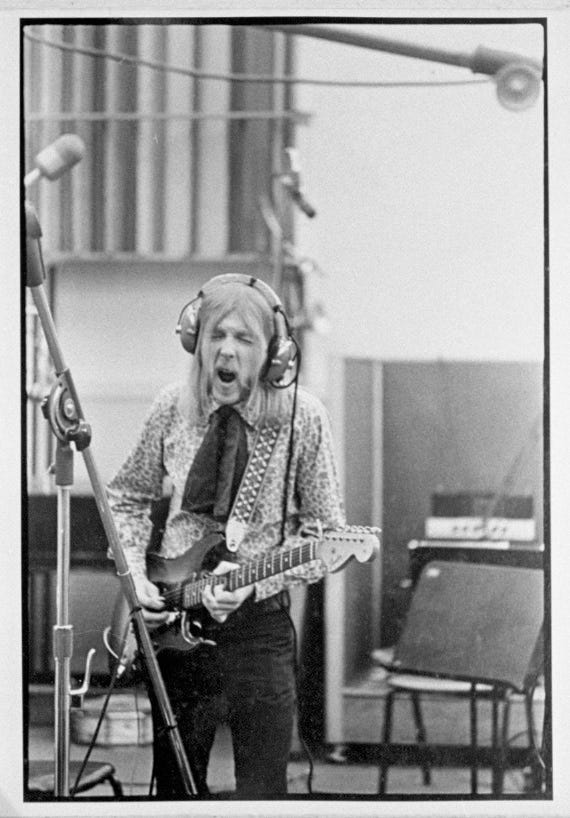
Eric Clapton’s favorite guitar solo was Duane Allman’s solo on “Hey Jude” with Wilson Pickett. It was Duane’s coming-out party after several years of frustration in Los Angeles, trying to make it with Hour Glass. He’d gone back to Florida, gone back to the South, and made his way to Muscle Shoals on a session with Clarence Carter in September 1968. Then in November, he was invited back for the Pickett session. As you’ll hear in the clip above, Duane was a real character for Muscle Shoals and for the South at the time, and he shook things up considerably at FAME Studios.Jimmy Johnson: I had never truly met a free-spirited person until I met him. Rick Hall: We were recording Wilson Pickett, and he just showed up. Johnson: Tom Dowd was a great engineer from Atlantic, and Rick did a joint production on this. Back then, it was a little touchy for a Black guy to go out with, say, five or six white guys to eat. And Duane was in a precarious situation. He had long hair. People with long hair who went out with us got worse looks than the Black guys. So the two of them stayed back. And that’s when Duane talked him into doing “Hey Jude.”Hall: He started playing the guitar. Pickett started working with him on the guitar, and it started sounding better and better. Pickett got enthused and started getting into it more. Johnson: I don’t have to tell you how much fun we had on this. We started running the tune down, and Duane had this little guitar riff. Starting on the vamp, we hit an incredible groove. Here we go. Get ready Allman Brothers! That particular part that Duane played changed music. It changed music to the point that Southern rock was introduced.Hall: When I sent Wexler the record of “Hey Jude” on Wilson Pickett, he called me back on the phone with his heavy New York Jewish accent. He said, “Rick, a stroke of genius.” Of course, it was Duane’s idea, but I took credit for it.Y’all know what came nextThe Pickett session secured Duane a gig as a session guitarist in Muscle Shoals. By January, he’d signed a contract with Hall and began recording a solo album under Hall’s direction. Duane grew bored with the solo band concept and left Muscle Shoals in late February/early March 1969 for Jacksonville. He assembled the band before he called Gregg back from L.A. to be the singer. Gregg’s arrival March 26, 1969 is the birth of the Allman Brothers Band. LagniappesTwo Long Live the ABB posts referencing the landmark “Hey Jude” session. Upgrade to a paid Conversation from the Crossroads membership🍄Play All Night! Duane Allman & the Journey to Fillmore East🍄BUY PLAY ALL NIGHTBrought to you by the paid members of the Long Live the ABB community.🍄MUSHROOM🍄MAGICIANS🍄 Craig Stevens, Ken Lupson, Laura McCarty, Steve Marshall🍑 PEACH 🍑 PALS 🍑 Allen Barnes, Art Dobie, Baileys Mike, Bob and Laura, Bob Johnson, Brent W. Hammond, Brent Pruner, Bruce Miles, Buddy Lewis, Cabinetsales, Caroline Doolittle, charlie2541, Chuck Zumwalt, Clay Hall, Clifford Morse, Cwktwo, Danbookin, David Manes, Dennis Newton, Denny, DJ Brown, Ed Ashton, Ed Pokorny, F. D., Frank Young, Gary Nagle/Chairman Wonwayout, Gary Smith, Gary Williamson, George Holman, Hlnbkt, Irishbeatz, James Reynolds, James Yerrill, Jason Hecht, Jcsarphie, JD Guitar, Jeff Kushmerek, Jeff Schein, Jerry K, JoaquinDinero, Joe Sokohl, Joel Berger, Joel Tanzer, John Delaney, John Dolan, John Haughey, Jordan David, Joseph Lilly, jukkinfan901, Kenton Lee, Kevin Harper, Kevin Walker, Kurt Nielsen, Mark Leitner, Martha Haynes, Mike Clark, Patrick McKeary, Peter Poulos, Phillip Page, Preston Root, Randy Woodall, Ray Tillman, Robert Porter, Rose Brandt, Scott Green, sswoger, Stanleyglennie8, Steve Teodeki, Surrender Cobra, Taylor Kropp, Tim Langan (Hot ‘Lanta Tim), Tim Mur, Tina Christopher, Tom Pragliola, Tony Dobek, Tony Gioia, Wade McCurdy, William Ayers, Wiszowa This is a public episode. If you'd like to discuss this with other subscribers or get access to bonus episodes, visit www.longlivetheabb.com/subscribe
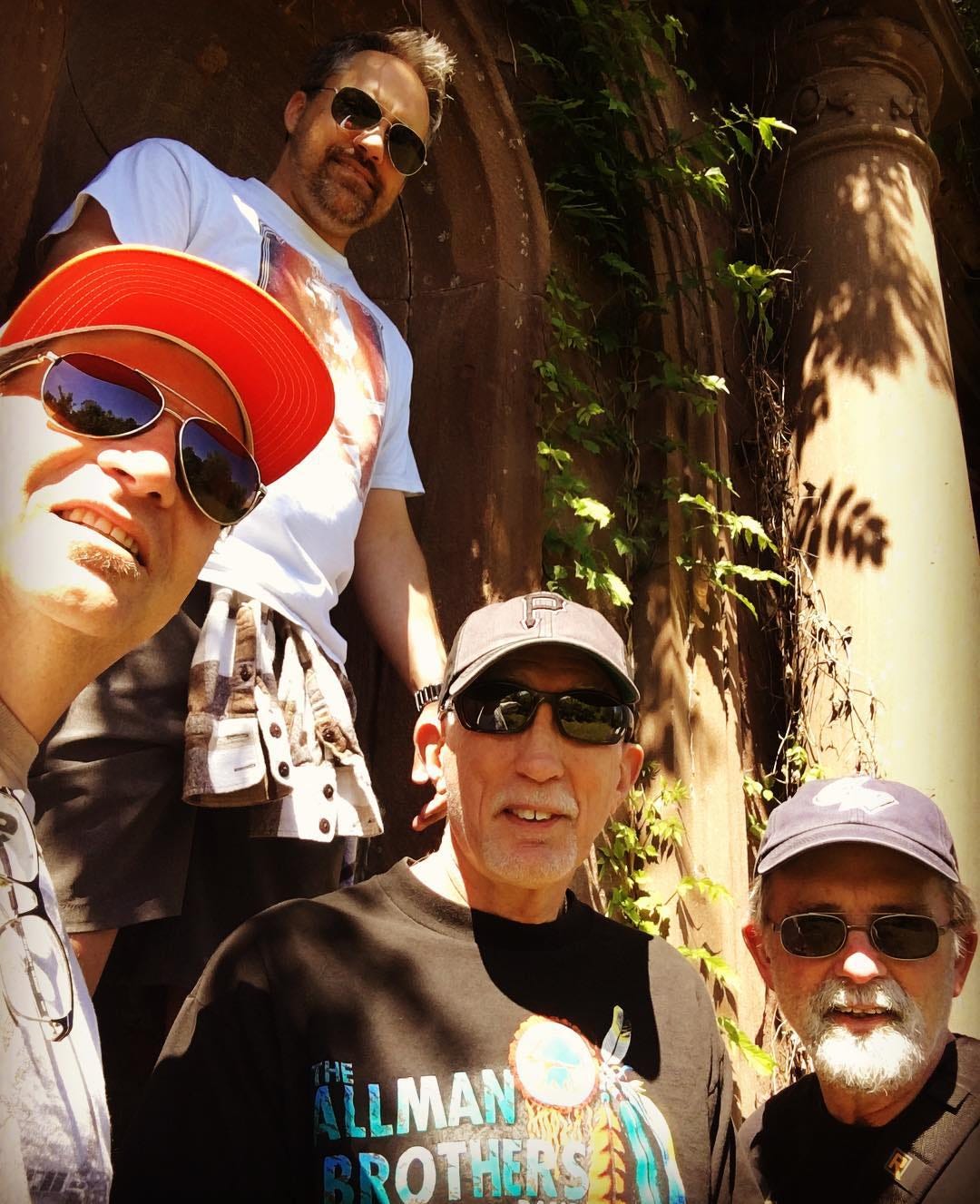
Episode OverviewWoodstock alumni Gary Barrett (with a cameo from his wife Camille, also a Woodstocker) joins me at the Crossroads to talk about his memories of the festival.This is part 2 of my Woodstock series. Part 1 was Tom Pragliola.Our CrossroadsGary and I first bonded in the late 1990s over a shared love of the Allman Brothers Band. We were members of a 1,000ish member ABB listserv that contained an amazing group of people, some of whom, like Gary, have become dear friends. Our connections extend far beyond the ABB and into jazz, fatherhood, friendship, and all of the things that make life what it is.The ConversationGetting tickets. Gary learned about Woodstock on WNEW-FM and through the Village Voice. He bought tickets for Saturday only, figuring he’d buy Sunday tickets onsite if he needed to. Turns out he didn’t need them for Saturday either.The journey to Bethel, NY. Gary made the decision to attend late Friday evening, his friend Alan convincing him over a bottle of Thunderbird. They recruited Camille and a friend and left Budd Lake, NJ, before dawn Saturday, August 16. They parked at a stranger’s house, and hiked to the festival site.The crowd at Woodstock. Listen to Gary talk about his strategy for getting close enough to recognize Grace Slick, and far enough away from a potential collapse of a giant speaker tower. They fell in with a crew from Pittsburgh who gave them watermelon soaked in booze. Gary kept one strict rule: watch what anyone hands you.The music. Santana was a highlight. As was Canned Heat. The Dead put him to sleep, and he considered leaving for home when Creedence Clearwater Revival woke him and everyone else up with “Born on the Bayou.” Janis, Sly, the Who followed. On Sunday, Joe Cocker started the day and brought the heavens down. Gary’s memories of what followed are hazy. He remembers Johnny Winter, losing a shoe in the mud, and watching Jimi Hendrix from the top of the hill.Arriving home. Gary missed his Monday shift at the RCA warehouse and lost the job, two weeks before he planned to quit anyway. He and Camille both remarked how Woodstock changed them immeasurably.Upgrade to support the Conversation from the Crossroads.🍄Play All Night! Duane Allman & the Journey to Fillmore East🍄BUY PLAY ALL NIGHTBrought to you by the paid members of the Long Live the ABB community.🍄MUSHROOM🍄MAGICIANS🍄 Craig Stevens, Ken Lupson, Laura McCarty, Steve Marshall🍑 PEACH 🍑 PALS 🍑 Allen Barnes, Art Dobie, Baileys Mike, Bob and Laura, Bob Johnson, Brent W. Hammond, Brent Pruner, Bruce Miles, Buddy Lewis, Cabinetsales, Caroline Doolittle, charlie2541, Chuck Zumwalt, Clay Hall, Clifford Morse, Cwktwo, Danbookin, David Manes, Dennis Newton, Denny, DJ Brown, Ed Ashton, Ed Pokorny, F. D., Frank Young, Gary Nagle/Chairman Wonwayout, Gary Smith, Gary Williamson, George Holman, Hlnbkt, Irishbeatz, James Reynolds, James Yerrill, Jason Hecht, Jcsarphie, JD Guitar, Jeff Kushmerek, Jeff Schein, Jerry K, JoaquinDinero, Joe Sokohl, Joel Berger, Joel Tanzer, John Delaney, John Dolan, John Haughey, Jordan David, Joseph Lilly, jukkinfan901, Kenton Lee, Kevin Harper, Kevin Walker, Kurt Nielsen, Mark Leitner, Martha Haynes, Mike Clark, Patrick McKeary, Peter Poulos, Phillip Page, Preston Root, Randy Woodall, Ray Tillman, Robert Porter, Rose Brandt, Scott Green, sswoger, Stanleyglennie8, Steve Teodeki, Surrender Cobra, Taylor Kropp, Tim Langan (Hot ‘Lanta Tim), Tina Christopher, Tom Pragliola, Tony Dobek, Tony Gioia, Wade McCurdy, William Ayers, Wiszowa🍄🍑MERCH🍑🍄Jimmy Carter reppin’ the ABB July 4 weekend 1976.Ad for ABB’s March 1971 run at Fillmore East. Here’s the original ad—with Johnny Winter at top of the bill. This is a public episode. If you'd like to discuss this with other subscribers or get access to bonus episodes, visit www.longlivetheabb.com/subscribe

Comments

Download from Google Play

Download from App Store
 United States