


 Claim Ownership
The World Between Us
Subscribed: 0Played: 17
Subscribe

© Copyright Norse Studio
Description
A life full of inspiration.
Become a supporter of this podcast: https://www.spreaker.com/podcast/the-world-between-us--6886561/support.
Become a supporter of this podcast: https://www.spreaker.com/podcast/the-world-between-us--6886561/support.
260 Episodes
Reverse

The recent intensification of the conflict in the Middle East, marked by joint US and Israeli strikes on Iranian oil depots and infrastructure, has triggered an unprecedented surge in global energy prices. A critical factor in this crisis is the severe disruption of transit through the Strait of Hormuz, where oil flows have dropped to only 10% of their normal volume due to an effective blockade. This waterway is vital for global stability, as it typically carries approximately one-fifth of the world's total supply of oil and liquefied natural gas (LNG).International oil benchmarks have reacted sharply to these supply threats. West Texas Intermediate (WTI) recently surged to a multi-year high of $113 per barrel, while Brent crude prices have breached the 100mark.Iftheconflictpersiststhroughoutthemonthandnoimmediatesolutionisfound,expertswarnthatpricescouldreachashighas∗∗150 per barrel**. The futures market is currently experiencing severe backwardation, a condition where near-term delivery contracts are significantly more expensive than those for the distant future. This reflects a state of panic among refineries and consumers who are desperate to secure any available physical supply to keep their operations running.The sharp rise in fuel costs is placing immense pressure on the global aviation industry. Major airlines in China are projected to see their earnings drop by 40% to 60% if oil prices remain at elevated levels, and they risk lapsing into total financial losses if prices stabilize at $80 per barrel or higher. Beyond specific sectors, this energy shock is driving global inflation expectations. The resulting inflationary pressure is expected to limit the ability of central banks to ease monetary conditions or cut interest rates in the near term.Geopolitical instability has been further heightened by the naming of a new Supreme Leader in Iran, a political transition that the US administration has already signaled is unacceptable. In an attempt to mitigate the economic fallout, G7 nations and the International Energy Agency are discussing a coordinated release of emergency oil reserves to provide interim relief to the market. However, there are significant concerns that countermeasures, such as rerouting crude or drawing on reserves, will not be enough to fully offset a global deficit that could reach 20 million barrels of oil per day.Become a supporter of this podcast: https://www.spreaker.com/podcast/the-world-between-us--6886561/support.

The Soham murders remain one of the most high-profile criminal cases in British history, involving the deaths of ten-year-olds Holly Wells and Jessica Chapman on August 4, 2002. The girls were lured into the home of Ian Huntley, a senior caretaker at Soham Village College, who claimed his girlfriend—the girls' teaching assistant, Maxine Carr—was present. Huntley murdered both children, likely by asphyxiation, and transported their bodies to a remote irrigation ditch near RAF Lakenheath. A massive 13-day search followed, involving hundreds of officers and volunteers, until a gamekeeper discovered their charred remains.Huntley was convicted of double murder in December 2003 and sentenced to life imprisonment with a minimum term of 40 years. Maxine Carr received a three-and-a-half-year sentence for conspiring to pervert the course of justice by providing Huntley with a false alibi. Following her release, she was granted a rare lifetime anonymity injunction to protect her from public vengeance. Forensic evidence played a crucial role in the investigation; for instance, the growth patterns of stinging nettles at the disposal site allowed experts to determine exactly how long the bodies had been there.The case exposed severe systemic failures, as Huntley had been the subject of numerous prior allegations of sexual offences and burglary that were not identified during his employment vetting. This led to the Bichard Inquiry, which recommended the creation of a national registration scheme for those working with vulnerable groups. These recommendations eventually resulted in the establishment of the Disclosure and Barring Service (DBS) and the Safeguarding Vulnerable Groups Act 2006.In a separate series of crimes, Anthony Russell carried out a violent murder spree in October 2020. Over seven days, he killed Julie Williams, her son David Williams, and Nicole McGregor, whom he raped before murdering. Russell was apprehended on October 30, 2020, and subsequently sentenced to a whole life order, ensuring he would never be eligible for parole.The paths of these two high-profile killers crossed in 2026 at HM Prison Frankland. On February 26, 2026, Russell allegedly attacked Huntley in a prison recycling workshop using a spiked metal pole. Huntley, who was 52 at the time, suffered severe brain trauma and was taken to a hospital. After his condition deteriorated, he was removed from life support and died on March 7, 2026. Reports indicated that other inmates cheered following the attack, and there were claims that Huntley had been bullying Russell prior to the incident. Following Huntley's death, his daughter remarked that there was a "special place in hell" waiting for him.Become a supporter of this podcast: https://www.spreaker.com/podcast/the-world-between-us--6886561/support.

Corey Parker (1965–2026) was a versatile American actor and highly respected acting coach whose career spanned over five decades. Born on July 8, 1965, in New York City, he was immersed in the world of performing arts from a young age. The son of actress Rocky Parker, he began his professional journey at age four, appearing in television commercials. He later refined his skills at the High School of Performing Arts and became a dedicated member of the Actors Studio and the Ensemble Studio Theater.Parker’s film career gained significant momentum in the 1980s. He is well-remembered by horror fans for his role as Pete in Friday the 13th Part V: A New Beginning (1985). He earned critical praise for his portrayal of Arnold B. Epstein in the 1988 film Biloxi Blues, an adaptation of the Neil Simon play. His other film credits include a variety of roles in productions such as 9½ Weeks, White Palace, and the lead role of Marlon Browne in the 1989 comedy How I Got into College.On television, Parker was a frequent presence in both starring and recurring roles. In the early 1990s, he starred as Neil Barash in the sitcom Flying Blind opposite Téa Leoni. He also delivered a memorable performance as Lee Owens in the series thirtysomething, participating in a groundbreaking and controversial 1989 episode. Many viewers recognize him for his recurring role in Will & Grace, where he played Josh, a bohemian character who dated Grace Adler during the show's second season. His other television work included a lead role as Dr. John Morgan in Love Boat: The Next Wave and portraying Eugene Jerome in the television movie Broadway Bound.In the latter part of his career, Parker transitioned into a prominent role as a Master Teacher and acting coach. He was known for his intuitive and nurturing teaching style, helping both established stars and aspiring actors find "the truth" in their performances. He taught classes in major hubs like Los Angeles, New York, and Nashville, and served as an on-set coach for various projects, including the series Sun Records and the Marvel production Ms. Marvel. His students often described him as a mentor who brought joy and specificity to the craft of acting.Outside of his professional life, Parker was an avid motorcycle and dirt bike enthusiast, a passion he maintained since his youth. He was also known for his deep devotion to his family and his artistic community.In his final years, Parker faced a challenging battle with advanced metastatic cancer. Throughout his illness, he remained open with his community about his health and continued to share his love for acting and teaching through social media and online classes. He passed away on March 5, 2026, in Memphis, Tennessee, at the age of 60. He is remembered by colleagues and students alike as a dedicated artist who viewed acting as a lifelong pursuit of humanity and truth.Become a supporter of this podcast: https://www.spreaker.com/podcast/the-world-between-us--6886561/support.
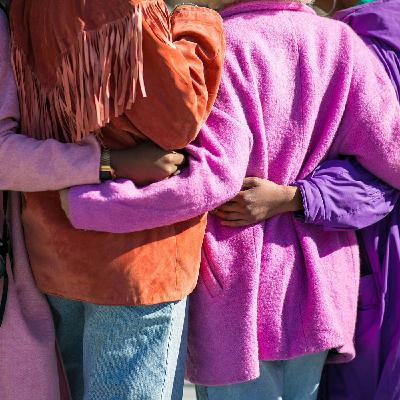
International Women's Day, observed annually on March 8, is a global event dedicated to celebrating the social, economic, cultural, and political achievements of women. Beyond mere symbolic recognition, the day serves as a powerful call to action for gender equality, highlighting the ongoing fight for reproductive rights and the elimination of violence and discrimination against women.The movement’s origins trace back to the early 20th-century labor movements in North America and Europe. A landmark moment occurred in 1908 when thousands of women marched through New York City demanding shorter working hours, better pay, and the right to vote. In 1910, a proposal to establish an international day was approved at a conference in Copenhagen to promote equal rights and suffrage. The first International Women's Day was celebrated in 1911 across several European countries, drawing over a million participants to rallies. The specific date of March 8 became fixed following a 1917 strike by female textile workers in Russia for "Bread and Peace," an event that helped pave the way for women's suffrage in that country. The United Nations formally recognized the day in 1975.The visual identity of the day is often tied to three specific colors: purple, white, and green. These symbols originated from the early 20th-century suffragette movement in the United Kingdom, where purple stood for justice and dignity, white for purity and integrity, and green for hope.By 2026, the focus of the day has shifted toward meaningful experiences and systemic change. The global theme for the year, "Rights. Justice. Action. For ALL Women and Girls," emphasizes the urgent need to address legal gaps and structural barriers. Currently, women worldwide enjoy only about 64 percent of the legal rights afforded to men, and it is estimated that it will take over 280 years to close the justice gap at the present rate of progress.Celebrations today vary from grassroots activism to corporate initiatives. In many workplaces, companies organize purpose-driven activities such as speed mentoring, skill-swap workshops, and "Unsung Hero" awards to recognize contributions that often go unnoticed. Other engagement ideas include wellness programs like guided meditation, desk-yoga, and financial literacy sessions designed to empower women in their professional and personal lives.Global customs also define the day; in many countries, it is a public holiday where it is customary to give women flowers and gifts. In Italy and several former Soviet republics, the yellow mimosa is a traditional symbol of the occasion. While the day has faced criticism for becoming commercialized in some regions, it remains a vital platform for protest and advocacy. From marches against domestic violence to legal challenges for equal rights, International Women's Day continues to be a day of both celebration and a determined push for a more equitable future.Become a supporter of this podcast: https://www.spreaker.com/podcast/the-world-between-us--6886561/support.

Daylight Saving Time (DST) in 2026 is scheduled to begin on Sunday, March 8, at 2:00 am local time. At this moment, clocks in participating regions are turned forward one hour to 3:00 am. This shift, often referred to as "Spring Forward," results in sunrise and sunset occurring approximately one hour later, providing more light in the evening and less in the morning. The period of DST will conclude on Sunday, November 1, 2026, when clocks are turned back one hour at 2:00 am to return to standard time.While the majority of the United States observes these changes, there are significant geographical exceptions. Hawaii and most of Arizona do not participate in DST and remain on standard time year-round. In Arizona, the decision to opt out is primarily driven by the desert climate; extending evening daylight would keep temperatures high for longer, potentially increasing energy consumption through prolonged air conditioning use. However, the Navajo Nation within Arizona does observe DST to maintain a consistent schedule with its territory in other states. Additionally, U.S. territories—including Puerto Rico, Guam, American Samoa, the Northern Mariana Islands, and the U.S. Virgin Islands—do not observe the clock change.A major shift is occurring in British Columbia, Canada, which is moving to permanent year-round daylight saving time starting March 8, 2026. After clocks move forward on that date, they will not be turned back in November. This new permanent time zone, referred to as Pacific Time, is intended to reduce disruptions to sleep patterns, simplify scheduling, and provide more usable evening light during winter months. While most of the province will follow this change, some regions in the northeast that already observe year-round mountain standard time will stay on their current schedule to align with the new Pacific Time. Some southeastern regions will continue to switch clocks to remain aligned with Alberta.To mitigate the health impacts of "losing" an hour of sleep, experts recommend adjusting sleep schedules a few days in advance. Going to bed 15 to 20 minutes earlier for several nights leading up to the change can help the body acclimate. Once the change occurs, exposure to bright light in the morning is encouraged to help synchronize the internal clock. It is also advised to avoid long naps or excessive caffeine during the transition period.Beyond health considerations, the time change serves as a semi-annual reminder for home safety. It is a recommended time to test smoke alarms and carbon monoxide detectors, ensuring that batteries are functional and units are clean. In some regions, like New York, regulations have shifted toward alarms with non-removable, long-term batteries to enhance safety, though regular testing remains essential.The history of DST in the United States is marked by attempts to balance energy conservation with public preference. First observed in 1918, the practice was standardized by the Uniform Time Act of 1966. A previous attempt at permanent year-round DST in 1974 was ultimately repealed after only ten months. While initially popular as a response to a national energy crisis, it lost public support during the winter when children had to commute to school in total darkness, leading to safety concerns and increased traffic accidents. Current debates continue, with proponents of permanent changes highlighting potential benefits to public safety and the economy, while others advocate for permanent standard time to better align with natural circadian rhythms.Become a supporter of this podcast: https://www.spreaker.com/podcast/the-world-between-us--6886561/support.
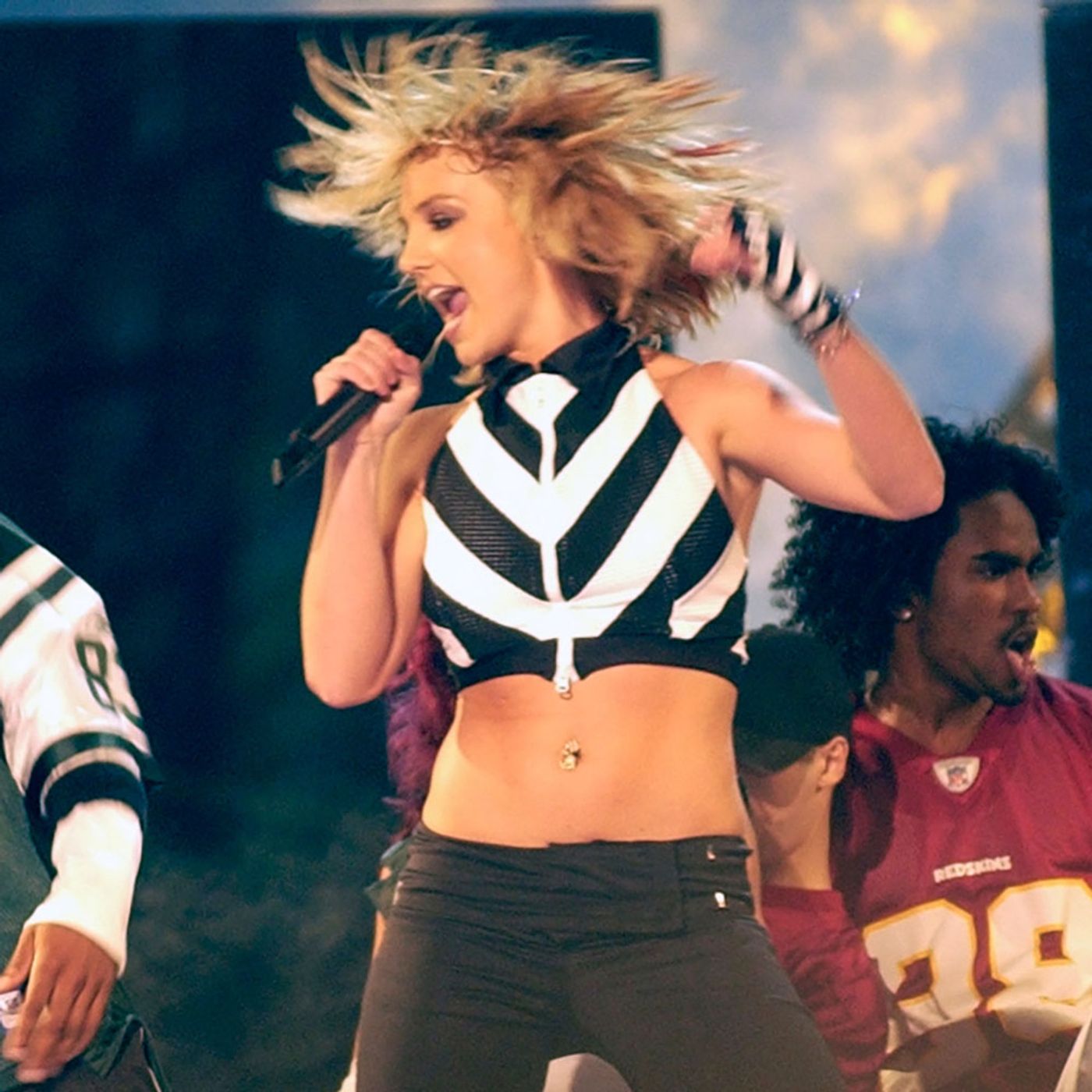
In early March 2026, Britney Spears was arrested in Southern California on suspicion of driving under the influence of a combination of alcohol and drugs. Authorities received reports of a vehicle speeding and weaving between lanes on the 101 South freeway. Upon being pulled over around 9:30 PM, the 44-year-old singer showed signs of impairment and submitted to field sobriety tests before being taken into custody. She was transported to a hospital for a blood draw and later booked into jail before being released on a citation early the next morning. Her representative described the incident as "completely inexcusable" and stated she intended to cooperate with the law.This recent legal trouble follows a career defined by massive global influence. Known as the "Princess of Pop," Spears emerged as a superstar in the late 1990s, eventually selling over 100 million records and defining the teen-pop explosion. Her commercial success includes one of the most lucrative Las Vegas residencies of its era and world tours that grossed half a billion dollars. As of early 2026, her net worth is estimated at approximately $130 million, a figure bolstered by the recent sale of her music catalog for an amount believed to be between $150 million and $200 million.Spears' personal life was significantly impacted by a 13-year court-ordered conservatorship that began in 2008 following a series of public mental health and substance use crises. This arrangement put her finances and daily activities under the control of her father and other appointed individuals. The legal struggle to end this oversight gained worldwide attention through the #FreeBritney movement. In 2021, after powerful public testimony in which she accused her family and management of abuse and coercion, the conservatorship was terminated.During her testimony, she detailed harrowing experiences under the legal arrangement, claiming she was forced to perform while ill and was denied the right to make decisions about her own body. A particularly notable allegation involved her claim that her conservators would not allow her to remove an intrauterine device (IUD), preventing her from having more children despite her desire to do so. Her case has since served as a catalyst for discussions on legal reform and the reproductive rights of people with disabilities, highlighting how such legal tools can be used to limit individual autonomy.Throughout her life, she has been open about her struggles with mental health and past substance misuse, including her reliance on stimulants during stressful periods of her career. In her 2023 memoir, she reflected on the intense pressures of fame and the lack of support she felt during her most vulnerable moments. While she remains a symbol of resilience for many, her recent arrest underscores the ongoing complexities of her journey toward recovery and personal freedom.Become a supporter of this podcast: https://www.spreaker.com/podcast/the-world-between-us--6886561/support.

The literary works of Tove Ditlevsen, Marlen Haushofer, and Annie Ernaux provide a compelling examination of the female experience through the lens of lived reality and fictionalized autobiography. These writers frequently bridge the gap between their personal histories and their creative output, using their prose to dissect themes of toxic relationships, social class, and the constraints of domesticity.Tove Ditlevsen is primarily recognized for her exploration of the psychological and social toll of her upbringing and subsequent adult life. Her writing often reflects her trajectory from a working-class background to the heights of the literary world, a journey marked by professional success but deeply shadowed by personal struggle. Her work, particularly the narrative centered on the character Lise Mundus, delves into the disintegration of a long-term marriage characterized by addiction, infidelity, and emotional manipulation. This narrative serves as a stark reflection of her own fourth marriage and her eventual suicide in 1976. Through her characters, she explores the emotional voids left by destructive partnerships and the pervasive fear of aging and loss.Marlen Haushofer’s bibliography offers a sharp critique of the hypocrisies and silent suffering found within middle-class marriages. Her prose often investigates the weight of individual responsibility and the ways in which social conformism can stifle the self. In her shorter works, she examines the impact of sudden tragedy on a family and the moral questions that arise when personal duty conflicts with the harsh realities of the world. Haushofer's own biography—including her experiences during the Anschluss and the difficulties of balancing a domestic role with her creative calling—informs her depiction of women navigating a world filled with unspoken tensions and the inevitable passage of time.In contrast, the work of Annie Ernaux represents a more analytical, almost sociological approach to the self. Born later than Ditlevsen and Haushofer, her writing captures a shift in the social landscape for women, though it remains rooted in the exploration of foundational traumas. She often revisits moments from her youth to articulate the concept of "class shame" and the long-lasting impact of one’s social origins. Her work utilizes memory not just for storytelling, but as a tool to understand the broader structures of society and how they shape daily experience. Unlike her predecessors, her later works are sometimes noted for a more optimistic tone, reflecting the progress in women’s rights and social standing during her lifetime.Viewed together, these three authors document a significant evolution of the female voice in 20th-century literature. They transform personal pain and social observation into a profound commentary on identity, shifting from the claustrophobic domestic traps of the past toward a more liberated and self-aware understanding of the self.Become a supporter of this podcast: https://www.spreaker.com/podcast/the-world-between-us--6886561/support.

On March 6, 2026, a series of powerful and destructive tornadoes swept through Southwest Michigan, causing significant loss of life and catastrophic property damage. The severe weather event, which struck during the late afternoon and evening, resulted in at least four confirmed fatalities in Michigan, while further casualties were reported in Oklahoma as the storm system moved across the central United States.The village of Union City was among the hardest-hit areas. A violent tornado leveled multiple single-family homes in a residential neighborhood near Union Lake. Authorities confirmed that three people lost their lives in this area, and at least twelve others were injured, with several requiring hospitalization. The destruction in Union City was extensive; some houses were reduced to their foundations, and personal belongings were scattered across the frozen surface of the lake. Local landmarks, including a historic church, also sustained structural damage, though some internal artifacts were miraculously spared.In St. Joseph County, the city of Three Rivers experienced a direct hit that caused major commercial and infrastructure damage. The roof of a large retail store was partially ripped off, and witnesses described metal roofing and debris flying through the air. The storm uprooted ancient trees, overturned vehicles, and left major thoroughfares blocked by tangled power lines and wreckage. Local law enforcement urged residents to avoid travel as emergency crews worked to clear the streets and manage bumper-to-bumper traffic jams.Cass County also suffered significant impacts, where at least one fatality was confirmed near Edwardsburg. A local state of emergency was declared to facilitate damage assessments. Multiple large structures, including pole barns and homes, were reported as either heavily damaged or completely destroyed.The broader weather system brought tragedy to Oklahoma as well, where at least four people were killed. Two deaths were reported in the community of Beggs following a tornado, and a mother and daughter died in a storm-related vehicle accident in Major County.In response to the crisis in Michigan, the State Emergency Operations Center was activated to coordinate an "all-hands-on-deck" response and support local requests for assistance. Utility companies reported that more than 3,000 customers were left without power. Mobile command centers were established in the affected zones to manage the restoration of electricity and to collaborate with the American Red Cross in providing emergency shelters for displaced residents.Meteorologists noted that the conditions for these tornadoes were created by a warm front pulling moisture from the Gulf of Mexico, which then collided with much cooler air over the Great Lakes. Such events are relatively rare for Michigan in early March, as the state typically sees far fewer tornadoes than states in the Great Plains. Residents have been urged to stay away from downed power lines and to use generators only in well-ventilated outdoor areas to avoid the risk of carbon monoxide poisoning. Emergency personnel continue to monitor the situation as the prospect of more severe weather remains possible.Become a supporter of this podcast: https://www.spreaker.com/podcast/the-world-between-us--6886561/support.

The digital landscape is entering a haunting new phase where the boundary between life and death is being blurred by artificial intelligence. A major social media corporation has recently secured a patent for a technology designed to simulate users through advanced language models, specifically targeting those who are absent from the platform for long periods or who have passed away. This "user simulation" aims to maintain the "user experience" for others by ensuring that the digital social circle remains active, even when its human members are no longer capable of participating.The logic behind this development is primarily economic. From a corporate perspective, the death of a user is a significant threat to engagement. When someone dies, their friends and family often experience a period of grief that leads them to spend less time scrolling through feeds or interacting with content. This drop in activity results in a direct loss of advertising revenue. By simulating the presence of the deceased—allowing a bot to post, comment, and "like" content in a way that mimics the person’s original behavior and thought patterns—the platform can keep the surviving users engaged and clicking on advertisements.This phenomenon is part of a broader shift in digital capitalism, where the goal is to bypass biological limitations. Historically, the system was restricted by human needs such as sleep, illness, and ultimately, death. Digital capitalism seeks to overcome these "errors in the system" by creating a world where engagement never stops. This has been described as a move toward interpassivity, a state where machines perform social and emotional actions on our behalf. Just as recorded laughter in a sitcom "laughs for us" when we are too tired to do so, these AI bots "live for us" online, maintaining a facade of activity and enthusiasm that we may no longer feel or be able to express.The implications for the future are staggering. Projections suggest that within a few decades—by approximately 2070—the number of deceased account holders on major platforms will surpass the number of living ones. Without intervention, social media would naturally evolve into a massive digital cemetery. However, with the implementation of simulation technology, these platforms could instead become "zombie" networks where bots interact with other bots or unsuspecting humans, creating a perpetual motion machine of data and growth.On a symbolic level, this technology serves to uphold the illusion of immortality. By removing the "gaps" in the social feed caused by death, the system prevents users from reflecting on their own mortality or the potential end of the socio-economic structures they inhabit. It creates a "loop" of constant consumption and presence that never has to acknowledge a finale. This leads to a dystopian reality where even "Rest in Peace" is inverted; instead of resting, our digital shadows are put to work, continuing to serve as consumers and brand ambassadors long after we are gone. Ultimately, this represents the final frontier of extraction, where a system that has already harvested our data and behaviors now seeks to monetize our very absence.Become a supporter of this podcast: https://www.spreaker.com/podcast/the-world-between-us--6886561/support.

The 2026 Winter Paralympics, officially known as the Milano Cortina 2026 Paralympic Winter Games, are scheduled to take place in Italy from March 6 to March 15, 2026. This 14th edition of the Games marks a historic milestone as the 50th anniversary of the first Winter Paralympics, which were held in Örnsköldsvik, Sweden, in 1976. The event will feature approximately 665 athletes from 56 nations competing in 79 medal events.The journey to the Games began with the Paralympic torch relay, themed "The Greatest Journey," which commenced on February 24, 2026, at Stoke Mandeville, United Kingdom—the spiritual birthplace of the Paralympic movement. The relay covered 2,000 kilometers over 11 days across Italy, involving 501 torchbearers before concluding at the opening ceremony. The opening ceremony is set to be held at the historic Verona Arena, a Roman amphitheater that provides a grand stage for the 50th-anniversary celebration.The competition includes six primary sports:Para Alpine Skiing: Features 30 medal events across categories for sitting, standing, and visually impaired athletes.Para Biathlon: Combines cross-country skiing with rifle shooting, using an auditory targeting system for visually impaired competitors.Para Cross-Country Skiing: Includes sprint, individual, and relay events.Para Snowboarding: A pure racing sport (banked slalom and snowboard cross) where the first across the line or fastest time wins.Para Ice Hockey (Sled Hockey): A high-intensity team sport where players use sleds and two short sticks for propulsion and puck control.Wheelchair Curling: Features a major debut this year with the addition of mixed doubles, alongside the traditional mixed team tournament.A unique aspect of the Winter Paralympics is the factored time system used in alpine skiing, biathlon, and cross-country skiing. Similar to a golf handicap, this system multiplies an athlete's raw finish time by a factor specific to their impairment level, allowing athletes with different classifications to compete fairly for the same medals. Other sports, like para snowboarding and para ice hockey, do not use factors but rely on head-to-head competition within specific classes or a single open class.Events are distributed across several venues in Northern Italy. Cortina d'Ampezzo will host para alpine skiing, para snowboarding, and wheelchair curling. Nordic events (biathlon and cross-country) are located at the Tesero Cross-Country Skiing Stadium in Val di Fiemme, while the para ice hockey tournament will take place in Milan at the Santagiulia Stadium.The 2026 Games will see the participation of legendary veterans and rising stars. The United States team, for example, features Oksana Masters, the most decorated American Winter Paralympian, and a dominant sled hockey team seeking its fifth consecutive title. Host nation Italy looks to stars like Giacomo Bertagnolli in alpine skiing to lead their delegation. Additionally, nations such as El Salvador, Haiti, and Montenegro are expected to make their debut at the Winter Games, reflecting the continued global growth of the Paralympic movement. The official mascot for the event is Milo, a brown stoat intended to symbolize agility and resilience.Become a supporter of this podcast: https://www.spreaker.com/podcast/the-world-between-us--6886561/support.
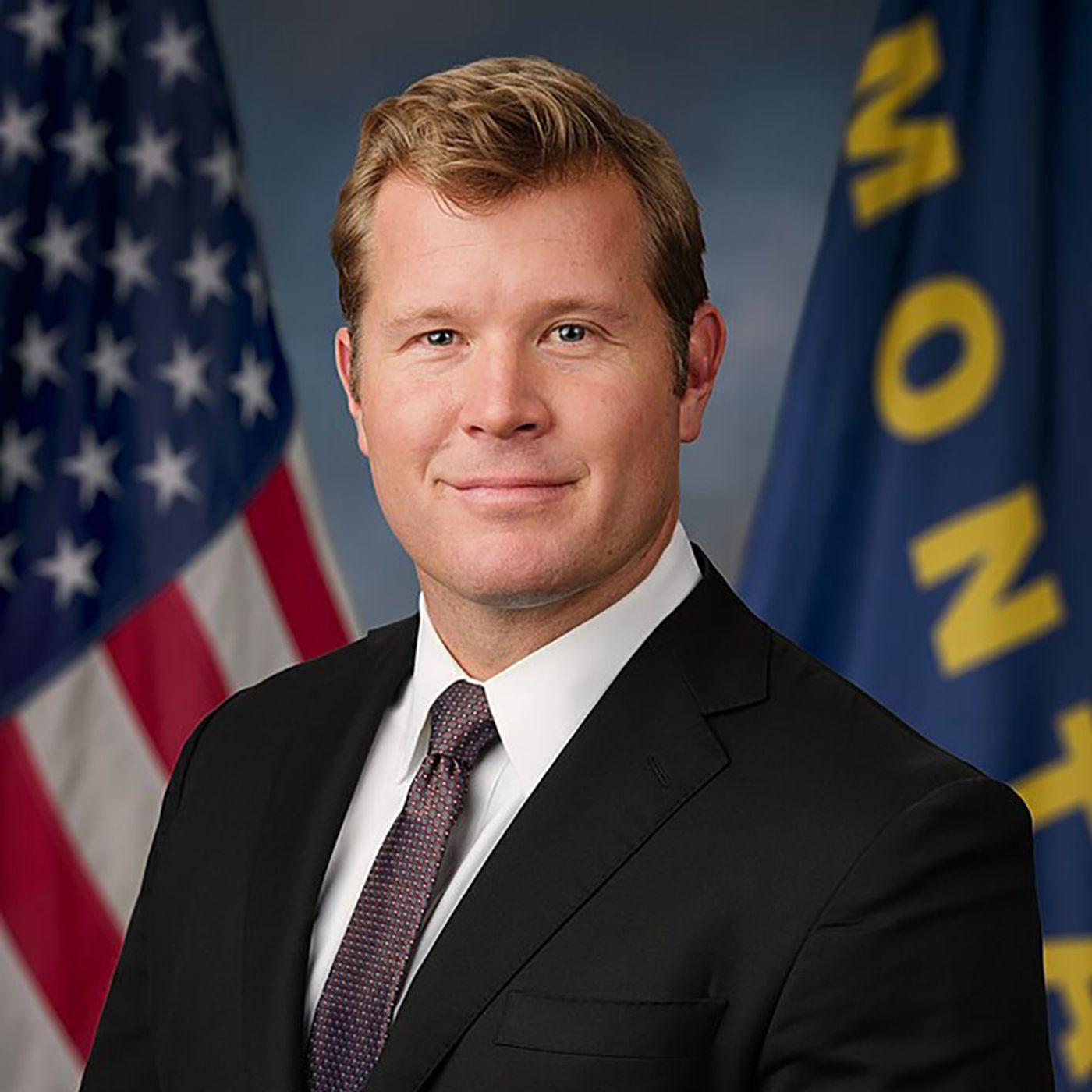
On March 4, 2026, a high-profile physical altercation occurred during a Senate Armed Services Subcommittee hearing on Capitol Hill, involving Senator Tim Sheehy of Montana and Brian McGinnis, a Marine veteran and anti-war activist. The incident has sparked a national debate over the use of force by elected officials and the rights of citizens to protest within government buildings.The confrontation began when McGinnis, who is also a Green Party candidate for the U.S. Senate in North Carolina, interrupted the proceedings to protest the ongoing military conflict involving the United States, Israel, and Iran. Dressed in a Marine Corps uniform, he shouted that the American people do not want to fight a war for Israel. As U.S. Capitol Police officers attempted to remove him from the hearing room, McGinnis reportedly resisted by clinging to a doorway.In a move that drew immediate and polarized reactions, Senator Sheehy—a former Navy SEAL—left the dais to assist the police officers in physically ejecting the protester. During the ensuing struggle, McGinnis’s arm became wedged between the door and its frame. Onlookers reported a violent scene, and McGinnis later confirmed that his arm was broken during the scuffle.The narratives surrounding the event differ significantly depending on the party involved:Senator Sheehy defended his actions on social media, describing the protester as "unhinged" and "fighting back." He claimed his intervention was an attempt to help the police and de-escalate a dangerous situation, asserting that McGinnis had come to the Capitol specifically seeking a confrontation.The U.S. Capitol Police supported this view in their official statement, alleging that McGinnis "violently resisted" removal and caused his own injury by trying to force his way back into the room. They reported that three officers were also treated for injuries. McGinnis was arrested and faces multiple charges, including three counts of assaulting a police officer, resisting arrest, and obstructing a congressional hearing.Advocacy groups and witnesses have strongly condemned the Senator’s behavior. One veteran-led organization labeled the act a "shameful and undemocratic political theater" and an abuse of power. They argued that McGinnis was exercising his First Amendment rights and that a sitting Senator has no legal authority to physically assault a veteran or any citizen, especially when law enforcement is already present.The incident occurred on the same day the Senate voted down a war powers resolution intended to limit the President's ability to continue the conflict with Iran without congressional approval. Consequently, the altercation has become a symbol for many of the deep divisions regarding current U.S. foreign policy and the treatment of veterans who dissent against "endless wars." Critics of the Senator have called for a formal investigation into his conduct, while his supporters maintain he was acting in the interest of security and order.Become a supporter of this podcast: https://www.spreaker.com/podcast/the-world-between-us--6886561/support.
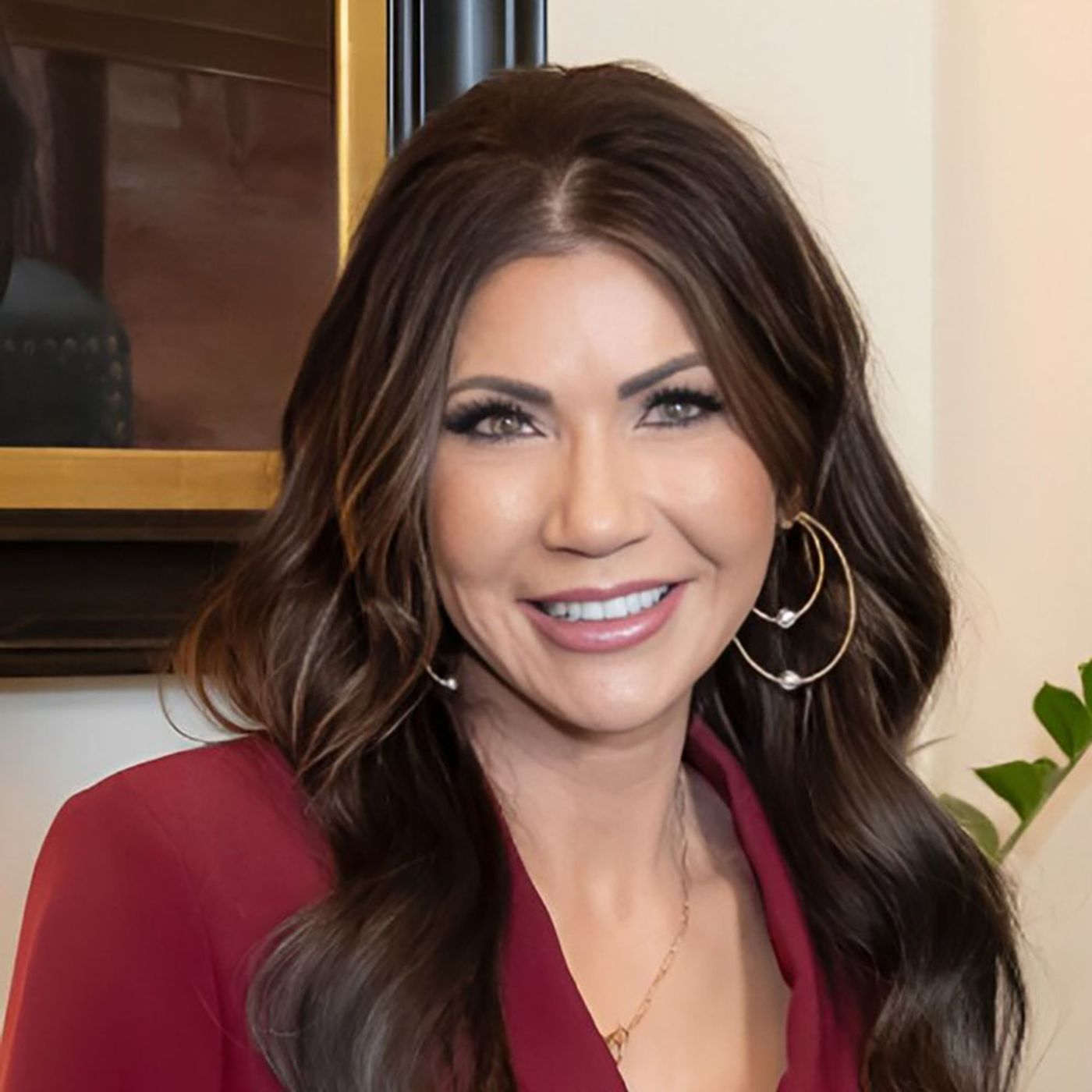
On March 5, 2026, the leadership of the United States Department of Homeland Security (DHS) underwent a significant transition as President Donald Trump announced the removal of Kristi Noem from her position as Secretary. This departure, effective March 31, marks the first Cabinet-level exit of the President's second term. While the move was publicly presented as a transition to a new role, it followed a series of controversies that made her continued leadership untenable.The primary factor in Noem’s dismissal was a $220 million taxpayer-funded advertising campaign promoting the administration’s immigration crackdown. Noem was the central figure of these ads, appearing on horseback and speaking directly to the camera. The situation reached a breaking point during congressional hearings when she provided conflicting testimony, initially claiming the campaign was competitively bid and personally approved by the President, before later acknowledging the contract had not been competitively bid. The President subsequently denied any knowledge of the campaign, leading to a public loss of confidence.Beyond the financial controversy, Noem faced intense criticism for her handling of a January incident in Minnesota, where federal immigration agents shot and killed two American citizens. Noem’s immediate characterization of the victims as "domestic terrorists" sparked a national outcry, especially as bystander video later emerged that contradicted the official narrative. Additionally, her tenure was clouded by allegations of an affair with a high-ranking political adviser, mismanagement of department staff, and friction with the heads of other immigration agencies.Despite her removal from the DHS, Noem has been appointed as a Special Envoy for "The Shield of the Americas." This new security initiative, scheduled for a formal unveiling in Florida, is designed to bolster regional cooperation in the Western Hemisphere, focusing specifically on dismantling cartels and stopping the flow of narcotics.To fill the vacancy, the President has nominated Senator Markwayne Mullin of Oklahoma. A former mixed martial arts fighter and a member of the Cherokee Nation, Mullin is a loyal ally of the administration who previously served ten years in the House of Representatives. His nomination is seen as an effort to install a steadier hand to oversee the department’s 250,000 employees and its vast enforcement systems. While he faces a potentially contentious confirmation process, Mullin has expressed a commitment to continuing the administration's hardline immigration policies.This leadership shuffle occurs amidst a broader legal battle involving the DHS and several states. Under a federal "Targeting Directive," the administration has attempted to withhold or terminate billions of dollars in funding for public health, transportation, and disaster relief from California, Colorado, Illinois, and Minnesota. These states have been singled out due to their "sanctuary" policies and refusal to use local resources for federal immigration enforcement. In response, the four states have filed a major federal lawsuit, alleging that the administration is using the "power of the purse" for unconstitutional political retaliation.Recent developments in the litigation show that while the administration has begun releasing over $5 billion in long-delayed disaster aid to most of the country, it has specifically excluded those four states from receiving funds. This conflict over federal funding and the "sanctuary" designation remains a central pillar of the administration's domestic agenda as the new leadership takes over at the Department of Homeland Security.Become a supporter of this podcast: https://www.spreaker.com/podcast/the-world-between-us--6886561/support.
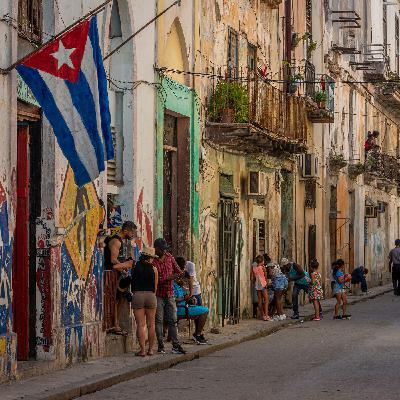
Cuba is currently enduring a severe humanitarian crisis characterized by a critical shortage of electricity, water, and food. The lack of fuel has paralyzed urban life, resulting in uncollected trash piling up in streets and creating significant epidemiological threats. Public health is in jeopardy as hospitals operate at the limit of their capacity, frequently lacking basic antibiotics and medical supplies. Furthermore, frequent and prolonged blackouts have decimated the tourism industry, once a vital economic pillar, turning the island into a place where shops have empty shelves and basic services are non-existent.This dire situation is the result of long-term authoritarian governance compounded by decades of international isolation and sanctions. In early 2026, a major blow was dealt to the economy when a U.S. operation in Caracas led to the capture of the Venezuelan president, effectively cutting off Cuba's primary source of oil. Subsequent U.S. executive orders have placed sanctions on any nation attempting to supply fuel to the island. Additionally, the re-listing of Cuba as a state sponsor of terrorism by the U.S. administration has reinstated a full arsenal of economic pressures on an already fragile economy.The island has become a playground for geopolitical competition between major powers. Russia has leveraged its military cooperation with the island to demonstrate strength against Western interests. Reports suggest that since 2022, approximately 20,000 citizens have been recruited into the Russian military, often under false pretenses of construction work, only to end up on the front lines in Ukraine. Conversely, China has adopted a strategy of influence through aid, providing emergency shipments of rice and electrical equipment while investing heavily in the island's renewable energy infrastructure.The social fabric of the country is under immense strain, with the population responding through protest, migration, or silent endurance. While mass demonstrations occur due to blackouts and food shortages, they are often suppressed by the state, leading to numerous arbitrary detentions. The desperation is reflected in demographic shifts; between 2021 and 2024, the island's population shrank by an estimated 12% as people fled seeking better lives. For those who remain, the island is increasingly described as a "prison," where they are trapped between a regime focused on survival and foreign policies that restrict their access to the global market.On the international stage, there is significant pushback against the economic blockade. The UN General Assembly consistently votes in favor of lifting the embargo, with 165 nations supporting such a resolution in late 2025. However, the consensus is fracturing; countries like Ukraine, Hungary, and Argentina have shifted their positions to oppose the resolution or abstain, citing the island's military involvement with Russia as a primary reason for their change in diplomatic stance. Despite this international debate, the power to end the embargo remains solely with the U.S. Congress, which shows no signs of changing its policy. Overall, the ordinary population continues to suffer the most, caught in a cycle of poverty and geopolitical maneuvering that offers little immediate hope for relief.Become a supporter of this podcast: https://www.spreaker.com/podcast/the-world-between-us--6886561/support.
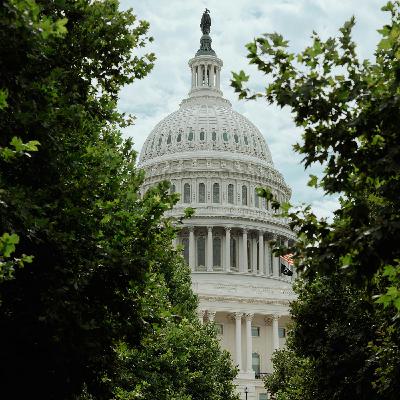
In the United States, artificial intelligence has emerged as a primary catalyst for political and social polarization, raising fundamental questions about the future of the economy and democracy. A central concern is the potential for AI to displace the educated middle class, performing tasks that once required high levels of human expertise. This shift threatens to "liberate" elites from their traditional dependence on an educated workforce, potentially leading to a deep economic demotion for many professional workers.Political discourse is increasingly focused on the need for a "new social contract" regarding AI. This movement, largely driven by the progressive wing of the Democratic Party, seeks to ensure that the massive productivity gains generated by technology benefit the broader public rather than just a few tech oligarchs. Key proposals include:Taxing AI and Robots: Implementing taxes on automated systems to fund a "Future Jobs Administration," which would support public sector employment in fields like clean energy, biotechnology, and infrastructure.Protecting Labor: Mandating that companies negotiate with unions before deploying AI and requiring a "human-in-the-loop" to maintain human oversight in automated processes.Regulating Data Centers: Addressing the environmental impact of the physical infrastructure behind AI, as local communities increasingly complain about rising electricity costs and the depletion of water resources caused by massive data centers.Public sentiment aligns with these regulatory pushes, as polls indicate widespread distrust of AI. A significant majority of Americans fear that the technology will have a negative impact on the economy and lead to massive job losses. These fears are often exacerbated by industry leaders who describe humans as a costly and slow alternative to machine intelligence.In contrast, other political factions, particularly within the Republican Party and the current Trump administration, view AI primarily as an engine for economic growth and a critical tool for global competition. Their strategy focuses on deregulation to ensure the United States maintains its technological lead over rivals like China. This approach often involves federal measures to block state-level regulations that might hinder the industry's expansion.The influence of the tech sector on this debate is significant, with industry-funded political committees spending tens of millions of dollars to support candidates who favor their interests. While most of the industry opposes strict oversight, a few companies have broken ranks to call for regulation, specifically regarding the use of AI for mass surveillance or autonomous weaponry.As the country moves toward future election cycles, the debate over whether AI will serve as a tool for broad prosperity or a mechanism for further inequality has become a defining issue in American politics. The struggle is no longer just about the technology itself, but about the social and political context in which it is deployed.Become a supporter of this podcast: https://www.spreaker.com/podcast/the-world-between-us--6886561/support.

Louis Leo Holtz (1937–2026) was a towering figure in American college football, renowned for his transformational leadership as a head coach and his later career as a prominent television analyst. Over a collegiate coaching career spanning 33 seasons, he compiled 249 victories and remains the only coach in history to lead six different programs to bowl games. Beyond his tactical prowess, Holtz was celebrated for his affable personality, motivational wit, and a coaching philosophy rooted in discipline and team unity.Holtz’s most iconic tenure took place at the University of Notre Dame from 1986 to 1996, where he revitalized a struggling program and earned 100 victories. The pinnacle of this era was the 1988 National Championship, which the Fighting Irish secured with a perfect 12-0 record following a victory over West Virginia in the Fiesta Bowl. During his decade in South Bend, Holtz led the team to a school-record 23-game winning streak and nine consecutive bowl appearances. He also institutionalized several enduring traditions, including the "Play Like A Champion Today" sign that players strike before entering the field and the practice of removing names from the back of jerseys to emphasize the collective over the individual.In addition to his success at Notre Dame, Holtz achieved significant milestones at other major universities. At Arkansas, he led the Razorbacks to a 60-21-2 record over seven seasons, including a major upset of Oklahoma in the 1978 Orange Bowl. Later, at South Carolina, he orchestrated one of the most impressive turnarounds in NCAA history, leading the Gamecocks from a winless season in 1999 to back-to-back Outback Bowl victories over Ohio State in 2000 and 2001. While he also ventured into the professional ranks as head coach of the New York Jets in 1976, he resigned before the season concluded, famously remarking that he was not meant to coach in the pros.After retiring from coaching in 2004, Holtz transitioned seamlessly into broadcasting, becoming a staple of college football coverage on CBS Sports and ESPN. He was known for his sharp analysis and chemistry with co-hosts, appearing regularly on programs such as College Football Scoreboard and College Football Live. His contributions to the sport were officially recognized with his induction into the College Football Hall of Fame in 2008.Off the field, Holtz was a man of deep conviction, often citing faith, family, and service as his core values. A devout Catholic, he was active in motivational speaking and authored several books, including his autobiography Wins, Losses, and Lessons. He was also politically active, supporting various Republican candidates and causes throughout his life. In 2020, he was awarded the Presidential Medal of Freedom, the highest civilian honor in the United States, for his contributions to sports and society.Lou Holtz passed away on March 4, 2026, at the age of 89 in Orlando, Florida, surrounded by his family. He was predeceased by his wife of nearly 60 years, Beth Barcus Holtz, who died in 2020. He leaves behind a legacy defined not only by championships and records but by the thousands of players and fans he inspired through his belief in the potential of others and his commitment to excellence.Become a supporter of this podcast: https://www.spreaker.com/podcast/the-world-between-us--6886561/support.
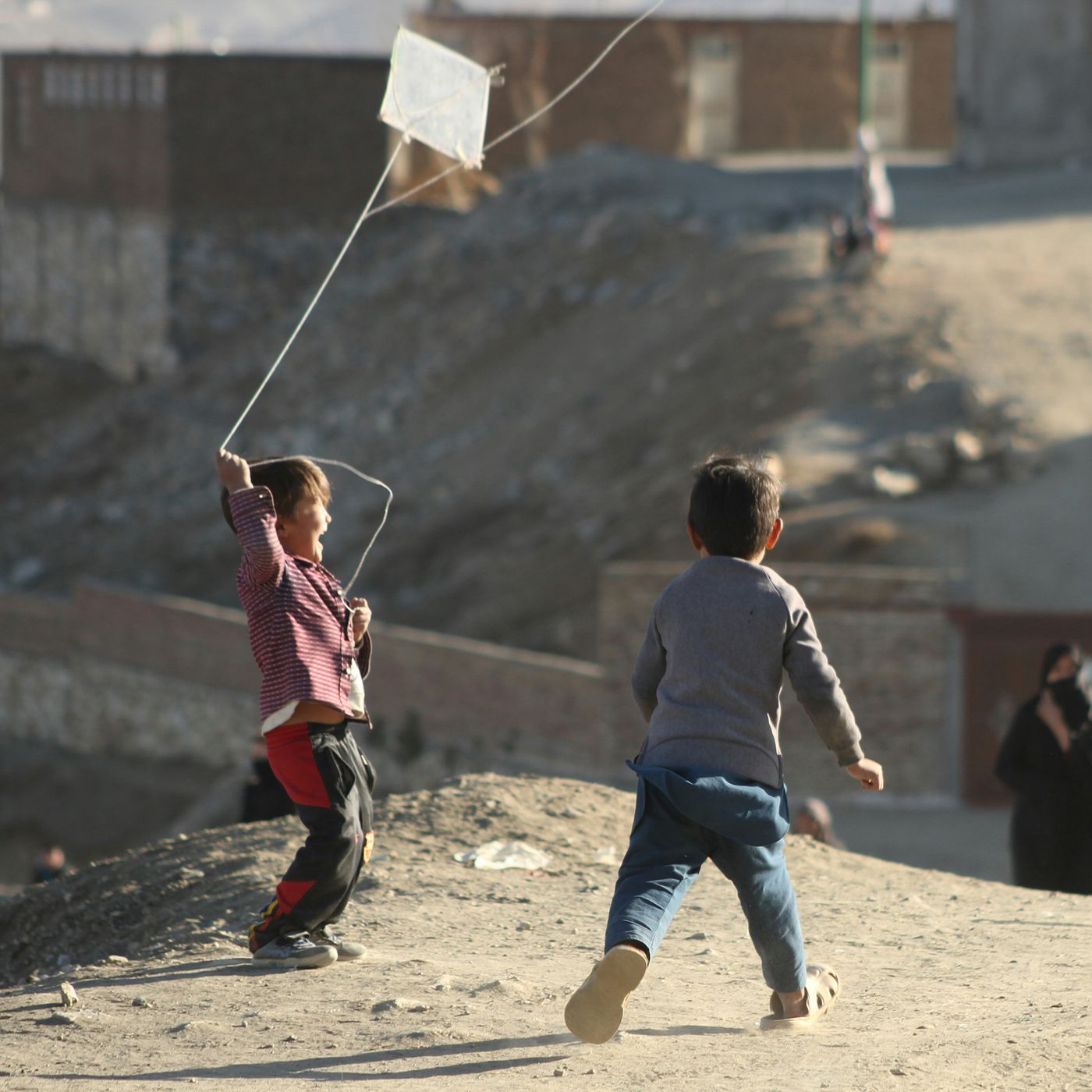
The current situation in Afghanistan is marked by a profound humanitarian crisis and a systematic erosion of fundamental human rights. Since the return of the previous regime to power, the country has seen a significant increase in the abduction and exploitation of minors. Young boys, particularly those from northern provinces such as Panjshir, Baghlan, and Badakhshan, are frequently kidnapped and transported to southern strongholds like Kandahar and Helmand. These children are often forced into the practice of bacha bazi, where they are used as "dancing boys" for entertainment and are subjected to severe sexual abuse. Families of the victims face constant intimidation, and the social taboo surrounding the subject makes reporting these crimes nearly impossible.The legal environment has become a tool for protecting perpetrators rather than victims. A penal code introduced in early 2026 establishes a hierarchy of justice based on the status of the individual. Crimes committed by religious leaders are often dismissed as "misunderstandings" that require only a simple warning. In contrast, victims who are considered "dependent"—such as women and children—face harsh punishments, including imprisonment and flogging, even when seeking justice for their own abuse. For instance, a woman reporting domestic violence must provide near-impossible physical proof of injury in front of her abuser, and failure to do so can result in her being labeled "disobedient," leading to divorce without compensation and the loss of her children.The education system has also been transformed into a mechanism for ideological indoctrination. The number of registered religious schools, or madrasas, has surged from 13,000 to 23,000, housing over 2.5 million children. These institutions have largely abandoned traditional academic subjects like philosophy and science in favor of "brainwashing" students against the outside world. These schools also provide easy access for predators, as teachers may abuse students with total impunity. Many parents send their children to these madrasas out of desperation, as food aid is sometimes made contingent upon enrollment.While the population faces extreme starvation, with over 20 million people in urgent need of humanitarian aid, the authorities prioritize the enforcement of strict moral codes. This includes specific instructions on the proper length of hair and beards for men, with non-compliance leading to punishment. Furthermore, international aid often fails to reach those in need, as it is frequently diverted to support terrorist infrastructure. The number of active training camps has increased drastically, growing from eight in 2001 to over a hundred today.The danger is further compounded by the mass deportation of Afghans from neighboring Pakistan. For those who previously served in the military or police, being forced back into the country is essentially a death sentence. The international community’s shifting focus to other global conflicts has left these people feeling forgotten, allowing the current regime to act with a sense of absolute impunity. As terrorist groups within the country grow in strength and resources, the regional and global security implications continue to escalate.Become a supporter of this podcast: https://www.spreaker.com/podcast/the-world-between-us--6886561/support.

Megan Fox recently made a dramatic return to social media, capturing public attention with a series of bold and sultry photographs. After a brief hiatus from Instagram, she posted images from a photoshoot where she wore a black cropped corset shirt, a matching thong, and a spiked choker. She completed the edgy look with a black garter, knee-high stockings, and affordable platform heels. Alongside the photos, she included a cryptic caption stating that "everything is more beautiful because we are doomed," and further declared her comeback on her Instagram Stories by announcing she is "alive".The post quickly drew a flirty response from her former partner, Machine Gun Kelly. He commented on the pictures, expressing that he was "stoked" to have her phone number. This interaction comes amid ongoing public curiosity regarding the status of their relationship. While the couple reportedly ended their engagement and romantic relationship in 2024, they have been seen together frequently in recent months, leading to speculation about a possible reconciliation.The pair's current connection is largely centered on their shared daughter, Saga Blade, who was born in mid-2024. They have been spotted enjoying family time together, including a dinner in Calabasas in early 2026 and a trip to the zoo in late 2025. Those close to the situation suggest that their primary focus remains on effective co-parenting and navigating this new chapter of their lives as a blended family.In addition to the attention from her ex, Fox had to address a bizarre conspiracy theory that surfaced following her return. One social media user accused the actress of being a "clone," claiming the person in the new photos was not the real Megan Fox. She quickly shut down the speculation with a sharp and humorous retort, stating that "a clone could never" replicate her.Beyond her relationship with Machine Gun Kelly, Fox is a mother to three older children—Noah, Bodhi, and Journey—whom she shares with her ex-husband, Brian Austin Green. Her children were reportedly excited to welcome their younger sister, Saga, into the family. For Fox, motherhood is a grounding force, and she has spoken openly about the challenges and rewards of co-parenting while trying to protect her children's privacy from the pressures of the internet.Become a supporter of this podcast: https://www.spreaker.com/podcast/the-world-between-us--6886561/support.

The 2026 United States Senate election in Texas is scheduled to be held on November 3, 2026. This contest will decide who represents the state for a six-year term beginning in 2027. The incumbent Republican, John Cornyn, who was first elected in 2002, is running for a fifth term. The election is viewed as a significant battleground, reflecting a broader struggle between the traditional and hardline factions within the state's political landscape.In the Republican primary, Senator Cornyn faced a major challenge from Ken Paxton, the state’s Attorney General. The campaign was marked by intense friction, with Paxton accusing the incumbent of being insufficiently conservative on issues such as gun safety, aid to Ukraine, and immigration. Cornyn, in turn, focused on Paxton’s legal difficulties, character, and 2023 impeachment. Wesley Hunt, a U.S. Representative from the Houston area, also joined the race, adding to the competition. Since no candidate secured more than 50% of the vote in the March 3 primary, the race is proceeding to a runoff election. Cornyn and Paxton will face each other again on May 26, 2026, to determine the party's nominee.On the Democratic side, state Representative James Talarico won the nomination, defeating U.S. Representative Jasmine Crockett. The Democratic primary highlighted a stylistic and strategic debate within the party regarding how to win in a traditionally conservative state. Talarico, a former teacher and seminarian, promoted a progressive vision rooted in his faith and focused on economic issues to build an inclusive movement across rural and urban areas. Crockett was recognized as a progressive firebrand for her performance in congressional committees and her direct attacks on political opponents. A critical moment in the primary occurred when a televised interview with Talarico was blocked from airing due to federal equal-time regulations. The interview subsequently went viral on social media, providing Talarico with a massive boost in fundraising and visibility just as early voting commenced.The general election on November 3 will feature the Democratic nominee against the winner of the Republican runoff, alongside several third-party and independent candidates, including representatives from the Libertarian and Green parties. While Republicans have won every Senate seat in Texas since 1990, Democrats believe that internal divisions in the Republican party and current political trends could provide an opening for a win. Major analysts currently rate the contest as "Likely Republican," though some forecasts suggest the race could tighten depending on the final Republican candidate.Become a supporter of this podcast: https://www.spreaker.com/podcast/the-world-between-us--6886561/support.
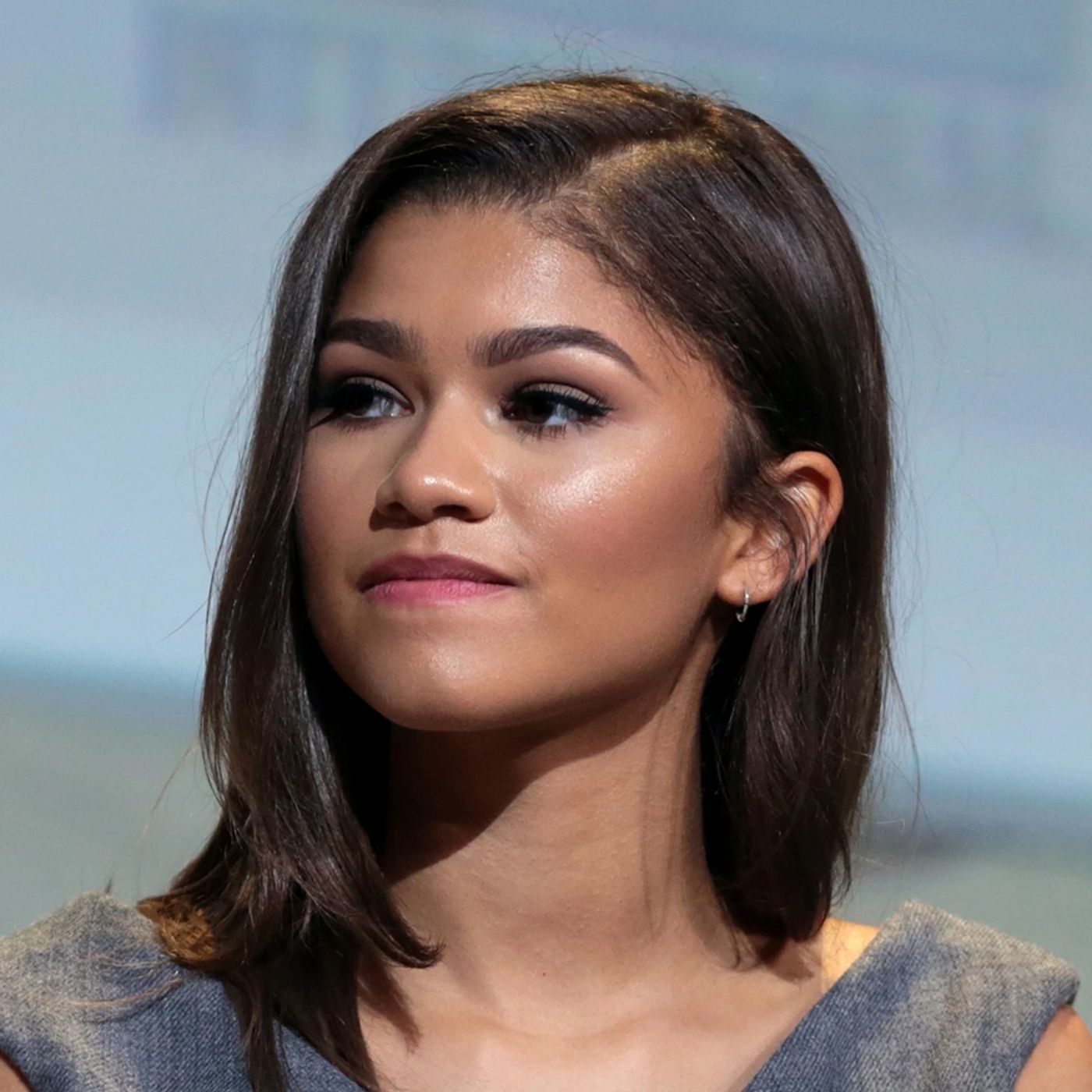
Recent updates indicate that the script for the fourth Spider-Man installment has reached a significant milestone. Lead actor Tom Holland shared that both he and Zendaya have read a draft of the script, which he described as excellent though still requiring some refinement. Reading the draft approximately three weeks prior to his announcement reportedly "lit a fire" within Holland, and he recounted a moment of shared excitement where the couple was "bouncing around the living room" while reviewing the material. Despite the enthusiasm, Holland noted that several creative and logistical elements must be finalized before production can commence, particularly ensuring the film aligns with the broader narrative of the Marvel Cinematic Universe. Furthermore, filmmaker Daniel Destin Cretton is currently in preliminary discussions to take the helm as director for the upcoming sequel.The professional collaboration between the two actors, which began when they were cast as Peter Parker and MJ for the 2016 film Spider-Man: Homecoming, has long since evolved into a high-profile romantic partnership. While dating rumors circulated as early as 2017, their relationship was publicly confirmed in 2021 after they were photographed sharing a private moment in Los Angeles. Their bond was further solidified by an intimate proposal that reportedly took place during the holiday season between Christmas and New Year's Eve 2024. This news gained traction after Zendaya was seen wearing a significant 5-carat diamond engagement ring at the 2025 Golden Globes, a development later confirmed by family members.Speculation regarding their status reached a new peak in March 2026 following public claims made by their longtime stylist and confidante. During a red carpet interview at the 2026 Actor Awards, the stylist asserted that the couple is already married, stating that the wedding had already occurred away from public view. This aligns with the couple's long-standing commitment to maintaining a high degree of privacy in their personal lives. Holland has previously expressed how protective he feels over both his partner and the Spider-Man character, emphasizing that he only wishes to make future films that are "worthy of the fans' respect" and beneficial to the character's legacy. The couple continues to support each other publicly, recently appearing together at a charity gala in London for a foundation established by the Holland family.Become a supporter of this podcast: https://www.spreaker.com/podcast/the-world-between-us--6886561/support.
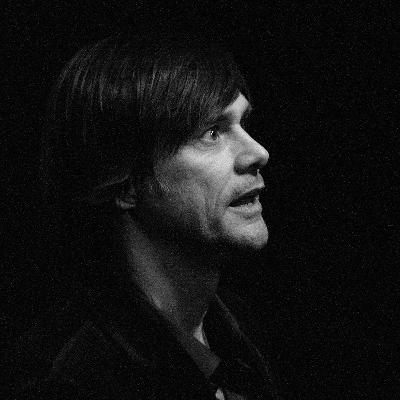
In February 2026, Jim Carrey made a rare and deeply personal public appearance at the César Awards in Paris, where he was honored with a prestigious lifetime achievement award. The event marked a significant moment in the actor's career, as he succeeded previous honorees like Julia Roberts in receiving the honorary César.The highlight of the evening was Carrey’s heartfelt acceptance speech, which he delivered entirely in French. This was the result of months of diligent preparation, during which he worked closely with organizers to perfect his pronunciation. In his address, Carrey revealed a deep ancestral connection to France, noting that his great-great-great-great-great-great-grandfather, Marc-François Carré, was born in Saint Malo approximately 300 years ago before emigrating to Canada. He also used the stage to pay a touching tribute to his father, Percy Joseph Carrey, whom he credited with teaching him the profound values of love, laughter, and generosity.The ceremony also served as a major milestone for Carrey’s personal life. He made his first official public appearance with his girlfriend, Min Ah, whom he affectionately described during his speech as his "sublime companion." The couple was joined by Carrey’s daughter, Jane Erin Carrey, and his 14-year-old grandson, Jackson Riley Santana, along with a large group of close friends and family members.Despite the emotional and authentic nature of the appearance, the event became the subject of a bizarre "clone conspiracy theory" on social media. The rumors were fueled after a prominent drag artist shared images of prosthetics and a wig, suggesting they had impersonated the actor at the ceremony. However, officials from the awards ceremony quickly dismissed these claims as a "non-issue." They confirmed that Carrey’s visit had been meticulously planned since the previous summer and emphasized the star's genuine dedication to the event, his family, and his French-language preparation.This appearance in Paris was a rare treat for fans, especially given Carrey’s previous hints regarding a potential retirement from acting. Having most recently appeared in the third installment of a major film franchise in 2024, the actor has often expressed a preference for a quieter life focused on his spiritual journey and his passion for painting. His presence at the César Awards, characterized by his characteristic elegance and kindness, was celebrated as a historic moment for international cinema.Become a supporter of this podcast: https://www.spreaker.com/podcast/the-world-between-us--6886561/support.

Comments

Download from Google Play

Download from App Store
 United States