


 Claim Ownership
Buddha Student
Subscribed: 65Played: 52
Subscribe

© Buddha Student
Description
Buddha Student is a bilingual project that explores Buddhist philosophy through the lens of modern psychology and science. The project seeks to translate ancient wisdom into insights for today — practical, reflective, and grounded in both inner and outer understanding.
Buddha Student là một dự án song ngữ khám phá triết lý Phật giáo qua lăng kính của tâm lý học và khoa học hiện đại. Mục tiêu là chuyển hoá minh triết xưa thành những hiểu biết ứng dụng được trong đời sống hôm nay — thực tiễn, sâu sắc và hài hoà giữa hiểu mình và hiểu đời.
Buddha Student là một dự án song ngữ khám phá triết lý Phật giáo qua lăng kính của tâm lý học và khoa học hiện đại. Mục tiêu là chuyển hoá minh triết xưa thành những hiểu biết ứng dụng được trong đời sống hôm nay — thực tiễn, sâu sắc và hài hoà giữa hiểu mình và hiểu đời.
46 Episodes
Reverse
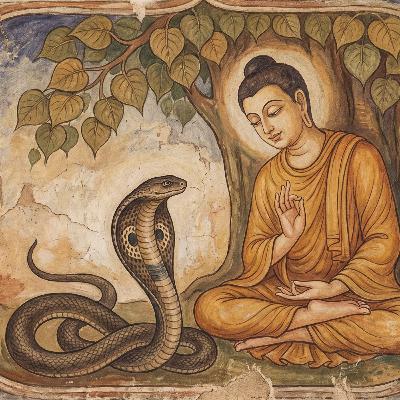
Hiểu rõ và có thể thực hành từ bi & trí tuệ (bi trí) với con đường trung đạo trong đạo phật. Giúp bạn sống tử tế mà vẫn không hại ai hay tổn thương chính mình qua 2 câu chuyện phật học: Câu chuyện Phật dạy con rắn, Phật dạy tôn giả Tôn Giả Moliyaphagguna (Trung Bộ Kinh).

Đây là khái niệm dễ nhầm lẫn nhất của nhiều người học phật. Cùng làm rõ nhé.
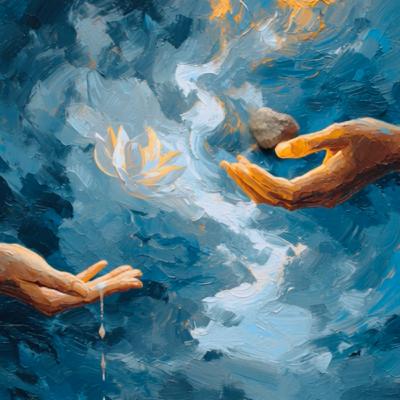
What Buddhism Actually Teaches.
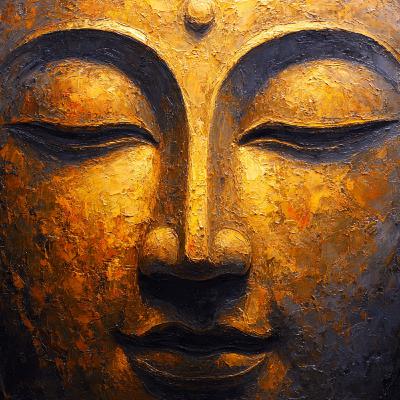
Đạo Phật vượt trên cả tín ngưỡng tôn giáo hay tâm linh.
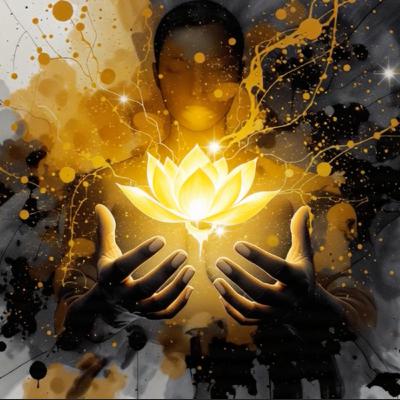
Instead of running from suffering, embrace it.
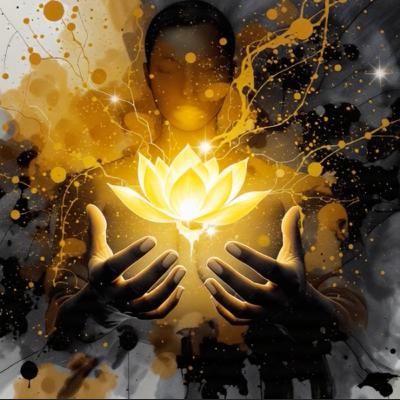
Thay vì chạy khỏi khổ đau, hãy ôm lấy nó.
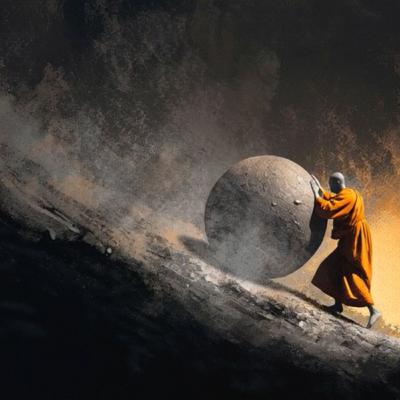
This is why you don't quit yet.
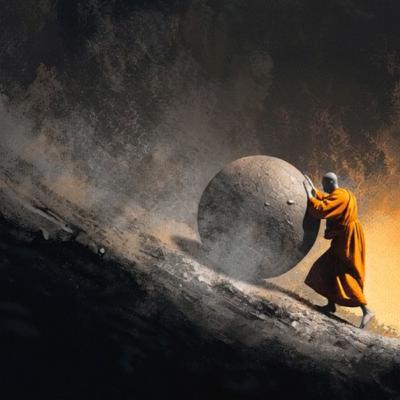
Tại Sao Bạn Phải Tiếp Tục Tiến Bước | Chuyển Tâm Là Chuyển Nghiệp
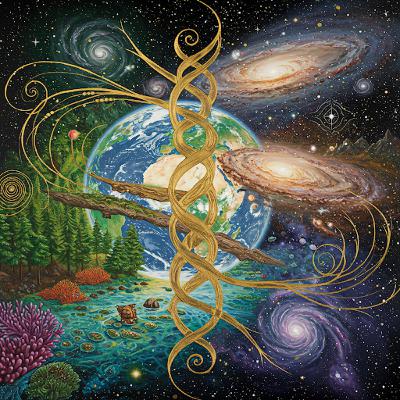
Exploring the Buddhist worldview:The principle of ‘when this exists, that exists.’
![Đức Phật Giải Thích Tại Sao Thế Giới Này Tồn Tại & Vận Hành | Lý Duyên Sinh [Phật Pháp Căn Bản 9]](https://s3.castbox.fm/8b/4c/31/b352dc7b8301f726a875a7dedc238d0a1f_scaled_v1_400.jpg "Đức Phật Giải Thích Tại Sao Thế Giới Này Tồn Tại & Vận Hành | Lý Duyên Sinh [Phật Pháp Căn Bản 9]")
Cùng tìm hiểu thế giới quan trong đạo phật. Quy luật "cái này có, thì cái kia có".

You will never see people the same way again.

Thay đổi cách nhìn người làm bạn tổn thương. Một cách nhìn khác đi. Ứng dụng phật pháp chuyển tâm.

Understand the workings of karma more clearly through:1.Classification by Function2.Classification by the Mode of Fruition3.Classification by the Time of Fruition4.Classification by the Place of Fruition

Hiểu cách vận hành của Nghiệp rõ hơn thông qua:1.Phân loại theo Chức năng. 2. Phân loại theo Cách thức cho quả. 3. Phân loại theo Thời gian trả quả. 4. Phân loại theo Nơi chốn cho quả.
Bài giảng hôm nay về Nghiệp được dựa trên Kinh Trung Bộ – Cūlakamma-bhanga Sutta. Đây là bài kinh Đức Phật thuyết cho thanh niên Bà-la-môn Subha.1.Vì sao có người chết trẻ, còn có người sống thọ?2.Vì sao có người hay bệnh, còn có người khoẻ mạnh?3.Vì sao có người kém sắc, còn có người đẹp đẽ?4.Vì sao có người yếu thế, còn có người có quyền lực và ảnh hưởng?5.Vì sao có người nghèo khổ, còn có người giàu sang phú quý?6.Vì sao có người sinh trong gia đình thấp kém, còn có người sinh trong dòng dõi cao quý?7.Vì sao có người ngu dốt, còn có người thông minh, trí tuệ?Ý nghĩa thật sự của nghiệp?Nghiệp vận hành thế nào?Đức Phật đã trả lời Subha ngắn gọn về mười bốn loại người. Ngài nói:“Này thanh niên, chúng sinh có nghiệp làm sở hữu riêng. Chúng sinh là kẻ thừa tự của nghiệp.Chúng sinh sinh khởi từ nghiệp, bị nghiệp trói buộc, lấy nghiệp làm nương tựa.Chính do nghiệp mà có sự sai khác giữa các loài hữu tình; nghiệp tạo ra sự khác biệt giữa người này và người khác.”Đó là lời giải thích vắn tắt của Đức Phật.Subha thưa rằng ông chưa hiểu trọn vẹn lời dạy ngắn ấy, và xin Đức Phật giảng giải chi tiết hơn:“Bạch Thế Tôn, con chưa hiểu đầy đủ lời dạy tóm tắt này. Xin Ngài từ bi giảng giải rõ hơn.”Đức Phật biết Subha là người có tâm kiêu mạn. Ông tin rằng mình thông minh, sắc bén, có thể hiểu hết lời Phật dù chỉ nghe vắn tắt.Để làm cho Subha buông bỏ sự kiêu mạn, lắng nghe với tâm khiêm tốn, Đức Phật trước tiên chỉ trả lời ngắn gọn. Khi Subha tha thiết xin giải thích chi tiết, Ngài mới giảng rộng rãi hơn.Những câu hỏi này tuy do Subha đặt, nhưng cũng chính là điều nhiều người luôn thắc mắc trong đời:Cùng sinh trong một gia đình, chung cha mẹ, lớn lên trong môi trường giống nhau — vậy mà có người trí tuệ, có người ngu si; có người sống lâu, có người yểu mệnh; có người giàu có, có người nghèo khổ…Đây là những thắc mắc muôn đời của con người.Nếu hỏi người tin vào Thượng Đế hay Đấng Sáng Tạo, họ thường trả lời:“Vì Chúa tạo ra như vậy.”Câu trả lời này khó làm thỏa mãn, vì còn vô số câu hỏi khác sẽ nảy sinh sau đó.Chỉ lời Đức Phật mới làm người nghe thật sự an ổn, vì giáo lý của Ngài dựa trên lý nhân quả rõ ràng, hợp lý, mạch lạc.Cho dù sinh cùng gia đình, cùng điều kiện môi trường, ta vẫn không thể nói sự khác biệt chỉ do cha mẹ hay do hoàn cảnh. Chính sự khác biệt ấy cho thấy nguyên nhân phải nằm vượt ngoài di truyền và môi trường hiện tại.Đức Phật chỉ rõ rằng:Có điều gì đó trong quá khứ đã tạo nên chúng ta hôm nay, làm cho cuộc đời mỗi người khác nhau.Và Ngài đã giải thích từng câu hỏi cho Subha một cách chi tiết.
Today's teaching on Karma is based on the Cūlakamma-bhanga Sutta in the Majjhima Nikāya. This is the discourse that the Buddha gave to the young Brahmin Subha.1.Why do some people die young while others live long lives?Answer: 2:032.Why do some people frequently fall ill while others enjoy robust health?Answer: 2:363.Why are some people unattractive in appearance while others are beautiful?Answer: 3:114.Why are some people powerless while others hold authority and influence?Answer: 3:475.Why are some people poor and suffering while others are wealthy and prosperous?Answer: 4:016.Why are some people born into lowly, humble families while others are born into noble, high-ranking families?Answer: 4:067.Why are some people ignorant or lacking in wisdom while others are intelligent?Answer: 4:114:21 - The real meaning of Karma5:17 - How Karma works?6:21 - Karma: Your heritageThe Buddha gave Subha a brief answer regarding the fourteen types of people. The Buddha said:"Young man, beings have karma as their own possession. Beings are the heirs of their karma. Beings have their origin in their karma. Beings are born from their karma, or they are connected to the karma they have created. Beings have karma as their refuge. It is due to karma that there are differences among beings, or karma has created differences between beings; karma has created differences between one person and another."The Buddha thus answered Subha briefly.Subha replied to the Buddha that he did not fully understand the Buddha’s concise explanation. He said:"Lord, I do not fully understand your brief explanation. Please elaborate and explain in more detail."Then the Buddha gave Subha a more detailed explanation. The reason the Buddha initially answered Subha briefly was that He knew Subha was a very proud man. Subha thought that, being intelligent and sharp, he could understand everything the Buddha taught even in a brief statement. The Buddha wished to humble Subha’s proud mind so that he could listen with humility to the detailed teachings. Therefore, the Buddha first gave only a brief answer. When Subha requested a detailed explanation, the Buddha then elaborated for him.Although these questions were asked by Subha, they are questions that people commonly wonder about and seek answers to, because they have encountered such issues in human life.Some people, even though born into the same family, with the same father and mother, and raised under the same conditions and circumstances, are different: some are intelligent, some are dull; some live long, some die young; some are wealthy, some are poor, and so on. These are questions people often ask and want satisfactory answers to.If you ask these questions to those who believe in God, the Lord, or a Creator, you will often hear:"Because God created it this way."This answer is hardly satisfying. Many more questions arise when one hears such a response. Only the Buddha’s answers can truly satisfy people because His explanations are not unreasonable. The Buddha addressed each question asked by the young man Subha.Even when born to the same parents and raised under the same circumstances, we cannot attribute their differences merely to these conditions, nor can we say that having the same father and mother makes heredity the cause. Being raised in the same circumstances yet turning out differently shows that the reason for differences among people in the same family must lie beyond heredity and environment. The Buddha clearly shows us that something in the past has shaped us and made our lives different. He explained each question to Subha one by one.
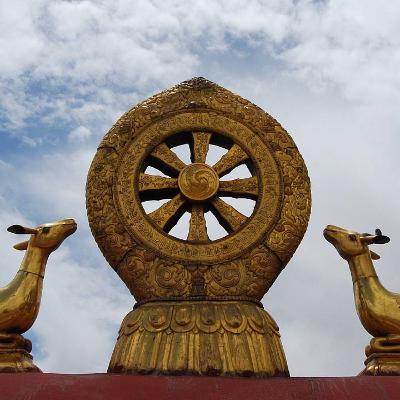
Đức Phật thuyết giảng Bát Chánh Đạo lần đầu trong bài kinh "Chuyển Pháp Luân" (Dhammacakkappavattana Sutta) tại vườn Lộc Uyển (Sarnath, Ấn Độ).Trong bài kinh đó, Ngài trình bày Tứ Diệu Đế, và Bát Chánh Đạo là chân lý thứ tư – con đường diệt khổ.Vì vậy, Bát Chánh Đạo được xem là tinh túy của toàn bộ Phật pháp, là “bản đồ tâm linh” dẫn đến giải thoát.Bát Chánh Đạo (Pāli: Ariya Aṭṭhaṅgika Magga, Sanskrit: Āryāṣṭāṅgamārga)nghĩa là Con đường Tám ngành (hay tám yếu tố) chân chính, dẫn đến chấm dứt khổ đau và đạt tới Niết-bàn.“Đạo” – tức con đường thực hành – thuộc Chân lý thứ tư trong Tứ Diệu Đế mà Đức Phật đã giảng dạy sau khi giác ngộ.Tầm Quan Trọng của Bát Chánh Đạo:- Là Con đường trung đạo – tránh hai cực đoan: Quá hưởng lạc (duy vật, dục vọng), Quá khổ hạnh (hành xác).- Là nền tảng tu tập của mọi pháp môn – dù thiền, tịnh, mật, giới… đều quay về tám yếu tố này.- Giúp chuyển hóa thân – khẩu – ý → đưa con người từ vô minh đến giác ngộ.- Ứng dụng trong đời sống: giúp sống tỉnh thức, không cực đoan, bớt khổ tâm và biết nhìn đời bằng trí tuệ.
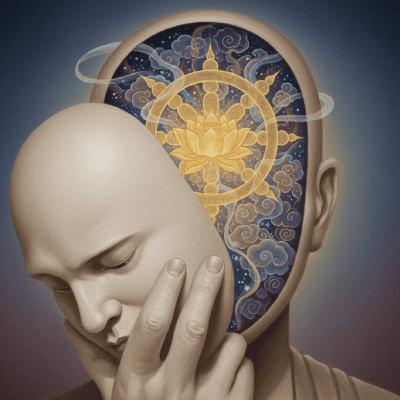
What if the “self” you believe in is just an illusion — a story the mind tells itself?This short reflection explores the Buddhist insight of non-self (anatta) — the idea that the “I” is not a fixed entity, but a flow of thoughts, feelings, and awareness.Let’s look deeper into what remains when the “I” disappears.====================Welcome to Buddha Student 🎓 A student of Buddhist teachings, sharing the Dharma bilingually (Vietnamese & English) — a path to insight and inner transformation.📖 The content of this channel is based on trusted sources, including Buddhist scriptures and Dharma talks from Venerables.--------🌿 For learners of Buddhism — from beginner to advanced — as well as wisdom seekers, mindfulness practitioners on the path of inner transformation, and anyone interested in Buddhist philosophy and the True Dharma.--------☸️ Core Buddhist teachings: Four Noble Truths, Noble Eightfold Path, impermanence, non-self, karma, Contemplation, Middle Way.🌱 Applied Dharma: mindfulness, meditation, letting go, transforming suffering, cultivating compassion and peace in daily life.--------- Website: http://buddhastudent.com/- Facebook: https://www.facebook.com/buddhastudent.official- Instagram: https://www.instagram.com/buddhastudent- Threads: https://www.threads.com/@buddhastudent
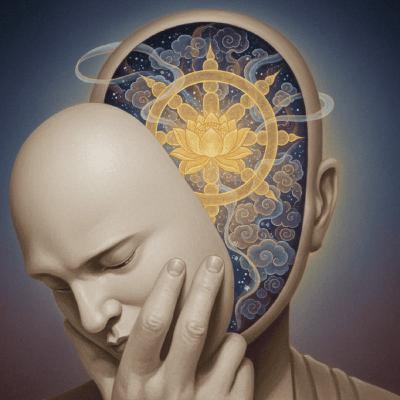
Video hôm nay, thầy Viên Minh khai thị bóc tách cho chúng ta thấy 3 lớp của "tôi" để chúng ta thấy rõ vô ngã trong đạo phật cũng như trả lời câu hỏi: Vô ngã vậy "tôi" là gì?Series [Pháp Thoại Tóm Lược] của Buddha Student là chuỗi video được trình bày như những bài học trực quan nhờ công nghệ A.I, giúp người xem dễ ghi nhớ, dễ hiểu và ứng dụng Phật pháp vào đời sống. Kênh cũng thêm nhiều hoạt ảnh nhằm giúp bài học trở nên sinh động hơn. Mời bạn học cùng kênh nhé.
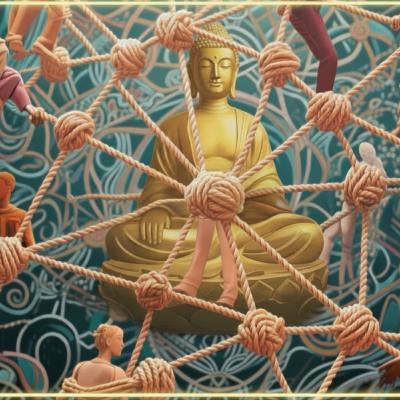
This video explores the Buddhist view of “fate” through the lens of conditions. It unpacks how supportive conditions can nurture growth, how harmful ones bring suffering, and how mindfulness and dedication help us transform the causes that shape our lives.

Comments

Download from Google Play

Download from App Store
 United States