


 Claim Ownership
Racism White Privilege In America
Subscribed: 26Played: 369
Subscribe

© Michael Fortune
Description
White privilege is defined as an unearned advantage based on race which can be observed both systemically and individually. This is the American heritage that must change. A change is on the horizon with the current pandemic and racial injustice.
Become a supporter of this podcast: https://www.spreaker.com/podcast/racism-white-privilege-in-america--4473713/support.
Become a supporter of this podcast: https://www.spreaker.com/podcast/racism-white-privilege-in-america--4473713/support.
253 Episodes
Reverse
The phrase “white privilege” sparks strong reactions — but what does it actually mean?In this episode, we break down the concept from its historical roots to how it’s used in modern political debate. Is it about personal guilt? Structural inequality? Social advantage? Or something else entirely?We examine how the term is framed across media, academia, and public discourse — and why it remains one of the most polarizing ideas in today’s cultural landscape.No slogans. No outrage. Just context, definitions, and a clear look at what the conversation is really about.
Many people misunderstand white privilege because they interpret it as a personal accusation rather than a description of social patterns. White privilege doesn’t mean every white person is wealthy, powerful, or free from hardship. It means that race is not one of the obstacles they face in society.Here are the most common misconceptions:1. It’s not about individual guiltPeople often think “white privilege” means they’re being blamed for historical injustice. In reality, the term describes structural advantages, not personal wrongdoing.2. It doesn’t mean white people have easy livesWhite privilege doesn’t erase poverty, trauma, or struggle. It means those struggles are not made harder because of race.3. It’s not about intentPrivilege operates whether someone is “a good person” or not. It’s about systems, not character.4. It’s not the same as wealth or class privilegeEconomic hardship and racial privilege can coexist. The concept highlights racial patterns, not bank accounts.5. It’s not saying others lack meritAcknowledging privilege doesn’t deny anyone’s hard work. It recognizes that effort and talent operate within unequal conditions.
“White privilege” is one of the most debated phrases in modern politics — and one of the least clearly explained.In this episode, we break down what the term actually means, where it came from, and how it’s framed in political conversations. Is it about individual guilt? Structural advantage? Social systems? Or something else entirely?We unpack how the phrase is used across media, academia, and public discourse — and why it triggers such strong reactions on all sides. More importantly, we look at what often gets left out of the conversation.No slogans. No outrage. Just context, framing, and clarity.
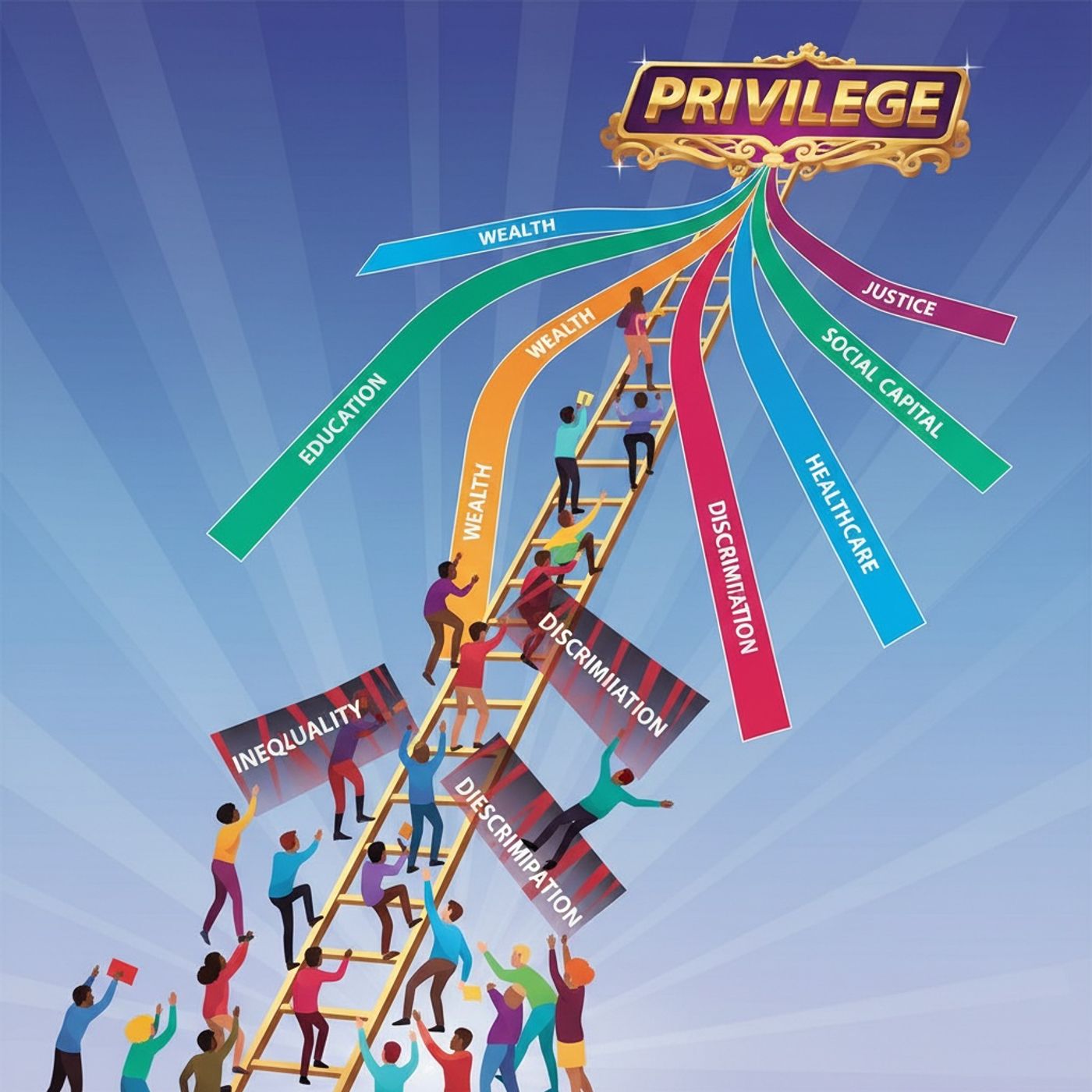
In today’s episode, we’re diving into the intricate relationship between white privilege and political structures. This relationship, rooted in history and still very much alive today, affects how we engage with societal issues and adds a layer of complexity to our discussions about race and inequality.Let’s start by tracing the historical roots of the concept of white privilege. A foundational text to consider here is Charles W. Mills’ The Racial Contract. Mills argues that the social contract—an essential concept in Western political thought—was designed primarily to benefit white individuals, effectively excluding people of color. This argument highlights how deeply embedded systemic inequalities are in our political framework, suggesting that the very structures we take for granted were constructed with bias that privileges some over others.Become a supporter of this podcast: https://www.spreaker.com/podcast/racism-white-privilege-in-america--4473713/support.
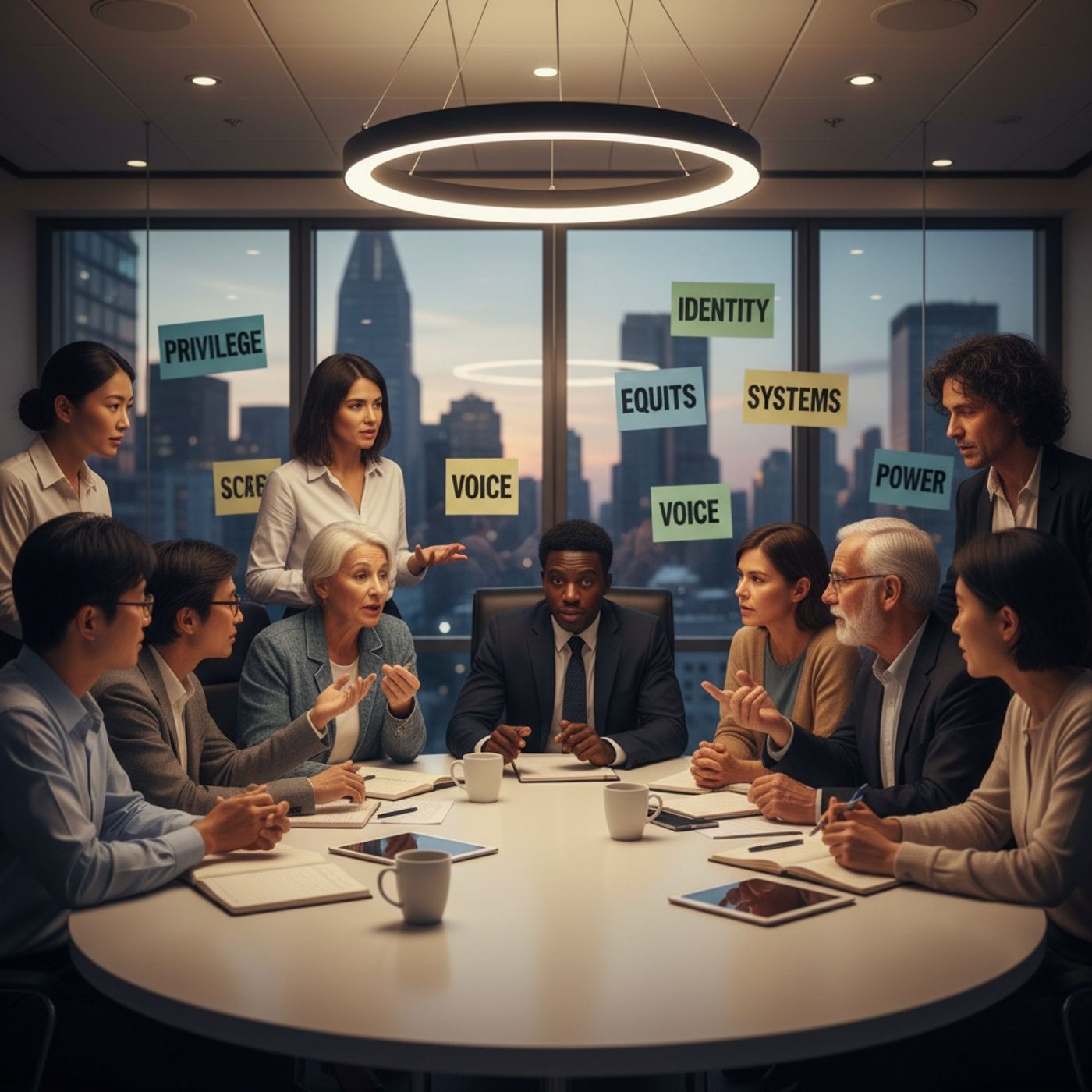
Let’s dive into the concept of white privilege as a political frame. White privilege refers to the unearned advantages that white individuals experience simply by being part of the racial majority. It’s a term that became more prominent in discussions about race and inequality, especially after Peggy McIntosh's influential essay from 1988, which famously unpacked these advantages like an invisible knapsack.So, why does this matter in the political landscape? The way we frame white privilege can dramatically influence political narratives. Interestingly, research shows that when the term "white privilege" is brought into conversations—say, about renaming a college building—there’s actually a drop in support from white participants. This highlights how language shapes public opinion and engagement.Become a supporter of this podcast: https://www.spreaker.com/podcast/racism-white-privilege-in-america--4473713/support.
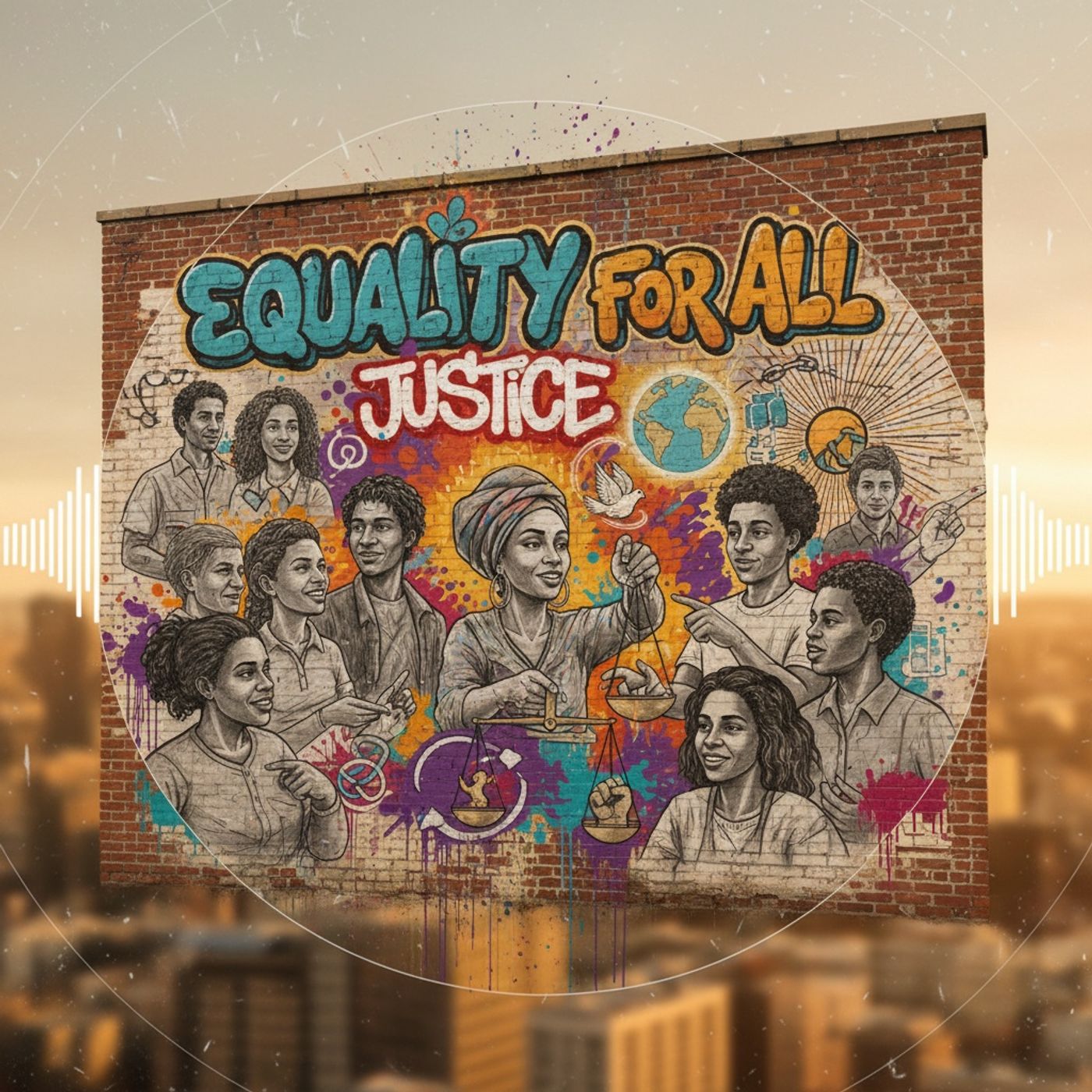
Let’s dive into the complex world of white privilege as a political frame. Historically, the term gained traction in the late 20th century, primarily thanks to sociologist Peggy McIntosh. In her powerful 1988 essay, "White Privilege: Unpacking the Invisible Knapsack," she brought to light the unearned advantages that white individuals can navigate without even realizing. This concept challenges the narrative that we live in a meritocracy, effectively revealing deep systemic inequalities embedded in our society.Fast forward to today, and white privilege remains a hot topic in academic and public circles. One key contributor to this discourse is sociologist Joe R. Feagin, who introduced the "White Racial Frame." This framework helps us understand the pervasive worldview that includes racial stereotypes and discrimination, showing us how these biases are woven into societal structures. It’s an eye-opening perspective that highlights the limitations of how we often view race relations.Become a supporter of this podcast: https://www.spreaker.com/podcast/racism-white-privilege-in-america--4473713/support.
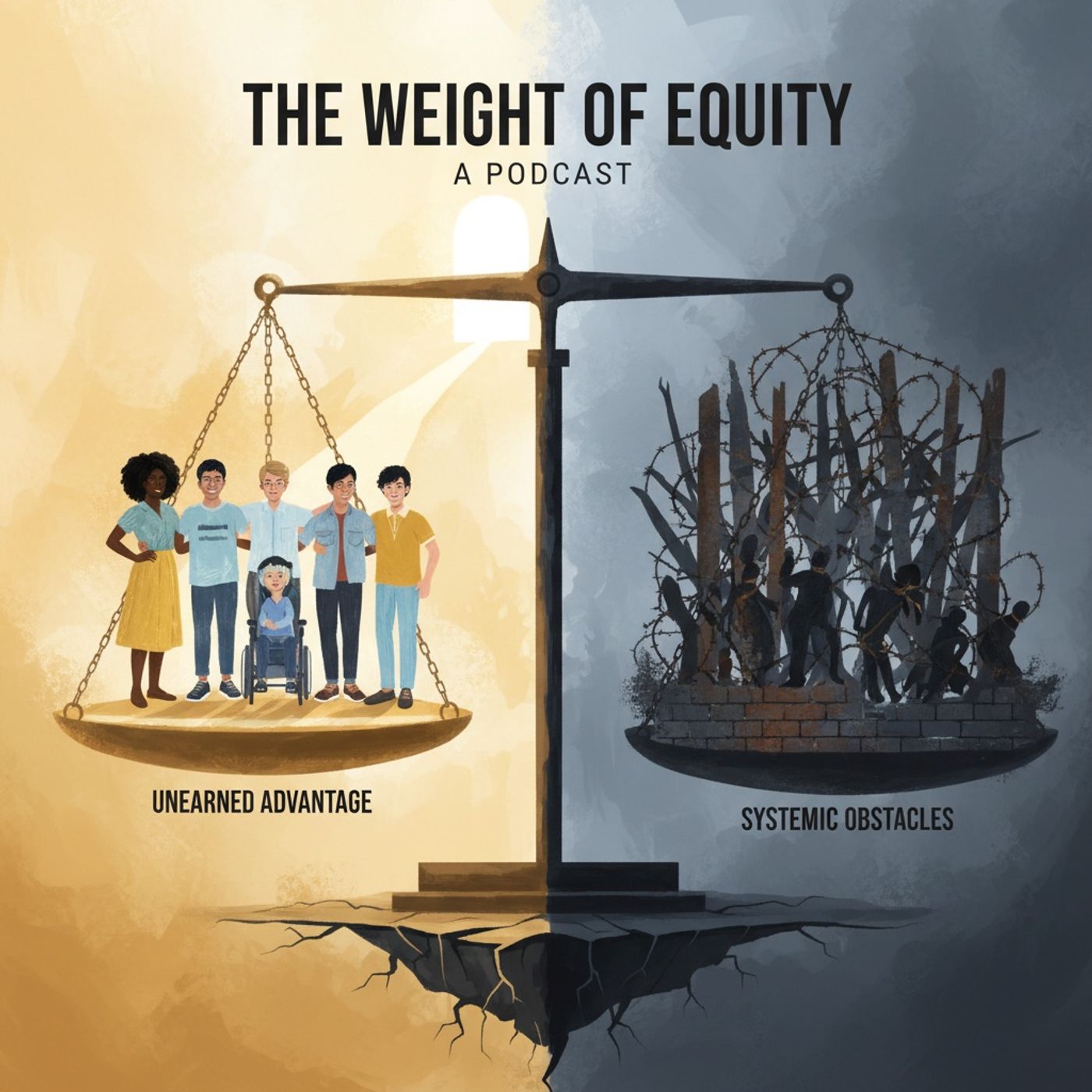
White privilege has emerged at the forefront of conversations about race and equity, but what does it really mean when we consider it as a political frame? In this first episode of our series, we’re diving deep into the multifaceted nature of white privilege, a term that not only reveals systemic inequalities but also challenges us to rethink our understanding of merit and fairness in society.The story of white privilege isn’t new; it gained ground particularly in the late 20th century thanks to influential scholars like Peggy McIntosh. Her iconic 1988 essay, "White Privilege: Unpacking the Invisible Knapsack," brilliantly illuminated how unearned advantages are often taken for granted by white individuals. Imagine starting a race with a ten-second head start—this metaphor perfectly encapsulates what McIntosh sought to unveil: the invisible systems that allow white individuals to advance more easily in society.Become a supporter of this podcast: https://www.spreaker.com/podcast/racism-white-privilege-in-america--4473713/support.
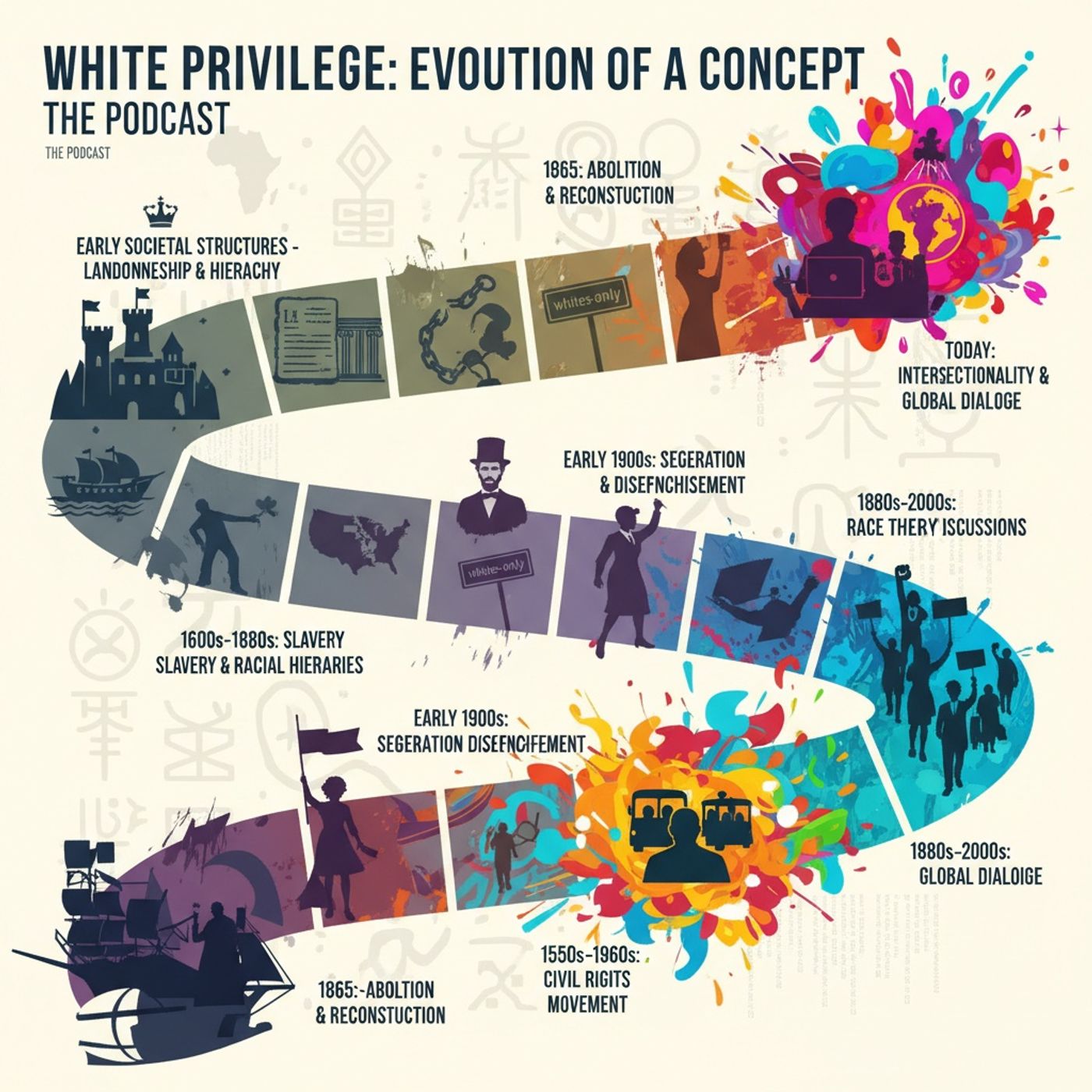
Let’s dive deep into how the notion of "white privilege" has evolved into a key interpretive frame in our society. The term was popularized back in 1988 by Peggy McIntosh, a professor at Wellesley College. In her groundbreaking essay, she identified 46 different ways that white individuals benefit from unearned advantages in their everyday lives. This was a striking revelation, shedding light on the often invisible privileges that accompany being white in Western societies. Before McIntosh, voices like W.E.B. Du Bois introduced ideas about racial superiority as early as the 1930s, describing what he called a "psychological wage" for white workers. This notion hinted at a deeper understanding of how race and class intersect, setting the stage for future discussions.Become a supporter of this podcast: https://www.spreaker.com/podcast/racism-white-privilege-in-america--4473713/support.
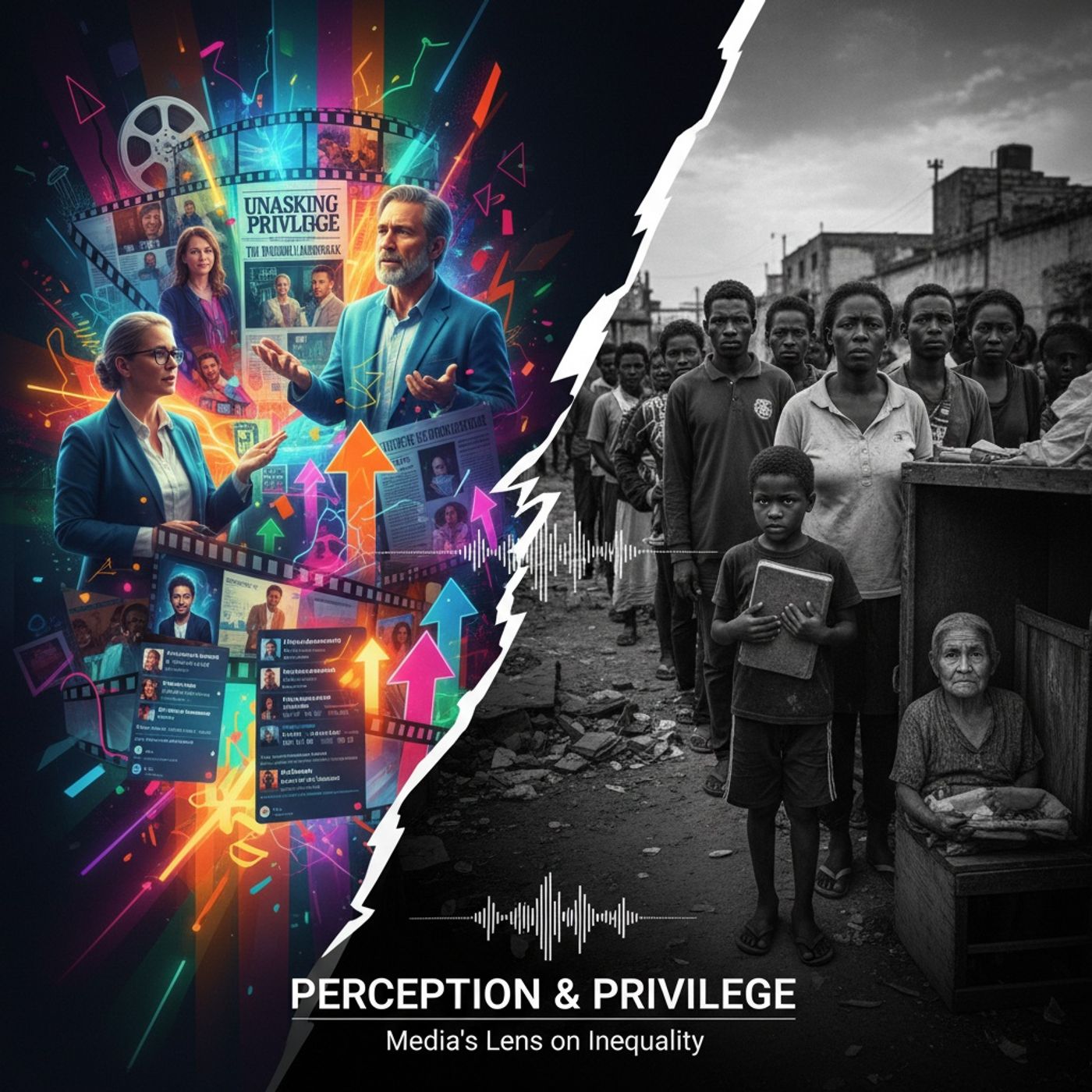
Let’s dive right in and explore why the concept of white privilege has cemented itself in our conversations around race and inequality. A big part of this shift can be traced back to how media and popular culture have shaped public ideas and perceptions.Take MTV’s documentary "White People," released in 2015. This film, directed by Jose Antonio Vargas, focused specifically on the experiences of white millennials, sparking dialogues across the nation about what it means to live with privilege. It opened a window into personal stories and challenged viewers, especially young white people, to examine biases they might not have previously considered. By putting a spotlight on something that many people felt uncomfortable discussing, it stimulated conversations that many communities needed to have.Then there’s comedian Chelsea Handler, who took a unique approach in her 2019 Netflix documentary, "Hello, Privilege. It's Me, Chelsea." Handler used her humor and personal narrative to dissect the nuances of white privilege in her own life. The documentary resonated widely, pushing the conversation into the realm of entertainment where many might not expect to encounter such serious topics. It illustrated how media can not only entertain but also educate and inform.Become a supporter of this podcast: https://www.spreaker.com/podcast/racism-white-privilege-in-america--4473713/support.
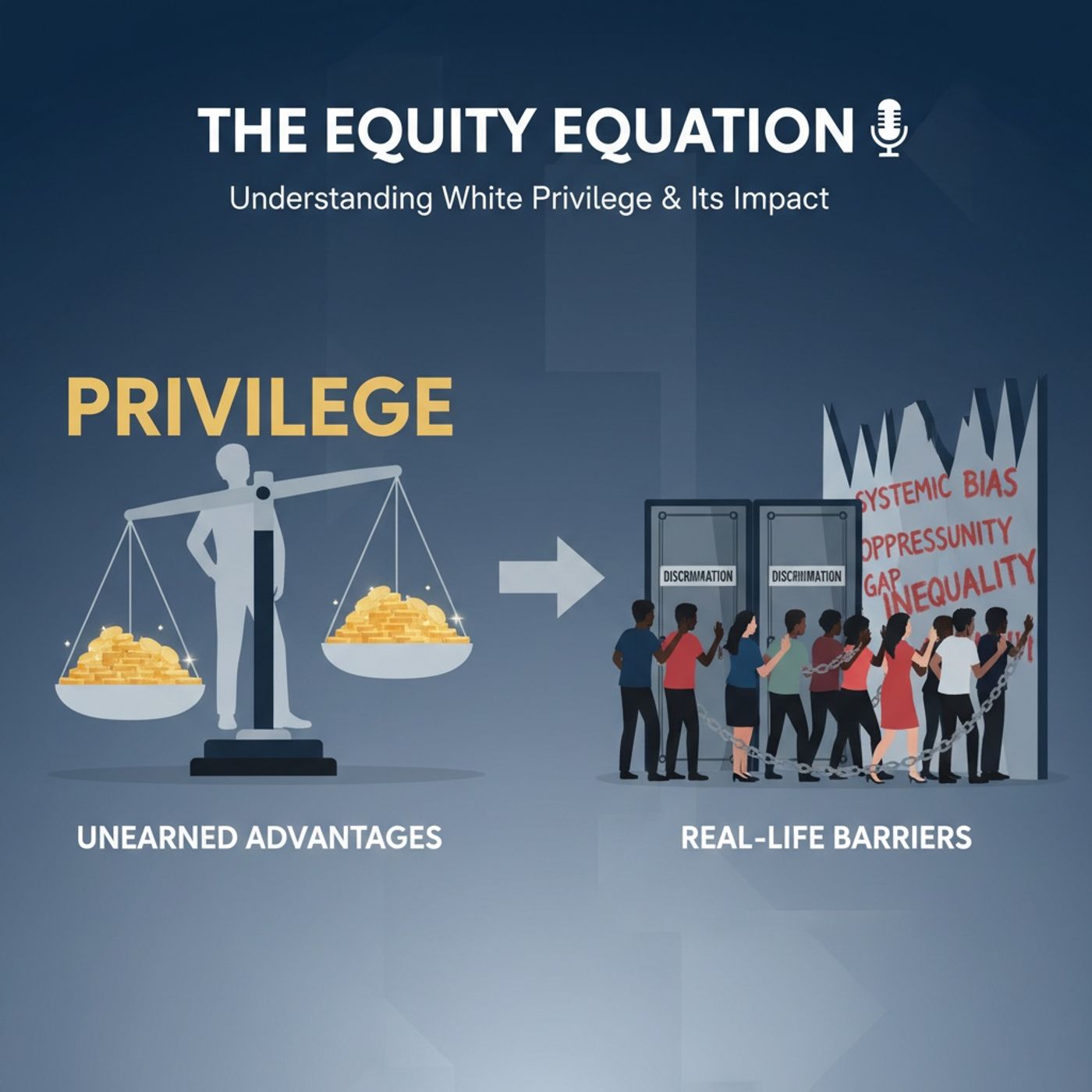
The term "white privilege" has become a crucial part of conversations about race in America, but where did it all begin? Its rise to prominence can be traced back to 1988 when Wellesley College professor Peggy McIntosh published a groundbreaking essay, detailing 46 everyday advantages that white individuals experience, often without even realizing it. What’s fascinating is that McIntosh wasn't just pointing fingers or assigning blame; instead, she was illuminating the often invisible barriers that prevent genuine equality.Then, as the discussion around race evolved, so did the concept of white privilege. Scholars like Cheryl Harris took the dialogue further in 1993 by presenting the idea of "whiteness as property." Think about that. Harris argued that being white in society confers not just societal standing but also social, economic, and legal privileges, functioning almost like a form of property. Become a supporter of this podcast: https://www.spreaker.com/podcast/racism-white-privilege-in-america--4473713/support.
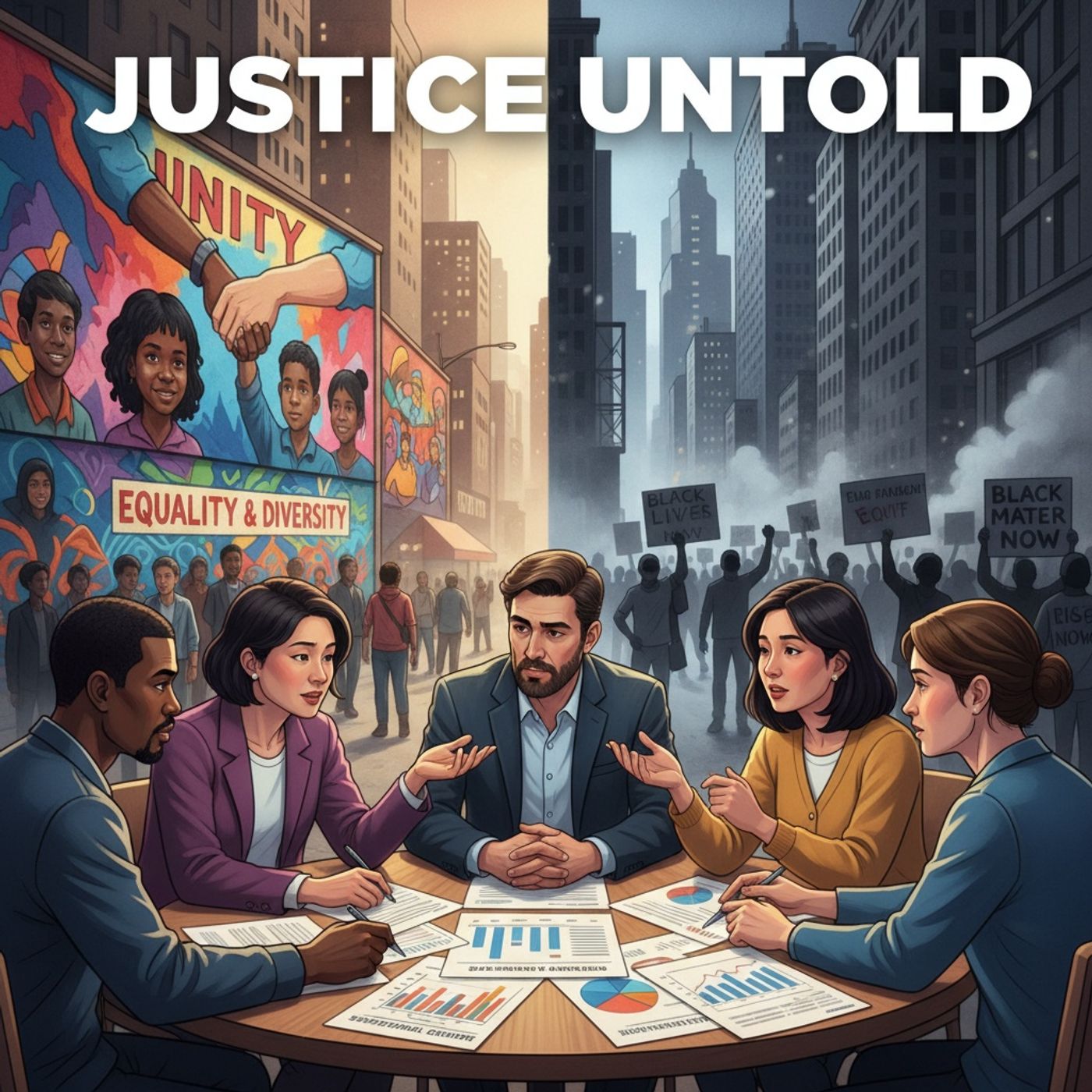
Let’s dive into the historical landscape that gave rise to the concept of white privilege, a term that has become essential in our discussions about race and inequality today. The roots of this notion stretch back to the 1930s when W.E.B. Du Bois, a prominent African American sociologist, introduced what he called the "psychological wage." He argued that poor white laborers were granted a sense of superiority over their Black counterparts, despite facing similar economic struggles. This superiority wasn’t based on real wealth or success, but a psychological comfort that came from their race. It provided a social cushion that allowed them to feel better about their own hardships by looking down on others, thus laying early groundwork for what we now call white privilege.Become a supporter of this podcast: https://www.spreaker.com/podcast/racism-white-privilege-in-america--4473713/support.
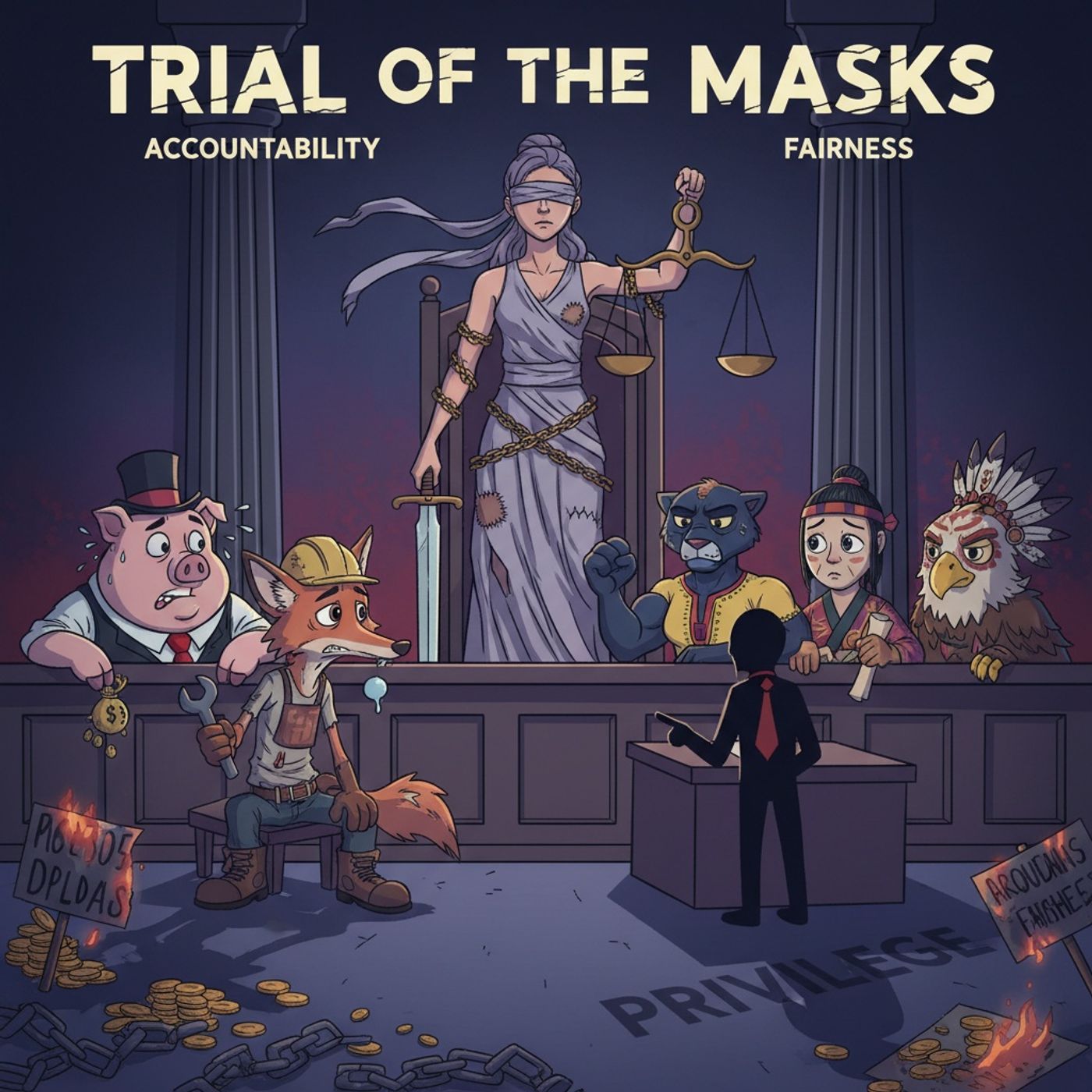
In early February 2026, President Donald Trump made headlines for sharing a controversial video on his Truth Social account that depicted the former President Barack Obama and First Lady Michelle Obama as apes, all set to the tune of "The Lion Sleeps Tonight." This disturbing imagery sparked a fierce wave of backlash not just from Democrats, but also from Republicans, civil rights organizations, and a concerned public.The video was about a minute long and featured the Obamas' faces superimposed onto the bodies of primates in a jungle environment. It didn’t take long for people to react, with many condemning it as a blatant and racist stereotype that has long been used to dehumanize Black individuals. In fact, depicting Black people as animals is a historic trope with roots dating back to slavery, which continues to haunt racial dynamics in the U.S. today.Initially, White House Press Secretary Karoline Leavitt defended the video, framing it as a harmless internet meme meant to portray Trump as the "King of the Jungle" and Democrats as characters from "The Lion King." She brushed off the criticism as what she labeled as "fake outrage." Become a supporter of this podcast: https://www.spreaker.com/podcast/racism-white-privilege-in-america--4473713/support.
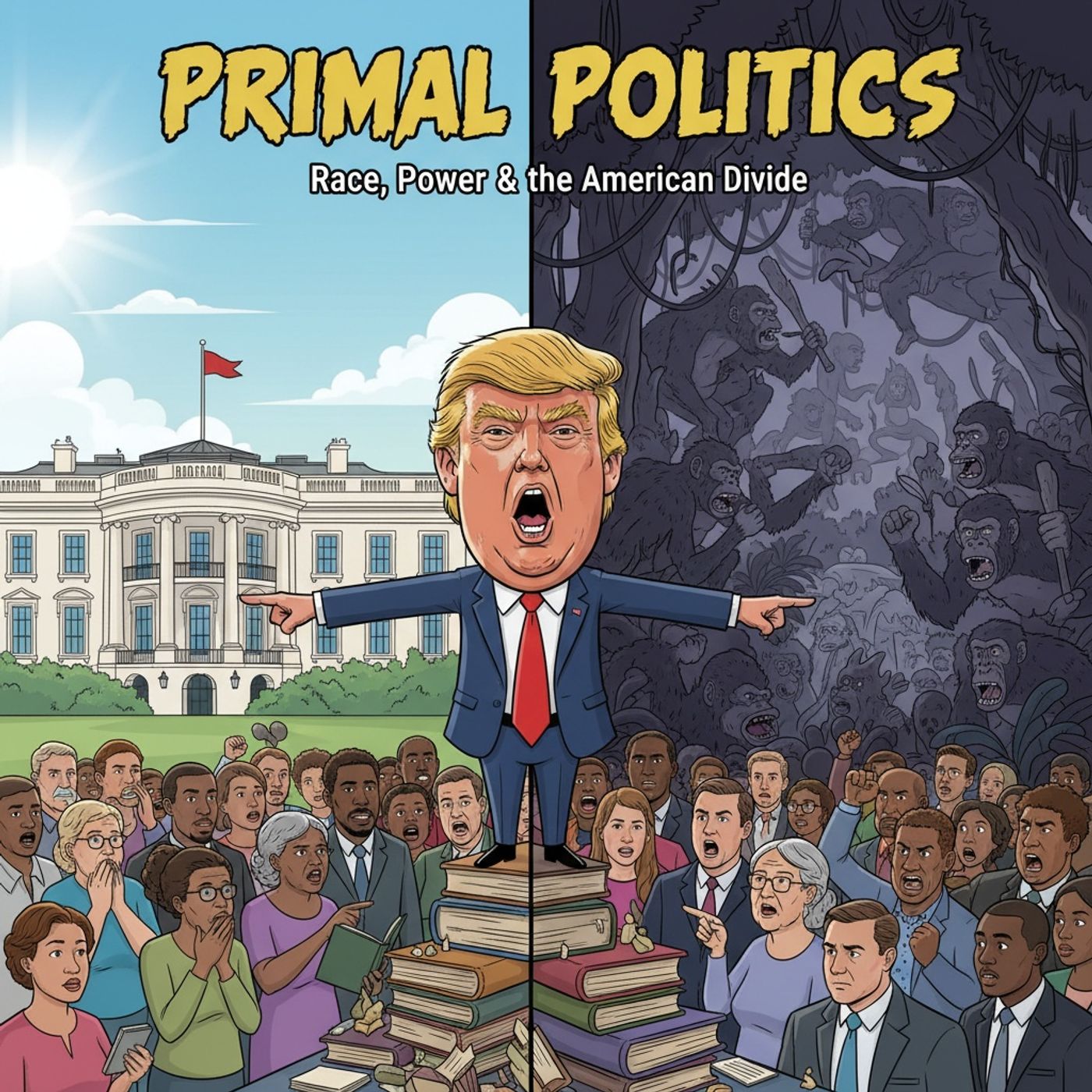
In February 2026, President Trump posted a shocking video on his Truth Social account, featuring former President Obama and First Lady Michelle Obama depicted as apes, set to the classic tune “The Lion Sleeps Tonight.” This disturbing portrayal ignited a firestorm of outrage across the political landscape, as both sides of the aisle condemned the reference and the racism it perpetuated. Let’s break down what happened.The video, just shy of a minute long, didn’t just stop at the offensive imagery. It was riddled with unfounded claims regarding the 2020 presidential election, but what truly caught everyone’s attention was the AI-generated images of the Obamas’ faces superimposed on the bodies of apes. This type of dehumanization isn’t new; imagery of Black people as apes has historically been used to perpetuate racist stereotypes.Initial reactions came swiftly. Karoline Leavitt, the White House Press Secretary at that time, first defended the video as simply an internet meme showcasing Trump as the ‘King of the Jungle,’ and downplayed the outrage as ‘fake.’ However, the backlash exploded almost immediately, with Republican lawmakers like Senator Tim Scott, who identified as the only Black Republican in the Senate, labeling the video as the most racist thing he had ever witnessed from the White House. High-profile Democrats echoed these sentiments, calling it vile and demanding accountability from GOP leaders.Become a supporter of this podcast: https://www.spreaker.com/podcast/racism-white-privilege-in-america--4473713/support.
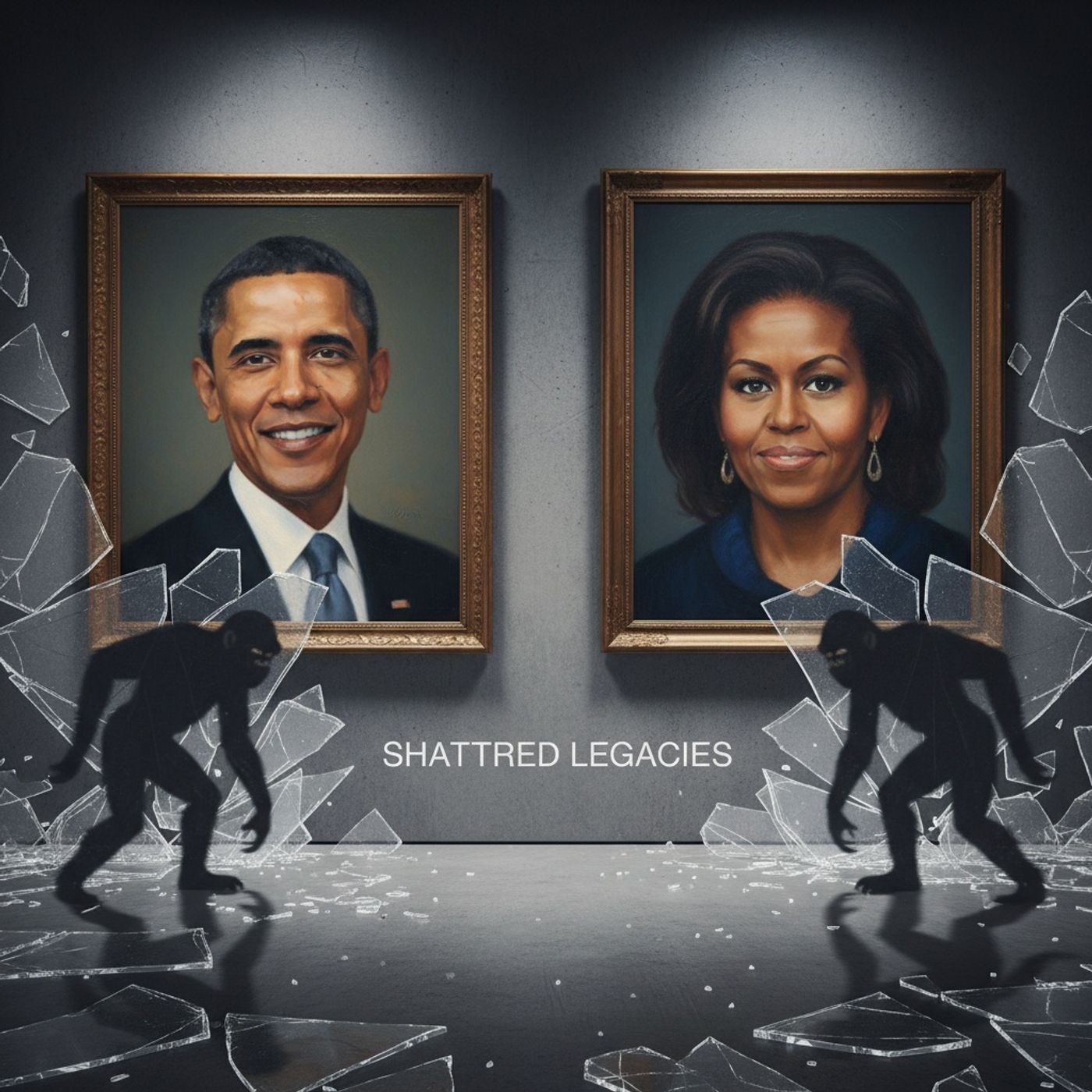
In early February 2026, a video shared by President Donald Trump on his Truth Social account sent shockwaves through the political world. The video portrayed former President Barack Obama and First Lady Michelle Obama by superimposing their faces onto the bodies of apes, set to the tune of "The Lion Sleeps Tonight." The immediate backlash was powerful, causing the clip to be deleted just twelve hours after it was posted. This incident opened up a critical discussion about the implications of racist imagery in American politics and how it intersects with white privilege.Let's unpack this a little further. The initial defense from the White House was, to say the least, striking. White House Press Secretary Karoline Leavitt described the video as an "internet meme," aimed at illustrating Trump as the 'King of the Jungle' while framing Democrats in a way that harked back to Disney’s famous "The Lion King." When called out, she brushed aside the outrage as mere "fake outrage," seemingly unable to grasp the deeper issues at play. But here’s where it gets foggy. A video that uses such derogatory imagery to depict Black individuals simply cannot be chalked up to satire or harmless humor, especially when that imagery has a long and painful history underscored by racism.Become a supporter of this podcast: https://www.spreaker.com/podcast/racism-white-privilege-in-america--4473713/support.
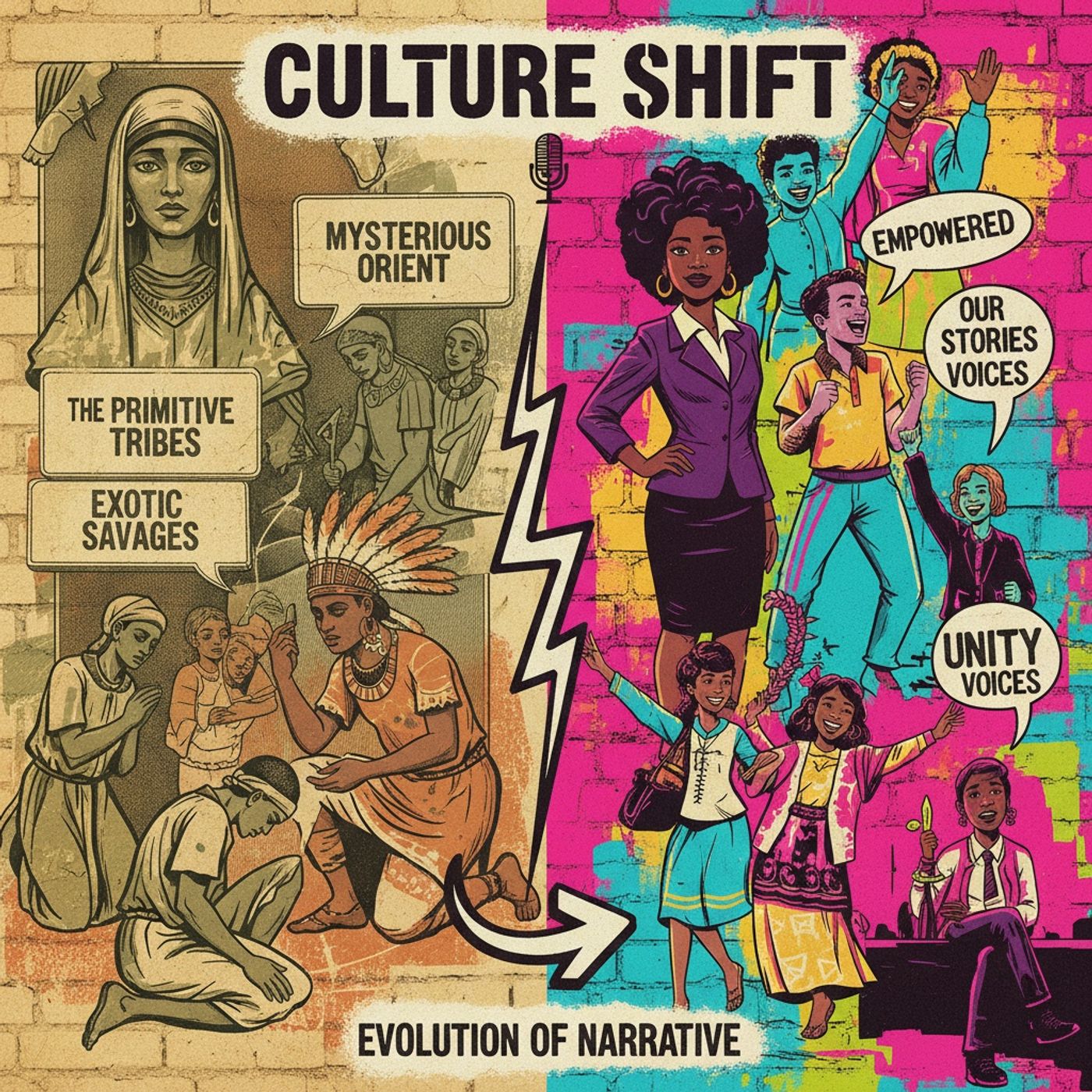
Have you ever stopped to think about the stories we tell ourselves as a society? It turns out, the narratives that shape our understanding of the world often privilege certain experiences while sidelining others. Today, we're diving into the fascinating yet troubling idea that white experiences have been framed as the norm, the universal truth, while non-white experiences are relegated to ‘other.’Let’s start by taking a step back in time. Picture America in the 19th century, post-Civil War. The Lost Cause narrative became popular during this era, romanticizing the Confederate cause and portraying it as a noble defense of states’ rights. What’s often overlooked is how this story downplayed the brutal realities of slavery and racial oppression, embedding a skewed version of history into the fabric of our national identity. Histories were rewritten, monuments were erected, and children's textbooks taught a version of the past that celebrated white experiences while ignoring the suffering of others.Become a supporter of this podcast: https://www.spreaker.com/podcast/racism-white-privilege-in-america--4473713/support.
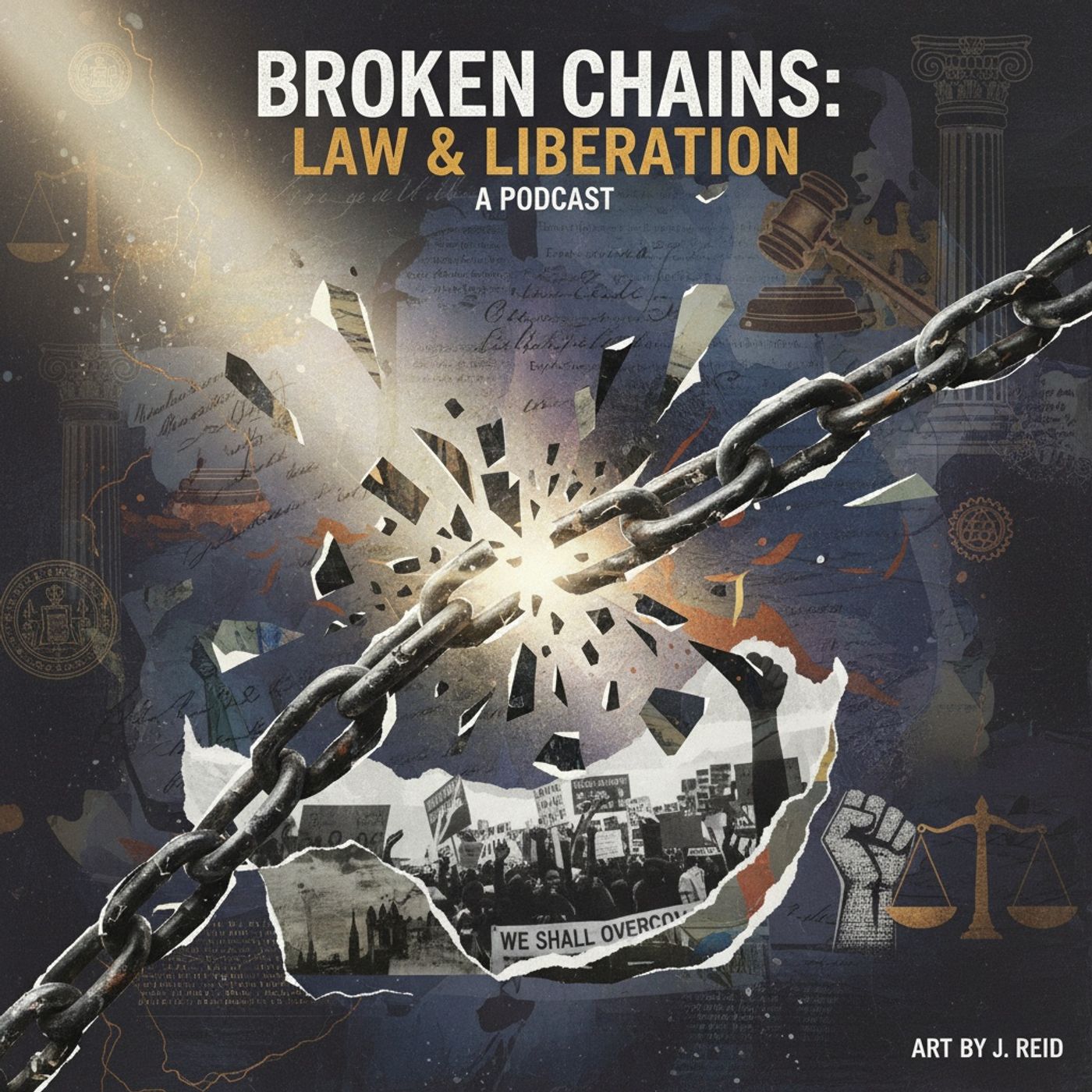
We’re diving deep into a topic that has shaped the fabric of American society—white supremacy, and what many might not realize is that it wasn’t just a belief system; it was codified into law for centuries.Let’s rewind the clock to 1865, right after the Civil War. Southern states were desperate to maintain control over the newly freed African American population. Enter the Black Codes—laws designed to restrict the rights and freedoms of Black folks. These codes forced African Americans into labor arrangements resembling slavery, effectively locking them into a cycle of oppression while ensuring white dominance remained intact.Become a supporter of this podcast: https://www.spreaker.com/podcast/racism-white-privilege-in-america--4473713/support.
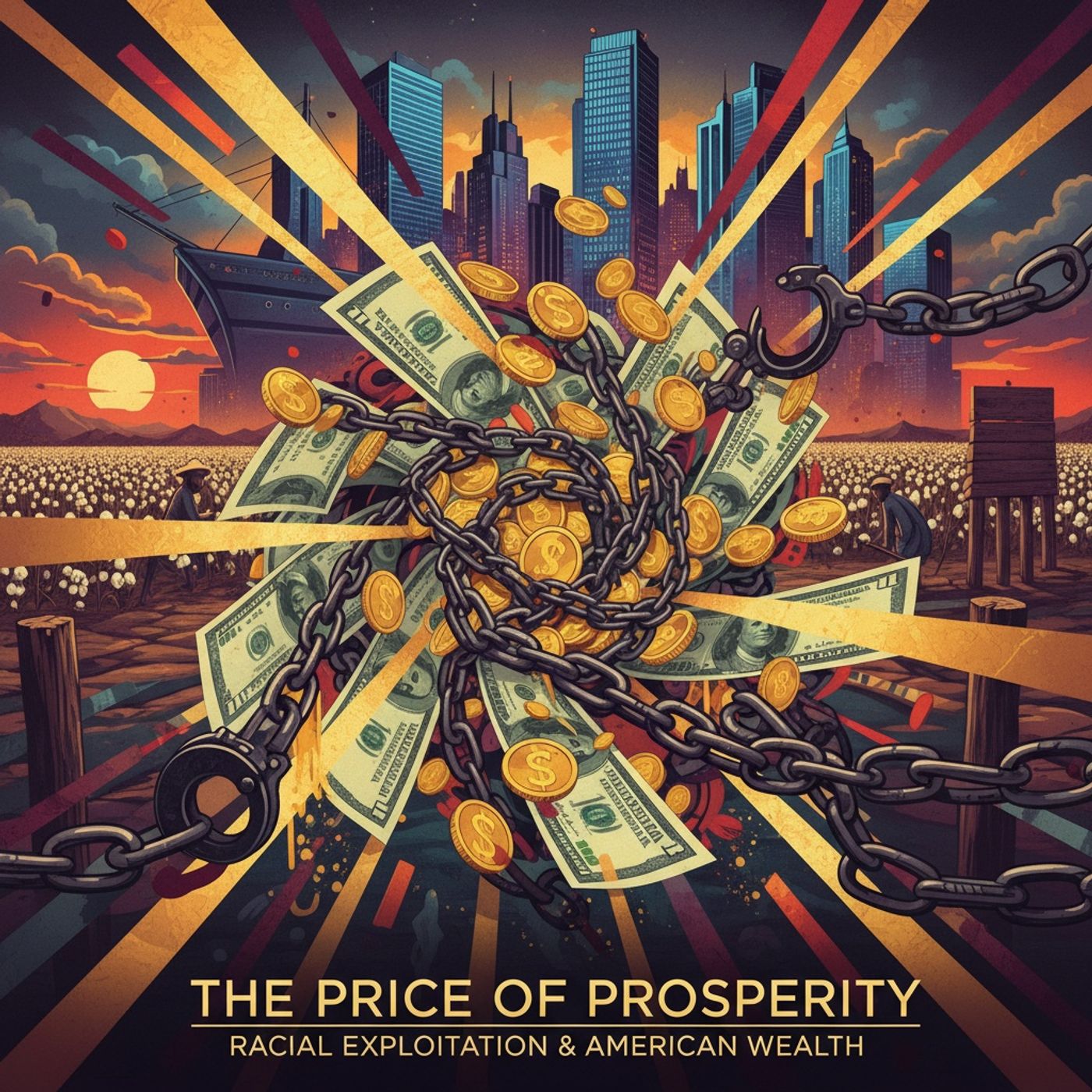
Imagine a time where entire economies thrived on the backs of enslaved people, their suffering generating unimaginable wealth for a nation. Today, we're peeling back the layers of that painful past to understand how slavery wasn't just a grim chapter in history, but the very foundation of America’s economic prosperity and racial hierarchies.Become a supporter of this podcast: https://www.spreaker.com/podcast/racism-white-privilege-in-america--4473713/support.
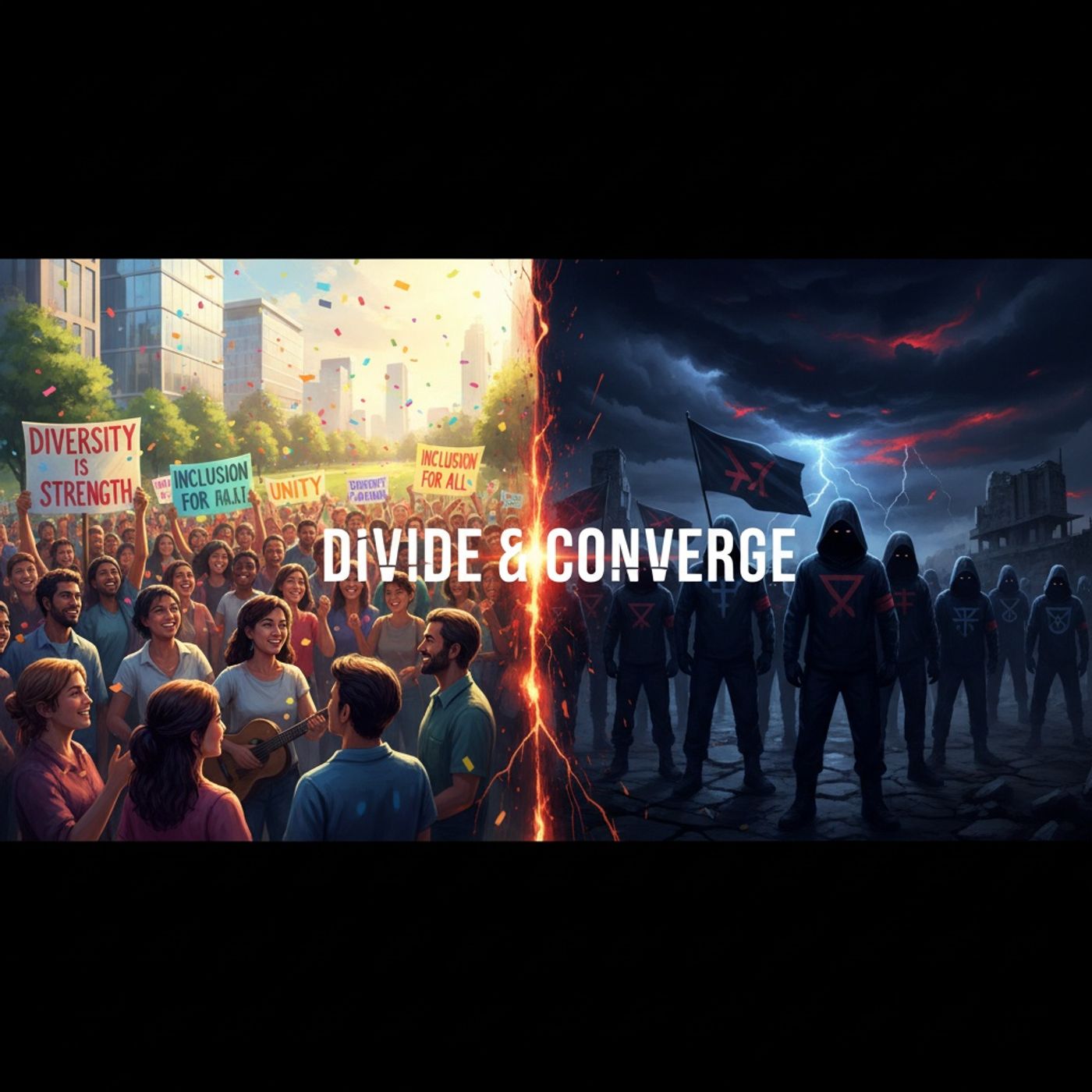
Today, we’re diving into a crucial and often uncomfortable topic: the evolution of white supremacy in America. It’s a subject that stretches back over four centuries and has profoundly shaped our social, political, and cultural landscapes. So, let’s unpack how white supremacy became a persistent theme in our history.Let’s start at the beginning, in the colonial era. From the 1600s through the Civil War, America’s foundation was marred by slavery and the oppressive laws that enforced racial segregation. The Virginia Slave Codes of 1705 formally segregated white colonists from Black enslaved individuals. Essentially, these laws were designed to inhibit any unity across racial lines, dangling power over one while oppressing the otherBecome a supporter of this podcast: https://www.spreaker.com/podcast/racism-white-privilege-in-america--4473713/support.

Imagine waking up each day to a world where your skin color grants you unearned advantages—better job prospects, safer neighborhoods, and a higher likelihood of being treated fairly. This is the reality of white privilege, and it’s not just a buzzword. Today, we’re diving deep into what it means when we say, 'White privilege is the quiet continuity of white supremacy.'Let’s start by discussing a striking reality: racial wage disparities in the United States have barely budged in the last 35 years. According to a Pew Research Center analysis, in 2015, Black men earned just 73% of what white men earned per hour, which is shockingly the same percentage as in 1980. Hispanic men fared even worse, making only 69%. Meanwhile, Asian men have the highest earnings, clocking in at 117% of white men's wages.Become a supporter of this podcast: https://www.spreaker.com/podcast/racism-white-privilege-in-america--4473713/support.
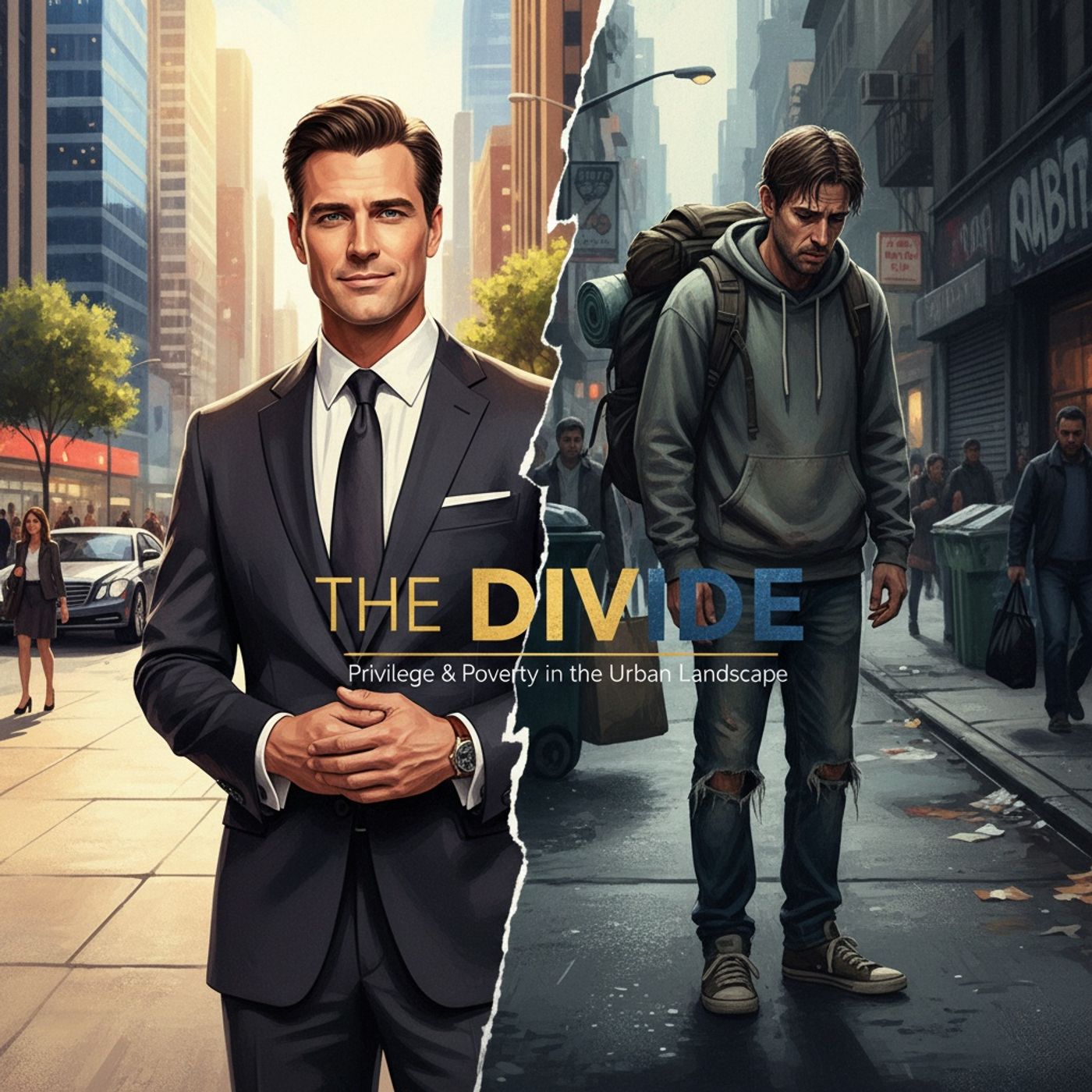
Today, we’re tackling a topic that’s both thought-provoking and critical: the idea that white privilege is white supremacy in everyday clothes. It’s a phrase that might make you pause, but let’s unpack it together.First off, what exactly do we mean by white privilege? In simple terms, white privilege refers to the societal advantages that white individuals enjoy—advantages that are often taken for granted. It’s about how certain people can sashay through life without facing the same obstacles their non-white counterparts often encounter. Think of it as a hidden advantage that, because of the systemic nature of society, isn't always visible to those who benefit from it.Become a supporter of this podcast: https://www.spreaker.com/podcast/racism-white-privilege-in-america--4473713/support.

Comments

Download from Google Play

Download from App Store
 United States