


 Claim Ownership
Use More Paper - the global analog revival
Subscribed: 2Played: 4
Subscribe

© 2026 Jerzy Rajkow
Description
Why millions of people are turning back to vinyl records, film cameras, paper notebooks, dumbphones, and cassette tapes. It's not nostalgia. It's resistance. Against digital addiction, against tech feudalism, against a way of living that's making us sick, distracted, and owned.
Hosted by Jerzy Rajkow, who spent 22 years running operations & technology at a global law firm. Walked away. Now he's hosting Use More Paper → the show about the global analog revival.
www.usemorepaper.com
11 Episodes
Reverse

Hello there, wonderful people. Happy 2026!Now, if you want to change something in your life, don’t wait for January 1st. Just change it right away. You can do it today. Start running every day, for example. It will make your life better. I’m actually running right now as I’m telling you this.A quick public service announcement: some of you were subscribed to my Digital Pragmatism Substack. I have sent one email to all of you with some secret info about a new project that I will not announce here. It’s a secret project. If you were subscribed, you will know which project it is. Please check your spam folders, because today most email goes to spam. Reply to my email or act accordingly - there is a button you have to click.Use More Paper is a reader-supported publication. To receive new posts and support my work, consider becoming a free or paid subscriber.Forget Goals, Set a Direction InsteadSince it’s the beginning of the year and people love to make plans and set goals, I wanted to ask you to not make plans. Don’t set goals. Actually, if you want to really set some goals, there’s a better thing to do: you can set a direction for your life.Direction is enough. If you are fairly motivated and you know you have a connection with yourself - so you pretty much know what you hate and what you like - then direction is sufficient. You will make extreme progress. Whereas if you set goals, you can be disappointed in not reaching those goals, even if the direction would be right.So I wanted to ask you not to make plans, but rather to choose one thing you will change. One thing you will do differently in 2026. This way you will have far more chances to actually reach this one thing you want to change. You are minimizing the chances of being disappointed.Welcome to the Year of Analog Productivity2026 will be the year of analog productivity, and this is what you will find here. I will tell you how I ditched my electronic devices and replaced them with paper notebooks and notepads. I will show you some of my favorite pens.This will be the leitmotif for this channel throughout the year. I will also post more interviews with people. I’ve got two of them which are being produced already. But I will also make more interviews and talk “analog” with interesting people.So, welcome. Happy 2026. Why “Use More Paper” Is the New NameNew year, new brand. But don’t worry, I will explain everything.Two months ago I was explaining to you why Amenotes is the better brand. And then, closer to one week ago, I started examining all the domains I have purchased over time. And I saw that I have an excellent domain that I completely forgot about. This domain is usemorepaper.com.Just how cool would it be to have a t-shirt with that! And then I started analyzing whether Amenotes is not a better, more fancy word. And actually came to the conclusion that no - everything I’ve been doing on this channel was leading me to saying, “Hey, use less your phone, use more paper.”I get it, of course, that there are a lot of stationery content out there. And this one will not be a stationery website (or newsletter). You can treat it as a philosophy website, maybe a lifestyle blog? I will not post reviews of notebooks. Well, I will post some of them, of course - those that I judge are excellent. But most of the time I will just share my ideas like I did until now.Use More Paper is a reader-supported publication. To receive new posts and support my work, consider becoming a free or paid subscriber.What’s Coming NextWhat is also very important is that with my wife we will actually in the future want to open a physical store that will sell notebooks - excellent quality Japanese notebooks and pens. And so it makes sense to rebrand as Use More Paper.New year, new brand. Welcome. And remember: pick one thing to change this year. Just one. Set a direction, not a goal. And maybe, just maybe, consider putting down your phone and picking up a pen instead. Get full access to Use More Paper at www.usemorepaper.com/subscribe

Do you remember the video I made about the fact that I still buy CDs, vinyls, and music files like MP3s from the Apple iTunes store? What Amazon did recently is proof that I'm doing a good thing for my music library. And you should also consider doing the same - owning your stuff and not renting it from somebody, let's say Amazon.Amazon changed its policies related to Kindle books, and from February 26, 2025, you're not able to download the books you've bought on the Kindle store. You're only able to transfer them to a Kindle device, so if you use a Boox tablet or a Kobo tablet to sideload those books, well — you're out of luck.Of course, Amazon is doing this because the company wants to sell more Kindle devices, but you know what I mean. In the music realm:* Spotify can do the same.* Apple Music can do the same.* Tidal can do the same.You're not the owner of your playlist.The Illusion of OwnershipIf I buy an MP3 album on the iTunes store, I own the MP3s. They are DRM-free, and I can use them anywhere I want - on my preferred digital audio player, for example. This is real ownership, not the illusion of it that streaming services provide.The fact that Amazon is making this policy change so that after a certain date, no book - even if you spent the last 10 years collecting your Kindle books - can be downloaded ever again is plain and simple stupid.It would be very bad, but it would be slightly better if they said, "Ok, for all the books purchased after February 26, 2025, you will not be able to download them," whereas all the books you have bought in the last 10 years, you will still be able to download until the end of time. It would be a policy change with respect for the consumer - but of course, it would not push people to buy Kindle devices. So, screw the respect!Amazon is not Customer-CentricThis kind of aggressive policy change will probably push some people that are more comfort-inclined to buy a Kindle for 100 dollars and forget the change. That's exactly what Amazon wants - to lock you into their ecosystem.I've seen this pattern repeat itself across digital media platforms. Companies start with consumer-friendly policies to build their user base, then gradually restrict options once they have enough market share. It's a bait-and-switch tactic that punishes loyal customers.Remember when you could easily transfer your purchased iTunes songs to any device? Or when Kindle books could be read on practically any e-reader? These freedoms are being systematically eliminated to force consumers into walled gardens where companies have complete control.Curation and True OwnershipI'm a big believer in owning things, and I think that you don't really need access to every book on earth and every music album on earth. It would be much better if you curate what you want to listen to, if you curate what you want to read, and then you own it.There's something deeply satisfying about building a personal library of books or music that you've thoughtfully selected. It reflects your tastes, your journey, your intellectual development. When you stream everything, you own nothing, and that collection can disappear at any moment.Preferably, you own your media in such a way that you pay the artist or author the most. Because if not, those people will not make more music, they will not write additional books, they will just go to a corporation and get a job in order to pay bills.Taking Control of Your Digital LifeThe Amazon Kindle policy change should be a wake-up call for all of us. Remember: when you "buy" digital content through most platforms, you're really just purchasing a conditional license that can be modified or revoked.For books, consider purchasing DRM-free ebooks directly from publishers. For music, look into Bandcamp or buying MP3s that don't have usage restrictions. Yes, it might be slightly less convenient than one-click streaming, but the peace of mind is worth it.Physical media still has tremendous value too. A book on your shelf can't be remotely deleted. A CD or vinyl record will play regardless of whether a company changes its terms of service. There's resilience in tangibility that digital licenses simply don't provide.Supporting Creators Through Direct OwnershipWhen you purchase directly from creators or through platforms that give them a larger cut, you're not just securing your own access - you're helping sustain the creative ecosystem. Streaming services typically pay fractions of pennies per play, while direct purchases provide meaningful income.Think about the future of creativity if we continue down this path of centralized control. When artists can't make a living from their work, we all lose out on the books, music, and art that enrich our lives. Your purchasing decisions are votes for the kind of creative economy you want to see.The bottom line is simple: if you value something, own it outright if possible. Don't trust corporations to maintain your access to the content you've paid for. They've shown time and again that their priorities can shift, leaving consumers stranded without the media they thought they owned. Get full access to Use More Paper at www.usemorepaper.com/subscribe

Are you wondering when the best time is to give your child a smartphone? You're not alone. Many parents struggle with this decision, and today, we want to discuss an organization called "Wait Until 8th" that has a powerful suggestion for parents: wait until your child is at least 14 years old before giving them a smartphone.Why 14? According to the organization and psychologist Jonathan Haidt, waiting until the end of puberty is crucial for a child's mental health. During puberty, children have a strong need to fit in and are constantly checking in with their peers. Introducing a smartphone during this time can lead to negative effects on their mental health, as they are exposed to powerful algorithms that can provide enraging or harmful content.Even adults can struggle with the impact of smartphones and social media on their mental health. So, if it's difficult for grown-ups, imagine how much harder it is for children going through puberty. This is why some experts, like Haidt, believe that waiting until the end of puberty is essential.However, some people argue that even 14 might be too young. They suggest waiting until a child is 21 or even avoiding smartphones altogether. So, what are the benefits of giving your child a smartphone at 14 or 15? Honestly, it's hard to say. Some may argue that it could help them become an Instagram influencer or provide useful apps for traveling, but these benefits can be achieved through other devices that are not as addictive as smartphones.The idea behind "Wait Until 8th" is not only about delaying smartphone usage but also about creating a community of parents who support each other in this decision. By signing the online pledge and connecting with other parents from your child's school, you can form a supportive network that ensures your child won't be the only one without a smartphone.Recent studies have shown that the earlier a child receives a smartphone, the worse their mental health may be later in life. This means that waiting as long as possible before giving your child a smartphone is indeed a wise decision.As a parent, one of the best gifts you can give your child is good mental health. If their mental health is strong, they will be better equipped to handle conflicts, develop self-esteem, and navigate the ever-changing world.In conclusion, the "Wait Until 8th" organization suggests waiting until your child is at least 14 before giving them a smartphone. However, some believe that waiting even longer or avoiding smartphones altogether is the best approach. Ultimately, the decision is up to you as a parent, but it's essential to consider the potential impact on your child's mental health and well-being. Get full access to Use More Paper at www.usemorepaper.com/subscribe

The platform is the messageOne important aspect of our media consumption is understanding that the platform is the message. Different platforms offer different experiences, and it's crucial to be aware of how these platforms shape the content we consume. For example, Twitter is designed for short, snappy messages, while TikTok focuses on brief videos. By recognizing the nature of each platform, we can better tailor our media consumption to our needs and preferences.Media-mix choiceOur family has made a conscious decision to avoid certain forms of media, such as TV, radio, and streaming services. We believe that these platforms are often vehicles for advertisements and news, which can be overwhelming and distracting. Instead, we prefer to make our own decisions about what to buy and what to pay attention to, based on our needs and analysis.The rule of effortWe also employ a strategy called the "rule of effort," which involves consuming media that requires a significant amount of effort from its creators. For example, we prefer to listen to audiobooks over podcasts, as the former requires more effort to write and record. Similarly, we choose movies over series, as they generally require more effort to produce and offer a complete story with a beginning, middle, and end.A mindful experienceOur media consumption choices extend to the formats we use. For music, we prefer vinyl records and CDs, while for movies, we opt for DVDs. We find that these formats require more effort to enjoy, making the experience more intentional and meaningful. For example, listening to a vinyl record involves taking it out of its sleeve, placing it on the turntable, and carefully positioning the needle, all of which contribute to a more immersive and mindful experience.What media do we consume?When it comes to watching movies, we avoid streaming services and instead choose DVDs. This allows us to have control over our movie selection, without being influenced by algorithms or suggestions. We find that this approach leads to less time spent scrolling through options and more time enjoying the movies we truly want to watch.Shaping the environmentOur environment plays a significant role in shaping our media consumption habits. By creating a space that encourages intentional media consumption, we can better focus on the quality of our experiences. For example, we use a projector to watch movies, providing a more immersive and theater-like experience.Friction and coping mechanismsWe also avoid using media as a coping mechanism for life's challenges. By creating friction in our media consumption process, such as the ritual of choosing and playing a DVD, we prevent ourselves from mindlessly turning to media for distraction or comfort.A beginning and a clearly defined endingFurthermore, our media consumption habits are designed to respect our time and avoid stealing it away. By choosing media with a clear beginning, middle, and end, we can better manage our time and avoid the trap of binge-watching or endless scrolling.In conclusion, our family's approach to media consumption is centered around intentionality, effort, and control. By making mindful choices about the platforms, formats, and content we consume, we can enhance the quality of our experiences and maintain a healthy relationship with media. We encourage you to consider your own media consumption habits and explore ways to make them more intentional and meaningful. Get full access to Use More Paper at www.usemorepaper.com/subscribe

The Challenge of Digital ParentingIn today's world, parenting has become a digital battlefield. We face the dilemma of whether to raise our children as digital minimalists or risk them becoming technologically backward. The truth is, it's not about being afraid of technology; it's about managing its influence on our kids' lives.We often see parents giving smartphones to their children, not out of necessity, but because it's the default. It's an easy way to keep them occupied while we handle our own tasks. But this unintentional decision can lead to long-term consequences, including technology addiction and social isolation.A Shift in NormsImagine a future where giving a smartphone to a child is as frowned upon as giving them alcohol. As awareness grows about the negative impacts of unrestricted technology access, we believe there will be a significant shift in societal norms. Just as laws regulate alcohol and tobacco for minors, we foresee similar regulations for smartphone usage among children.Parents will soon realize that the constant flow of notifications and the addictive nature of apps are designed to exploit our attention. This realization will drive a movement towards more mindful and intentional use of technology in parenting.Intentional Technology UseBeing a digital minimalist doesn't mean rejecting technology altogether. It means using it intentionally, as a tool to enhance learning and creativity, rather than as a default babysitter. For example, showing children how to use a desktop computer for research or creative projects can be beneficial, unlike giving them a smartphone loaded with addictive apps.We can draw parallels with how technology has evolved in other fields. When Prince recorded his first album, he didn't have the luxury of an iPad with multi-track recording capabilities. He had to navigate through gatekeepers and studios. Today, technology has democratized music production, but it requires intentional use to harness its full potential.The Dangers of Unrestricted AccessSmartphones, unlike dedicated tools, come with a plethora of distractions. They are designed to keep users engaged, often at the cost of productivity and mental health. This is why it's crucial to set boundaries and teach children the importance of using technology as a tool, not as a crutch.Gaming, for instance, is often touted as a gateway to tech careers. However, it can also be an entry point to addiction. While it may foster some technical skills, it often limits real-world social interactions and practical knowledge. Encouraging children to balance online activities with offline experiences is key.Building Real-World SkillsWe must emphasize the importance of real-world interactions and skills. Children learn best through hands-on experiences and face-to-face communication. By limiting screen time and encouraging outdoor play, we help them develop essential life skills that technology alone cannot provide.It's about creating an environment where children can thrive without being tethered to screens. This means providing them with opportunities to explore, create, and interact with the world around them. It also means being role models in our own use of technology.Setting BoundariesAs parents, it's our responsibility to set rules and boundaries around technology use. This might mean no screens before school or limiting gaming to certain hours. By establishing these guidelines, we help our children develop a healthy relationship with technology.We also need to be aware of the subtle ways technology can infiltrate our lives. Notifications, for example, are designed to grab our attention and keep us coming back. By turning off unnecessary notifications and being mindful of our own screen time, we can set a positive example for our children.The Role of Single-Use DevicesOne effective strategy is to use single-use devices. For instance, giving a child a dedicated camera instead of a smartphone can foster creativity without the distractions of social media and games. This approach helps children focus on the task at hand and develop specific skills.Our daughter's experience with a manual camera is a perfect example. Without the option to take selfies, she focuses on capturing meaningful moments and developing her photography skills. This contrasts sharply with peers who use smartphones primarily for social validation.The Community FactorThe type of community our children are part of also plays a crucial role. By not giving them smartphones, we steer them towards peers who engage in more offline activities. This can lead to richer, more meaningful social interactions and a stronger sense of community.It's about shaping the environment to support our parenting goals. If we want our children to value real-world experiences, we need to surround them with like-minded individuals and provide opportunities for offline engagement.The Future of Digital MinimalismLooking ahead, we believe that digital minimalism will become a mainstream parenting approach. As awareness of the negative impacts of technology grows, more parents will adopt intentional tech use. This shift will not only benefit our children but also society as a whole.We must remember that technology is a tool, not a master. By using it wisely and teaching our children to do the same, we can harness its benefits without falling prey to its pitfalls. It's about finding a balance that promotes healthy development and real-world skills.ConclusionIn conclusion, raising children as digital minimalists doesn't mean depriving them of technology. It means using technology intentionally and mindfully, ensuring it serves a purpose rather than becoming a default distraction. By setting boundaries, encouraging real-world interactions, and being role models in our own tech use, we can help our children develop a healthy relationship with technology.Thank you for joining us on this journey towards more mindful parenting. Let's work together to create a future where technology enhances our lives without controlling them. Get full access to Use More Paper at www.usemorepaper.com/subscribe
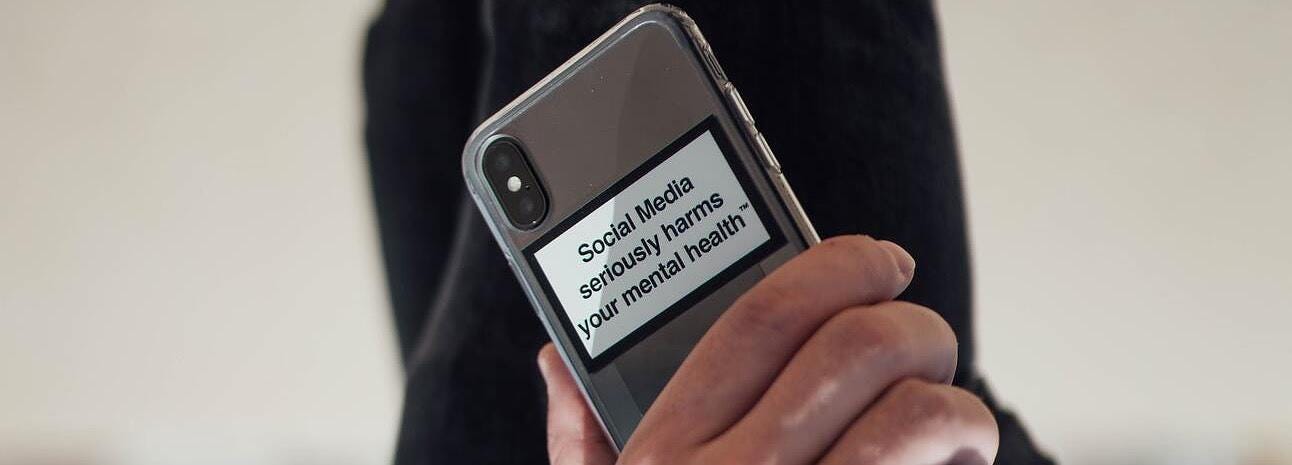
As parents, we are worried about the potential consequences of our children growing up in a world where technology addiction and social media dependence are widespread. We fear that they may struggle to communicate openly and genuinely with others, leading to a society where meaningful connections are increasingly rare. This is why we have made the decision not to give our daughters smartphones, comparing this choice to decisions made about alcohol, drugs, or other addictive and highly regulated forms of entertainment.Recent studies have linked depression and poor mental health among teenagers to smartphone use, particularly iPhones and social media platforms like Instagram. This app, which encourages users to showcase their lives and compare themselves to others, can be especially damaging to girls' self-esteem and body image. By not giving our daughters smartphones, we hope to avoid these issues and direct them towards healthier peer groups and interests.Peer group?We recognize that our decision may lead to challenges, such as explaining to our children why they do not have smartphones when many of their peers do. However, we believe that there are multiple peer groups available, and by not providing our children with smartphones, we are guiding them towards a group that shares their values and interests. Just as we had the choice to avoid drugs, alcohol, or certain types of passtimes in our youth, our children can also choose their peer groups based on their preferences and values.For those who may already be dealing with smartphone addiction in their children, it's essential to remember that it's never too late to address the issue. We suggest talking to your child about how smartphones are designed to grab their attention and asking them how they feel after using social media or other apps. Watch documentaries like "The Social Dilemma" together and discuss the content, helping them understand the potential consequences of their actions.In cases of severe addiction, seeking professional help may be necessary. However, we believe that by setting a positive example in our own technology use and engaging our children in physical activities and real-world experiences, we can help them develop a healthier relationship with technology.More offline activitiesAs our daughters grow older, we plan to involve them in activities such as Scouts and volunteer work to encourage them to spend more time outside of the virtual world. This approach is supported by experts like Cal Newport, who recommend engaging in more physical, real-world activities to help detox from technology and determine which aspects of technology are genuinely beneficial to our lives.We also believe it's essential to engage with other parents and our local community to discuss these issues and share our experiences. While it may be challenging to convince others to make significant changes in their lives, we can at least try to raise awareness and encourage more face-to-face interaction among families.It's up to you - consider yourself warnedUltimately, the decision to give a child a smartphone or not lies with each family. However, we hope that by sharing our thoughts and experiences, we can spark interest and encourage others to consider the potential consequences of smartphone use among teenagers.In conclusion, we believe that addressing phone addiction among teenagers is a vital issue that requires attention on both individual and collective levels. By making informed decisions as parents and engaging with our communities, we can work together to create a healthier, more connected society for our children and future generations.Links:* Stephanie Gruner Buckley, "My daughter was a creative genius, and then we bought her an iPhone" — https://medium.com/modern-parent/my-daughter-was-a-creative-genius-then-we-bought-her-an-iphone-bf617c0b6ca0* Center for Human Technology, "The Social Dillemma" — https://www.humanetech.com/the-social-dilemma* Cal Newport "Digital Minimalism" — https://www.calnewport.com/books/digital-minimalism/ Get full access to Use More Paper at www.usemorepaper.com/subscribe
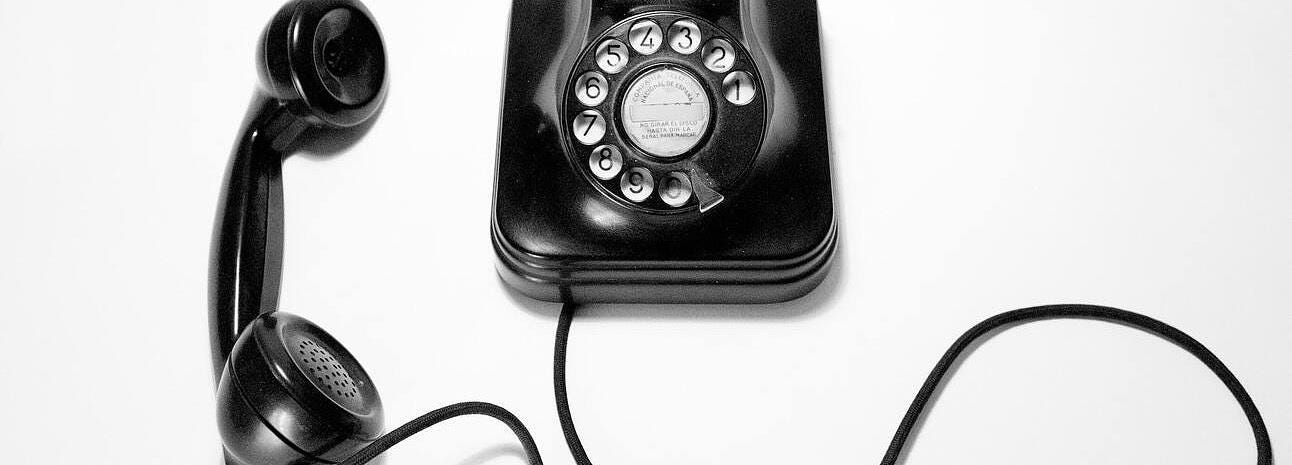
We share our journey of rediscovering the simplicity of life through the use of "dumb" phones, as opposed to the highly addictive smartphones that dominate our lives today. Our podcast focuses on making unconventional choices and living an anti-cultural lifestyle, and this experience is no exception.Like an old NokiaOur experiment began when we decided to switch from smartphones to dumb phones, inspired by the Punkt MP01 design, reminiscent of the old Nokia phones we used as students. At first, the transition was uncomfortable and painful, as we had grown accustomed to the convenience and features of our smartphones. However, we soon learned that living without a smartphone was, in fact, much easier than we anticipated.One of us, a busy mother of two, recognized the symptoms of smartphone addiction in her life, such as sleep deprivation and constant distraction from notifications. The switch to a dumb phone forced her out of her comfort zone and made her more aware of her dependence on technology. Despite the initial anger and frustration, she eventually found a middle ground with the Unihertz Titan Pocket, which provided some useful features without the addictive properties of a smartphone.More talking, less textingWe discovered that using a dumb phone made us appreciate talking to people more, as the phone didn't allow for easy texting. We found that we would hide behind technology if given the chance, and the dumb phone helped us expand our social capabilities.We both tried going back to smartphones at different points, only to find ourselves slipping back into old habits and addiction patterns. This realization led us to believe that short technological detoxes are not enough to break the cycle of addiction. Instead, using a dumb phone for an extended period can help identify the root causes of our discomfort and dependence on technology.Balance and privacyThrough this experience, we learned that we could find a balance between the need for certain smartphone features and the desire to live a simpler, less addictive lifestyle. For example, one of us found that a minimalistic Android-based phone, like the Unihertz Titan Pocket, was the perfect middle ground.While we understand that the privacy concerns regarding data collection by Android and other smartphone operating systems are important, our focus in this experiment was primarily on breaking free from the addictive nature of smartphones.In conclusion, our journey with dumb phones has been an eye-opening experience that has taught us valuable lessons about our relationship with technology. We've learned that it is possible to find a balance between convenience and simplicity, and that breaking free from smartphone addiction requires more than just a temporary detox. As we continue to explore unconventional choices and anti-cultural lifestyles, we hope to inspire others to question their dependence on technology and seek a more fulfilling way of life. Get full access to Use More Paper at www.usemorepaper.com/subscribe
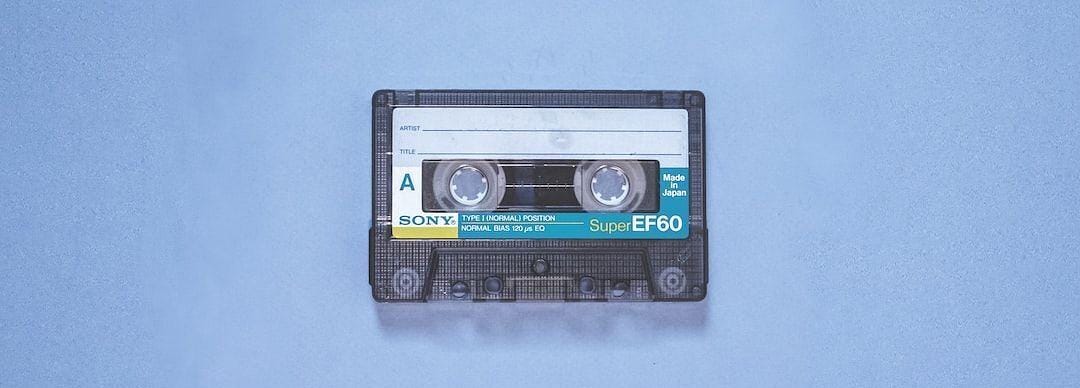
I am listening recently to Moriah Woods — highly recommended. It's a singer-songwriter that I didn't know that existed. Recently, with my daughter, we went to an Anneke Van Giersbergen concert and Moriah opened for Anneke. She's very good. She plays moody songs accompanied by acoustic guitar, very good songwriting.Let's talk about music today.After trying Tidal, Spotify, Amazon Music, Apple Music, I went back recently to purchasing MP3 files from Apple - from iTunes, because I want to own the music I listen to.It's because I really don't like the concept of streaming. I don't like the fact that you pay a certain amount of money monthly to have access to everything. It's not beneficial for me as a listener because I'm overwhelmed with the number of tracks I have access to. It means also that I don't value those track because this mass of music is so cheap.I like the fact of possessing the music, of having it on my hard drive, inside my computer, on my storage. Ideally I prefer owning the music on vinyl, but vinyl is not portable at all. So the albums I buy on vinyl, I buy them twice: once on vinyl and the second time as MP3s from iTunes.You have the moneyI think it's okay because first of all, it's not a cost that is prohibitive in 2022. I don't have to buy lots of albums a month, so my home budget is not suffering. It gives me the opportunity to listening mobile of course, but it's all also giving me the opportunity to listening in a better sound quality than I would normally do on Spotify, because I can choose from which player I will play the songs. I don't have to have it on Android on iOS, I can have it on an obscure audiophile MP3 player. I can just copy the files from my hard drive and it's done. It works offline. And I also know that by buying the album twice, I'm actually helping the musician because musicians are really screwed by streaming platforms like Spotify, Deezer, Amazon Music, etc. You have to generate 3 million streams per month to have a few hundreds of dollars of revenue. It's crazy.Business modelI've been a musician, so I know how it works. It basically costs you nothing to put an album on Spotify. And then because everybody's paying for the whole catalog, you basically get nothing in return, since the discoverability becomes a huge problem, not the barriers in putting the music on the platform. So you work two years to compose and record the music and then you get a few streams and everybody says: "Yeah, don't expect money for releasing music, play live and sell some merchandise." But I think that musicians should be paid for the music and not for selling merch. They are musicians, not apparel companies, after all.I think Pink Floyd would not record "The Wall" if they were forced to tour 200 days per year and sell t-shirts in order to sustain themselves financially. They would not have the time nor the mental bandwidth to compose the masterpiece. This is what's happening today in music. Basically, the music that is available online it's usually not arranged in albums, but it's single tracks and it's released every two to three months because if not, people lose interest and forget about the artist.Making music today is like making videos on Tiktok or YouTube - you have to keep publishing. If not, the channel won't grow.So I'm very proud of myself that I am buying each album twice: once on vinyl and a second time as MP3 files from iTunes, because I know that at least the musicians that have worked very hard to create the music I enjoy are given a much larger "cut" from those transactions.DiscoverabilityAnd one last word about discoverability: people often get trapped into thinking that Spotify gets them new listeners. No, it does not. The sheer amount of new music added every minute to Spotify makes it actually VERY HARD to get organically discovered on Spotify. YouTube is very good at that. Use YouTube for discoverability, and then put your MP3s on Bandcamp, maybe on iTunes - but specifically on a platform that allows the music to be bought by your fans directly and own the files. Not to be streamed. It will give you much more opportunities to gain new listeners than Spotify by word of mouth and by people supporting people, looking for what other listeners listen to and checking the bands other people support.Like in the old, cassette days. Get full access to Use More Paper at www.usemorepaper.com/subscribe

Today, we’re going to look at why I decided to ditch my smartphone, how I think it’s affected my life, and why you might want to consider something similar.Why Ditch the Smartphone?One of the worst parts about owning a smartphone is the email function. If you have your work email synced to your phone, it’s like you are never actually leaving work. You feel the pressure you feel at work 24/7. Sometimes, you might find yourself answering work emails in the middle of the night because you couldn’t sleep. This sets an unhealthy precedent that our employers should be able to reach us at all hours, even when the issue at hand could wait until the next workday. You’re not getting paid for these hours, so why carry the stress of the job?The dangers of smartphones are well known by anyone who’s used a smartphone, or anyone who’s tried to spend time with people with smartphones (especially younger people who’ve grown up with these devices). According to helpguide.org, there is a growing issue of smartphone addiction, similar to other addictive activities like gambling. There are a number of distressing and alarming ways that smartphones can negatively impact our lives:* Increased loneliness and depression;* Fuelling Anxiety;* Exacerbate Attention Issues;* Disturbing your sleep; and* Encouraging Self-absorption.Another issue with smartphones is that they can diminish our ability to think creatively. According to this Time article, boredom can lead us to our most creative ideas. You’ve likely experienced this before, where you are doing a menial task, or doing nothing at all, and you have your deepest, most creative ideas. By allowing our brains to rest and just exist, we are better able to think deeply and creatively. Smartphones make this kind of deep thinking time hard to come by, as when we get bored, we often pick up the phone and start scrolling through Twitter or checking emails. Without this distraction, you’ll have more time for deep and creative thinking.How has getting rid of my smartphone affected my life?When I initially sold my smartphone and bought a Punkt phone, there was a lot of anxiety initially. I worried that my work and social lives might be hurt or diminished by the lack of a smartphone. I worried that I wouldn’t be able to advance at work because I wouldn’t be able to respond to emails 24/7. I worried that I would miss out on social activities by not having as many ways for friends to contact me. But now six months out, I can say confidently that I had nothing to worry about, and that my life has definitely improved.As far as work goes, I now feel as though I have true work-life balance. I do my work during my workday, and I respond to emails during my workday, and this has not made me any less productive. In fact, I would argue that without the distraction of social media apps, my productivity at work has actually improved. Researchers have been studying whether smartphones aid or diminish productivity, and some are finding that smartphones become obstacles to deep thinking or reach a “flow” state. This same researcher found that, on average, people checked their phone every 18 minutes, which adds up over the course of the day, and additionally noted that those with higher smartphone usage tended to have more negative social lives.I’ve also seen a marked improvement in my social and family life since selling my smartphone. Without the constant need to check my phone, I have more time to spend with my family. I also feel like I have become a better role model for my children, as they see me not being distracted by technology like other adults in their lives. There’s actually a term for parents who use their smartphones when they could be spending quality time with their kids: distracted parenting. If parents spend their time on their phones, instead of with their children, these relationships will be much weaker. This could also affect the development of our children, as they absorb communication skills from us, and if the only communication they see is us typing on our phones, this might be the only communication they come to understand.Another way I think I’ve become a better parent as a result of not having a smartphone is that I don’t model negative social media behaviour. Many children now see their parents posing for hours for Instagram pictures, or sharing just the best parts of their lives on social media, and again, children learn by observing, and will mimic these behaviours later (but not that much later) in life. Instead, show your children the things that you are passionate about in life, and spark their own curiosity and drive to find their passions.Similarly, I’ve found that since ditching the smartphone, I no longer compare myself to others constantly. It’s natural for us to compare ourselves to others, especially for those of us who are competitive. But when we see other people on social media, we are only seeing the best parts of people’s lives. We don’t see the thousands of hours that went into working for the beautiful house, we just see the gorgeous (staged) photos of the house. We also don’t know what someone’s upbringing or background was like. Maybe that person grew up rich, which is why they’re 21 and can afford that sports car. Another important point is that social media is global, and life can be extremely different in different parts of the world. For all of these reasons, the constant comparison can only be detrimental to our happiness. Instead of trying to chase what others have, consider what YOU actually want in life, and go after it. This will make you so much happier than chasing the dreams of others. A number of studies have examined the correlation between social media and mental health, and while correlation doesn’t equal causation, there is definitely some sort of link between the two.Another positive to getting rid of my smartphone has been that I’ve been calling people to communicate instead of communicating via SMS or email. Though not as good as talking face-to-face, I’ve found that having conversations with someone is so much better than communicating by writing. So much of how we communicate cannot be captured in text. Verbal cues and sarcasm can’t be articulated as easily in text versus verbal communication. I’ve found so much more enjoyment in life by actually picking up the phone and calling a friend I haven’t seen in a while instead of sending them Facebook messages, and by improving my social circle. I’m improving my life.Getting StartedSo maybe I’ve sold you on getting rid of the smartphone and living the tenets of digital minimalism. But before you dive in headfirst, let’s check the water depth. Extremism is never sustainable. If you throw your smartphone out the window and vow to disassociate from all technological-based communication, either your life will take a major hit, and/or, you will be buying a new smartphone a month from now. So how do we transition to a life of greater fulfilment, and less reliance on technology?For starters, you can use technology sparingly, and with intentionality, something I’ve spoken about in past vlogs and blogs. Make a list of all your applications and devices, and only keep the ones which ADD value to your life. A calendar app might actually add value to your life. On the other hand, an app like Instagram is most likely not going to add anything to your life (unless of course you run your business on that platform). If you’ve already pared down your apps, and you feel like you’re ready to ditch the smartphone entirely, getting a punkt device might be a realistic alternative as these devices allow you to make phone calls and hotspot a laptop for checking emails during work hours.One thing to remember is that the whole point of digital minimalism is to add value to your life. There’s no trophy for being the most stoic person and using zero technology. We want to make our tech use efficient and minimal, so that we have time for the things we love, be it family, hobbies, friends, etc.Go make your list of technology, evaluate your technology uses, and go from there. And remember this (like life) is a process, and there may be bumps along the way, but as long as you are putting in effort, and being mindful, you can always improve your happiness. Get full access to Use More Paper at www.usemorepaper.com/subscribe

I’m off extractive, algorithm-driven social media since nine years. Therefore, I’m not accustomed to being attacked verbally, because I’m not participating in this kind of “sport” anymore. Still, there’s times when frustrated people make comments on my YouTube videos. Of course, a large majority of those people are on my Polish channel, since Polish people are very frustrated and at the same time they are also very poor communicators — so these two characteristics together make for very bad commenter experience.But I digress.How to have a good, respectful conversation online?If you would like to improve the quality of your discussions online, first of all, don’t start the comment by saying that:* the video author is wrong, or that* you don’t agree.It’s because the people who make those videos have put a lot of time and effort in producing those videos and they really don’t care whether you agree or not. But they are open to have a conversation. If you start by stating that you don’t agree, you close the possibility for the conversation, because you already came to the conclusion that you don’t agree. It’s over.If you want to discuss a part of the video, start by:* stating your point of view (for example, if the video author says “I think donuts are a great cure for depression”, you can start by saying “I was depressed 3 years ago and tried donuts. It didn’t work for me.”* saying what you would like to discuss and then tell it — and if possible, use your personal experience (the “I tried the donuts” in the bullet above — and add what worked for you), because if it’s something you feel or that (worse) you read online on someone else’s website and adopted as your point of view, it will not enrich the conversation.Like in real lifeBe respectful. Act as you would be acting in real life. I know it’s hard, since the anonymity that the internet gives you is so tempting. If someone asks you a question, don’t ignore the question — answer the question. If someone asks you the question three times, don’t ignore him, because in real life you would not ignore someone asking you three times the same question, wouldn’t you?Ask questionsIf you really want to know someone else’s point of view, to benefit from the takeaways that offers someone else’s experience — just ask questions. That’s it. You don’t have to judge the person that recorded the video or wrote the blogpost. You don’t have to say that you’re better than them. It’s irrelevant. If you start like that, no one will actually want to discuss anything with you, neither the author nor other commenters, because you will appear as a deficient person as far as your self worth is concerned.Whereas, if you ask an intelligent question, it will be and reaching for everybody and a lot of people will engage with you.Personal experience mattersIf you have some kind of a personal experience with the people who recorded the video or posted the blogpost, don’t think that this personal experience will not have any incidence on how the discussion will go, because it will have consequences. So, let’s imagine that you met the person that posted the video several times in real life and each time:* you were an a*****e,* you were not supportive,* you were passively aggressive,* you were manipulative,don’t expect to be treated very well online. You will be treated as if the discussion online was a consequence of what happened in real life. That’s how people work.Give negative feedback in privateIf you want to make a negative comment and you really want to help the people who worked hard to post a video, publish a blogpost or publish a book — contact them directly.Write a direct email with the negative comment or with your salty suggestion. There’s a million ways you can contact directly a person today on the internet — there’s email, you can find people’s phone numbers online, there’s direct messages. A lot of creators publish their email addresses — use them. A personal message is far better than criticising someone in public because that way you show that you actually want to help, that you actually want to discuss something.In the corporate world, there’s a rule that very few managers know, but it’s a very good rule. This rule says:Give positive feedback in public, but give negative feedback in the privacy of your office.It’s because people in general will be inclined to remember the negative feedback and to remember the social cues around this negative feedback. If you give negative feedback in public, you will actually perform straightforward aggression on the person to whom you give this negative feedback. You will just show everybody else that you have a deficiency in your self worth, that you lack confidence and that you need to cope with this deficiency by giving negative feedback in public and humiliating the person in question. If you do that, you will not have friends and you will certainly not advance your career.It’s exactly the same online. If you want to help the creator — write a personal email, call the creator. If instead you choose to make a public comment about it, you will rather show that you wanted to help yourself by judging someone in public.FreedomI can already hear some of you screaming about freedom of speech.You don’t have to show people in public that you don’t agree with them. It’s not a sign of freedom. It’s a sign of your deficiency. You have the freedom because you can write a negative comment in public. Nobody took away this possibility from you. But the fact that you can does not mean you should.PositivityIf you want to be helpful and have good discussions, please try to remember those rules. It doesn’t mean that you always have to be positive about everything. But remember that being a creator is hard, so if you can, and especially if you know the people that create content online and if you want to show support, say nice things in public about what they create. They will be grateful and they will for sure be thankful that you did. If you have improvement ideas — say them in private.Now enter the mind-blowing part: you can do both at the same time! You can like and comment positively a video that your friend recorded and simultaneously write a personal email saying that he should improve his storytelling skills. Isn’t it amazing? And don’t forget to tell him also how he can do it (that’s the hard part)!My gardenI sometimes react in a rough and rude way if someone makes a negative comment in public about something I created, because I understand the mechanism I described above and I want to keep people from doing that. It’s on purpose and it’s exactly how I want to react.It’s not by error.I don’t want to have a negativity feast in the comment section on my YouTube channel. I have seven years of YouTube experience on my Polish channel, where commenters ranged from passively aggressive to full-fledged actively aggressive. There were people who wrote to me in the comments that they will find me and kill me. I thought that I had to endure that because it’s how the world online is. That it’s a price I have to pay for having my YouTube channel.Today, I don’t think like that anymore. The fact that I tolerated aggressive people on my Polish YouTube channel brought nothing positive to my life nor to the life of other people watching my content. Today I know it.I don’t have to pay a price for having a YouTube channel and I certainly don’t think that I should endure this kind of comments. Today, I think of my comment section as of my garden. I am deciding what I want to keep in my garden.If I don’t want to have bad plants in my garden, I can take them out of the ground. Get full access to Use More Paper at www.usemorepaper.com/subscribe
In today's world many of us struggle to stay focused and productive. I certainly do. Despite the convenience and allure of digital tools, there's a growing movement towards embracing the simplicity and effectiveness of paper planning. I still use a paper notebook and don't plan to stop. Rediscovering PaperFor years, we've been told that digital is the way to go. Apps like Notion, Obsidian, and various project management tools promise to streamline our lives. But after decades of experimentation, many of us are realizing that nothing beats the simplicity of paper. Paper is always ready, universally accessible, and devoid of distractions.When we write on paper, we take the first step towards making our thoughts tangible. This act of writing helps us feel more committed to our plans. Unlike digital tools, paper doesn't tempt us with endless customization or the allure of procrastination. It's just us, our thoughts, and the pen.The Advantages of PaperOne of the biggest advantages of paper is its readiness. There's no need to wait for an app to load or worry about battery life. A paper notebook is always there, ready to capture our thoughts and plans. This immediacy can be a game-changer for productivity.Another key benefit is the lack of distractions. Digital devices are designed to grab our attention with notifications, blinking lights, and endless apps. In contrast, a paper notebook is a blank canvas, free from any interruptions. This allows us to focus deeply and think more clearly.The Tactile ExperienceWriting on paper also provides a tactile experience that digital devices can't replicate. The feel of a good quality pen on high-quality paper can be incredibly satisfying. This physical interaction helps us connect more deeply with our thoughts and ideas.I certainly love writing with my Kaweco brass pen in my Midori A6 notebook. This combo works very well together. Moreover, the act of writing by hand engages different parts of our brain compared to typing. This can lead to better retention and understanding of the information we're working with. It's a small but significant advantage that can make a big difference in our productivity.Reflecting and StructuringPaper is also excellent for reflection and structuring our thoughts. When we write things down, we create a physical record that we can revisit and review. Very easily review, should I add - you don't have to find the option to visualize completed tasks or otherwise find your past notes, you just flip pages. This makes it easier to see the big picture and track our progress over time.Unlike digital tools, which can be overwhelming with their endless features and options, paper is simple and straightforward. This simplicity forces us to be more deliberate and thoughtful about what we write. It encourages clarity and focus, which are essential for effective planning.The Role of QualityThe quality of the paper and pen we use can also influence our productivity. Investing in high-quality materials can make the act of writing more enjoyable and satisfying. It can also encourage us to be more careful and intentional with our notes.Mistakes on paper are more permanent than in digital tools, where we can easily delete or edit. This permanence encourages us to think more carefully before writing and to take our plans more seriously. It's a subtle but powerful way to enhance our focus and commitment.Balancing Digital and PaperOf course, digital tools still have their place. They are excellent for storing and organizing large amounts of information, setting reminders, and managing repetitive tasks. But for daily planning and deep thinking, paper can be far more effective.By combining the strengths of both digital and paper tools, we can create a balanced and efficient system. Use digital calendars for scheduling and reminders, but rely on paper for daily planning and note-taking. This hybrid approach allows us to leverage the best of both worlds.Embracing SimplicityIn a world that's intentionally complex, there's something incredibly refreshing about the simplicity of paper. It strips away the noise and distractions, allowing us to focus on what truly matters. It's a return to basics that can have a profound impact on our productivity and well-being.We don't need the latest app or gadget to be productive. Sometimes, all we need is a notebook and a pen. Taking ActionSo, let's take action. Let's experiment with paper planning and see how it impacts our productivity. Start small with a simple notebook and pen. Write down your daily tasks, thoughts, and plans. Notice how it feels and how it affects your focus and clarity.As you integrate paper planning into your daily routine, you may find that it offers a level of simplicity and effectiveness that digital tools can't match. It's a small change that can lead to significant improvements in your overall well-being.Moving ForwardIn a world that's constantly pushing us towards digital solutions, paper planning offers a refreshing alternative. It's a reminder that sometimes, the simplest tools can be the most effective. Get full access to Use More Paper at www.usemorepaper.com/subscribe
Comments

Download from Google Play

Download from App Store
 United States