


 Claim Ownership
 How to Humanist
How to HumanistSubscribed: 23Played: 488
Subscribe

© 2026 American Humanist Association
Description
How to Humanist asks life’s questions big and small with the help of brilliant humans along the way.
32 Episodes
Reverse
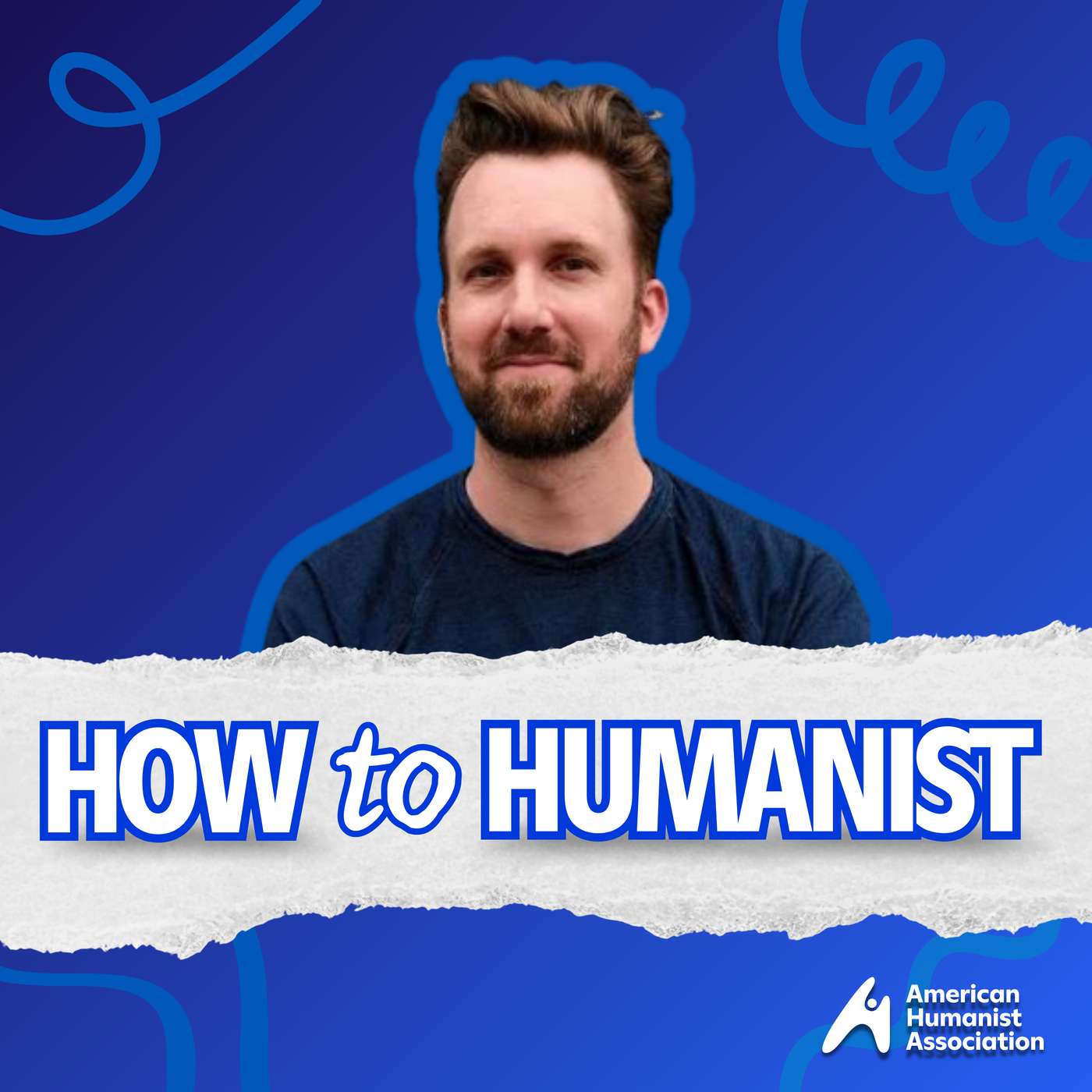
Why wait? We're still on a kick from celebrating AHA's 85th annual conference this past weekend which included honorees Jordan Klepper, Anthea Butler, and Hank Green. And although we sold out of tickets for it (not once, but) twice, we know that not everyone got a chance to attend all the wonderful sessions. So we figured, let's give the people what they want -- and what everyone wants -- is more Klepper.ABOUT JORDAN KLEPPERJordan Klepper, our Humanist of the Year Awardee is a three-time Emmy Award winner and co-host of The Daily Show on Comedy Central. He is also a recipient of the Peabody Award and the Walter Cronkite Award for Excellence in Television Journalism for his work on The Daily Show, where he created and hosts the acclaimed Jordan Klepper Fingers the Pulse series, which has been viewed over 100 million times.Klepper has written essays and op-eds for CBS Mornings and The Boston Globe on politics and civic life. He is also a nationally touring performer whose show Suffering Fools has sold out theaters across the country, and he recently delivered a top-ranked TED Talk on democracy and public discourse that has been viewed by millions. LEARN MOREFor more on humanism: https://linktr.ee/americanhumanist
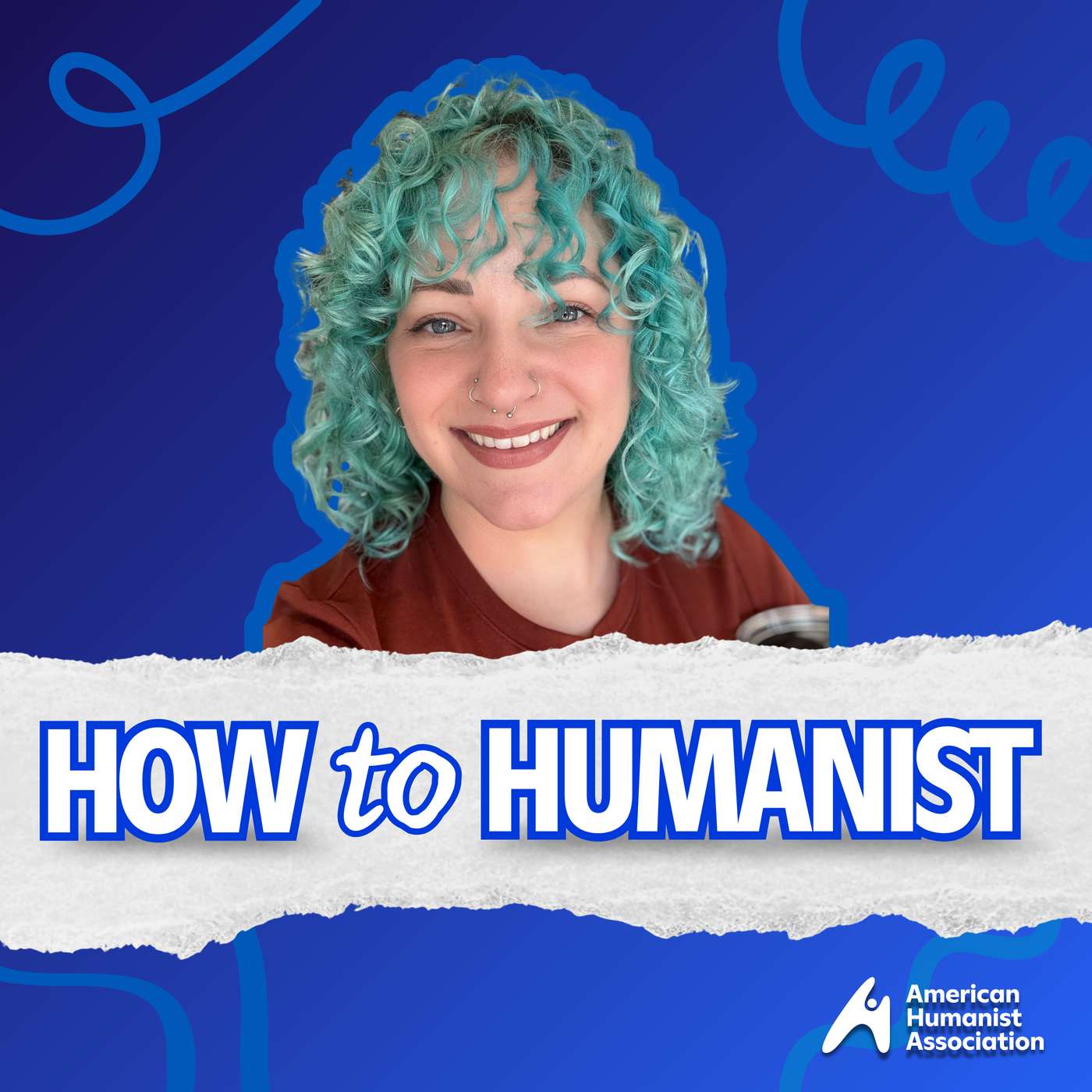
It's a humanist crossover episode!"I've never heard of humanism, but is this what I've been all along?" What happens when you discover the word for what you've believed your whole life? Shay Leonia came to humanism only recently, and rather than hide the learning curve, she has made it the heart of her work. In this episode, James Hodgson talks with Shay about her journey into humanism, the art of admitting what you don't know, and how to bring humanist values to people who have never heard the term.We discuss growing up with everyday kindness as a lived value, letting go of the supernatural without losing what matters, the AHA Creator Program and building coalitions beyond the secular space, and why humanism needs to become more accessible and more representative if it is going to grow.ABOUT SHAY LEONIAShay Leonia is the communications manager at the American Humanist Association (AHA), where she hosts the How to Humanist podcast and runs AHA's Creator Program, partnering with content creators to bring humanism to new audiences. A lifelong musician based in Philadelphia, she founded the media company 44th Minute Media and came to humanism recently, arriving, as she puts it, curious, a little confused, and glad she stayed.In this episodeHow Shay discovered humanism through a job posting and realised it named the values she'd held all alongLearning out loud: the "fourth wall break" behind How to Humanist, and why admitting what you don't know builds trustThe AHA Creator Program, giving people a "soft landing" into humanism, and why the movement must become more accessible and representativeLEARN MOREAHA Conference 2026: https://conference.americanhumanist.orgFor more on humanism: https://linktr.ee/americanhumanist
Have a question about Humanism that you'd like answered on an upcoming episode of How to Humanist? Great! We'd love to hear from you! Send your questions to ->-> podcast [at] americanhumanist.org for your chance to hear your question on a future episode!podcast [at] americanhumanist.orgLEARN MOREAHA Conference 2026: https://conference.americanhumanist.orgFor more on humanism: https://linktr.ee/americanhumanist
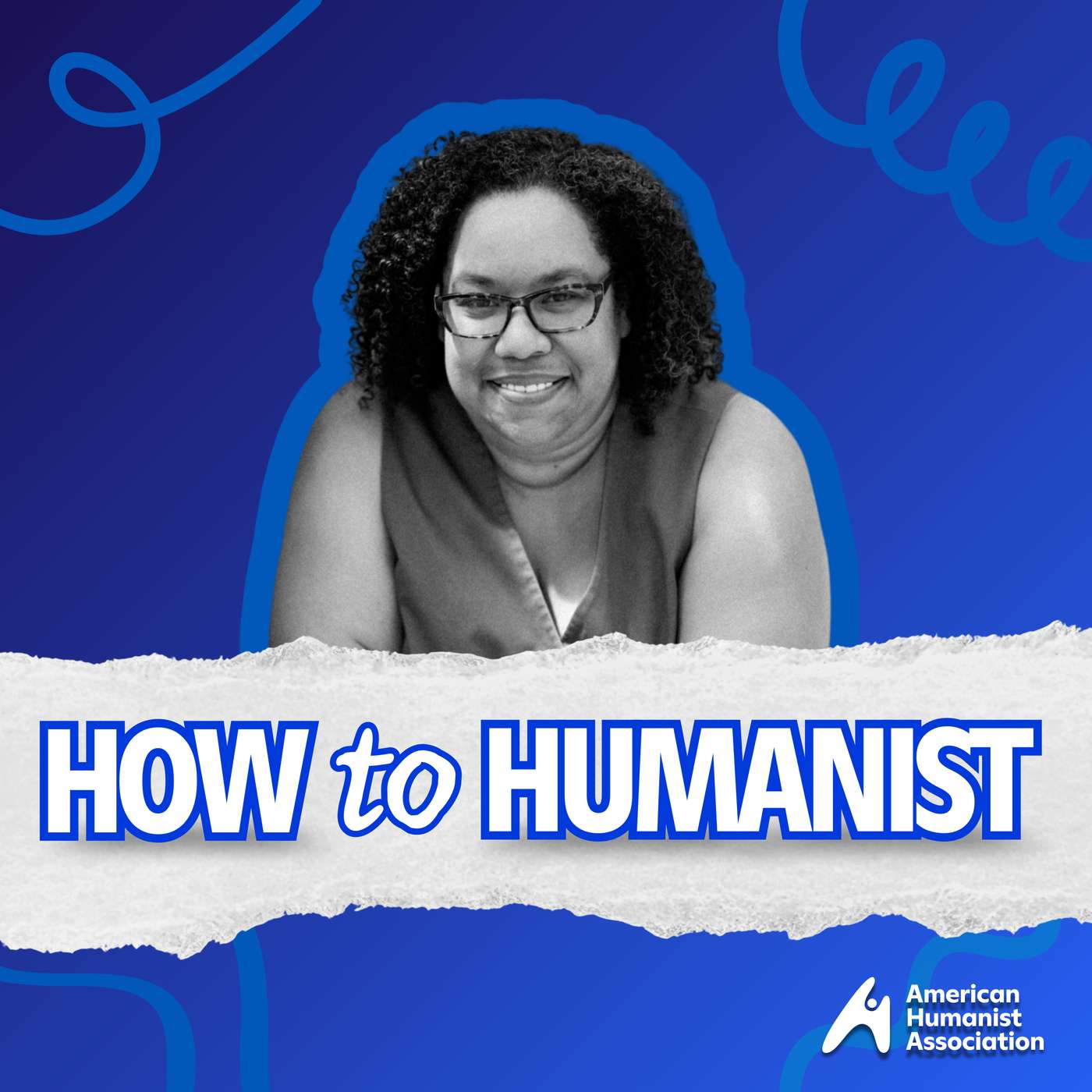
As humans, we can find comfort in the most uncomfortable environments as long as it means we don't have to face change and sacrifice the only life we've known. Well, not only did Rev. Leika Lewis take that brave step and live to tell the tale -- they did it twice! As a professional Change Management expert, who better to assist us than Rev. Lewis on the windy road that can be deconstructing our beliefs, and helping us to build something even better this time around. Something like... joy.ABOUT REV. LEIKA LEWISRev. Leika Lewis (they/she) is a secular minister, chaplain, coach, and consultant. After a career as a corporate change management expert, Leika turned their skills to guiding secular folx and seekers who want to map their own path post-deconstruction and beyond dogma. Leika is a past president of the UU Humanist Association; a queer, kinky, polyamorous poet; and an unabashed Trekkie and Rennie. Heretics are their favorite people.Leika Lewis Free Masterclass: https://masterclass.leikalewis.comLEARN MOREAHA Conference 2026: https://conference.americanhumanist.orgFor more on humanism: https://linktr.ee/americanhumanist
Where there's one of us, there's many. All around the country, people are searching for like-minded community, something AHA's 2025 Humanist Volunteer of the Year, Elizabeth Hegwood, knows very well. AHA has over 230 chapters and affiliates, but far more are needed to reach the communities that want them. That's why we're so grateful to have Elizabeth and Jake walk us through exactly how to start a humanist group near you. For any additional questions on starting a chapter, contact Jake at jake [at ] humanist [dot ] org.ABOUT ELIZABETH HEGWOODElizabeth Hegwood is the president of Gulf Coast Humanists as well as the Mississippi State Director for American Atheists. Gulf Coast Humanists: https://gulfcoasthumanists.orgGet in touch with Elizabeth: elizabeth.hegwood [at ] atheists [dot ]org LEARN MOREAHA Conference 2026: https://conference.americanhumanist.orgFor more on humanism: https://linktr.ee/americanhumanist

Comments

Download from Google Play

Download from App Store
 United States