


 Claim Ownership
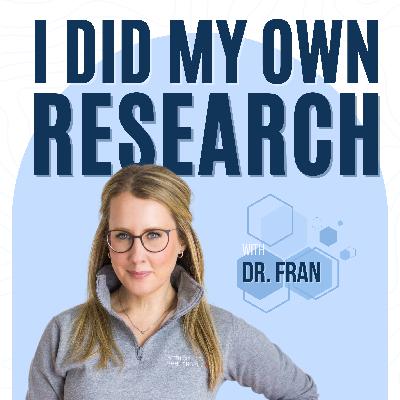
I Did My Own Research
Subscribed: 8Played: 34
Subscribe

© 2026 Franziska Haydanek
Description
I Did My Own Research is a podcast hosted by OB-GYN and medical educator Dr. Fran, digging into what happens when medical misinformation goes viral—and what it takes to fight it.
Each episode features conversations with doctors, healthcare professionals, and scientists who create content online, breaking down the myths they see every day, how they got pulled into content creation, and why having evidence-based voices on the internet has never mattered more.
From trending health claims to behind-the-scenes creator stories, this podcast is about reclaiming “research,” one expert conversation at a time.
10 Episodes
Reverse
In the first-ever in-person episode of I Did My Own Research, Dr. Fran sits down with pediatric emergency physician and viral educator Dr. Beachgem to talk about the real impact of medical misinformation—and what it’s like to fight it from both the ER and the internet.From building a platform during COVID to reaching millions with life-saving content, Dr. Beachgem shares how social media has transformed not only her career, but the way she practices medicine. Together, they dive into the emotional reality behind viral health topics—from vitamin K and vaccine hesitancy to the cases physicians can’t share but never forget.They explore the tension between education and engagement online, the ethics of “going viral,” and how fear-based content spreads faster than truth. Most importantly, this conversation highlights the human side of medicine: patients aren’t difficult—they’re scared, overwhelmed, and trying to make the best decisions they can with the information they have.This episode is a powerful reminder that behind every comment, every click, and every ER visit is a person just looking for reassurance—and a physician trying to meet them there.Dr. Beachgem's social media: @TheBeachGem10Dr. Fran's social media: @PagingDrFran
This week on I Did My Own Research, Dr. Fran is joined by pelvic floor physical therapist Alicia Jeffrey-Thomas (aka The Pelvic Dance Floor) to break down one of the most misunderstood areas of health online. From the myth that everyone should be doing Kegels to the reality that pelvic floor dysfunction isn’t one-size-fits-all, they unpack how viral “quick fixes” often miss the mark. Alicia explains why some people actually need to relax—not strengthen—their pelvic floor, and how individualized assessment is key.They also dive into the rise of social media education, the benefits (and limits) of at-home tools, and why even well-meaning advice from providers or the internet can lead to harm without proper context. If you’ve ever been told to “just do Kegels,” this episode will change the way you think about pelvic health.Alicia's social media: @ThePelvicDanceFloorDr. Fran's social media: @PagingDrFran
In this episode of I Did My Own Research, Dr. Fran sits down with Dr. Robin Roth, breast radiologist and creator of “The Boobie Docs,” to tackle the growing problem of medical misinformation on social media—especially around breast cancer screening. They break down myths about mammograms, thermography, and dense breast tissue, and discuss how financial incentives often fuel harmful disinformation online.Dr. Roth shares her journey into social media, the challenges of speaking out against misinformation, and why educating patients before they enter the exam room is more important than ever. Together, they explore how physicians can balance evidence-based medicine with an algorithm that rewards controversy—and why showing up online can truly save lives.Dr. Roth's social media: @TheBoobieDocsDr. Fran's social media: @PagingDrFran
Dr. Fran is joined by Dr. Olivia Richman to discuss the rise of physician influencers and the power of social media to drive real change in healthcare.Dr. Richman shares her journey from educating peers about sexual health to building Docfluencer MDO—a growing community of medical creators using their platforms to combat misinformation, amplify public health messaging, and advocate for reform. Together, they explore what makes a doctor credible online, the challenges of navigating digital spaces, and how collaboration can turn influence into impact.They also give a behind-the-scenes look at the upcoming Docfluencer conference in New York City, designed to bring healthcare creators together for connection, mentorship, and meaningful content creation.Dr. RIchman's social media: @DocFluencerMDODr. Fran's social media: @PagingDrFran
“Anyone can call themselves a nutritionist—but becoming a registered dietitian takes years of training.”In this episode of I Did My Own Research, Dr. Fran is joined by registered dietitian and PCOS educator Cori Ruth, also known online as The Women’s Dietitian, to break down the difference between evidence-based nutrition advice and the wellness misinformation circulating across social media.Cori shares how her own PCOS diagnosis led her to build a platform educating more than a million followers about women’s health and eventually write her book, PCOS Is My Power, a guide to understanding PCOS and navigating nutrition for this common hormonal condition.Together, Dr. Fran and Cori unpack some of the most common myths about PCOS and hormone health online, including claims that birth control causes PCOS, extreme elimination diets for hormone balance, and the persistent idea that weight loss alone can “cure” the condition. They also discuss viral wellness trends like seed cycling, hormone-balancing foods, and the growing number of “PCOS coaches” offering advice without formal training.The conversation also dives into the realities clinicians face when treating PCOS—a condition affecting millions of women that still has no single medication designed specifically to treat it. Cori shares practical guidance clinicians can give patients around nutrition, including why protein, fiber, and blood sugar regulation play such a critical role in PCOS management.For anyone trying to navigate hormone advice online—or wondering who to trust when it comes to nutrition and PCOS—this episode offers a grounded, evidence-based conversation.Cory Ruth's social media: @TheWomensDietitianDr. Fran's social media: @PagingDrFran
In this episode of I Did My Own Research, Dr. Fran sits down with pediatrician Sandeepa Raj to talk about what it’s really like practicing medicine—and parenting—in the age of social media. With over 20 years of experience in pediatrics across private practice, hospital systems, and volunteer work at free clinics, Dr. Raj shares how the landscape of pediatric care has changed and why misinformation has become one of the biggest challenges facing doctors today.The conversation dives into the growing wave of vaccine misinformation online and how it has shifted real-life conversations in the exam room. Dr. Raj explains how social media has amplified fears around vaccines and other pediatric topics, often spreading persuasive but inaccurate information faster than evidence-based medicine can keep up. She also shares how pediatricians approach these conversations with parents—balancing empathy, trust, and science while addressing genuine concerns about children’s health.Dr. Fran and Dr. Raj also explore why parenting spaces online are particularly vulnerable to misinformation. From “natural is always safer” narratives to dangerous wellness trends, they discuss how kernels of truth often get twisted into misleading health advice.The episode also highlights how physicians can use social media as a tool to extend education beyond the clinic and “take the doctor home” with patients through accessible, evidence-based content.Beyond medicine, the conversation touches on the realities of modern parenting—how to talk to children about difficult world events, how doctors’ work shapes their perspective on empathy and privilege, and the complicated decision of whether or not to share kids on social media.This episode is a candid look at pediatrics, misinformation, and the responsibility of doctors to show up—both in the clinic and online—to help families navigate an increasingly confusing health information landscape.Dr. Raj's social media: @FriscoPediatricianDr. Fran's social media: @PagingDrFran
Longevity, biohacking, peptides, supplements—social media is full of promises about how to live longer. But how much of it is actually backed by evidence?In this episode of I Did My Own Research, Dr. Fran is joined by geriatrician Dr. Stephanie Rogers (Age Well with Dr. Steph), Associate Chief of Geriatrics Clinical Programs at UCSF. Together, they unpack what actually helps people age well—and what the internet is getting wrong.They discuss why “longevity medicine” often misses the bigger picture, the reality that most of us will experience some level of disability if we live long enough, and why building healthcare systems and communities that support aging is just as important as trying to extend lifespan.Dr. Rogers also breaks down common medication pitfalls in older adults, including surprising risks of medications, and explains why some widely used drugs may be doing more harm than we realize.The conversation also dives into:Why biohacking and supplements are so appealing onlineThe difference between lifespan vs. healthspanHow doctors actually learn from each other on social mediaThe biggest predictors of aging well (hint: they’re not peptides)Why hearing loss, muscle mass, and social connection matter more than most people thinkPlus, rapid-fire questions on the most harmful medications for aging, underrated longevity habits, and the best things you can start doing in your 30s and 40s to age well.If you’ve ever wondered what actually matters when it comes to longevity—and what’s just internet hype—this episode is for you.Dr. Steph's social media: @AgeWellWithDrStephDr. Fran's social media: @PagingDrFran
In this episode of I Did My Own Research, Dr. Fran is joined by Dr. Emily Pfender, a PhD-trained health communication researcher at the University of Pennsylvania, to break down what’s actually happening with women’s health information on social media.From viral birth control fear-mongering to preeclampsia misinformation shared by self-identified “medical providers,” Dr. Pfender walks us through how her team analyzes online content—and what they’ve found when they put that content in front of real patients.They dive into why extreme, emotional videos outperform nuanced medical information, how even researchers can feel pulled in by misleading trends, and what it means when clinicians themselves contribute to misinformation.If you’ve ever wondered whether social media is a net positive or negative for reproductive health—or how to tell who’s truly qualified to give advice—this conversation is a must-listen.Dr. Pfender's social media: @EmilyPfenderDr. Fran's social media: @PagingDrFran
When misinformation about decreased fetal movement nearly cost her nephew his life, Sarah RN (@Labor_Junkie_RN) knew she couldn’t stay silent.In this powerful episode of I Did My Own Research, Dr. Fran sits down with Sarah—better known online as LaborJunkieRN—an experienced high-risk OB nurse with over a decade at the bedside and more than 1.3 million followers across social media.Sarah shares the terrifying story that pushed her into online education, how social media both empowers and endangers patients, and what it’s really like navigating birth in the age of TikTok. Together, they unpack the tension between informed advocacy and fear-based decision making, the importance of building trust in obstetrics, and how clinicians can restore agency without fueling polarization.They also dive into their very different birth preferences—elective induction and epidural vs. low-intervention, movement-focused labor—and model what respectful, judgment-free conversations about birth should sound like.Plus: oversupply struggles, donating 10,000+ ounces of breast milk, navigating grief, creating a labor room at home for education, and the community behind medical content creation.This is a candid, nuanced conversation about trust, trauma, choice, and what happens when real-life medicine collides with the online world.Sarah's Social Media: @Labor_Junkie_RNFran's Social Media: @PagingDrFran
The podcast 'I Did My Own Research' explores the impact of medical misinformation and the role of healthcare professionals in combating it. Dr. Fran shares her personal journey, the challenges of residency, and her engagement with medical content on social media. The podcast addresses the spread of misleading medical information, patient frustration, and the need for open conversations to combat misinformation.TakeawaysMedical misinformationSocial media impactChapters00:00 Introduction to Medical Misinformation06:47 Advocacy and Impact on Social Media11:50 Impact of Healthcare Systems on Patient Perception17:26 Bringing in Experts to Combat Medical Misinformation
Comments

Download from Google Play

Download from App Store
 United States