


 Claim Ownership
How We Think
Subscribed: 0Played: 0
Subscribe

© Copyright Assorted Non Fiction
Description
In How We Think, the esteemed American education philosopher John Dewey delves into the remarkable connection between the innate curiosity of children and the mindset of scientists. He posits that the very qualities that make children naturally inquisitive—such as their endless wonder, creative imagination, and enthusiasm for experimentation—mirror the attitudes of scientific thinkers. This insightful exploration encourages us to recognize and nurture this relationship, suggesting that doing so can lead to greater personal fulfillment and reduce societal inefficiencies. Join us as we unpack Deweys profound insights and their transformative implications for educational practices.
17 Episodes
Reverse
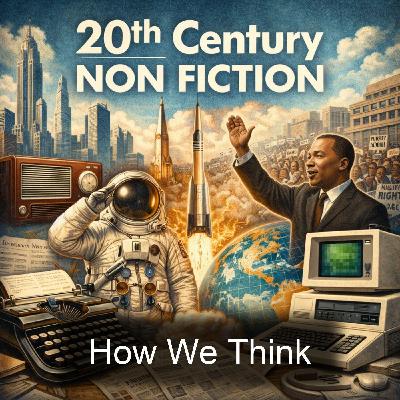
In How We Think, the esteemed American education philosopher John Dewey delves into the remarkable connection between the innate curiosity of children and the mindset of scientists. He posits that the very qualities that make children naturally inquisitive—such as their endless wonder, creative imagination, and enthusiasm for experimentation—mirror the attitudes of scientific thinkers. This insightful exploration encourages us to recognize and nurture this relationship, suggesting that doing so can lead to greater personal fulfillment and reduce societal inefficiencies. Join us as we unpack Deweys profound insights and their transformative implications for educational practices.
In How We Think, the esteemed American education philosopher John Dewey delves into the remarkable connection between the innate curiosity of children and the mindset of scientists. He posits that the very qualities that make children naturally inquisitive—such as their endless wonder, creative imagination, and enthusiasm for experimentation—mirror the attitudes of scientific thinkers. This insightful exploration encourages us to recognize and nurture this relationship, suggesting that doing so can lead to greater personal fulfillment and reduce societal inefficiencies. Join us as we unpack Deweys profound insights and their transformative implications for educational practices.
In How We Think, the esteemed American education philosopher John Dewey delves into the remarkable connection between the innate curiosity of children and the mindset of scientists. He posits that the very qualities that make children naturally inquisitive—such as their endless wonder, creative imagination, and enthusiasm for experimentation—mirror the attitudes of scientific thinkers. This insightful exploration encourages us to recognize and nurture this relationship, suggesting that doing so can lead to greater personal fulfillment and reduce societal inefficiencies. Join us as we unpack Deweys profound insights and their transformative implications for educational practices.
In How We Think, the esteemed American education philosopher John Dewey delves into the remarkable connection between the innate curiosity of children and the mindset of scientists. He posits that the very qualities that make children naturally inquisitive—such as their endless wonder, creative imagination, and enthusiasm for experimentation—mirror the attitudes of scientific thinkers. This insightful exploration encourages us to recognize and nurture this relationship, suggesting that doing so can lead to greater personal fulfillment and reduce societal inefficiencies. Join us as we unpack Deweys profound insights and their transformative implications for educational practices.
In How We Think, the esteemed American education philosopher John Dewey delves into the remarkable connection between the innate curiosity of children and the mindset of scientists. He posits that the very qualities that make children naturally inquisitive—such as their endless wonder, creative imagination, and enthusiasm for experimentation—mirror the attitudes of scientific thinkers. This insightful exploration encourages us to recognize and nurture this relationship, suggesting that doing so can lead to greater personal fulfillment and reduce societal inefficiencies. Join us as we unpack Deweys profound insights and their transformative implications for educational practices.
In How We Think, the esteemed American education philosopher John Dewey delves into the remarkable connection between the innate curiosity of children and the mindset of scientists. He posits that the very qualities that make children naturally inquisitive—such as their endless wonder, creative imagination, and enthusiasm for experimentation—mirror the attitudes of scientific thinkers. This insightful exploration encourages us to recognize and nurture this relationship, suggesting that doing so can lead to greater personal fulfillment and reduce societal inefficiencies. Join us as we unpack Deweys profound insights and their transformative implications for educational practices.
In How We Think, the esteemed American education philosopher John Dewey delves into the remarkable connection between the innate curiosity of children and the mindset of scientists. He posits that the very qualities that make children naturally inquisitive—such as their endless wonder, creative imagination, and enthusiasm for experimentation—mirror the attitudes of scientific thinkers. This insightful exploration encourages us to recognize and nurture this relationship, suggesting that doing so can lead to greater personal fulfillment and reduce societal inefficiencies. Join us as we unpack Deweys profound insights and their transformative implications for educational practices.
In How We Think, the esteemed American education philosopher John Dewey delves into the remarkable connection between the innate curiosity of children and the mindset of scientists. He posits that the very qualities that make children naturally inquisitive—such as their endless wonder, creative imagination, and enthusiasm for experimentation—mirror the attitudes of scientific thinkers. This insightful exploration encourages us to recognize and nurture this relationship, suggesting that doing so can lead to greater personal fulfillment and reduce societal inefficiencies. Join us as we unpack Deweys profound insights and their transformative implications for educational practices.
In How We Think, the esteemed American education philosopher John Dewey delves into the remarkable connection between the innate curiosity of children and the mindset of scientists. He posits that the very qualities that make children naturally inquisitive—such as their endless wonder, creative imagination, and enthusiasm for experimentation—mirror the attitudes of scientific thinkers. This insightful exploration encourages us to recognize and nurture this relationship, suggesting that doing so can lead to greater personal fulfillment and reduce societal inefficiencies. Join us as we unpack Deweys profound insights and their transformative implications for educational practices.
In How We Think, the esteemed American education philosopher John Dewey delves into the remarkable connection between the innate curiosity of children and the mindset of scientists. He posits that the very qualities that make children naturally inquisitive—such as their endless wonder, creative imagination, and enthusiasm for experimentation—mirror the attitudes of scientific thinkers. This insightful exploration encourages us to recognize and nurture this relationship, suggesting that doing so can lead to greater personal fulfillment and reduce societal inefficiencies. Join us as we unpack Deweys profound insights and their transformative implications for educational practices.
In How We Think, the esteemed American education philosopher John Dewey delves into the remarkable connection between the innate curiosity of children and the mindset of scientists. He posits that the very qualities that make children naturally inquisitive—such as their endless wonder, creative imagination, and enthusiasm for experimentation—mirror the attitudes of scientific thinkers. This insightful exploration encourages us to recognize and nurture this relationship, suggesting that doing so can lead to greater personal fulfillment and reduce societal inefficiencies. Join us as we unpack Deweys profound insights and their transformative implications for educational practices.
In How We Think, the esteemed American education philosopher John Dewey delves into the remarkable connection between the innate curiosity of children and the mindset of scientists. He posits that the very qualities that make children naturally inquisitive—such as their endless wonder, creative imagination, and enthusiasm for experimentation—mirror the attitudes of scientific thinkers. This insightful exploration encourages us to recognize and nurture this relationship, suggesting that doing so can lead to greater personal fulfillment and reduce societal inefficiencies. Join us as we unpack Deweys profound insights and their transformative implications for educational practices.
In How We Think, the esteemed American education philosopher John Dewey delves into the remarkable connection between the innate curiosity of children and the mindset of scientists. He posits that the very qualities that make children naturally inquisitive—such as their endless wonder, creative imagination, and enthusiasm for experimentation—mirror the attitudes of scientific thinkers. This insightful exploration encourages us to recognize and nurture this relationship, suggesting that doing so can lead to greater personal fulfillment and reduce societal inefficiencies. Join us as we unpack Deweys profound insights and their transformative implications for educational practices.
In How We Think, the esteemed American education philosopher John Dewey delves into the remarkable connection between the innate curiosity of children and the mindset of scientists. He posits that the very qualities that make children naturally inquisitive—such as their endless wonder, creative imagination, and enthusiasm for experimentation—mirror the attitudes of scientific thinkers. This insightful exploration encourages us to recognize and nurture this relationship, suggesting that doing so can lead to greater personal fulfillment and reduce societal inefficiencies. Join us as we unpack Deweys profound insights and their transformative implications for educational practices.
In How We Think, the esteemed American education philosopher John Dewey delves into the remarkable connection between the innate curiosity of children and the mindset of scientists. He posits that the very qualities that make children naturally inquisitive—such as their endless wonder, creative imagination, and enthusiasm for experimentation—mirror the attitudes of scientific thinkers. This insightful exploration encourages us to recognize and nurture this relationship, suggesting that doing so can lead to greater personal fulfillment and reduce societal inefficiencies. Join us as we unpack Deweys profound insights and their transformative implications for educational practices.
In How We Think, the esteemed American education philosopher John Dewey delves into the remarkable connection between the innate curiosity of children and the mindset of scientists. He posits that the very qualities that make children naturally inquisitive—such as their endless wonder, creative imagination, and enthusiasm for experimentation—mirror the attitudes of scientific thinkers. This insightful exploration encourages us to recognize and nurture this relationship, suggesting that doing so can lead to greater personal fulfillment and reduce societal inefficiencies. Join us as we unpack Deweys profound insights and their transformative implications for educational practices.
In How We Think, the esteemed American education philosopher John Dewey delves into the remarkable connection between the innate curiosity of children and the mindset of scientists. He posits that the very qualities that make children naturally inquisitive—such as their endless wonder, creative imagination, and enthusiasm for experimentation—mirror the attitudes of scientific thinkers. This insightful exploration encourages us to recognize and nurture this relationship, suggesting that doing so can lead to greater personal fulfillment and reduce societal inefficiencies. Join us as we unpack Deweys profound insights and their transformative implications for educational practices.
Comments


Download from Google Play

Download from App Store
 United States