


 Claim Ownership
The Daily
Subscribed: 3Played: 1
Subscribe

© Copyright Effortless English
Description
"The Daily Insight: A Digital Journalism Archive (2026 Edition)"
Welcome to the premier research resource for modern journalism and global discourse. This independent archive provides high-fidelity audio and full AI-generated transcripts of the world’s most critical news narratives, specifically featuring curated sessions of The Daily.
Our mission is to provide an accessible platform for students of Modern Media, International Relations, and Socio-Economic Policy. Each episode is optimized for academic reference, linguistic study, and archival preservation of the defining stories of 2026.
Key Academic Coverage:
Welcome to the premier research resource for modern journalism and global discourse. This independent archive provides high-fidelity audio and full AI-generated transcripts of the world’s most critical news narratives, specifically featuring curated sessions of The Daily.
Our mission is to provide an accessible platform for students of Modern Media, International Relations, and Socio-Economic Policy. Each episode is optimized for academic reference, linguistic study, and archival preservation of the defining stories of 2026.
Key Academic Coverage:
- Deep-dive analysis of global geopolitical shifts.
- Socio-economic impact reports and investigative journalism archives.
- Full searchable transcripts for media literacy and research purposes.
1001 Episodes
Reverse

The United States and Israel on Saturday launched an attack against Iran, killing the nation’s supreme leader, Ayatollah Ali Khamenei, and, according to Iranian state media, several people in the country’s leadership structure. The New York Times journalists Mark Mazzetti and David E. Sanger explain what is next for Iran, and what these strikes threaten to unleash. Guest: Mark Mazzetti, an investigative reporter for The New York Times based in Washington, D.C.David E. Sanger, the White House and National Security Correspondent for The New York Times. Background reading: Here’s what to know about the U.S. attacks on Iran.Fact-checking President Trump’s justifications for attacking Iran. Photo: Arash Khamooshi for The New York Times For more information on today’s episode, visit nytimes.com/thedaily. Transcripts of each episode will be made available by the next workday. Subscribe today at nytimes.com/podcasts or on Apple Podcasts and Spotify. You can also subscribe via your favorite podcast app here https://www.nytimes.com/activate-access/audio?source=podcatcher. For more podcasts and narrated articles, download The New York Times app at nytimes.com/app. Hosted by Simplecast, an AdsWizz company. See pcm.adswizz.com for information about our collection and use of personal data for advertising.“Educational Disclaimer: This episode is presented as part of an independent archival project dedicated to media literacy and the preservation of modern journalism. The content is curated for academic reference, linguistic study, and socio-economic research purposes. All original rights belong to the respective content creators. Our mission is to provide high-fidelity accessibility and full AI-generated transcripts for students of global discourse and international relations in the 2026 digital era"

With a big budget and a lot to say, the filmmaker is unleashing her inner monster with “The Bride!”Thoughts? Email us at theinterview@nytimes.comWatch our show on YouTube: youtube.com/@TheInterviewPodcast For transcripts and more, visit: nytimes.com/theinterviewSubscribe today at nytimes.com/podcasts or on Apple Podcasts and Spotify. You can also subscribe via your favorite podcast app here https://www.nytimes.com/activate-access/audio?source=podcatcher. For more podcasts and narrated articles, download The New York Times app at nytimes.com/app.Hosted by Simplecast, an AdsWizz company. See pcm.adswizz.com for information about our collection and use of personal data for advertising.“Educational Disclaimer: This episode is presented as part of an independent archival project dedicated to media literacy and the preservation of modern journalism. The content is curated for academic reference, linguistic study, and socio-economic research purposes. All original rights belong to the respective content creators. Our mission is to provide high-fidelity accessibility and full AI-generated transcripts for students of global discourse and international relations in the 2026 digital era"

When pro-democracy protesters marched in the streets in Hong Kong in 2019, China responded by arresting thousands, including the leaders of the movement. One of the arrested was Jimmy Lai, who had used his newspaper to campaign for democracy. This month, he received a 20-year jail sentence. In an interview, Michael Barbaro speaks to Mr. Lai’s son, Sebastien Lai, about the sentence, what it means for the pro-democracy movement and where Hong Kong may go from here. Guest: Sebastien Lai, a democracy activist and the son of the pro-democracy media entrepreneur Jimmy Lai. Background reading: A Hong Kong court sentenced Jimmy Lai to 20 years in prison.The sentence for the media mogul shows how Hong Kong enforces Xi Jinping’s red lines with a new severity.Listen to our interview with Jimmy Lai from 2020. Photo: Andrew Testa for The New York Times For more information on today’s episode, visit nytimes.com/thedaily. Transcripts of each episode will be made available by the next workday. Subscribe today at nytimes.com/podcasts or on Apple Podcasts and Spotify. You can also subscribe via your favorite podcast app here https://www.nytimes.com/activate-access/audio?source=podcatcher. For more podcasts and narrated articles, download The New York Times app at nytimes.com/app. Hosted by Simplecast, an AdsWizz company. See pcm.adswizz.com for information about our collection and use of personal data for advertising.“Educational Disclaimer: This episode is presented as part of an independent archival project dedicated to media literacy and the preservation of modern journalism. The content is curated for academic reference, linguistic study, and socio-economic research purposes. All original rights belong to the respective content creators. Our mission is to provide high-fidelity accessibility and full AI-generated transcripts for students of global discourse and international relations in the 2026 digital era"

When Mexican forces captured and killed the country’s most-wanted cartel boss, it revealed how much President Trump’s growing pressure is forcing Mexico to take on cartels. Maria Abi-Habib and Jack Nicas, who covered the developments, discuss the operation to take down the leader known as El Mencho, and Mexico’s efforts against some of the world’s most powerful criminals. Guest: Maria Abi-Habib, an investigative correspondent for The New York Times based in Mexico City.Jack Nicas, the Mexico City bureau chief for The New York Times. Background reading: Mayhem rocked Mexico after the killing of El Mencho.Analysis: Mexico is caught between Mr. Trump and the cartels.Analysis: In nearly 60 years of the war on drugs, what has actually worked? Photo: Luis Cortes/Reuters For more information on today’s episode, visit nytimes.com/thedaily. Transcripts of each episode will be made available by the next workday. Subscribe today at nytimes.com/podcasts or on Apple Podcasts and Spotify. You can also subscribe via your favorite podcast app here https://www.nytimes.com/activate-access/audio?source=podcatcher. For more podcasts and narrated articles, download The New York Times app at nytimes.com/app. Hosted by Simplecast, an AdsWizz company. See pcm.adswizz.com for information about our collection and use of personal data for advertising.“Educational Disclaimer: This episode is presented as part of an independent archival project dedicated to media literacy and the preservation of modern journalism. The content is curated for academic reference, linguistic study, and socio-economic research purposes. All original rights belong to the respective content creators. Our mission is to provide high-fidelity accessibility and full AI-generated transcripts for students of global discourse and international relations in the 2026 digital era"
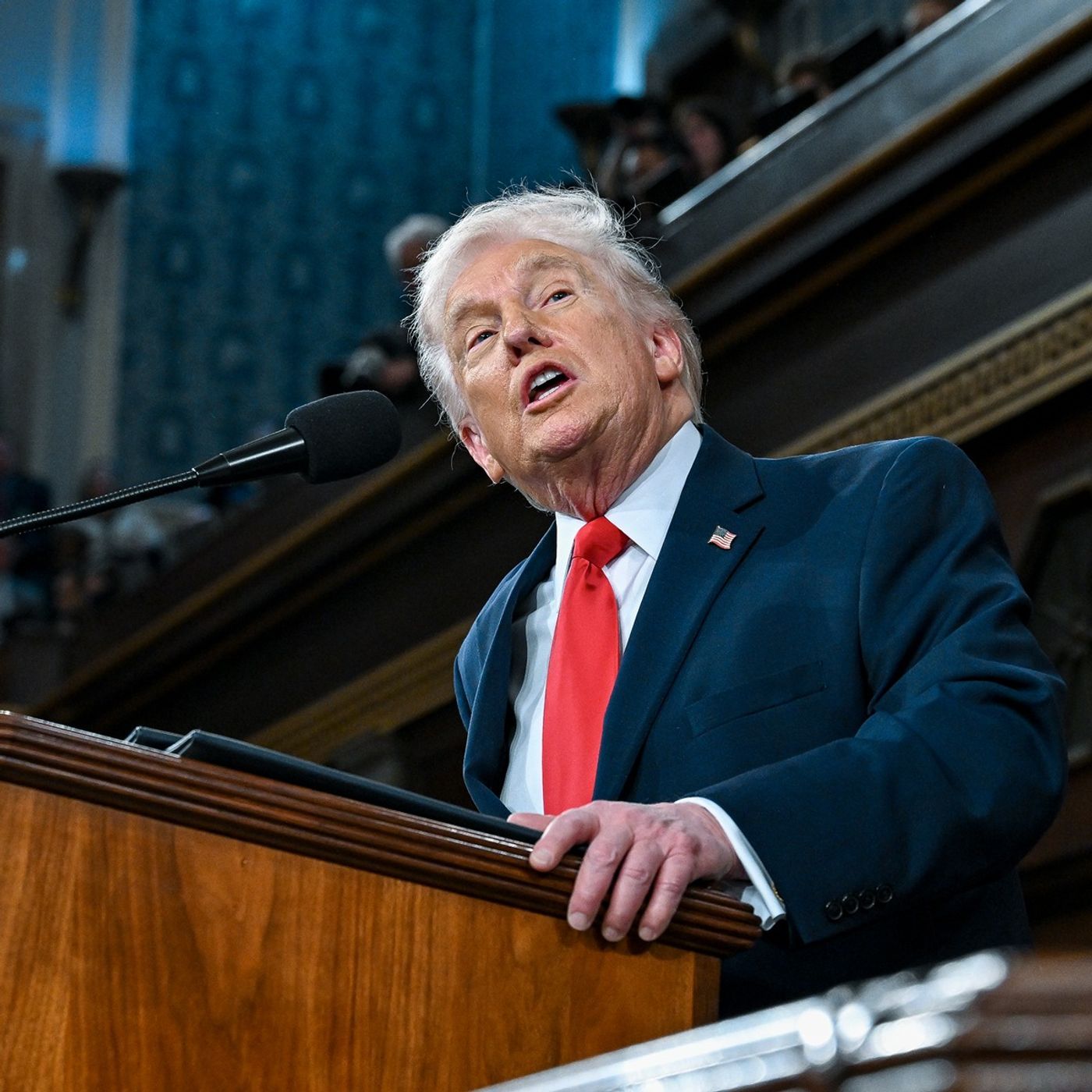
In his first State of the Union address of his second term, President Trump offered a rosy portrait of a United States that has lost confidence in his leadership. He also relentlessly baited Democrats, who want to win back control of Congress in the midterms this fall. David E. Sanger, a White House correspondent for The New York Times, takes us inside the room. Guest: David E. Sanger, the White House and National Security Correspondent for The New York Times, reporting on President Trump and his administration. Background reading: During his State of the Union address, Mr. Trump heralded economic and border policies while deriding Democrats.Here are some fact checks of his speech. Photo: Kenny Holston/The New York Times For more information on today’s episode, visit nytimes.com/thedaily. Transcripts of each episode will be made available by the next workday. Subscribe today at nytimes.com/podcasts or on Apple Podcasts and Spotify. You can also subscribe via your favorite podcast app here https://www.nytimes.com/activate-access/audio?source=podcatcher. For more podcasts and narrated articles, download The New York Times app at nytimes.com/app. Hosted by Simplecast, an AdsWizz company. See pcm.adswizz.com for information about our collection and use of personal data for advertising.“Educational Disclaimer: This episode is presented as part of an independent archival project dedicated to media literacy and the preservation of modern journalism. The content is curated for academic reference, linguistic study, and socio-economic research purposes. All original rights belong to the respective content creators. Our mission is to provide high-fidelity accessibility and full AI-generated transcripts for students of global discourse and international relations in the 2026 digital era"

The United States has been building up a military presence around Iran for weeks, even as negotiators from both countries plan to meet later this week in hopes of finding a diplomatic solution to the escalating tensions. David E. Sanger, a national security correspondent for The New York Times, explains what President Trump hopes to achieve through potential military action, and why he has chosen this moment. Guest: David E. Sanger, the White House and National Security Correspondent for The New York Times. Background reading: Mr. Trump has said he is considering a targeted strike against Iran that could be followed by a larger attack.As Mr. Trump weighs military action, he has declined to make a clear case for why, or why now. Photo: Pool photo by Fazry Ismail For more information on today’s episode, visit nytimes.com/thedaily. Transcripts of each episode will be made available by the next workday. Subscribe today at nytimes.com/podcasts or on Apple Podcasts and Spotify. You can also subscribe via your favorite podcast app here https://www.nytimes.com/activate-access/audio?source=podcatcher. For more podcasts and narrated articles, download The New York Times app at nytimes.com/app. Hosted by Simplecast, an AdsWizz company. See pcm.adswizz.com for information about our collection and use of personal data for advertising.“Educational Disclaimer: This episode is presented as part of an independent archival project dedicated to media literacy and the preservation of modern journalism. The content is curated for academic reference, linguistic study, and socio-economic research purposes. All original rights belong to the respective content creators. Our mission is to provide high-fidelity accessibility and full AI-generated transcripts for students of global discourse and international relations in the 2026 digital era"

The Supreme Court ruled on Friday that President Trump exceeded his authority when he imposed sweeping tariffs on imports from nearly every U.S. trading partner. Tyler Pager, Ana Swanson and Andrew Ross Sorkin of The New York Times explain what comes next. Guest: Tyler Pager, a White House correspondent for The New York Times who covers the Trump administration.Ana Swanson, a reporter in Washington who covers trade and international economics for The New York Times.Andrew Ross Sorkin, a columnist and the founder and editor at large of DealBook. Background reading: Mr. Trump said he would raise his new global tariff to 15 percent after the Supreme Court struck down many of his previous tariffs.The president’s response underscored his insistence that he should have expansive powers to carry out his agenda as he wishes.Here are some key questions to consider on the future of the Trump administration’s tariffs. Photo: Adam Amengual for The New York Times For more information on today’s episode, visit nytimes.com/thedaily. Transcripts of each episode will be made available by the next workday. Subscribe today at nytimes.com/podcasts or on Apple Podcasts and Spotify. You can also subscribe via your favorite podcast app here https://www.nytimes.com/activate-access/audio?source=podcatcher. For more podcasts and narrated articles, download The New York Times app at nytimes.com/app. Hosted by Simplecast, an AdsWizz company. See pcm.adswizz.com for information about our collection and use of personal data for advertising.“Educational Disclaimer: This episode is presented as part of an independent archival project dedicated to media literacy and the preservation of modern journalism. The content is curated for academic reference, linguistic study, and socio-economic research purposes. All original rights belong to the respective content creators. Our mission is to provide high-fidelity accessibility and full AI-generated transcripts for students of global discourse and international relations in the 2026 digital era"

In 2012, Tinder revolutionized dating apps with its swipe feature. With the flick of a finger, singles could accept or reject a potential mate. While this innovation has worked for many, some have grown weary of the simple swipe, and long for a more nuanced way to find love. Today on “The Sunday Daily,” Rachel Abrams examines two dating tends on the rise: in-person mixers that are far from old-fashioned, and emerging A.I. technology that promises singles a ‘soul’ match. Rachel speaks with The New York Times’s dating columnist Gina Cherelus; Luke Vander Ploeg, a producer on the “Daily”; and Amanda Hess, a writer at large at The Times. On Today’s Episode Gina Cherelus covers dating for The New York Times. Luke Vander Ploeg is a producer on The Daily. Amanda Hess is a writer at large for The Times. Photo: Mila De La Torre for The New York Times For more information on today’s episode, visit nytimes.com/thedaily. Transcripts of each episode will be made available by the next workday. Subscribe today at nytimes.com/podcasts or on Apple Podcasts and Spotify. You can also subscribe via your favorite podcast app here https://www.nytimes.com/activate-access/audio?source=podcatcher. For more podcasts and narrated articles, download The New York Times app at nytimes.com/app. Hosted by Simplecast, an AdsWizz company. See pcm.adswizz.com for information about our collection and use of personal data for advertising.“Educational Disclaimer: This episode is presented as part of an independent archival project dedicated to media literacy and the preservation of modern journalism. The content is curated for academic reference, linguistic study, and socio-economic research purposes. All original rights belong to the respective content creators. Our mission is to provide high-fidelity accessibility and full AI-generated transcripts for students of global discourse and international relations in the 2026 digital era"

The self-help influencer on his values, his journey and criticism of his work. Thoughts? Email us at theinterview@nytimes.comWatch our show on YouTube: youtube.com/@TheInterviewPodcastFor transcripts and more, visit: nytimes.com/theinterview Subscribe today at nytimes.com/podcasts or on Apple Podcasts and Spotify. You can also subscribe via your favorite podcast app here https://www.nytimes.com/activate-access/audio?source=podcatcher. For more podcasts and narrated articles, download The New York Times app at nytimes.com/app. Hosted by Simplecast, an AdsWizz company. See pcm.adswizz.com for information about our collection and use of personal data for advertising.“Educational Disclaimer: This episode is presented as part of an independent archival project dedicated to media literacy and the preservation of modern journalism. The content is curated for academic reference, linguistic study, and socio-economic research purposes. All original rights belong to the respective content creators. Our mission is to provide high-fidelity accessibility and full AI-generated transcripts for students of global discourse and international relations in the 2026 digital era"

In a historic 6-3 decision, the Supreme Court ruled that President Trump’s sweeping global tariffs were illegal, jeopardizing a pillar of the president’s second term. The New York Times chief legal affairs correspondent Adam Liptak explains the legal logic of the ruling and its potentially seismic impacts. Guest: Adam Liptak, chief legal affairs correspondent for The New York Times. Background Reading: What Happens to All These Trade Deals Now?Trump Tariff Tracker: Latest Rates on Countries and Products For more information on today’s episode, visit nytimes.com/thedaily. Transcripts of each episode will be made available by the next workday. Subscribe today at nytimes.com/podcasts or on Apple Podcasts and Spotify. You can also subscribe via your favorite podcast app here https://www.nytimes.com/activate-access/audio?source=podcatcher. For more podcasts and narrated articles, download The New York Times app at nytimes.com/app. Hosted by Simplecast, an AdsWizz company. See pcm.adswizz.com for information about our collection and use of personal data for advertising.“Educational Disclaimer: This episode is presented as part of an independent archival project dedicated to media literacy and the preservation of modern journalism. The content is curated for academic reference, linguistic study, and socio-economic research purposes. All original rights belong to the respective content creators. Our mission is to provide high-fidelity accessibility and full AI-generated transcripts for students of global discourse and international relations in the 2026 digital era"
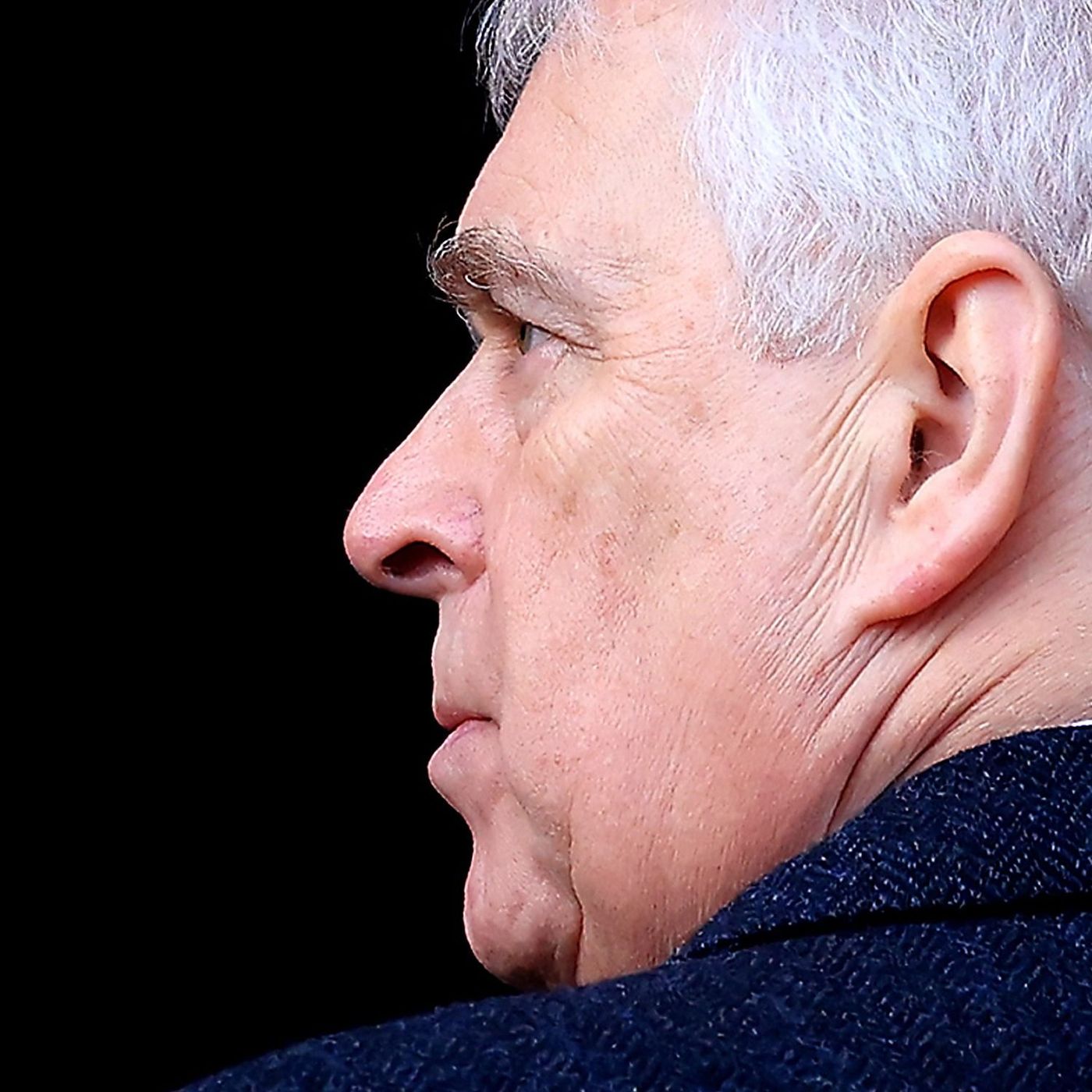
Warning: This episode mentions suicide. Andrew Mountbatten-Windsor, the former Prince Andrew, was arrested by the British police on Thursday amid widening scrutiny over his ties to the disgraced financier Jeffrey Epstein. The New York Times journalists Michael D. Shear and Nicholas Confessore explain why Mr. Mountbatten-Windsor was arrested and why, to many people, consequences still feel elusive. Guest: Michael D. Shear, a senior U.K. correspondent for The New York Times, covering British politics and culture and diplomacy around the world.Nicholas Confessore, a New York-based political and investigative reporter at The New York Times and a staff writer at The New York Times Magazine. Background reading: The British police arrested former Prince Andrew.The arrest casts a shadow over the royal family. Photo: Stephen Pond/Getty Images For more information on today’s episode, visit nytimes.com/thedaily. Transcripts of each episode will be made available by the next workday. Subscribe today at nytimes.com/podcasts or on Apple Podcasts and Spotify. You can also subscribe via your favorite podcast app here https://www.nytimes.com/activate-access/audio?source=podcatcher. For more podcasts and narrated articles, download The New York Times app at nytimes.com/app. Hosted by Simplecast, an AdsWizz company. See pcm.adswizz.com for information about our collection and use of personal data for advertising.“Educational Disclaimer: This episode is presented as part of an independent archival project dedicated to media literacy and the preservation of modern journalism. The content is curated for academic reference, linguistic study, and socio-economic research purposes. All original rights belong to the respective content creators. Our mission is to provide high-fidelity accessibility and full AI-generated transcripts for students of global discourse and international relations in the 2026 digital era"

Senator Catherine Cortez Masto of Nevada is nobody’s idea of a partisan firebrand. She’s a moderate, swing-state Democrat with a résumé steeped in law enforcement — all of which makes her an unlikely leader of the Democratic-led shutdown of the Department of Homeland Security, which has now entered its sixth day.But over the past few months, Senator Cortez Masto said she was horrified by the conduct of federal immigration enforcement agents in her own state and across the country. By last week, she and many of her Democratic colleagues in the Senate decided to act on their outrage.In an interview with her on “The Daily,” Senator Cortez Masto talks about why she decided to support withholding homeland security funding, the political perils for her party in blocking that funding and why she believes most Americans support the strategy.Guest: Catherine Cortez Masto of NevadaBackground reading: Democrats and the White House traded offers, but a deal to reopen the Department of Homeland Security remained elusive.A polling memo circulated among centrist senators urged Democrats to talk tougher on crime, while noting an opportunity for the party to appeal to voters with criticism of ICE.Photo: Eric Lee for The New York TimesFor more information on today’s episode, visit nytimes.com/thedaily. Transcripts of each episode will be made available by the next workday. Subscribe today at nytimes.com/podcasts or on Apple Podcasts and Spotify. You can also subscribe via your favorite podcast app here https://www.nytimes.com/activate-access/audio?source=podcatcher. For more podcasts and narrated articles, download The New York Times app at nytimes.com/app. Hosted by Simplecast, an AdsWizz company. See pcm.adswizz.com for information about our collection and use of personal data for advertising.“Educational Disclaimer: This episode is presented as part of an independent archival project dedicated to media literacy and the preservation of modern journalism. The content is curated for academic reference, linguistic study, and socio-economic research purposes. All original rights belong to the respective content creators. Our mission is to provide high-fidelity accessibility and full AI-generated transcripts for students of global discourse and international relations in the 2026 digital era"
“Vibecoding,” or using artificial-intelligence tools such as Claude Code to generate code for websites or apps, is the newest A.I. trend, and it could transform the software-development industry.Kevin Roose, a technology columnist for The New York Times, takes us inside the process.Guest: Kevin Roose, a technology columnist for The New York Times in the San Francisco Bay Area and a host of the Times tech podcast, “Hard Fork.”Background reading: Here is the website Kevin and Natalie built during the episode.Here are five ways people are using Claude Code.With “vibecoding," A.I. can help anyone build an app.Photo: Photo illustration by The New York TimesFor more information on today’s episode, visit nytimes.com/thedaily. Transcripts of each episode will be made available by the next workday. Subscribe today at nytimes.com/podcasts or on Apple Podcasts and Spotify. You can also subscribe via your favorite podcast app here https://www.nytimes.com/activate-access/audio?source=podcatcher. For more podcasts and narrated articles, download The New York Times app at nytimes.com/app. Hosted by Simplecast, an AdsWizz company. See pcm.adswizz.com for information about our collection and use of personal data for advertising.“Educational Disclaimer: This episode is presented as part of an independent archival project dedicated to media literacy and the preservation of modern journalism. The content is curated for academic reference, linguistic study, and socio-economic research purposes. All original rights belong to the respective content creators. Our mission is to provide high-fidelity accessibility and full AI-generated transcripts for students of global discourse and international relations in the 2026 digital era"

For more than six decades, the United States has tried to topple the regime in Cuba. After ousting President Nicolás Maduro of Venezuela, who was one of Cuba’s closest allies, the Trump administration is closer than ever to forcing radical change on the island.The New York Times reporters Frances Robles and Michael Crowley discuss how the latest escalation is pushing Cuba to the brink, and whether this time the United States will get what it wants. Guest:Frances Robles, an international correspondent covering Latin America and the Caribbean for The New York Times.Michael Crowley, a reporter covering the State Department and U.S. foreign policy for The New York Times.Background reading: Cuba’s government has lasted 67 years. Will it fall under Mr. Trump?Can Cuba survive without Venezuela’s oil?Photo: Yamil Lage/Agence France-Presse — Getty ImagesFor more information on today’s episode, visit nytimes.com/thedaily. Transcripts of each episode will be made available by the next workday. Subscribe today at nytimes.com/podcasts or on Apple Podcasts and Spotify. You can also subscribe via your favorite podcast app here https://www.nytimes.com/activate-access/audio?source=podcatcher. For more podcasts and narrated articles, download The New York Times app at nytimes.com/app. Hosted by Simplecast, an AdsWizz company. See pcm.adswizz.com for information about our collection and use of personal data for advertising.“Educational Disclaimer: This episode is presented as part of an independent archival project dedicated to media literacy and the preservation of modern journalism. The content is curated for academic reference, linguistic study, and socio-economic research purposes. All original rights belong to the respective content creators. Our mission is to provide high-fidelity accessibility and full AI-generated transcripts for students of global discourse and international relations in the 2026 digital era"

Tech companies are racing to build thousands of huge data centers to power the artificial intelligence revolution. To find the land they need, they are barreling into rural communities across the United States with the promise of good jobs. But not everyone is buying that pitch.Karen Weise, a technology correspondent for The New York Times, tells the story of one county pushing back against Big Tech. Guest: Karen Weise, a technology correspondent for The New York Times.Background reading: What exactly are artificial intelligence companies trying to build? Here’s a guide.How large tech companies are offloading the risks of the A.I. boom.At this big Amazon data center in Indiana, everything is supersized for A.I.Photo: AJ Mast for The New York TimesFor more information on today’s episode, visit nytimes.com/thedaily. Transcripts of each episode will be made available by the next workday. Subscribe today at nytimes.com/podcasts or on Apple Podcasts and Spotify. You can also subscribe via your favorite podcast app here https://www.nytimes.com/activate-access/audio?source=podcatcher. For more podcasts and narrated articles, download The New York Times app at nytimes.com/app. Hosted by Simplecast, an AdsWizz company. See pcm.adswizz.com for information about our collection and use of personal data for advertising.“Educational Disclaimer: This episode is presented as part of an independent archival project dedicated to media literacy and the preservation of modern journalism. The content is curated for academic reference, linguistic study, and socio-economic research purposes. All original rights belong to the respective content creators. Our mission is to provide high-fidelity accessibility and full AI-generated transcripts for students of global discourse and international relations in the 2026 digital era"

In this episode of “The Sunday Daily,” the host Rachel Abrams is joined by her New York Times colleagues Motoko Rich, Shawna Richer and Juliet Macur, who are all covering this year’s Olympic Games. They discuss how the geopolitical climate may or may not be influencing the competition, and talk about some of the extraordinary athletes who are pushing the limits of physical achievements.On Today’s EpisodeMotoko Rich is the Rome bureau chief for The New York Times.Juliet Macur is a national reporter covering sports for The New York Times.Shawna Richer is an editor at The New York Times, working on coverage of sports in America.Photo Illustration by The New York Times; Images: Sarah Stier/Getty ImagesFor more information on today’s episode, visit nytimes.com/thedaily. Transcripts of each episode will be made available by the next workday. Subscribe today at nytimes.com/podcasts or on Apple Podcasts and Spotify. You can also subscribe via your favorite podcast app here https://www.nytimes.com/activate-access/audio?source=podcatcher. For more podcasts and narrated articles, download The New York Times app at nytimes.com/app. Hosted by Simplecast, an AdsWizz company. See pcm.adswizz.com for information about our collection and use of personal data for advertising.“Educational Disclaimer: This episode is presented as part of an independent archival project dedicated to media literacy and the preservation of modern journalism. The content is curated for academic reference, linguistic study, and socio-economic research purposes. All original rights belong to the respective content creators. Our mission is to provide high-fidelity accessibility and full AI-generated transcripts for students of global discourse and international relations in the 2026 digital era"

Gisèle Pelicot opens up about surviving years of secret abuse and her life today.Thoughts? Email us at theinterview@nytimes.comWatch our show on YouTube: youtube.com/@TheInterviewPodcastFor transcripts and more, visit: nytimes.com/theinterview Subscribe today at nytimes.com/podcasts or on Apple Podcasts and Spotify. You can also subscribe via your favorite podcast app here https://www.nytimes.com/activate-access/audio?source=podcatcher. For more podcasts and narrated articles, download The New York Times app at nytimes.com/app. Hosted by Simplecast, an AdsWizz company. See pcm.adswizz.com for information about our collection and use of personal data for advertising.“Educational Disclaimer: This episode is presented as part of an independent archival project dedicated to media literacy and the preservation of modern journalism. The content is curated for academic reference, linguistic study, and socio-economic research purposes. All original rights belong to the respective content creators. Our mission is to provide high-fidelity accessibility and full AI-generated transcripts for students of global discourse and international relations in the 2026 digital era"
The U.S. government this weekend is expected to find itself in yet another shutdown. This time, it is only one agency shutting down: the Department of Homeland Security.Michael Gold, a congressional reporter for The New York Times, explains why Democrats are once again picking a fight over funding with President Trump.Guest: Michael Gold, a congressional correspondent for The New York Times, based in Washington.Background reading: Senate Democrats refused to move ahead with a spending bill needed to keep the Department of Homeland Security running.Video: How Democrats are trying to rein in ICE.Photo: Elizabeth Frantz for The New York TimesFor more information on today’s episode, visit nytimes.com/thedaily. Transcripts of each episode will be made available by the next workday. Subscribe today at nytimes.com/podcasts or on Apple Podcasts and Spotify. You can also subscribe via your favorite podcast app here https://www.nytimes.com/activate-access/audio?source=podcatcher. For more podcasts and narrated articles, download The New York Times app at nytimes.com/app. Hosted by Simplecast, an AdsWizz company. See pcm.adswizz.com for information about our collection and use of personal data for advertising.“Educational Disclaimer: This episode is presented as part of an independent archival project dedicated to media literacy and the preservation of modern journalism. The content is curated for academic reference, linguistic study, and socio-economic research purposes. All original rights belong to the respective content creators. Our mission is to provide high-fidelity accessibility and full AI-generated transcripts for students of global discourse and international relations in the 2026 digital era"

The administrator of the Environmental Protection Agency is expected on Thursday to repeal a scientific finding that requires the federal government to fight global warming. The move is the latest push by the Trump administration to wipe out climate regulations in the United States.Lisa Friedman, a New York Times reporter who covers climate policy, has spent the past few weeks piecing together the inside story of how a small group of activists turned its goal of rolling back environmental protections into reality.Guest: Lisa Friedman, a reporter covering climate policy and politics at The New York Times.Background reading: President Trump’s allies are near a “total victory” in wiping out a central U.S. climate regulation.Four Trump allies have been a driving force behind the administration’s efforts to rollback the rule.Photo: Evelyn Hockstein/ReutersFor more information on today’s episode, visit nytimes.com/thedaily. Transcripts of each episode will be made available by the next workday. Subscribe today at nytimes.com/podcasts or on Apple Podcasts and Spotify. You can also subscribe via your favorite podcast app here https://www.nytimes.com/activate-access/audio?source=podcatcher. For more podcasts and narrated articles, download The New York Times app at nytimes.com/app. Hosted by Simplecast, an AdsWizz company. See pcm.adswizz.com for information about our collection and use of personal data for advertising.“Educational Disclaimer: This episode is presented as part of an independent archival project dedicated to media literacy and the preservation of modern journalism. The content is curated for academic reference, linguistic study, and socio-economic research purposes. All original rights belong to the respective content creators. Our mission is to provide high-fidelity accessibility and full AI-generated transcripts for students of global discourse and international relations in the 2026 digital era"
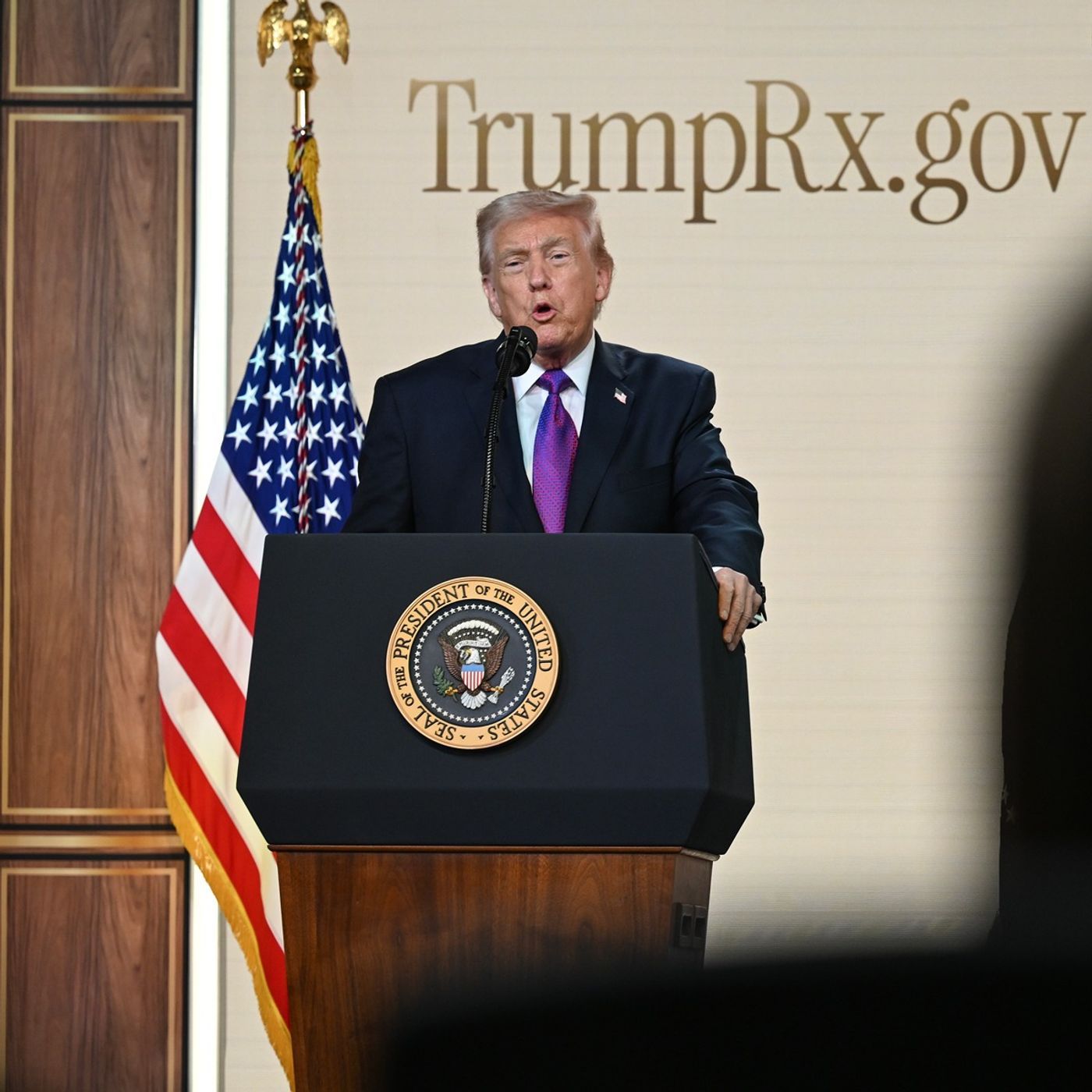
Last week, the Trump administration unveiled TrumpRx to try to counteract the high cost of prescription drugs. The president hailed the website as a “transformative” health care initiative.Margot Sanger-Katz, who covers health care policy, explains how the site works, and whether it will actually save Americans money.Guest: Margot Sanger-Katz, a reporter for The New York Times who covers health care policy and government spending.Background reading: President Trump’s online drugstore opened for business last week.Here’s how to tell if you will save money using TrumpRx.Photo: Kenny Holston/The New York TimesFor more information on today’s episode, visit nytimes.com/thedaily. Transcripts of each episode will be made available by the next workday. Subscribe today at nytimes.com/podcasts or on Apple Podcasts and Spotify. You can also subscribe via your favorite podcast app here https://www.nytimes.com/activate-access/audio?source=podcatcher. For more podcasts and narrated articles, download The New York Times app at nytimes.com/app. Hosted by Simplecast, an AdsWizz company. See pcm.adswizz.com for information about our collection and use of personal data for advertising.“Educational Disclaimer: This episode is presented as part of an independent archival project dedicated to media literacy and the preservation of modern journalism. The content is curated for academic reference, linguistic study, and socio-economic research purposes. All original rights belong to the respective content creators. Our mission is to provide high-fidelity accessibility and full AI-generated transcripts for students of global discourse and international relations in the 2026 digital era"

Comments

Download from Google Play

Download from App Store
 United States