


 Claim Ownership
IOE Insights
Subscribed: 70Played: 1,656
Subscribe

© University College London
Description
Thoughts and ideas on education, culture, psychology, social science and more from our academics, students, alumni and wider community to create lasting and evolving change. Podcasts brought to you by UCL Institute of Education (IOE), the world's leading centre for education and social science research, courses and teaching, and a faculty of University College London (UCL).
More from us: https://ucl.ac.uk/ioe
More from us: https://ucl.ac.uk/ioe
301 Episodes
Reverse
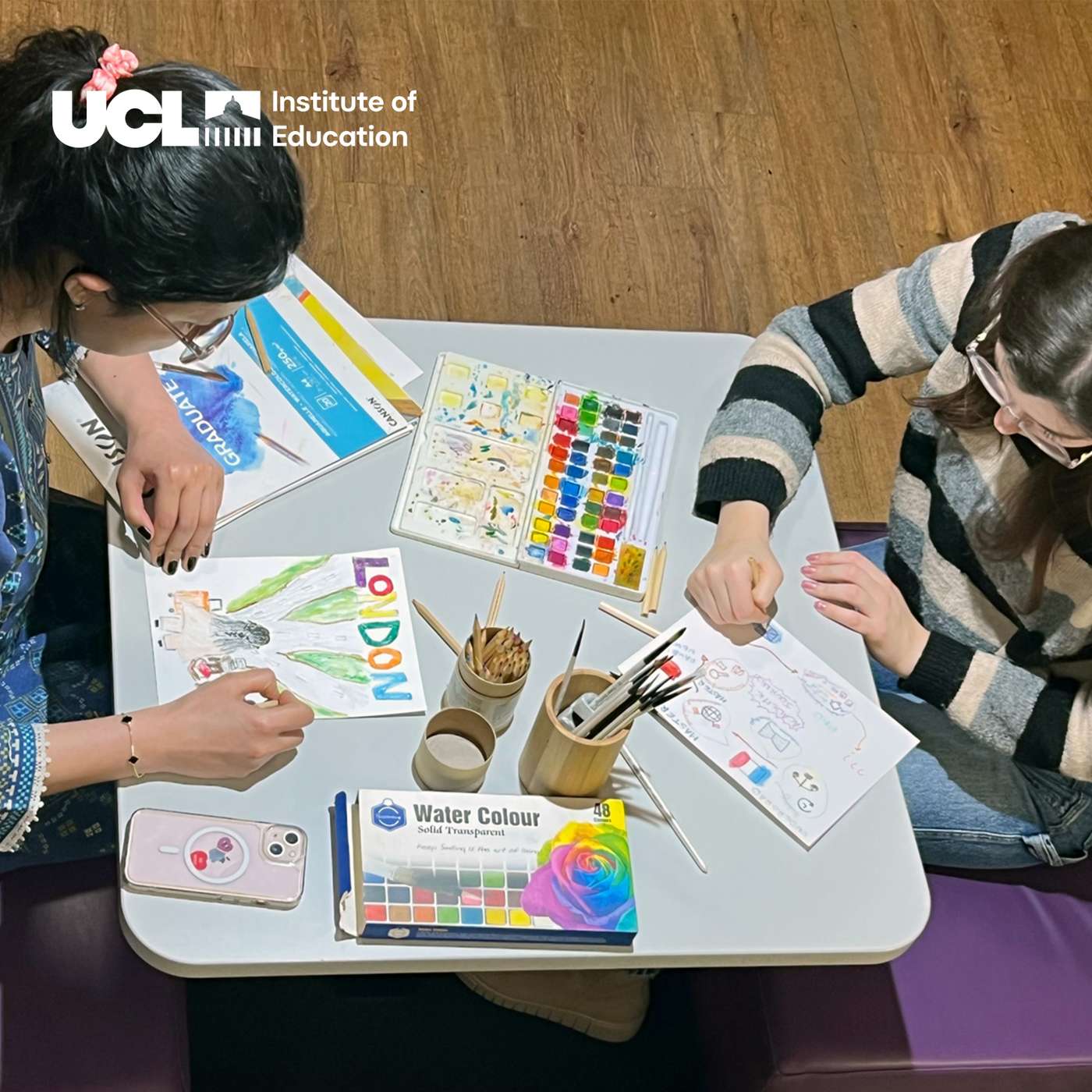
What does a PhD journey look like when you paint it rather than write it?Louise and Tooba are two international doctoral students at the UCL Institute of Education, and in 2026 they are navigating the third year of their PhD programmes. Each month they will meet to sit down, talk, and paint. These sessions turn reflective conversations into visual stories, using art to bring their PhD experience to life on the page - their 'PhD Sketchbook'.In this episode they explore the beginnings of their journeys: the “seeds” that motivated them to start a PhD, their paths to London, and the small moments that help an unfamiliar city slowly feel like home, all shared over canvas and colour.You can see the artworks they created during this episode on the UCL IOE student blog, and on the IOE Instagram account.Full show notes and links: https://www.ucl.ac.uk/ioe/news/2026/mar/painting-our-way-through-research-belonging-and-london-phd-sketchbook
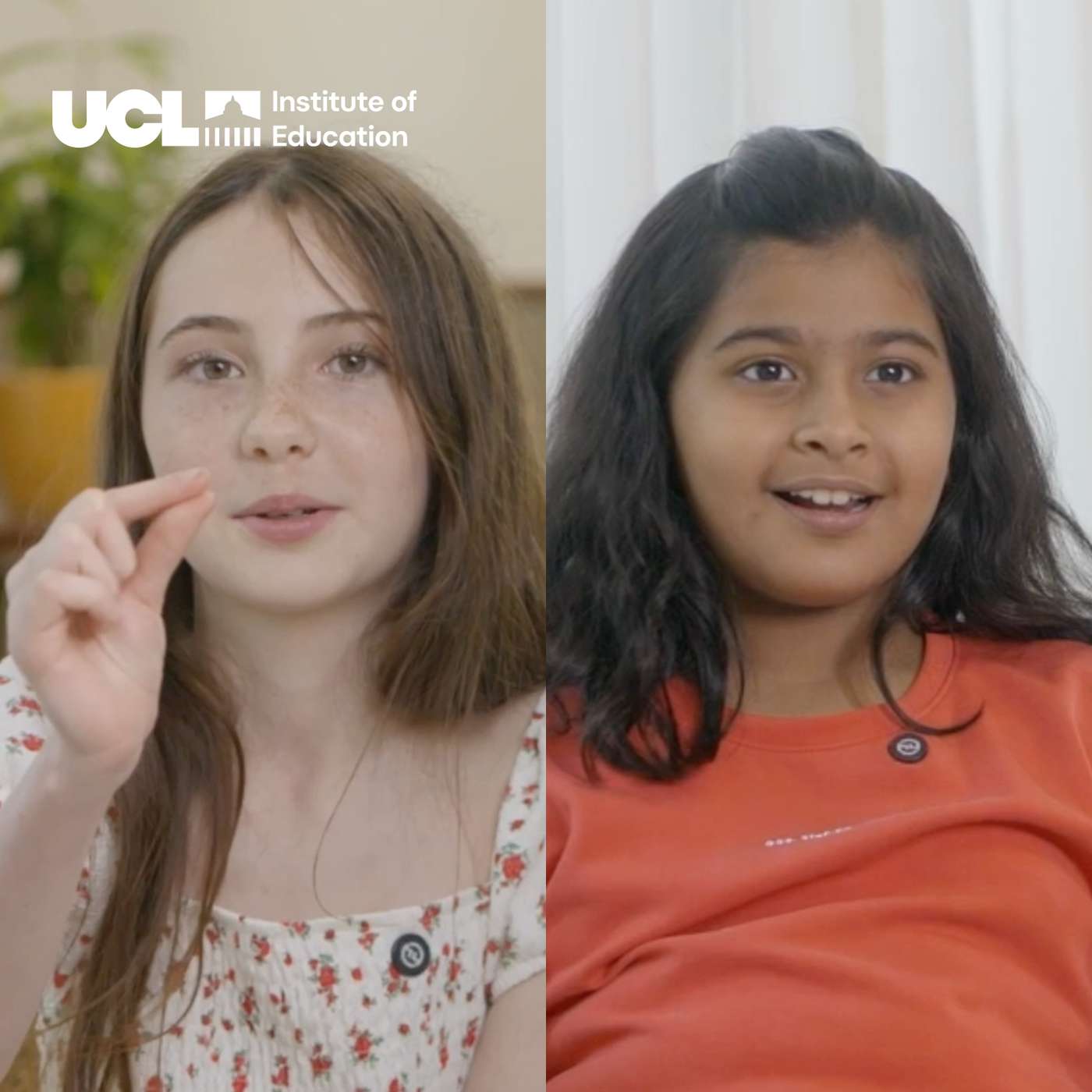
10-year-old Sofia hosts a friendly conversation with her guest Shania, a 9-year-old from Mumbai, about what sleep looks like in their day-to-day lives and compare bedtime routines.Full show notes and links: https://www.ucl.ac.uk/ioe/news/2026/mar/childrens-sleep-routines-bedtimes-dreams-and-how-sleep-affects-mood-and-schoolPodcast produced by UCL Sleep Education Research Lab.
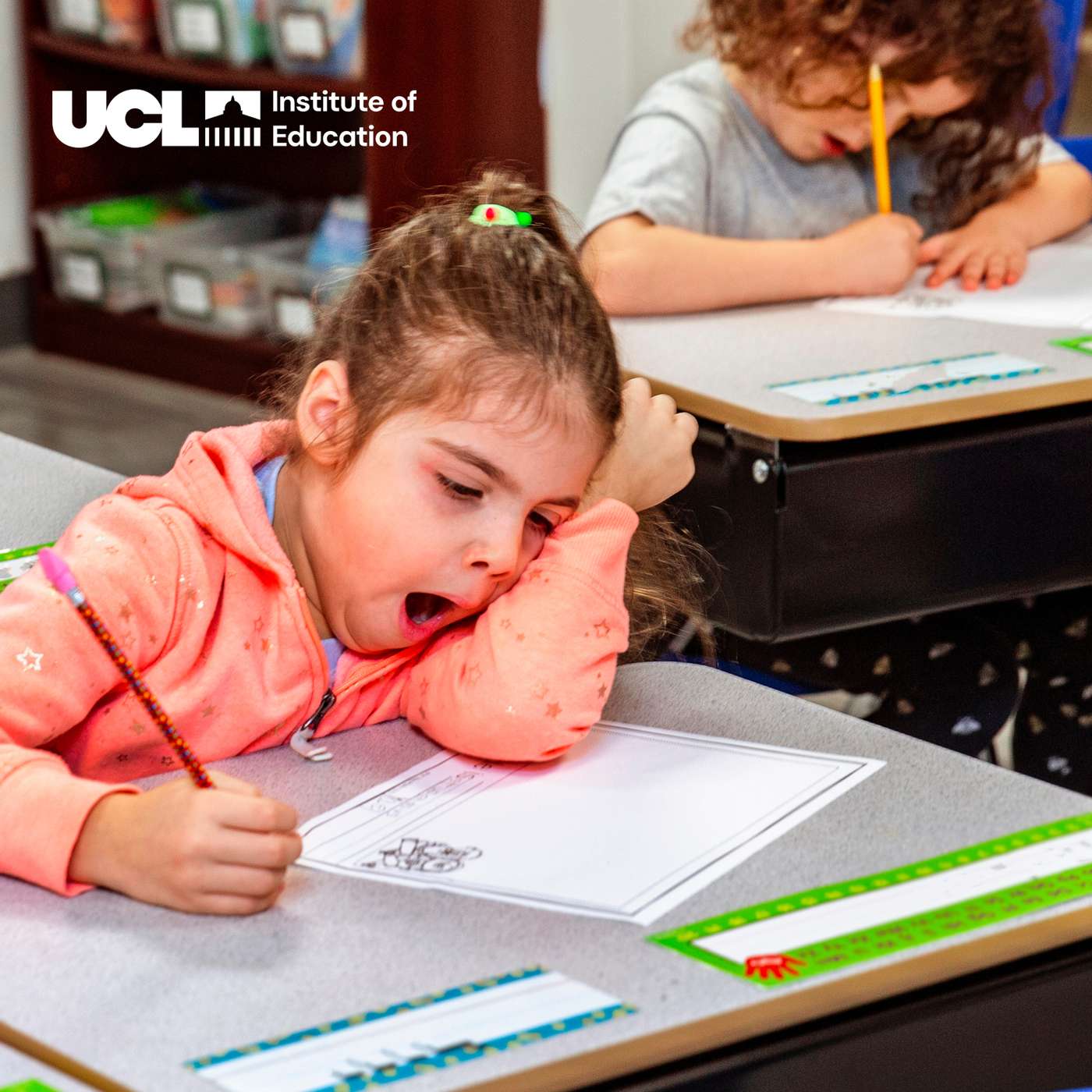
High school teacher Mustafa Sakarwala speaks with Nandini Adusumilli (PhD student at Sleep and Education Research Lab at UCL) about why sleep is a core foundation for children’s and teenagers’ attention, learning, and exam recall.Full show notes and links: https://www.ucl.ac.uk/ioe/news/2026/mar/sleep-memory-and-academic-performance
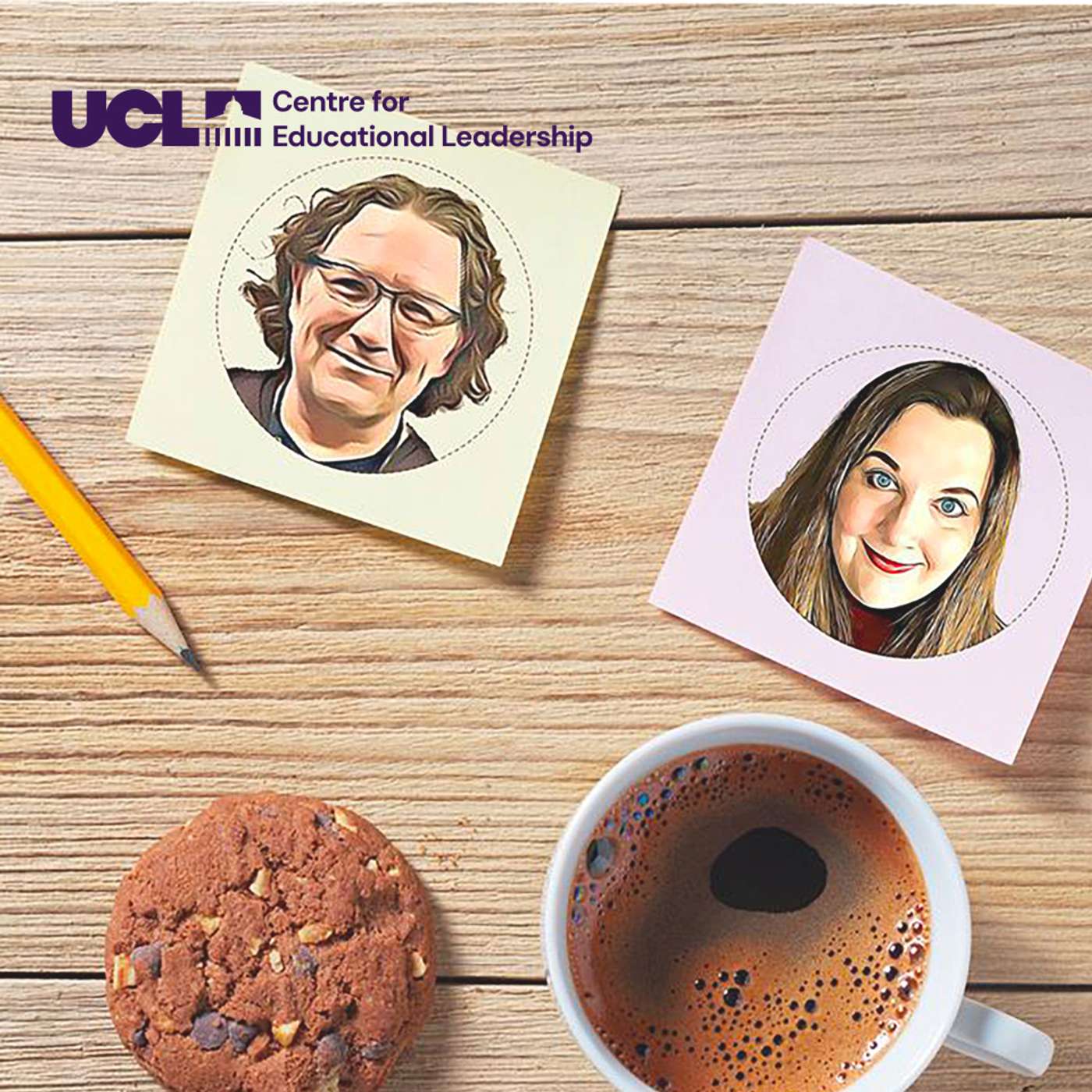
Chloe Morgan and David O'Connell share their journeys to becoming UCL advanced facilitators. They join this episode’s hosts, Mark Quinn and Nancy Karmali Belmonte, for a discussion on the power of facilitators in supporting other teachers to learn.Early career teachers all have busy school days; Chloe and David reflect on how facilitators can create safe spaces for ECTs to reflect on their practice.It’s about designing sessions for thinking, they say, and creating spaces for growth.Full show notes: https://www.ucl.ac.uk/ioe/news/2026/mar/being-and-staying-curious-staffroom-s06e05
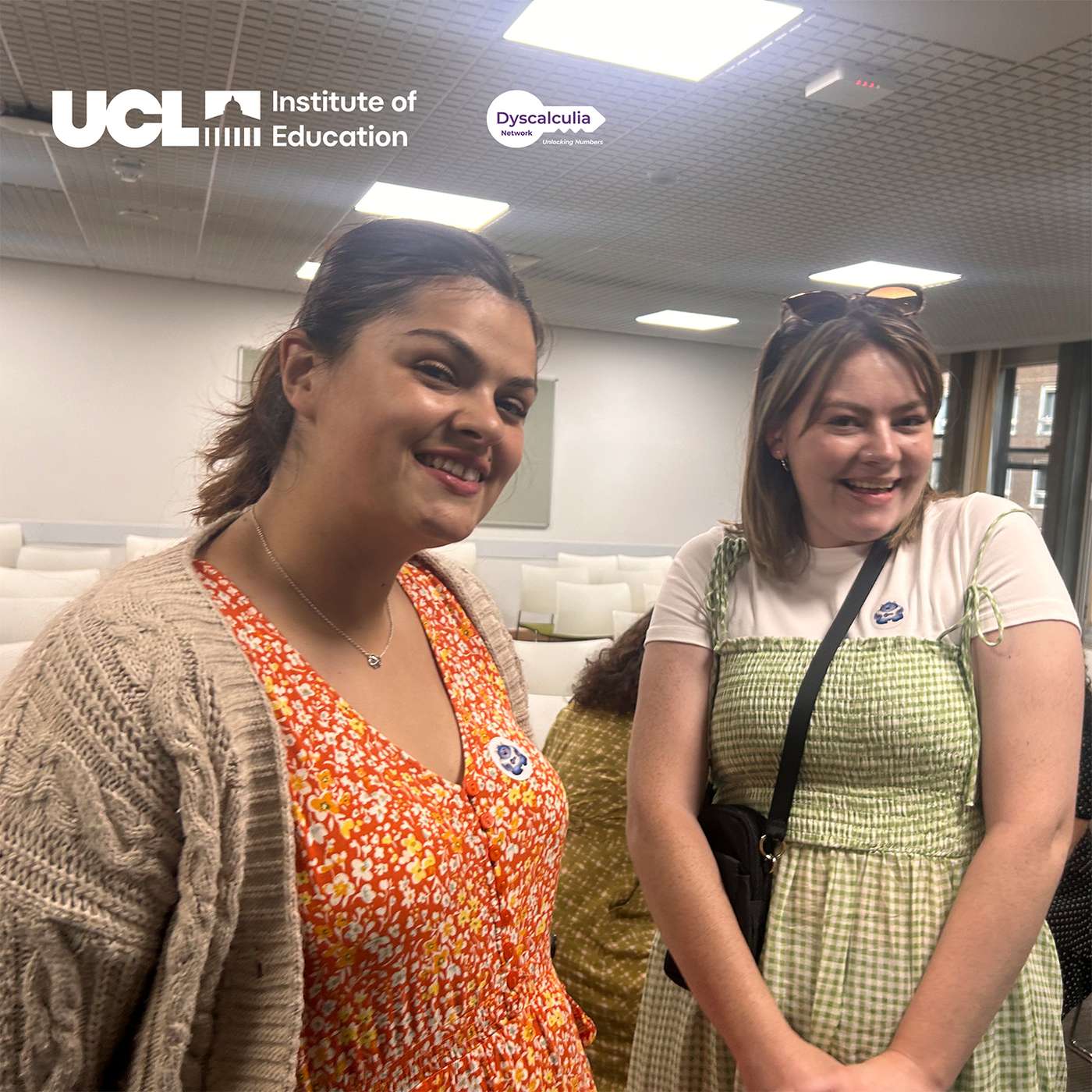
Peter tells the story of how he was diagnosed with dyscalculia at 10 years old.Liz and Helen chat with Peter about his dyscalculia diagnosis. They explore the barriers people face as children and adults to identifying this under-researched and misunderstood specific learning difficulty. Peter shares the impact the diagnosis had on his experiences at school, expressing feelings of shame, and his journey to come to terms with the diagnosis as an adult.Full show notes: https://www.ucl.ac.uk/ioe/news/2026/mar/i-saw-it-thing-be-ashamed-lived-experience-dyscalculiaImage: Emily Gee and Mia Borthwick meeting at the adults with dyscalculia lived experience event at UCL IOE. Photo courtesy of Elisabeth Herbert.
Mark Quinn speaks with Dr Gergo Baranyi about researching environment and health with a lifecourse approach, using data that follows people over time. Dr Baranyi describes how linking cohort data to administrative and geospatial sources can paint a richer picture of exposure than using a single home address alone. They discuss how these methods can connect housing and neighbourhood conditions to outcomes that matter, including schooling.Full show notes and links: https://www.ucl.ac.uk/ioe/news/2026/mar/how-poor-housing-shapes-school-outcomes-and-why-place-matters-research-real-world
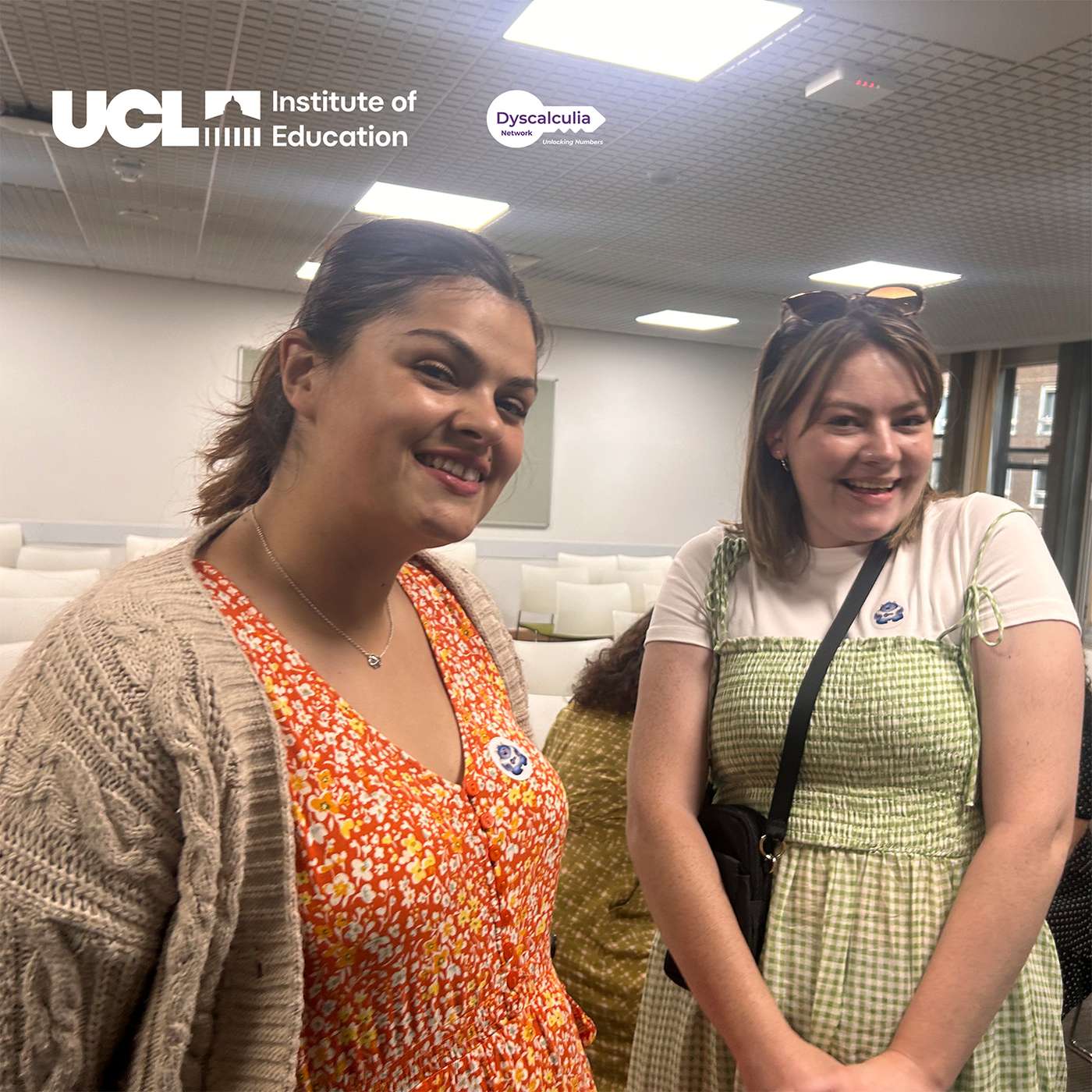
Scott and Mia discuss the negative impact dyscalculia has had on their wellbeing.Scott and Mia talk to Liz and Helen about the negative emotions they associate with mathematics in and outside of the classroom. They explore how this differs from the way adults without dyscalculia might feel. They mention anxiety, panic, shame, anger, and frustration, as well as low self-esteem that follows them long after they have left school. They share how their dyscalculia not only affected their learning at school, but also their experiences in workplaces. Finally, Scott and Mia describe how they put in the work to rebuild their confidence in adulthood.Full show notes: https://www.ucl.ac.uk/ioe/news/2026/mar/which-green-day-song-helps-you-get-train-station-time-lived-experience-dyscalculiaImage: Emily Gee and Mia Borthwick meeting at the adults with dyscalculia lived experience event at UCL IOE. Photo courtesy of Elisabeth Herbert.
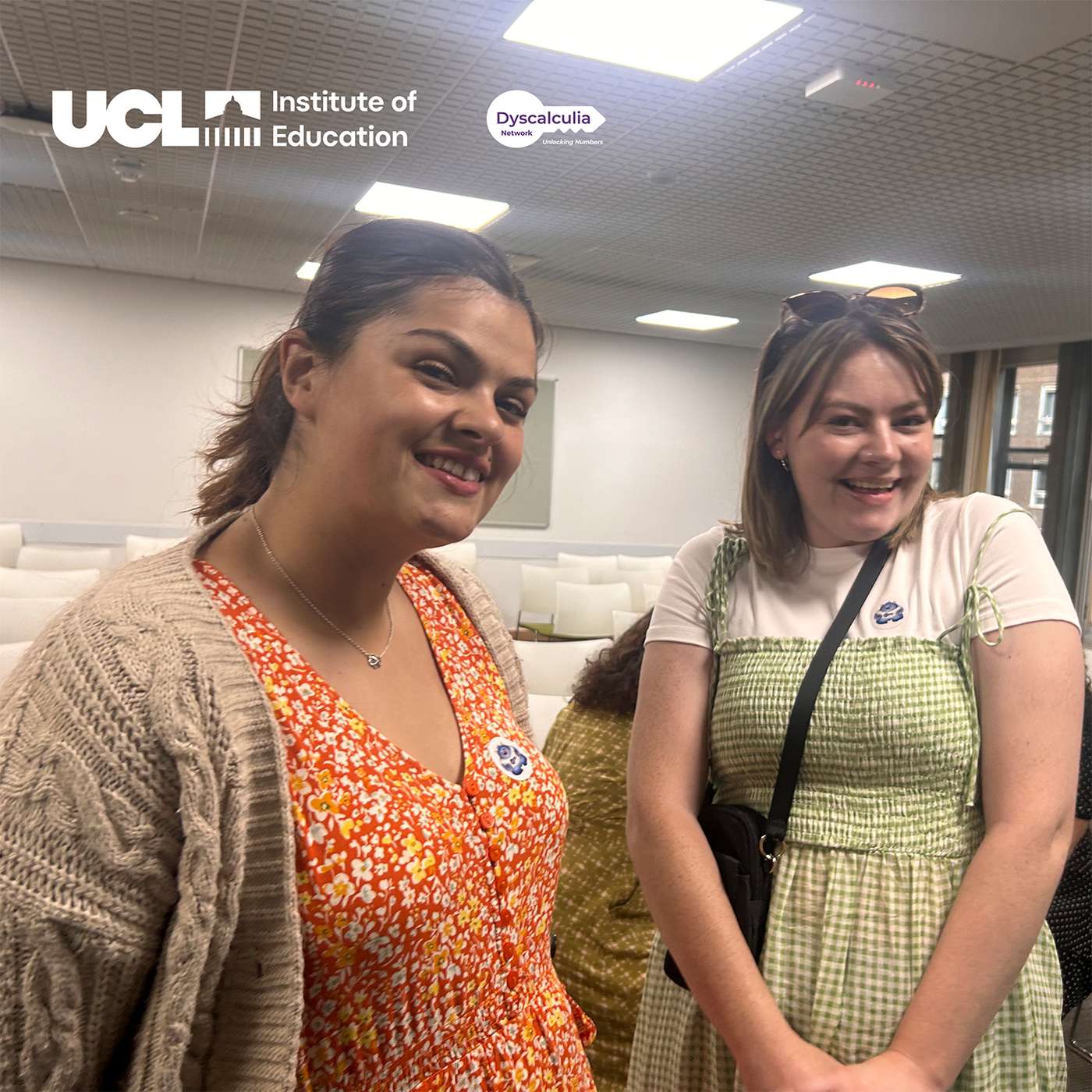
Rose shares the daily challenges she faces as an adult living with dyscalculia.Liz Herbert and Helen Williams speak with Rose about how dyscalculia affects her day-to-day life. Touching on school, employment, friendship, shopping, and even splitting the bill, they explore the barriers and difficulties one can face when living with this specific learning difficulty.Full show notes: https://www.ucl.ac.uk/ioe/news/2026/mar/living-dyscalculia-lived-experience-dyscalculiaImage: Emily Gee and Mia Borthwick meeting at the adults with dyscalculia lived experience event at UCL IOE. Photo courtesy of Elisabeth Herbert.
What if we could trace the arc of a generation from the very beginning to understand how our earliest environments shape our adult lives? Coming up on Research for the Real World, we explore the work of the UCL Centre for Longitudinal Studies by following cohorts born in the 1950s all the way to a new generation arriving in 2026. Join our IOE researchers as they unpack decades of unique data to reveal how housing, basic skills, and geography influence lifelong outcomes, and discover how these insights are driving real-world interventions to tackle deep-rooted inequalities.Catch up on previous episodes: https://www.ucl.ac.uk/ioe/about-ioe/ioe-life/podcasts/research-real-worldMore IOE Insights: https://www.ucl.ac.uk/ioe/podcast
Teddy Morgan advises leaders on how they can help fellow ECTs to thrive in their first years.Teddy, Mark and Elaine talk about the importance of feeling a sense of connectedness to the place where you teach – a sense of feeling valued for the work you do.Good leaders shape school cultures; they talk about how leadership can help teachers understand how meaningful their work truly is, from admin tasks to marking.Full show notes: https://www.ucl.ac.uk/ioe/news/2026/jan/messages-senior-leadership-team-staffroom-s06e04
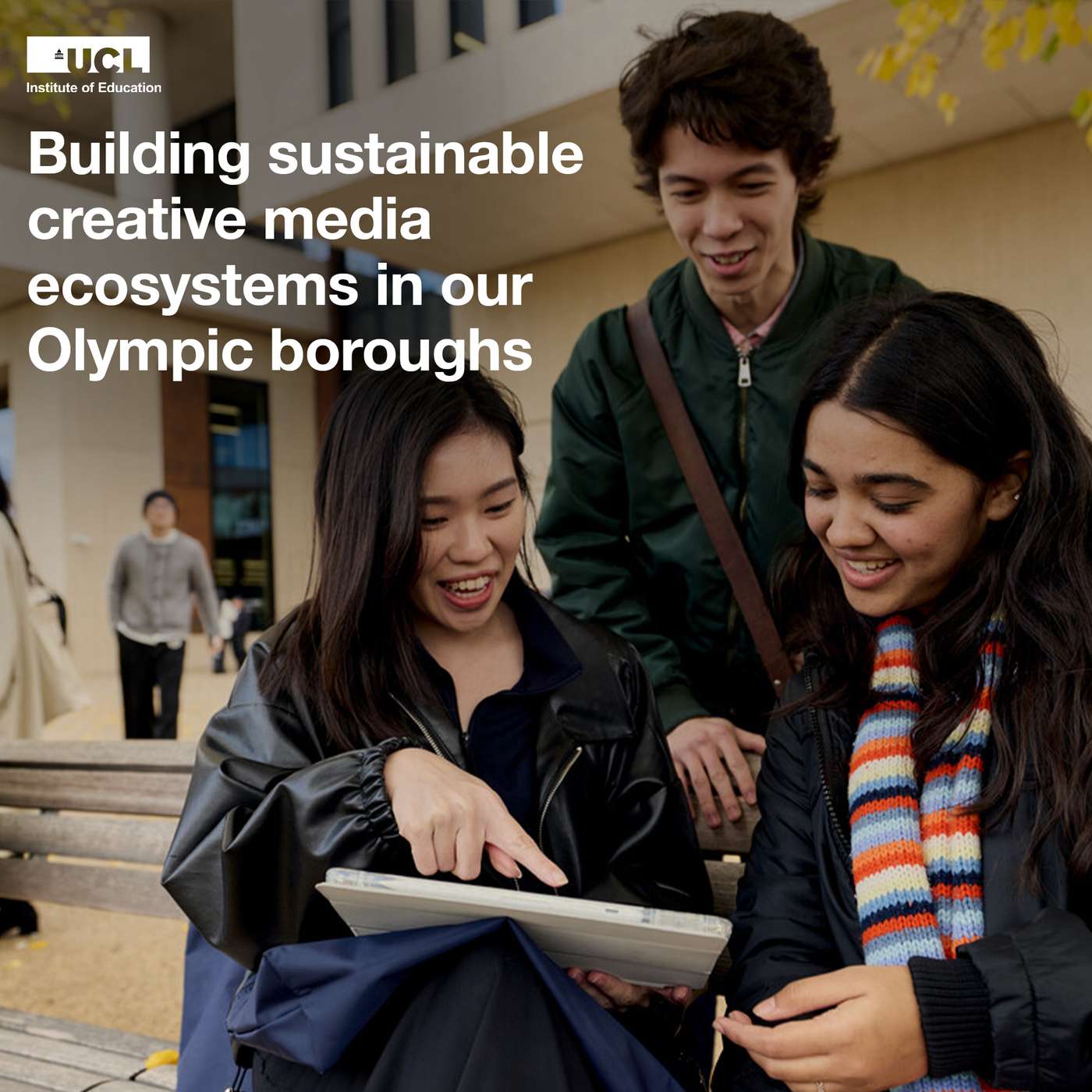
How can we sustain creative futures in our local communities?In this final episode, Anne, Barry and Gus join our host Liza to discuss how established institutions can build long-term, sustainable relationships with East London’s creative community.This conversation unpacks how shared resources, collaborative mentorship, and inclusive infrastructure can uplift underrepresented creative entrepreneurs across the Olympic boroughs.Full show notes: https://www.ucl.ac.uk/ioe/news/2026/jan/building-sustainable-creative-media-ecosystems-our-olympic-boroughs-creative-landscapes
Dr Wilton Lodge says it's not enough to just decolonise our curriculum.Wilton, an Associate Professor (Teaching) at UCL, discusses how teachers can confront their own biases about what knowledge is powerful, and be more responsive to the diverse cultural perspectives in every classroom."Inequality in education is not accidental. It is produced through curriculum choices, pedagogical practises, assessment systems and institutional cultures...Addressing this requires educators to move beyond surface level ideas of inclusion. It means critically asking questions such as whose knowledge is being taught, whose voices are heard, and whose experiences are centred in our classroom."Full show notes: https://www.ucl.ac.uk/ioe/news/2026/jan/culturally-responsive-pedagogy-staffroom-s06e03
Tessa Blair (East London Teaching School Hub) tells us how mentors can support the development of positive orientations to learning.She tells Mark and Elaine how a professional culture tied to learning and mentorship can make a big difference in the lives of early career teachers (ECTs).Tessa explains that mentors can help foster an inclusive and encouraging culture for ECTs, guiding them through the process of learning to teach. Mentors can model a process of reflection and self-evaluation so "ECTs can really see how to think like a teacher.""Teachers need the time, space and encouragement to articulate and critically examine the processes of learning to teach – mentors are the best place to do that."Full show notes: https://www.ucl.ac.uk/ioe/news/2025/nov/learning-teaching-why-mindset-matters-and-what-means-mentors-staffroom-s06e02
How do you support the next generation of creative leaders?Explore how East London’s creative ecosystem nurtures talent after the 2012 Olympics.Host Liza Fletcher and guests dissect bridging gaps between institutions and grassroots organisations, affordable spaces, and youth entrepreneurship in the Olympic Boroughs. With a focus on growth, representation, and accessibility, this episode challenges the creative industries to rethink who gets to lead, and why. Full show notes: https://www.ucl.ac.uk/ioe/news/2025/nov/empowering-creative-talent
A holistic view of how phonics, writing, reading and language come together to make a child truly literate.Dominic Wyse and Charlotte Hacking tell Mark and Elaine about the "double helix" of reading and writing, an approach that combines phonics teaching with engaging reading and writing activities.They chat about the importance of creating a balance – between fostering a child's early love for reading, and supporting children's ability to read through technical elements like phonics.Full show notes: https://www.ucl.ac.uk/ioe/news/2025/nov/bringing-balance-reading-wars-debate-staffroom-s06e01
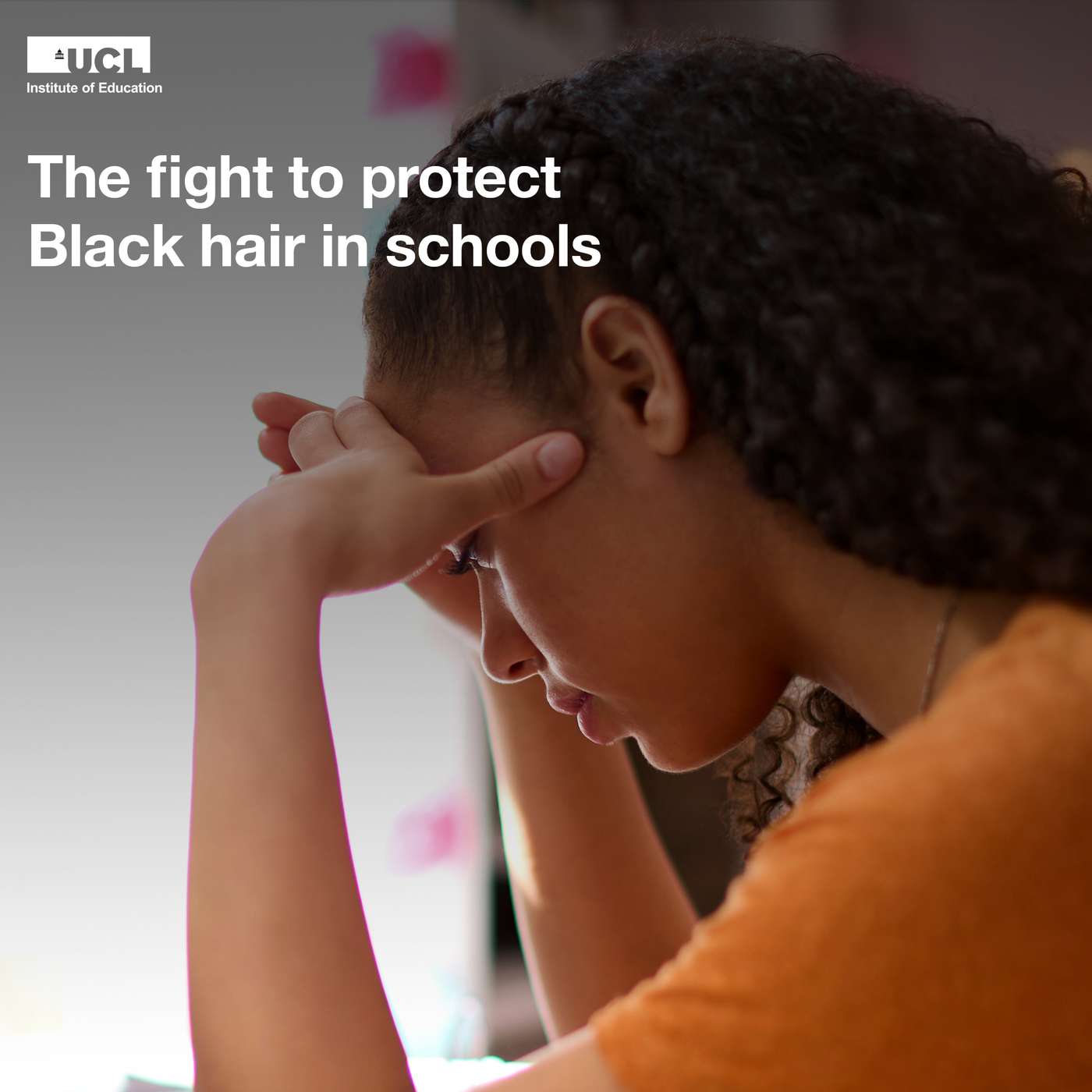
Ruby Williams was told her hair was too big for school - and she refused to accept it. In this episode, Ruby and her mother Kate speak with Alison Wiggins about the emotional and legal journey that followed. Their story is a call to action for educators and institutions to do better.Full show notes and links: https://www.ucl.ac.uk/ioe/news/2025/oct/fight-protect-black-hair-schools-lets-talk-about-anti-black-racism
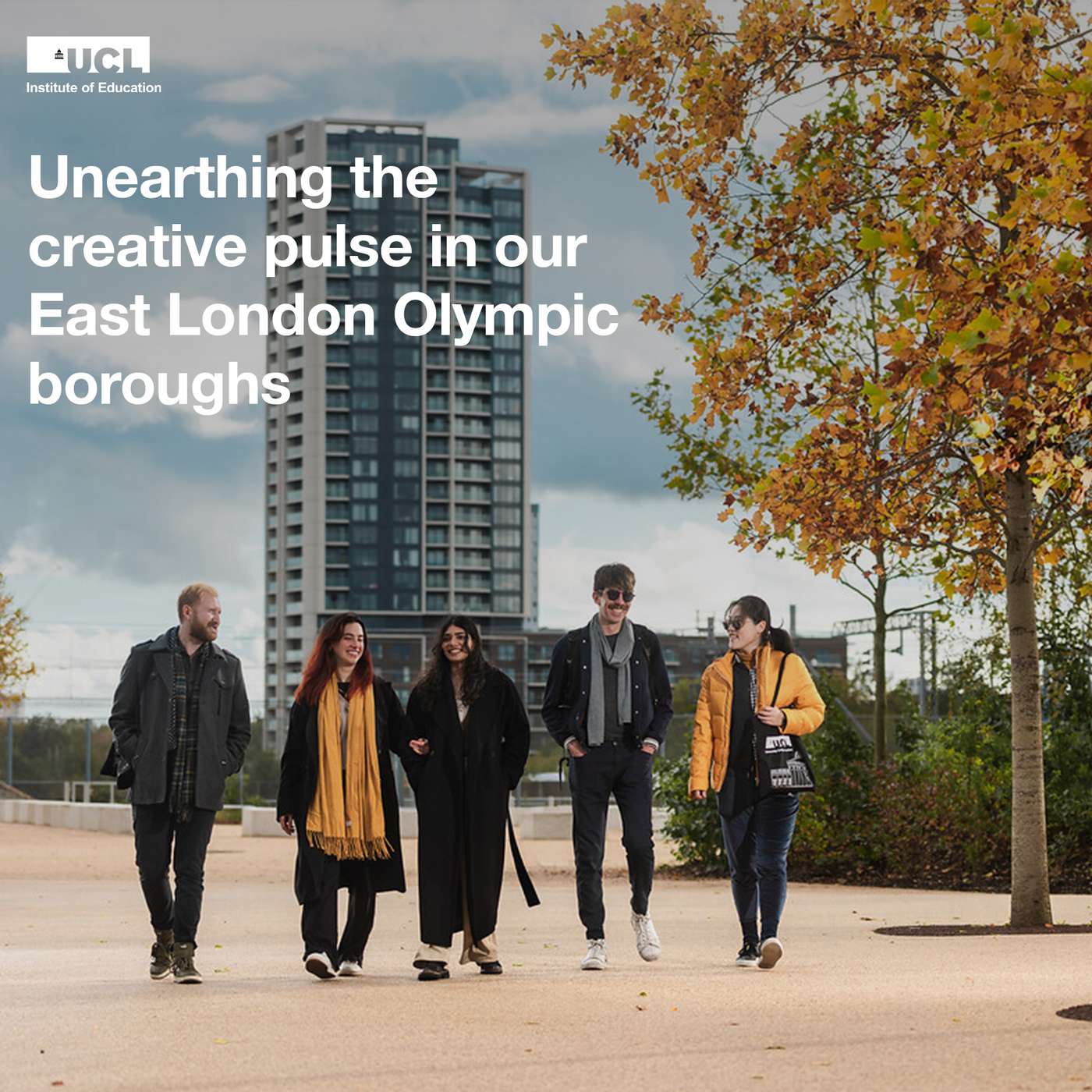
In this episode, we hear about the cultural landscape within the Olympic boroughs, and the evolution that has occurred in the wake of the 2012 Olympics.Our panel of speakers share their insights on the opportunities and challenges of reaching under-represented audiences through initiatives such as education, screenings, exhibitions, and workshops.They talk about their success stories in engaging with new audiences and their plans for future initiatives to enhance the benefits of cultural engagement for all.Full show notes: https://www.ucl.ac.uk/ioe/news/2025/sep/unearthing-creative-pulse-our-east-london-olympic-boroughs
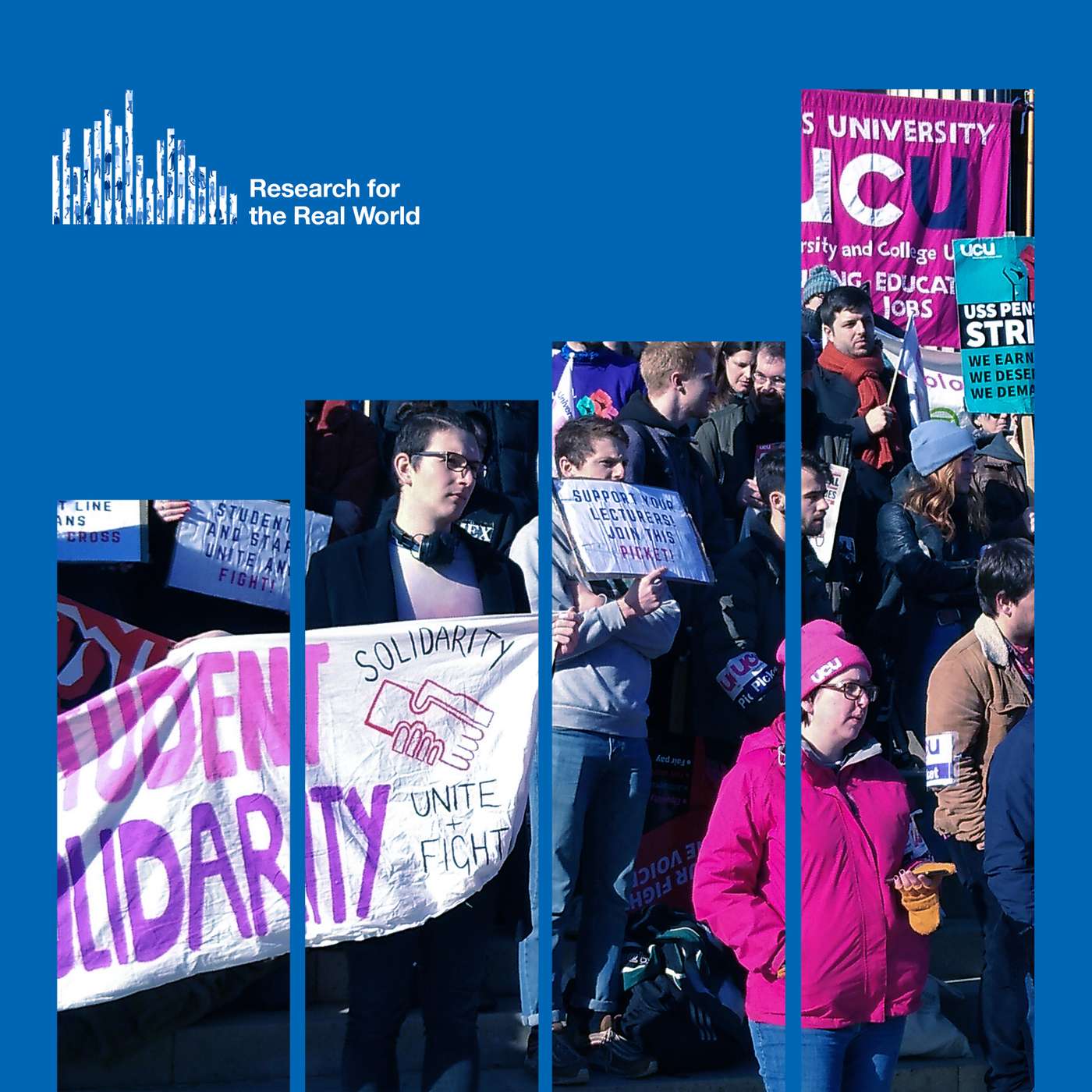
As headlines warn of university closures and staff cuts, Professor Huw Morris offers a deeper look at the forces reshaping UK higher education. In conversation with Dr Elin Arfon, he explains why some institutions are struggling more than others, and what role government, regulation, and research can play in building resilience. They also explore the growing shift toward tertiary education and skills development, and what this means for future students.Useful links from this episode: https://www.ucl.ac.uk/ioe/news/2025/aug/can-uk-universities-survive-and-thrive-rftrw-s25e03Image: Alarichall / Wikimedia Commons
In this episode, Louise Stoll tells us her story of 'improve-isation'.Louise tells Mark and Elaine about her career to date.She talks about the importance of building capacity for learning and supporting pupils to thrive in an uncertain future."You need people to enable you to take risks, to say it's not going to be perfect the first time.It really is important for leaders at all levels to encourage people to try things out and to be there to support and to learn."Full show notes and transcript: https://www.ucl.ac.uk/ioe/news/2025/jul/professional-learning-its-not-just-neck-staffroom-s05e06
In this episode, Dr Benjamin Abrams speaks with Hend Aly and Dr Heather Rolfe about their research into public attitudes and how these views shape migration policy and the future of higher education. They explore surprising findings from their report, the role of media narratives, and the strategic challenges facing UK universities.With global competition for talent heating up, this conversation dives into what's at stake for the UK’s academic and economic future.Full show notes and links to research: https://www.ucl.ac.uk/ioe/news/2025/jul/britains-got-international-student-talent-what-do-they-really-think-them-rftrw-s25e02

Comments

Download from Google Play

Download from App Store
 United States