


 Claim Ownership
Solo Founders
Subscribed: 1Played: 1
Subscribe

© 2026 nZero Labs, Inc
Description
The Solo Founder's Podcast features in-depth interviews with solo founders building remarkable companies. Each week, host Julian Weisser sits down with solo founders who are either operating at serious scale or doing something right now that you need to know about. From Series B and beyond to founders breaking out in real-time, these are the conversations that define what it means to build solo. New episodes every week.
8 Episodes
Reverse
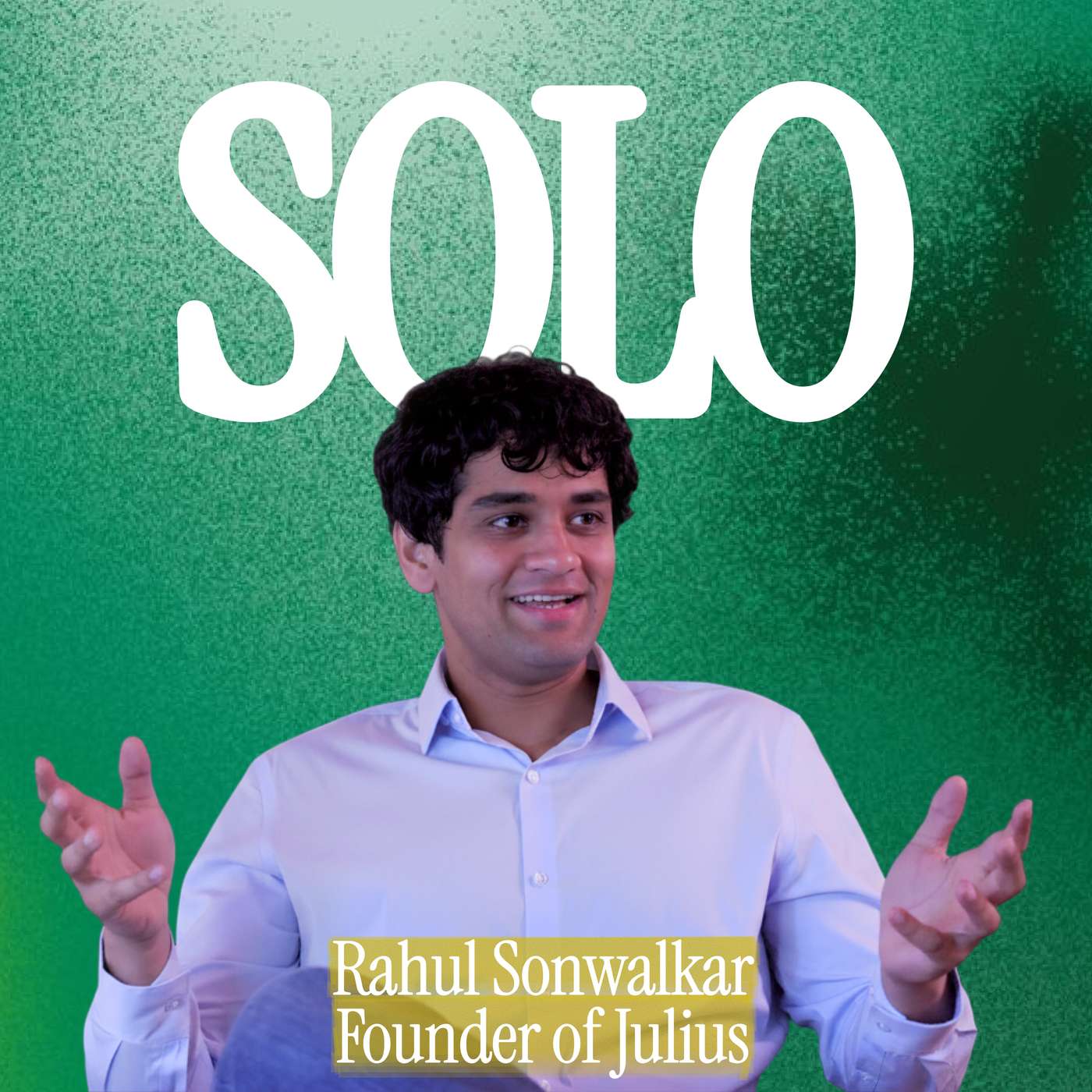
Rahul Sonwalker is the solo founder and CEO of Julius AI — the natural-language data analysis platform that took six pivots (and one cease-and-desist from Microsoft for calling a product "Excel Copilot") to find. In this conversation, Rahul breaks down the "co-founder trap" that keeps most smart people stuck searching instead of building, why every great startup violates 1–2 core best practices, and why he insists on being the worst coder on his own team.Topics covered:The co-founder trap — why 8 out of 10 co-founder teams are fighting in privateSolo founding by accident — second startup, friends bailing, and not going back to co-founder matchingThe football analogy for building momentum as a solo founderStartups as a game of outliers — why generalized advice pushes you to averageThe recipe for hiring as a solo founder — multipliers, not delegatorsEquity philosophy: less cash, more equity is a green flagCulture at 50% and 66% — why your first hire is half the culture foreverSix pivots to Julius: logistics AI, Excel Copilot, Microsoft cease-and-desist, US Census demoThe Julius Caesar chiseling metaphor for how companies emerge from marbleConvincing as the real job — "Sam Altman can't sell you a pen but can sell you AGI"Authorship and why success has many fathersBear case and bull case for solo foundingGuest: Rahul Sonwalker — Solo Founder and CEO, Julius AI. Natural-language data analysis platform. Formerly engineer at Uber. Based in San Francisco.
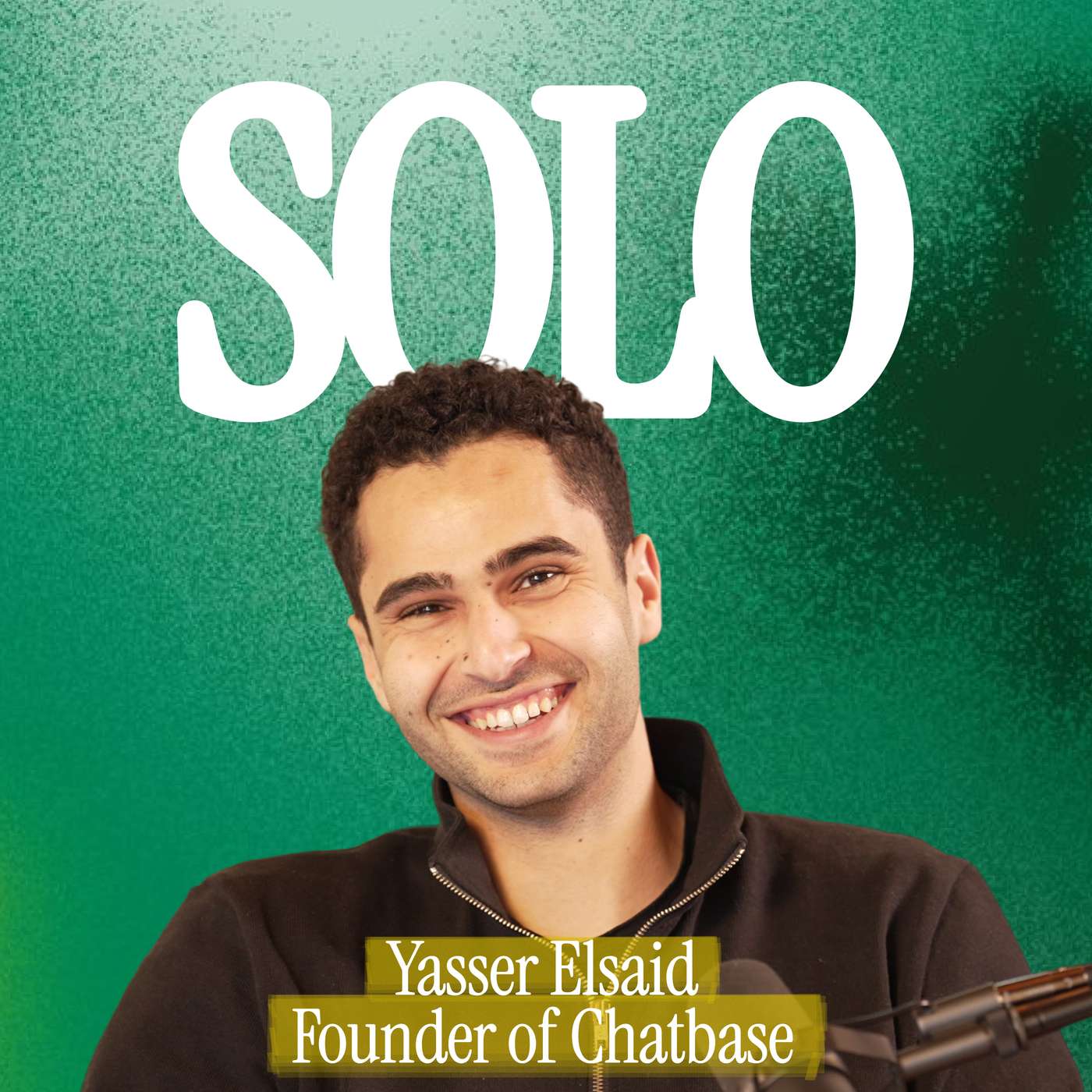
Yasser Elsaid was in his last semester of university when he spotted an opportunity most people dismissed: adding custom data to large language models, before ChatGPT even launched. He built the first version of Chatbase in six weeks, got his first Stripe payment 30 minutes after launch, and has bootstrapped to $9M ARR over three years with zero outside funding. In this conversation, he breaks down the counterintuitive playbook behind his success — from the "benevolent dictatorship" of solo founding to why margins don't matter early on.Topics covered:- Spotting the RAG opportunity before ChatGPT launched and building in six weeks- First Stripe payment 30 minutes after putting up a pricing page- Why first principles thinking beats market research in paradigm shifts- Deciding to go solo — skipping the pitch deck, investors, and co-founder search- "Free solo" founding — bootstrapping beyond the indie hacker lifestyle business- The benevolent dictatorship: why solo founders make faster decisions- Low-ego decision-making — changing your mind is a feature, not a bug- Two-way door decisions and the Bezos framework for AI startups- Scaling a bootstrapped company: profitability from day one, then spending aggressively- Recruiting at a bootstrapped company vs. VC-backed — why bootstrapped equity is less risky- The B2B playbook: self-serve plus sales layer, content as the foundation- Pricing is the fastest lever — no science, just experimentation- Margins don't matter early on — revenue signals compound, cost savings don't- Bear case and bull case for solo foundingGuest: Yasser Elsaid — Solo Founder and CEO, Chatbase. AI-powered customer service platform. $9M ARR, bootstrapped, 30-person team. Based in Toronto. Previously built side projects at York University. Former intern at Meta, Tesla, BlackBerry.
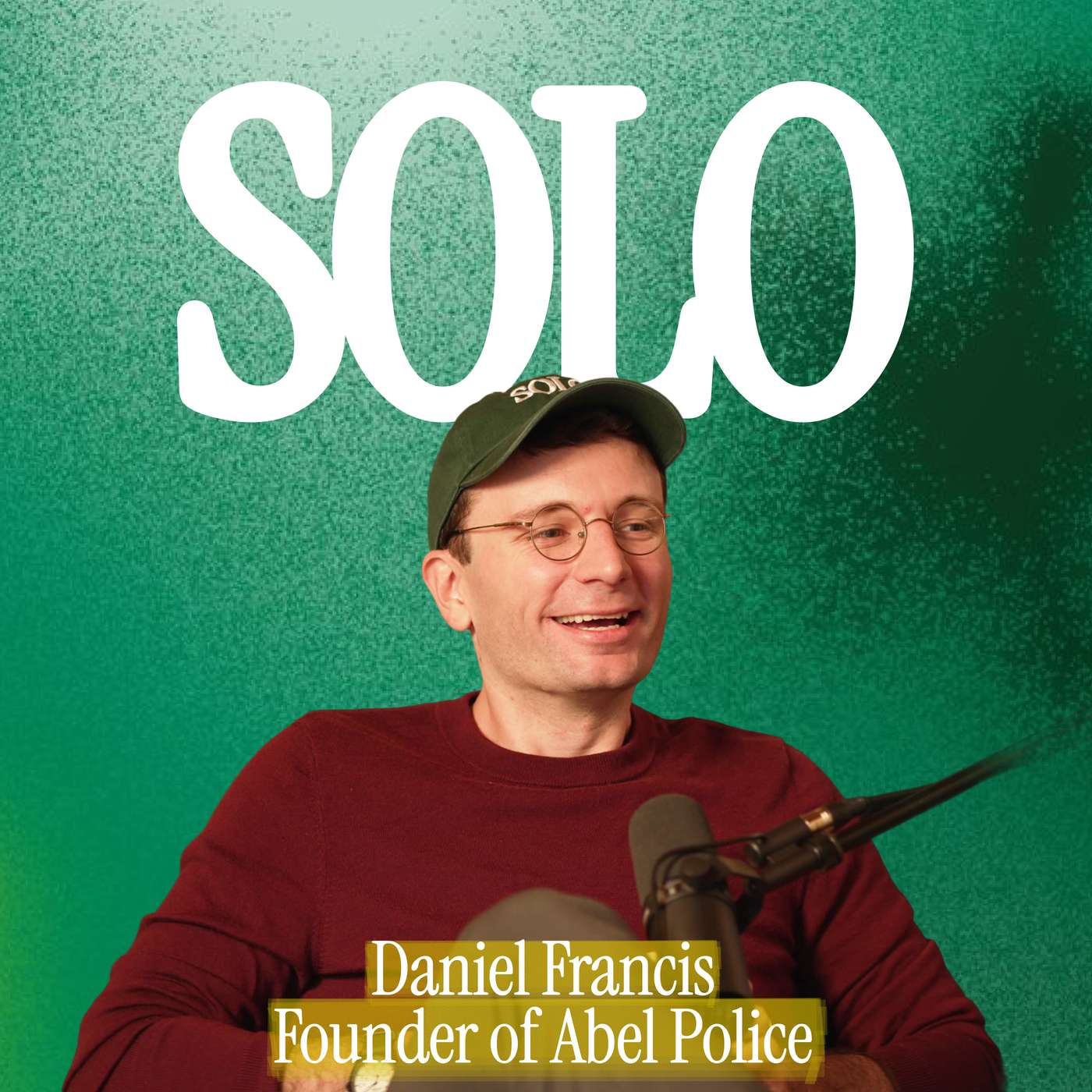
Daniel Francis dropped out of high school, taught himself to code at a DC nonprofit, impersonated a laid-off Twitter employee to work for Elon Musk, and then built Abel Police — AI software that generates police reports from body cam footage, saving officers a third of their shift from paperwork. In this conversation, he shares the personal experience that led him to policing, why he believes solo founders have a massive authorship advantage, and his unfiltered take on co-founders, culture, and the emotional reality of building alone.Topics covered:The domestic violence experience that led to Abel PoliceOfficers spend one-third of their shift on reports — Abel's AI generates them from body cam footageEvery 115 officers on the platform = one life saved per yearGetting hired (and fired) by Elon Musk at TwitterFrom mercenary founding ($30K MRR fitness app) to missionary founding (life-or-death stakes)Catholic conversion and aligning company mission with faithSolo founder authorship: why one brain creates more coherent products (Apple vs. Google)The "Working at Abel" doc: floor on talent, ceiling on being an assholeAnti-culture culture: "Hurry up, here's the tickets, move"39 police ride-alongs and embedding with Richmond PDBear case and bull case for solo foundingWhy solo founders should give more equity to early hires (Carta data commentary)Contracting as a sneaky hiring pipelineThe emotional reality: crying alone in the middle of the day — and never once considering giving upGuest: Daniel Francis — Solo Founder and CEO, Abel Police. AI-powered police report generation from body cam footage. Former fitness app founder ($30K MRR). Economics and math, Florida State University. Self-taught engineer. 39 police ride-alongs. Catholic convert. High school dropout.Notes & more from this episode: https://solofounders.com/blog/dont-be-greedy-with-equity-daniel-francis-on-solo-founding-and-building-for-police/Apply to Solo Founders Program: https://solofounders.com/program
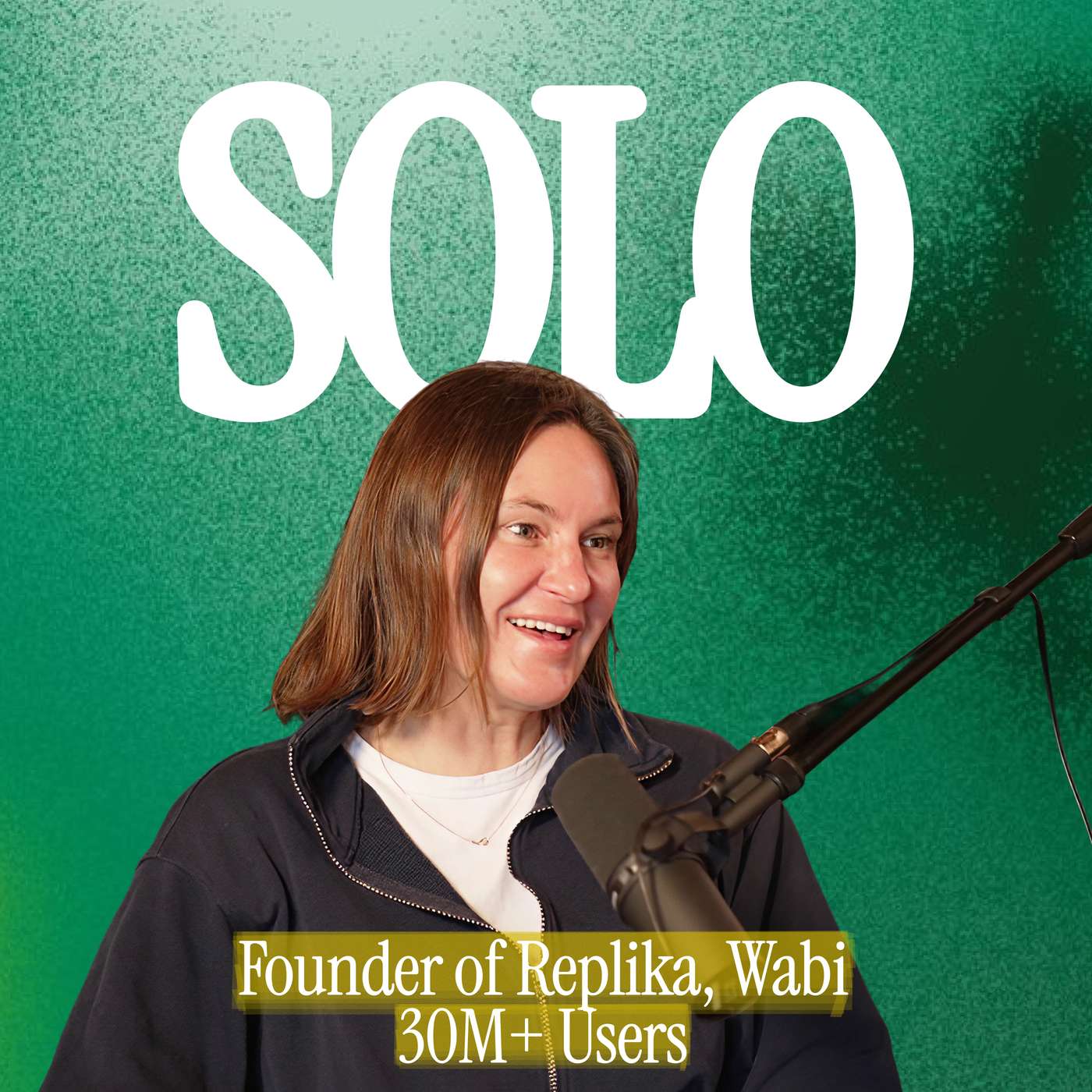
Eugenia Kuyda has spent over a decade building at the frontier of AI consumer products. First by founding Replika in 2014, hitting 30M users in conversational AI before ChatGPT even existed. Now, building Wabi: giving everyone the ability to build personal software. In this episode, she breaks down why she’s repeatedly chosen the solo founder path, why “co-founders by pressure” create long-term damage, and what it actually takes to keep going when things get brutally hard.This is a conversation about conviction, authorship, loneliness, team-building, and the emotional reality of leading through uncertainty. Eugenia shares the difference between being truly solo vs. being isolated, why she treats founding as a team sport anyway, and how she thinks about hiring high-agency people who can operate like owners.Topics covered- Why many “co-founder” setups are functionally one decision-maker anyway- The risk of “co-founder by default” decisions- Why it’s better to be solo than misaligned at the top- Streamlining your startup's layers from three down to two by removing co-founders- Storytelling as a core founder advantage- Team-building without co-founder hierarchy- The emotional bear case for solo founding- The speed and clarity bull case for solo foundingGuest: Eugenia Kuyda — founder and CEO behind visionary AI products like Replika and Wabi.
Charles Hudson is the founder and managing partner of Precursor Ventures, where he's invested in over 500 companies as a solo GP. He shares a data point that challenges the co-founder consensus: 25-30% of his portfolio companies lose a co-founder before Series A. In this conversation, he explains why talented solo founders beat mismatched teams, the real cost of dead equity, and why you should never give away 40% of your company just to make fundraising easier.Topics covered:- The co-founder breakup rate: 25-30% before Series A- Dead equity and cap table damage from co-founder departures- Rivalry and resentment dynamics in co-founding teams- Why investors underrate solo founders- The "team sport" analogy reframed- Denominator delusion: failed co-founding teams nobody counts- Don't give away 40% of your company for fundraising optics- Authorship and full accountability as a solo founder- Fundraising advice: don't apologize for being solo- Late-joining co-founders and how to evaluate them- The solo GP / solo founder kinship- The emotional reality: loneliness is 10x what you expect- Bear case and bull case for solo foundingGuest: Charles Hudson — Founder and Managing Partner, Precursor Ventures. Solo GP. 500+ investments. Former partner at SoftTech VC (now Uncork Capital). Former Google and Genentech.
Paul Klein IV applied to 500 internships and got rejected from 498. Now he's the solo founder of Browserbase – a headless browser infrastructure company for AI agents – valued at $300M in under 14 months. He didn't choose to be a solo founder. He tried to find a co-founder and couldn't. In this conversation, he explains why that turned out to be the right thing.Topics covered:Why Paul thinks first-time founders should not be solo foundersThe five-tool founder concept: product, sales, fundraising, hiring, and operationsStreamClub founding story and lessons from having co-foundersHow a 3,000-word memo validated the Browserbase ideaSolo founder by circumstance: trying and failing to find a co-founderHiring philosophy: contractors as work trials, DM recruiting on TwitterFundraising as relationship building, not a tight processCompany culture: emotional vulnerability, second chances, non-traditional backgroundsThe quarterback to head coach to GM evolution of a solo founder CEOOperating cadence: daily standups, weekly syncs, monthly all-hands, quarterly board meetingsBrand building through word of mouthThe honest case for and against solo foundingGuest: Paul Klein IV, Solo founder and CEO of Browserbase. Former CTO/co-founder of StreamClub (acquired by Mux). Former software engineer at Twilio.Notes & more from this episode: https://solofounders.com/blog/from-500-rejections-to-a-300m-company-paul-klein-iv-on-solo-founding-browserbase/Apply to Solo Founders Program: https://solofounders.com/program
Ben ran global teams at Travis Kalanick's Cloud Kitchens and left to build Polsia — an AI company builder — completely solo. Now he's hit $1.5M ARR in two weeks with 1,500 companies running on the platform.In this conversation, we explore how his method of building might be the future of solo founding: his 80/20 framework for AI-native companies, why he designed his product after a video game about an AI apocalypse, the Daft Punk song on his about page, and what it actually looks like to run engineering, support, marketing, and strategy with zero employees.Topics covered:The 80/20 framework for AI-native companiesScoping AI agents like real employees: trust boundaries and authorityBuilding for yourself vs. building for imaginary customersUniversal Paperclips and Daft Punk as design inspirationThe Polsia product: how it builds and runs businesses autonomouslyMaking a company 100% AI-autonomous: the thought experimentAdvice for new builders: push AI to the edgeGuest: Ben Cera — Solo founder of Polsia, an AI company builder. Former Global GM at Cloud Kitchens.Notes & more from this episode: https://solofounders.com/blog/80-ai-20-taste-ben-cera-on-the-future-of-solo-founding/Apply to Solo Founders Program: https://solofounders.com/program
This is a new show about building companies solo in the age of AI. Six months after launching the Solo Founders program, which has seen founders reach millions in ARR and sell to public companies and governments, this podcast brings together early-stage builders and experienced solo founders to share what's working, what's not, and what it actually looks like to grow a company without co-founders.
Comments

Download from Google Play

Download from App Store
 United States