


 Claim Ownership
The Pepper Report
Subscribed: 0Played: 0
Subscribe

© 2026 Peppercrest
Description
A show about AI, technology, and life.
7 Episodes
Reverse

The sector generating the least spectacle is producing the most substance. One week in March 2026 made it impossible to ignore.
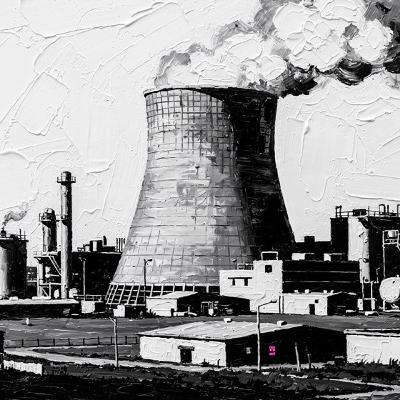
AI stopped being a software story and became an infrastructure story. Nearly $700 billion in physical buildout is reshaping energy markets, breaking political coalitions, and sending electricity bills climbing.

AI's most dangerous property isn't inaccuracy. It's that wrong answers arrive with the same confidence as right ones, and humans aren't equipped to tell the difference.

Every major AI story from the past week follows the same script: something goes wrong, the responsible party performs a choreographed response, and the actual consequences land somewhere else entirely. Not a conspiracy. An operating model.

In a single week, every thread of the AI story caught fire at once. Boycotts, chip controls, a five-year plan, frozen acquisitions, and an energy pledge. It stopped being a technology story. It became geopolitics.

Tobacco, oil, and defense stocks all climbed while public opinion turned against them. The OpenAI boycott fits the same pattern — except for one structural difference.

The gap between what we're spending on AI and what we're measuring from it isn't a mystery. It's a pattern — and it's playing out exactly the way it did with computers, electricity, and the dot-com bubble.
Comments


Download from Google Play

Download from App Store
 United States