


 Claim Ownership
How We Recover From Burnout
Subscribed: 0Played: 0
Subscribe

© Stacey Stevens
Description
Writer. Award-winning speaker. Lawyer. Writing about my life as high-achieving women who has broken free from performance conditioning and reclaimed my autonomy, self-worth, and personal power—without guilt, apology, or permission.
staceylstevens.substack.com
staceylstevens.substack.com
13 Episodes
Reverse

There is a version of burnout that no one really talks about.Not the obvious kind.Not the kind that comes from working too many hours or taking on too much responsibility.The quieter kind.The kind that feels like loss.Recently, I had the opportunity to be featured in the women’s issue of Get Griefy Magazine, a publication dedicated to illuminating the path to healing and hope for those navigating loss. And while it may seem like grief and burnout live in two completely different worlds, the truth is, they are deeply connected.Because burnout is often rooted in loss.Not just the loss of energy or motivation, but the loss of something far more personal.Your identity.The Identity No One Prepares You to LoseAt some point in life, many women arrive at a moment that feels both subtle and seismic.You look around at the life you worked so hard to build, and something feels… different.Not broken. Not wrong. Just unfamiliar.For me, that moment came all at once.My children had grown up. They built lives of their own. Careers, marriages, families. They no longer needed me in the way they once did.At the same time, I left my marriage. Not in chaos or conflict, but in clarity. It was simply time.Thanks for reading Stacey Stevens | How We Recover From Burnout! Subscribe for free to receive new posts and support my work.And suddenly, I found myself standing in a life I had created, asking a question I wasn’t prepared for:Who am I now?Because the woman I had been, the strong one, the responsible one, the one everyone relied on, felt like she had quietly disappeared.And no one talks about that.The Invisible Grief Behind BurnoutWe tend to associate grief with losing people.But there is another kind of grief that runs just as deep.The grief of outgrowing who you used to be.The grief of no longer being needed in the same way.The grief of realizing that the identity that once defined you no longer fits.And while you are navigating all of this internally, the external messaging is loud and relentless.You’re aging.You’re changing.You’re no longer in your “prime.”Here’s how to fix it.Here’s how to stay relevant.Here’s how to hold on.The underlying message is clear:Your value is diminishing.So what do we do?We start to question ourselves.Our worth.Our bodies.Our future.We try to hold onto the version of ourselves that once worked, even when it no longer aligns.And that is where burnout deepens.Because burnout is not just exhaustion.It is the cost of staying loyal to an identity you’ve already outgrown.Why High-Achieving Women Struggle to Let GoIf you’ve spent your life being the one who adapts, performs, and holds everything together, this transition can feel especially difficult.Because your identity was never accidental.It was built through years of experience, responsibility, and reinforcement.You learned who to be based on what was expected of you.You attached meaning to those experiences.And over time, those meanings became beliefs.Beliefs about who you are.What you’re capable of.What you deserve.The brain loves these patterns because they feel safe.Even when they no longer serve you.So when life shifts, and it always does, you don’t just lose roles.You lose the structure that once told you who you were.Of course, that feels disorienting.Of course, that feels like grief.The Reframe That Changes EverythingHere is the truth most people never say out loud:You are not losing yourself.You are outgrowing a version of yourself that got you here.That version of you is not wrong.She is not something to fix or erase.She is necessary.She built your life.She carried you through seasons that required strength, endurance, and adaptation.She deserves your respect.But she is not your final form.Think of it like finishing a really good series.You’ve watched every episode.You’ve grown attached to the characters.You’ve learned from the story.And then it ends.You don’t grieve because it was a mistake.You grieve because it mattered.And then, eventually, you press play on something new.Rewriting Your Identity Without Losing YourselfRewriting your identity is not about rejecting your past.It is about releasing the belief that you have to keep being who you were in order to stay valuable.This is the work I do with women every day.Helping them see that the story they are telling themselves about themselves is not fixed.It was written through experience.And it can be rewritten with intention.When you begin to shift that story, everything changes.Not your past.But your relationship to it.You stop asking, “Who was I?”And start asking, “Who am I becoming?”And that is where everything opens up.You’re Not Broken. You’re at the Edge of Something NewIf something in this resonated with you, not just intellectually, but viscerally, then you’re already in the middle of the shift.That uncomfortable space where the old identity no longer fits, but the new one hasn’t fully formed yet.That’s not a breakdown.That’s a threshold.A powerful one.Inside the Get Griefy feature, I go deeper into this work. I break down how identity rules are formed, why high-achieving women stay loyal to them for decades, and how to begin rewriting them without losing everything you’ve built.Because you don’t have to burn your life down to become someone new.You just have to stop abandoning yourself to maintain who you used to be.And start leading yourself into what’s next.If you’re ready, the next chapter is already waiting for you.The only question is: What are you ready to outgrow?You will recover from burnout, StaceyP.S. You can read the full issue for FREE! Thanks for reading Stacey Stevens | How We Recover From Burnout! Subscribe for free to receive new posts and support my work.Thanks for reading Stacey Stevens | How We Recover From Burnout! This post is public so feel free to share it. This is a public episode. If you would like to discuss this with other subscribers or get access to bonus episodes, visit staceylstevens.substack.com

In the last few posts, I’ve been unpacking burnout and challenging the idea that it’s simply the result of doing too much. Because for many high-achieving women, that explanation doesn’t quite land. You can reduce your hours, delegate more, even take time off… and still feel exhausted.That’s because burnout isn’t always about what you’re doing. Sometimes, it’s about what you’re carrying.And today, I want to talk about something that sits right at the center of that experience. The invisible load.The Weight You Can’t SeeIf you’re someone people rely on, this will feel familiar.You walk into a room already thinking ahead. You anticipate needs before they’re spoken. You prepare for problems before they arise. You’re not just participating in what’s happening, you’re scanning, adjusting, and calculating in real time.From the outside, this looks like competence. Leadership. Strength.From the inside, it often feels like constant vigilance.It’s the difference between doing the work and managing everything around the work at the same time. And most of it happens so automatically that you don’t even realize how much energy it requires.The Mental Work Behind the WorkImagine you’re sitting in a meeting. Nothing dramatic is happening. People are sharing ideas, working through a problem, and having a normal conversation.But inside your mind, there’s a second conversation running.You’re thinking about how your words will land before you say them. You’re adjusting your tone mid-sentence. You’re wondering if you sounded too direct or not direct enough. You’re replaying something you said five minutes ago while also trying to stay engaged in what’s happening now.At the same time, you’re reading the room. You’re noticing shifts in energy, anticipating reactions, and trying to prevent tension from escalating.While others are simply contributing, you’re managing perception.And by the time the meeting ends, you’re not just mentally tired from the discussion. You’re exhausted from everything that was happening underneath it.That is the invisible load.Why High-Achieving Women Feel It MoreFor many high-achieving women, the work itself is only part of the equation.We are also managing the emotional climate around that work. We anticipate how others will respond. We adjust our delivery to maintain connection. We smooth over discomfort before it becomes conflict. We take on the responsibility of keeping things stable, often without being asked.Over time, this level of awareness doesn’t just stay a skill. It becomes part of our identity.We start to believe that we need to stay vigilant. That we need to get it right. That if we misstep, it means something about our worth or capability.That belief system isn’t random. It’s learned. It’s what I often refer to as performance conditioning, the patterns we develop over time that teach us how to show up in order to feel accepted, valued, and successful.When Strength Becomes StrainIn my own career, especially early on as a lawyer, this showed up in ways I didn’t recognize at the time.I would leave the office completely drained, and not just because of the workload. It was everything happening internally while I was working. I was constantly preparing, not only for what I needed to say, but for how it might be received. I was rehearsing outcomes, adjusting delivery, anticipating reactions before they happened.That level of preparation made me effective. It helped me succeed.But what I didn’t understand was that it was also keeping my nervous system switched on all day.Not just during high-pressure moments. All day.Because when you’re always preparing for what might go wrong, you live in a subtle but constant state of alert.The Exhaustion You Can’t ExplainThis is where burnout begins to take a different shape.It’s not loud or dramatic. It doesn’t always look like a breakdown. Instead, it shows up as a quiet, persistent exhaustion that doesn’t fully go away, even when you rest.That’s because your body might stop working, but your mind doesn’t.When you’ve spent years, sometimes decades, operating in a state of readiness, your system forgets how to fully power down. You’re not panicked, but you’re not relaxed either. You’re somewhere in between, always slightly on.And that constant “on” state is incredibly draining.The Capability TrapAt some point, many high-achieving women become known as the ones who can handle it.The dependable one. The strong one. The one who keeps everything moving.At first, that identity feels empowering. It builds confidence. It creates momentum. It reinforces your value.But slowly, it starts to shift.You begin to take on more because you can. You stop asking for help because it feels easier to just do it yourself. You stop showing uncertainty because you don’t want to disrupt the image of being capable.Without realizing it, you become trapped by your own capacity.Because the more capable you are, the more you are expected to carry. And the more you carry, the less space you leave for yourself.Burnout Is Not the WorkOne of the most important shifts I had to make was understanding that it wasn’t the work itself that was exhausting me.It was the mental monitoring that came with it.It was the constant awareness of how I was showing up, how I was being perceived, and how everything around me might unfold.It was the story I was telling myself that I needed to anticipate everything, manage everything, and hold everything together.That story created pressure long before anything even happened.And that pressure became the real source of burnout.When Performance Mode Becomes PermanentPerformance mode can be useful. It helps you prepare, execute, and deliver when it matters.But it was never meant to be permanent.The problem is, when performance mode becomes your default setting, your nervous system never fully resets. You carry that same level of alertness into every interaction, every task, every room you walk into.Over time, that becomes your baseline.And that’s why so many high-achieving women feel tired even when they’re resting. Because the system that needs to rest doesn’t know how to turn off.A Different Way to Show UpThere’s a question that often feels both simple and confronting:What would it feel like to walk into a room and just participate?Not manage.Not anticipate.Not rehearse.Just be present.For many women, that idea feels unfamiliar. Even uncomfortable. Because when your identity has been built around being the one who holds everything together, putting that down can feel like you’re losing something.But you’re not losing anything.You’re creating space.Where Change BeginsThe first step is not doing less. It’s noticing more.Noticing when you’re carrying the load. Noticing when you’re monitoring yourself. Noticing when your mind is running ahead of the moment you’re actually in.Because once you see the pattern, you can start to question it.And that’s where change begins.So before you move on with your day, pause for a moment and ask yourself:How many times today did I feel myself carrying the load?Not the visible work.The invisible one.Because awareness is what interrupts the pattern. And once that pattern is interrupted, burnout is no longer something you have to accept as inevitable.You will recover from burnout,StaceyThanks for reading Stacey Stevens | How We Recover From Burnout! Subscribe for free to receive new posts and support my work.Thanks for reading Stacey Stevens | How We Recover From Burnout! This post is public so feel free to share it. This is a public episode. If you would like to discuss this with other subscribers or get access to bonus episodes, visit staceylstevens.substack.com

We’ve recently unpacked some of the biggest myths about burnout. Today, I want to go a little deeper. Because the truth about burnout is more nuanced than most people realize.For years, I believed resilience meant enduring more.More pressure.More responsibility.More expectations.That belief helped me turn survival into strength. And strength into success.But eventually I discovered something that changed everything.Success without sovereignty can still feel heavy.Burnout is one of the most talked about issues in professional life. We hear the explanations everywhere.Too many hours.Too much pressure.Too many expectations.But if you are a high-achieving woman, chances are you already know how to endure.You know how to push through exhaustion.You know how to deliver when the stakes are high.You know how to hold everything together even when everyone around you is struggling.You meet the deadlines.Solve the problems.Carry the responsibility.And most of the time, you do it without complaining.Because endurance becomes part of your identity. And eventually, it becomes part of what makes you successful.I know this pattern intimately.When I left home at fifteen, I learned very quickly how to survive.There was no safety net. No clear path.So I did what resilient people often do.I became capable.I worked. I figured things out. I took on responsibilities far earlier than most people my age ever had to.Thanks for reading Stacey Stevens | How We Recover From Burnout! Subscribe for free to receive new posts and support my work.That ability to endure became one of my greatest strengths.It helped me rebuild my life.It helped me become a lawyer.It helped me succeed.But what I didn’t understand for years was that the resilience that helped me survive was still running long after survival was no longer required.The Question That Changed EverythingEventually, I came across a question that stopped me in my tracks.It wasn’t whether I could keep enduring. I already knew the answer to that.The question was this:Do you know how to expand your capacity without destroying yourself in the process?For most of my life, I believed exhaustion was simply the price of ambition.If I cared enough…Worked hard enough…Proved myself enough…Eventually, the pressure I felt every single day would ease.But that day never came.And what I learned along the way is that this pattern is incredibly common among high-achieving women.Success arrives.Your career grows.Recognition increases.Opportunities expand.On paper, everything looks right.But internally, something still feels heavy.You feel tense.Like you’re bracing.You wake up tired even after a full night’s sleep.You accomplish things during the day but still feel behind.You reach milestones that once meant everything to you… and the satisfaction fades faster than expected.And eventually, a quiet question appears.Is this it?Is this really all there is?That question can be unsettling because, technically, nothing is wrong.Your career is thriving.Your life looks impressive.Your responsibilities are meaningful.From the outside, everything appears successful.What people don’t see is the exhaustion.The disconnection.The quiet resentment that comes from carrying too much.And I’m not talking about resentment toward your work.I’m talking about the resentment that builds when you feel responsible for holding everything together.Burnout Isn’t Always About Doing Too MuchThis is the moment burnout starts to make more sense.Because burnout isn’t always about doing too much.Often, it’s about carrying too much of yourself in every moment.Managing perceptions.Anticipating reactions.Preparing for every possible outcome.Trying to stay one step ahead of expectations.When we operate that way, work stops being work.It becomes vigilance.And vigilance is exhausting.Over time, we aren’t just performing tasks.We’re performing competence.Performing reliability.Performing strength.And the longer you live in that mode, the harder it becomes to step out of it.For a long time, I thought this was resilience.But it’s not the same thing.What Real Resilience Actually Looks LikeReal resilience isn’t enduring at all costs.Real resilience is the ability to grow without abandoning yourself in the process.It’s succeeding without constantly bracing.Leading without carrying the emotional weight of every room you enter.Moving through challenges without losing connection to yourself.And when you begin to understand resilience this way, something powerful happens.The pressure to carry everything begins to soften.The expectation to perform constantly starts to loosen.Because you finally realize something important.We were never meant to live our entire lives in endurance mode.A Simple PauseSo if something in this conversation feels familiar, pause for a moment.Take a deep breath.Notice what you’re carrying right now.The pressure.The expectations.The sense that you have to keep holding everything together.And ask yourself one simple question:Is it possible that I no longer need to carry this?Sometimes resilience isn’t about doing more.Sometimes resilience begins when you finally allow yourself to put something down.And that is where burnout recovery truly begins.If this conversation resonates with you, you’re not alone.The patterns that lead to burnout are deeply conditioned, especially for high-performing women who have built their identity around endurance and achievement.But those patterns can be rewritten.That’s exactly the work I teach through the FIRE Framework, helping ambitious women move from self-abandonment into a life fueled by fulfillment, inspiration, resilience, and empowerment.Because the goal isn’t to become less ambitious.The goal is to succeed without losing yourself along the way.And this is how we begin to recover from burnout,StaceyThanks for reading Stacey Stevens | How We Recover From Burnout! Subscribe for free to receive new posts and support my work.Thanks for reading Stacey Stevens | How We Recover From Burnout! This post is public so feel free to share it. This is a public episode. If you would like to discuss this with other subscribers or get access to bonus episodes, visit staceylstevens.substack.com

Do you feel the weight of expectations?The quiet pressure to keep everything running.To hold your career together.To support everyone around you.To stay strong no matter how exhausted you feel.For many high-performing women, this pressure becomes invisible over time. It simply becomes the way life works.You keep going.You keep producing.You keep proving yourself.And eventually, burnout shows up.But what if burnout isn’t a personal failure?What if it’s simply the moment when the weight you’ve been carrying finally becomes too heavy to ignore?What Burnout Really SignalsBurnout is often misunderstood.We think burnout means we are weak.Or that we just need better time management.Or that we need to push harder and become more resilient.But that interpretation misses something important.Burnout often appears when resilience has been running long after it stopped serving you.Thanks for reading Stacey Stevens | How We Recover From Burnout! Subscribe for free to receive new posts and support my work.Resilience helped you succeed.It helped you endure difficult situations.It helped you keep moving forward when things were hard.But resilience can quietly turn into something else.Over-functioning.Over-responsibility.Over-carrying.And eventually, exhaustion.The problem isn’t resilience itself.The problem is when resilience becomes the reason you never allow yourself to stop carrying things that are no longer yours.The Question That Changes EverythingWhen women begin recovering from burnout, they often look for big solutions.A new job.A new routine.A new productivity system.But sometimes the most powerful shift starts with a single question:Is it possible that I no longer need to carry this?Not every responsibility you hold today actually belongs to you.Some of them came from expectations you absorbed years ago.Expectations about being the dependable one.The strong one.The capable one.The one who can handle everything.Those expectations can become so automatic that we stop questioning them.But recovery from burnout begins the moment you do.When Resilience Becomes Self-AbandonmentMany high-achieving women have learned to override their own needs.You override exhaustion.You override intuition.You override the quiet voice that says something isn’t working anymore.Over time, this becomes a pattern.You carry the emotional load for others.You absorb pressure at work.You say yes when you mean no.And because you are capable, responsible, and resilient, you keep doing it.But resilience without boundaries can slowly become self-abandonment.And that is where burnout begins.Stacey Stevens’ work focuses on helping high-achieving women break the conditioning that keeps them stuck in performance mode and reconnect with their authentic selves.The Hidden Truth About Recovering From BurnoutRecovery rarely starts with doing more.It begins with noticing what you are carrying.The invisible expectations.The outdated stories about who you need to be.The responsibilities that once made sense but no longer align with the person you are today.Sometimes resilience isn’t about pushing forward.Sometimes resilience is the courage to pause and ask:Do I still need to hold this?And if the answer is no, something powerful becomes possible.You can put it down.What Happens When You Put Something DownPutting something down doesn’t mean you failed.It means you are making a conscious choice about how you want to live.You begin creating space.Space for rest.Space for clarity.Space to reconnect with what actually matters to you.That space is where recovery begins.It is also where a different kind of resilience emerges.Not the kind that forces you to endure everything.But the kind that allows you to lead, succeed, and live without abandoning yourself in the process.The Beginning of Real RecoveryBurnout recovery doesn’t happen overnight.It starts with small moments of awareness.Moments where you notice the pressure you’ve been carrying.Moments where you question whether it still belongs to you.And moments where you allow yourself to set something down for the first time.That simple act can change everything.Because sometimes the most powerful form of resilience isn’t holding everything together.It’s giving yourself permission to stop carrying what was never meant to be yours in the first place.You will recover from burnout,StaceyThanks for reading Stacey Stevens | How We Recover From Burnout! Subscribe for free to receive new posts and support my work.Thanks for reading Stacey Stevens | How We Recover From Burnout! This post is public so feel free to share it.I’m Stacey Stevens, and this is the work we explore every week in How We Recover From Burnout: helping high-performing women move from exhaustion to FIRE, Fulfilled, Inspired, Resilient, and Empowered. This is a public episode. If you would like to discuss this with other subscribers or get access to bonus episodes, visit staceylstevens.substack.com

Let’s talk about the lie.Not the obvious kind.Not the dramatic kind.The quiet, socially acceptable kind.The one that sounds responsible.Ambitious.Mature.The one that says:* Burnout is normal.* Authenticity is risky.* If you don’t do it all, you’re failing.Most high-performing women don’t even realize they’ve internalized these beliefs. They simply accept them as the rules of success.And then they wonder why success feels so heavy.If you’re a woman who looks successful on paper but feels chronically exhausted, slightly disconnected, or quietly resentful behind the scenes, you are not broken.You are conditioned.Thanks for reading Stacey Stevens | How We Recover From Burnout! Subscribe for free to receive new posts and support my work.What Burnout Really Is (And What It Isn’t)Burnout is often framed as a personal failure.You didn’t manage your time well enough.You didn’t prioritize self-care.You took on too much.But that explanation misses something critical.Burnout is rarely about weakness.It’s about conditioning.For decades, high-achieving women have been taught that success requires constant performance. That being valuable means being productive. That worth is measured by endurance.So we adapt.We override our exhaustion.We silence our intuition.We keep performing long after it stops serving us.And eventually, the system that once helped us succeed becomes the thing that drains us.Why High-Performing Women Feel Disconnected From Their SuccessOne of the most common experiences among ambitious women is a strange disconnect.From the outside, everything looks right.The career.The accomplishments.The reputation.But internally, something feels off.You might catch yourself thinking:“Is this it?”Not because your life is bad.But because something deeper feels misaligned.That disconnect happens when who you are on the inside no longer matches how you show up in the world.Over time, many women learn to perform success instead of living it.We become excellent at meeting expectations.But terrible at listening to ourselves.The Hidden Conditioning That Drives BurnoutTo understand burnout, we have to talk about conditioning.From a young age, many girls are subtly taught that their worth comes from three things:Love.Validation.Acceptance.We learn to be agreeable.Helpful.Reliable.And those traits can absolutely serve us.Until they become the operating system for our entire identity.Because when validation becomes the goal, performance becomes the strategy.And that performance doesn’t stop when we grow up. It simply evolves.In the workplace, it often looks like:* Saying yes when you want to say no* Over-preparing and over-delivering* Minimizing your opinions in meetings* Taking on responsibilities no one asked you to carry* Becoming the person who holds everything togetherFrom the outside, this looks like leadership.From the inside, it often feels like exhaustion.The Three Myths That Keep Women Stuck in BurnoutThrough my work with high-achieving women, I see the same three myths driving burnout again and again.Myth #1: Burnout Is NormalMany professional environments quietly glorify overwork.Long hours are praised.Exhaustion is treated as commitment.So when we feel depleted, we assume the problem is us.We ask ourselves:“Maybe I’m just not tough enough.”Instead of asking the more important question:“Is this actually healthy?”Burnout isn’t a badge of honor.It’s the cost of operating in systems that reward self-abandonment.Myth #2: Authenticity Is RiskyMany women believe showing their full selves at work is dangerous.Too emotional.Too direct.Too opinionated.Too honest.So we adapt.We become polished versions of ourselves.Carefully edited.But the more we suppress authenticity, the more energy it takes to maintain the performance.And that disconnect is exhausting.Authenticity isn’t a liability.It’s alignment.Myth #3: If You Don’t Do It All, You’re FailingHigh-achieving women are often praised for being capable.Which slowly turns into a quiet expectation.You can handle it.You’re so organized.You’re great under pressure.So we keep taking on more.Not because we have to.But because we believe we should.Until we wake up one day, realizing we’ve built a life that depends entirely on our capacity to endure.The Real Shift: Rewriting the Story You Tell YourselfThe most powerful insight I’ve learned in my work is this:Every one of us operates based on the story we tell ourselves about ourselves.Those stories shape how we see the world.They influence our decisions, our reactions, and our sense of worth.The problem is that most of those stories were written a long time ago.Often during moments when we were simply trying to survive, adapt, or prove ourselves.But what happens when you question those stories?What happens when you realize the beliefs you inherited no longer serve you?That is where transformation begins.Moving From Burnout to FIREThe path out of burnout isn’t about doing less.It’s about leading yourself differently.This is the foundation of the FIRE Framework, which helps high-achieving women move from performance conditioning into personal power:* Fulfilled — aligning your work with your values* Inspired — reconnecting with purpose and meaning* Resilient — building capacity without self-destruction* Empowered — taking ownership of your storyWhen you start operating from FIRE instead of burnout, everything changes.You stop chasing approval.You stop measuring your worth in exhaustion.You stop performing successfully.And instead, you start living it.The Question That Changes EverythingThe next time you catch yourself feeling overwhelmed, exhausted, or disconnected, pause for a moment and ask yourself:What story am I running right now?Is it one you consciously chose?Or one you inherited?Because the moment you see the story, you gain the power to rewrite it.And when you rewrite the story you tell yourself about yourself, you move from being burned out…to living on FIRE.Fulfilled.Inspired.Resilient.Empowered.You will recover from burnout, StaceyThanks for reading Stacey Stevens | How We Recover From Burnout! Subscribe for free to receive new posts and support my work.Thanks for reading Stacey Stevens | How We Recover From Burnout! This post is public so feel free to share it. This is a public episode. If you would like to discuss this with other subscribers or get access to bonus episodes, visit staceylstevens.substack.com

Burnout Isn’t a Breakdown. It’s What Happens When Resilience Runs Too Long.We hear it everywhere.Burnout is a failure.Burnout means you couldn’t handle the pressure.Burnout means you're broken.But that story is wrong.Burnout isn’t a breakdown.Burnout is what happens when resilience keeps running long after it stops serving you.And if you’re someone who has built a life, career, or reputation on being strong, capable, and reliable… this might hit close to home.Because the very trait that built your success can quietly become the thing that erodes it.Thanks for reading Stacey Stevens | How We Recover From Burnout! Subscribe for free to receive new posts and support my work.What Is Burnout?Burnout is a state of emotional, mental, and physical exhaustion caused by prolonged stress.According to the World Health Organization, burnout is an occupational phenomenon characterized by three primary symptoms:* Chronic exhaustion* Increased mental distance from work or responsibilities* Reduced professional efficacyIn other words, burnout happens when the system that once helped you perform at a high level stops being sustainable.But here’s the twist most people miss.Burnout is rarely caused by weakness.It’s often caused by too much resilience.How Resilience Can Quietly Become Self-ErasureResilience is one of the most celebrated traits in modern culture.Push through.Stay strong.Keep going.Don’t quit.For a while, that mindset works.Resilience helps you survive hard things.It helps you build businesses, careers, relationships, and movements.But when resilience becomes your default response to everything, something subtle begins to happen.You stop asking whether you should keep going.You only ask whether you can.And that’s where things start to unravel.Instead of listening to your body, you override it.Instead of trusting your intuition, you silence it.Instead of resting, you push harder.Not because you’re weak.Because you’re very good at surviving pressure.My Burnout Story Started at 15For many high performers, burnout doesn’t start in adulthood.It starts much earlier.For me, the lesson began when I was 15 years old.At that age, I learned something simple and powerful:If you push hard enough, you can override almost anything.You can override exhaustion.You can override fear.You can override discomfort.You can override your intuition.And when you do that successfully enough times, people praise you for it.They call you strong.Disciplined.Driven.Resilient.But there’s a hidden cost.Every time you override yourself, you move a little further away from your ability to choose.Eventually, resilience stops being a tool.It becomes a reflex.The Hidden Problem With “Just Push Through”The problem with always pushing through is that your nervous system never gets the signal that it’s safe to stop.Research from Gallup found that 76% of employees experience burnout at least sometimes, and nearly 28% report feeling burned out very often or always.That’s not a personal failure.That’s a systemic pattern.We’ve created a culture that celebrates endurance but rarely teaches recovery.We glorify resilience.But we rarely talk about regulation.Burnout Is Not the Opposite of ResilienceBurnout is actually a byproduct of resilience without boundaries.Think of resilience like a muscle.When used intentionally, it helps you lift heavy things.But if that muscle is contracted all day, every day, without recovery, it eventually collapses under its own load.Not because it’s weak.Because it never got permission to rest.Burnout happens when your survival system stays switched on for too long.Your body can’t tell the difference between:* a real emergency* a demanding job* a relentless schedule* or constant emotional pressureSo it does what it was designed to do.It keeps pushing.Until it can’t anymore.Signs Your Resilience Has Turned Into BurnoutIf resilience has quietly crossed into burnout, you might notice patterns like:* Ignoring physical exhaustion because “there’s too much to do.”* Feeling disconnected from work you once cared about.* Constantly pushing through stress instead of recovering from it.* Losing touch with intuition or internal signals.* Feeling productive but strangely empty.These signs don’t mean you’ve failed.They mean your system has been running in survival mode for too long.The Real Shift: From Endurance to ChoiceThe solution to burnout isn’t abandoning resilience.It’s reclaiming choice.Healthy resilience isn’t about pushing through everything.It’s about knowing when to push… and when to pause.It’s about listening to the signals your body sends instead of overriding them.And most importantly, it’s about remembering that resilience is a tool.Not your identity.A Question Worth AskingIf you’ve been living in constant resilience mode, here’s a powerful question to sit with:Where in your life are you pushing through something that might actually require rest, recalibration, or change?Burnout isn’t the end of your strength.It’s a signal.A signal that your resilience has been working overtime.And that it might be time to start using it differently.If this topic resonates with you, you might also enjoy exploring conversations around resilience, nervous system regulation, and navigating life’s hardest seasons. Those are themes I return to often because resilience is not about surviving everything alone. It’s about learning how to keep going without losing yourself along the way.You will recover from burnout,StaceyThanks for reading Stacey Stevens | How We Recover From Burnout! Subscribe for free to receive new posts and support my work.Thanks for reading Stacey Stevens | How We Recover From Burnout! This post is public so feel free to share it. This is a public episode. If you would like to discuss this with other subscribers or get access to bonus episodes, visit staceylstevens.substack.com

If you are a high-performing woman, you probably already know how to endure.You know how to push.You know how to deliver.You know how to hold it all together.I know I have for the past 45 years.From leaving home at 15, to being a wife, mother, student and a lawyer.And each time my capacity to endure expanded just a little bit more.Until I finally acknowledged to myself that I had reached my capacity.The real question is this:Do you know how to expand your capacity without destroying yourself in the process?For years, I believed resilience meant tolerance.Tolerance for long hours.Tolerance for emotional labour.Tolerance for being the steady one while everyone else unravelled.But that version of resilience was incomplete.Real resilience is not endurance at all costs.It is capacity without self-destruction.Thanks for reading Stacey Stevens | How We Recover From Burnout! Subscribe for free to receive new posts and support my work.And empowerment?It is not about dominance or control.It is about ownership.Ownership of your energy.Ownership of your voice.Ownership of the story you are telling yourself about yourself.This is the shift from burnout to FIRE: Fulfilled, Inspired, Resilient, EmpoweredThis week, I want to walk you through a micro-transformation you can practice immediately.1. Redefine Resilience: It Is Not Meant to HurtIn the legal profession and in many corporate environments, burnout is often normalized. In fact, studies from the Law Society of Ontario and the Federation of Law Societies of Canada show that 63.7 percent of women lawyers report psychological distress, and nearly 30 percent leave the profession within five to seven yearsThat is not a personal weakness.That is a pattern.When we internalize the belief that burnout is just part of the job, we stop questioning it. We start questioning ourselves instead.Resilience, as I teach it, is the ability to adapt without abandoning yourself.It is the capacity to meet pressure without internal collapse.It is strength with alignment.If your version of resilience requires you to suppress your needs, silence your voice, or override your body’s signals, that is not resilience. That is self-betrayal disguised as ambition.2. Boundaries Are a Performance StrategyLet’s reframe something radical:Boundaries are not selfish.They are strategic.When you are constantly accessible, constantly accommodating, constantly overextending, your cognitive clarity declines. Decision fatigue increases. Emotional regulation decreases.In other words, your performance suffers.High-level performance requires regulated energy.Regulated energy requires boundaries.When you say no to something misaligned, you are not closing a door.You are protecting your capacity for what matters.Ask yourself this week:* Where am I saying yes out of fear of disappointing someone?* If I say yes to this, what am I saying no to in my own life?* Am I trying to earn love, validation, or acceptance through over-functioning?That awareness alone interrupts the old conditioning.3. Self-Advocacy at Work and at HomeMost women think advocacy means standing up to other people.It actually begins internally.The first place you must advocate is against the voice in your own mind that says:Do not be too much.Do not be too direct.Do not be too honest.This is what I call performance conditioning. It is the programming that tells women to stay in the “just right” zone, never too soft, never too strongSelf-advocacy means responding to that voice with:I am not here to be acceptable.I am here to be aligned.Then comes the external piece.One of the most powerful teachings I have ever received is this:Say what you mean.Mean what you say.Without being mean.That applies in the boardroom.It applies at the dinner table.At work, self-advocacy might look like:* Requesting credit for your contributions.* Setting realistic timelines.* Declining responsibilities that do not align with your role or values.At home, it might look like:* Naming when you are overwhelmed.* Delegating instead of absorbing everything.* Allowing yourself rest without guilt.Advocacy is not aggression.It is clarity anchored in self-respect.4. Leading Without Betraying YourselfMany high-achieving women have mastered leadership externally while quietly abandoning themselves internally.You can look confident.You can sound decisive.You can appear powerful.And still feel disconnected.That disconnect is the cost of betraying your own authenticity.When who you are on the inside is not aligned with how you show up on the outside, your nervous system feels it. That internal friction is exhausting.Leading without betraying yourself means:* Aligning your work with your values. That is Fulfilled.* Reconnecting with purpose instead of chasing validation. That is Inspired.* Expanding your capacity without running yourself into the ground. That is Resilient.* Taking ownership of your story instead of letting the system dictate it. That is EmpoweredThis is not about becoming someone new.It is about becoming who you were before conditioning taught you to shrink.5. This Week’s Micro-TransformationHere is your practical shift for this week.Step 1: Notice the PatternCatch one moment where you are about to override your own needs. Just notice it.Step 2: PauseAsk: What story am I running right now?Step 3: ReframeReplace the old belief with something aligned.Instead of: I have to do this or I will disappoint them.Try: I can be excellent without abandoning myself.Step 4: Act from AlignmentMake one decision this week that reflects your values, not your conditioning.It will feel uncomfortable at first.Growth usually does.But every time you choose alignment over self-betrayal, you build true capacity.That is resilience.And when resilience is paired with self-advocacy and boundaries, it becomes empowerment.You do not need to burn yourself out to prove your worth.You do not need to shrink to be accepted.You do not need to suffer to succeed.Capacity without self-destruction is possible.And when you practice it consistently, you do not just perform better.You lead better.You live better.You come back to yourself.That is what living on FIRE actually means.You will recover from burnout,StaceyThanks for reading Stacey Stevens | How We Recover From Burnout! Subscribe for free to receive new posts and support my work.Thanks for reading Stacey Stevens | How We Recover From Burnout! This post is public so feel free to share it. This is a public episode. If you would like to discuss this with other subscribers or get access to bonus episodes, visit staceylstevens.substack.com

There’s a question high-achieving women rarely say out loud:Why does my life look successful… but feel so empty?You did everything right.You earned the degree.You built the career.You checked the boxes.You proved your point.And yet something feels off.That quiet disconnect is not weakness.It’s not ingratitude.And it’s not a lack of resilience.It’s a values conflict.And values conflict is one of the most overlooked drivers of burnout.Burnout Is Not Just About Workload. It’s About Misalignment.When people search “Why am I burned out even though I love my job?” or “How do I know if burnout is deeper than stress?” they’re usually looking for productivity hacks.But burnout is often not about how much you’re doing.It’s about how far you’ve drifted from who you are.My work is rooted in guiding high-performing women out of conditioning and into personal agency, authenticity, and FIRE: Fulfilled, Inspired, Resilient, EmpoweredThe first pillar is Fulfilled — aligning your work with your values.Not with your boss’s expectations.Not with society’s praise.Not with the old story that says achievement equals worth.Your values.Thanks for reading Stacey Stevens | How We Recover From Burnout! Subscribe for free to receive new posts and support my work.And here’s where it gets uncomfortable.Many high-achieving women don’t actually know what their values are. They know what they were taught to value.Approval.Validation.Being “good.”Being impressive.Being indispensable.That conditioning runs deep.Why Doing “Everything Right” Still Feels WrongOn stage, I often share about a pivotal moment in my life. After becoming a lawyer at 41, after proving every doubt wrong, I found myself asking:Is this it? Is this all there is?That question is not about ambition.It’s about alignment.Let me tell you about the first time, I experienced this:I was sitting in my office. It was a couple of years in my law practice. I was reflecting on how far I had come.I was a 15 year old teenage runaway who had overcome significant challenges to finally achieve my life goal.But instead of grateful, I felt out of sorts, restless, prickly, like something was missing.Because to be honest, I thoroughly believed that becoming a lawyer got me back to where I should have been if I never left.That for some reason, my life would magically be transformed from someone who was frustrated, exhausted and completely at my wits end to someone who was finally in life’s sweet spot.But I wasn’t and what I have learned is these questions were being driven by my own burn out.Feelings of Burn out that I had brought into law with me.I had just spent 3 years pushing myself.I was driving 2 hrs every day to school, raising 2 young teenage boys, running my household and working when I had time.It was as if I was wearing the blinders that race horses wear. Only able to see directly in front of meWhich meant I had no ability to see how this was affecting my nervous system.Like any high achiever, I pushed those questions aside and kept pushing forward for another 20 years.Ignoring the physical and psychological signsWhy? Because that’s what I had always done.When something felt off, I worked harder.When I felt restless, I achieved more.When I felt exhausted, I called myself ambitious.What I didn’t understand then is that burnout isn’t always the result of working too much.Sometimes it’s the result of living too long in a version of yourself that was built for survival — not alignment.How I felt wasn’t about the practice of law. It wasn’t about motherhood. It wasn’t about workload.It was about the gap between who I had become… and who I actually was.And closing that gap required something different than grit.It required a new way of relating to myself.Finding a way to rewrite the story I was telling myself about myselfSo when something felt off, my story wasn’t this means I am not enough and need to work harderOrWhen I felt restless, my story wasn’t something bad is going to happenOrWhen I felt exhausted, my story wasn’t I can’t stop because I am not done proving myself.And when I did this, everything changedI started feeling more aligned. The gap between who I was and who I became got smallerBecause I was no longer being controlled by a story about someone who had lived her life full of doubt, fear and a lack of belonging.And as a result, I learned that you can achieve a goal that was born from proving something rather than expressing something.You can build a career around avoiding rejection instead of honoring truth.You can win the game and still feel disconnected because you were playing by someone else’s rules.When your success is fueled by fear, proving, or people-pleasing, fulfillment never arrives. The finish line keeps moving.Because the real conflict isn’t external.It’s internal.Where Women Abandon Themselves to SucceedThis is the part no one teaches in business school.High-achieving women are often conditioned from a young age to seek love, validation, and acceptance. That conditioning doesn’t disappear in adulthood. It simply becomes more sophisticated.It shows up as:* Saying yes when you mean no* Overperforming to avoid criticism* Silencing yourself to avoid being “too much”* Softening your opinion to stay liked* Working past exhaustion because you equate productivity with worthThe Goldilocks Dilemma — the pressure to be not too soft, not too strong, but “just right”Over time, that constant calibration becomes self-abandonment.You start choosing approval over alignment.And every time you do, you chip away at fulfillment.Burnout is not just physical exhaustion.It is the emotional cost of betraying your own values.Fulfillment vs Approval: The Critical ShiftIf burnout is fueled by misalignment, then fulfillment is fueled by congruence.Fulfillment is not about applause.It is about integrity.Approval asks:Do they like me?Fulfillment asks:Do I like who I am when I show up like this?Approval says:Keep performing.Fulfillment says:Be aligned.Approval keeps you in performance mode.Fulfillment brings you back to self-leadership.This is why the FIRE Framework begins with FulfilledBecause without values alignment, inspiration fades.Resilience turns into endurance.Empowerment becomes performative.But when your work aligns with your values, something shifts.You stop chasing external validation.You stop proving.You start choosing.And choice is where agency lives.How to Know If You’re in a Values ConflictIf you’re wondering whether your burnout is really a values issue, ask yourself:* What do I say I value?* What does my calendar reveal I actually value?* Where am I saying yes out of fear instead of alignment?* If no one were watching, would I still choose this path?Sometimes the answer is not to quit your job.Sometimes it’s to stop abandoning yourself inside it.Alignment can look like:* Setting one boundary you’ve been avoiding* Speaking one truth you’ve been softening* Choosing excellence without self-destruction* Redefining success on your own termsFulfillment is not a dramatic reinvention.It’s the quiet courage to stop betraying yourself.From Burnout to FIRELiving on FIRE does not mean working harder.It means living:* Fulfilled — aligned with your values* Inspired — connected to purpose* Resilient — adaptable without self-destruction* Empowered — owning your story rather than outsourcing itBurnout says:Keep going. Push through.Fulfillment says:Pause. Realign.Burnout asks:How much more can I handle?Fulfillment asks:Does this reflect who I am becoming?You can succeed without abandoning yourself.You can lead without shrinking.You can achieve without proving.The shift from burnout to FIRE begins not with doing more.It begins with asking one brave question:Whose values am I living by?Because when you answer that honestly, everything changes.And for the first time, success doesn’t just look good on paper.It feels right.You will recover from burnout,StaceyThanks for reading Stacey Stevens | How We Recover From Burnout! Subscribe for free to receive new posts and support my work.Thanks for reading Stacey Stevens | How We Recover From Burnout! This post is public so feel free to share it. This is a public episode. If you would like to discuss this with other subscribers or get access to bonus episodes, visit staceylstevens.substack.com
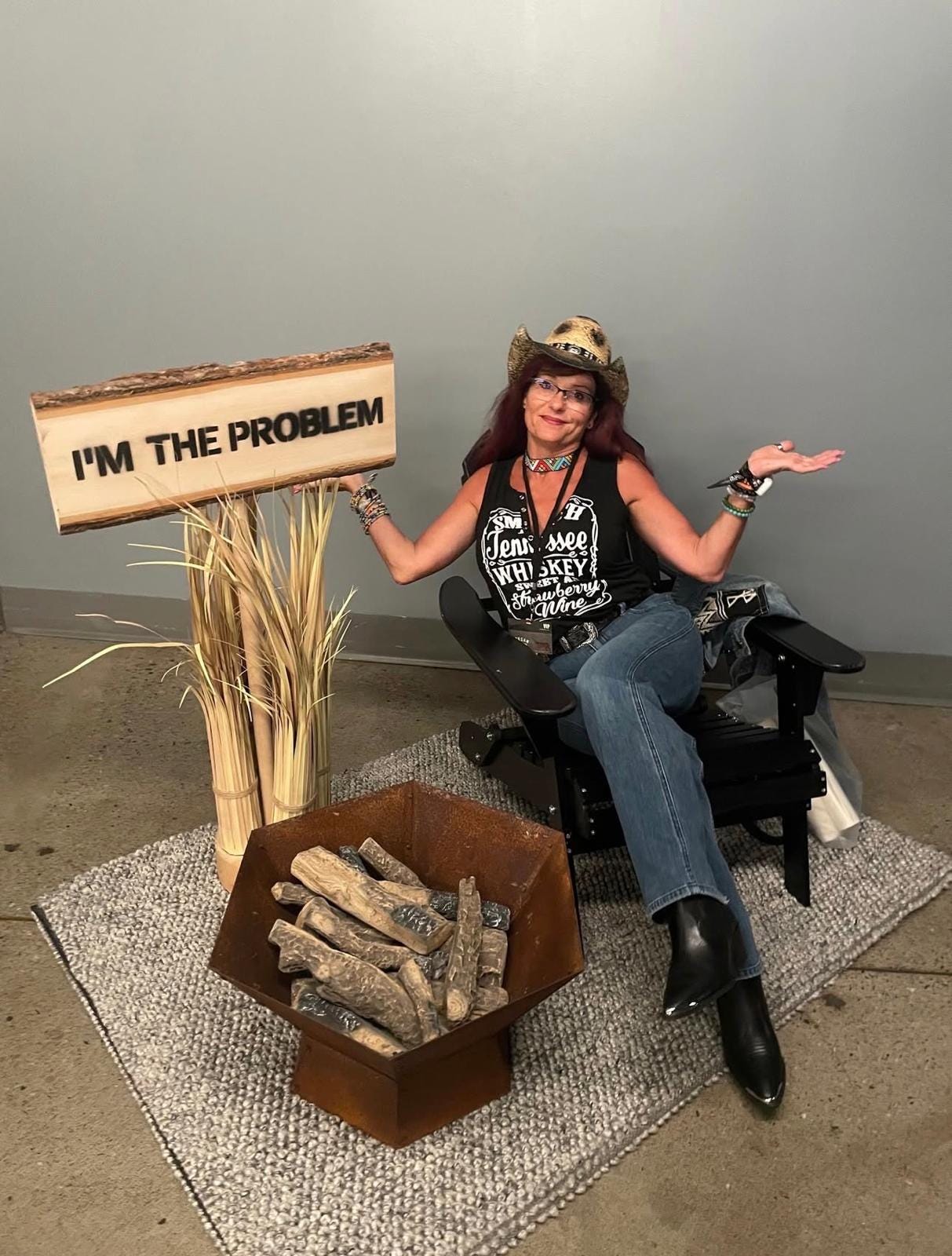
I’ve Always Hated Gratitude! There. I said it.While everyone else was journaling about sunsets and sourdough starters, I felt irritated. Gratitude felt like spiritual Hocus Pocus. It felt dangerous.Because if I admitted I was grateful…If I really let myself feel how good things were…Then I’d have to admit something else.That it could all disappear.In a blink.And if you’ve ever built something after surviving something, you might understand this.When Gratitude Feels UnsafePeople talk about gratitude like it’s a soft, calming practice.But for some of us, it feels like standing on thin ice.The moment I felt “wow, everything is okay,” my brain would immediately interrupt:Don’t get too comfortable.Don’t count on this.Stay small.Don’t assume it will last.That wasn’t humility.That was fear dressed up as wisdom.Thanks for reading Stacey Stevens | How To Recover From Burnout! Subscribe for free to receive new posts and support my work.And underneath that fear was a belief I didn’t want to look at:I don’t really deserve this.Not because I didn’t work for it.Not because I wasn’t capable.But because somewhere in my story, I decided that good things get taken away.So better not love them too much.Better not depend on them.Better not fully receive them.If I brace for loss, maybe it won’t hurt as much when it comes.That was the strategy.The Story Driving the FearEvery belief is powered by a story.And the story driving mine was this:“I’m not good enough. So one day this will all be taken away.”Read that again and notice the energy.If you live from that place, even success feels temporary.Even joy feels fragile.Even gratitude feels like a risk.Because gratitude requires presence.And presence requires safety.When your nervous system is wired for loss, gratitude feels like exposure.The Hidden Pattern: Thought → Emotion → ActionHere’s how it actually plays out neurologically.A stimulus happens.You succeed.You experience joy.You notice something beautiful in your life.That triggers a thought:This won’t last.That thought fires an emotion:Fear.And fear drives the behaviour: Push it away. Minimize it. Stay small. Don’t celebrate too much.The brain is wired for threat detection. According to research from the Greater Good Science Center at UC Berkeley, our negativity bias means we are more likely to scan for potential loss than anchor in stability. That bias once kept us alive. Now it keeps us bracing.So if gratitude makes you anxious, you’re not broken.You’re conditioned.Gratitude Wasn’t the ProblemThis is what changed everything for me.It wasn’t that I hated gratitude.It was that I didn't like that gratitude didn’t fit the story I was telling about myself.If I were someone who believed:* I could lose everything overnight* I didn’t fully deserve what I had* Success was fragile* Love was temporaryThen, gratitude felt irresponsible.Gratitude would mean admitting:“This is good.”“This matters.”“This belongs to me.”And if it belongs to me… then I have something to lose.So instead, I chose fear.Because somehow, believing in fear felt safer than believing in stability.The Judgment Beneath It AllAt its core was self-judgment.“I’m still not good enough.”Even after the work.Even after the accomplishments.Even after overcoming the hard things.That judgment quietly whispered:“Don’t trust this.”And I believed that if I stayed hypervigilant enough, I could prevent loss.But fear does not prevent loss.It only prevents peace.Rewriting the StoryHere’s the shift.Gratitude is not about pretending nothing can go wrong.It’s about deciding that good things are allowed to exist without being immediately threatened.It’s about recognizing that the voice in your head is not the truth. It’s programming.And programming can be rewritten.Ask yourself:* What story is driving my resistance to gratitude?* What belief about myself makes joy feel unsafe?* What judgment am I still carrying?Awareness is the first interruption.When you notice the thought, you create space.And in that space, you can choose a new story.Maybe it’s:“I worked for this.”“I am allowed to enjoy this.”“Even if life changes, I can handle it.”That last one is powerful.Because it shifts you from fear of loss to trust in resilience.Gratitude Without FearGratitude isn’t naive.It’s regulated.It’s the ability to say, “This is good,” without immediately bracing for impact.And that doesn’t happen overnight.You’ll catch yourself pushing away joy.You’ll hear the old voice.You’ll feel the familiar tightening in your chest.That doesn’t mean you’ve failed.It means you’re noticing.And once you notice, you can’t unsee it.If Gratitude Makes You Anxious, Read ThisYou are not ungrateful.You are protective.You built a belief that fear keeps you safe.But maybe what actually keeps you safe is your capacity to adapt.Maybe what protects you is your resilience, not your anxiety.Gratitude does not make loss more likely.It makes presence possible. And presence is where life actually happens.If this resonates, here’s the question to sit with: What story are you telling yourself about yourself that makes joy feel unsafe?Because once you rewrite that story, gratitude stops feeling like Hocus Pocus.It starts feeling like power.You will recover from burnout,StaceyThanks for reading Stacey Stevens | How To Recover From Burnout! Subscribe for free to receive new posts and support my work.Thanks for reading Stacey Stevens | How To Recover From Burnout! This post is public so feel free to share it. This is a public episode. If you would like to discuss this with other subscribers or get access to bonus episodes, visit staceylstevens.substack.com

Today is all about grounded power and shifting the energy.Repeat after me: “I’m not broken. I’m just done playing that game.”This is the moment burnout starts to lose its grip, not because you fixed yourself, but because you stopped forcing yourself to fit rules that were quietly draining you.Today is about rewriting the rules you live by, internally first. Because sustainable success does not start with new habits. It starts with new standards.New internal standards for successMost women were taught to measure success externally.Titles. Numbers. Approval. Productivity. Praise.Those markers are not inherently wrong. But when they become the only metrics that matter, they disconnect you from yourself. You start chasing outcomes that look impressive while quietly costing you your peace.Rewriting the rules means redefining success from the inside out.Success now includes:Being able to hear yourself think.Making decisions without needing permission.Having energy left at the end of the week.Trusting yourself even when others do not immediately agree.This is not lowering the bar. It is moving it to a place that actually supports your nervous system and your leadership.Internal standards are powerful because they travel with you.They are not dependent on the room you are in.They are not revoked when someone is disappointed.When you set internal standards, you stop chasing worth and start anchoring it.Self-advocacy without guiltFor many women, self-advocacy feels confrontational, even when it is calm and reasonable.That reaction is conditioning, not character.You were taught that advocating for yourself risks rejection. That saying no creates problems. That clarity is dangerous. So you learned to soften your needs, justify your boundaries, and carry the discomfort quietly.Rewriting the rules means understanding this truth:Advocating for yourself is not selfish.It is self-respect in action.Self-advocacy does not require aggression. It requires alignment.It sounds like saying what you mean without overexplaining.It looks like pausing before agreeing and checking in with yourself.It feels like discomfort at first, followed by relief.The guilt fades when you realize something important.Every time you silence yourself to keep the peace, you create internal conflict.Every time you speak honestly, even gently, you build self-trust.Self-trust is what replaces burnout.What aligned ambition actually looks likeAligned ambition is not the absence of drive. It is drive without self-erasure.It is ambition that does not require you to override your values.Ambition that does not punish your body.Ambition that does not depend on being palatable.Aligned ambition feels steady instead of frantic.Focused instead of scattered.Grounded instead of reactive.You still care. You still aim high.But you are no longer fueled by fear, approval, or the need to prove yourself.You are fueled by clarity.When ambition is aligned, you do not need to perform resilience. You simply have it.The calm that comes from quitting the wrong gameThere is a specific kind of calm that shows up when women stop playing a game they never consented to.The game of being just enough.The game of earning rest.The game of shrinking strategically.That calm is not complacency.It is sovereignty.It is the nervous system settling because it is no longer bracing.It is the mind quieting because it is no longer negotiating your worth.It is the body exhaling because it is finally being listened to.This is what recovery from burnout actually looks like. Not fixing yourself. Not optimizing harder. But choosing to live by rules that do not require self-abandonment.You are not broken.You are not behind.You are not failing.You are finished playing a game that asked you to disappear in order to succeed.Rewrite the rules.Stand in your own standards.And go into the weekend grounded, clear, and powerful.Not because you earned it.But because you finally chose yourself.You will recover from burnout,StaceyThanks for reading Stacey Stevens | How To Recover From Burnout! Subscribe for free to receive new posts and support my work.Thanks for reading Stacey Stevens | How To Recover From Burnout! This post is public so feel free to share it. This is a public episode. If you would like to discuss this with other subscribers or get access to bonus episodes, visit staceylstevens.substack.com

You saw the rules. You named the conditioning. You recognized yourself in the patterns. And now there is a quiet, unsettling realization underneath it all.“I can’t unsee this now.”That moment matters, because burnout does not change through insight alone. It changes when awareness turns into choice.Today is about reframing what success has been costing you, and asking a harder question than “How do I keep going?”The real question is: What is the price of staying exactly the same?Thanks for reading Stacey Stevens | How To Recover From Burnout! Subscribe for free to receive new posts and support my work.Why success on paper doesn’t feel successfulThis is one of the most common confessions I hear from high-achieving women.“I did everything right. So why do I feel so disconnected?”On paper, your life makes sense.Your résumé is solid. Your calendar is full. Your responsibilities signal importance.But internally, there is a persistent friction.That friction is not ingratitude.It is misalignment.Success that is built on performance rather than self-trust will always feel fragile. It requires constant maintenance. Constant proof. Constant reassurance that you still belong.When your worth is externally sourced, success never settles. It keeps moving the goalpost.So you work harder. Achieve more. Raise the bar again. And still feel like something is missing.That missing piece is not another credential. It is agency.The hidden cost of people-pleasing, overperforming, and self-silencingMost women do not consciously decide to abandon themselves. They adapt.People-pleasing starts as a survival skill.Overperforming starts as ambition.Self-silencing starts as professionalism.But over time, these strategies quietly drain your internal resources.People-pleasing teaches your nervous system that harmony matters more than honesty.Overperforming teaches you that rest is unsafe.Self-silencing teaches you that your instincts are negotiable.The cost shows up gradually.You second-guess yourself even when you are competent.You feel resentful, then ashamed for feeling resentful.You feel exhausted, but guilty for wanting relief.None of this is random. It is the result of outsourcing your worth to outcomes, approval, and external validation.Burnout is not caused by doing too much.It is caused by disappearing while doing it.The moment you stop outsourcing your worthThere is a cognitive shift that changes everything.It happens when you realize that no amount of external success can compensate for internal self-betrayal.Outsourcing your worth means you let performance decide how you feel about yourself.You are only as good as your last win.Only as safe as your last approval.Only as confident as the room allows you to be.When you stop outsourcing your worth, something uncomfortable but powerful happens.You begin to feel your own signals again.You notice when something is a no.You feel when a boundary is being crossed.You recognize when you are shrinking to be acceptable.This can feel destabilizing at first. Many women confuse this with losing motivation. What is actually happening is recalibration.You are shifting from externally regulated to internally anchored.That is not a productivity problem.That is a leadership upgrade.Reframing burnout as feedback, not failureBurnout is often framed as something to fix quickly. Get back to baseline. Restore function. Resume output.But burnout is not a glitch in the system. It is the system speaking.It is feedback that the cost of staying the same has exceeded your internal capacity to absorb it.When you reframe burnout this way, the question changes.Not “How do I push through this?”But “What am I no longer willing to pay for success?”That question is disruptive.And necessary.Because once you see the cost clearly, staying the same is no longer neutral. It becomes an active choice.The choice pointMost women reach a quiet fork in the road.One path is familiar.You normalize the discomfort. You tell yourself this is just how it is. You keep performing, just more carefully.The other path requires courage.You begin to make decisions based on self-respect instead of self-protection. You allow your internal signals to matter. You stop negotiating with your own exhaustion.This does not mean burning your career down.It means changing the rules you live by.You can still be ambitious without abandoning yourself.You can still succeed without self-erasure.You can still lead without performing a version of yourself that feels smaller than who you are.Once you see the cost, you cannot unsee it.That awareness creates choice.And choice is where recovery actually begins.Interrupt the pattern. Reframe the story.And decide, consciously, what you are no longer willing to sacrifice to stay successful.The deeper conversation is coming and we will talk about who you become when you make that choice.You will recover from burnout,StaceyP.S. I am so grateful for the feature in Life & Style Magazine. Check it out.Thanks for reading Stacey Stevens | How To Recover From Burnout! Subscribe for free to receive new posts and support my work.Thanks for reading Stacey Stevens | How To Recover From Burnout! This post is public so feel free to share it. This is a public episode. If you would like to discuss this with other subscribers or get access to bonus episodes, visit staceylstevens.substack.com

If you are burned out and confused about how you got here, let me offer you a reframe that tends to land like a light switching on.You are not broken.You are not weak.And you are not failing at success.You are responding exactly as you were conditioned to respond.For most high-performing women, burnout does not arrive because we lack resilience. It arrives because we have been performing resilience for decades without realizing it. We learned early how to adapt, endure, and override ourselves in order to stay safe, accepted, and successful. That strategy worked. Until it didn’t.This is where recovery actually begins. Not with more self-care, boundaries, or productivity hacks, but with awareness. With naming the invisible rules you have been living by.Thanks for reading Stacey Stevens | How To Recover From Burnout! Subscribe for free to receive new posts and support my work.What burnout actually is (and what it isn’t)Burnout is not laziness.It is not a motivation problem.And it is not proof that you chose the wrong career.Burnout is the physiological and psychological cost of long-term self-abandonment.It happens when your nervous system has been running in performance mode for too long. When your worth has been tied to output. When rest feels unsafe. When saying no feels like a risk. When being yourself feels conditional.Most women I work with are not exhausted because they are doing too much. They are exhausted because they are constantly monitoring themselves.Am I being too much?Am I not enough?Am I coming across the right way?Is this safe to say?Will this cost me respect, opportunity, approval?That constant internal calculation is depleting. And it is not random. It is learned.The unspoken rules of corporate successThere is a curriculum no one hands you, but everyone expects you to follow.Work harder than necessary to prove your value.Be confident, but not intimidating.Be likable, but not emotional.Be ambitious, but grateful.Be capable, but never inconvenient.These rules are rarely stated out loud. They are enforced socially. Through feedback, silence, tone shifts, stalled promotions, and subtle penalties that teach you when to shrink or soften.Over time, many women internalize these rules and stop noticing them. They just feel the pressure. The tension. The fatigue. The sense that success keeps moving further away, no matter how much they achieve.This is not because you are doing it wrong. It is because the rules were never designed to be sustainable.Performance conditioning and the Goldilocks trapFrom a young age, many women are conditioned to seek love, validation, and acceptance. We learn to read the room, anticipate needs, and adjust ourselves accordingly. These skills are praised. They also come at a cost.In professional environments, this conditioning often collides with the Goldilocks dilemma. Be warm, and you are not taken seriously. Be direct, and you are labeled difficult. Be authentic, and you risk credibility. Be guarded, and you feel disconnected.So you learn to walk a narrow line. Always calibrating. Always managing perception. Always performing.That performance is what eventually leads to burnout. Not the workload itself, but the constant suppression of your internal signals in order to remain acceptable.This is why burnout often shows up alongside a deep sense of disconnection. You look successful on paper, but feel strangely absent from your own life.Self-abandonment as a success strategyHere is the part no one tells you.Many high-achieving women did not burn out because they lacked discipline. They burned out because discipline became self-erasure.You learned to override your needs.You learned to say yes when your body said no.You learned to push through discomfort rather than listen to it.That ability probably helped you build a career. It also quietly trained your nervous system to associate worth with endurance.At some point, the system stops working. Your body starts sending stronger signals. Fatigue, irritability, brain fog, resentment, anxiety, numbness. These are not failures. They are feedback.Burnout is not your body betraying you. It is your body refusing to be ignored any longer.Awareness is the first act of recoveryThere is a quote by Viktor Frankl that I return to often: “When we are no longer able to change a situation, we are challenged to change ourselves.”This does not mean accepting harmful systems. It means recognizing where your agency actually lives.You cannot recover from burnout without first seeing the story you have been living inside of.The story that says your value is conditional.The story that says rest must be earned.The story that says success requires self-sacrifice.The story that says being yourself is a liability.Once you name these narratives, they lose their invisibility. And that is where change begins.This is the foundation of my FIRE Framework, and it always starts with awareness. Not fixing. Not optimizing. Just noticing.What rules are you still following that no longer serve you?Whose expectations are shaping your decisions?What parts of yourself have you been editing out to stay safe?You do not need to burn your life down to answer these questions. You just need to be honest.The quiet shiftRecovery from burnout is not about becoming someone new. It is about returning to yourself before performance became your identity.This week, simply notice.Notice when you minimize yourself.Notice when you override your needs.Notice when you confuse endurance with excellence.That “oh… wow” moment is not weakness. It is deconditioning.And once you see it, you cannot unsee it.This is today’s work.Awareness. Naming the story you were taught.And realizing, maybe for the first time, that burnout was never the point.Next, we rewrite.You will recover from burnout,StaceyThanks for reading Stacey Stevens | How To Recover From Burnout! Subscribe for free to receive new posts and support my work.Thanks for reading Stacey Stevens | How To Recover From Burnout! This post is public so feel free to share it. This is a public episode. If you would like to discuss this with other subscribers or get access to bonus episodes, visit staceylstevens.substack.com

Welcome to How We Recover From Burnout.I’m Stacey Stevens. I’m a lawyer turned speaker. And for years, I did what high-achieving women are exceptionally good at doing.I succeeded on paper while quietly burning out behind the scenes.And eventually, I realized something that changed everything:Burnout isn’t a personal failure. It’s a learned pattern.This podcast and this Substack exist to unpack the conditioning that keeps high-performing women exhausted, overextended, and disconnected from themselves. And more importantly, to help you rewrite that story.Because this is where we move from burnout to FIRE:Fulfilled. Inspired. Resilient. Empowered.Let’s start at the beginning.Before I Tell You What I Do, Let Me Tell You Who I’ve BeenI was a 15-year-old runaway.No plan.No safety net.No one telling me I would be successful.Today, I am a partner at my law firm. I’ve been recognized as one of the best personal injury lawyers in Canada.From the outside, that looks like grit and hard work.Hard work mattered. But it wasn’t the deciding factor.What shaped my life far more than effort was the story I told myself about myself.Every obstacle meant something about me.Every rejection.Every closed door.I gave each one a meaning.Sometimes that meaning pushed me forward.But often, it boxed me in.The Story That Built My Success and My BurnoutMy internal script sounded like this:You have to keep proving yourself.You can’t afford to fail.Your worth depends on your performance.Rest must be earned, not deserved.If you stop performing, everything will collapse.And you won’t be okay.Because you are not enough.I didn’t question that story.I built my life around it.And from the outside, it looked like success.Inside, it was exhausting.Because here’s what no one talks about:The story that helped you survive can become the story that keeps you stuck.Why High-Achieving Women Burn OutWhen I became a lawyer, I carried that old script with me.I kept achieving.I kept pushing.I kept showing up.But I never truly believed I belonged.So I kept performing.I gave myself no room to rest because I believed everything would fall apart if I did.That is not thriving.That is barely surviving.And I was burned out.Successful, but hollow.Capable, but constantly on edge.When I tried to talk about it, I heard the same advice many women hear:You need better habits.Just be grateful.Improve your mindset.Try a new productivity system.Do more self-care.None of it worked.Because the problem wasn’t my effort.The problem was the story I was still living from.What Burnout Really IsBurnout is not weakness.It’s information.It’s your nervous system waving a white flag.It’s your inner self saying:This identity is costing you too much.When your worth is tied to performance,When resilience becomes over-functioning,When success requires self-abandonment,Eventually, your body refuses to cooperate.Burnout is not a flaw in your character.It’s a signal that the version of you built for survival is still running the show.Identity Injuries: The Invisible Drivers of BurnoutAs a lawyer, I have spent decades advocating for people whose lives changed in an instant. They were forced to rewrite their stories because of physical injuries.But I’ve also had to confront something more subtle and just as powerful.Identity injuries.They are invisible. But they are devastating.They happen when:* You learn your worth is conditional.* You internalize that love must be earned.* You believe rest equals risk.* You tie belonging to performance.High-achieving women are often not burned out because they lack discipline.They are burned out because they have too much discipline in service of an outdated identity.How to Recover From Burnout: Start With the StoryRecovery does not start with a new planner.It does not start with a better morning routine.It starts with this question:What story am I still living from?Are you living from:* The overachiever who must prove her worth?* The good girl who avoids disappointing anyone?* The survivor who believes safety comes from control?If that chapter is over, why is that identity still in charge?You don’t need to burn your life down.You don’t need to blame the system.You don’t need to pretend that mindset hacks will fix everything.You need permission and tools to stop living from a version of you that was built to survive something that no longer exists.Rewriting the Story: The Shift That Changes EverythingMy mission is simple, but not easy.To help high-achieving women understand how their identity was shaped by survival, conditioning, and societal expectations.And to guide them in rewriting their story from a place of:* Self-respect* Clarity* PowerNot over-functioning.Not proving.Not performing.But choosing.Because when your story changes, everything else begins to fall into place.You start to feel fulfilled because your work aligns with your values.You feel inspired because you are no longer operating from fear.You become resilient in a way that does not require self-destruction.And you feel empowered because your worth is no longer outsourced to external validation.That is FIRE.If You’re Here, Something Is Already ShiftingIf you’re reading this, you don’t need more motivation.You don’t need to try harder.You don’t need another productivity hack.You need to recognize that burnout is not proof you are failing.It’s proof that the identity you built to survive is ready to evolve.The chapter that required hyper-vigilance, over-performance, and self-sacrifice may already be over.You just haven’t updated the story yet.This is the beginning of that work.And I’m really glad you’re here.You will recover from burnout,Stacey StevensThanks for reading! Subscribe for free to receive new posts and support my work.Thanks for reading! This post is public, so feel free to share it. This is a public episode. If you would like to discuss this with other subscribers or get access to bonus episodes, visit staceylstevens.substack.com
Comments


Download from Google Play

Download from App Store
 United States