


 Claim Ownership
REACHRIGHT Podcast
Subscribed: 3Played: 38
Subscribe

© 2023 REACHRIGHT
Description
The REACHRIGHT Podcast is dedicated to helping your church reach people the right way. We want to help you see more visitors and grow.
299 Episodes
Reverse

Every year a fresh wave of technology trends hits the church world and pastors are left asking the same question: is this actually worth our time and money? In this episode we are cutting through the noise and giving church leaders a clear, honest breakdown of what is actually moving the ministry needle right now and what is just hype dressed up in a good sales pitch. Technology is not the enemy of the local church, but the wrong technology at the wrong time absolutely can slow you down, drain your budget, and wear out your team. This conversation is for every pastor and church leader who wants to be a good steward of their resources while staying sharp enough to use the tools that genuinely help their church reach more people. Walk away from this episode with a clearer filter for every tech decision your church will face going forward.

If your church outreach feels like a lot of effort producing very little fruit, you are not alone and you are not without hope. In this episode, we are unpacking the real difference between churches that are growing and churches that are stuck when it comes to outreach. The gap is not about budget, building size, or staff. It is about strategy, and the churches winning at outreach right now have figured out something that most leaders have not caught onto yet. This conversation will challenge the way you think about outreach and give you a practical starting point for building something that actually works in today's world.

Most pastors assume burnout is a staffing problem or a workload problem. But in this episode, we are pulling back the curtain on what is actually driving burnout inside church teams today. It is deeper than a calendar issue, and it is more serious than most leaders want to admit. If you care about the health of your team and the longevity of your ministry, this conversation is one you cannot afford to skip.
✅ - Get your FREE Church Marketing Review Here: https://reachrightstudios.com/analyze...) Many churches pour time, money, and energy into marketing tactics that look impressive but deliver very little real impact. Flashy graphics, trendy platforms, and expensive campaigns can feel productive, yet they often fail to reach the people who are actually searching for faith and community. In 2026, church marketing success is not about copying what other ministries are doing. It is about focusing on strategies that genuinely help people discover your church, connect with your message, and take their next step in faith.The reality is that some of the most popular church marketing strategies are wildly overrated. Meanwhile, a few simple and often overlooked approaches are consistently helping churches grow, connect, and build stronger communities. Digital outreach, clear messaging, and intentional follow-up are proving far more effective than hype-driven tactics. Church leaders who rethink their approach to marketing often see stronger engagement, better visibility online, and more meaningful connections with new visitors. Real church growth begins when leaders stop chasing trends and start focusing on what actually works.0:00 - Intro2:02 - Big Outreach Events6:55 - Boosted Social Media Posts9:13 - Short-Form Videos11:34 - Email Follow-Up Funnels14:33 - AI Search Engine Optimization17:40 - Google Business Profile20:14 - High-Quality Promo Videos22:39 - Google Grant Advertising26:03 - Church Podcasting29:36 - Church Merch- - - - - - - - - - - - - - - - - - - - - - -- -Learn More About REACHRIGHT:https://reachrightstudios.com/Subscribe to the PodcastApple Podcasts:https://podcasts.apple.com/us/podcast...Spotify:https://open.spotify.com/show/0KH4B4d...YouTube • REACHRIGHT Podcast Claim the $10,000 per month Google Grant for Churcheshttps://reachrightstudios.com/google-...Build a Beautiful Church Websitehttps://reachrightstudios.com/church-...Get Help Turning Your Sermon Videos into TikToks, Shorts, and Reelshttps://reachrightstudios.com/sermon-...Make Sure Your Church is Found On Local Searcheshttps://reachrightstudios.com/local-seoFollow Us On SocialFacebook:

Is your church's social media strategy stuck in a rut? You're not alone. In this episode, Thomas and Ian break down 7 reasons why so many churches hit a wall with social media — and what to do about it.
https://youtu.be/82CLWbxyi_k?si=ZgSPZTmsVRZq5Zbf
We're talking about who you're actually creating content for (hint: it's probably not who you think), why you should stop trying to be everywhere at once, and whether short-form video is still worth the effort in 2025. Plus, we share a behind-the-scenes look at a recent content decision we made here at ReachRight that might surprise you.
Here's what we cover:
00:00 – Why your church social media feels stuck 01:29 – You're not creating content for the right people 06:00 – You're using the wrong platforms the wrong way 09:16 – You don't have a consistent visual identity 11:17 – You're not leveraging short-form video 14:38 – You're posting but not engaging 17:31 – You don't have a plan 20:05 – You're expecting instant results
Whether you're a solo pastor running your church's Instagram or you have a small team trying to figure out what's working, this episode will give you a practical reset for your social media approach.
Want help with sermon repurposing and short-form video? Learn more about our Sermon Sling service: https://reachrightstudios.com/sermon-sling
Have a question or something that's working for YOUR church on social media? Drop it in the comments — Thomas personally responds.
— ReachRight helps churches reach more people through digital marketing, Google Ad Grants, SEO, web design, and sermon repurposing. We've served 800+ churches and counting.
Website: https://reachrightstudios.com Phone: 608.561.2777 Email: support@reachrightstudios.com
#ChurchSocialMedia #ChurchMarketing #ChurchGrowth #SocialMediaStrategy #PastorLife #ChurchLeadership #ReachRight

Most churches work hard to create a welcoming Sunday experience.
The lights are on, the coffee is hot, the volunteers are smiling. And when new guests walk through the door, everyone hopes they feel like they’ve found a home.
But far too often, those same visitors never show up again. They attend once, maybe twice, then vanish. No explanation. No warning. Just gone.
So what’s happening? Why do first-time guests leave without coming back?
Let’s start with the biggest reason.
Estimated reading time: 8 minutes
Table of contentsThe #1 Reason: No Real Follow-UpOther Reasons People Don’t Come Back2. They Didn’t Feel Personally Welcome3. They Were Confused About What to Do Next4. No Clear Path Into Community5. Kids Ministry UncertaintyThe Pattern Churches MissWhat the Fastest-Growing Churches UnderstandYou Only Get One First ImpressionMore Resources on Church Guests
The #1 Reason: No Real Follow-Up
Churches lose more visitors to silence than to anything else.
If someone visits your church, fills out a connection card, and never hears from you again, that sends a message. It says, “We noticed you came, but not enough to care.”
And this happens way too often.
Many churches have a visitor follow-up sequence that looks great on paper. But when it comes to actually sending that text, writing that email, or dropping that note in the mail, it doesn’t happen. Or worse, it only happens once and never again.
This is one of the fastest ways to lose a potential church member.
People need to feel like more than a number. They need to know that someone saw them, remembered them, and wants to help them find their place in the church community.
A few key mistakes to watch out for:
You’re not collecting contact details clearly (use a digital connect card and simplify the process)
Your emails land in the new visitor’s email inbox with a generic subject line or templated message
You don’t have a clear person on staff who owns visitor follow-up
You wait too long to initiate follow up
This is not about being polished or perfect. It is about being intentional. First time guests need to feel personally valued, not like they were just another head in the room.
Every healthy church needs a follow-up system that is timely, thoughtful, and relational.
Other Reasons People Don’t Come Back
Once you fix your follow-up process, that alone can move the needle. But let’s not stop there.
Even churches with strong communication systems lose people for other preventable reasons.
Here are some of the most common.
2. They Didn’t Feel Personally Welcome
A friendly church is not the same thing as a personal one.
Guests expect a handshake and a smile. But what they remember is who actually talked to them. Who asked their name. Who introduced them to someone else.
Church welcome cards, coffee stations, and signs help create a friendly environment. But it’s your people that turn a friendly church into a family.
If guests feel ignored or invisible, they won’t return. And even worse, they’ll assume that’s how your church treats everyone.
This is where church members matter most. They must be trained and encouraged to view hospitality as ministry, not just something for the welcome team.
Personal greetings. Eye contact. An invitation to lunch or a small group. These moments are where the church brand is built.
3. They Were Confused About What to Do Next
Many churches unintentionally leave new guests wondering what their next step should be.
You may have dozens of great opportunities: small groups, ministries, volunteer roles, classes. But if a new visitor doesn’t know where to start, they won’t start at all.
Clarity is kindness.
That’s why your church website needs more than just a list of programs. It needs to guide guests from visit to involvement with next steps that are clear and actionable.
Use your Sunday services to point guests toward these steps. Mention these next steps from the stage. Feature them on your homepage. Send a personal invitation in your follow-up email.
Think of your visitor experience like a trail. If the path disappears after the first mile, most people turn around and go home.
4. No Clear Path Into Community
If someone visits your church and enjoys the worship but never finds real connection, they will eventually drift.
Belonging happens in smaller circles. If all someone ever experiences is sitting in a row on Sunday, they are missing what makes church life truly transformative.
That is why promoting small group involvement is not just a side ministry. It is central to the health of your church.
Don’t assume guests will naturally find their way into community. Build clear, obvious pathways. Talk about groups from the stage. Have real people ready to meet new guests and help them find a fit.
A connected visitor becomes a growing church member. And a connected member becomes a multiplying disciple.
5. Kids Ministry Uncertainty
For families with kids, the children’s ministry is often a make-or-break moment.
No matter how powerful the worship is or how engaging the message might be, if a parent feels uneasy about where their kids are, they won’t come back.
They want to know:
Are their children safe?

Every year, churches ask the same question in a hundred different ways: “How do we grow?” And in 2026, the answer might look different from what it did just a few years ago.
The pandemic forced churches to adapt. New technologies have emerged. Generational shifts have changed the way people think about community and faith. But some principles have not changed at all. The local church still exists to bring glory to God, to equip believers for ministry, and to make disciples in the name of Jesus Christ.
Yet even with all of that in mind, many churches are still looking in the wrong places for growth. They chase trends, copy other churches, or simply wait for new visitors to show up on their own. But real, sustainable church growth in 2026 is happening in places most church leaders are still overlooking.
Let’s talk about where to look next.
Estimated reading time: 8 minutes
Table of contentsYou’re Looking in the Wrong Direction6 Church Growth Opportunities You’re Probably Overlooking1. The Follow-Up Funnel2. Family Ministry with a Purpose3. Midweek Micro-Communities4. Optimizing for AI Search5. Measuring What Actually Matters6. Updated Church WebsiteWhat the Fastest-Growing Churches UnderstandWhere Growth BeginsMore Resources on Church Growth
You’re Looking in the Wrong Direction
If the only thing your team is doing to drive growth is planning better Sunday services, you’re likely missing the bigger picture.
Yes, your weekend gathering matters. It’s a chance to preach Christ, invite people to salvation, and encourage the saints. But most people are not evaluating your church just by what happens on Sunday. They are also watching what your church values throughout the week. They are looking for connection, for purpose, and for something real. And they are making decisions quickly.
A growing church in 2026 must focus not just on attracting people, but on forming them. You cannot just get people in the door. You need to help them become fully alive in Jesus.
Here are six church growth opportunities that healthy churches are using right now. These may not show up in a flashy ad or get you viral clicks, but they will help your church grow the right way.
6 Church Growth Opportunities You’re Probably Overlooking
This list is not about gimmicks or trends. It is about areas of church life that are often underdeveloped or misunderstood, but have massive potential when nurtured intentionally.
1. The Follow-Up Funnel
Your sermon might have been amazing. The worship team might have nailed it. But if a first-time guest never hears from you again, the experience is already fading.
Church growth strategy begins the moment someone fills out a connection card. The follow-up funnel should include a timely email, a text from a real church member, a warm invite to a newcomers’ gathering, and a path toward meaningful next steps.
Too many churches lose people not because the service was bad, but because the system was nonexistent. In healthy churches, every visitor is treated like a welcome part of God’s people. You don’t need to impress them. You need to pursue them.
What this builds: A culture of care that reflects Christ and makes guests feel seen.
2. Family Ministry with a Purpose
If you want your church to grow in 2026, look no further than your children’s and youth ministries. But don’t just think in terms of programs. Think strategy.
Church leaders should invest in equipping parents, encouraging family discipleship, and creating intergenerational connections. Many churches silo kids and teens into a corner. But growing churches are bringing them front and center.
You should let them serve. Let them lead. Let them experience the work of the Holy Spirit. Kids are not the future church. They are the church now.
What this builds: A multigenerational, purpose-driven church body that nurtures spiritual growth early.
3. Midweek Micro-Communities
Most people don’t need more content. They need more connection. That’s why midweek micro-communities are so effective.
These are not always traditional small groups. Sometimes they are two friends meeting after work for prayer. Sometimes they’re neighbors who read the Bible together. And sometimes it’s a few moms texting encouragement and scriptures during the week.
They are not flashy, but they are powerful. As Andy Stanley once said, “Life change happens in circles, not in rows.” And it is in those circles where people begin to use their spiritual gifts and grow in community.
What this builds: Real-life discipleship, personal accountability, and deeper bonds within the local church.
4. Optimizing for AI Search
Church growth in 2026 will be shaped by how easily people can find you online. And it is not just about being on Google anymore. Artificial intelligence is changing search forever.
People are now asking spiritual questions to ChatGPT, using smart assistants, and reading AI summaries instead of browsing dozens of websites. Your church website needs to be optimized for how people search today.
Use plain language. Answer common questions. Share service times, ministry opportunities, and stories of life change. Include phrases that help seekers find biblical teaching, local churches, and spiritual resources. Write as if someone is asking, “Where can I find a Christian church that will actually care about me?”
What this builds: A digital front door that works 24/7 to invite people into your church’s life.
5. Measuring What Actually M...

The way people find a new church is changing fast. It used to be all about word of mouth, road signs, or searching “church near me” on Google.
But in 2026, the landscape looks different. Artificial intelligence is playing a major role in how people search for spiritual communities.
Whether someone is relocating to a new city or simply feeling the tug to reconnect with their faith, they are likely starting their search online. And more often than not, that search is being filtered through some form of AI.
The question church leaders need to be asking is not just “Are we on Google?” but “Are we findable through AI?” The churches that answer that well are the ones that will grow.
Estimated reading time: 7 minutes
Table of contentsSearch Is More Than Google5 Ways AI Is Shaping Church Discovery1. AI Answers Questions, Not Just Searches2. Your Website Needs to Be AI-Friendly3. Local Search Is Influenced by Digital Signals4. Sermons and Videos Are Now Searchable5. The Churches That Will Be Found Are the Ones That ServeWhat Church Leaders Should Do NextA New Era of SearchMore Resources on Church AI
Search Is More Than Google
Google is still a major player, but the way people interact with it has evolved. Instead of typing in short phrases, users now ask full questions and expect a conversational answer. This is the influence of AI systems like Google’s Search Generative Experience and tools like ChatGPT.
Someone searching for a church might not just type “church in Dallas” anymore. They might ask, “What’s a welcoming church in Dallas with strong kids’ programs and contemporary worship?” AI can now deliver personalized, context-aware answers.
That means your church needs to be discoverable not just through traditional keywords but through AI-generated responses that highlight what people really want to know.
5 Ways AI Is Shaping Church Discovery
AI is not just changing the tools people use. It is changing what they expect from those tools. Below are five major shifts every church should understand.
1. AI Answers Questions, Not Just Searches
People used to search for churches by typing in a few keywords. Now, they are asking questions. And AI is learning how to answer them as a human would.
If someone types, “Where can I find a church that values community involvement and has great sermons for young families?” the results will not just show a list of churches. AI will attempt to answer the question directly, often by pulling from content it finds across the web.
If your church website does not answer questions like this clearly, you are missing out.
What to do: Review your website and online profiles. Do they answer common questions in plain language? Do you clearly communicate your values, service times, children’s ministry info, and community outreach programs? Write with questions in mind, not just keywords.
2. Your Website Needs to Be AI-Friendly
AI systems do not just scrape your homepage. They pull content from your entire online presence to craft their answers. That includes your sermon libraries, blog posts, staff bios, about pages, and even your event descriptions.
If your website is hard to navigate, outdated, or thin on content, AI will have a harder time understanding who you are and what you offer.
This is where AI-friendly church website design becomes critical. A good website builder can help you optimize for structured data, internal links, and accessibility. These things are not just about looks. They help AI index your site and extract useful answers.
What to do: Audit your church website for structure and clarity. Use clear headlines, well-labeled sections, and updated information. Include keywords, but do not overdo it. Focus on real, helpful content that reflects your church’s mission and ministry.
3. Local Search Is Influenced by Digital Signals
AI is heavily influencing local search. This means things like reviews, listings, and engagement are playing a bigger role in determining which churches get recommended.
Google Business Profiles, local directories, and community review sites now factor into how AI tools rank and recommend results. Churches with strong digital signals across multiple platforms are more likely to appear in relevant searches.
What to do: Make sure your Google Business Profile is complete and regularly updated. Encourage members to leave honest reviews. Submit your church to local directories and update your listings frequently. List your events and ministries in places that local residents are likely to search.
4. Sermons and Videos Are Now Searchable
AI can now search inside audio and video content. If your sermons are online, AI tools may be analyzing them to find relevant answers for user questions.
This is a big...

In this ReachRight Mailbag, we’re unpacking some of the most relevant (and sometimes overlooked) questions churches are asking right now.
From how to get started on YouTube, to whether AI poses a spiritual risk, to what prayer software churches are using in 2026, we’re diving into it all.
Plus, we tackle a simple but surprisingly common question: If you cut down your church announcements on Sunday mornings, how do you get the word out about the rest?
Let’s get into it.
Estimated reading time: 6 minutes
Table of contentsHow Should Churches Get Started on YouTube?Could AI Harm Spiritual Connection?What’s the Best Tool for Handling Prayer Requests?How Do You Share Announcements Without Overwhelming People?Is the Google Ad Grant Still Worth It?Tools Don’t Replace CallingMore Resources
How Should Churches Get Started on YouTube?
One listener asked:“What are some best practices for churches starting out, wanting to succeed on YouTube?”
There’s never been a better time to start. YouTube is where people go when they’re asking real questions. But if your church only posts full Sunday services with a title like “December 17, 2025,” you’re not going to reach them.
Here’s how to start strong:
1. Lead with short-form content.
Full services are great for your members, but short sermon clips, Q&A videos, or testimony highlights are what attract new people. Post those in addition to your livestreams.
2. Your first 10 seconds matter.
If the video opens with a countdown or a bumper, most people scroll away. Start with a strong quote or a tension-filled question.
3. Thumbnails and titles are everything.
Use high-contrast graphics, big text, and human faces with emotion. Don’t label your sermon “Week 3 – Rooted.” Call it something that gets a click, like “What To Do When God Feels Distant.”
4. Think like a missionary.
This is the real one. Your YouTube isn’t just for your congregation. It’s for the parent searching “how to pray for my kid,” or the teen asking “does God hate me?”
If your church wants to grow online, YouTube is a mission field. Treat it that way.
Could AI Harm Spiritual Connection?
A listener asked:“Could AI pose a threat to people connecting with God and each other?”
That’s a real concern. And it depends on how we use it.
AI can help churches with sermon prep, admin tasks, outreach, and organization. But the danger comes when churches start letting AI replace things only people can do.
Prayer. Presence. Discipleship. Discernment.
AI can help you write an outline. It can’t pray with someone in a hospital room. It can help organize a sermon, but it can’t weep with a member after a funeral.
The line is simple: Use AI for tasks. Rely on the Holy Spirit for truth and transformation.
So no, AI is not automatically harmful. But it can cause damage if churches stop asking the hard questions and start chasing convenience over calling.
What’s the Best Tool for Handling Prayer Requests?
A listener asked:“What’s the best prayer request software out there right now?”
Here are three solid picks:
1. ChurchteamsIdeal for groups and teams. Members can post requests and leaders can track updates and answered prayers.
2. Tithe.ly Prayer WallLets members submit public or private requests. Great for building a visible culture of prayer on your website or app.
3. SubsplashIf your church already uses Subsplash for giving or livestreaming, you may already have access to their built-in prayer request tool.
Whatever you choose, make it simple. The best prayer systems let people submit requests anytime, and help your team follow up like a real person actually read it.
Bonus tip: Add a prayer link to your connect card or website homepage. People are more likely to ask for prayer than register for an event.
How Do You Share Announcements Without Overwhelming People?
A listener wrote in:“If announcements should be short, how do we tell people about the rest of what’s going on?”
This is one of the most common church communication questions.
You don’t want to overwhelm your service with announcements. But you also don’t want people to miss everything that didn’t get said on stage.
Here’s what works:
1. Centralize everything.Create one digital space where all events, groups, and opportunities live. Your website. Your app. Even your lobby kiosk. Pick one hub and use it well.
2. Use layers.Not everything needs to be said from the stage. Use screens, email, texts, social media, and ministry-specific reminders. Let the Sunday announcement hit the highlights, then point people where to find the rest.
3. Announce next steps, not news.The platform is for action, not information. Announce what people need to do. Sign up. Show up. Join in. Leave the calendar and details for your hub.
People are not ignoring church events. They just need clearer paths to engagement. Don’t give them noise. Give them next steps.
Is the Google Ad Grant Still Worth It?
One listener asked:

Church websites are not just digital bulletin boards anymore. They are front doors to your church, spiritual hubs, and key tools for outreach and discipleship. Yet even in 2026, too many church websites still feel stuck in the past.
An outdated site can make your church look disconnected or disorganized. It can confuse first-time visitors, frustrate members looking for basic info, and fail to reflect your church’s heart and mission. A fresh coat of digital paint is not enough.
Let’s talk about what really makes a modern church website work.
Estimated reading time: 7 minutes
Table of contentsIt’s Not Just About a New Theme Anymore6 Reasons Your Website Still Feels Outdated1. Your Homepage Tries to Say Too Much2. Your Site Is Not Optimized for Mobile3. You’re Not Answering the Right Questions4. You Still Use Stock Photos or Staged Poses5. There’s No Clear Path for a First-Time Guest6. Your Content Rarely Gets UpdatedWhat a Modern Church Website Should Actually DoWhat’s Next?More Resources on Church Websites
It’s Not Just About a New Theme Anymore
Swapping out your church website theme or logo is easy. But surface-level changes do not fix a deeper disconnect. Your website is often the first place people go before they ever set foot on your campus. It has to do more than look good. It has to communicate clearly and serve people well.
The best church websites today are purpose-built. They help people find service times, submit prayer requests, stream past sermons, and take next steps. They answer questions before anyone has to ask them. And they tell a consistent story that reflects your values, your vision, and your community involvement.
If your church website still feels outdated, it is time to dig a little deeper.
6 Reasons Your Website Still Feels Outdated
Even churches that put effort into their website often miss the deeper issues. These are some of the most common reasons your site still feels stuck.
1. Your Homepage Tries to Say Too Much
Too many church websites overload their homepage with every ministry, every announcement, and every event. Instead of welcoming guests, it overwhelms them.
Your homepage is not the place to tell your entire story. It is the front door, not the full tour.
What to do instead: Feature only the most essential information for first-time visitors. Start with a strong welcoming message, your service times, church locations, and one clear next step. Keep your visuals clean and focused. Less clutter means more clarity.
2. Your Site Is Not Optimized for Mobile
More than 60 percent of website visits now come from mobile devices. If your site is not mobile responsive, people will click away quickly.
Clunky menus, small fonts, and slow loading times make a bad first impression. A beautiful desktop site that falls apart on a phone will not get the job done.
What to do instead: Use a website builder with mobile optimization built in. Test your pages on phones and tablets. Make sure every key feature works well, from your digital connection card to your sermon libraries.
3. You’re Not Answering the Right Questions
Too many church websites are built around what the church wants to say instead of what visitors need to know. You may list your staff bios and ministry names, but forget the practical questions like where to park or how to check in kids.
When people cannot find what they are looking for, they will assume your church is not ready for them.
What to do instead: Ask a few people outside your church to navigate your site. Take note of where they get stuck. Highlight answers to questions like what to expect on a Sunday, how to join a group, or how to request prayer. Put your search bar in a prominent place.
4. You Still Use Stock Photos or Staged Poses
Nothing says “out of touch” like stiff stock images of people in suits smiling at the camera. These types of visuals do not reflect the real life and energy of your church community.
People want to see authenticity. They want to know who you really are.
What to do instead: Use high-quality images of your actual church members and ministries. Capture moments of real worship, community outreach, baptisms, and kids’ events. Visual storytelling builds trust and invites people into the experience.
5. There’s No Clear Path for a First-Time Guest
A first-time visitor should not have to click ten times just to know what to do next. If your church website does not lead them toward a clear action, it will feel more like a maze than a ministry tool.
A modern website should guide people naturally from interest to involvement.
What to do instead: Build a simple, dedicated page for new visitors. Include a warm welcome, service times, directions, and event details. Add a form where they can plan a visit or ask a question. Make sure your key features and important links are always easy to find.
6. Your Content Rarely Gets Updated
A church website with outdated event calendars, broken links, or last year’s sermon series gives the wrong impression. It makes people wonder if your church is still active.
Keeping your content fresh is not just about appearances. It shows that you care.
What to do instead: Set a reminder to update your site weekly or monthly. Add upcoming events, new sermon content, and prayer request forms. Highlight volunteer opportunities and new ways to connect. A site that reflects your current church life is far more welcoming than one stuck in the past.
What a Modern Church Website Should Actually Do

Every year, we kick off the season with one of our favorite traditions: the stats episode.
We go through dozens of recent church statistics, pick the ones that made our jaws drop, and share our top six on the podcast. These stats help church leaders understand the cultural shifts happening right now and how to respond with purpose and strategy.
Some are encouraging. Some are convicting. All of them will make you think twice about how we do ministry in 2026.
Let’s get into it.
Estimated reading time: 6 minutes
Table of contentsGen Z Churchgoers Are Showing Up More Than Any Other GenerationOnly 20% of Americans Attend Church WeeklyThe Gender Gap in Faith Is Shrinking (But Not the Way You Think)Young Adults Still Want Faith That MattersThe Tithing Gap Between What We Say and What We Actually GiveMillennials Are the Most Faithful Weekly AttendersWhat Surprised You?More Resources on Church Stats
Gen Z Churchgoers Are Showing Up More Than Any Other Generation
Thomas kicked us off with a stat from Barna that caused some serious conversation this year. According to the data, Gen Z churchgoers are attending services more frequently than any other generation.
On average, Gen Z churchgoers attend 1.9 times per month, compared to:
Millennials: 1.8
Gen X: 1.6
Boomers: 1.4
Now, this stat often gets misunderstood. Some people have claimed Gen Z is now the most Christian generation, but that’s not what the numbers say. The study specifically refers to churchgoers, not the entire generation.
What it does show is that those in Gen Z who follow Jesus are deeply committed. And that’s worth celebrating. Churches should be encouraged by this hunger and think seriously about how to disciple Gen Z with purpose and intentionality.
Only 20% of Americans Attend Church Weekly
Ian followed up with a stat that feels all too real: just 20% of Americans attend church every week.
That’s a major drop from what many pastors used to expect from a “committed” church member. In today’s world, twice-a-month attendance is the new normal for many families.
And it’s not just laziness. Youth sports are scheduled on Sundays. Work schedules are all over the place. Even Easter Sunday can get hijacked by a 10 a.m. high school soccer game.
We get it. That doesn’t make it less frustrating, but it does mean pastors and church leaders need to rethink what engagement looks like. Weekly attendance is no longer the only measure of discipleship. People might miss a Sunday but show up in a small group or serve behind the scenes.
Still, the stat is a wake-up call. If your strategy is built on the assumption that people are attending 50 Sundays a year, it might be time for a reset.
The Gender Gap in Faith Is Shrinking (But Not the Way You Think)
Thomas shared another one that sparked conversation. A Pew study revealed that the gender gap in religious engagement is narrowing, but not because men are growing in faith. It’s because women are dropping off.
From 2007 to 2023, the number of women identifying with a religion dropped from 86% to 72%. Men also declined, but only from 79% to 67%.
Daily prayer, belief in God, and other markers of faith have also declined more sharply among women than men.
This is a trend worth watching. Historically, women have often been the spiritual anchors in their homes and churches. If that’s shifting, the impact will ripple across generations.
There’s a bit of good news: as men hold steady or slightly increase, there may be new opportunities to reach them more effectively. We’ve seen over and over that when a man comes to Christ, the rest of the family often follows.
But overall, this stat highlights a net loss. Churches need to understand why women are disengaging and respond with wisdom and care.
Young Adults Still Want Faith That Matters
Ian brought in a stat that focused on non-churched adults aged 18 to 30. According to their research, this group is actively seeking a faith that:
Feels relevant to everyday life
Makes a global impact
This might not sound shocking on the surface, but consider the context. These are young adults who aren’t currently attending church. In a culture often marked by cynicism and skepticism, the desire for authentic and world-changing faith stands out.
This is good news for pastors and ministry leaders. It means people are still searching. They’re not interested in surface-level religion or flashy Sunday productions. They want something real. Something that speaks to their pain, purpose, and place in the world.
The church has something to say here. This is not a time to shrink back. It’s a time to speak clearly, serve boldly, and invite people into a story bigger than themselves.
The Tithing Gap Between What We Say and What We Actually Give
Thomas came back with a stat combo that made us both cringe a little. Barna reports that:
42% of practicing Christians say they tithe 10% of their income
But only 10 to 15% actually do
That’s a big gap between what people...

Most churches know they should be measuring something. But knowing what to measure and why is an entirely different conversation. It is easy to get caught up in vanity metrics or track data that has little to do with your church’s mission.
The truth is, churches that consistently measure the right things are the ones that grow in health, not just size. And in 2026, with better tools and more access to data than ever before, it is time to get serious about what matters.
So let’s break down the most valuable metrics your church should be measuring right now. Not everything that can be counted counts, but what counts can absolutely be counted.
Estimated reading time: 8 minutes
Table of contentsNot All Metrics Are Created EqualThe Metrics That Matter Most1. First-Time Guest Follow-Up Rate2. Group Participation Rate3. Giving Consistency, Not Just Amount4. Prayer and Spiritual Practice Engagement5. Online Engagement That Leads to In-Person Connection6. Retention After Major Events7. Staff Health and Burnout Indicators8. Next Step Conversion Rate9. Volunteer Participation and Follow-ThroughYour Next StepMore Resources on Church Metrics
Not All Metrics Are Created Equal
Here’s the thing: not all data leads to transformation. Some metrics can distract from the real goals of ministry. Tracking how many views your sermon received is nice, but if it does not lead to deeper discipleship or community engagement, it is not moving the mission forward.
Church leaders need to avoid the trap of tracking numbers just for the sake of tracking. A great church management software can give you beautiful dashboards, but it is up to you to connect that data to real-world impact. The question is not just “Can we measure this?” but “Does measuring this help us implement targeted initiatives that actually serve our people?”
So let’s focus on the ones that do.
The Metrics That Matter Most
The best church metrics are not just numbers. They are indicators of health, growth, and spiritual movement. The ones that matter help you understand how committed church members really are, and how well your church is serving them.
Each metric below is tied to something vital: connection, growth, transformation, sustainability, or outreach. Use these to measure progress and adjust course when needed.
1. First-Time Guest Follow-Up Rate
First impressions are not just about what happens on a Sunday. What happens next matters just as much.
Many churches drop the ball when it comes to following up with guests. Whether it is a delay in sending a text message or a generic email that gets ignored, the lack of follow-up communicates a lack of care.
Your church follow-up system should include immediate outreach, a clear next step, and a way to gather contact details through tools like a digital connect card or church welcome cards. When visitors immediately feel seen and valued, they are far more likely to return.
What to track: How many first-time guests received follow-up within 48 hours, and what percentage returned within a month.
2. Group Participation Rate
It is one thing to attract a crowd on Sunday. It is another to build a community that is committed throughout the week.
Group participation is one of the best indicators of discipleship and outreach efforts. It shows that people are not passive spectators but are stepping into real relationships. Promoting small group involvement is not optional if your goal is spiritual growth.
What to track: What percentage of your average overall church attendance is involved in a small group, Bible study, or discipleship cohort.
3. Giving Consistency, Not Just Amount
Total giving tells one story. Consistent giving tells a better one.
When people give regularly, it is often a sign of both spiritual maturity and practical trust. This is not just about money; it is about mission. Healthy giving patterns allow your church to plan ministry confidently and invest in long-term vision.
Using free online giving tools can help automate generosity and reduce seasonal giving slumps. But the goal is not automation for its own sake. It is engagement from people who believe in your church’s mission.
What to track: Number of recurring givers, percentage of budget met through consistent giving, and changes in giving behavior year over year.
4. Prayer and Spiritual Practice Engagement
Spiritual growth does not show up in bank statements or attendance sheets alone.
Track how many people are actively engaged in practices like submitting prayer requests, participating in fasting challenges, or attending prayer nights. This gives insight into the spiritual temperature of your congregation.
It also helps you identify patterns. If prayer engagement drops, it might be time to teach on the power of prayer or offer new prayer formats. Metrics should serve your people, not the other way around.
What to track: Number of prayer requests submitted, attendance at prayer gatherings, participation in seasonal practices.
5. Online Engagement That Leads to In-Person Connection
Online reach matters. But it should lead to real connection.
Many churches have improved their livestream game and social media strategy, but they stop short of using that engagement to build community. It is not enough for people to watch passively. Are they signing up for events? Are they attending in person? And are they asking questions or getting involved?
Church online is a tool, not a destination. The goal is to move people from content consumption to community parti...

Most churches are still focused on Gen Z. And while that matters, they may be missing the generation that is already sitting in their kids’ ministry, their middle schools, and their youth groups.
Gen Alpha is no longer the “next” generation. They are the now generation. And churches that want to stay connected to the future must learn how to reach, disciple, and empower them today.
Estimated reading time: 7 minutes
Table of contentsGen Alpha is Already HereWhat Most Churches Get WrongHow to Actually Reach Gen Alpha1. Give Them Leadership Roles2. Focus on Family Discipleship3. Respect Their Culture and Slang4. Combine Digital and Tactile5. Empower Their Questions and Faith6. Share Stories and Testimonies7. Stop Treating Them Like They’re Too YoungYour Next StepMore Resources on the Next Generations
Gen Alpha is Already Here
Gen Alpha is the generation born roughly between 2010 and 2025. That means the oldest members are in high school, while the youngest are still toddlers. But here’s the key point most church leaders are missing: Gen Alpha now makes up most of the school-aged population.
They are growing up in a world where screens are everywhere, school is increasingly hybrid, and questions about life, identity, and truth come faster and earlier than ever before. And even though they are digital natives, they are still human beings who long for connection, meaning, and faith.
What Most Churches Get Wrong
Many churches still see Gen Alpha as too young to reach or too distracted to disciple. But that view underestimates their capacity for faith, focus, and leadership. Gen Alpha is growing up fast, and they are more spiritually aware than we often realize.
If churches keep waiting until these kids “grow up” before investing in them, they will already be gone. Now is the time to disciple them intentionally, listen to them sincerely, and invite them into something bigger than themselves.
How to Actually Reach Gen Alpha
You do not need to throw away everything that worked for Gen Z. But reaching Gen Alpha is not just about being on TikTok or adding a kids pastor. It is about engaging them as whole people, supporting their families, and showing them a real, lived-out faith.
Here are seven proven ways to do that.
1. Give Them Leadership Roles
Gen Alpha does not want to be babysat. They want to be believed in. That starts by giving them responsibility and letting them lead in age-appropriate ways.
Let a 5th grader assist in caring for the toddlers during Sunday service. Let a middle schooler help lead a Sunday School service with an adult. Invite high schoolers to lead worship at youth group. Let them share their own ideas for how to reach others their age. You do not have to wait until they are 18 to start treating them like leaders.
What to do instead: Create low-risk, high-value leadership roles for Gen Alpha kids and students. Even small tasks build trust and ownership.
2. Focus on Family Discipleship
If churches really want to reach Gen Alpha, they cannot do it alone. Their most important spiritual influences are still at home. That means supporting, equipping, and encouraging their parents is essential.
A strong Gen Alpha ministry is built on strong family discipleship. The church’s role is not to replace the home, but to come alongside it with tools, encouragement, and vision.
What to do instead: Offer parenting classes, weekend resources, and prayer nights that focus on family faith formation. Make it easy for parents to lead well at home.
3. Respect Their Culture and Slang
Every generation has a unique culture. Gen Alpha’s just happens to be built on fast-moving trends, memes, and online personalities. While you do not need to copy their slang or dance trends, you do need to show them respect.
Mocking their interests or belittling their world sends the message that you are not listening. And if Gen Alpha feels judged, they will not engage. They want to be seen, not stereotyped.
What to do instead: Ask them about what they care about. Listen without laughing. Use their language as a bridge, not a barrier.
4. Combine Digital and Tactile
Gen Alpha may be growing up in a digital world, but they still crave real experiences. They still want to build something with their hands, gather in circles, and play games that are not on a screen. In fact, physical experiences are more powerful precisely because they are less common.
The best Gen Alpha ministries are not digital-only. They are hybrid. They embrace digital discipleship tools, but they balance that with in-person connection and tangible activities.
What to do instead: Use digital tools for communication, devotionals, and storytelling. But also prioritize campfires, craft tables, and face-to-face conversation.
5. Empower Their Questions and Faith
Gen Alpha is not afraid to ask big questions. About God, pain, justice, identity, and eternity. That is a good thing. What they need are safe places to ask, wrestle, and be heard.
The mistake churches make is thinking they need to have all the answers. But what Gen Alpha really needs is authenticity and honesty. They are not looking for a sermon. They are looking for someone to listen and walk with the...

AI is not just coming for the future of the church. It is already here, bringing with it the promise of transformative potential for ministry and outreach.
From sermon prep tools to automated follow-up, artificial intelligence is changing how churches communicate, create, and care for their people.
Still, not every trend is worth following blindly. Church leaders need to understand what is useful, what is overhyped, and what still needs more clarity. In a world full of new features, tools, and promises, we need discernment more than ever.
In this episode, we rank 8 different church AI trends to determine if each is a must-use tool or a critical compromise.
Estimated reading time: 7 minutes
Table of contentsRanking SystemAI Trends Ranked1. Personalized Communication2. Sermon Research Tools3. Visual Media and Graphics4. Autonomous Assistants5. Analytics for Ministry Strategy6. Voice Cloning for Sermon Dubs7. Predictive AI for Church Growth8. Church Policies on AI UseThe Future of AI and the ChurchMore Resources on Church AI
Ranking System
To help cut through the noise, we’ve ranked the top church AI trends for 2026 using three categories, based on the idea of thoughtful evaluation and planning to ensure responsible and effective adoption:
Must-Use Tools: These are the game changers. Every church should be paying attention to these and implementing them where possible.
Worth a Look: These trends have strong potential, especially for certain contexts. They may not be for everyone yet, but they’re worth exploring.
Wait and See: These might be helpful someday, but for now, they raise too many ethical questions or lack clear use cases in the church world.
AI Trends Ranked
Before we get into the list, it is worth acknowledging that not all church tech and technologies are created equal. Some tools and technologies streamline operations, while others sound exciting but do little to advance ministry work. Our goal is to help you see where the real ministry impact lies by selecting and implementing the right technologies.
1. Personalized Communication
If you want to connect with people in 2026, you need to speak directly to them. AI-powered personalization tools allow churches to tailor emails, text messages, and website experiences based on individual interests and behaviors.
These tools can auto-fill names, recall past interactions, and suggest content that aligns with a member’s engagement level. They help church leaders build stronger relationships, automate follow-up, and avoid one-size-fits-all communication.
AI-powered personalization can also be used to generate customized Bible studies or biblical content, tailoring spiritual growth resources to each individual’s interests and faith journey.
By implementing AI-driven personalization, you improve the human connection while saving your team hours of manual data entry each week.
2. Sermon Research Tools
AI tools that assist in sermon preparation are becoming essential for busy pastors. These platforms can help generate sermon outlines, locate biblical passages, offer cross-references, and even summarize commentaries. With these AI tools, pastors and church staff can conduct research more efficiently, supporting sermon preparation and theological study.
They do not replace the role of the Holy Spirit or the responsibility of theological accuracy, but they do enhance the research process and free up pastors to focus more on prayer and personal reflection.
Tools like ChatGPT, Claude, and others are already being used to brainstorm topics, gather historical context, and simplify commentary overload.
3. Visual Media and Graphics
AI-generated graphics are quickly becoming one of the most practical ways churches save time and elevate visual content. Canva’s AI features, for example, let you create sermon slides, event details, and social media posts with just a few prompts.
You can now create engaging video clips, background images, or entire visual series with just a few clicks. This is especially helpful for smaller churches without in-house designers.
Not only does it help with branding, but it also ensures your content keeps pace with today’s visual standards.
4. Autonomous Assistants
AI chatbots and virtual assistants are already being used to handle routine tasks like answering FAQs, providing service times, scheduling appointments, or helping users navigate a church website.
Some even handle prayer requests or provide automated next steps for first-time visitors.
These assistants free up church staff for more relational ministry, but they still need human oversight. They work best when paired with clear values and pastoral awareness.
For now, these are a strong supplement, but not a replacement for human roles.
5. Analytics for Ministry Strategy
In an increasingly digital world, churches have more data than ever. But without the right tools, that data just sits there.
AI systems can help analyze data from your church management software, email engagement, service attendance, and giving patterns. The result? Data-driven decisions that align with your church’s mission.
Church leaders can use these tools to set ministry goals, improve follow-up, and plan outreach based on real trends rather than assumptions.
Analytics can also help you evaluate the effectiveness of digital ministry and adapt faster to what works. Additionally, analytics can show how much time staff spend on different tasks, enabling church leaders to prioritize AI implementa...
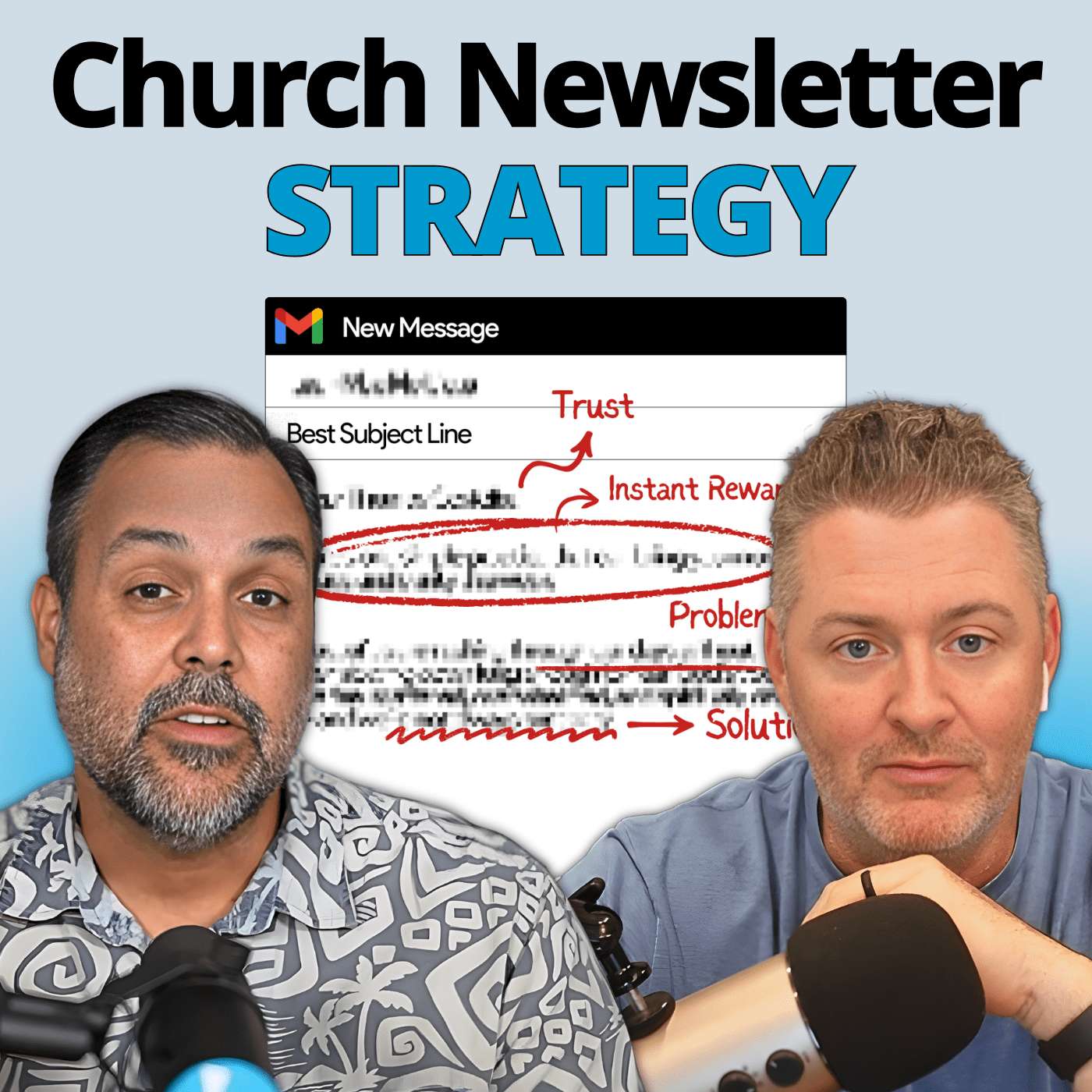
Church newsletters used to be one of the most reliable ways to communicate with your congregation. Whether it was a printed handout in the Sunday bulletin or an email sent out once a month, it kept people informed, inspired, and involved.
But something has changed.
Now, church leaders are starting to realize that their monthly newsletter is getting ignored. People do not open it. They do not read it. They do not click on anything. And they definitely do not share it with other members.
So what happened?
Let’s dig into the real reasons your church newsletter is not working and what church leadership can do to fix it fast.
Estimated reading time: 9 minutes
Table of contentsThe Real Problem7 Reasons No One is Reading Your Church Newsletter1. You’re Sending the Wrong Content2. It’s Too Long3. Your Subject Line is Boring4. You’re Not Mobile Friendly5. You Never Change It Up6. You’re Not Using Clear CTAs7. You’re Sending It to the Wrong PeopleWhat the Best Churches Are DoingExample Church NewsletterYour Next StepMore Resources on Church Newsletters
The Real Problem
It is not that newsletters are a bad idea. In fact, when done right, a church newsletter can be one of the most powerful ways to keep your church community connected, informed, and encouraged.
But today’s audience is different. They are overwhelmed with content, flooded with emails, and quick to delete anything that does not grab their attention in the first few seconds.
That means church newsletters cannot just be a recycled list of announcements. They need to provide real value, connect with real life, and support the church’s mission in a fresh and engaging way.
Church leaders need to rethink the purpose of their newsletter and treat it less like a bulletin board and more like a tool for ministry.
7 Reasons No One is Reading Your Church Newsletter
Before we jump to solutions, let’s break down why your church email newsletters may not be getting through to people. These are the seven most common problems we see, and they are easier to fix than you might think.
1. You’re Sending the Wrong Content
Too many church newsletters read like a to-do list.
Volunteer meeting on Tuesday. Potluck on Friday. Youth trip sign-ups. Budget report update.
These things are important, but they do not inspire people to open the newsletter in the first place. If the content only appeals to a small fraction of your church family, it will not drive the kind of engagement you want.
Instead, focus on content that speaks to everyone in the congregation. That includes a short devotional, a real story from a church member, highlights from a recent outreach program, or even a quote from last Sunday’s message that helps people dive deeper.
Good content helps people grow. Do not just inform. Inspire.
2. It’s Too Long
Nobody wants to read a five-paragraph essay in their inbox.
Long blocks of text feel overwhelming. People skim. They get bored. They click away.
Your church newsletter should feel easy to digest. Think of it like a social media post or a text message: short, clear, and visually scannable. Break things up with headers, bullet points, bold text, and simple layouts.
A short newsletter that gets read is better than a long one that gets ignored.
3. Your Subject Line is Boring
Your email subject line is the first and sometimes only chance to get someone to open your newsletter.
If your subject line says “October Newsletter,” it is going to the trash.
Use subject lines that create curiosity, urgency, or emotion. Here are a few examples:
“You will not believe what happened at Sunday’s service”
“Three ways to make your week more meaningful”
“A message from Pastor Sarah you need to hear”
If it sounds like every other church email, it will get treated like every other church email. Aim for subject lines that feel personal, relevant, and intriguing.
4. You’re Not Mobile Friendly
Most people read emails on their phones now.
If your newsletter looks great on a desktop but is a disaster on mobile, people will not scroll past the first sentence. This is one of the most common reasons church newsletters get skipped over.
Make sure your layout is responsive. Use single-column formatting. Avoid giant images that take too long to load. Test your newsletter on multiple devices before hitting send.
A newsletter that does not work on mobile is a newsletter that will not work at all.
5. You Never Change It Up
If your church newsletter looks exactly the same every time, people start to tune it out.
Same format. Same categories. Same tone. Same sender. Same day.
Even good content loses its punch when it feels too routine. That does not mean you need to reinvent it every month, but you should look for ways to introduce variety.
Try rotating who writes the intro. Share a surprise story from a church member. Highlight different ministry areas. Add a short video clip or audio message from the pastor.
When people know something new is coming, they are more likely to keep opening it.
6. You’re Not Using Clear CTAs
You might be including great content, but if you are not telling people what to do with it, they will not do anything.
Every newsletter should include clear and simple calls to action. These should invite people to engage, not just observe.
Here are some examples:
Submit prayer requests through th...

AI tools are changing the way people work, think, and communicate. And now they are showing up in the last place many expected: the pulpit.
Some pastors are using tools like ChatGPT to help with their sermon writing process. Others are warning that this is the beginning of the end for biblical preaching.
So what should church leaders do? Is using AI sermon prep tools a smart way to save time or a dangerous shortcut that replaces the Holy Spirit?
Let’s break it down.
Estimated reading time: 7 minutes
Table of contentsThe Real Debate6 Ways ChatGPT Can Help (Without Replacing the Holy Spirit)1. Brainstorming Ideas and Outlines2. Finding Related Bible Verses3. Illustrating Big Ideas4. Simplifying Complex Concepts5. Organizing Research and Notes6. Creating Supplemental ContentYour Next StepMore Resources on Church AI
The Real Debate
The real issue is not whether ChatGPT can write a sermon. It can.
The real issue is whether it should.
Critics argue that using a tool like this will lead to shallow sermons, theological inaccuracies, or even full-blown plagiarism. Some worry that pastors will outsource their calling to a chatbot instead of seeking wisdom through prayer, study, and the Holy Spirit.
On the other hand, many church leaders are finding helpful ways to use AI without compromising biblical integrity. They are not using it to replace the sermon prep process, but to support it. And they are using clear boundaries and discernment to make sure the main voice behind every sermon remains their own.
Let’s look at how ChatGPT and other AI sermon generators can actually enhance your preaching, not hijack it.
6 Ways ChatGPT Can Help (Without Replacing the Holy Spirit)
AI tools are not replacements for your prayer life or personal study, but they can supplement your sermon resources and streamline the way you prepare each message.
Here are six ways pastors are using AI in their sermon prep process, while still relying on the Spirit for the final word.
1. Brainstorming Ideas and Outlines
Every preacher has faced that blank page moment.
You know you need to start your sermon prep, but you are not sure what the main point should be or how to organize your thoughts. This is where a tool like ChatGPT can help.
By inputting a general sermon topic or biblical passage, pastors can quickly get a list of outline options or sermon ideas. The AI will not give you a finished message, but it can give you structure to work with.
You can also use ChatGPT to plan out a multi-week sermon series, complete with topic breakdowns and suggested scriptures for each week.
What this looks like:
Input: “Give me 3 outlines for a sermon on James 1”
Output: Three possible frameworks, each with a different focus and flow
This does not mean the AI is doing the deep theological thinking for you. It just means you are getting a jumpstart on your writing process.
2. Finding Related Bible Verses
If you are preparing a message on joy, grace, or justice, you probably know a few key scriptures already. But what about cross references that are less obvious?
ChatGPT can surface lesser-known passages that still align with your theme. It can also suggest supporting texts to help reinforce your main point.
Helpful prompt:
“What are 10 Bible verses that support the idea of God’s justice?”
“Which scriptures connect to the parable of the Prodigal Son?”
This is not a replacement for personal study, and it should not be your only source of truth. But when used wisely, it can expand your view of the biblical text.
And don’t forget that AI can make mistakes. Always double-check any verses or references you plan to use, as sometimes AI can hallucinate and come up with things that don’t actually exist.
3. Illustrating Big Ideas
Sermon illustrations are often what make or break a compelling sermon.
They take abstract biblical principles and bring them into real life. But coming up with fresh, relatable stories every single week is a challenge.
That is where AI can help. Ask for examples, modern-day parallels, or metaphor ideas based on your sermon topic.
The goal is not to preach an AI-generated story, but to use the tool to uncover relevant illustrations that will resonate with your specific audience.
Example prompt:
“Give me a modern illustration of the Good Samaritan story using a Gen Z context”
“Give me a parable-style story that illustrates Matthew 6:33”
Again, these are not copy-paste solutions. But they can spark ideas and help you craft stories that hit home.
4. Simplifying Complex Concepts
Explaining deep theological insights in a clear way is part of what makes a sermon powerful. But not every theological concept is easy to explain in plain language.
ChatGPT can help break down complex ideas into more accessible language, which is especially helpful when speaking to new believers or young people.
You can even ask AI to explain the historical context of a scripture passage in simple terms, giving your congregation a better understanding without requiring hours of commentary reading.
Try this:
“Explain sanctification like I’m a middle schooler”
“Put Romans 8 in plain English, but keep the meaning accurate”
This does not mean you remove depth or nuance. It means you make it easier for your whole congregation to grasp the truth you are preaching.
5. Organizing Research and Notes
Some pastors use digital notebooks, others still rely on legal pads and sticky notes. No matter how you gather ...

Big budgets and full-time tech teams may work for megachurches, but most small churches have to get creative. The good news? Some of the most effective church digital tools out there are affordable, simple to use, and often overlooked. These tools are not about replacing ministry. They are about multiplying it. In this article, we are highlighting ten tools that many churches miss. They may not show up on top ten lists or get featured in flashy ads, but they make a real difference in digital ministry. Some help you manage church data. Others assist with communication, online giving, or ... Read More

You’ve uploaded sermons. You’ve got a decent logo. You tell people to subscribe at the end of your videos. But for some reason, your church’s YouTube channel just isn’t growing.
No views. No comments. And no momentum.
And you’re not alone. Most churches on YouTube are stuck in neutral, wondering what they’re doing wrong, while other channels seem to take off overnight.
But the truth is, your church’s presence on YouTube doesn’t have to stay stagnant. Whether you’re a church plant or a long-established community, you can start reaching more people with the message of Jesus Christ by making a few smart and intentional changes.
Let’s break down the biggest mistakes churches make on YouTube and the top strategies you can use to grow your audience and create videos that actually make an impact.
Estimated reading time: 7 minutes
Table of contentsWhy YouTube Matters7 Top Church YouTube Mistakes1. Your Titles Aren’t Searchable2. Your Thumbnails Don’t Grab Attention3. You’re Only Uploading Full Sermons4. You’re Ignoring the YouTube Algorithm5. You’re Not Promoting It Anywhere Else6. You’re Not Connecting With Real People7. You’re Not ConsistentLevel Up Your YouTube ChannelMore Resources on Church Social Media
Why YouTube Matters
In 2025, YouTube is more than a place to watch funny clips or music videos. It’s one of the largest search platforms in the world. With over 2 billion logged-in users every month, it’s where people go to learn, explore, and discover.
Churches like Elevation Church with Steven Furtick or Life.Church with Craig Groeschel are reaching millions with the gospel every week. It’s not just because they’re big, but because they use the platform with purpose.
Here’s the good news. You don’t have to be a megachurch to succeed on YouTube.
You just need a strategy.
If your church’s YouTube channel is going to reach people, build community, and share the gospel, it needs more than just good intentions. It needs a plan that works with the platform and speaks to real people.
7 Top Church YouTube Mistakes
Here is a list of the top 7 most common church YouTube mistakes. These mistakes were found through research and by observing common patterns among church YouTube channels. We’ll break down each mistake you might be making with your channel and exactly what you can do to fix them.
Let’s jump into it.
1. Your Titles Aren’t Searchable
This is one of the most common reasons church channels stay invisible.
Titles like “Faith Part 2” or “Sunday Sermon August 12” might mean something to your congregation, but they mean nothing to the person browsing YouTube looking for answers about anxiety, purpose, or God.
If your titles aren’t specific and searchable, your videos will not show up. And if they do show up, no one will click.
Fix it:
Write titles that reflect what people are searching for.
Bad:“Unshakable Part 4”
Good:“How to Trust God When Life Falls Apart”
Use questions, bold statements, and real-world language. This change alone can significantly increase your views.
2. Your Thumbnails Don’t Grab Attention
Your thumbnail is your first impression. If it’s just a blurry screenshot of your pastor mid-sentence, it is not going to perform well.
People scroll quickly. Your thumbnail needs to catch their eye and make them curious.
Fix it:
Create custom thumbnails with large text, high contrast, and expressive faces. Make sure your thumbnail and title work together to communicate a clear message.
A good thumbnail can often be the difference between 100 views and 10,000.
3. You’re Only Uploading Full Sermons
Posting your entire worship service every week is fine, but it should not be your only type of content.
Most people on YouTube are not looking to watch a 50-minute video. They want something short, relevant, and impactful.
Fix it:
Pull clips from your sermons and post them separately. These can be 60-second YouTube Shorts, 5-minute story clips, or focused answers to common questions.
Short-form content helps you reach more people, increases engagement, and leads new viewers to your full messages later.
4. You’re Ignoring the YouTube Algorithm
YouTube decides what to show users based on the information you give it. If you upload a video with no description, tags, or chapters, the algorithm has no clue what your video is about.
Fix it:
Spend a few minutes optimizing your uploads:
Write a thoughtful description using words like gospel, worship, Jesus, faith, and church
Add 5 to 10 relevant tags
Create chapters in your sermons so people can skip to the part they want
Include a clear call to action, such as “Subscribe for weekly faith-building content.”
The more information you give YouTube, the better it can share your videos with the right people.
5. You’re Not Promoting It Anywhere Else
Many churches post their videos on YouTube and then hope people find them. But if you are not promoting your channel on other platforms, most people will never see your content.
Fix it:
Promote every video you upload:
Mention your channel during your Sunday announcements
Share links in your email newsletter
Post clips on social media
Embed videos on your

As church leaders, it can be tempting to strive for the newest, hippest Christmas series ideas. But while a fresh approach is always welcome, let’s not forget that people crave comfort and familiarity during the holiday season. When it comes to your Christmas sermon, people expect and want to focus on the “reason for the season” which is the birth of our Savior Jesus Christ. Don’t forget that Christmas is also a time when people who have never stepped foot in a church are open to attending services, especially with a warm invitation and an appealing sermon series! So, let’s ... Read More
Artificial intelligence has entered every area of modern life. From your phone to your fridge, from your inbox to your Sunday sermon slides, AI is now part of the way we live, communicate, and lead.
But for many churches, AI adoption still feels like something to avoid. It seems too complicated. Too worldly. Too risky. So instead of experimenting or exploring, many church leaders simply ignore it.
And that decision is costing them. The importance of embracing AI for the church’s future cannot be overstated—integrating technology is essential for the church’s mission and ongoing relevance.
When it comes to church growth in 2025 and beyond, artificial intelligence is not a trend. It is a tool. And churches that fail to leverage it wisely are missing major opportunities to reach new people, disciple their current community, and make their message more effective. The promise of AI lies in its ability to transform the church’s outreach and growth potential in ways we have never seen before.
Let’s talk about why AI might be the missing link in your church growth strategy, how it aligns with your church’s mission in the AI age, and what to do about it.
Estimated reading time: 8 minutes
Table of contentsThe Real Church Growth Problem5 Reasons to Use AI Tools to Grow Your Church1. Search Is Changing Forever2. You’re Losing Time You Could Be Saving3. You’re Not Multiplying Your Message4. You’re Missing Out on Personalization5. You’re Not Preparing for the FutureIt’s Time to Get StartedMore Resources on AI in the Church
The Real Church Growth Problem
For years, churches have tried to solve growth problems with better worship sets, improved signage, or redesigned logos. Those are all helpful. But they don’t address the real bottleneck: communication.
Communication challenges can negatively impact church life and culture, making it harder to foster community, align values, and encourage active participation.
Most churches simply struggle to get their message in front of the right people in the right way at the right time.
Whether it’s sermon content, event invites, social media, or internal communication, churches are often working with small teams, limited budgets, and outdated systems. Meanwhile, the world around them is moving faster, becoming more digital, and relying more on AI-powered systems to filter and prioritize what people see.
In this reality, ignoring AI is not a neutral decision. It’s a decision to fall behind.
AI church growth is not about replacing human roles. It’s about freeing your team from the routine tasks that drain time and energy, so they can focus on deeper ministry work.
And when used with spiritual discernment and ethical considerations, these tools can help churches scale their impact without sacrificing their soul.
5 Reasons to Use AI Tools to Grow Your Church
Before we dive into the details, here’s the truth: the churches that are growing right now aren’t just more talented. They’re more efficient. Many of them are using AI tools to operate more efficiently, streamline operations, and improve outreach, connecting with people in ways that traditional methods can’t. AI also helps optimize resources, ensuring that personnel, finances, and materials are used where they are needed most.
Here are five reasons your church should be implementing AI right now.
1. Search Is Changing Forever
Most people find churches the same way they find restaurants, plumbers, or anything else: through a Google search. But what many church leaders don’t realize is that the way people search is changing rapidly.
With Google’s new AI-generated overviews and chat-based results, traditional search engine optimization (SEO) is being replaced with something new. If your church isn’t creating AI-friendly content, you may never show up in these results.
This means your church website, sermon content, blog posts, and even YouTube chapters need to be written and structured with AI in mind. Clarity, value, and relevance are more important than ever.
Using AI prompts to generate sermon summaries, blog posts, or event descriptions can help you show up where people are already looking. You can even use tools to analyze data about what your community is searching for, and tailor your content accordingly. AI can also provide access to relevant resources and information, making it easier for both church members and visitors to find what they need.
2. You’re Losing Time You Could Be Saving
Church staff are some of the hardest-working people on the planet. But much of that work is administrative, repetitive, and time-consuming. Things like writing announcements, drafting emails, creating graphics, and entering data into spreadsheets can eat up hours every week.
AI tools can handle many of these routine tasks in seconds.
Instead of spending three hours formatting an email newsletter, AI can generate a draft in 30 seconds. Instead of writing your small group questions from scratch, AI can create discussion guides based on your sermon content. And instead of doing manual data entry, AI can categorize and summarize information quickly.
This doesn’t just save time. It preserves energy. It allows your team to focus on what really matters: people, prayer, and presence.
3. You’re Not Multiplying Your Message
The average sermon takes hours to prepare. But most churches only share that message once. After Sunday, it disappears into the archive.
Smart churches are using AI to turn one message into ten.
With the right tools, you can:
Create short video clips or “sermon shots” for Instagram or YouTube Shorts
Generate daily devotionals from the same content
Use AI to draft email follow-ups or group study questions
Add YouTube c...

Comments

Download from Google Play

Download from App Store
 United States