


 Claim Ownership
Rip-It
Subscribed: 0Played: 0
Subscribe
© Dr. Steven Baker
Description
Rip It is a movement.
A return to the understanding that the body is intelligent, self-healing, and designed to thrive. Featuring chiropractors who live and breathe the philosophy of innate intelligence, we share powerful stories, challenge conventional thinking, and inspire people to take control of their health, and maybe even their calling.
A return to the understanding that the body is intelligent, self-healing, and designed to thrive. Featuring chiropractors who live and breathe the philosophy of innate intelligence, we share powerful stories, challenge conventional thinking, and inspire people to take control of their health, and maybe even their calling.
17 Episodes
Reverse
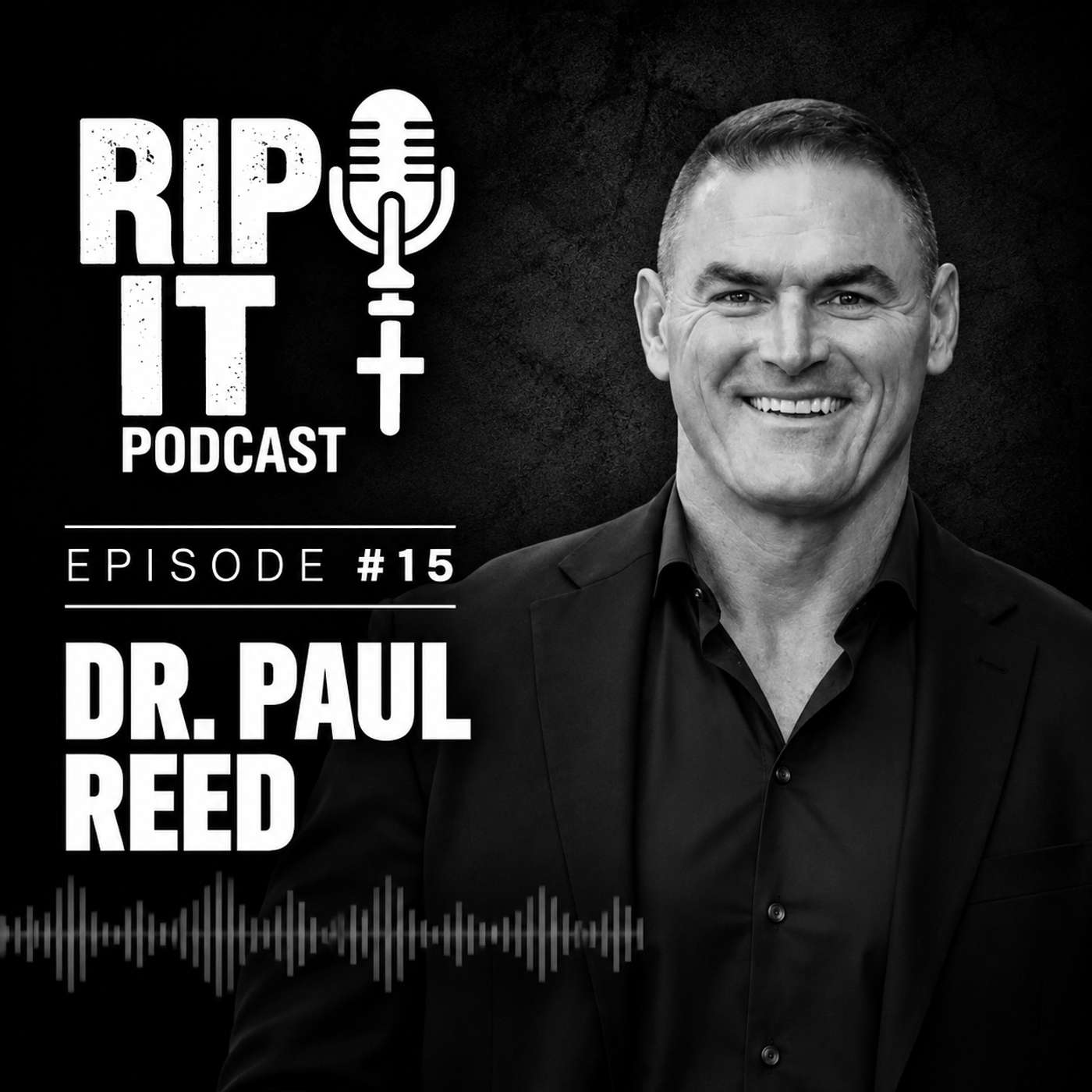
How do you grow a successful chiropractic practice without losing the reason you became a chiropractor in the first place?In this episode of Rip It, Dr. Steven Baker sits down with Dr. Paul Reed for a conversation about chiropractic leadership, practice growth, faith, business, mentorship, and staying connected to the principle.Dr. Paul shares lessons from nearly three decades in chiropractic, including growing multiple practices, leading more than 30 employees, mentoring associate doctors, and eventually stepping into the role of CEO instead of being the doctor doing everything himself. At one point, his multi-office model generated more than seven figures in personal annual income.But the conversation goes much deeper than numbers.Dr. Paul explains why chiropractors can lose their certainty when they drift too far from the core principles of the profession, and why staying close to your purpose is essential for long-term success.They also break down morning routines, quiet time, gratitude, team meetings, patient connection, associate compensation, outreach, KPIs, coaching, and how to build a business without allowing the numbers to control you.One of the biggest lessons from the episode is simple:Know your numbers, but never forget that every spine and nervous system represents a person you have been given the opportunity to serve.Meet the Guest: Dr. Paul ReedDr. Paul Reed is a chiropractor, mentor, entrepreneur, and founder of ChiroFest.ChiroFest began as a small philosophy gathering and eventually grew into a major chiropractic event built around one mission: “Honor the past, preserve the future.” Chiropractic Life, Lessons, and…After building and operating multiple chiropractic offices, Dr. Paul now focuses heavily on mentoring chiropractors, helping doctors grow their practices while strengthening their leadership, health, relationships, faith, and personal discipline. Chiropractic Life, Lessons, and…Key TakeawaysStay close to the principles that made you love chiropracticSuccess leaves clues, so learn from people who have already gone where you want to goYour morning routine shapes how you lead the rest of the dayKnow your KPIs without becoming obsessed with numbersAttention and intention matter with every patientBuild systems that allow associate doctors to focus on servingPay great associates well and give them a role they can win inPractice growth begins with growing the leaderSeminars and mentorship help keep chiropractors connected to their purposeChiropractic should provide an incredible life while allowing you to impact othersConnect with Dr. Paul Reed: InstagramIf you are a chiropractor who wants to grow without losing your purpose, this episode is for you.Share it with another chiropractor, associate, or chiropractic student who needs to reconnect with the mission.Tune in to Rip It for more conversations about chiropractic, leadership, practice growth, innate intelligence, and the principle.
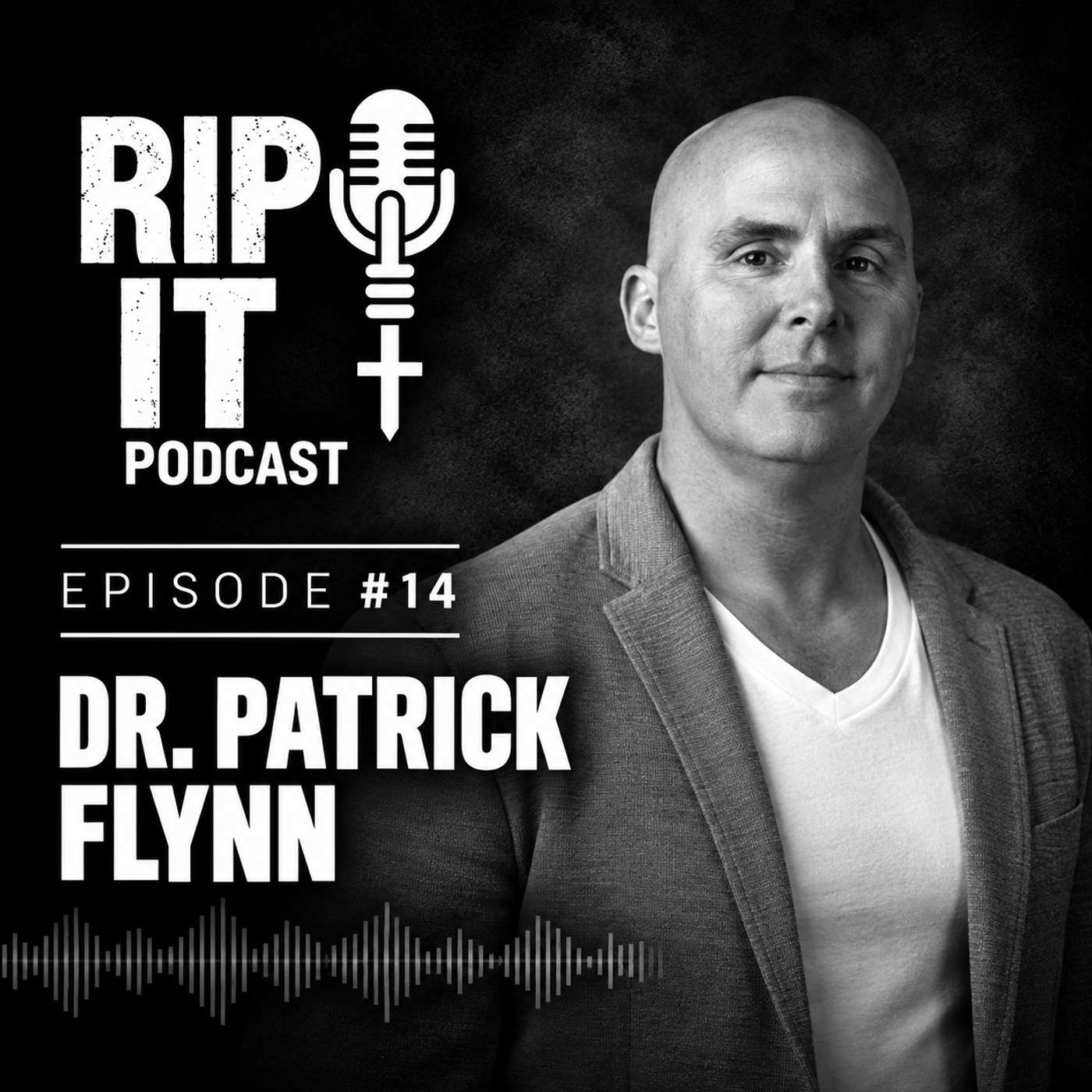
What actually makes an immune system strong?In this episode of Rip It, Dr. Steven Baker sits down with chiropractor and immunology researcher Dr. Patrick Flynn for a deep conversation about vaccines, inflammation, immune function, chiropractic philosophy, and the difference between germ theory and terrain theory.Dr. Flynn shares how his own childhood health struggles led him into chiropractic, nutrition, and eventually advanced study in immunology. He explains the difference between innate and adaptive immunity and why understanding how the immune system responds matters when making health decisions. The conversation also explores vaccine mechanisms, adjuvants, immune responses, autoimmune conditions, mRNA technology, and the importance of avoiding absolute claims when discussing complex science. Dr. Flynn emphasizes giving people enough information to understand the mechanisms and make their own decisions. Dr. Baker and Dr. Flynn also break down terrain theory, chronic inflammation, the chiropractic concept of trauma, toxins, and thoughts, and why long-term health requires more than simply chasing symptoms. This episode is for chiropractors, parents, and anyone who wants to better understand the immune system and take a more active role in their health.Meet the Guest: Dr. Patrick FlynnDr. Patrick Flynn is a chiropractor with decades of experience studying nutrition, immune health, and chiropractic philosophy.His continuing education has focused heavily on immunology, including graduate-level coursework and training in immune function, allergies, viruses, and vaccine science. Key Takeaways Innate and adaptive immunity work differently Immune health is influenced by more than exposure to germs Trauma, toxins, and thoughts can affect physiology Inflammation is part of the body’s repair response Chronic inflammation can become damaging when the underlying trigger remains Terrain theory focuses on strengthening the internal environment Scientific discussions require nuance, not absolutes Health decisions should come from understanding, not fear Chiropractic philosophy emphasizes the body’s ability to adapt and heal What You’ll Learn How Dr. Flynn became interested in chiropractic and immunology The difference between innate and adaptive immunity How vaccines are designed to stimulate immune responses What vaccine adjuvants are intended to do Why Dr. Flynn believes immune mechanisms deserve deeper discussion What terrain theory and germ theory mean Why chronic inflammation develops How nutrition, stress, toxins, and physical trauma can influence immune health Why Dr. Flynn rejects the claim that viruses do not exist Why personal responsibility is central to his approach to health Connect with Dr. FlynnWebsite: https://drpatrickflynn.com/about/This episode goes much deeper than the usual vaccine debate.Tune in to Rip It for a conversation about immunology, inflammation, terrain, chiropractic philosophy, and how much control you may actually have over your own health.
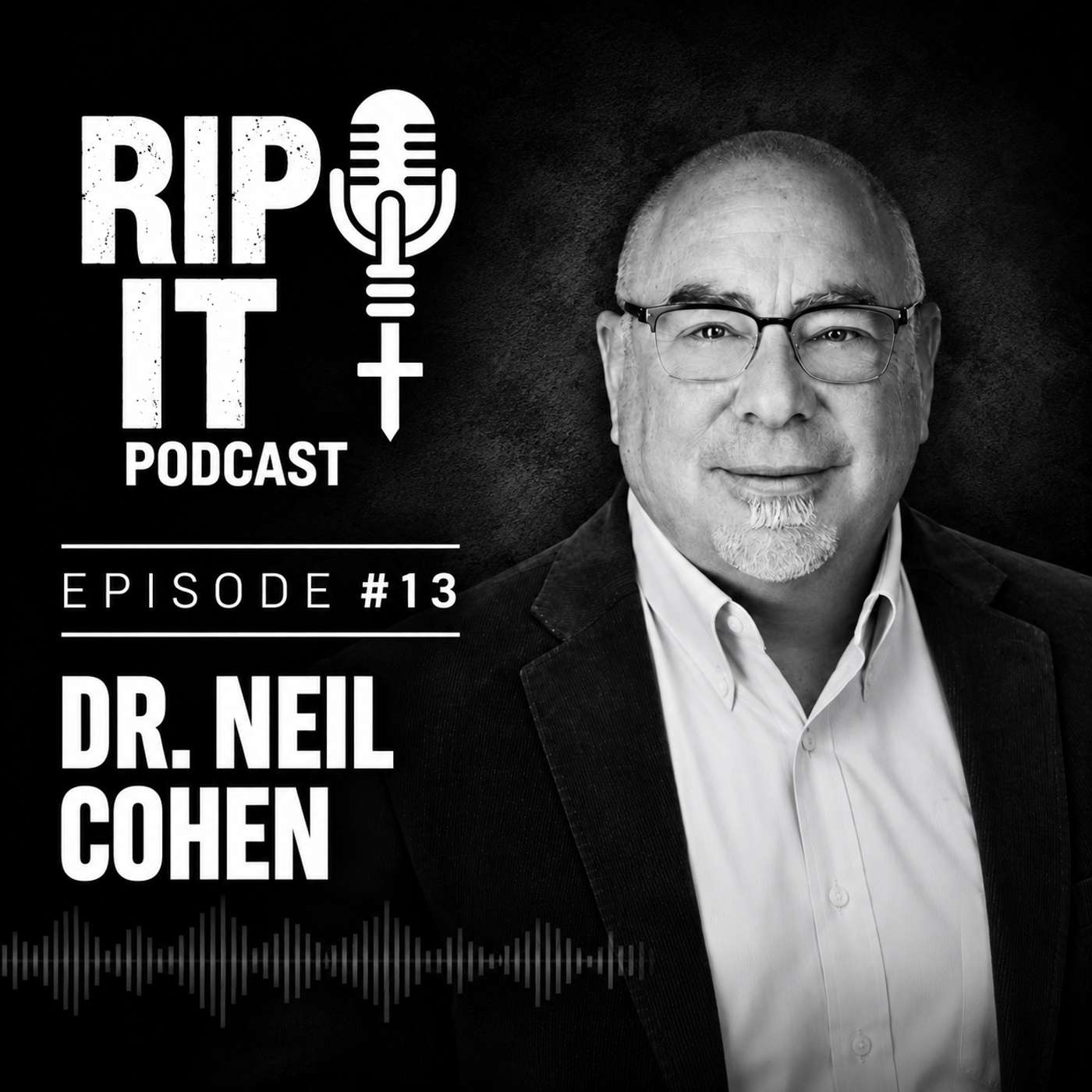
What if every child had their spine and nervous system checked from the beginning of life?In this episode of Rip It, Dr. Steven Baker sits down with Dr. Neil Cohen for a powerful conversation about pediatric chiropractic, innate intelligence, faith, chiropractic philosophy, and why every man, woman, and child should be checked for vertebral subluxation.Dr. Neil explains why chiropractic is not about waiting until symptoms appear. It is about protecting and maintaining the health God already placed inside the body.This episode dives into newborn chiropractic care, birth stress, the nervous system, family wellness, ChiroKids Connect, and why moms need to understand the importance of getting their children checked.Dr. Baker and Dr. Neil also talk about the current state of chiropractic, why the profession has drifted from its original message, and why chiropractors must return to truth, principle, and the nervous system.They also discuss faith, wisdom, the narrow gate, chiropractic education, Sherman College, Life University, Life West, Dr. Neil’s books, and his Christ-centered coaching for chiropractors.This episode is for chiropractors, chiropractic students, parents, and anyone who believes the body was fearfully and wonderfully made.Meet the Guest: Dr. Neil CohenDr. Neil Cohen is a chiropractor, author, speaker, coach, and leader in principled chiropractic.He is passionate about helping chiropractors communicate the truth of chiropractic, serve families, lead with faith, and build lives and practices rooted in biblical wisdom.He is also the author of A Hope Without End and Walking Ancient Paths: Living Centered in God’s Wisdom.Key TakeawaysEvery child should be checked for vertebral subluxationChiropractic is about the nervous system, not just the spineThe goal is to maintain health, not wait until it is lostThe power is not in the adjustment. The power is in the bodyParents need to understand what true health looks likeChiropractors must communicate the principle clearlyThe profession needs a revival of truth and purposeChiropractic is a calling, not just a careerFaith, wisdom, leadership, and family matter in practiceCoaching should transform the doctor, not just the officeWhat You’ll LearnWhy newborns and children should be checked by a chiropractorHow birth stress can affect the nervous systemWhy symptoms should not be accepted as normalWhat innate intelligence means in simple termsWhy chiropractic care starts with removing interferenceHow ChiroKids Connect helps educate moms and familiesWhy chiropractic schools matterWhy Sherman College, Life University, and Life West were discussedHow faith and chiropractic connectWhy wisdom matters in health decisionsHow Dr. Neil coaches chiropractors through leadership, communication, finances, marriage, family, and faithShare this episode with a chiropractor, student, parent, or family who needs to understand the bigger purpose of chiropractic.Subscribe to Rip It for more conversations that bring chiropractic back to innate intelligence, purpose, truth, and above-down, inside-out healing.
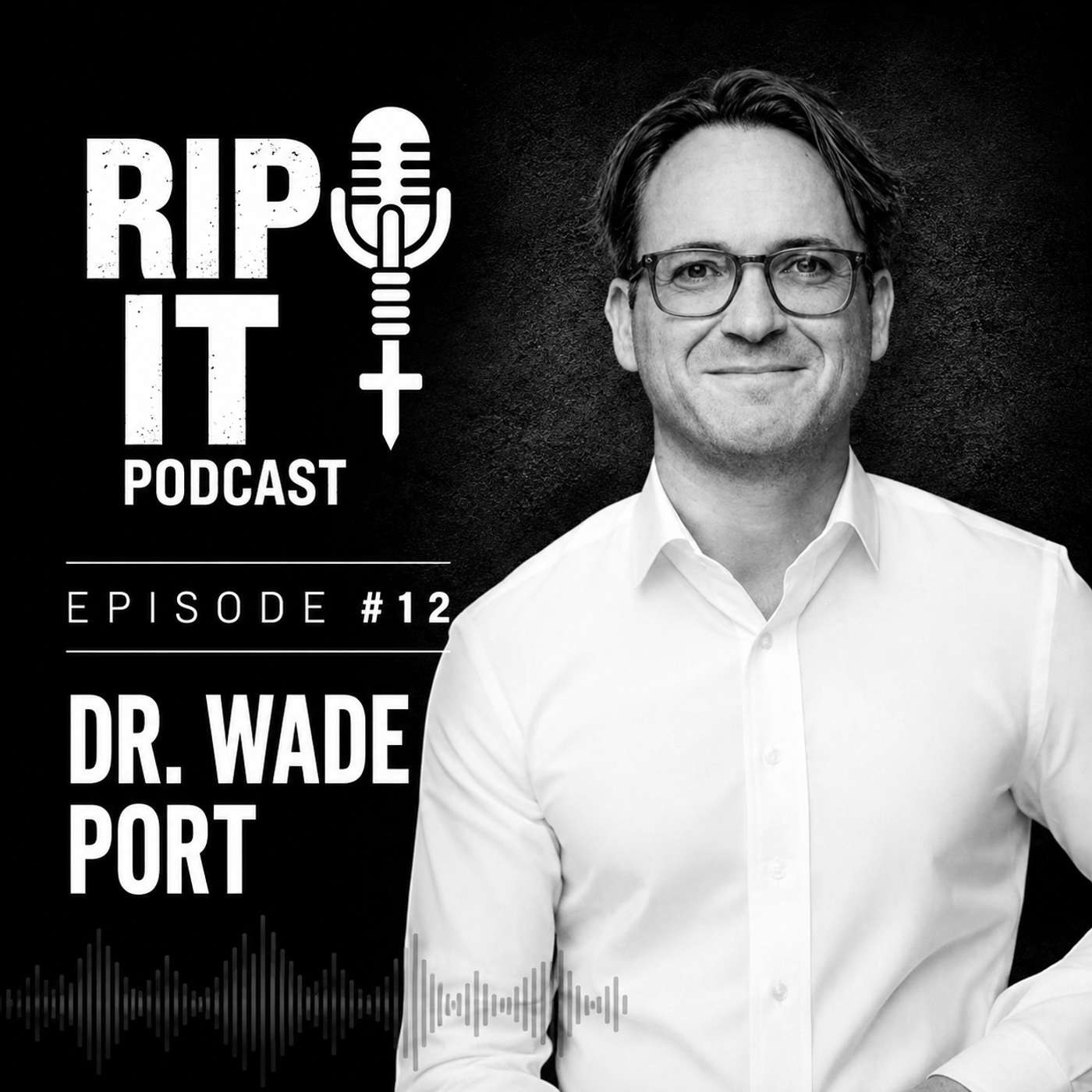
Dr. Wade Port joins Rip It to talk about innate intelligence, principled chiropractic, symptoms, service, Arnaud Bernier, and the deeper purpose of chiropractic care.What if symptoms are not the enemy?What if symptoms are the language of innate intelligence?In this episode of Rip It, Dr. Steven Baker sits down with Dr. Wade Port for a powerful conversation about principled chiropractic, innate intelligence, service, healing, and the deeper purpose behind the adjustment.Dr. Wade shares how his life and chiropractic journey were shaped by Arnaud Bernier, the MLS approach, Cafe of Life, and the belief that who you are as a human being comes before what you do as a chiropractor.This episode dives into the difference between medicalized chiropractic and true principled care. Dr. Wade and Dr. Baker talk about why chiropractic must be bigger than pain relief, why the language used in your office matters, and why chiropractors must stop reducing the profession to symptoms, treatment rooms, and insurance codes.They also discuss how to connect chiropractic to a patient’s values, how to listen beyond the symptom, and how to help people understand that their body is not broken. It is adapting.Dr. Wade explains innate intelligence as the inborn wisdom of the body, a gift from God that continues working to protect, heal, and guide the body every day.This episode is for chiropractors, chiropractic students, and anyone who wants to understand the heart, philosophy, and power of real chiropractic.Meet the Guest: Dr. Wade PortDr. Wade Port is a chiropractor, teacher, speaker, and leader in principled chiropractic.He practices at LifeWorks Chiropractic in Marietta, Georgia, near Life University, and teaches through MLS Seminars, continuing the work and legacy of Arnaud Bernier.Dr. Wade is passionate about helping chiropractors reconnect with the principle, develop a heart of service, and deliver chiropractic care from a deeper place of purpose, presence, and mastery.Key TakeawaysSymptoms are the language of innate intelligenceThe body is not broken. It is adaptingChiropractic is bigger than pain reliefWho you are as a person comes before what you do as a chiropractorYour office language shapes the experience people haveChiropractors must stop making care only about symptomsTrue care connects to the patient’s values and lifeInnate intelligence is the body’s inborn wisdomThe profession needs more heart, service, and principleA heart of service can be awakenedWhat You’ll LearnHow Arnaud Bernier influenced Dr. Wade Port’s life and practiceWhy the MLS approach changed the way Dr. Wade understood chiropracticWhat the bird adjustment story teaches about possibilityWhy chiropractic has become too medicalizedHow office language can dilute or strengthen the chiropractic messageWhy symptoms should not be villainizedHow to talk about pain without becoming a symptom doctorWhy patients need to feel seen, heard, and understoodHow to connect chiropractic care to what people value mostWhat innate intelligence means in simple languageWhy chiropractors must awaken a deeper heart of service.If this episode challenges the way you think about symptoms, service, and chiropractic, share it with another chiropractor or student who needs to hear it.Subscribe to Rip It for more conversations that bring chiropractic back to innate intelligence, purpose, truth, and above-down, inside-out healing.
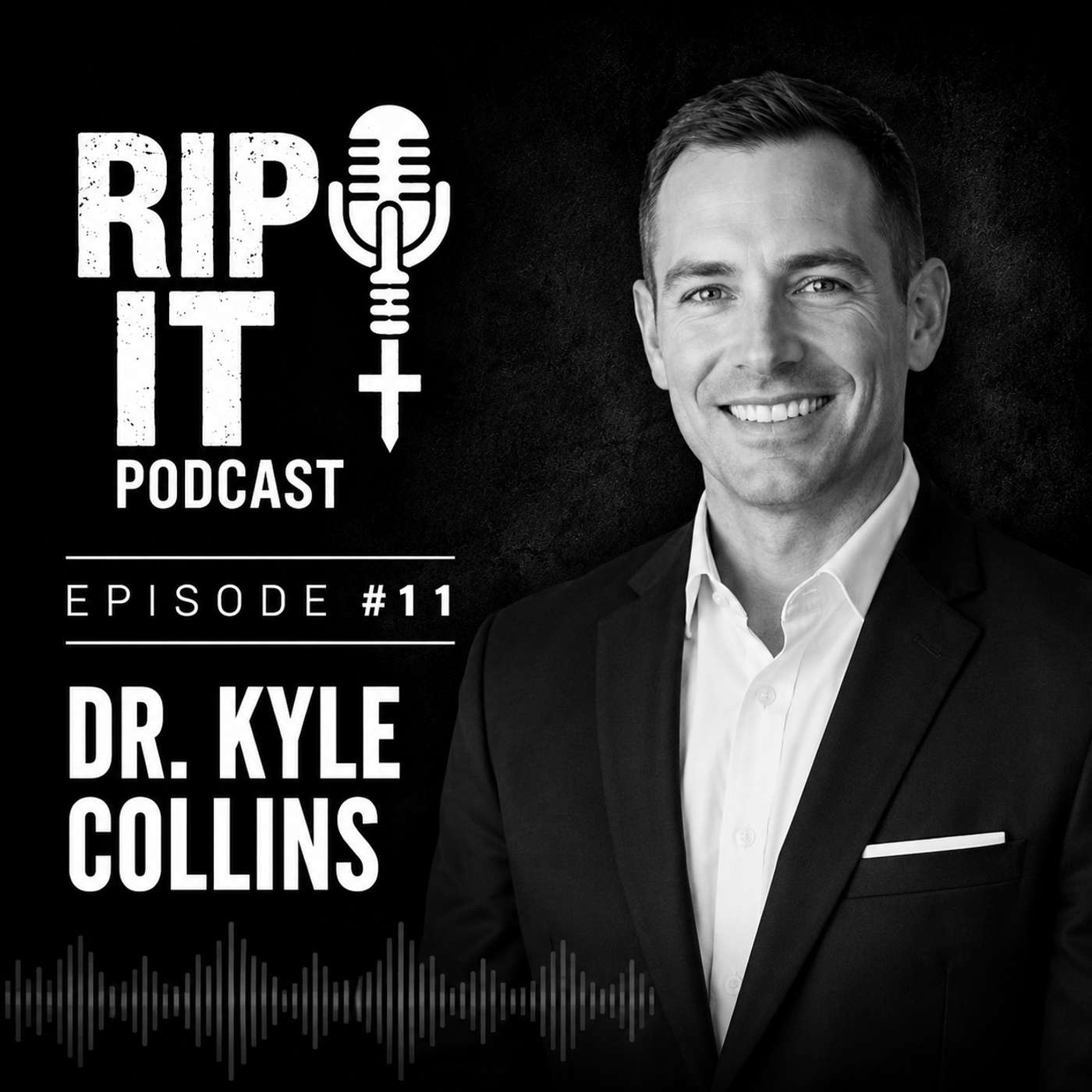
Dr. Kyle Collins joins Rip It to talk upper cervical chiropractic, corrective care, patient value, pricing, care plans, referrals, and building a practice with certainty.What if patients are not really asking, “How much do you charge?”What if they are really asking, “Can you help me?”In this episode of Rip It, Dr. Steven Baker sits down with Dr. Kyle Collins, an upper cervical chiropractor in Scottsdale, Arizona, for a powerful conversation about chiropractic value, corrective care, pricing, patient communication, and getting people well.Dr. Kyle shares why patients will travel for great chiropractic care, how upper cervical work changed his practice, and why he believes chiropractors should stop making care about a per-visit price.This conversation dives into the difference between relief care and corrective care, why doctors should not prejudge whether someone can afford care, how to build value before talking about money, and why confidence comes from knowing you can deliver results.Dr. Baker and Dr. Kyle also discuss B.J. Palmer, wealthy chiropractic leaders, Robert Kiyosaki’s appreciation for chiropractic, care plans, spouse involvement, internal referrals, and the importance of staying focused on the main thing: helping people get well.They also talk through upper cervical versus full spine chiropractic, when additional areas of the spine may need to be addressed, and why chiropractors should not be more loyal to a technique than they are to the patient.This episode is for chiropractors who want to communicate better, charge with more certainty, create more value, and serve people at a higher level.Meet the Guest: Dr. Kyle CollinsDr. Kyle Collins is an upper cervical chiropractor based in Scottsdale, Arizona.He is passionate about corrective chiropractic care, upper cervical work, principled practice, and helping patients restore function by addressing subluxation and nervous system interference.Through his practice, Dr. Kyle helps patients understand that chiropractic is not just about pain relief. It is about getting the body functioning better so people can live healthier lives.Key TakeawaysPatients will travel for great chiropractic carePrice is not the real question. Trust isChiropractors must build value before talking costCorrective care should not be sold like relief careDo not prejudge whether a patient can afford careCare plans should be based on what the patient needsSpouses should be involved in major health decisionsInternal referrals should be expected, not avoidedTechnique matters, but helping the patient matters moreConfidence comes from skill, systems, and certaintyWhat You’ll LearnWhy Dr. Baker traveled to see Dr. Kyle for upper cervical careHow Robert Kiyosaki came to understand the value of chiropracticWhy B.J. Palmer’s vision still matters todayWhy chiropractors should charge what care is worthHow to stop making care about the price per visitWhy patients are really asking if you can help themHow to communicate value on the first phone callWhy spouses should attend the report of findingsHow to ask for referrals with confidenceWhy upper cervical and full spine chiropractors can learn from each otherWhy being married to a technique can cause you to underserve patientsConnect with Dr. Kyle Collins Facebook: https://www.facebook.com/drkylemcollins

Comments

Download from Google Play

Download from App Store
 United States