


 Claim Ownership
The Root Cause Medicine Podcast
Subscribed: 755Played: 29,136
Subscribe

© 2026 Rupa Health
Description
In each episode, we’ll meet renowned medical experts, specialists and pioneers who’ve influenced the way certain conditions and diseases are understood and treated. We focus on giving you the information you need to understand the root cause, symptoms and treatments available for specific medical conditions.
358 Episodes
Reverse
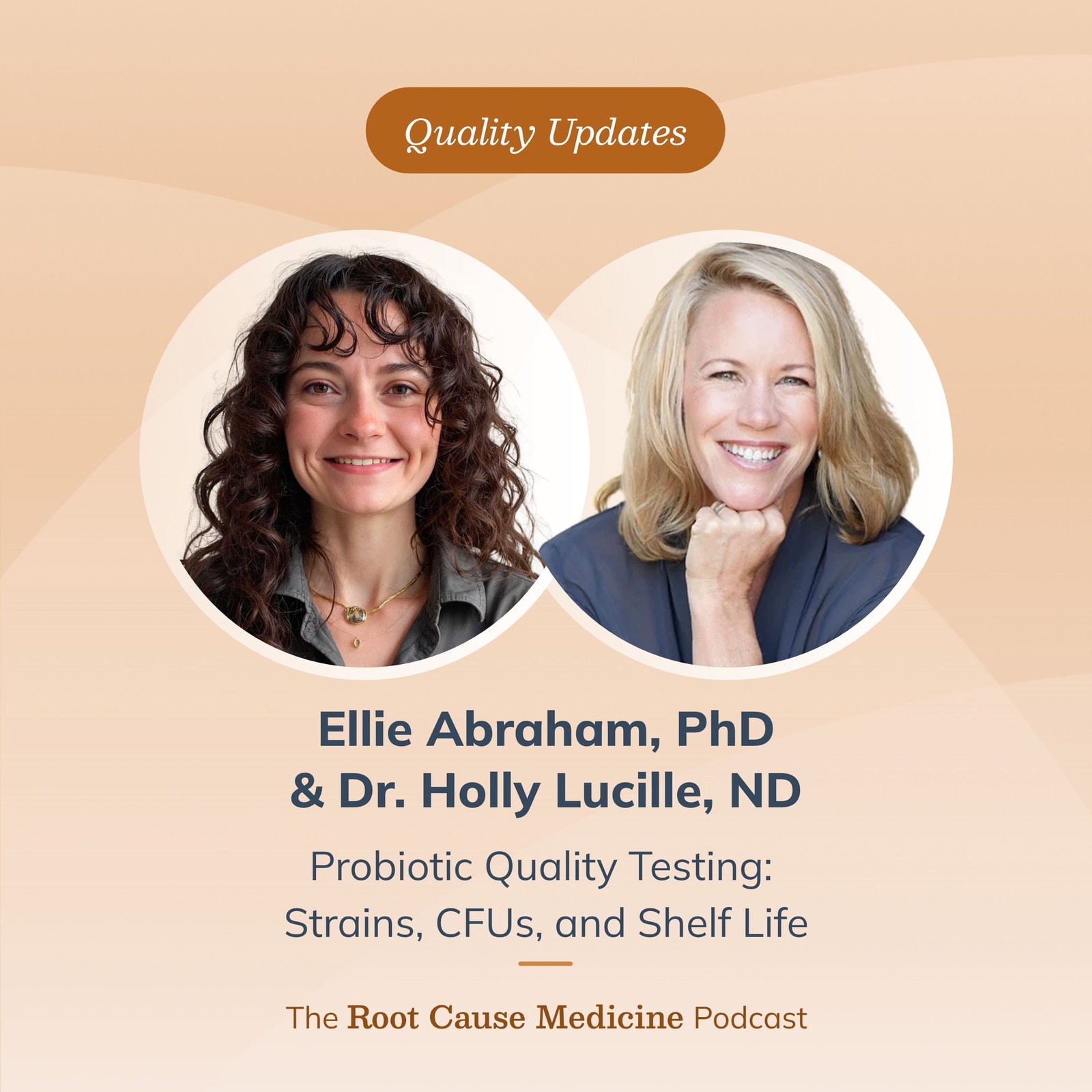
Dr. Holly Lucille welcomes Ellie Abrams, PhD, from Fullscript’s Quality team to the Root Cause Medicine Podcast. They explore identity, potency, storage, and label claims.Clinical TakeawaysStart with strain-specific evidence. Abrams emphasizes matching the strain and studied amount to the intended outcome. A higher colony-forming unit (CFU) count alone does not establish a better product. (ODS 2025)Separate identity from potency. The episode distinguishes organism identification from enumeration, which measures quantity. (Jackson 2019) Neither test alone establishes clinical benefit.Ask about viability through expiration. Abrams highlights finished-product testing and stability data. Raw-material results alone do not demonstrate that the labeled amount remains viable throughout shelf life. (Fenster 2019)GuestEllie Abrams, PhD, works on Fullscript’s Quality team. Her Penn State doctorate is in plant biology, with expertise in analytical chemistry, supplement authentication, and quality testing.Clinician FAQ1. What should clinicians look for on a probiotic label?Look for strain identification, CFUs per serving, expiration date, and storage instructions, plus research relevant to the intended use. (ODS 2025)2. Does a higher CFU count mean a better probiotic?Abrams emphasizes the studied strain, amount, and intended outcome rather than comparing products by total CFUs alone. (ODS 2025)3. How are probiotic identity and potency tested?Abrams describes genetic identification and plate counts for CFUs. Flow cytometry measures cells differently and does not directly report CFUs. (Jackson 2019)4. What is probiotic overage?Overage is surplus material added during manufacturing to account for losses in viable organisms. Stability data should support shelf-life claims. (Fenster 2019)5. Are probiotic gummies and beverages equivalent to capsules?Format alone does not establish equivalence. Abrams discusses heat and moisture challenges and scrutiny of strain stability, protective technology, and testing. (Fenster 2019)Key Moments03:56 Identity testing and strain specificity07:36 Reading labels and interpreting CFUs12:12 Storage conditions and expiration dates14:04 Survival testing and probiotic overage15:59 Gummies, beverages, and formulation challenges21:55 Questions to ask manufacturers23:45 Fullscript’s product review and testingDisclaimerThe views expressed on this podcast are those of the hosts and the guests, and they don't necessarily reflect the views of FullScript or any affiliated organizations. This podcast is for informational and educational purposes only, and it's not intended to be medical advice. For your safety, always check with your healthcare provider before making any changes to your healthcare routine.ReferencesFenster, K., Freeburg, B., Hollard, C., Wong, C., Rønhave Laursen, R., & Ouwehand, A. C. (2019). The production and delivery of probiotics: A review of a practical approach. Microorganisms, 7(3), 83. https://doi.org/10.3390/microorganisms7030083Jackson, S. A., Schoeni, J. L., Vegge, C., Pane, M., Stahl, B., Bradley, M., Goldman, V. S., Burguière, P., Atwater, J. B., & Sanders, M. E. (2019). Improving end-user trust in the quality of commercial probiotic products. Frontiers in Microbiology, 10, 739. https://doi.org/10.3389/fmicb.2019.00739Office of Dietary Supplements. (2025). Probiotics: Fact sheet for health professionals. National Institutes of Health. https://ods.od.nih.gov/factsheets/Probiotics-HealthProfessional/
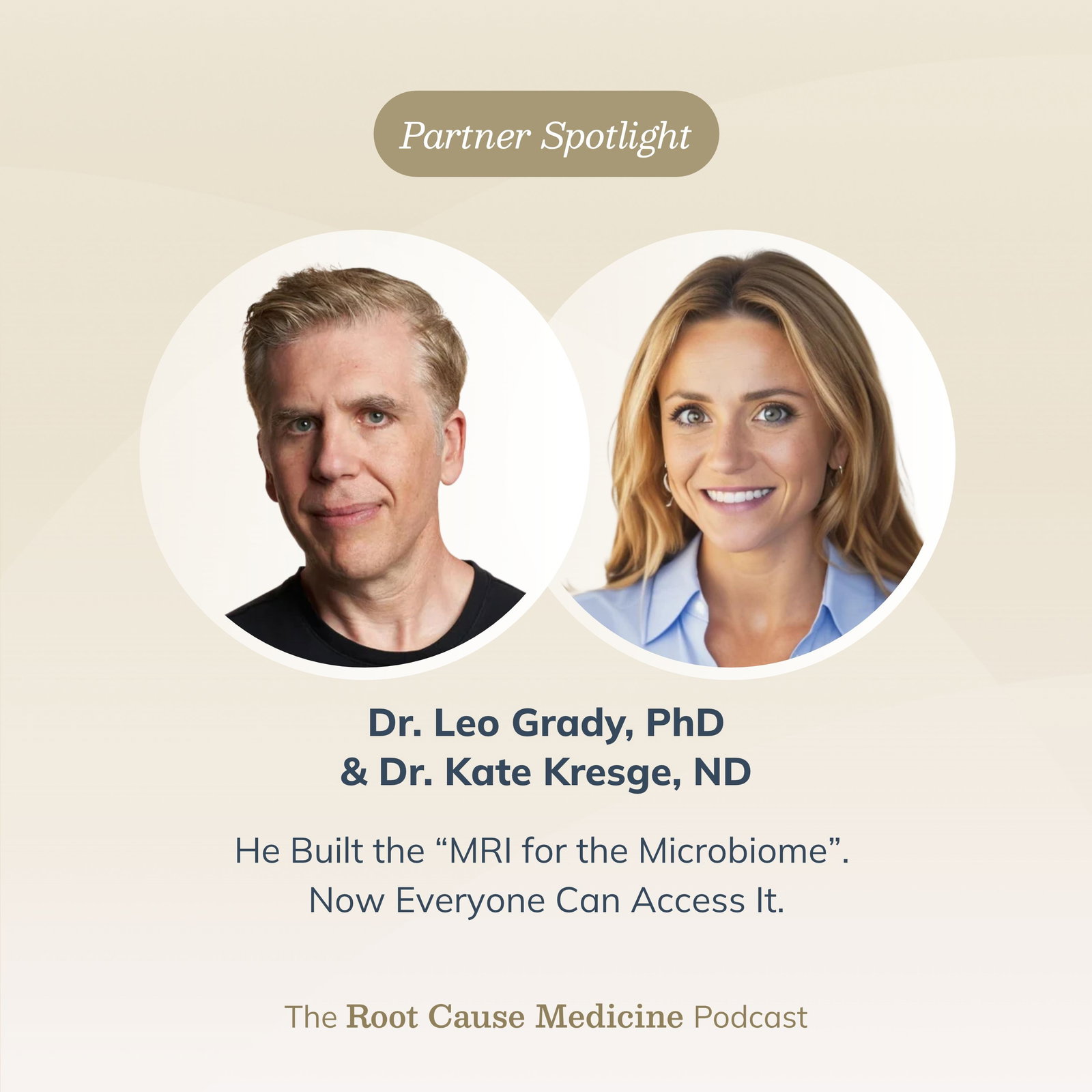
Host Kate joins Leo Grady, PhD, founder and CEO of Jona, to explore AI-assisted microbiome analysis, shotgun sequencing, and personalized nutrition. Inspired to build Jona after his son suffered from severe gut issues that kept him out of school—and is now healthy—Grady explains how the platform processes the equivalent of 8 MRIs worth of data per test. They also discuss digital-twin simulations, research transparency, and translating complex stool-test data into clinician-reviewed plans.GuestLeo Grady, PhD, is Jona’s founder and CEO. His background includes AI applications in radiology, cardiovascular assessment, and pathology at Siemens, HeartFlow, and Paige AI.Key TakeawaysAI microbiome analysis moves beyond species counts. Learn how combining shotgun sequencing with published clinical research maps functional potential and complex microbial patterns. (Quince 2017)Digital-twin technology informs clinician-led care. Explore how predictive simulations model response to targeted nutrition and personalized supplements while keeping practitioners in control. (Diener 2020) (Porcari 2025)Shotgun sequencing delivers deep functional insights. Discover how processing extensive stool-sequencing datasets translates complex microbial metabolic capacity into actionable clinical guidance. (Quince 2017)Clinical FAQ1. How does AI-assisted gut microbiome testing analyze stool samples?Shotgun sequencing data is compared against published human clinical studies using advanced AI algorithms to detect microbial patterns and summarize functional potential. (Quince 2017)2. What is a gut microbiome digital twin and how is it used?A microbiome digital twin is a computational simulation that predicts potential shifts in microbial activity following dietary, lifestyle, or targeted supplement interventions. (Diener 2020)3. Can AI microbiome testing replace standard clinical diagnosis?No. Stool testing and AI models provide functional insights but do not replace validated diagnostic tools or practitioner oversight. (Porcari 2025)Timestamps02:57 Grady’s AI and healthcare background11:39 Why he founded Jona (his son's severe gut health journey and recovery)22:20 Health domains and report structure30:09 Functional capacity versus blood measurements36:17 Digital-twin simulations55:16 Sequencing workflow and evidence reviewReady to elevate your practice? This episode is sponsored by Fullscript, a comprehensive care delivery platform designed to support whole-person, integrative healthcare. Fullscript helps clinicians bring supplement dispensing, lab ordering, and patient education into one centralized workflow. For more practitioner education on supplements, nutrition, and evidence-informed clinical care, visit Fullscript Academy at academy.fullscript.com.Disclaimer: The views expressed on this podcast are those of the hosts and guests and don’t necessarily reflect those of Fullscript or any affiliated organizations. This podcast is for informational and educational purposes only and is not intended to be medical advice. For your safety, always check with your doctor or healthcare provider before making changes to your health routine.ReferencesDiener, C., Gibbons, S. M., & Resendis-Antonio, O. (2020). MICOM: Metagenome-scale modeling to infer metabolic interactions in the gut microbiota. mSystems, 5(1), Article e00606-19. https://journals.asm.org/doi/10.1128/msystems.00606-19Porcari, S., Mullish, B. H., Asnicar, F., Ng, S. C., Zhao, L., Hansen, R., O’Toole, P. W., Raes, J., Hold, G., Putignani, L., Hvas, C. L., Zeller, G., Koren, O., Tun, H., Valles-Colomer, M., Collado, M. C., Fischer, M., Allegretti, J., Iqbal, T., . . . Ianiro, G. (2025). International consensus statement on microbiome testing in clinical practice. The Lancet Gastroenterology & Hepatology, 10(2), 154–167. https://www.sciencedirect.com/science/article/abs/pii/S246812532400311XQuince, C., Walker, A. W., Simpson, J. T., Loman, N. J., & Segata, N. (2017). Shotgun metagenomics, from sampling to analysis. Nature Biotechnology, 35(9), 833–844. https://www.nature.com/articles/nbt.3935
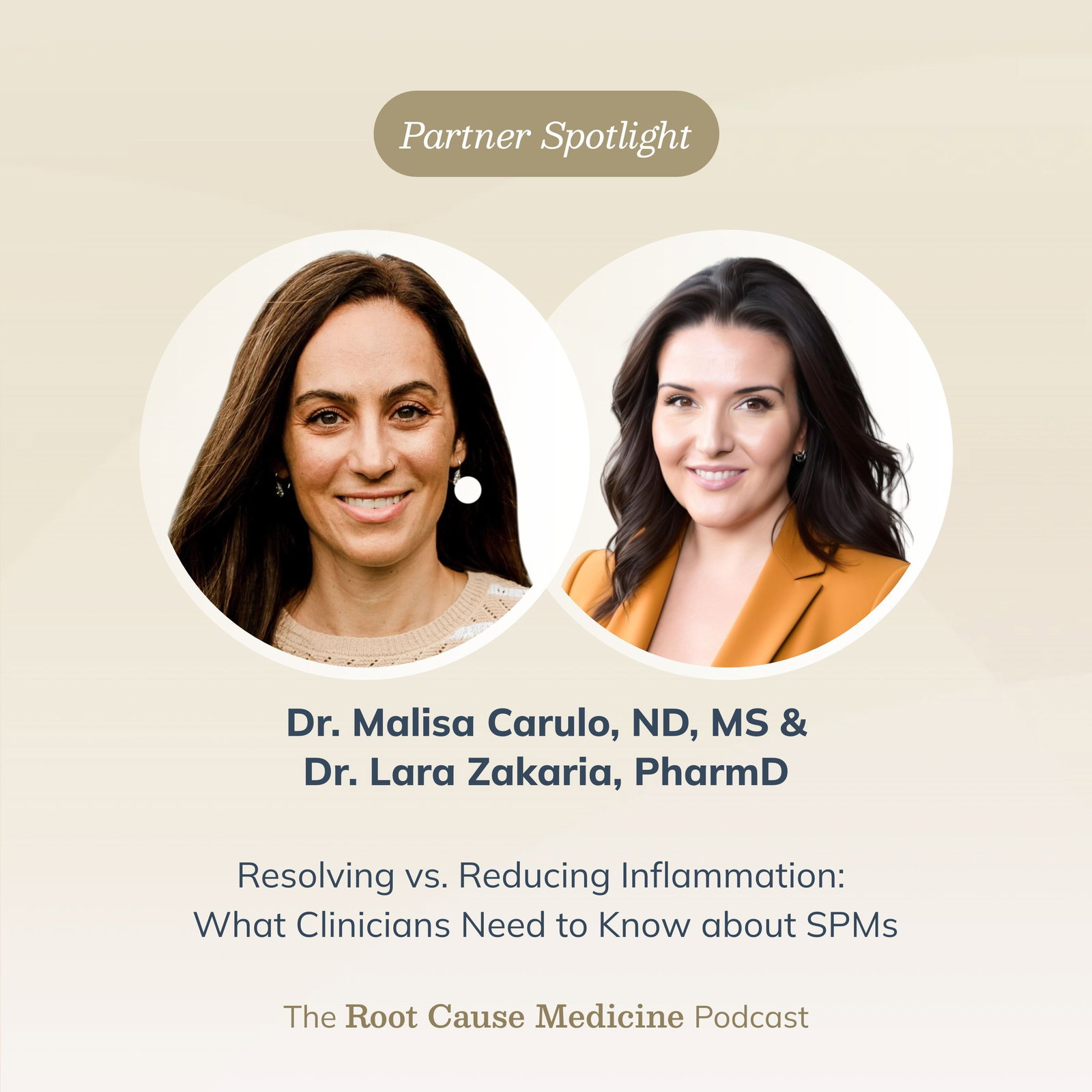
On the Root Cause Medicine Podcast, Dr. Lara Zakaria joins Dr. Malisa Carulo to explore specialized pro-resolving mediators (SPMs), omega-3-derived precursors, and emerging pain research, with a focus on evidence limits and clinical decision-making.Clinical TakeawaysDistinguish SPMs from their precursors. TSPMs are lipid signals that help steer inflammation toward resolution. (Serhan 2018) SPM-focused marine-oil supplements contain upstream intermediates, a few enzymatic steps closer to finished SPMs than EPA and DHA, but these are not equivalent to finished SPMs. (Souza 2020)Separate mechanisms from clinical outcomes. condition.Mechanistic research outpaces human trials, which so far center on pain and musculoskeletal conditions such as osteoarthritis. (Callan 2020) (Möller 2023) Evidence does not yet support broad benefits for autoimmune disease, gut health, or every inflammatory condition.Keep clinical response central. The conversation emphasizes pain, stiffness, and mobility alongside foundational care. Acute high-dose strategies and bedtime use are discussed as anecdotes, not validated protocols.GuestDr. Malisa Carulo holds a doctorate in naturopathic medicine and an MS in biology. Introduced as Senior Manager of Medical Information and Safety at Metagenics, her interests include chronic disease, healthy aging, and sports medicine.Clinician FAQ1. What are specialized pro-resolving mediators?SPMs, including resolvins, protectins, and maresins, as lipid signals involved in the active resolution of inflammation. (Serhan 2018)2. How do SPM-focused supplements differ from fish oil?The guest distinguishes EPA and DHA from downstream intermediates such as 18-HEPE, 17-HDHA, and 14-HDHA. This distinction alone does not establish superior clinical outcomes. (Möller 2023)3. What evidence for SPMs and joint pain does the episode discuss?The guest highlights early human research in musculoskeletal pain, including osteoarthritis, while acknowledging that clinical evidence remains limited relative to mechanistic research. (Callan 2020) (Möller 2023)4. Are SPM supplements established therapies for autoimmune or gut conditions?The discussion does not establish that use. The guest describes clinical experiences and biological hypotheses rather than condition-specific evidence sufficient to support broad treatment claims.5. Does the episode establish an SPM dosing protocol?No. Studies have used doses ranging from about 250 mg per day in early research to 500 mg and 1 g in human trials, but the guest cautions that evidence-guided dosing recommendations remain limited. (Callan 2020) (Möller 2023)Key Moments03:56 SPM biology and marine-oil intermediates07:42 Conversion pathways and inflammation resolution11:15 Mechanistic research versus human evidence13:21 Evaluating formulations and clinical outcomes18:44 Measurement limitations and pain research24:38 Dosing discussion and anecdotal strategies30:25 Tracking pain, stiffness, and mobilityDisclaimerThe views expressed on this podcast are those of the hosts and the guests, and they don't necessarily reflect the views of FullScript or any affiliated organizations. This podcast is for informational and educational purposes only, and it's not intended to be medical advice. For your safety, always check with your healthcare provider before making any changes to your healthcare routine.ReferencesCallan, N., Hanes, D., & Bradley, R. (2020). Early evidence of efficacy for orally administered SPM-enriched marine lipid fraction on quality of life and pain in a sample of adults with chronic pain. Journal of Translational Medicine, 18(1), Article 401. https://doi.org/10.1186/s12967-020-02569-5Möller, I., Rodas, G., Villalón, J. M., Rodas, J. A., Angulo, F., Martínez, N., & Vergés, J. (2023). Randomized, double-blind, placebo-controlled study to evaluate the effect of treatment with an SPMs-enriched oil on chronic pain and inflammation, functionality, and quality of life in patients with symptomatic knee osteoarthritis: GAUDI study. Journal of Translational Medicine, 21(1), Article 423. https://doi.org/10.1186/s12967-023-04283-4 Serhan, C. N., & Levy, B. D. (2018). Resolvins in inflammation: Emergence of the pro-resolving superfamily of mediators. Journal of Clinical Investigation, 128(7), 2657–2669. https://doi.org/10.1172/JCI97943Souza, P. R., Marques, R. M., Gomez, E. A., Colas, R. A., De Matteis, R., Zak, A., Patel, M., Collier, D. J., & Dalli, J. (2020). Enriched marine oil supplements increase peripheral blood specialized pro-resolving mediators concentrations and reprogram host immune responses: A randomized double-blind placebo-controlled study. Circulation Research, 126(1), 75–90. https://doi.org/10.1161/CIRCRESAHA.119.315506
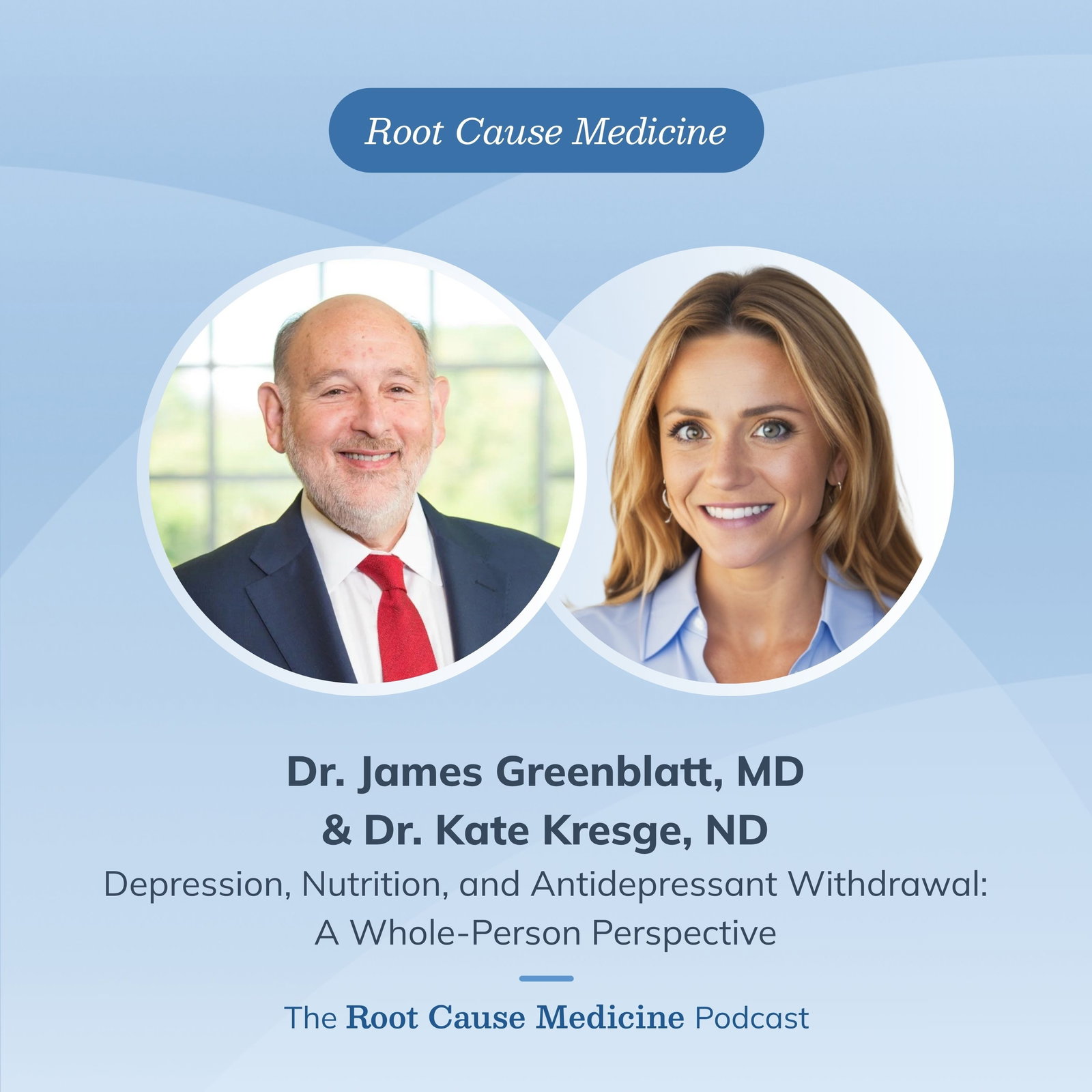
Dr. Kate Kresge is joined by psychiatrist James Greenblatt, MD, to discuss themes from his book Finally Hopeful, including nutrition, depression, laboratory assessment, and antidepressant withdrawal.Clinical TakeawaysDepression warrants a broad clinical assessment. Symptoms may overlap with medical conditions and nutritional deficiencies. (Bode 2021) (Lee 2020) (Bender 2017) The episode discusses thyroid function, iron, vitamin B12, folate, vitamin D, and other factors as part of a broader evaluation—not as universal causes of depression.Antidepressant discontinuation should be individualized. Abruptly stopping an antidepressant can cause withdrawal symptoms. (Henssler 2024) (Horowitz 2019) Gradual, clinician-supervised tapering is important; nutritional status may also be considered, although supplementation has not been established as a way to prevent withdrawal. (Horowitz 2019)Nutrition can be considered within whole-person mental healthcare. Protein, amino acids, omega-3 fatty acids, B vitamins, zinc, and magnesium are discussed. Testing and supplementation should reflect individual needs rather than assuming a common deficiency.Guest: James Greenblatt, MDJames Greenblatt, MD, is a psychiatrist and educator in integrative and functional psychiatry. He discusses a whole-person framework for evaluating depression, nutritional status, and antidepressant discontinuation.Clinician FAQ1. Can nutritional deficiencies contribute to depressive symptoms?Yes, nutritional status can be clinically relevant, but depression is multifactorial. (Bender 2017) (Malhi 2018) The episode discusses iron, vitamin B12, folate, vitamin D, zinc, and other nutrients clinicians may evaluate when appropriate.2. Why distinguish antidepressant withdrawal from depression?Withdrawal can occur when antidepressants are reduced or stopped, and symptoms may overlap with psychiatric symptoms. (Henssler 2024) (Horowitz 2019) Distinguishing withdrawal from recurrence of depression is important during discontinuation. (Horowitz 2019) 3. Should nutritional status be assessed before antidepressant tapering?The episode proposes evaluating nutritional status before and during tapering. Medication changes should be individualized and managed with the prescribing clinician.4. What role do amino acids play in mental health?Amino acids from dietary protein are precursors for many biologically important molecules, including neurotransmitters. (Tang 2025) The episode discusses amino acid assessment as part of Dr. Greenblatt’s clinical approach.5. Why screen for medical conditions in patients with depression?Some medical conditions may produce symptoms that resemble or coexist with depression. (Bode 2021) (Lee 2020) (Clappison 2020) The episode highlights thyroid disorders, anemia, and celiac disease as examples clinicians may investigate when clinically indicated.Key Moments03:44 Whole-person framework for depression07:46 Antidepressant withdrawal11:29 Nutritional assessment before tapering23:23 Amino acids and nutrition37:26 B vitamins and minerals46:15 Depression and celiac disease caseDisclaimerThe views expressed on this podcast are those of the hosts and the guests, and they don't necessarily reflect the views of Fullscript or any affiliated organizations. This podcast is for informational and educational purposes only, and it's not intended to be medical advice. For your safety, always check with your healthcare provider before making any changes to your healthcare routine.ReferencesBender, A., Hagan, K. E., & Kingston, N. (2017). The association of folate and depression: A meta-analysis. Journal of Psychiatric Research, 95, 9–18. https://doi.org/10.1016/j.jpsychires.2017.07.019Bode, H., Ivens, B., Bschor, T., Schwarzer, G., Henssler, J., & Baethge, C. (2021). Association of hypothyroidism and clinical depression: A systematic review and meta-analysis. JAMA Psychiatry, 78(12), 1375–1383. https://doi.org/10.1001/jamapsychiatry.2021.2506Clappison, E., Hadjivassiliou, M., & Zis, P. (2020). Psychiatric manifestations of coeliac disease, a systematic review and meta-analysis. Nutrients, 12(1), 142. https://doi.org/10.3390/nu12010142Henssler, J., Schmidt, Y., Schmidt, U., Schwarzer, G., Bschor, T., & Baethge, C. (2024). Incidence of antidepressant discontinuation symptoms: A systematic review and meta-analysis. The Lancet Psychiatry, 11(7), 526–535. https://doi.org/10.1016/S2215-0366(24)00133-0Horowitz, M. A., & Taylor, D. (2019). Tapering of SSRI treatment to mitigate withdrawal symptoms. The Lancet Psychiatry, 6(6), 538–546. https://doi.org/10.1016/S2215-0366(19)30032-XLee, Y.-J., & Kim, H.-B. (2020). Association between anaemia and adult depression: A systematic review and meta-analysis of observational studies. Journal of Epidemiology and Community Health, 74(7), 565–572. https://doi.org/10.1136/jech-2020-213842Malhi, G. S., & Mann, J. J. (2018). Depression. The Lancet, 392(10161), 2299–2312. https://doi.org/10.1016/S0140-6736(18)31948-2Tang, J., Krushelnycky, L., Shaqo, A., & Cho, C. E. (2025). A comprehensive review of nutritional influences on the serotonergic system. Advances in Nutrition, 16(11), 100524. https://doi.org/10.1016/j.advnut.2025.100524
What to do at the first sign of a cold: an evidence-informed toolkitDr. Holly Lucille, ND, is joined by Lara Zakaria, PharmD, MS, CNS, to discuss what people can do when a scratchy throat, fatigue, or other early respiratory symptoms begin. The conversation covers rest and recovery, respiratory virus testing, zinc, vitamin C, elderberry, echinacea, honey, green tea, garlic, ginger, turmeric, and practical ways to prepare for cold and flu season.Early symptoms of COVID-19, influenza, and other respiratory infections can overlap, making symptom pattern alone an unreliable way to identify the cause. Testing, individual risk factors, symptom severity, and timing can all affect the appropriate next step. (CDC 2026a) (CDC 2025) Clinical TakeawaysStart with the fundamentals: rest, fluids, testing when appropriate, and risk assessment. Most uncomplicated colds improve without specific treatment, and supportive measures such as adequate rest and fluids remain foundational. (CDC 2026b) Testing can help distinguish respiratory infections such as COVID-19 and influenza when the result may affect treatment or precautions, particularly for patients at higher risk of severe illness. (CDC 2025) Zinc and vitamin C have different levels of evidence for the common cold. Zinc has been studied extensively, particularly as lozenges started early in a cold, but results vary substantially by formulation, dose, and study design. (Nault 2024) (Hemilä 2017) (Hemilä 2020) Regular vitamin C supplementation may modestly shorten cold duration, while evidence for starting vitamin C only after symptoms appear has been less consistent. Long-term or excessive zinc supplementation also warrants attention because sustained high intake can interfere with copper status. (NIH 2022)Botanical evidence is ingredient- and formulation-specific. (Karsch-Völk 2014) Elderberry and echinacea have both been studied for respiratory infections, but findings are mixed and should not be generalized across products. (Wieland 2021) (Karsch-Völk 2014) (David 2019) Evidence for elderberry remains limited and uncertain, while echinacea studies vary considerably according to species, plant part, extraction method, and formulation. (Wieland 2021) (Karsch-Völk 2014) Garlic, green tea, ginger, turmeric, and honey may have nutritional or symptom-support roles, but they should not be presented as established treatments for viral respiratory infections. (Lissiman 2014) (Abuelgasim 2021)Guest: Lara Zakaria, PharmD, MS, CNSLara Zakaria is a pharmacist and clinical nutritionist with a background spanning community pharmacy, functional medicine, and personalized nutrition. In this episode, she discusses how conventional pharmacy knowledge and nutrition can be brought together when thinking about early respiratory symptoms, supplement use, and practical supportive care.Clinician FAQ1. What should patients do when they first feel a cold coming on?Supportive care is a reasonable starting point for uncomplicated symptoms. Rest, adequate fluids, and attention to symptom progression can help patients through a typical viral illness. Testing for COVID-19 or influenza may also be useful when results could affect treatment or precautions, particularly in higher-risk patients. (CDC 2026b) (CDC 2025)Patients at increased risk for severe respiratory illness should contact a healthcare provider promptly because prescription antiviral treatment for influenza and COVID-19 is time-sensitive. (CDC 2026a)2. Does zinc shorten a cold?Possibly, but the evidence is formulation-dependent. (Nault 2024) Trials of zinc lozenges have produced conflicting findings, with some showing shorter illness duration and others showing no meaningful benefit. (Hemilä 2017) (Hemilä 2020) Differences in zinc salt, formulation, dose, timing, and lozenge composition complicate comparisons across studies. (Nault 2024)This means findings from a specific zinc-lozenge trial should not automatically be extrapolated to zinc supplements in general. Prolonged high zinc intake can also impair copper absorption, making duration and total intake relevant to safety. (NIH 2022)3. Should vitamin C be started when cold symptoms appear?The evidence is stronger for regular supplementation than for starting vitamin C after symptoms begin. A large systematic review found that routine vitamin C supplementation did not substantially reduce cold incidence in the general population but was associated with modest reductions in cold duration. (Hemilä 2013) Trials starting vitamin C therapeutically after symptom onset have not demonstrated a consistent benefit. (Hemilä 2013) Practitioners should therefore distinguish evidence for ongoing vitamin C intake from evidence for using vitamin C as an acute intervention.4. Do elderberry and echinacea help with colds and respiratory infections?The evidence is mixed. A systematic review of elderberry found that it may reduce the duration or severity of some viral respiratory illnesses, but the certainty of the evidence was insufficient for firm conclusions. (Wieland 2021) Echinacea research is complicated by substantial differences among preparations. (Karsch-Völk 2014) Systematic reviews and individual trials have reached differing conclusions, and some well-controlled studies have not found significant reductions in cold duration or severity. (Karsch-Völk 2014) (David 2019) Product-specific evidence matters when interpreting these findings.5. When should respiratory symptoms prompt testing or medical evaluation?Testing becomes particularly important when identifying COVID-19 or influenza could change treatment or precautions. (CDC 2025) Patients at higher risk for severe illness should seek healthcare promptly because antiviral treatments for influenza and COVID-19 work best when initiated early. (CDC 2026a) (CDC 2026b) Trouble breathing, chest pain or pressure, confusion, inability to stay awake, dehydration, severe weakness, or symptoms that improve and then significantly worsen warrant prompt medical assessment. (CDC 2026a)Timestamps / Key Moments00:03:00 Early signs that an illness may be developing00:04:00 Temperature, heart rate, and HRV changes00:06:35 When testing and medical evaluation may be appropriate00:08:46 Why rest and recovery matter00:09:55 Respiratory virus testing and RSV00:12:15 Vitamin C and zinc00:14:35 Vitamin C formulations and intake00:15:24 Zinc supplements and lozenges00:17:15 Long-term zinc intake and copper balance00:20:30 Vitamin D status and seasonal preparation00:22:33 Elderberry, echinacea, honey, and other botanicals00:26:45 Symptom relief versus the underlying infection00:30:20 Echinacea preparations00:32:47 Green tea and EGCG00:34:10 Garlic and allicin00:35:15 Ginger and turmeric00:36:49 Building a practical early-symptom toolkitNutrients and botanicals discussedZincVitamin CVitamin DElderberryEchinaceaHoneyManuka honeyGreen teaEGCGGarlicAllicinGingerTurmericSupportive strategies discussedRest and sleepHydrationRespiratory virus testingMonitoring symptomsReviewing wearable trendsWarm fluids and teaSupplement preparation before cold and flu seasonEvaluating zinc intake and copper balanceIndividualizing supplement useWant to elevate your practice?This episode is sponsored by Fullscript, a comprehensive care delivery platform designed to support whole-person, integrative healthcare. Fullscript helps clinicians bring supplement dispensing, lab ordering, and patient education into one centralized workflow.For more practitioner education on supplements, nutrition, and evidence-informed clinical care, visit Fullscript Academy at academy.fullscript.com.DisclaimerThe views expressed on this podcast are those of the host and guest and do not necessarily reflect those of Fullscript or affiliated organizations. This episode is for informational and educational purposes only and is not medical advice. Dietary supplements can cause adverse effects and interact with medications. Patients should consult a qualified healthcare professional when symptoms are severe, persistent, worsening, or when individual health conditions or medications may affect appropriate care.ReferencesAbuelgasim, H., Albury, C., & Lee, J. (2021). Effectiveness of honey for symptomatic relief in upper respiratory tract infections: A systematic review and meta-analysis. BMJ Evidence-Based Medicine, 26(2), 57–64. https://doi.org/10.1136/bmjebm-2020-111336Centers for Disease Control and Prevention. (2025, August 18). Testing and respiratory viruses. https://www.cdc.gov/respiratory-viruses/prevention/testing.htmlCenters for Disease Control and Prevention. (2026a, September 10). About respiratory illnesses. https://www.cdc.gov/respiratory-viruses/about/index.htmlCenters for Disease Control and Prevention. (2026b, March 11). Manage common cold. https://www.cdc.gov/common-cold/treatment/index.htmlDavid, S., & Cunningham, R. (2019). Echinacea for the prevention and treatment of upper respiratory tract infections: A systematic review and meta-analysis. Complementary Therapies in Medicine, 44, 18–26. https://doi.org/10.1016/j.ctim.2019.03.011Hemilä, H., & Chalker, E. (2013). Vitamin C for preventing and treating the common cold. Cochrane Database of Systematic Reviews, 2013(1), Article CD000980. https://doi.org/10.1002/14651858.CD000980.pub4Hemilä, H., Fitzgerald, J. T., Petrus, E. J., & Prasad, A. (2017). Zinc acetate lozenges may improve the recovery rate of common cold patients: An individual patient data meta-analysis. Open Forum Infectious Diseases, 4(2), ofx059. https://doi.org/10.1093/ofid/ofx059Hemilä, H., Haukka, J., Alho, M., Vahtera, J., & Kivimäki, M. (2020). Zinc acetate lozenges for the treatment of the common cold: A randomised controlled trial. BMJ Open, 10(1), e031662. https://doi.org/10.1136/bmjopen-2019-031662Karsch-Völk, M., Barrett, B., Kiefer, D., Bauer, R., Ardjomand-Woelkart, K., & Linde, K. (2014). Echinacea for preventing and treating the common cold. Cochrane Database of Systematic Reviews, 201

Comments

Download from Google Play

Download from App Store
 United States