


 Claim Ownership
 How I Operate
How I OperateSubscribed: 3Played: 79
Subscribe

© The Plastics Fella
Description
The Plastics Fella talks to leading expert in Plastic Surgery. How I Operate takes you behind the scenes of plastic and reconstructive surgery, exploring the stories, expertise, and decisions behind the work. Each episode features candid conversations with people shaping the industry, from their clinical process to the lessons they’ve learned along the way.
16 Episodes
Reverse
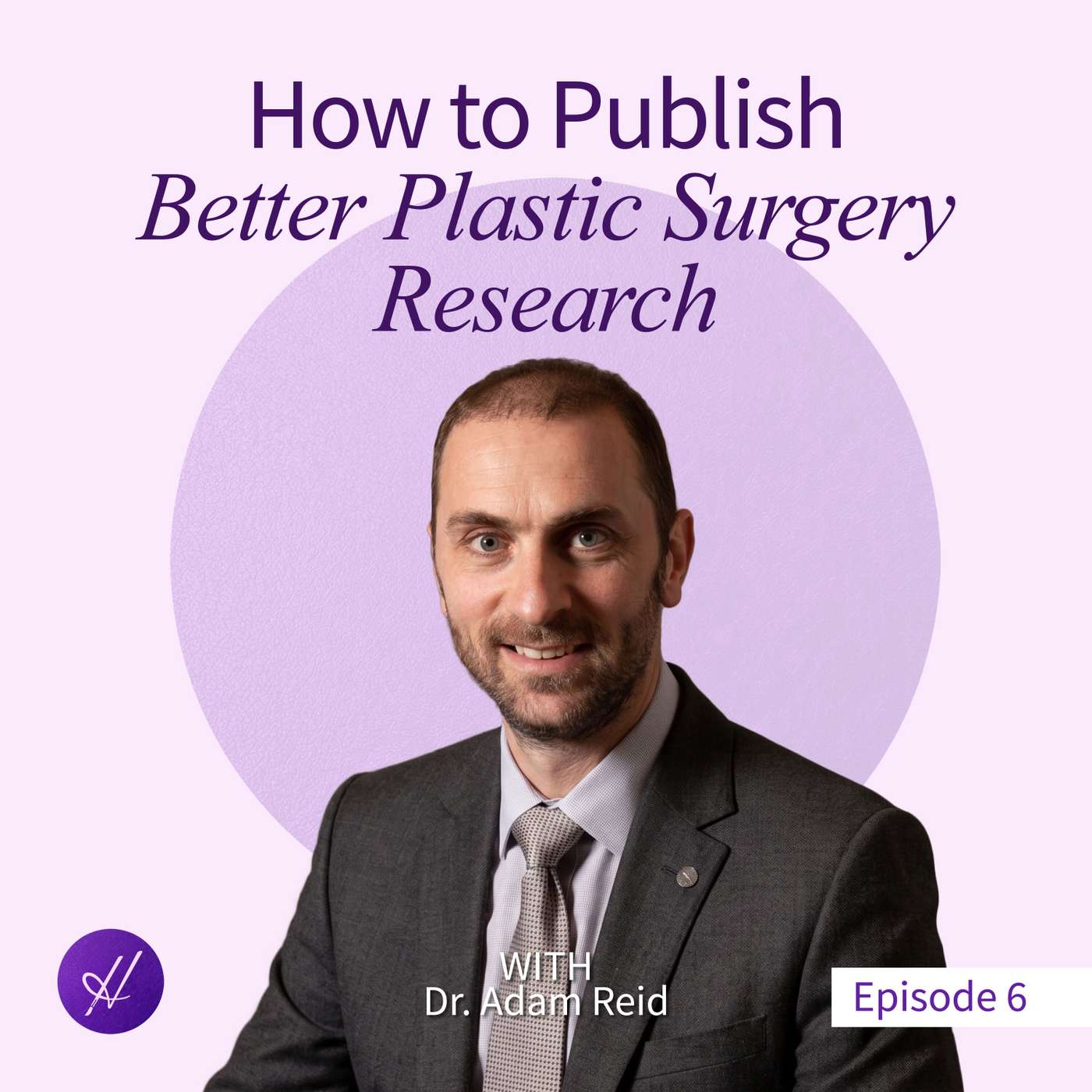
📩 Subscribe to The Plastics Paper:www.theplasticsfella.com/theplasticspaper-newsletterIn this episode of How I Operate, Ryan Sugrue is joined by Adam Reid, Editor-in-Chief of JPRAS, to explore what really happens to plastic surgery research between submission and publication.Following a manuscript through the editorial process, Adam explains what editors look for when assessing a paper, how peer review works, and why good methodology, research integrity and clinical relevance matter more than impressive conclusions. They also explore the growing influence of artificial intelligence on scientific publishing, the risks of inappropriate AI use, and what the next generation of plastic surgeons should consider when getting started in research.Key TakeawaysWhat happens to a manuscript after it is submitted to a plastic surgery journal.What editors look for in a title, abstract and methodology when first assessing a paper.Why following submission guidelines can make a difference before scientific review even begins.How peer reviewers are selected and how conflicting reviewer feedback is managed.Why limitations and negative findings should be reported honestly rather than hidden or overstated.How conflicts of interest and research integrity influence editorial decisions.The opportunities and risks associated with using AI in scientific research and publishing.Why strong methodology and clinically meaningful questions remain fundamental to good research.How mentorship, collaboration and building the right team can help surgeons get started in research.Chapters:00:15 – How Plastic Surgery Research Has Changed04:48 – From Print Journals to Social Media11:08 – What Happens After You Hit Submit?15:53 – How an Editor Screens a Paper18:57 – Building the Peer Review Team26:14 – How Peer Review Really Works31:23 – What Happens After Publication?34:24 – Reviewing a Research Paper in Real Time49:20 – AI and the Future of Scientific Publishing01:01:21 – How to Get Started in Plastic Surgery ResearchThank you for listening to How I Operate.If you enjoyed this episode, please follow the show, leave a rating and review, and share it with colleagues. New episodes are released monthly, featuring the surgeons, innovators and ideas that continue to shape modern plastic surgery.
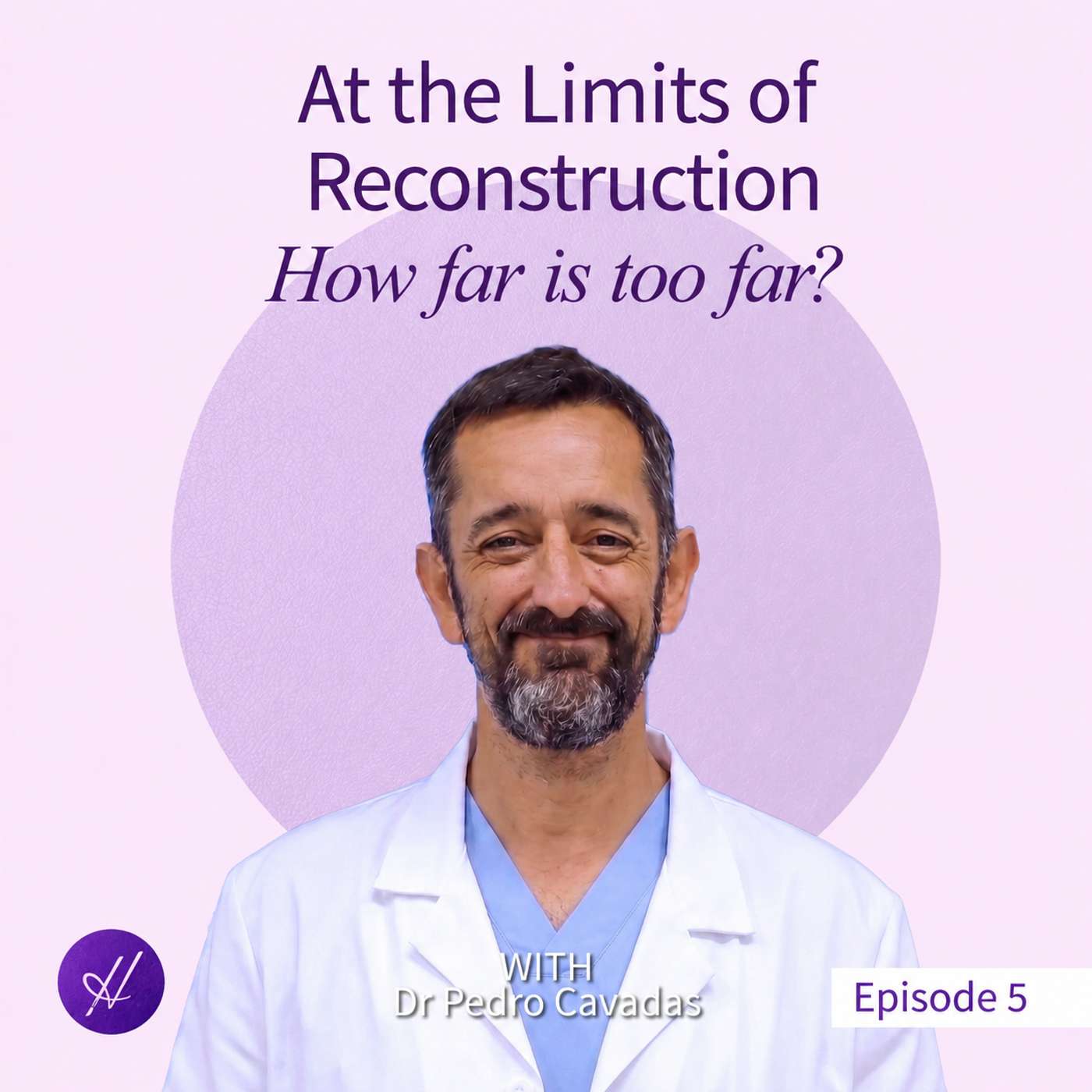
📩 Subscribe to The Plastics Fella Newsletter:https://www.theplasticsfella.comIn this episode of How I Operate, Ryan Sugrue is joined by Pedro Cavadas, a reconstructive microsurgeon known for tackling complex limb salvage and replantation cases where conventional reconstructive options can begin to run out.Beginning with the medial sural artery perforator (MSAP) flap, Cavadas gives a characteristically direct account of where the flap is useful, where it is not, and why anatomy and surgical efficiency matter more than novelty. The conversation then moves into the practical details of microsurgery: intramuscular dissection, perforator selection, venous anastomosis, vessel geometry and the sequence of repair in digital replantation. Along the way, he challenges established dogma, explains the small technical habits he believes improve patency, and shares why de-airing an arterial anastomosis may be critical to avoiding unexplained flap failure.Key TakeawaysWhen the MSAP flap is a useful regional free flap and why Cavadas does not consider it a universal workhorse.How high-setting, non-stick bipolar dissection can make intramuscular perforator dissection faster and more controlled.Why Cavadas usually wants a single perforator and believes one perfect venous anastomosis can be better than two suboptimal ones.The microsurgical habits he uses to protect the endothelium, optimise vessel geometry, and improve anastomotic reliability.How changing the sequence of repair can make digital replantation faster, cleaner, and more reproducible under tourniquet.Why air bubbles in an arterial anastomosis may contribute to apparent “no-reflow” and unexplained flap failure.Chapters00:00 – Reconstructing the “Impossible”01:50 – The Rise of Perforator Flaps and the MSAP Flap04:15 – What the MSAP Flap Is Really Good For08:40 – Choosing the Right Flap for Complex Limb Reconstruction10:20 – Raising the MSAP Flap and Intramuscular Dissection16:30 – Flap Design, Doppler and Perforator Selection18:20 – Why One Vein Can Be Better Than Two21:10 – Anastomosis Tricks and Avoiding Endothelial Injury28:20 – Replantation Strategy, Bone Shortening and Repair Sequence39:40 – Air Embolism, “No-Reflow” and Flap FailureThank you for listening to How I Operate. Brought to you by ThePlasticsFella.If you enjoyed this episode, please follow the show, leave a rating and review, and share it with colleagues. New episodes are released bi-weekly, featuring the surgeons, innovators, and ideas that continue to shape modern plastic surgery.

📩 Subscribe to The Plastics Fella Newsletter: https://www.theplasticsfella.comIn this episode of How I Operate, Ryan Sugrue is joined by Dr Elizabeth Hall-Findlay, whose work has helped reshape the way plastic surgeons think about breast reduction.Dr Hall-Findlay traces the evolution of her approach from the traditional inverted T inferior pedicle technique to vertical reduction and the true superomedial pedicle. She explores the importance of separating skin design, blood supply and parenchymal reshaping, explaining why the skin shouldn't be relied upon as a "brassiere". From nipple position and pedicle selection to markings, tissue resection and managing complications, she shares the lessons and surgical principles developed throughout her career.Key Takeaways: How Dr Hall-Findlay transitioned from the inverted T technique to vertical breast reduction. Why understanding the superficial blood supply is fundamental to pedicle design and nipple viability. The principles behind the true superomedial pedicle and its advantages for blood supply, sensation and breast shape. Why surgeons should "remove the excess where it is" rather than relying solely on predetermined patterns. How parenchymal reshaping, rather than skin tension, can create more predictable long-term results. The importance of the upper breast border, breast meridian and individual anatomy when determining nipple position. When a horizontal scar may still be required and why the vertical incision shouldn't be cinched. How honest reflection, photography and long-term follow-up can help surgeons continually refine their technique. Chapters:00:15 – The Evolution of Breast Reduction03:24 – Moving Away from the Inverted T06:29 – Transitioning to Vertical Reduction09:49 – Understanding the True Superomedial Pedicle14:33 – Sensation, Shape and Parenchymal Reshaping24:52 – Remove the Excess Where It Is31:03 – Gravity, Weight and the Inframammary Fold36:47 – Marking the Breast and Choosing Nipple Position47:00 – Inside the Hall-Findlay Technique53:56 – The Pucker, the T and Surgical Judgement58:59 – Managing Complications and Nipple Necrosis62:26 – A Career Built on Surgical EvolutionThank you for listening to How I Operate.If you enjoyed this episode, please follow the show, leave a rating and review, and share it with colleagues. New episodes are released monthly, featuring the surgeons, innovators and ideas that continue to shape modern plastic surgery.
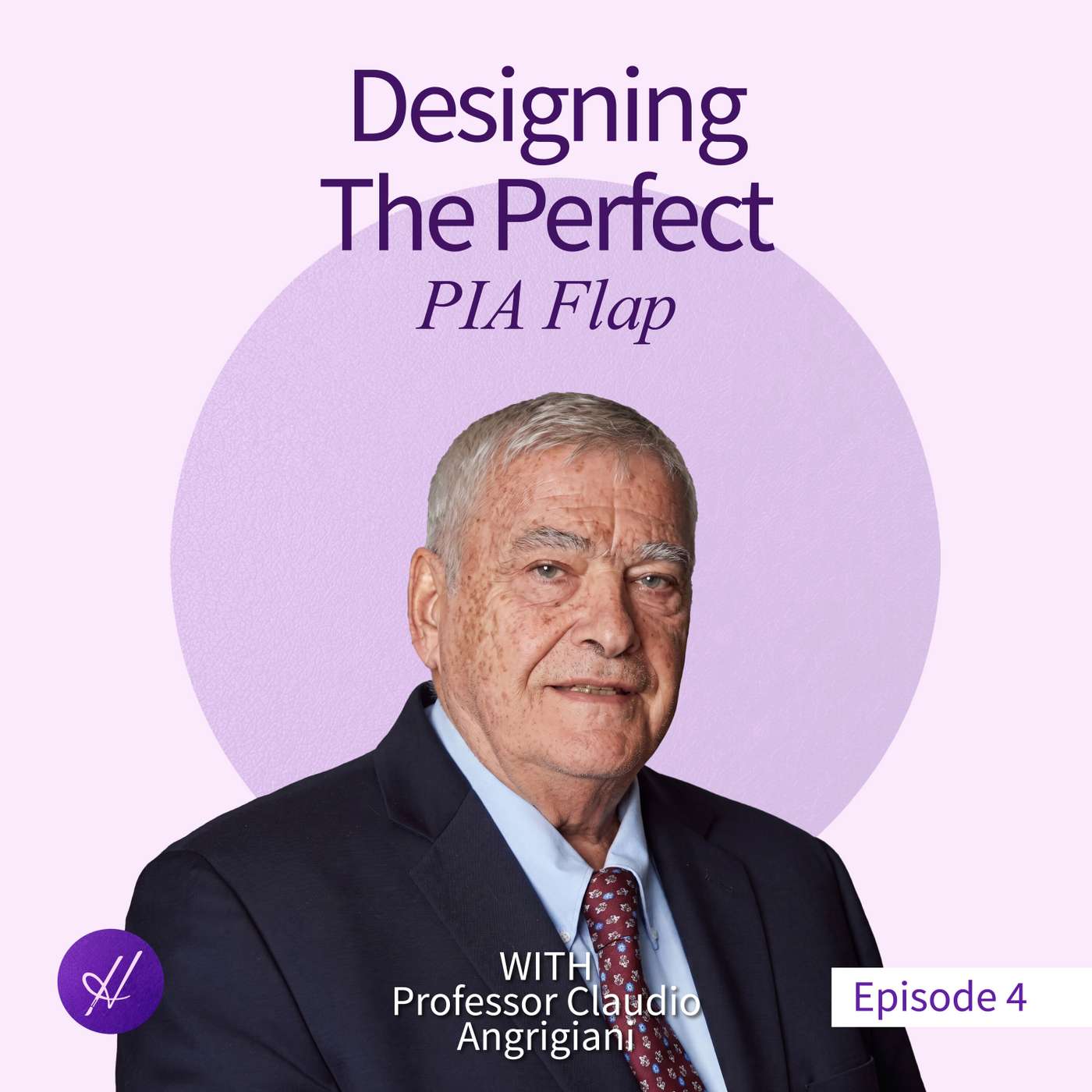
📩 Subscribe to The Plastics Fella Newsletter:https://www.theplasticsfella.comIn this episode of How I Operate, Ryan Sugrue is joined by Professor Claudio Angrigiani, the creator of the Posterior Interosseous Artery (PIA) flap and one of the pioneers of perforator flap surgery.Looking back over four decades of innovation, Professor Angrigiani shares the story behind the development of the PIA flap, from cadaveric anatomy studies in Argentina to its adoption as a reliable reconstructive option for hand and wrist defects around the world. Along the way, he explores the importance of anatomy, surgical simplicity, and why understanding vascular territories remains fundamental to flap design today.Key Takeaways:How the PIA flap was developed as an alternative to traditional reconstructive options for the hand.The role of anatomical research and cadaveric studies in creating dependable surgical techniques.Why the middle perforators are key to the reliability of the PIA flap.Common technical mistakes that can lead to complications or flap failure.The importance of simplifying flap surgery through a deep understanding of anatomy.Professor Angrigiani's approach to innovation, research, and developing new surgical techniques.Chapters:00:00 – Introducing the PIA Flap04:10 – Hand Reconstruction in the 1980s09:25 – The Origins of the PIA Flap16:40 – Early Anatomical Research and Cadaver Studies24:15 – Understanding Perforators and Vascular Territories33:50 – The Physiology Behind the PIA Flap43:20 – Flap Design, Landmarks, and Planning54:35 – Raising the PIA Flap Step by Step01:06:10 – Common Mistakes and Avoiding Complications01:15:45 – Innovation, Anatomy and Surgical ThinkingThank you for listening to How I Operate. Brought to you by ThePlasticsFella.If you enjoyed this episode, please follow the show, leave a rating and review, and share it with colleagues. New episodes are released bi-weekly, featuring the surgeons, innovators, and ideas that continue to shape modern plastic surgery.

📩 Subscribe to The Plastics Paper Newsletter:www.theplasticsfella.com/theplasticspaper-newsletter/In the second episode of How I Operate, Ryan Sugrue (ThePlasticsFella) sits down with Professor Foad Nahai, co-creator of the Mathes & Nahai classification, one of the most influential frameworks in reconstructive surgery.More than four decades after its publication, the classification remains a cornerstone of plastic surgery training and clinical practice. Professor Nahai reflects on the anatomy lab discoveries, clinical challenges, and collaborative work with Dr. Stephen Mathes that led to the development of a system that transformed how surgeons understand muscle flaps. Together, they explore the origins of the classification, its lasting relevance, and the principles that continue to shape reconstructive surgery today.Key Takeaways:How the Mathes & Nahai classification was developed from anatomical research.Why understanding vascular anatomy changed the reliability of muscle flaps.The role of anatomy in advancing reconstructive and microsurgical techniques.Lessons learned from creating a framework that has remained relevant for over 40 years.Why simplicity, clinical relevance, and practicality are key to lasting surgical innovation.Chapters:00:00 – Introducing the Mathes & Nahai Classification04:09 – Muscle Flaps Before the Classification09:04 – Reconstruction, Microsurgery, and a Changing Specialty13:13 – Why Anatomy Still Matters17:06 – Discovering the Pattern in the Anatomy Lab22:40 – Publishing the Research and Early Reception24:40 – Building a Framework That Lasted31:16 – Seeing the Classification Adopted Worldwide34:18 – Clinical Impact Beyond the Classification38:48 – Advice for the Next Generation of SurgeonsThank you for listening to How I Operate. Brought to you by ThePlasticsFella.If you enjoyed this episode, please follow the show, leave a rating, and share it with colleagues. New episodes are released bi-weekly, exploring the ideas, techniques, and innovations that continue to shape modern plastic surgery.

Comments

Download from Google Play

Download from App Store
 United States