


 Claim Ownership
Birdshot Podcast
Subscribed: 992Played: 43,387
Subscribe

Description
Birdshot Podcast, presented by Upland Gun Company and hosted by Nick Larson, is where upland hunters come together. Each week we share conversations that connect the people, stories, and traditions of wingshooting—from bird dogs and shotguns to the birds and landscapes that bring us back season after season.
360 Episodes
Reverse

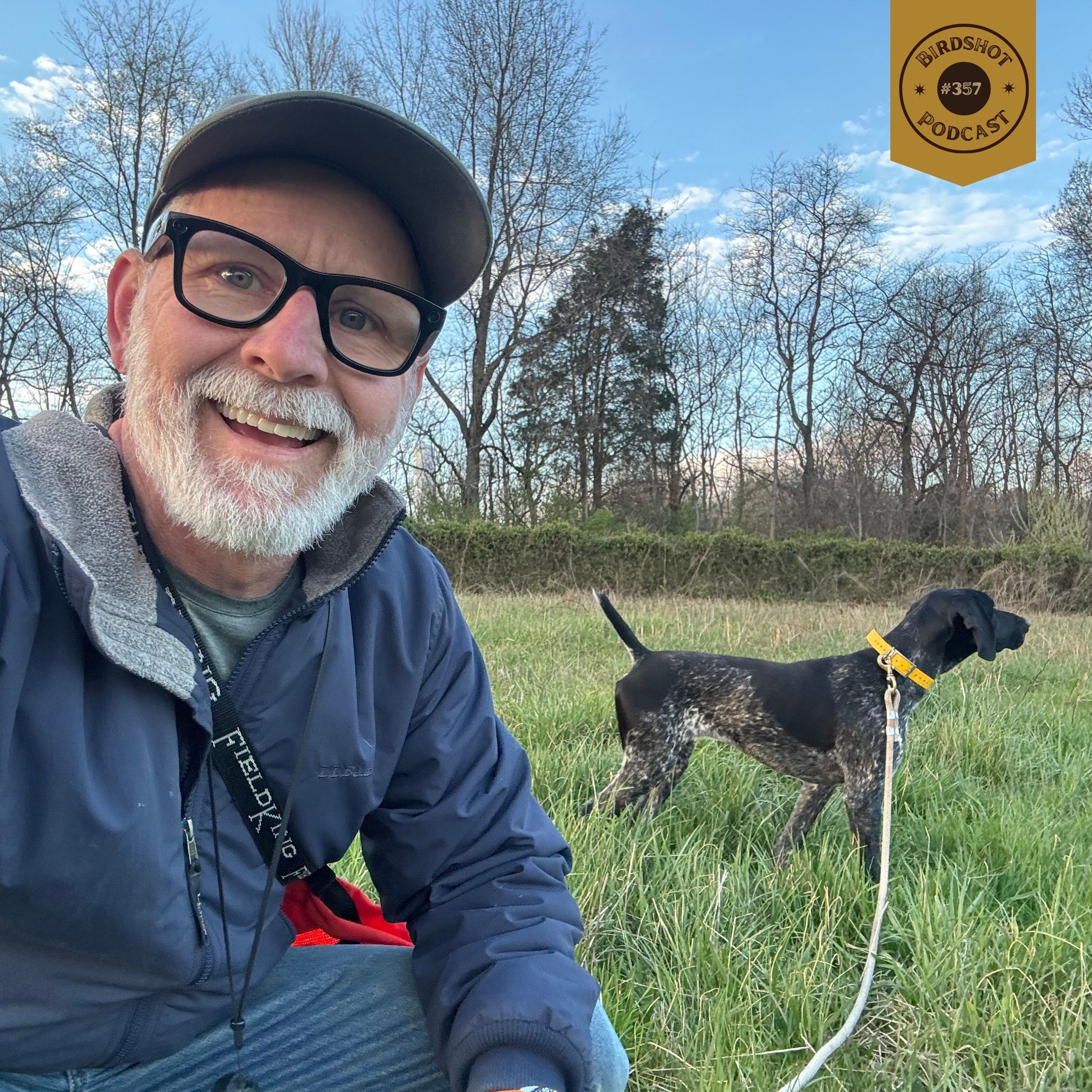
Sharptail hunting on the prairie gave Nick plenty to think about, especially with Hazel along for her first prairie trip. In this solo episode, he recaps the hunts and shares what changed when he started choosing cover with a young setter in mind.A cut hayfield that looked too short to hide a bird turned into one of the trip's most memorable walks. There was good work from an older dog, a puppy carrying a sharptail around a hay bale, and plenty of small moments that made the next hunt even more exciting.Nick also answers a listener's question about range and staying connected with a young dog, reflects on what the wind can hide, and remembers Hartley as another season gets underway.In this episodeWhy the roadside view doesn't always tell the whole story about prairie coverGrazing, patchy grass, and choosing places where Hazel could move and stay in sightA cut hayfield, Pike's point, and Hazel's first sharptail experiencesYoung-dog range, checking in, changing directions, and GPS collarsHow wind and the path a dog takes can change a bird contactHazel's early pointing and backing, and memories of HartleyA few questions from the conversationCan sharptails hide in a cut hayfield?They did on this trip. Nick describes Pike pointing a sharptail in short alfalfa that looked too open to conceal a bird. Taking Hazel into that field gave her room to move and stay visible, and the hunt changed Nick's confidence in a cover type he hadn't spent much time hunting.What made patchy prairie cover useful for a puppy?Nick found that thinner areas let Hazel move more easily and maintain visual contact. Patches of snowberry, bowls, and other remaining cover also gave the hunt clearer places to investigate. He contrasts that with thick, tall grass that can make a young dog's first outings harder than they need to be.How does Nick stay connected with a young dog?Nick describes building that connection through repeated outings and opportunities for the pup to check back. When Hazel lost sight of him, he stopped and let her look for him. He also talks about reconnecting before a major change of direction and fitting her with a GPS collar before her first grouse hunts.Does a birdless walk mean sharptails weren't there?Nick's experiences have taught him to leave room for doubt. One bird flushed while the hunters stopped to water a dog and check the map. In another remembered hunt, Hartley passed close to birds on the wrong side of the wind, then found them when he looped around.Support the showThis episode is brought to you by Upland Gun Company, Final Rise, and Irish Setter Boots.Upland Gun CompanyFinal Rise Shirt of the MonthIrish Setter Pheasants Forever EditionJoin the Birdshot Podcast community on Patreon.Have a question or something you'd like to hear more about in a future solo episode? Email [email protected] and followSpotifyApple PodcastsYouTubeInstagramBirdshot Podcast website Hosted by Simplecast, an AdsWizz company. See pcm.adswizz.com for information about our collection and use of personal data for advertising.

Tick prevention for hunters and bird dogs starts before the first walk through cover. Travis Avery of Sawyer Products joins Nick to talk about permethrin, treated clothing, and what happens when a tick reaches that fabric.I've sprayed my hunting pants for years, but I hadn't spent much time thinking about what the treatment was doing two weeks later. No smell. Nothing I could see. Travis's explanation helped me connect that familiar routine to how the product works. We also discuss treating boots and socks, along with the dog beds and kennel pads I already spray.We talk about the difference between a fabric treatment and a topical repellent, why drying matters, and how Travis approaches prevention with his dog Murphy. The conversation also covers tick checks and the extra care involved when cats are around. We open with Sawyer's water filters and a few ways they can fit into a hunting vest, a truck, or a trip with the dogs.The idea is to spend more time in the woods with a routine that makes sense.Questions from the episodeHow is permethrin different from a topical insect repellent?Permethrin is the fabric treatment at the center of this conversation. Travis describes it as a contact insecticide, while DEET and picaridin serve as topical repellents. Nick asks how those approaches fit together when a hunter has treated clothing but still has exposed skin. The distinction helped him better understand the routine he already uses.Why can treated hunting clothes still work two weeks later?The treatment bonds with the fabric rather than depending on a smell that Nick can detect. Travis compares that bond to dye in a shirt. He describes sunlight and washing as factors that reduce its effectiveness over time. For Nick, that explains why an odorless pair of treated pants can still be part of his routine.How long does Sawyer's clothing treatment last?Sawyer describes its clothing treatment as lasting up to six weeks or six washings, whichever comes first. Travis discusses that window alongside sunlight, laundering, and time in the field. Nick connects it to the early grouse season, when he is regularly walking through tick cover. The current product label gives the application and retreatment directions.What changed in Nick's thinking about bird dogs and ticks?Nick already uses an oral preventive for his setters and treats their beds and kennel pads. Hearing how permethrin works on contact made him curious about treating the dogs themselves. Travis describes his routine with Murphy and points listeners to Sawyer's dog-specific instructions. That conversation is about an additional layer, with the product label and a veterinarian guiding any individual dog's use.Where does water filtration fit into a bird-hunting trip?Travis carries a filter when fly fishing and describes options for a hunting vest, truck, cabin, or group camp. Nick starts from a place where water is usually available, then thinks about western hunts and carrying enough for himself and the dogs. They also discuss the limits of standard filters, including viruses and chemical contamination.Connect with SawyerSawyer Products: https://www.sawyer.com/Permethrin product details and dog application instructions: https://www.sawyer.com/products/permethrin-fabric-treatmentSawyer on Instagram: https://instagram.com/sawyerproductsListen and followSpotify: https://open.spotify.com/show/17EVUDJPwR2iJggzhLYil7Apple Podcasts: https://podcasts.apple.com/us/podcast/birdshot-podcast/id1288308609YouTube: https://www.youtube.com/@birdshot.podcastInstagram: https://www.instagram.com/birdshot.podcast/Website: https://www.birdshotpodcast.com/SponsorsThis episode is brought to you by Upland Gun Company, Final Rise, and Irish Setter Boots.Upland Gun Company: https://uplandguncompany.com/Final Rise Shirt of the Month: https://finalrise.com/pages/upland-shirt-subscriptionIrish Setter Pheasants Forever Edition: https://irishsetterboots.com/pheasantsforever Hosted by Simplecast, an AdsWizz company. See pcm.adswizz.com for information about our collection and use of personal data for advertising.
Wild bird contacts can shape a pointing dog in ways a training setup cannot. Mark Payton joins Nick to talk about first seasons, launchers, steadiness, and letting birds teach.
Mark is the author of Favorite Ways to Train Your Bird Dog and a longtime bird hunter who has worked dogs for the public for about 15 years. He returns to the podcast for a listener-question episode built around developing young dogs, carrying yard work into new places, and recognizing what a dog is saying before adding more pressure.
I have a new setter pup at my feet this season, so this one landed at the right time. We talk about how little formal work a young pointing dog may need before its first fall, what early wild-bird opportunity can open up, and why a puppy's light-bulb moment tends to stick with the person holding the gun. Mark remembers Izzy pointing a quail single before she was six months old. With another dog, he went into the field with a puppy and came out with a bird dog.
The conversation also gets practical. Mark explains his wooden backing silhouette, his use of remote launchers, the difference between steady to flush and steady through the fall, and why he treats a launcher as a stand-in for a wild bird rather than a machine for making a dog point. His recurring question is a useful one: what would a wild bird do?
Later, we get into whoa posts, flank collars, relocation, gun introduction, e-collar timing, trash breaking, retrieving, and the limited role of a wing on a string. The larger idea stays simple. Build the dog's love for birds, give it meaningful opportunity, and pay attention to the small signals along the way.DOWNLOAD: Mark's Backing Dummy Silhouette
Chapters
00:00 Let the wild bird teach the dog
02:37 Short bird dog training sessions and consistency
04:58 Mark Payton's bird dog background
11:33 How much training does a young pointing dog need?
21:47 Letting the dog and bird work it out
22:14 A young bird dog's first hunting season
28:24 Building bird drive in a hesitant puppy
31:02 Developing range and independence
33:26 Teaching backing with a wooden silhouette
43:16 Helping dogs generalize training in new places
46:05 E-collar timing and command reinforcement
48:58 When a young dog catches a training bird
50:37 Using a launcher like a wild bird
54:35 Steady to flush, wing, shot, and fall
1:00:00 Whoa posts and flank collars
1:03:54 Letting a pointing dog relocate on moving birds
1:07:28 Reading small signals during gun introduction
1:10:28 Trash breaking and deer chasing
1:14:37 Retrieving and force fetch
1:19:15 The limited role of wing on a string
1:28:00 Birds, breaks, and taking away the chase
1:30:16 Why wild birds become the best teacher
1:33:47 Where to find Mark Payton
Questions from the episode
How much training does a young pointing dog need before its first season?
Mark keeps the early program fairly light: recall, collar conditioning, bird introduction, gun introduction, and enough bird work for the dog to begin pointing. He prefers to build a love for birds and let the first hunting season provide experience. More formal polish can come later, often when the dog is roughly nine to 15 months old.
Is it a good idea to hunt a puppy during its first season?
Mark believes a first season can be valuable when the puppy is physically ready and has the basic preparation to be safe in the field. The goal is opportunity, not finished performance. His own young dogs pointed wild quail and woodcock before six months, while another dog needed more time before the light came on during a scattered covey.
What does a young bird dog's light-bulb moment look like?
It is the point when bird contacts begin to make sense to the dog. Nick remembers Rose moving from a very young puppy to reliably pointing grouse as the season progressed. Mark remembers one dog sticking quail singles so clearly that he felt he had walked into the field with a puppy and walked out with a bird dog.
Why does Mark Payton use a remote bird launcher?
Mark treats a remote launcher as a tool for simulating the consequence a wild bird would give a dog. If the dog crowds the scent cone, approaches from the wrong side of the wind, or gets too close, the bird leaves. That loss of opportunity helps many dogs learn to stop and point without the handler manufacturing the point.
Will catching one training pigeon ruin a pointing dog?
One caught pigeon is unlikely to create a lasting problem, especially with a young dog still developing bird drive. Repeated catches are different because they can teach the dog that birds are available to grab. Mark moves away from easy catches once the dog's interest is established and uses stronger-flying birds or launchers to preserve the bird's advantage.
What are the different levels of steadiness in a pointing dog?
The terms vary among trainers, but Mark separates them by what the dog remains still through. Steady to flush covers the handler moving in to produce the bird. Steady to wing adds the bird taking flight. Steady through shot and fall asks the dog to remain until the bird is down and the handler releases it.
What small signs can show a gun introduction is moving too fast?
A dog may keep chasing while still showing uncertainty. Mark watches for ears lowering, a brief hesitation in stride, or a small change in the tail after the shot. Those details can be easy to miss. A handler who reads them early can pause rather than escalating from one light shot to several hunters firing at a covey.
What does Mark mean by an honest bird dog?
An honest bird dog is genuinely trying to find, point, and handle the bird for the hunter. A bump can still happen because of wind, distance, or a running bird, but the dog is not deliberately trying to flush ahead of the gun. Nick describes that trust with Rose, especially when she relocates on moving ruffed grouse without being directed.
Connect with Mark Payton
Email: [email protected]
YouTube: https://www.youtube.com/@Payton1221
Instagram: https://www.instagram.com/mark_payton_gundogs/Favorite Ways to Train Your Bird Dog: Contact Mark at [email protected] for availability.
Companion backing and honoring video: https://www.youtube.com/watch?v=tDYj9K6QrSc
Listen and follow
Spotify: https://open.spotify.com/show/17EVUDJPwR2iJggzhLYil7
Apple Podcasts: https://podcasts.apple.com/us/podcast/birdshot-podcast/id1288308609
YouTube: https://www.youtube.com/@birdshot.podcast
Instagram: https://www.instagram.com/birdshot.podcast/
Website: https://www.birdshotpodcast.com/
Sponsors
This episode is brought to you by Upland Gun Company, Final Rise, and Irish Setter Boots. Hosted by Simplecast, an AdsWizz company. See pcm.adswizz.com for information about our collection and use of personal data for advertising.
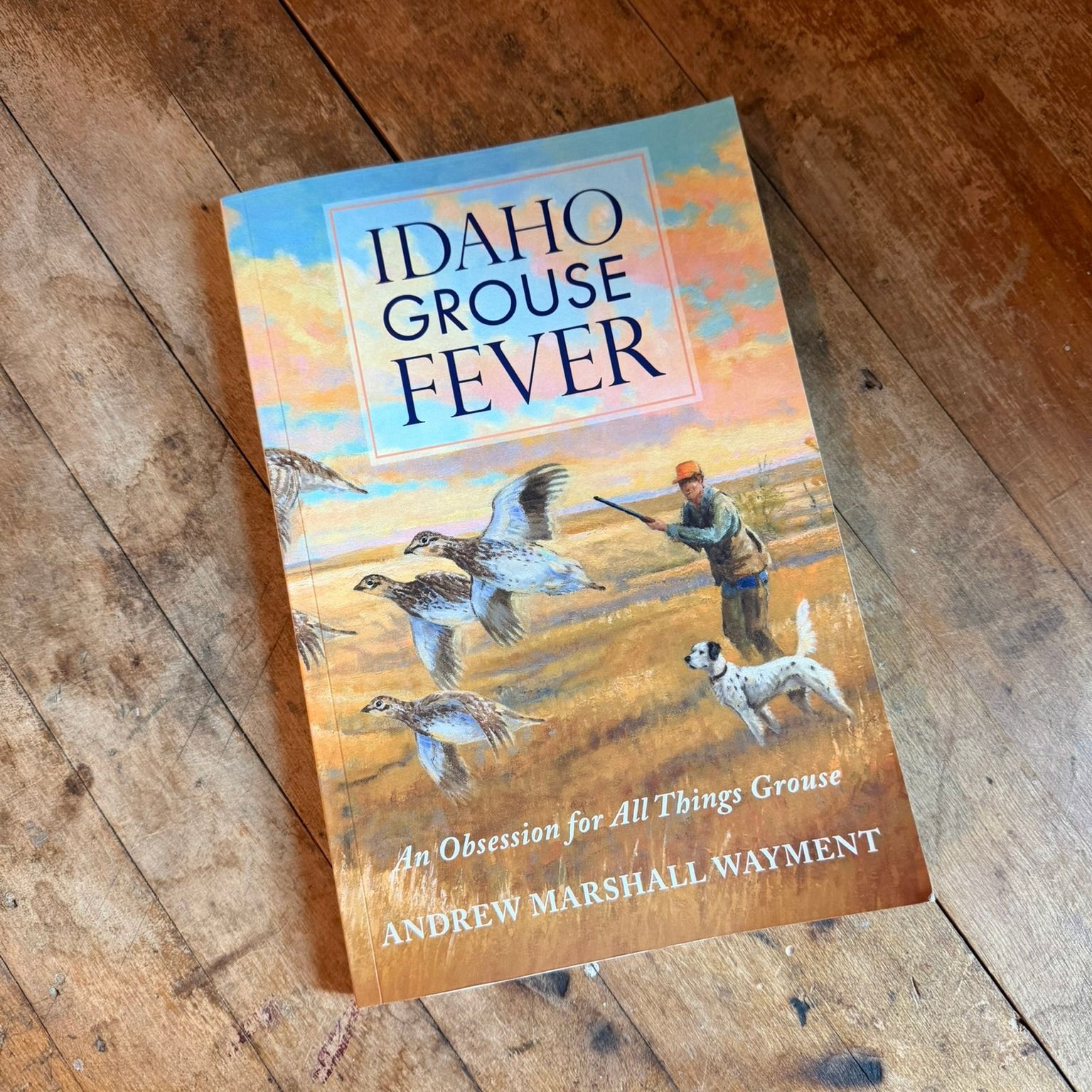
Idaho Grouse Fever author Andy Wayment joins Nick to talk about bird dogs, grouse literature, favorite shotguns, and what keeps a life of grouse hunting meaningful.
Andy returns to the podcast with two new projects: Idaho Grouse Fever: An Obsession for All Things Grouse and Breaking Cover, a monthly podcast focused on upland literature and tradition. He explains why his latest book reaches across all five of Idaho's grouse species and mixes hunting stories with classic writing, sporting art, shotguns, named coverts, and the friendships built around them.
I was halfway through the book when we recorded, and what kept standing out was Andy's attention to everything surrounding the bird in hand. We talk about Rainy's growth into a seasoned grouse dog, what Aki learned by hunting alongside her, and what I hope Hazel might pick up from Rose this fall. Andy also takes us into the mystery behind Corey Ford's The Road to Tinkhamtown, including the clues that suggest its fictional covert was rooted in a real place.
The conversation closes with broken and lost Ruger Red Labels, a first ruffed grouse double with a 16-gauge side-by-side, the beauty of Idaho's Franklin grouse, and Andy's belief that the highs and lows are what make progress in the grouse woods feel earned.
Chapters
00:00 Keeping grouse hunting honest
01:44 Andy Wayment returns to the Birdshot Podcast
02:44 Breaking Cover and the books behind upland hunting
09:35 Counting down to Idaho's grouse opener
11:36 A new setter, an older dog, and another season
13:27 How Rainy became a seasoned grouse dog
20:21 Teaching a golden retriever to hunt grouse
24:27 What a young dog can learn from an older dog
29:09 Why Andy wrote Idaho Grouse Fever
31:39 Tinkhamtown, Sleepy Hollow, and grouse-country fiction
33:32 Ross Young and Jay Dowd bring the book to life
38:41 Searching for the real Tinkhamtown
45:08 What grouse hunting becomes over time
48:17 Lost guns, Ruger Red Labels, and shotgun fit
53:37 Andy's first ruffed grouse double
1:01:21 Why Franklin grouse stand out in Idaho
1:04:36 Named coverts and the places hunters remember
1:05:36 Where to find Idaho Grouse Fever
Questions from the episode
What is Idaho Grouse Fever about?
Idaho Grouse Fever: An Obsession for All Things Grouse collects Andy Wayment's stories about hunting all five of Idaho's grouse species. The book also reaches into bird dogs, sporting literature, shotguns, art, named coverts, mistakes, and friendships. Andy describes it as a book for people who think about grouse hunting eight days a week.
Why does grouse hunting become about more than finding birds?
The hunt grows to include everything surrounding the bird: companionship with dogs, time with friends, the history of a place, and the search itself. Andy says the highs and lows make successful moments sweeter because growth comes through both. Nick adds that if grouse hunting were easy, much of the fun would disappear.
Can a golden retriever that is not from hunting stock learn to hunt grouse?
Andy's golden retriever Aki did. She first learned by hunting alongside Rainy, watching for the pointing dog's bell to go quiet, and racing in to find birds. Over time, Aki became more independent, worked mostly within about 30 yards, flushed birds in range, and developed into the retriever Andy trusts most with a bird.
What is Tinkhamtown, and why does it matter to grouse hunters?
The Road to Tinkhamtown is Corey Ford's classic fictional grouse story. Andy found clues in an unedited version of the story and in writing by Ford's hunting companions that suggest the covert drew from a real place. That turns the story into something close to a treasure hunt for the grouse hunter's ideal cover.
Which shotguns does Andy Wayment hunt with?
Andy rotates among a Ruger Red Label 12 gauge, a Ruger Red Label 28 gauge with a straight grip, and a 16-gauge TriStar Bristol side-by-side. Fit and confidence determine which gun he carries. The Bristol produced his first ruffed grouse double, while the lighter Red Label 28 remains his go-to grouse gun.
What is the Breaking Cover podcast about?
Breaking Cover is a monthly conversation about upland hunting books and literary tradition. Andy co-hosts it with Matt Millbauer. Their first episode covered Pheasants of the Mind by Datus C. Proper and Pheasant Hunter's Harvest by Steve Grooms, with later episodes planned around other writers and seasonal themes.
Where can listeners find Idaho Grouse Fever?
Andy says the book is available through Amazon, while signed copies can be ordered through his Upland Ways website. Use the Birdshot affiliate link below to buy the book on Amazon, or order a signed copy directly from Andy.
Connect with Andy Wayment
Upland Ways: https://uplandways.com/
Buy Idaho Grouse Fever on Amazon (affiliate link): https://amzn.to/4quFd8K
Signed copies of Idaho Grouse Fever: https://uplandways.com/2026/05/05/preorder-a-signed-copy-of-idaho-grouse-fever-an-obsession-for-all-things-grouse/
Breaking Cover on Apple Podcasts: https://podcasts.apple.com/us/podcast/breaking-cover/id6789762324
Listen and follow
Spotify: https://open.spotify.com/show/17EVUDJPwR2iJggzhLYil7
Apple Podcasts: https://podcasts.apple.com/us/podcast/birdshot-podcast/id1288308609
YouTube: https://www.youtube.com/@birdshot.podcast
Instagram: https://www.instagram.com/birdshot.podcast/
Website: https://www.birdshotpodcast.com/
Sponsors
This episode is brought to you by Upland Gun Company, Final Rise, and Irish Setter Boots. Hosted by Simplecast, an AdsWizz company. See pcm.adswizz.com for information about our collection and use of personal data for advertising.
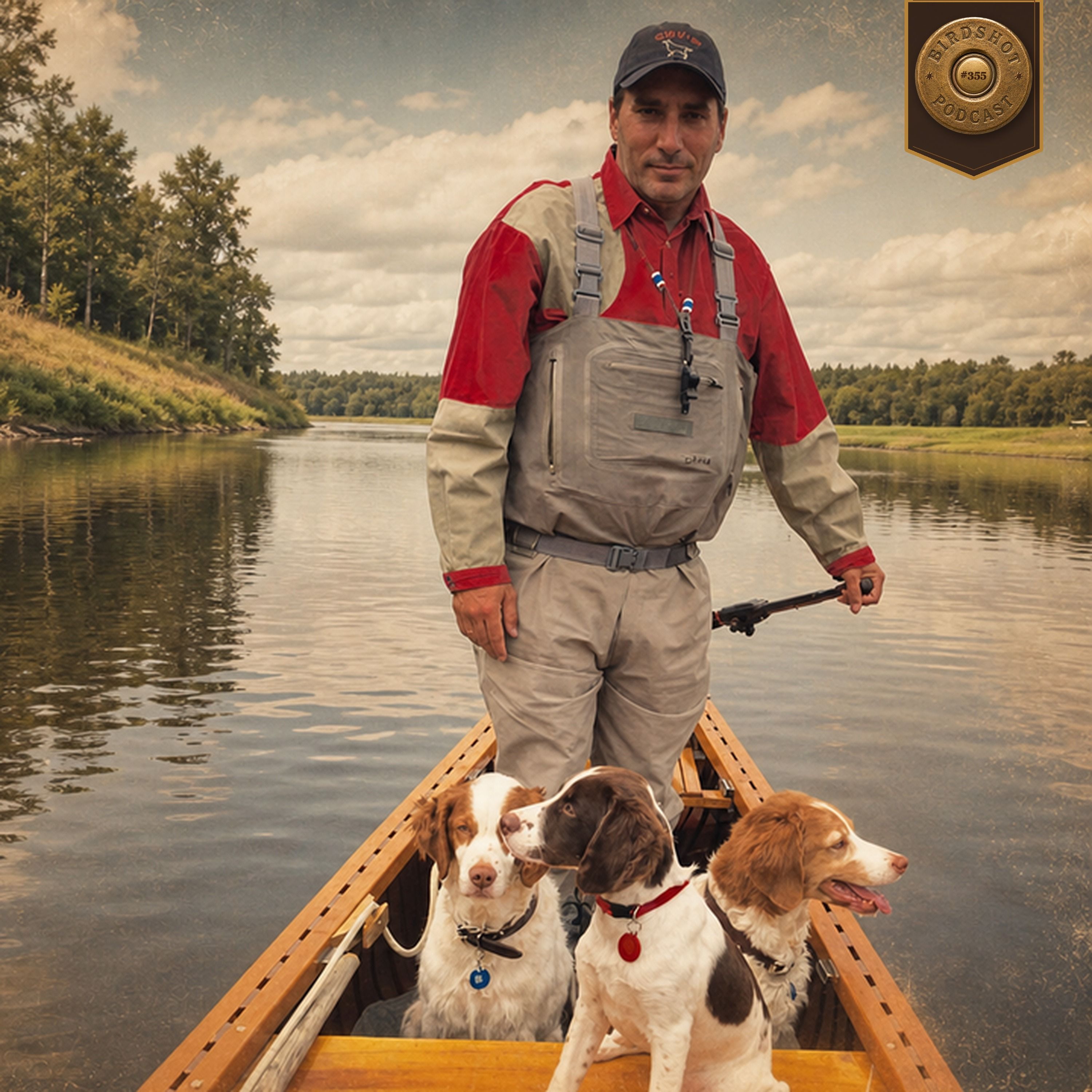
New Brunswick guide Jason Curtis shares what 39 years around grouse, woodcock, and wild birds have taught him about developing young bird dogs.
Nick welcomes Jason back to the podcast eight years after their first conversation. They start on the Miramichi River, where a fall trip can combine Atlantic salmon fishing with grouse and woodcock hunting, then move into the part of the conversation that hit closest to home: raising a puppy for her first season.
Jason explains why he begins exposure work early, how he introduces a wing, birds, a bell, and gunfire without turning puppyhood into a formal training program, and why short sessions woven into everyday life can build the foundation for later work. He and Nick also talk about what younger dogs pick up from older dogs, why solo hunting time still matters, and how real contacts with wild birds can change a dog quickly.
The conversation also covers New Brunswick's changing woodcock migration, the timing of a Miramichi cast-and-blast trip, and what visiting hunters need to know about guides, lodges, and the short October window.
Chapters
00:00 How wild birds change a young dog
01:52 Jason Curtis returns to the Birdshot Podcast
06:05 Miramichi River salmon outlook
12:27 Planning a grouse, woodcock, and salmon trip
17:09 October cover and the changing woodcock migration
22:52 Jason's path into 39 years of guiding
30:58 Bringing home a new bird dog puppy
35:01 Early puppy exposure and the first bird-dog lessons
41:03 Building steadiness through everyday routines
46:42 Introducing birds and gunfire
51:03 Wild woodcock close to home
52:54 What puppies learn from older dogs
59:27 Planning a New Brunswick upland trip
1:06:13 Bringing young hunters into the uplands
1:07:31 What a strong grouse and woodcock day looks like
1:09:14 Connect with Jason Curtis
Questions from the episode
When does Jason Curtis begin working with a bird dog puppy?
Jason starts as soon as the puppy comes home, but he keeps the work light and playful. He uses short sessions with a wing, a small check cord, and simple moments around food or doorways to introduce the idea of standing still and paying attention. At that age, the goal is exposure and foundation, not polished performance.
How does Jason introduce a young dog to birds and gunfire?
He begins with sound at a distance while the puppy is occupied and confident, then closes that distance gradually. Around 12 weeks, he may introduce planted birds at a preserve. By roughly 16 weeks, when the individual dog is handling each step well, he likes to begin finding wild birds in real cover.
Why are wild birds valuable for a young bird dog?
Wild birds teach lessons that planted birds cannot fully reproduce. Their scent, movement, escape behavior, and use of cover require the dog to adjust naturally. Jason has watched young dogs make visible progress after several consecutive days of good wild-bird contacts, especially in New Brunswick covers with strong grouse and woodcock numbers.
Do young bird dogs learn from older dogs?
They can learn a great deal about range, recall, routine, and backing by watching experienced dogs. Jason still believes the puppy needs solo time so it develops independence instead of simply following. The older dogs help establish the pattern, while individual contacts teach the puppy how to hunt for itself.
When is the best time for a New Brunswick cast-and-blast trip?
The overlap runs from the September 15 woodcock opener through the October 15 salmon close, but the full grouse, woodcock, and salmon window is October 1 through October 15. Hunters can float and combine both pursuits in one day, or hunt the cooler morning and fish the river later.
Does a nonresident need a guide to hunt in New Brunswick?
Yes. Jason explains that hunters coming from outside New Brunswick need a licensed guide. A lodge is the simplest all-inclusive route, while an Airbnb paired with the right independent guide can also work. Guide availability is limited during the prime October weeks, so the relationship and timing matter.
Connect with Jason Curtis
Email: [email protected]
Instagram: https://www.instagram.com/jasoncurtismiramichi/
Facebook: https://www.facebook.com/jason.curtis.722439
Listen and follow
Spotify: https://open.spotify.com/show/17EVUDJPwR2iJggzhLYil7
Apple Podcasts: https://podcasts.apple.com/us/podcast/birdshot-podcast/id1288308609
YouTube: https://www.youtube.com/@birdshot.podcast
Instagram: https://www.instagram.com/birdshot.podcast/
Website: https://www.birdshotpodcast.com/
Sponsors
This episode is brought to you by Upland Gun Company and Final Rise. Hosted by Simplecast, an AdsWizz company. See pcm.adswizz.com for information about our collection and use of personal data for advertising.

Comments

Download from Google Play

Download from App Store
 United States