


 Claim Ownership
Buying a House in Japan
Subscribed: 29Played: 612
Subscribe

© 2026 Mokomoko Productions
Description
We’re Joey & Take - two friends who dreamed of owning a cheap home in Japan. So we bought one...and then five more!
Dreaming of owning property in Japan? We cover everything you need to know and more. Highlights include:
- Pros and cons of purchasing in Japan
- The complexities of Japan’s real estate market
- Challenges for foreign buyers
- Interviews with locals, expats, and experts
- All the mistakes we’ve made (so you can avoid them!)
Find your Japanese dream home: www.mokomoko.com
Serious about buying? Let’s chat! www.mokomoko.com/buy
Take a video tour of our:
Beppu House Tour
Drop us a line! [email protected]
154 Episodes
Reverse
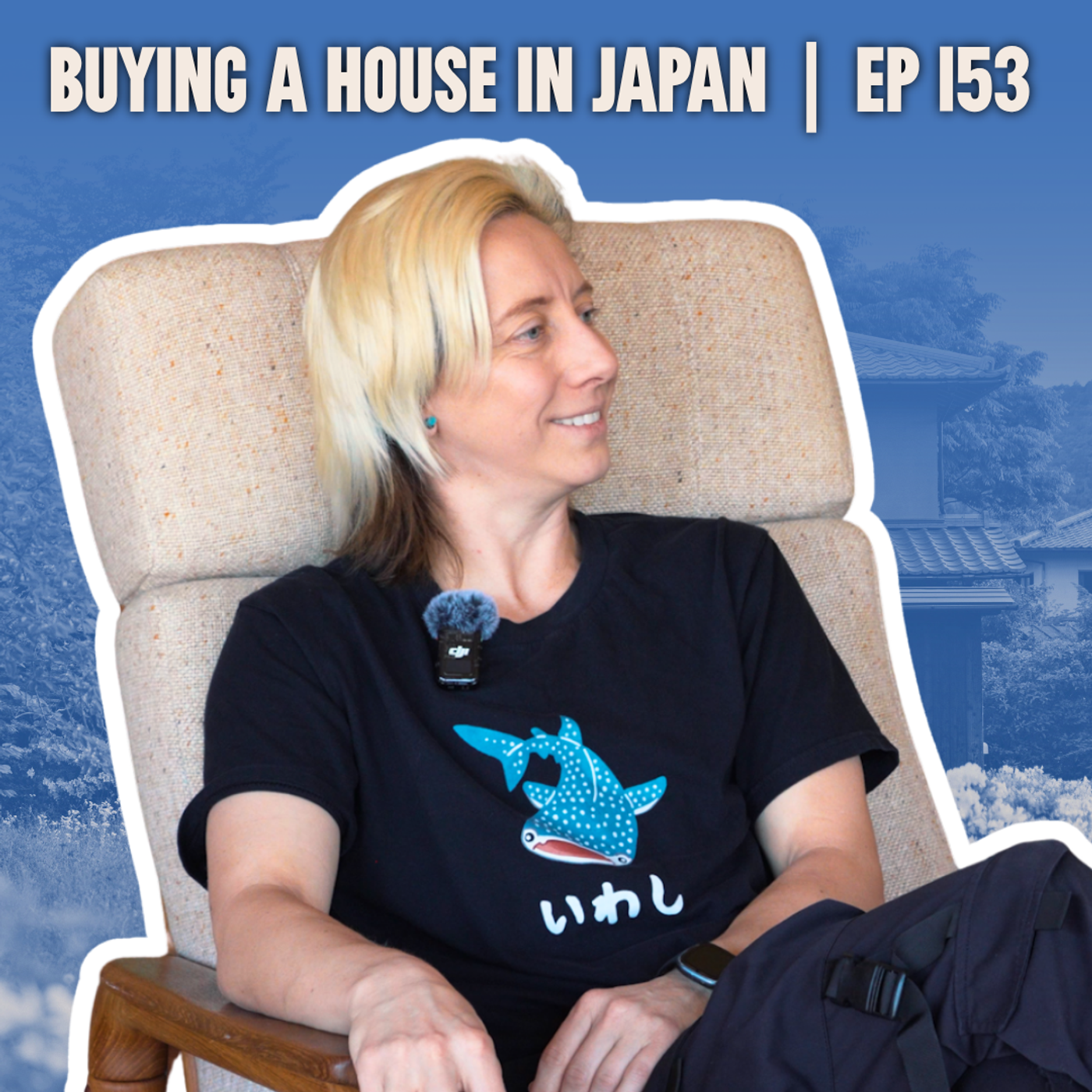
In this episode of the Buying a House in Japan podcast, Take sits down with NJ, a San Francisco Bay Area tech worker, gymnastics coach, and pole dance instructor who purchased a pre-renovated condo in Hachioji, Western Tokyo. NJ shares their journey from listening to the podcast to buying a fourth-floor corner unit with views of Mount Fuji and Tokyo Skytree. They explain their reasoning behind choosing a condo over a detached house, how they use it as a global warming getaway, and what it was like installing a pole in their Japanese living room to perform a phoenix move.Key TakeawaysWhy buying a condo in Japan can offer low-maintenance living compared to a detached home.The realities of property costs, HOA fees, insurance, and management fees in Tokyo.Why Western Tokyo and Hachioji offer a mini-Tokyo feel with easy train access and mountain proximity.How to filter for reinforced concrete (RC) buildings for earthquake safety and better insulation.Understanding Japanese real estate as a lifestyle and adventure investment rather than a traditional financial play.Main Points & Episode HighlightsMeet NJ: Bay Area tech worker in simulation technologies, gymnastics coach, pole dance instructor, and former Crunchyroll employee.The Motivation: Managing Bay Area real estate frustration, seeking a home base abroad, and creating a winter escape from summer heat.The Search Process: Searching for nine months across Chiba and Western Tokyo, working with real estate agent Yoshi, and touring properties in person before buying remotely.Why Hachioji? Living in Western Tokyo, getting a guaranteed seat on the Keio line, enjoying Mt. Takao hikes, and taking in local views of Mount Fuji and Tokyo Skytree.Condo vs. House: Avoiding roof, yard, and exterior maintenance while getting an open-concept 2LDK layout built with reinforced concrete.Living Space & Customization: Measuring living room space for acrobatics, installing a pole for a phoenix move, and adding air conditioning and appliances.Costs & Maintenance: Total purchase price around 17.2 million yen (approximately $114k USD total with closing costs and appliances), plus low monthly HOA and management fees.Visiting & Life in Japan: Staying six weeks, taking language classes, hosting friends and parents, navigating building rules, and enjoying local convenience stores and Indian curry spots.Guest Info & Resources MentionedGuest: NJ (Tech worker, pole dance instructor, gymnastics coach)Locations Mentioned: Hachioji, Mount Takao, Western Tokyo, Chiba, Saratoga, San Francisco Bay AreaPop Culture & Hobbies Mentioned: Chainsaw Man, Super Mario, Pokemon, Final Fantasy VIIReal Estate Platform & Services: Mokomoko Buyers ClubCall to ActionIf you enjoyed this episode, please subscribe, leave a 5-star rating, and share it with anyone interested in Japanese real estate or living in Japan. Explore over half a million Japanese property listings and learn more at mokomoko.com.
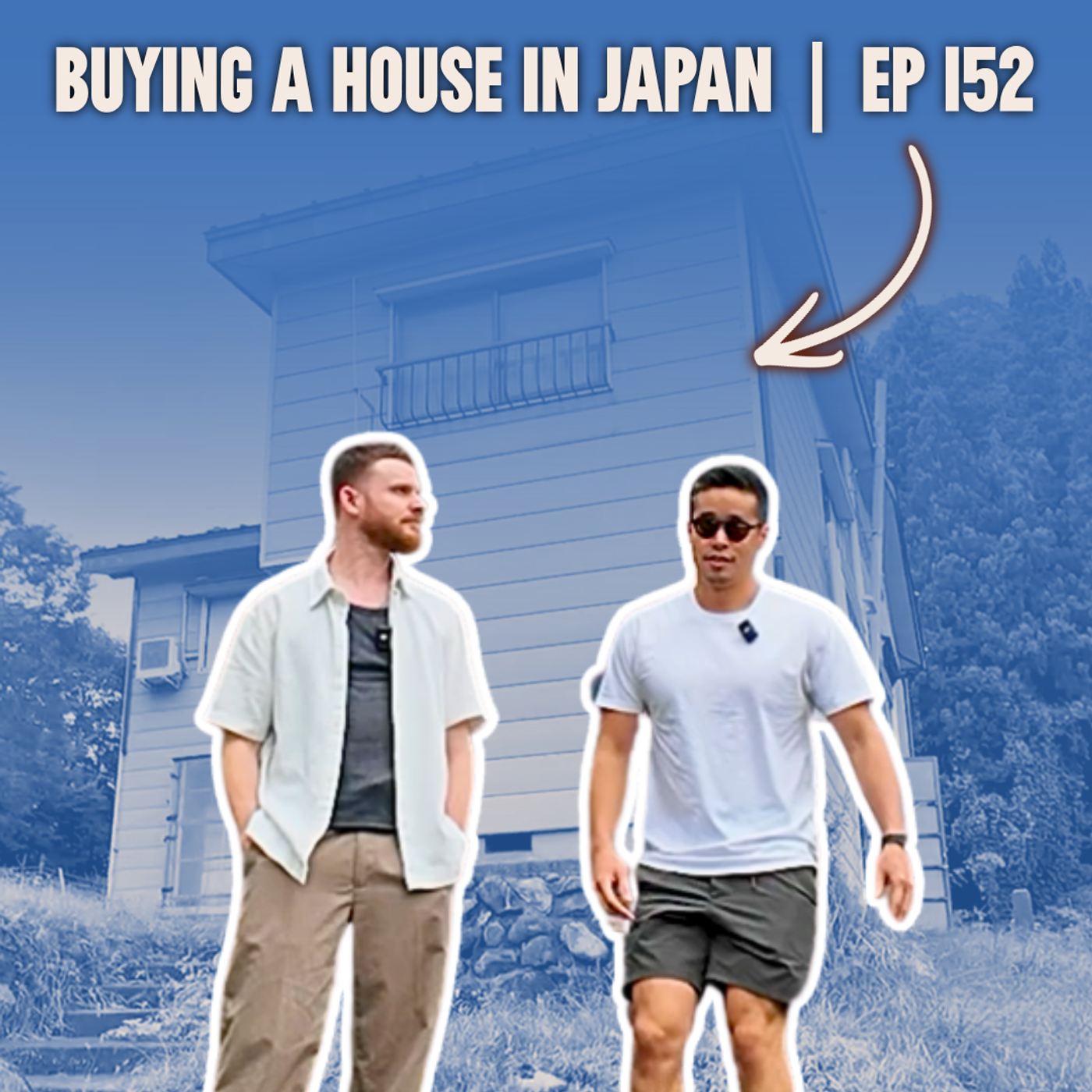
Takeru and Joey reach a major milestone on the Buying a House in Japan podcast as they celebrate surpassing 50 episodes. In this episode, they recap all six properties they have purchased across Japan and lay out their plans for their next big focus: rebuilding their $3,500 ski house in Myoko, Niigata.Key Takeaways 150 Episodes MilestoneRecap of All 6 PropertiesThe Myoko Ski Chalet Project: Dealing with snow maintenance, narrow road access, chainsaw demolition teams, meeting with Sekisui Chemical in Tokyo, and working with Mitch at Ikigai Housing in Iiyama. Lifestyle ROI vs. Airbnb Hosting: Why rising host fees and administrative hurdles in Japan make lifestyle value and long-term rentals more attractive than short-term Airbnbs. Resources and Links MentionedWebsite: Browse Japanese real estate listings and check out the Mokomoko Buyers Club at mokomoko.com. Mitch at Ikigai Housing / Ikigai Co: Partner in Iiyama assisting with demolition and prefab build options in heavy snow regions. Sekisui Chemical / Sekisui Heim: Corporate home builder in Tokyo evaluated during initial planning. Feedback & Listener Email: Send questions and feedback to [email protected]. Social Media: Follow updates on Instagram and TikTok. Call to ActionIf you enjoyed this episode, please give the podcast a five-star rating on Apple Podcasts or Spotify. It takes five seconds and helps others find the show. To browse over half a million listings or start your home-buying journey in Japan, head over to mokomoko.com.

In this collaboration episode, the team sits down with Ziv Nakajima Magen, co-founder and COO of Nippon Tradings International (NTI). With 15 years in Japanese real estate, Ziv shares his perspective on shifting market dynamics, anti-foreigner sentiment, changes to visa regulations, and what it takes to navigate Japanese property today. The hosts also discuss their major rebrand from Akiya Mart to Mokomoko, explaining why they outgrew the original name and expanded their scope to cover condos, houses, and beyond.Key TakeawaysMarket Trends: A post-COVID wave of holiday home buying has elevated prices across rural areas, but political sentiment and shifting visa policies are creating new hurdles for foreign buyers.Immigration & Visas: Tighter rules around the Business Manager Visa and Permanent Residency requirements are pushing some long-term international residents to rethink their strategies.Rebranding to MokoMoko: Why Akiya Mart transitioned to Mokomoko to eliminate pronunciation hurdles, remove negative connotations around "akiya," and represent a full-spectrum real estate search platform.Investing Beyond Akiyas: The sweet spot in Japanese real estate often sits just above empty country homes, including multi-unit buildings and move-in-ready properties.Main Conversation Points15 Years in Japanese Real Estate: Ziv recounts the evolution of international demand since starting NTI after the 2008 financial crisis.Policy and Sentiment Shifts: Discussion on recent government sentiment, language test requirements, pension checks, and the risk of blanket regulations hurting rural communities.The Tourism Impact: How tourism fatigue in cities like Kyoto influences local attitudes toward non-resident buyers.Property Inspection Tips: Guidance on assessing older concrete and wooden multi-unit buildings before committing to a purchase.What's Next: Ziv's upcoming projects, including an AI property deal analysis tool and a new e-commerce venture.Resources MentionedNippon Tradings International (NTI)Mokomoko (Formerly Akiya Mart)Dr. Jonathan Tam on YouTube (Asia-Pacific Economics)Enjoyed this episode? Please subscribe to the podcast, leave a five-star review, and share it with a friend looking into Japanese real estate. If you want to explore over half a million properties across Japan, visit mokomoko.com or drop an email to [email protected]!

In this episode of Buying a House in Japan, Taker and Joey sit down with Keito Swan, a half-Japanese U.S. native who bought and fully renovated a 50-year-old akiya in Higashikawa, Hokkaido. Keito breaks down the real expenses behind his $180,000 project, the hard realities of local weather and trash rules, and why he thinks most foreign buyers should think twice before purchasing property in Japan.Key TakeawaysThe True Akiya Budget: Why cheap listings can quickly turn into $180,000 projects once you factor in full gut renovations and harsh climates.Local Integration Matters: Why understanding community rules, trash sorting, and local events like the Undokai make or break your living experience in rural Japan.The Airbnb Trap: Why managing remote vacation rentals in Japan rarely delivers the expected ROI for average buyers.Financial and Practical Realities: Why liquid capital, language access, or realistic plans for upkeep are non-negotiable for Japanese homeownership.Main PointsKeito's Journey to Hokkaido: Driving the Pan-American Highway, leaving a failed deal in Niseko behind, and finding a property in Higashikawa on Suumo while parked in the Atacama Desert.Renovating a 50-Year-Old House: Dealing with sub-zero temperatures, replacing entire plumbing systems, and prepping a house for 10 meters of annual snow.Skepticism Around the Akiya Boom: Unpacking common sales tactics, misleading online listings, and why low-cost rural houses often cost more than they are worth.Living in a Town of 8,000: Joining the local track-and-field day, dealing with village addresses, and building future plans for cabins, an art studio, and an English school.Resources & Links MentionedFollow Keito Swan on Instagram: @keitoswanBrowse Japanese property listings in English: MokomokoLearn about full-service remote home buying: Mokomoko Buyers Club If you enjoyed this episode, please leave us a 5-star rating on Spotify or Apple Podcasts. If you or someone you know wants to find a property in Japan, check out mokomoko.com or email us at [email protected].

Finding reasonable housing in the Bay Area can feel impossible. In this episode of Buying a House in Japan, Take sit downs with video producer Oliver to talk about his path to purchasing a modern, concrete home in Atami. From growing up in Japan and attending public school in Machida to using astrology and location criteria, Oliver breaks down how his family found their dream getaway near Sagami Bay.Key TakeawaysThe Bay Area Alternative: How high housing prices in California pushed Oliver to look for international real estate options.Atami Location Perk: Finding an ocean view, mountain backdrop, and quick access to Tokyo via the Shinkansen line.House Selection Criteria: Navigating building safety, post-2006 construction rules to avoid asbestos, and searching for lots with onsen water access.Growing Up in Japan: Oliver shares childhood memories of attending Japanese public school and using key local phrases.The "House of Dao": Creating a relaxing home environment for family, friends, and future guests.Resources & Links MentionedBrowse English friendly Japan real estate listings: MokomokoProperty Purchasing Assistance: Mokomoko Buyers ClubFollow the podcast on social media: Instagram | TikTokReach out to the team via email: [email protected] you enjoyed this episode, please rate the show 5 stars on Spotify or Apple Podcasts, and subscribe so you do not miss the next step in this home buying journey!

Comments

Download from Google Play

Download from App Store
 United States