


 Claim Ownership
Smart Bear Live
Subscribed: 4Played: 86
Subscribe

© 2026 Team Cohen
Description
The show where a startup founder takes the hot seat, opens up their business, and explains their biggest challenge.
Then we dig in: a few other founders who have already solved that challenge in their own businesses.
This is not an interview. There's no script. This is the messy, uncomfortable process of solving a real puzzle faced by a real company.
No ads, no affiliate links, no heavy editing, no follow-on courses or consulting.
We're doing this for each other and for the love the game.
It's a workshop, but also it's therapy.
For founders, what's the difference?
11 Episodes
Reverse

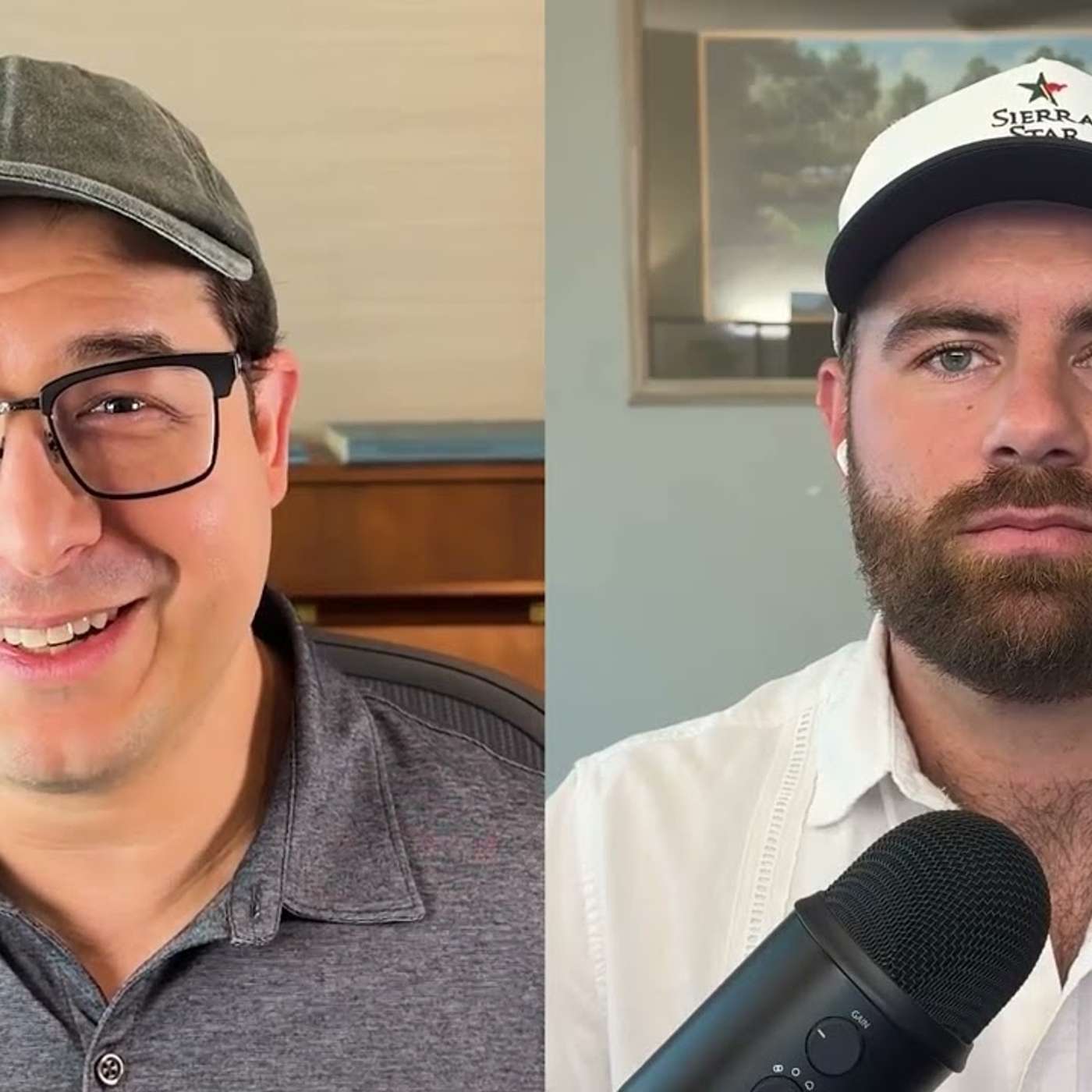
About half of Userlist’s paying customers never fully set up the email automation they paid for. Jane Portman and Benedikt Deicke built Userlist over nine years for sophisticated SaaS marketers, but its onboarding is free and optional.How do they get customers to do the setup that makes the product valuable and sticky? Making onboarding mandatory, and charging for it, could scare off the very customers they want most.Cohost Mariya Delano and I dig in: A candid working session including:- an onboarding fee that “needs to hurt”- a one-person business that spent $20k on consulting- when a low price looks “suspicious” to buyers- a cofounder admits she can’t do enterprise sales- the $149 tier Jane says should be eliminated- they can’t name one podcast their buyers hearME ME ME!!!Subscribe on YouTubeSubscribe via Podcast📘 Get my book 📘My bio + 20 years of articlesTwitter | LinkedInSTARRING JANE PORTMAN & BENEDIKT DEICKEUserlistJane’s UI Breakfast podcastTwitter | LinkedInBenedikt’s Slow & Steady podcastTwitter | LinkedInWITH COHOST MARIYA DELANOKalyna MarketingThe Marketing Speakeasy podcastADMD newsletterLinkedInREFERENCED IN THIS EPISODETinySeedMicroConfSegment“Marketing Technology Landscape”—chiefmartecTIMESTAMPS(00:00) - Userlist's stalled growth: who is it for?
(03:53) - Why growing customers cancel
(09:10) - Email ROI is measurable: wrong customers?
(12:51) - Lost champion: spread value beyond one user
(20:09) - Fixing onboarding: HubSpot's forced training
(24:14) - A $10K implementation fee for onboarding
(31:34) - Selling to bigger budgets: the $20K client
(36:29) - Priced below Mailchimp and ConvertKit
(44:00) - Where are the customers for geeky features?
(48:25) - Should Userlist go simple and down market?
(53:52) - Do thousands of geeky marketers exist?
(57:40) - Next steps: interviews and $20K onboarding
(01:03:00) - Be proud of the path that got you here
(01:07:11) - Imposter syndrome and perfectionism
Brett Lindenberg’s startup Mindstamp puts six figures of profit in his pocket every year, helping businesses create interactive videos for training and sales. But growth has leveled off, and he’s having trouble changing that.Does he niche down to one kind of customer, or stay general and change how he reaches the market? Either way, most of the buyers he wants have never heard of interactive video.Cohost Jessica Malnik and I dig in: A candid working session including:- the cheaper plan that has him fishing in bad waters- why his best buyers aren’t searching for him- SOC 2, and why Mindstamp should never issue the certificate- certifications people care about at the identity level- teaching better interactive video as the marketing=================ME ME ME!!!=================Subscribe on YouTubeSubscribe via Podcast📘 Get my book 📘My bio + 20 years of articlesTwitter | LinkedIn=============================STARRING BRETT LINDENBERG=============================MindstampTwitter | LinkedIn==================================WITH COHOST JESSICA MALNIK==================================HomepageSubscribe on NewsletterSubscribe on YouTubeThe Remote Work TribeTwitter | LinkedIn================================REFERENCED IN THIS EPISODE================================“The Iterative-Hypothesis customer development method”“Not Business Advice” books—Alex WestTIMESTAMPS(00:00) - Plateaued SaaS: niche down or stay general?
(04:11) - Too general, or just customizable?
(08:21) - Who sticks? Medical continuing education
(13:05) - A cheaper plan is fishing in bad waters
(17:38) - Where do your best customers go?
(22:25) - Nobody knows interactive video exists
(27:20) - Making videos for customers as a service
(34:21) - Certification partners: the SOC 2 case
(45:38) - Win certifiers who want to stand out
(54:18) - Content marketing: teach better videos
(01:00:25) - 90-day plan: interview your customers
(01:04:47) - Box-tickers vs. buyers who really care
(01:07:15) - Energized, with hypotheses to test
Mario Peshev reduced his agency from 60 to 30 employees thanks to his own AI innovations. But almost nobody there is working on landing new clients.Pouring money into sales means building a machine he has never had. He could sell, but then he has to prove that this agency is worth a lot of money.Cohost Jon Sturgeon and I dig in: A candid working session including:- agencies in the world of AI- why an NPS of 90 proves nothing- bench time: waste, or a feature clients pay for?- a live cold-call role-play===============ME ME ME!!!===============Subscribe on YouTube📘 Get my book 📘My bio + 20 years of articlesTwitter | LinkedIn==========================STARRING MARIO PESHEV==========================DevriXPersonal siteNewsletterTwitter | LinkedIn================================WITH COHOST JON STURGEON================================Dingus & Zazzyuhoh.com (an IT company for businesses that don’t have IT problems)NewsletterTwitter | LinkedIn===============================REFERENCED IN THIS EPISODE===============================“The Effortless Experience”—Dixon, Toman & DeLisiHypergen, cold emailTIMESTAMPS(00:00) - Can AI-run agencies survive the next five years
(02:21) - Eighteen years building DevriX to a crossroads
(07:10) - The walk-away number game
(10:01) - Why productizing DevriX would be a mistake
(18:23) - One and a half salespeople for a 35-person agency
(30:45) - Why an NPS of 90 proves nothing
(36:50) - Agencies in the age of AI: adapt or die
(50:45) - Bench time: waste or a feature clients pay for
(01:01:25) - Rebuilding go-to-market from scratch
(01:24:22) - Live cold-call role-play
(01:28:40) - Is a 6 million dollar exit even realistic
(01:40:34) - EBITDA multiples and the AI-narrative buyer
(01:44:35) - The real path forward: spin off, sell, or stay

He built it, and they didn't come.Rison Simon built PainPointy to scan Reddit so that marketers could learn the pain points of their customers and come up with article ideas. The problem is he's never had more than six customers.So he has to go interview customers and potential customers, which means first knowing what to ask them. We workshop that with my Iterative Hypothesis method — inventing the questions, then working out which ones are best.ME ME ME!!!Subscribe on YouTube📘 Get my book 📘My bio + 20 years of articlesTwitter | LinkedInSTARRING RISON SIMONPainPointyBlogSubstackTwitter | LinkedInREFERENCED IN THIS EPISODEThe Iterative Hypothesis MethodAI skills that implement the Iterative Hypothesis MethodTIMESTAMPS(00:00) - He sold his last startup the week he launched it - this one has almost no customers
(02:09) - What PainPointy actually does, and why Rison can't say who wants it
(08:37) - The Iterative Hypothesis Method: write down what you think before you ask
(14:19) - Why does it have to be B2B? Interrogating your own assumptions
(19:08) - The question that doesn't lead the witness
(28:33) - Quantity vs quality of leads: the customer who's actually easy to win
(39:08) - The real problem isn't a shortage of ideas, it's knowing which one to pick
(50:23) - Powers of 10: turning vague guesses into testable numbers
(58:11) - Where to actually find people who will talk to you
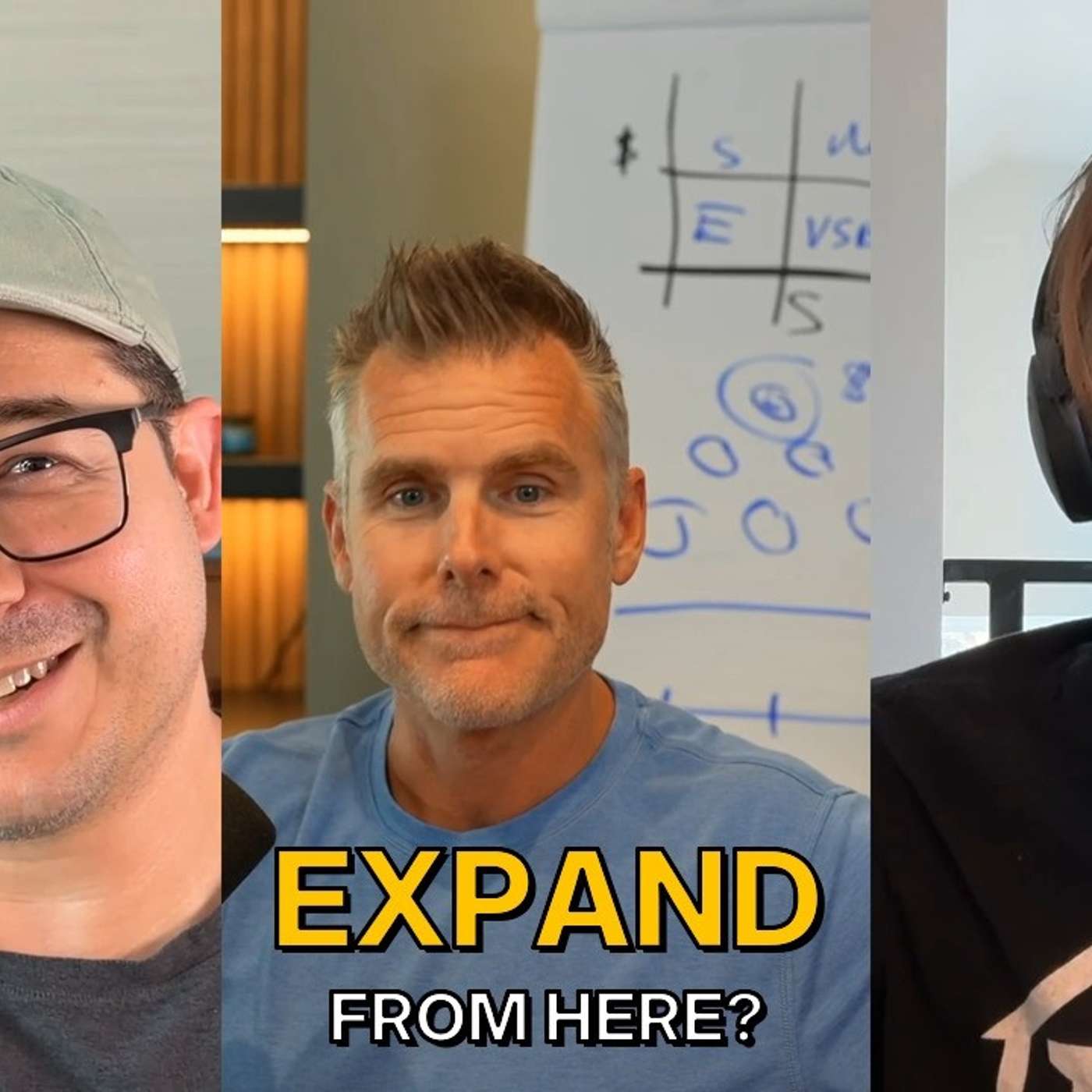
How can George Paladichuk take his startup NaiL from 1 huge customer, to the next 100 customers?Cohost Dan Martell and I dig in: A candid working session including:- finding early adopters in public data- reading job postings to find your buyer's software- the $15K way inside a global franchise- products for many instead of a product for one- should he chase elephants or mid-market?=======================ME ME ME!!!=======================Subscribe on YouTubeGet my bookMy bio + 20 years of articlesTwitter | LinkedIn=======================STARRING GEORGE PALADICHUK=======================NaiLGeorge's siteLinkedInYouTube=======================WITH COHOST DAN MARTELL=======================Dan MartellGrowth Stacking Show (podcast)Martell Method (newsletter)YouTubehttps://twitter.com/danmartell https://ca.linkedin.com/in/dmartell=======================REFERENCED IN THIS EPISODE======================="Buy Back Your Time"—Dan Martell"Crossing the Chasm"—Geoffrey A. MooreTIMESTAMPS(00:00) - Intro: NaiL runs on 90% revenue from one client
(01:23) - George introduces NaiL, an AI receptionist for franchise brands
(02:58) - Standing out among 800 AI receptionist competitors
(04:53) - The real bottleneck: enterprise deals are too slow
(08:59) - Why chasing Main Street customers is harder than it looks
(12:33) - Money vs speed: mapping enterprise, mid-market, and small business
(18:26) - Crossing the chasm: finding customers who already want new tech
(23:00) - George commits: doing franchise, not vague "enterprise"
(27:02) - The three Fs for spotting early adopters: follow, fund, frequent
(35:21) - The holding company angle: land ten brands through one parent
(42:59) - Selling a low-cost pilot to get a foothold in new brands
(47:41) - Dan's Irving Oil story: the danger of concentration risk
(59:12) - Is NaiL a real product, or a bespoke dev shop for one client?
(01:04:02) - Dan's homework: partners, conferences, and non-competing locals

Comments

Download from Google Play

Download from App Store
 United States