


 Claim Ownership
ReligionForBreakfast
Subscribed: 0Played: 0
Subscribe

© Copyright nexus
Description
An educational channel dedicated to the academic, nonsectarian study of religion. We promote improving the public's religious literacy by exploring humanity's beliefs and rituals through an anthropological, sociological, and archaeological lens.
Religion for Breakfast does not endorse any particular religious tradition or non-religious perspective. Please be respectful in the comments!
Religion for Breakfast does not endorse any particular religious tradition or non-religious perspective. Please be respectful in the comments!
84 Episodes
Reverse

Today's video is sponsored by GiveDirectly! Help us raise money to support 164 families in Akorien, Kenya: https://givedirectly.org/religionDoes the Bible really command Christians to tithe 10% of their income? In this video, we explore the ancient origins, biblical evolution, and modern practice of tithing.

Today's video is sponsored by GiveDirectly! Help us raise money to support 164 families in Akorien, Kenya: https://givedirectly.org/religionDoes the Bible really command Christians to tithe 10% of their income? In this video, we explore the ancient origins, biblical evolution, and modern practice of tithing.

In the Religion for Breakfast video titled Did Early Christians Think Jesus Was a Ghost? | ft. Travis Proctor, Dr. Andrew Henry interviews Dr. Travis Proctor (a scholar of early Christianity) to discuss how early Christians understood the post-resurrection body of Jesus and its connection to ancient physics and ghost lore.
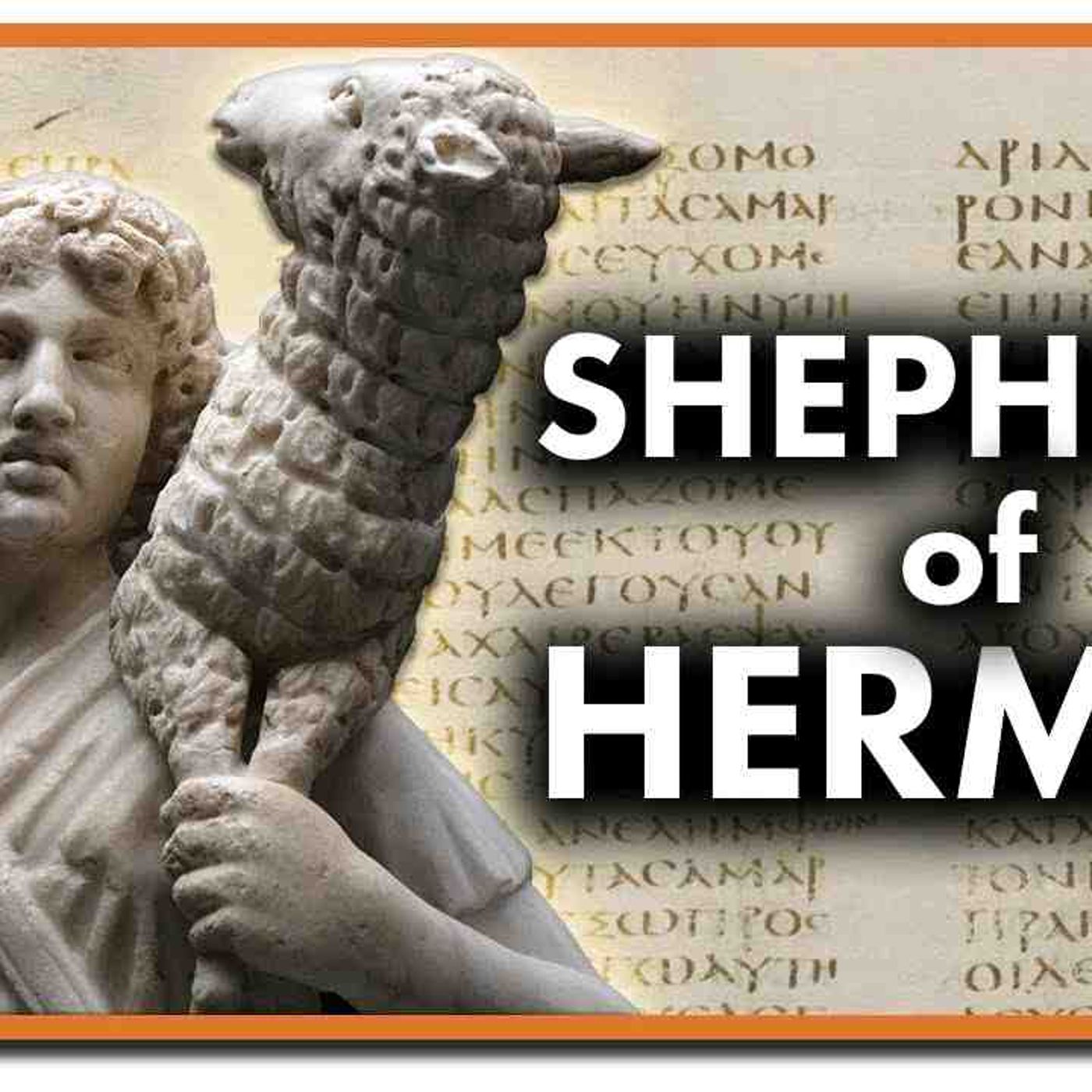
In 1844, a historian discovered the Codex Sinaiticus, the oldest complete New Testament ever found. But this ancient codex included two extra books that are not found in modern Bibles. One of those books was the Shepherd of Hermas, one of the most popular texts among early Christians. What is this book about? Why was it so popular? And why didn't it make it into the modern New Testament canon? In this video, we explore the Shepherd of Hermas.

Is the Easter Bunny a pagan symbol of fertility? Did he originate with a Saxon goddess named Eostre? In this video, we trace the history of the Easter Bunny—from 17th-century German folk tradition to 19th-century speculative folklore—to show why the claims of pagan origins don't hold up

Comments

Download from Google Play

Download from App Store
 United States