


The Geopolitical Blueprint
Subscribed: 25Played: 1,093
Subscribe


© The Geopolitical Blueprint
Description
Welcome to The Geopolitical Blueprint, your ultimate guide to understanding the hidden forces shaping our world. By analyzing macro history, cyclical patterns, and current global events, this podcast deconstructs complex geopolitical shifts into clear, actionable insights.
In each episode, we look past the daily headlines to examine the deep historical and structural trends driving international relations, economics, and global power dynamics. Whether you are interested in future predictions, regional conflicts, or macro-historical cycles, this show provides the blueprints you need to make sense of tomorrow's world.
Hosted on Acast. See acast.com/privacy for more information.
333 Episodes
Reverse

Why does another person's success sometimes feel like our own loss?In Dante’s Purgatorio, envy reveals a deeper conflict between material desire and spiritual love. This episode explores how Dante and Virgil understand envy, generosity, and the nature of goodness as they climb the mountain of Purgatory.The lecture examines the idea that material resources are limited, while love and kindness can grow when shared. It also introduces Indra’s Net, a metaphor from Hindu and Buddhist traditions, to explain how individual actions can reflect and influence an interconnected universe.What does Dante’s journey suggest about the relationship between the individual soul and the greater whole? And can learning to love others change the way we understand ourselves?Discover a philosophical reading of Dante’s Divine Comedy that connects medieval literature with timeless questions about envy, generosity, human nature, and the power of love.Dante’s Purgatorio Explained: Envy and LoveWhy Does Envy Make Us Miserable? Hosted on Acast. See acast.com/privacy for more information.

What if money and artificial intelligence are competing systems for directing human attention?Using Plato's Allegory of the Cave, this episode explores the lecture's theory that society is shaped by the stories people accept as reality. It examines how banks create deposit money through lending, why monetary systems depend on trust, and how artificial intelligence learns from data and adjusts the weights of neural networks.The lecturer then argues that money and AI could represent competing systems of power, with centralized data and automated recommendations potentially influencing how people think and act. The discussion also considers U.S. national debt, the Federal Reserve, and the limits of current AI systems.The central argument is speculative, and listeners are invited to question its assumptions rather than accept it uncritically. For anyone interested in artificial intelligence, financial systems, Plato's philosophy, and the future of power and human autonomy, this episode offers a provocative framework for discussion.What If AI Becomes the New God?AI and Money Explained: Power, Debt and Artificial Intelligence Hosted on Acast. See acast.com/privacy for more information.

How can beliefs about the end of the world become forces in politics and history?This episode explores the lecture's theory that eschatology—the study of the end of history—can provide powerful narratives for people seeking influence and control. The discussion moves from the occult and secret societies to Hermetic philosophy, with its ideas about mind, correspondence, polarity, and cause and effect.It then examines how biblical stories can be reinterpreted through Kabbalah, using Adam and Eve, King David, and the idea of repairing the world to explore the relationship between sin, humility, spiritual reunion, and human desire.The lecturer connects these traditions to a broader theory of political power and collective imagination. Some claims about hidden groups and modern governments are speculative and should be evaluated critically rather than treated as established history.For listeners interested in eschatology, Hermetic philosophy, Kabbalah, occult traditions, and the intersection of religion and geopolitics, this episode offers a provocative exploration of belief and power.Eschatology Explained: End-Times Beliefs and PoliticsEschatology Explained: How Prophecy Shapes Power Hosted on Acast. See acast.com/privacy for more information.
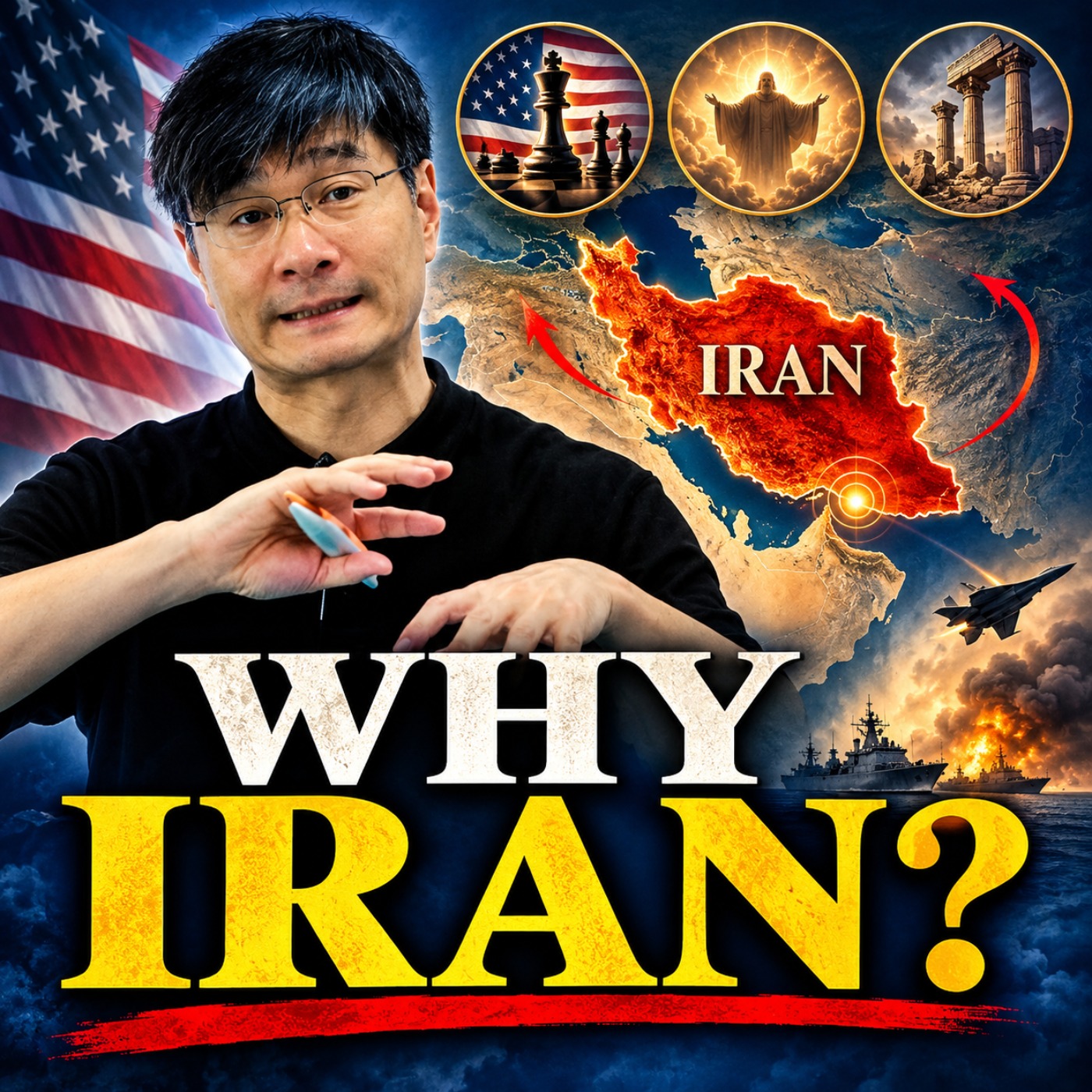
Why did the United States attack Iran—and what deeper forces might help explain the conflict?This episode examines three competing interpretations presented in the lecture: geopolitical strategy, end-times prophecy, and imperial decline. It traces the argument through the strategic importance of the Levant, Jerusalem's place in Jewish, Christian, and Islamic traditions, and the recurring story of messianic expectation and apocalyptic conflict.The lecturer proposes that these religious narratives can provide a framework for interpreting power struggles in the Middle East. The discussion also explores energy routes, great-power competition, and the possibility that an empire in decline may project its internal tensions outward.These are theories to examine critically, not established proof of the war's causes. For listeners interested in the U.S.–Iran conflict, geopolitics, religious prophecy, and the history of empire, this episode offers a provocative framework for understanding how political and religious ideas can intersect.Is the Iran War About the End Times?U.S.–Iran War 2026: Geopolitics and Prophecy Hosted on Acast. See acast.com/privacy for more information.
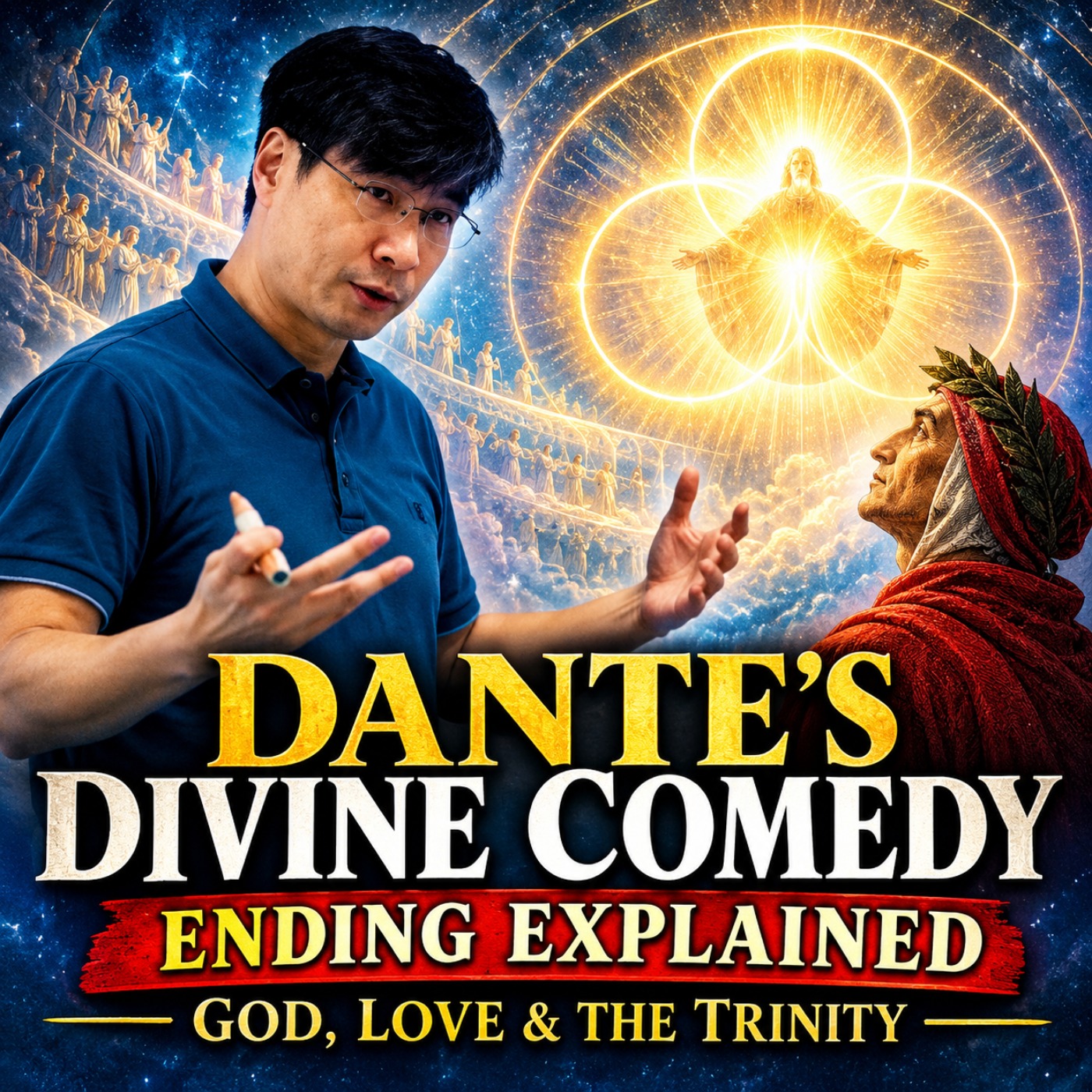
What does Dante discover when he finally looks into the heart of God?In this exploration of the ending of Dante’s Divine Comedy, we follow Dante into the Empyrean, where his final vision reveals three circles of divine light and a startling human likeness within them. What does this image mean, and why does the poem end with a mystery rather than a simple answer?The discussion examines the lecturer’s philosophical interpretation of Dante’s final canto, connecting the Holy Trinity, human imagination, and the idea that love unifies the universe. From Saint Bernard’s prayer to Mary to the famous closing image of the love that moves the sun and the other stars, the episode explores why Dante’s vision remains difficult to express in words.Is love merely an emotion, or does it represent something more fundamental about reality?Discover a provocative reading of Dante’s Divine Comedy and the enduring questions at the heart of its conclusion.Why Does Dante See Humanity Inside God? Hosted on Acast. See acast.com/privacy for more information.

Comments

Download from Google Play

Download from App Store
 United States