DiscoverThe Seismic Shift with Dr. Michelle K. Johnston
The Seismic Shift with Dr. Michelle K. Johnston
Claim Ownership

The Seismic Shift with Dr. Michelle K. Johnston

Author: Michelle K. Johnston

Subscribed: 17,477Played: 53,403
Share

Description

Welcome to Seismic Shift - a leadership podcast that focuses on connection. I’m your host, Michelle K. Johnston: management professor, executive coach, and leadership expert. I believe that today’s leaders need more than power and control to get the best from their teams; they need connection. Through interviews with some of today’s top business leaders, we are going to explore how leaders' ability to connect with themselves, their teams, and their organizations defines their ultimate success or failure. This podcast runs in close parallel to my new book, The Seismic Shift in Leadership, where you can find even more insights from me and the brilliant leaders I interviewed this season. So let's set our sights on connection and get ready to take on the daunting, yet exciting, challenge of this Seismic Shift.

84 Episodes
Reverse
Dr. Michelle Johnston speaks with Stuart Neilson, a former senior executive and leading LinkedIn voice on ageism, about the barriers experienced by older workers and how organizations can better value their contributions. Drawing on his own career transition, Neilson makes the case for intergenerational work, respectful leadership, and kindness as practical drivers of performance.Neilson describes how sharing the vulnerability of his job search on LinkedIn connected him with people over 50 facing similar barriers, including age-based assumptions about capability and “overqualified” as a euphemism for ageism.He says his organic LinkedIn posts generate about 11 million views a year, helping amplify stories from people around the world who struggle to return to work.He has built a portfolio career combining consulting, podcasting, campaigning, mentoring, and speaking.Neilson argues that respectful leadership can deliver strong business results. He contrasts it with fear-based leadership and emphasizes kindness with candor, accountability, trust, and psychological safety.He says AI can improve the quality of work, but leaders should ensure it does not become a barrier to human connection.Intergenerational teams can combine experience and digital skills. Neilson cautions against assuming older workers cannot use technology, pointing to his own social media reach at age 62.Age bias can appear in hiring filters that screen for years of experience, redundancy decisions, job-posting language, and interview practices. Neilson calls on leaders to scrutinize recruitment systems and governments to audit them.Neilson shares how a job seeker’s account of a peer who died by suicide strengthened his commitment to advocate for older workers.His advice to leaders: listen to understand, stay curious about how people feel, and stop working only to their own agenda.Neilson is developing books on respectful leadership and ageism, along with a model connecting kindness, psychological safety, and empathy to organizational KPIs.00:00 - Meet Stuart Neilson and the ageism he encountered after leaving corporate life02:11 - How vulnerability on LinkedIn connected Neilson with older job seekers05:22 - From 11 million annual views to a portfolio career07:12 - Why respectful leadership rejects bullying and fear10:16 - Kindness with candor, accountability, and psychological safety15:04 - Using AI without losing human connection17:56 - Making intergenerational work normal21:12 - How hiring systems and redundancy decisions can disadvantage older workers26:51 - Finding purpose in advocacy for people facing ageism29:07 - Neilson’s advice to leaders and the legacy he hopes to leave31:23 - Turning kindness into a business driverStuart Neilson is a former global business executive, entrepreneur, keynote speaker, LinkedIn influencer, ageism campaigner, executive mentor, and strategic adviser. After experiencing redundancy at age 58 and struggling to find his next role, Stuart began sharing candid reflections about ageism, career reinvention, and the value of experience on LinkedIn. His #PrimedForMore campaign has helped him build an audience of more than 40,000 followers and generate over 11 million LinkedIn impressions in the past year. Today, Stuart advises organizations, mentors executives, and supports leadership teams through Neilson Mentoring & Consulting. His message is simple: experience never gets old.Special thanks to our friend Brian Wayy for the theme music this season!Track Title: My Heart’s On FireFollow Michelle for more inspiring content:Watch the podcast on YouTube: https://www.youtube.com/channel/UCpUMBnlJWdCRgj1GMOTjymQLinkedIn: https://linkedin.com/in/michelle-johnston-0264b5bInstagram: https://instagram.com/michellekjohnstonWebsite: https://michellekjohnston.com/
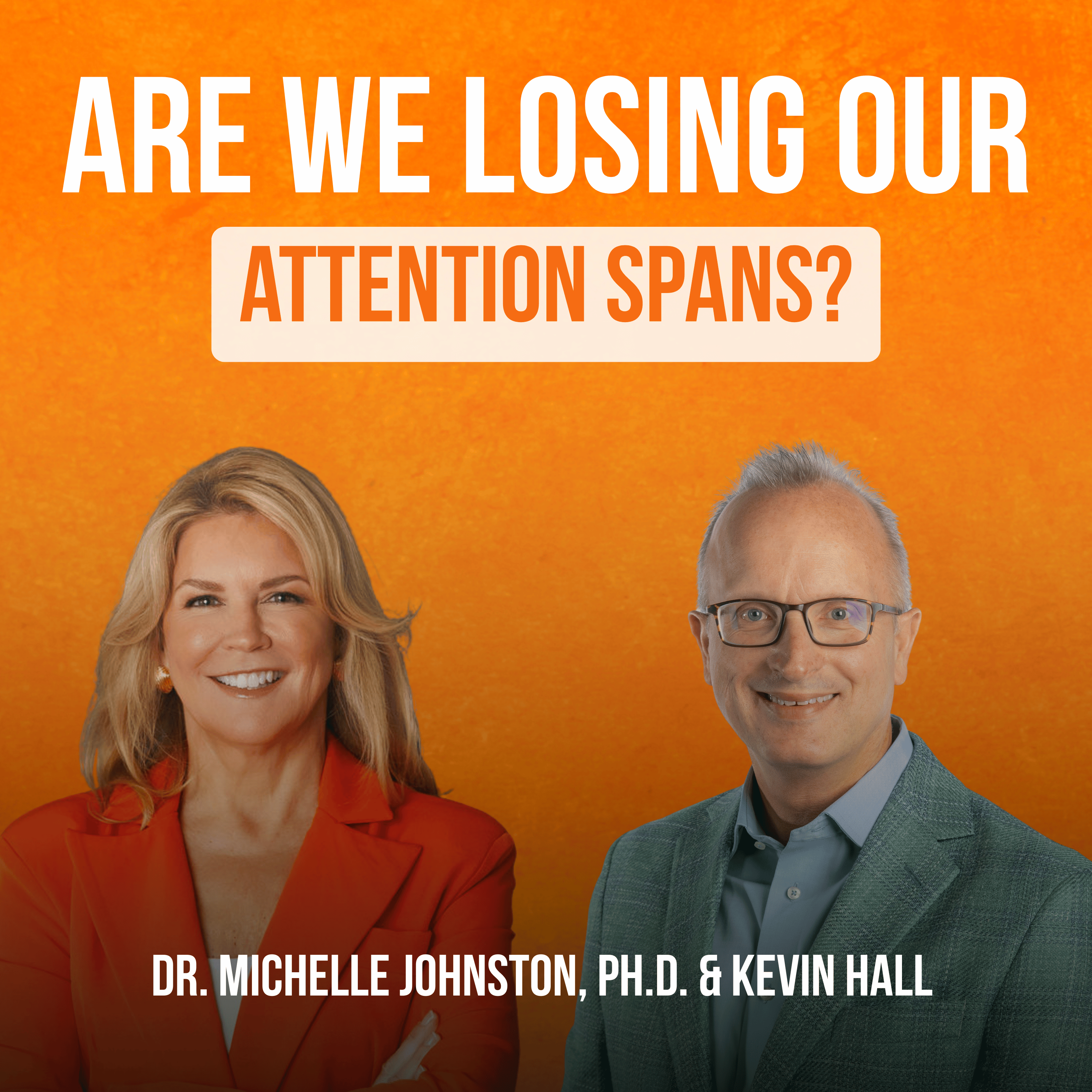
We have more information at our fingertips than ever. So why is it getting harder to hold our attention, know what to trust, and stay connected?In this episode of The Seismic Shift Podcast, Dr. Michelle Johnston sits down with Kevin Hall to explore how changes in media consumption are reshaping the way we learn, work, and lead.Kevin is Publisher of The Times-Picayune | NOLA.com, The Advocate, and Georges Media Group’s family of news and media brands across Louisiana. Passionate about local journalism and the communities it serves, he brings a firsthand perspective on growing audiences, developing leaders, and moving the media business forward.Kevin shares what he’s seeing as audiences move quickly through content, turn increasingly to video, and seek information across multiple platforms. Michelle and Kevin explore why some stories capture only seconds of attention while educational and community-focused content can inspire people to stay longer.Their conversation also tackles the power and danger of AI-generated content, the responsibility of journalism to build trust, and the enduring role of print in a digital world. As technology changes how information reaches us, how do we determine what deserves our confidence?Beyond media, Michelle and Kevin discuss the value of gathering in person, the challenges of building relationships through virtual meetings, and how leaders can create opportunities for mentorship across generations. Kevin also shares his perspective on managing time, working from your strengths, and making room for life outside of work.For executives, emerging leaders, and anyone navigating today’s constant flow of information, this conversation offers a thoughtful look at earning attention, building trust, and leading through change.CHAPTERS(00:00) Introduction and guest background(01:01) Kevin Hall’s role and the changing media landscape(02:01) Media consumption and attention spans(03:49) In-depth content and reading habits(06:07) Louisiana’s iconic media brands and their history(07:59) Reconnecting in a post-pandemic world(10:01) In-person events and community engagement(12:05) Virtual meetings and the need for interaction(13:47) Gen Z, remote work, and the future of mentorship(15:57) AI, misinformation, and video trends(20:05) The audience’s appetite for multimedia content(21:58) Louisiana’s economic growth and community resilience(24:08) Journalism’s role in trust and truth(25:50) Leadership advice: time, strengths, and self-care(32:01) Kevin Hall’s legacy and closing thoughtsSpecial thanks to our friend Brian Wayy for the theme music this season!Track Title: My Heart’s On FireFollow Michelle for more inspiring content:Watch the podcast on YouTube: https://www.youtube.com/channel/UCpUMBnlJWdCRgj1GMOTjymQLinkedIn: https://linkedin.com/in/michelle-johnston-0264b5bInstagram: https://instagram.com/michellekjohnstonWebsite: https://michellekjohnston.com/
If your team needs you to solve every problem, is that a sign of your success as a leader? Or a sign that something needs to shift? On this episode of The Seismic Shift Podcast, Dr. Michelle K. Johnston sits down with Bill Flynn, author of The Hero Trap, to explore how being the person with all the answers can hold your team back, and what it takes to break that pattern.Bill, with a rich background in startups and coaching, shares his journey of transforming from a successful operator to a mentor who empowers leaders to break free from outdated paradigms.With insights drawn from decades of experience, Bill shares a transformative approach to feedback that fosters psychological safety and enhances team dynamics. Learn the strategies that can help cultivate exceptional companies that not only survive but thrive—like Toyota, the gold standard of continuous improvement.  This episode is perfect for entrepreneurs, executives, and emerging leaders, it offers a fresh perspective on creating impactful change within organizations. This enlightening conversation will leave you questioning everything you thought you knew about leadership.CHAPTERS(1:05) Bill’s path through 10 startups, two IPOs, and seven acquisitions(2:48) Why Bill keeps writing books and why The Hero Trap matters now(4:18) Why leadership development has not produced enough great companies(6:56) The brain, threat mode, and why feedback often backfires(7:41) A feedback example that puts people into survival mode(10:15) Why “radical candor” can create fear-based cultures(12:16) Trust, human connection, and why leaders have to start there(13:12) “Trust arrives on foot and leaves in a Ferrari”(15:26) Why leadership behavior and leadership messaging often do not match(16:27) Bill’s own hero-phase and how the book’s protagonist Alex reflects real leaders(17:55) Learning from mistakes instead of pretending leaders are perfect(19:36) The hero trap as the paradox of success(20:32) How the hero role creates burnout and dependency(21:35) The two quick tests to see how deep you are in the trap(23:01) The vacation test and how absence exposes weak systems(24:24) How leaders can start stepping back without abandoning the team(26:19) Why delegating tasks is not the same as delegating authority(27:35) Southwest Airlines, divergence, and why leaders should not converge too soon(29:18) General Motors, NUMMI, and why copied systems often revert(30:14) What really makes Toyota work underneath the visible practices(31:57) The biggest seismic shift: we know what to do and still are not doing it(32:25) What leaders should stop doing, start doing, and build instead(33:26) Bill’s legacy: bend the curveSpecial thanks to our friend Brian Wayy for the theme music this season!Track Title: My Heart's On FireWatch the podcast on YouTube:youtube.com/@TheSeismicShiftwithMichelleFollow Michelle for more inspiring content:LinkedIn: linkedin.com/in/michelle-johnston-0264b5bInstagram: instagram.com/michellekjohnstonWebsite: https://michellekjohnston.com/
Former NASA astronaut Charlie Camarda reveals the leadership mistake that can turn a warning sign into a catastrophe: smart people convincing themselves they already understand the problem. If you lead in a high-stakes environment, this conversation will change how you think about decision-making, dissent, and psychological safety. Michelle Johnston sits down with Charlie to unpack the seismic shifts that shaped his career, from NASA research centers to the Columbia disaster and beyond. What started as a deep technical career in hypersonic flight became a mission to understand why brilliant organizations make dangerous calls, and how to build teams that catch failure before it becomes irreversible.Charlie shares the hard-won lessons behind Mission Out of Control, including why NASA’s recovery windows were missed for years, how bad analysis can create false confidence, and why speaking up can be career-threatening even when you’re right. He also explains how his team helped create a repair capability for shuttle damage and how that same mindset could transform industries far beyond aerospace.This episode is especially valuable for leaders, engineers, founders, safety professionals, and anyone responsible for decisions where being wrong is not an option.CHAPTERS00:11 Introduction to Charlie Camarda and seismic shifts01:04 Columbia and NASA's Culture01:16 The Columbia accident and its impact on Charlie02:13 Analyzing decision-making failures at NASA03:59 The importance of technical rigor and analysis04:41 Recovery Windows and Psychological Safety06:08 Confirmatory vs. exploratory decision modes07:20 Psychological safety and organizational culture08:36 Challenger's Real Root Cause09:31 The Challenger disaster and decision-making culture11:38 The Columbia foam strike and recovery window12:32 EPIC and High-Performing Teams13:50 The Epic education program for solving complex problems14:54 Mission Out of Control15:55 Mission Out of Control: organizational culture and safety18:58 NASA's safety culture and Charlie’s courageous voice19:48 Speaking Up at NASA21:08 Silencing and listening in high-stakes organizations22:08 NASA’s ongoing culture challenges and Charlie’s advocacy22:41 Artemis and Heat Shield Risks24:14 The Artemis missions and transparency issues26:29 Lessons on decision-making and risk management in space28:28 Leadership: Listen to Dissent30:01 The Legacy of Safer Organizations32:14 A Critical Decision in Space33:33 The overview effect and critical in-space decisions35:15 The importance of leadership and listening in space missions36:09 Final thoughts: culture, safety, and seismic shifts36:22 Navigating NASA's ChallengesSpecial thanks to our friend Brian Wayy for the theme music this season!Track Title: My Heart's On FireFollow Michelle for more inspiring content:Watch the podcast on YouTube:    / @theseismicshiftwithmichelle LinkedIn: linkedin.com/in/michelle-johnston-0264b5bInstagram: instagram.com/michellekjohnstonWebsite: https://michellekjohnston.com/
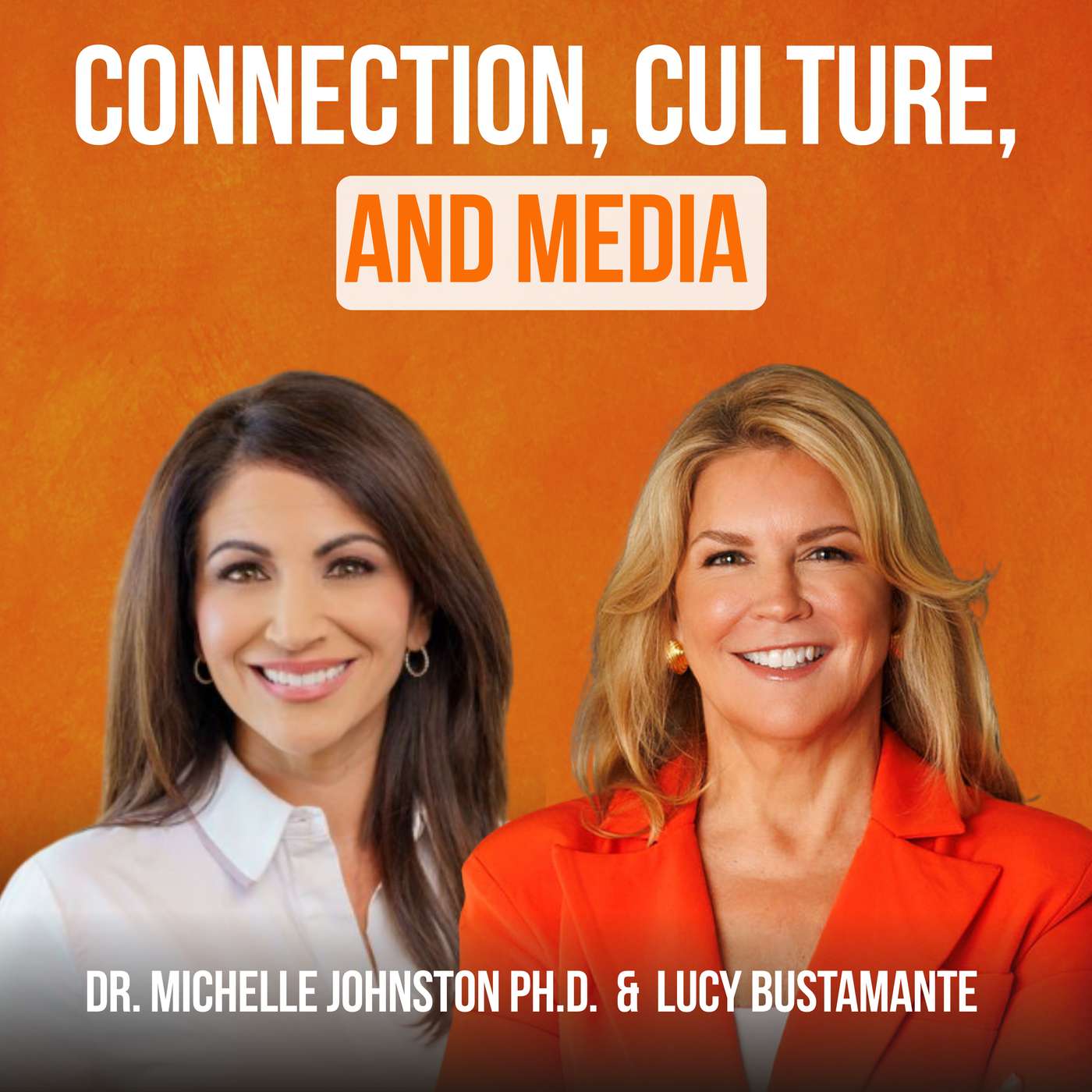
Lucy Bustamante is a multi-Emmy and Edward R. Murrow Award-winning journalist, born and raised in New Orleans, now serving as a morning anchor at FOX 8. She joins Michelle Johnston for a heartfelt conversation about connection, culture, leadership, and what it means to stay real in a rapidly changing world. From covering Hurricane Katrina as a young journalist to returning home to New Orleans after years away, Lucy reflects on the power of authenticity, the pull of family, and the beauty of a city that begins every relationship with humanity. She also shares what seismic shifts she is seeing in media and the workplace, including AI, streaming, social media, and trust. The conversation is honest, lively, and full of wisdom about relationships, resilience, and choosing what matters most.CHAPTERS:00:00 Welcome and introducing Lucy Bustamante00:31 Michelle shares how she knew Lucy had to be on the show01:23 Lucy’s career, awards, and return to New Orleans01:51 Covering Hurricane Katrina and staying on air04:15 Why Lucy’s reporting felt like home05:05 New Orleans and the power of authenticity06:56 Michelle on why she fell in love with New Orleans09:18 Lucy’s family story and New Orleans roots12:35 What brought Lucy back home15:56 Raising children in New Orleans18:52 Why New Orleans is worth investing in20:05 Michelle’s daughter chooses to come back to New Orleans23:40 The seismic shifts Lucy sees in media and work24:04 AI and how Gray Media is approaching it25:08 Streaming and changing audience habits25:37 Social media, trust, and misinformation28:31 What leaders need to understand right now29:13 Lucy’s unforgettable leadership advice30:34 Choosing the right partner, therapist, and lawyer31:04 Closing reflections and thanksSpecial thanks to our friend Brian Wayy for the theme music this season!Track Title: My Heart's On FireFollow Michelle for more inspiring content:Watch the podcast on YouTube: https://www.youtube.com/@TheSeismicShiftwithMichelle LinkedIn: linkedin.com/in/michelle-johnston-0264b5bInstagram: instagram.com/michellekjohnston Website: https://michellekjohnston.com/ 
loading
Comments