DiscoverWorld Ablaze with George Fontes
World Ablaze with George Fontes

World Ablaze with George Fontes

Author: George Fontes

Subscribed: 7Played: 168
Share

Description

Democrats took the House and the Senate. They flipped seats in state legislatures, and they even took governorships in states a lot of people never thought would have a Democratic governor, including Texas. Online, you'd think the first move is impeaching President Trump and raising taxes. That is not what Hakeem Jeffries and Chuck Schumer are actually putting first.


I went through the stated priorities of Democratic congressional leadership after the midterms and compared them with the version that spreads on social media. The 2026 midterm fallout landed on a Republican Party that had control and spent it fighting with itself. Voters are tired of national talking points. They wanted affordability addressed. Gas is expensive. Food is expensive. Wages are flat.


Jeffries' first 100 days list is reverse Medicaid cuts, restore SNAP funding, extend the ACA tax credits, end the Trump tariffs, and stop the war in Iran. On November 13, he also said he wants to lower the Medicare age and cover hearing, vision, and dental. Chuck Schumer said on November 4 that the first thing they are going to do is reduce people's costs. They ran on Medicare for all, but the leaders are talking about baby steps, not turning that on in the first 100 days.


Impeaching Trump is not on the leaders' list. Jeffries said on November 4 that he hadn't had a single member talk to him about it. There is a confirmed public push to impeach Pete Hegseth, and some members say that comes back in January. Higher taxes and a new federal gun bill are also not on the congressional leaders' first-100-days list. No new federal gun bill was filed from November 3 through 16.


The states are a different story. Gun control is first-order business in several statehouses, and Texas is the biggest one pushing to revise its gun laws. Governor-elect Gina Hinojosa has already pre-filed multiple bills for 2027, including assault-weapon restrictions and red-flag orders. Michigan, Minnesota, Pennsylvania, Wisconsin, Arizona, and Nevada are moving in the same direction.


There is also a split over the border and ICE. Jeffries said he is not going to give a dime to what he called the administration's "violent mass deportation machine," and he wants to redirect $75 billion in ICE funds toward the Dream and Promise Act. He did not say he would abolish ICE. Moderates in the party, including Henry Cuellar of Texas and Ruben Gallego of Arizona, say they are with enforcement on criminals. The DSA wing wants to abolish ICE altogether. In New York, Mayor Mamdani, who is with the DSA, not the Democratic Party, announced on November 16 that he is disbanding the NYPD's Strategic Response Group, the riot-control unit, and reassigning about 600 officers.


Even with both chambers, this is still a divided government. Most Senate bills still need 60 votes, and President Trump can veto a bill. Overriding a veto takes two-thirds in both chambers, 290 in the House and 67 in the Senate. Democrats have 257 House seats and 55 in the Senate. That is short.


And here is the number I want you to remember: there are 664 House-passed bills waiting on the Senate, 502 Republican-sponsored and 162 Democrat-sponsored. If the Senate does not pass them, they die on January 3. Watch the scorecard. The test is whether the bills match the promise, or whether this is another case of a party saying what people wanted to hear and then settling for the status quo.


Web: https://www.worldablazepodcast.com/


YouTube: https://www.youtube.com/@fontesablaze…


X: https://x.com/fontesablaze


Instagram: / fontesablaze


TikTok: / fontesablaze


Substack: https://substack.com/@fontesablaze


If you like the show, please leave a rating and review on Apple Podcasts.


World Ablaze Links:


Web: https://www.worldablazepodcast.com/


X: https://x.com/fontesablaze


Instagram: https://www.instagram.com/fontesablaze/


TikTok: https://www.tiktok.com/@fontesablaze


Substack: https://substack.com/@fontesablaze

167 Episodes
Reverse
Democrats took the House and the Senate. They flipped seats in state legislatures, and they even took governorships in states a lot of people never thought would have a Democratic governor, including Texas. Online, you'd think the first move is impeaching President Trump and raising taxes. That is not what Hakeem Jeffries and Chuck Schumer are actually putting first. I went through the stated priorities of Democratic congressional leadership after the midterms and compared them with the version that spreads on social media. The 2026 midterm fallout landed on a Republican Party that had control and spent it fighting with itself. Voters are tired of national talking points. They wanted affordability addressed. Gas is expensive. Food is expensive. Wages are flat. Jeffries' first 100 days list is reverse Medicaid cuts, restore SNAP funding, extend the ACA tax credits, end the Trump tariffs, and stop the war in Iran. On November 13, he also said he wants to lower the Medicare age and cover hearing, vision, and dental. Chuck Schumer said on November 4 that the first thing they are going to do is reduce people's costs. They ran on Medicare for all, but the leaders are talking about baby steps, not turning that on in the first 100 days. Impeaching Trump is not on the leaders' list. Jeffries said on November 4 that he hadn't had a single member talk to him about it. There is a confirmed public push to impeach Pete Hegseth, and some members say that comes back in January. Higher taxes and a new federal gun bill are also not on the congressional leaders' first-100-days list. No new federal gun bill was filed from November 3 through 16. The states are a different story. Gun control is first-order business in several statehouses, and Texas is the biggest one pushing to revise its gun laws. Governor-elect Gina Hinojosa has already pre-filed multiple bills for 2027, including assault-weapon restrictions and red-flag orders. Michigan, Minnesota, Pennsylvania, Wisconsin, Arizona, and Nevada are moving in the same direction. There is also a split over the border and ICE. Jeffries said he is not going to give a dime to what he called the administration's "violent mass deportation machine," and he wants to redirect $75 billion in ICE funds toward the Dream and Promise Act. He did not say he would abolish ICE. Moderates in the party, including Henry Cuellar of Texas and Ruben Gallego of Arizona, say they are with enforcement on criminals. The DSA wing wants to abolish ICE altogether. In New York, Mayor Mamdani, who is with the DSA, not the Democratic Party, announced on November 16 that he is disbanding the NYPD's Strategic Response Group, the riot-control unit, and reassigning about 600 officers. Even with both chambers, this is still a divided government. Most Senate bills still need 60 votes, and President Trump can veto a bill. Overriding a veto takes two-thirds in both chambers, 290 in the House and 67 in the Senate. Democrats have 257 House seats and 55 in the Senate. That is short. And here is the number I want you to remember: there are 664 House-passed bills waiting on the Senate, 502 Republican-sponsored and 162 Democrat-sponsored. If the Senate does not pass them, they die on January 3. Watch the scorecard. The test is whether the bills match the promise, or whether this is another case of a party saying what people wanted to hear and then settling for the status quo. Web: https://www.worldablazepodcast.com/ YouTube: https://www.youtube.com/@fontesablaze/featured X: https://x.com/fontesablaze Instagram: https://www.instagram.com/fontesablaze/ TikTok: https://www.tiktok.com/@fontesablaze Substack: https://substack.com/@fontesablaze If you like the show, please leave a rating and review on Apple Podcasts.
In this episode we have a panel of podcasters and a political candidate discussing the recent midterm election results, which saw a significant shift toward Democratic control in both the House and the Senate. Key Topics: Analysis of midterm election results and the Democratic shift Critique of Republican party candidate quality and campaign strategy The impact of economic issues and cost of living on voter behavior Concerns regarding government corruption and systemic reform Perspectives on border security and immigration policy Discussion of non-partisan solutions like the Convention of States Summary: In this episode of World Ablaze, George facilitates a roundtable discussion with various podcasters and political figures, including Chad Law, Havok, Sam, Keith Barton, Joe Rooz, and Aaron. The consensus among the group is that the midterm elections served as a powerful referendum against the current administration and a Republican party that failed to address pressing economic concerns. Participants analyze the election data, noting a significant shift toward Democrats in the House and Senate, which many attribute to a lack of genuine conservative leadership and poor campaign messaging from GOP candidates. The panel highlights the critical role of candidate quality and the failure of national GOP consultants to focus on local district needs. Several guests express deep frustration with Republican figures who relied on performative politics rather than substantive policy. The conversation explores the economic stressors affecting voters, particularly farmers and the middle class, arguing that failed policies on fuel costs, inflation, and trade have directly contributed to voters abandoning the Republican ticket in favor of Democratic alternatives, despite ideological misalignment. A major theme of the discussion is the pervasive issue of government corruption and the disconnect between political elites and the American electorate. The group discusses the need for structural changes, such as term limits and bans on congressional stock trading. They explore the 'Convention of States' as a viable, non-partisan pathway to address these systemic issues, suggesting that the current two-party system is failing to represent the interests of the people. The panel emphasizes that the future of politics must focus on transparency, accountability, and practical, district-specific problem-solving rather than nationalized partisan rhetoric. Regarding the border and immigration, the panel engages in a nuanced debate about the balance between sovereignty, national security, and the enforcement of law. While there are disagreements over the methods used, there is a collective acknowledgment that the government must address the exploitation of migrant labor by industries and corporations. Guests like Havok and Chad Law advocate for innovative solutions, including incentivizing self-deportation and punishing employers who rely on illegal labor, rather than continuing the cycle of ineffective enforcement and hostile optics. Panel Guest Links: http://chadparkerlaw.com/ https://youtube.com/@spacetomatoes-podcast https://open.spotify.com/show/4Vgs8EVFdcls8slNQptdOi?si=UZyAaBKvT7uQyeuoZ5cfIg https://rumble.com/joerooz http://ihadtosayitpodcast.com/ World Ablaze Links: Web: https://www.worldablazepodcast.com/ YouTube: https://www.youtube.com/@fontesablaze/featured X: https://x.com/fontesablaze Instagram: https://www.instagram.com/fontesablaze/ TikTok: https://www.tiktok.com/@fontesablaze Substack: https://substack.com/@fontesablaze If you like the show, please leave a rating and review on Apple Podcasts.
In this solo episode of World Ablaze, George analyzes the recent wave of civil unrest in France, examining the root causes, the government's response, and the complexities regarding the demographics and ideologies of those involved. Key Topics: Origin and triggers of the French riots Government data collection policies on nationality and ethnicity Economic factors including inflation and fuel costs Distinguishing between student protests and opportunistic rioting Impact of social media and AI misinformation Government policy responses to education and economic grievances Summary: The episode provides a detailed examination of the 2026 riots in France, noting how legitimate protests by students regarding education and infrastructure were seemingly co-opted by opportunistic rioters. George highlights that while students successfully campaigned for smaller class sizes and better facilities, the broader unrest involving arson, looting, and attacks on police appeared to involve adult actors whose true origins remain largely obscured by French policy. A central tension in the discussion is the French government's strict refusal to record data on nationality, ethnicity, or religion, a practice rooted in the 1978 Data Protection Act that creates significant hurdles for understanding the motivations and backgrounds of the individuals involved in criminal acts. Economically, George attributes the volatility to an 'energy shock' caused by geopolitical conflicts, specifically an escalation with Iran in early 2026 that sent diesel and heating oil prices skyrocketing. Alongside high inflation, the podcast notes that France has been struggling with long-term issues like high youth unemployment and a national debt exceeding 119% of GDP. President Emmanuel Macron’s attempts to blame external factors like American policy are analyzed, with the host suggesting that the riots were the result of long-standing, unaddressed domestic economic failures that finally reached a breaking point, serving as a catalyst for the protests. George meticulously deconstructs the official riot data, noting that of the 2,700 arrests made, only a fraction resulted in jail time, and even fewer had their demographic information recorded. The analysis points out that while the French government claims to be 'color-blind' to maintain a unified national identity, this lack of transparency prevents a clear understanding of the rioters' motivations, particularly concerning whether certain segments of the population are integrating effectively into French society. The episode also touches on the role of far-left and communist groups in providing logistical support to the protests, while simultaneously distancing themselves from the violent aspects of the looting. Ultimately, the episode serves as a commentary on the state of Western governance. By contrasting the successful outcomes for the student protesters—who secured government commitments for new schools, additional teachers, and fuel subsidies—with the unresolved destruction caused by rioters, George argues that French authorities have failed to address the root causes of civil unrest. The show concludes with a warning that failing to acknowledge identity and ideology in favor of a 'utopian' policy approach may leave other Western nations vulnerable to similar cycles of societal fragmentation, urging governments to stop ignoring the underlying realities of their own populations. Web: https://www.worldablazepodcast.com/ YouTube: https://www.youtube.com/@fontesablaze/featured X: https://x.com/fontesablaze Instagram: https://www.instagram.com/fontesablaze/ TikTok: https://www.tiktok.com/@fontesablaze Substack: https://substack.com/@fontesablaze If you like the show, please leave a rating and review on Apple Podcasts.
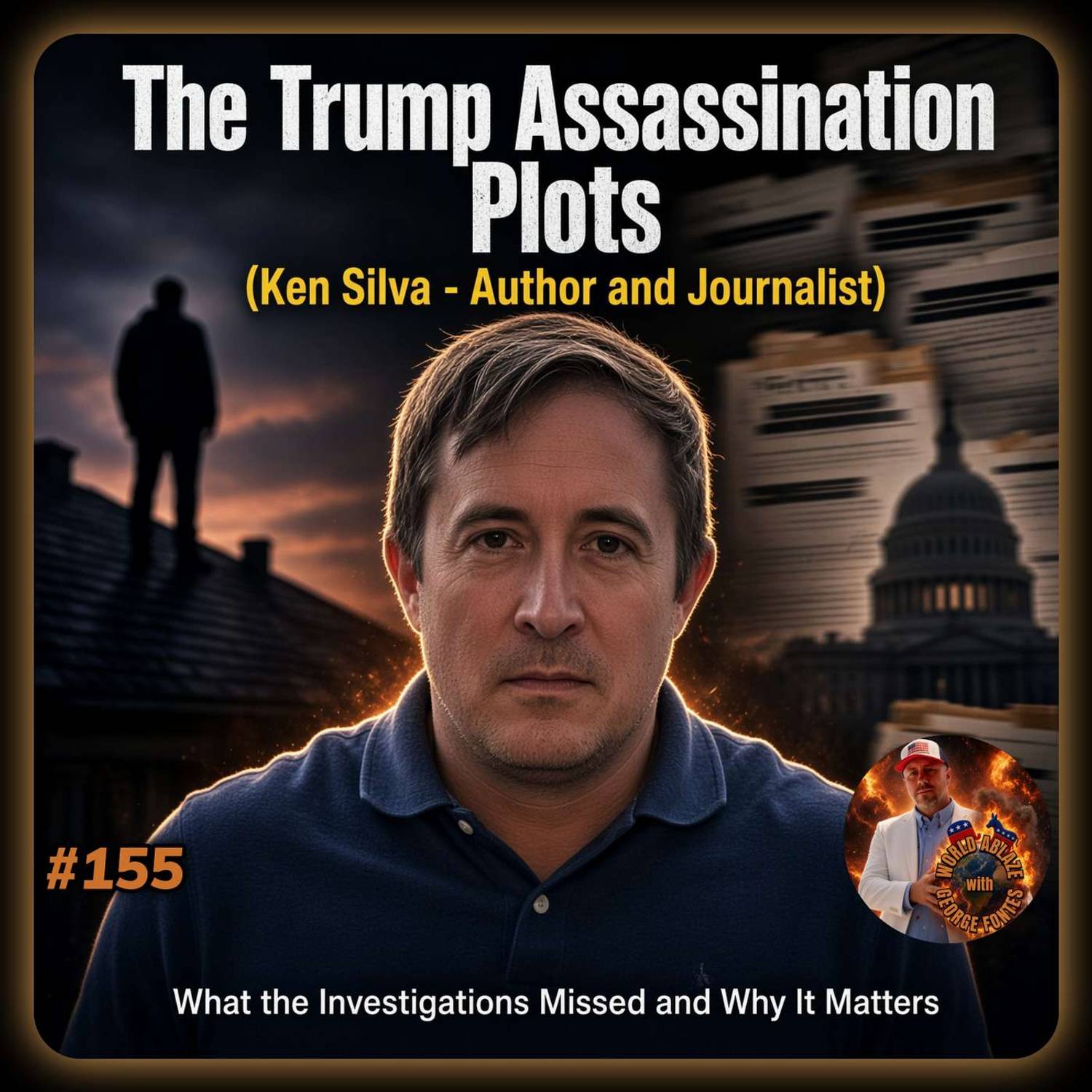
In this episode of World Ablaze, investigative reporter and Headline USA editor Ken Silva joins the show to unpack his book, The Trump Assassination Plots: What the Investigations Missed and Why It Matters. Silva shares findings from his deep dive into the July 13, 2024, attempt on former President Donald J. Trump in Butler, Pennsylvania, as well as subsequent security breaches across the country. Together, the host and guest analyze systemic security failures, investigation contradictions, and unanswered questions surrounding the gunmen and agency responses. Key Discussion Points: Who Was Thomas Crooks? Examining Crooks's background as a top community college engineering student, his radical online activity, his 2020 YouTube exchanges with a Norwegian neo-Nazi on a State Department watch list, and why the FBI holds over 75,000 pages of withheld records. Butler Security Failures & Communication Gaps: Analyzing the unblocked line of sight from the AGR building, the 15-second response delay from Secret Service snipers, and the radio command center silos between local law enforcement and federal agents. Evidence Handling & Official Record Anomalies: Investigating why Crooks's body remained on the rooftop for 12 hours, the quick release for cremation despite Congressional evidence preservation requests, and remaining bullet fragments. The Ryan Routh Palm Beach Plot: Unpacking Routh's felony record, his volunteer recruitment efforts in Ukraine, his 10-hour campout prior to an unscheduled golf outing, and why Judge Aileen Cannon sealed classified discovery in the case. Foreign Threat Intel & Agency Accountability: Reviewing how Iranian threat intelligence impacted Secret Service sniper deployment, subsequent close-calls like Cole Allen at the White House Correspondents' Dinner event, and the lack of disciplinary action within protective agencies. Ken Silva https://x.com/JD_Cashless https://substack.com/@kensilva https://www.amazon.com/dp/B0H1GVFW3Y/r Support our Sponsors!!! 🛒 Afuera Coffee Co. - Sustainable Coffee 💰 Get 15% OFF | Promo Code: WORLDABLAZE https://promocode.to/afuera-coffee-co/worldablaze-yem 🛒 Ground News - Get The Whole Story 💰 Get 40% OFF | Promo Code: WORLDABLAZE https://ground.news/checkout/all?fpr=worldablaze Web: https://www.worldablazepodcast.com/ YouTube: https://www.youtube.com/@fontesablaze/featured X: https://x.com/fontesablaze Instagram: https://www.instagram.com/fontesablaze/ TikTok: https://www.tiktok.com/@fontesablaze Substack: https://substack.com/@fontesablaze If you like the show, please leave a rating and review on Apple Podcasts.
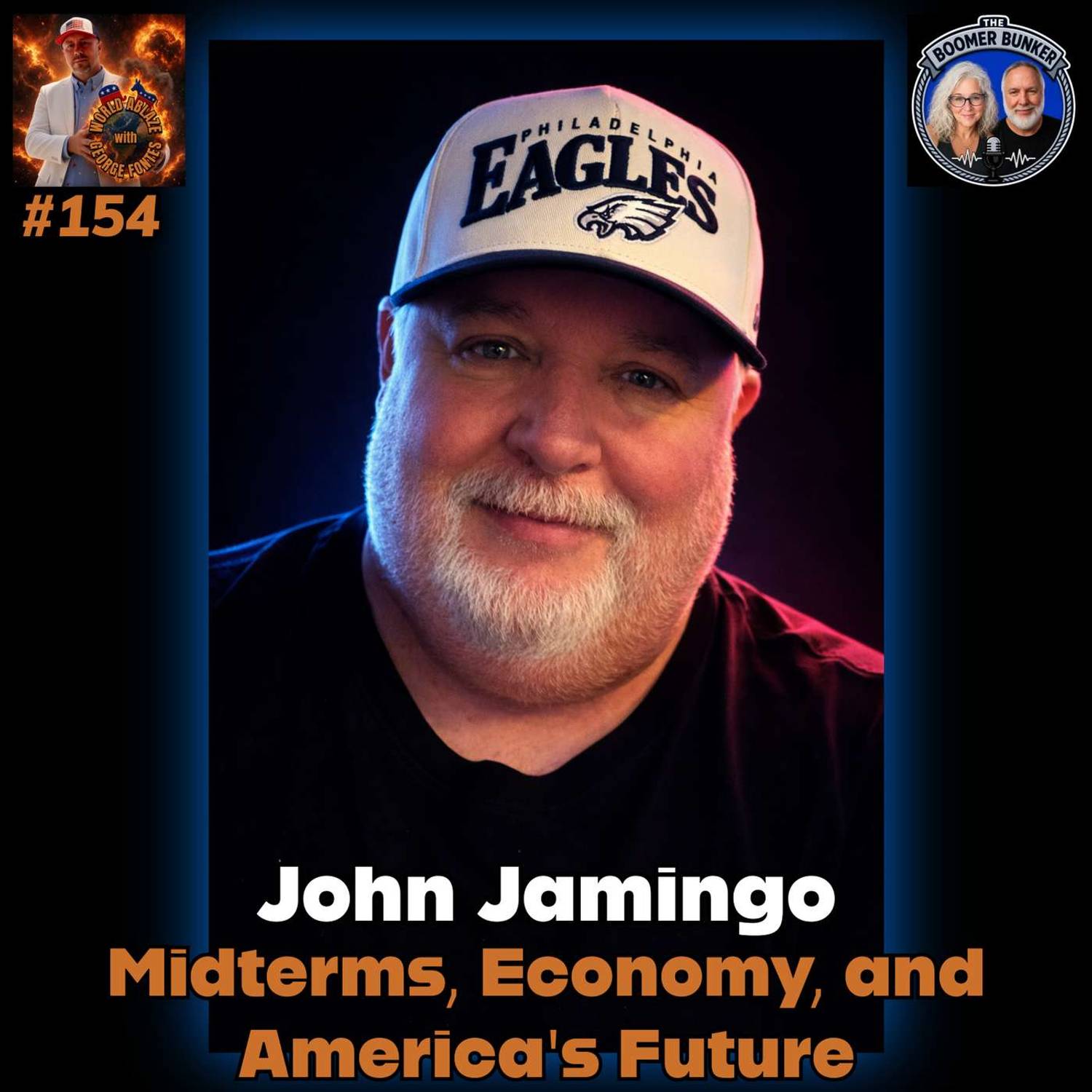
In this episode of World Ablaze, host George Fontes sits down with longtime podcaster and Boomer Bunker co-host John Jamingo for an unfiltered discussion on current events, political strategies, and economic realities. Drawing from 24 years of hands-on experience as an elevator mechanic before entering podcasting, Jamingo provides a direct, blue-collar perspective on the challenges facing everyday working families. Together, Fontes and Jamingo evaluate upcoming midterm election dynamics, rising living expenses, cultural integration, and the outlook for upcoming generations. Key Discussion Highlights The Midterms & Political Messaging: Evaluating campaign playbooks across political parties, the drawbacks of personal character attacks over kitchen-table economic policies, candidate recruitment challenges, and media influence on elections. Inflation, Energy, & Economic Realities: Examining diesel price spikes, record grocery inflation for staples like ground beef and eggs, energy grid regulatory burdens, and the math behind temporary trade moves like the 36-million-barrel Russian diesel agreement. Cultural Integration & Western Values: Discussing projected US demographic trends toward 2045, the role of assimilation versus cultural fragmentation, and the preservation of constitutional principles and Judeo-Christian foundations. The Future for Gen Z & American Labor: Comparing traditional work ethics with soft parenting, the potential impact of AI on white-collar vs. blue-collar trade careers, real estate flippers and LLC speculation driving up housing costs, and redefining the American Dream. **John Jamingo ** https://www.boomerbunker.com/ Support our Sponsors!!! 🛒 Afuera Coffee Co. - Sustainable Coffee 💰 Get 15% OFF | Promo Code: WORLDABLAZE https://promocode.to/afuera-coffee-co/worldablaze-yem 🛒 Ground News - Get The Whole Story 💰 Get 40% OFF | Promo Code: WORLDABLAZE https://ground.news/checkout/all?fpr=worldablaze Web: https://www.worldablazepodcast.com/ YouTube: https://www.youtube.com/@fontesablaze/featured X: https://x.com/fontesablaze Instagram: https://www.instagram.com/fontesablaze/ TikTok: https://www.tiktok.com/@fontesablaze Substack: https://substack.com/@fontesablaze If you like the show, please leave a rating and review on Apple Podcasts.
loading
Comments