


 Claim Ownership
 Forging Resilience
Subscribed: 6Played: 49
Subscribe

© 2026 Aaron Hill
Description
There are people in this world with extraordinary stories, people who've been forged by challenge, transition, and adversity, and most of us will never get the chance to hear them speak honestly about it. Forging Resilience closes that gap.
Host Aaron Hill draws on a deep network of military leaders, elite athletes, entrepreneurs, and coaches to have the conversations that don't happen in boardrooms or on stages. Driven by curiosity and presence, Aaron doesn't follow a script or stick to a format, he follows the story. What comes out is something rare: real, unfiltered insight from people who've been through the fire and come out the other side.
Built for high performers, leaders, founders, and anyone facing a moment that demands more of them, this is the show for people who don't fit the mould, hosted by someone who doesn't either.
www.linkedin.com/in/aaron-hill-synergy-coaching
https://www.instagram.com/aaronhill_79/
118 Episodes
Reverse

Ron speaks with Paul Pitchfork, a former British Army officer who served for 18 years and is now studying coaching psychology, about identity and the inner work of major life transitions. Paul reflects on leaving the army, traveling through South America, cancer treatment, becoming a father at 53, and learning to revise the stories we tell about ourselves.Paul traces early identity shifts from boarding school and studying philosophy to joining the army, where he served for 18 years.He describes the conflict between external expectations and internal values, including the difficult decision to leave before taking command of a Gurkha battalion.After leaving, Paul abandoned a planned solo Indian Ocean row and traveled around South America by motorbike, using the time as a neutral zone between life chapters.Paul explains narrative identity as an ongoing process of revisiting and editing how past experiences connect to present life and future possibilities.He argues that holding multiple roles can protect people from becoming trapped in a single professional identity and make transitions more adaptable.Paul discusses trusting intuition, making space for discomfort, and seeking advice from people whose values-based counsel he trusted.He connects autonomy, relatedness, and competence from self-determination theory to how he navigated cancer treatment and built support around himself.Becoming a father at 53 brought Paul a renewed sense of purpose and helped him see identity as something that can soften and adapt.Paul distinguishes external change from internal transition and describes the value of a neutral zone before committing to a new beginning.His advice for people facing cancer is to build a supportive community, stay curious, work with clinicians, and take psychological ownership of the process.

A new season of Forging Resilience and an opportunity to experiment.In this short solo episode, I share my plans for walk-and-talk interviews, reflect on what these conversations continue to teach me, and talk about practising being present, letting go of the “right” question, and getting started again without making the delay mean anything about me.If it works, great. If it doesn’t, change something. The world keeps spinning.Let's go.

Lee White describes his resentments as rocks in a rucksack. He’d take them out, revisit them, then carry them around again.Today I’m joined by Lee, a hospital director who speaks openly about addiction, rebuilding his life and the daily work of staying well.He shares an experience in Thailand where two people he had harmed offered him forgiveness. We explore what that taught him about his own resentments, taking responsibility and learning to respond rather than react.We also talk about the expectations we put on people without telling them, being honest about how we feel, and sticking with change when it’s uncomfortable.Lee brings us back to a simple practice: doing the next right thing. In his relationships, in helping others, and on the days when life doesn’t go to plan.What might putting down one of those rocks look like for you?
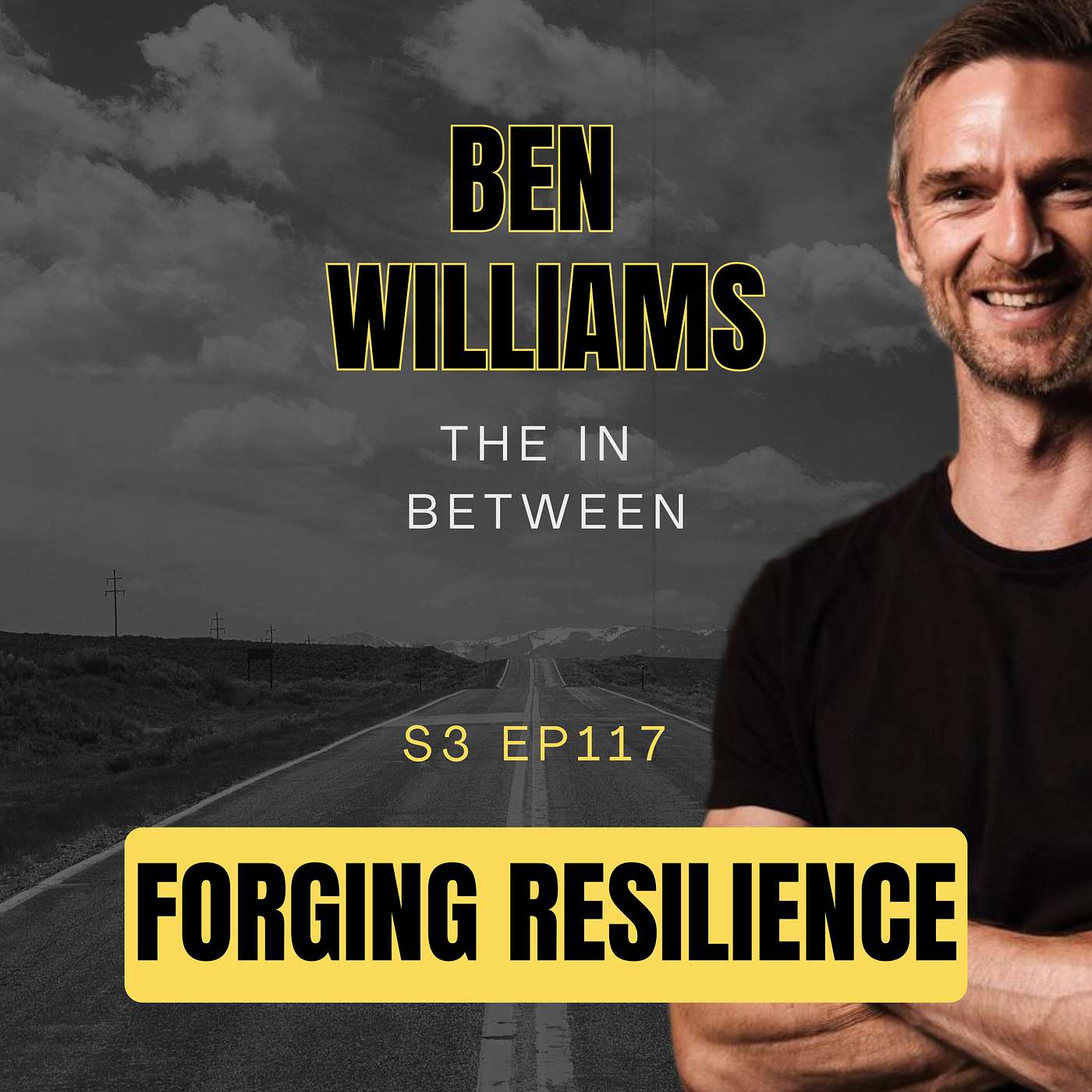
The mindset that helps you survive hard things can also be the mindset that slowly breaks you. Erin sits down with Ben Williams, former Royal Marine commando, author, and startup founder, to talk about the moment grit stops feeling like strength and starts feeling like a mask you cannot keep wearing. Ben shares what it looked like when achievement kept moving the goalposts, stress piled up, and disconnection turned into burnout, depression, and a brutally honest rebuild.We get practical and reflective about the liminal space, that in-between stretch where you are no longer who you were, but not yet who you are becoming. Ben explains why modern life pushes us to rush from A to B, and how that urgency shows up in careers, fitness, relationships, and even the way we cope. We also unpack suffering versus struggle, fixed mindset versus growth mindset, and the subtle inner narratives that turn everyday pressure into something personal and crushing.From jiu-jitsu as a humility practice to therapy as a place to take the load off, Ben offers a powerful image you will remember: putting the rock down and sitting next to it. He also speaks about building healthier veteran pathways into startups through FirstFound, and why rejecting hustle culture is part of sustainable high performance. If you are navigating transition, leadership pressure, or mental health challenges, this conversation gives you language, perspective, and permission to be human. Subscribe, share this with someone in a liminal season, and leave us a review with your biggest takeaway.Help us improve! I'd love to get your feedback...Forging Resilience supports Save A WarriorSave A Warrior works with veterans and first responders facing complex PTSD and the reality of suicide.Through this podcast, we’re supporting their work.If you want to get behind it, you can do that by buying a bag of Major Stoke Blend coffee. All profits go directly to Save A Warrior.Good coffee. Real conversations. Work that matters.Support the showFollow my social media accounts | LinkedIn | Instagram |
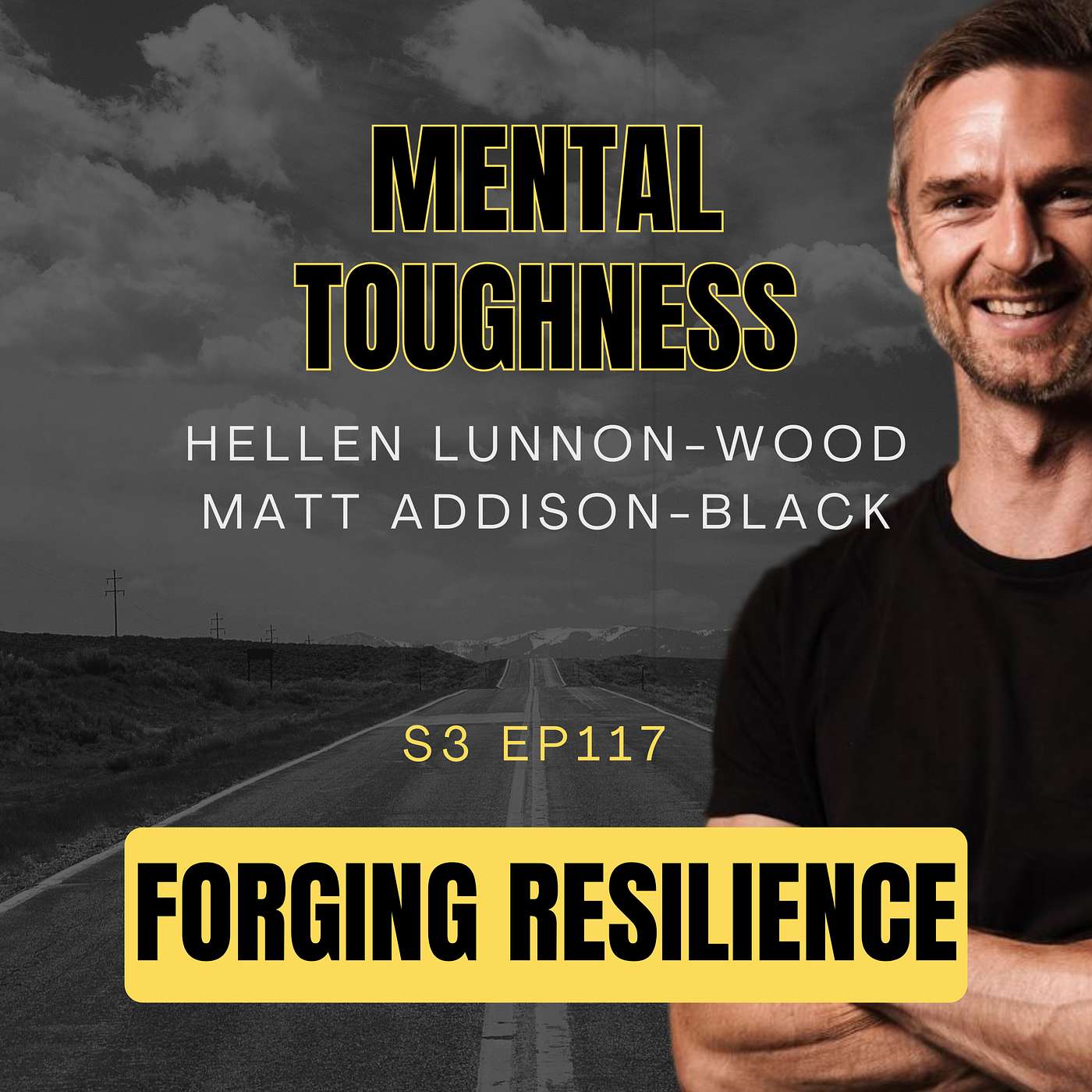
Mental toughness is having no feelings, right? That idea sounds impressive, but it quietly breaks people. We sit down with returning guests Matt Addison Black and Helen Lunnon Wood to untangle what mental toughness, resilience and grit actually mean when the pressure is real and the standards matter, and what gets lost when these words turn into buzzwords.We talk about the social media version of Stoicism and why it often gets repackaged as emotional repression, then replace it with something more useful: perceiving emotion, processing it, and still making rational decisions. Helen challenges the “bounce back” story and explains why resilience is often slower and more honest: sitting with what went wrong, learning from it, and returning without brushing it under the carpet. From there we dig into values and identity alignment as a practical compass for high performers, plus the subtle ways avoidance can look like productivity.Matt breaks down grit with a clear academic lens and highlights the most neglected ingredient: hope, not as blind optimism, but as agency and locus of control. We bring in the Stockdale lesson on optimism, explore stress as a signal until it becomes chronic allostatic load, and share tangible tools: naming emotions, breathwork, deliberate recovery, celebrating wins, and “mental modelling” to make better decisions under pressure. We also widen burnout beyond the workplace, and finish with a sharp look at risk tolerance through aviation’s “fit to fly” judgement.If this helps you rethink how you push through, subscribe, share it with someone who needs a healthier definition of toughness, and leave us a review. What part of your life needs a more deliberate course correction?Help us improve! I'd love to get your feedback...Forging Resilience supports Save A WarriorSave A Warrior works with veterans and first responders facing complex PTSD and the reality of suicide.Through this podcast, we’re supporting their work.If you want to get behind it, you can do that by buying a bag of Major Stoke Blend coffee. All profits go directly to Save A Warrior.Good coffee. Real conversations. Work that matters.Support the showFollow my social media accounts | LinkedIn | Instagram |

Comments

Download from Google Play

Download from App Store
 United States