


 Claim Ownership
WP Tavern
Subscribed: 518Played: 6,519
Subscribe

© 2021 WordPress Tavern
Description
The WP Tavern Jukebox is a podcast for the WordPress community. We interview people who are pushing change in how WordPress evolves. Plugins, Blocks, Themes, Community, Events, Accessibility and Diversity; we try to cover all the bases. Subscribe to be updated when we bring you new content.
209 Episodes
Reverse
In this episode, Nathan Wrigley interviews Rob Ruiz, current maintainer of WP Rig, a free WordPress theme development toolkit and starter theme. Rob Ruiz shares his journey from designer to theme developer, discusses the benefits of WP Rig for both beginners and agencies, and highlights how it teaches best practices, supports modern tools, and adapts to both classic and block-based WordPress themes. The episode focuses on empowering users to learn, contribute, and better understand theme development within the evolving WordPress ecosystem. Go listen.
In this episode, Nathan Wrigley speaks with Jonathan Desrosiers about tying WordPress releases to flagship community events like WordCamps. They discuss the logistical challenges, especially around scheduling, international holidays, and global contributor coverage. The conversation explores the evolving WordPress community, impacts of COVID, renewed excitement for building, and initiatives to involve younger contributors. They touch on the role of AI, resurgence in open web tools, and ensuring WordPress remains relevant and exciting for future generations.
In this episode, Nathan Wrigley talks with Matt Cromwell about Matt’s new agency, Roots and Fruit, which is aimed at helping WordPress product businesses grow sustainably. They discuss shifts in the WordPress ecosystem, the importance of focusing on the entire product experience (not just code), and how saturation and increased competition mean success requires more than just “build it and they will come.” Matt shares insights from his GiveWP and StellarWP journey and explains how he now supports both solo founders and teams with strategies prioritising customer experience, smart marketing, and purposeful growth.
In this episode, Nathan Wrigley talks with Russell Aaron about the little-known WordPress admin page “options.php.” Russell Aaron explains what the page does, displaying and allowing edits to the entire wp_options table, and discusses its usefulness and risks. They cover why it exists, who can access it, why it’s not linked in the admin menu, and how it’s both powerful and potentially dangerous if misused. The conversation is full of insights for curious WordPress users and developers who want to better understand their site’s backend. So, if you fancy poking around behind the scenes, or have ever wondered what might be hiding right under your nose in WordPress, this episode is for you.
In this episode, Miriam Schwab discusses her journey in the WordPress space, from running an agency to founding Strattic, which was later acquired by Elementor. Now serving as Elementor’s Head of WordPress, she shares insights on Elementor’s growth, their careful approach to major updates, and their deep dive into AI innovation, including tools like Angie and Site Planner. The conversation also explores AI’s impact on WordPress, plugin development, support, and accessibility, highlighting an exciting future for the platform as it embraces new technologies. For those interested in how AI is shaping the future of WordPress, Elementor’s strategy, and the evolving roles of creators within this ecosystem, this episode is for you.
In this episode of WP Tavern, Nathan Wrigley chats with Charly Leetham about her journey as a digital nomad using WordPress. Charly shares how evolving technology allowed her to build a flexible, location-independent tech support business. She discusses the freedoms and challenges of living on the road, remote work essentials like Starlink for internet access, and how she supports clients with their tech and websites. The conversation highlights both practical insights and the personal rewards of a nomadic, tech-enabled lifestyle. If you’ve ever imagined trading your desk for the open road, or wondered what’s technologically and personally possible as a remote WordPress worker, this episode is for you.
In this episode of the WP Tavern Jukebox podcast, Nathan Wrigley and Marc Benzakein reminisce about the early days of the internet, sharing personal stories from dial-up and BBS boards to today’s always-connected world. They discuss how internet use shifted from a niche hobby for tech enthusiasts to an essential part of daily life, touching on both its remarkable benefits, like accessible information and levelling the business playing field, and its challenges, such as tech overload and lost downtime. The episode also reflects on generational differences in technology use and the possibility of a pushback against constant connectivity among younger people.
In this episode, Nathan Wrigley talks with Corey Maass about how AI tools have transformed web development, especially for client projects. Corey Maass shares his ever-changing tech stack, the impact of AI on productivity and creativity, and how tools like Claude Code and Copilot are saving time and changing traditional workflows. They discuss the philosophical implications of AI, the human vs. machine dynamic, and explore how WordPress and its plugins might adapt to better integrate AI-driven features in the future. Whether you’re a developer curious about what ‘working alongside AI’ means or just wondering about the future of tech and WordPress in an increasingly automated world, this episode is for you.
In this episode, Nathan Wrigley interviews Brian Coords, Developer Advocate at WooCommerce, about his career path, WooCommerce’s recent rebranding, and its approach to developer relations. They discuss how WooCommerce balances its open source ethos, support challenges, and global reach, as well as the platform’s growing focus on AI and enhanced integration with WordPress Core. Brian also shares insights into upcoming features and the evolving landscape of e-commerce, emphasising WooCommerce’s adaptability and strong community connections. If you want to hear how WooCommerce and WordPress are responding to a rapidly changing tech environment, this episode is for you.
In this episode of WP Tavern, Nathan Wrigley talks with Muntasir Sakib about the crucial importance of marketing in the WordPress plugin ecosystem. Muntasir shares insights from his experience growing popular plugins and discusses how product success today depends not just on great development, but on early, strategic marketing, ongoing community engagement, partnerships, and prioritising recurring revenue over quick wins like lifetime deals. The episode offers practical advice for developers and founders hoping to stand out and succeed in a saturated marketplace.
In this episode, Johanne Courtright chats with Nathan Wrigley about her journey in WordPress development, focusing on enhancing the block editor (Gutenberg). She discusses her project, Groundworx, which adds features and custom blocks tailored for agencies and advanced users, such as improved breakpoints, colour palettes, and navigation options. They explore the challenges of shifting to full site editing, the 80/20 rule in WordPress Core, and the evolving ecosystem for block-based business models. Johanne also emphasises the need for better plugin discoverability and user experience in the WordPress directory. Whether you’re a developer eager to modernise your workflow, or just curious about extending Gutenberg for real-world use, this episode is for you.
In this episode, Nathan Wrigley chats with Topher DeRosia about the impact of doing things in public within the WordPress community. Topher shares how openness, community involvement, and generosity have shaped his career and personal life, reflecting on organic reputation and the balance between commercial and philanthropic forces in open source. They discuss the importance of giving back, building friendships, and the long-term benefits of sharing work, highlighting the value of supporting newcomers and the ongoing evolution of WordPress. If you’ve ever wondered about the power of sharing your work, finding meaning in open communities, or how to make a difference over the long term, this episode is for you.
In this episode, Saumya Majumder joins Nathan Wrigley to discuss innovations at BigScoots, focusing on high-performance WordPress hosting and Cloudflare-powered architecture. They unpack the recent global Cloudflare outage, the complexities of internet infrastructure, and Cloudflare’s transparency in response. Saumya explains advanced caching technologies, BigScoots’ direct physical connection with Cloudflare, and their custom cache plugin, highlighting how these developments offer speed, security, and fine-grained control for WordPress users, agencies, and enterprise clients. If you’re curious about how hosting companies manage such advanced caching strategies, and how Cloudflare might fit into the hosting jigsaw, this episode is for you.
In this episode, Nathan Wrigley talks with Devin Walker, the new Artistic Director (Head) of Jetpack at Automattic. Devin shares his background in WordPress, the challenges and opportunities of leading Jetpack, and his plans to bring focus, simplify the experience, and improve both functionality and marketing. They discuss Jetpack’s strengths, weaknesses, upcoming AI features, organisational changes at Automattic, and the importance of listening to user feedback to enhance Jetpack over the next year. If you’re a WordPress user wondering where Jetpack is headed, what’s working, or how AI fits into the future of site building, this episode is for you.
In this episode, Roger Williams joins Nathan Wrigley to discuss the complexities and evolution of sponsored contributions in the WordPress community. They explore how companies like Kinsta can support WordPress and other open source projects, balancing philanthropic goals with business realities. The conversation covers practical strategies for sponsorship, bridging gaps between individuals and organisations, and the challenges of aligning community-driven and financial motivations to ensure WordPress continues to thrive. If you’re interested in how WordPress sponsorships work, how business and community might collaborate, or you’re seeking practical advice as a contributor or company, this episode is for you.
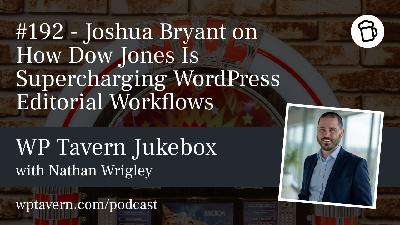
In this WP Tavern Jukebox podcast episode, Nathan Wrigley talks with Joshua Bryant about how Dow Jones uses WordPress in a headless setup to power major news sites like the Wall Street Journal. Joshua shares how his team decoupled the Gutenberg editor, embedding it in a React application for super-fast, distraction-free publishing, crucial for breaking news. He explains the technical process, challenges faced, and the benefits for editorial workflows, highlighting the importance of time-saving and adaptability for large-scale, enterprise publishing environments. If you’re interested in headless WordPress, editorial workflows at scale, or how enterprise newsrooms leverage open-source tech for real-world speed, this episode is for you.
On the podcast today we have Arnas Donauskas from Hostinger. Arnas shares how Hostinger uses AI to help users build, fix, and optimise WordPress sites, automatically detecting errors, applying fixes, and improving performance. He highlights their AI’s 70% success rate in resolving issues, discusses ongoing improvements, and addresses the balance between automation and user control. The conversation also touches on the integration of AI with WordPress’ open source values and what’s next for AI-driven website management. It’s an insightful look into how AI is transforming web hosting. If you’re curious about how artificial intelligence is transforming WordPress hosting and site management, and what this means for the future of the web, this episode is for you.
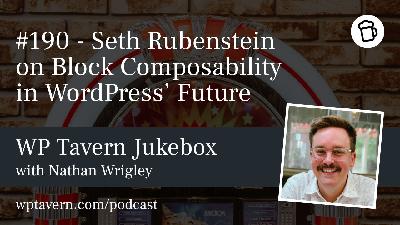
In this episode of WP Tavern, Seth Rubenstein from Pew Research Center talks with host Nathan Wrigley about advanced WordPress development, focusing on block composability in Gutenberg. Seth explains how new APIs, Block Bindings, Block Bits, and the Interactivity API, are making WordPress more powerful, enabling developers and editors to build dynamic web applications, like complex quizzes, directly in the block editor. They discuss the potential for easier UI interfaces and the promising future of WordPress as a flexible platform for interactive content, while touching on performance improvements and upcoming needs like responsive blocks. Whether you’re a developer curious about the future of Gutenberg or an editor dreaming of more drag-and-drop web app power, this episode is for you.
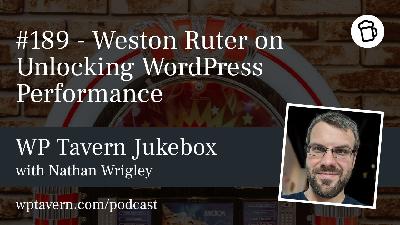
In this WP Tavern episode, Nathan Wrigley interviews Weston Ruter at WordCamp US in Portland. Weston shares insights from his presentation on WordPress performance, discussing improvements made by the Core Performance Team, including lazy loading, enhanced responsive images, and speculative loading. They explore the challenges of maintaining speed as plugins increase site complexity, browser and ecosystem collaboration, and upcoming features for WordPress 6.9. Weston talks about making performance effortless for users and highlights resources for staying informed. Whether you’re a developer, designer, site owner, or just someone curious about what keeps the web running smoothly, this episode is for you.
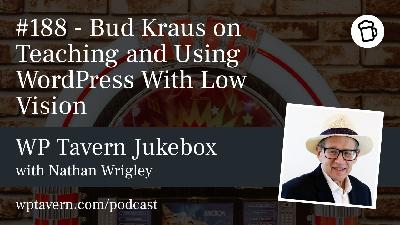
In this episode, Nathan Wrigley interviews Bud Kraus at WordCamp US 2025. Bud shares his experience living and working with macular degeneration, a condition affecting his central vision. He discusses the adaptations he makes to use computers and WordPress, his approach to teaching and content creation, and how his low vision has become a unique perspective in his work. Bud reflects on accessibility challenges, technology, and AI as a career extender, as well as the positives and practicalities of navigating both digital and physical worlds with low vision. Whether you’re a designer, developer, educator, or simply passionate about building a more inclusive web, this episode is for you.

Comments

Download from Google Play

Download from App Store
 United States