


 Claim Ownership
Using the Whole Whale - A Nonprofit Podcast
Subscribed: 206Played: 4,160
Subscribe

© Copyright 2022. All rights reserved.
Description
We interview leading experts working in the field of technology and marketing that are working on using tech for social impact. the podcast explores what tech is working to create impact, and how data is being used effectively within elite organizations. Past guests have included Google Analytics Chief Evangelist Avinash Kaushik, and digital experts from DoSomething.org, Kiva, The Environmental Defense Fund, The Michael J. Fox Foundation, Donor’s Choose and many others.
520 Episodes
Reverse
In this week's episode of Nonprofit Newsfeed, the hosts delve into significant challenges impacting the nonprofit sector, focusing on two major stories: the Flipcause donation platform's bankruptcy and the legal troubles faced by Greenpeace.
Flipcause Bankruptcy and Nonprofit Losses
The episode opens with an update on Flipcause, a donation platform that went bankrupt, leaving nonprofits in financial turmoil. The platform, unable to disperse funds made through it, owes $29 million to various parties, primarily nonprofits. Despite valuing their platform at $15 million, Flipcause's recent filings show only $70,000 in their account, highlighting severe mismanagement. The California Attorney General issued a cease and desist order, and a lawsuit from 29 organizations alleges fraud, with some nonprofits owed hundreds of thousands of dollars. A recent bidding process valued the platform at a mere $400,000—far short of its claimed worth—leaving nonprofits unlikely to recover their donations. The discussion emphasizes the importance of nonprofits maintaining control over their payment gateways to avoid similar pitfalls.
Greenpeace Legal Challenges
The episode also covers a $345 million verdict against Greenpeace in the Dakota Access Pipeline lawsuit, a significant legal challenge that threatens its U.S. operations. This case, seen as a strategic lawsuit against public participation (SLAPP), underscores the vulnerability of nonprofits involved in activism. The hosts discuss the broader implications for organizations engaged in direct action and the potential chilling effect on nonprofit advocacy.
On the Whole Whale podcast, George interviews Andy Citizen, CTO of Share More Stories, about collecting 150–300+ word experience-based stories (typed or voice) from targeted constituencies via a web app and analyzing them with AI. Share More Stories uses sequential classification across ~70 cloud models to score stories for evidence of emotions like anxiety, joy, and self-transcendence, combining these scores with light demographics and survey data, then using a generative AI agent constrained to the dataset to explore themes, anomalies, and demographic differences iteratively. They discuss nonprofit uses such as before-and-after journaling and program impact, the importance of prompts, and how AI should augment rather than automate, with emphasis on user competency, intent, validation, and avoiding hallucinations. Citizen critiques “AI everywhere” features and AI-written social content as trust-eroding, argues trust is a major opportunity, shares concerns about DevOps at scale, and reflects on community involvement and moving faster by reducing process gaps.
00:00 Meet Andy Citizen
00:50 What Share More Stories Does
01:57 Collecting Real Experience Stories
02:41 AI Scoring Emotional Signals
04:14 How Stories Are Gathered
05:24 Prompts Versus Surveys
06:26 Dashboards Reports And Agents
09:20 Nonprofit Program Evaluation Uses
12:06 Prompt Craft And Hidden Insights
14:05 AI Adoption And Training Gaps
17:46 Use Cases Lanes And Hallucinations
20:27 AI Side Of Fries And Trust
25:44 Rapid Fire Tech Questions
29:39 Personal Advice And Community
31:58 Magic Wand For Human Connection
34:12 How To Connect And Wrap Up
In the latest episode of the Nonprofit News Feed, the hosts delve into the intricacies of giving and volunteering across the United States, as well as the pressing environmental challenges facing nonprofits today. The conversation highlights the recently conducted "Total Civic Generosity Report" by Whole Whale, which sheds light on geographic disparities in generosity and the significant contributions of small-dollar donors.
Key Insights:
Generosity Across Income Levels: The report reveals a striking contrast in charitable contributions between income levels. Households earning under $50,000 contribute about 14.2% of their income to charity, while those earning between $500,000 and $2 million contribute only 3.9%. This challenges the notion that high-value donors are more crucial than small-dollar donors, emphasizing the importance of valuing all levels of giving.
State-Specific Generosity: Utah leads with the highest ratio of adjusted gross income giving at 6.61% and remarkable volunteer rates. This underscores the need for nonprofits to tailor messaging based on geographic data, recognizing the unique philanthropic landscapes of each state.
Impact of Religious and Non-Affiliated Trends: The decline in religious affiliation impacts volunteerism, with many informal acts of generosity going unreported. This highlights the need for better data representation in understanding volunteer contributions.
Key Trends in Donor-Advised Funds and AI's Role in Nonprofits
In this episode of the Nonprofit Newsfeed, the hosts discuss significant trends shaping the nonprofit sector, focusing on Donor-Advised Funds (DAFs) and AI's evolving impact.
Main Topics:
Website Update: The Nonprofit Newsfeed site has been revamped for better user experience and branding.
Donor-Advised Funds (DAFs):
Predicted to exceed $450 billion in assets, indicating mainstream adoption.
Nonprofits should adapt strategies to include dedicated DAF donation pages.
DAFs are becoming accessible beyond ultra-wealthy donors.
AI and Nonprofits:
The era of "free AI" is ending, with rising costs expected for AI tools.
Nonprofits need to strategize for continued AI access, possibly through collaboration.
Digital inequity concerns as AI access may widen the gap for underserved communities.
Candid's Strategy:
Candid aims to become a key AI data source amid workforce reductions.
Reflects challenges in content monetization due to AI-driven changes.
Innovative Community Solutions:
The Nomad Alliance in Utah operates a mobile shelter for the homeless, showcasing empathy-driven innovation.
Key Insights:
DAF growth offers new fundraising avenues but requires strategic adaptation.
Rising AI costs necessitate proactive planning by nonprofits.
Candid's pivot highlights changing data dissemination dynamics in philanthropy.
Community-driven solutions like the Nomad Alliance demonstrate impactful innovation.
Call to Action:
Evaluate and update fundraising platforms for DAF contributions.
Explore collaborative strategies for AI tool access as costs increase.
Draw inspiration from innovative community projects for addressing local needs.
A New Era of Direct-to-Consumer Giving
In this week's Nonprofit Newsfeed, the hosts delve into a groundbreaking development in philanthropy that was highlighted during the Super Bowl. The episode explores the introduction of Invest America accounts, a federally backed initiative providing tax-advantaged investment accounts for U.S. children under 18. The Treasury Department plans to seed each account with $1,000 for newborns starting in 2025, with the accounts unlocking in 2026.
A standout philanthropic commitment comes from the Dell Foundation, pledging $6.25 billion to deposit $250 into the accounts of 25 million children from low-income zip codes. This marks a shift towards a direct-to-consumer philanthropic model, allowing foundations to target specific communities, akin to how digital ads are targeted.
Key Insights:
Invest America Accounts: These accounts are likened to retirement accounts for children, maturing over time and unlocking when the child turns 18.
Philanthropic Targeting: The Dell Foundation's targeted approach sets a precedent for how philanthropy can leverage these accounts to support disadvantaged families directly.
Nonprofit Opportunities: Nonprofits can play a crucial role in helping families navigate the opt-in process for these accounts, similar to assisting with food stamp applications.
Pros and Cons:
Pros: Provides a new charitable avenue for direct support; potential to engage low-income families in capital markets.
Cons: Opt-in nature may leave many children out; not inherently progressive, as all eligible children receive the same amount regardless of need.
Donor-advised funds (DAFs) are no longer a niche tool for ultra-wealthy donors—they’re a fast-growing, fragmented ecosystem holding more than $326 billion in charitable assets and expanding at ~25–30% annually. In this episode of the Whole Whale Podcast, Mitch Stein, Head of Strategy at Chariot, breaks down what’s really happening inside the DAF economy: over 1,400 DAF programs, millions of households using them, payout rates that consistently exceed private foundations, and a surge in contributions driven by appreciated stock and late-year tax planning. The takeaway for nonprofits is clear: DAFs are becoming a mainstream giving vehicle, not an edge case, and ignoring them means ignoring where a growing share of charitable dollars now live.
We also dig into the friction problem—and why it matters. DAFs reduce the mental friction of giving by separating “how much to give” from “where to give,” but outdated workflows still create drop-off at the moment of donation. Chariot’s role is to remove that last mile of friction through shared infrastructure like DAF Pay, making it as easy to give from a DAF as using Apple Pay. The result: higher conversion, larger gift sizes, and more money actually moving to nonprofits. For fundraisers, the message is practical and urgent—get DAF-ready, normalize DAF giving, and stop treating it like a rare edge case. The money is there. The question is whether your organization is easy to give to.
Sector Data & Reports
Annual DAF Report 2025 — Donor Advised Fund Research Collaborative (latest US DAF stats including assets, contributions, payouts, and account counts)
https://www.dafresearchcollaborative.org/annual-daf-report/2025
DAF & Payout Rate Insights — Chariot Resource on 2025 DAF Report for Fundraisers (breakdown of payout rates vs private foundations, DAF trends)
https://www.givechariot.com/resources/insights/7-top-takeaways-from-the-new-2025-daf-report-for-nonprofit-fundraisers
Annual Donor Advised Fund Report Overview (NPT/DAF Research Collaborative)
https://www.nptrust.org/reports/daf-report/
📈 Supplemental News & Context
Inside Philanthropy – DAF Growth Story & Trends (context on how assets and grants are growing)
https://www.insidephilanthropy.com/home/inside-the-explosive-growth-of-donor-advised-funds
AP News – Fidelity Charitable Grants Data (Nonprofit relevance)
https://apnews.com/article/7a483a4f69115f467ecfb1c4348bbdc3
🧠 Practical & Community Resources
Give Chariot – DAF Checkout + Resources for Nonprofits — Chariot’s official site with platform info.
DAFgiving360 Organization — large independent DAF sponsor with giving impact stats: https://www.dafgiving360.org/
📌 Other Helpful References
DonorsTrust (Wikipedia) — example of a standalone donor-advised fund organization: https://en.wikipedia.org/wiki/DonorsTrust
AI's Impact on Nonprofit Visibility and the Changing Landscape of Foundation Support
This week's episode of the Nonprofit Newsfeed, the hosts delve into the evolving dynamics of AI's influence on nonprofit visibility and the current state of foundation support.
Main Topics:
AI's Knowledge Windows and Nonprofit Visibility: George and Nick discuss a new beta feature from OpenAI's ChatGPT called "knowledge windows." This feature presents information about organizations directly within the AI interface, potentially reducing website traffic as users get essential details without needing to visit the source. This development could significantly alter how nonprofits engage with potential donors and supporters, as AI becomes the gatekeeper of information.
Foundation Support and Nonprofit Perception Gap: A report from the Center for Effective Philanthropy highlights a significant perception gap between foundations and nonprofits. While 93% of foundation leaders believe they understand grantee challenges, only 54% of nonprofits agree. The report also notes that foundation responses have weakened post-COVID, despite increased demand for nonprofit services.
AI Ads: A New Frontier for Nonprofits
This week on the Nonprofit Newsfeed the hosts dive into a game-changing announcement from OpenAI that could revolutionize nonprofit marketing strategies. OpenAI has revealed plans to pilot advertising on ChatGPT, marking a significant shift in how nonprofits might engage with audiences.
Key Highlights:
OpenAI's Announcement: OpenAI is testing ads in select markets for ChatGPT's free and low-cost tiers, aiming to provide more users with access to its AI tools without usage limits.
Implications for Nonprofits: With approximately 800 million weekly active users, ChatGPT offers nonprofits a vast audience for targeted advertising. This presents an unprecedented opportunity to engage users during meaningful conversations across diverse contexts, from education to health advice.
Concerns and Opportunities: While the prospect of ads in AI raises concerns about data privacy and the influence on AI-generated content, it also opens doors for nonprofits to reach audiences in innovative ways. The challenge will be crafting ad content that complements AI interactions without disrupting user trust.
Transparency and Analytics: The move towards advertising may also introduce valuable analytics tools, enabling nonprofits to gain insights into user behavior and optimize their engagement strategies.
Nonprofit Wellness Index Update:
The podcast also highlights Whole Whale's Nonprofit Wellness Index, which tracks sector health through job postings, layoffs, and ad spending. December's index hit a record high, indicating a positive rebound from previous lows, suggesting a revitalized nonprofit sector.
Feel-Good Story:
In a lighter segment, the hosts share a unique fundraising initiative from an Alaskan bird conservation group. For Valentine's Day, donors can name a rat after an ex, which will then be fed to a bird of prey, offering both cathartic satisfaction and support for wildlife conservation.
This week on the Nonprofit News Feed, the hosts dive into pressing digital safety issues and uplifting philanthropic news. The episode covers the alarming rise of deep fakes and their implications for nonprofits, and celebrates a significant donation to support LGBTQ+ youth.
Main Topics:
Global Crisis of Deep Fakes: The episode highlights the disturbing trend of deep fakes, particularly on the AI platform Grok, which is generating non-consensual and sexualized images. The hosts stress the urgent need for nonprofits working with vulnerable groups to advocate for stricter regulations and educate communities on digital safety.
Implications for Nonprofits: The conversation emphasizes the critical role of nonprofits in combating AI-enabled cyberbullying and gender-based violence. Organizations are called to update internet safety protocols and engage in advocacy to protect affected communities.
Mackenzie Scott's Transformative Gift: In a beacon of hope, Mackenzie Scott's $45 million unrestricted donation to the Trevor Project is celebrated. This lifeline comes after federal funding cuts and highlights the importance of substantial, unrestricted support for nonprofits in crisis.
Dissolution of the Corporation for Public Broadcasting: The episode also covers the dissolution of this vital organization due to funding cuts, impacting local journalism and broadcasting. The hosts discuss the potential repercussions on local news and the need for new revenue streams.

The Neurogiving: The Science of Donor Decision-Making by Cherian Koshy
In this episode of the Whole Whale Podcast, host George interviews Cherian Koshy, the author of the bestselling book 'Neurogiving: The Science of Donor Decision-Making'. The discussion delves into the role of neurochemicals like dopamine, serotonin, and oxytocin in promoting generosity and trust in fundraising. Koshy shares insights on how understanding these neurochemical triggers can create more effective donor engagement strategies. The episode also addresses the limitations of current giving measurements and the importance of aligning donor reinforcement techniques with scientific principles for habit formation and long-term loyalty. Additionally, Koshy offers practical advice on storytelling, intentional donor communication, and the impact of new technologies like AI on nonprofit fundraising.
00:00 The Dopamine Generosity Connection
00:32 Introducing Cherian Koshy and His Book
02:22 The Science Behind Generosity
03:01 Creating the Book: A Journey Through Research
12:59 Understanding the Helper's High
16:38 The Decline in Giving: A Complex Issue
23:25 Leveraging Generosity in Communication
24:50 The Power of Cognitive Dissonance
26:42 Storytelling for Nonprofits
31:52 The Impact of Mirror Neurons
35:08 Challenges and Opportunities in Fundraising
42:27 Rapid Fire Questions and Insights

Episode Overview:
Fraud in Minnesota's Social Services:
Federal prosecutors have uncovered widespread fraud in Minnesota's social safety programs, with fewer than 100 individuals exploiting pandemic-era funds, resulting in over $1 billion in misappropriations.
The lack of effective oversight allowed fraudulent activities to flourish, leading to significant repercussions for the Somali community in Minnesota.
The "blast radius" effect highlights how a few bad actors can have widespread negative impacts on an entire community, affecting funding and perception.
Flipcause Bankruptcy Fallout:
Flipcause, a fundraising platform, has filed for bankruptcy, owing over $29 million to more than 3,200 nonprofits.
The insolvency raises questions about the platform's financial management practices, emphasizing the need for nonprofits to maintain control over their payment processing systems.
Chan Zuckerberg Initiative's Strategic Shift:
The Chan Zuckerberg Initiative has withdrawn support from Forward Us, an immigration nonprofit, citing a strategic focus on science and education.
This decision reflects a broader trend of philanthropic organizations re-evaluating their commitments to social justice initiatives.
In the latest episode of the Whole Whale Podcast, hosts George and Nick reflect on the transformative themes that shaped the nonprofit sector in 2025. With a focus on AI's impact, they explore how answer engine optimization (AEO) has redefined nonprofit discovery and engagement. AI's rapid adoption has led to decreased organic traffic for nonprofits, necessitating strategic pivots in content and donor engagement.
George highlights a significant increase in AI-generated content, with Whole Whale producing nearly a million words daily. This shift underscores the need for nonprofits to establish internal AI policies and balance AI use with human oversight to maintain ethical standards and foster innovation.
Nick introduces the "crawl, walk, run" framework, guiding nonprofits in adopting AI responsibly. He emphasizes the importance of maintaining human expertise and authority in an AI-saturated world, urging organizations to focus on quality over quantity in content creation.
The episode also revisits key rants from 2025, including Microsoft's controversial changes to its nonprofit grant program and GoFundMe's unauthorized creation of shadow donation pages for nonprofits. These challenges highlight the importance of maintaining autonomy and control over nonprofit branding and fundraising.
Looking ahead to 2026, George and Nick advise nonprofits to prioritize strategic use of AI, leveraging high-quality intelligence tokens to amplify impact while avoiding the pitfalls of AI-generated "slop." They stress the importance of creating original, authoritative content that reflects an organization's mission and expertise.
As they close the episode, George and Nick express optimism for 2026, anticipating renewed energy and opportunities for nonprofits amidst upcoming midterms and sector transformations.
In this episode of the Nonprofit Newsfeed the hosts dive into the latest developments in the nonprofit sector, focusing on the aftermath of Giving Tuesday, challenges with donation platforms, and exciting AI opportunities for nonprofits.
Key Topics:
Giving Tuesday Overview: The hosts reflect on the impact and outcomes of the recent Giving Tuesday, with hopes that it reached the predicted $4 million mark to kickstart the fundraising season for nonprofits.
Donation Platform Concerns: A significant issue discussed is the case of Flip Cause, a donation platform that inadvertently kept "shadow campaign pages" live, leading to a $500,000 loss in donation revenue. The California State Attorney General issued a cease and desist order after nonprofits reported these discrepancies. This incident underscores the risks associated with outdated or unauthorized donation pages, emphasizing the need for nonprofits to regularly audit and verify their donation processes and data integrity.
AI for Nonprofits: Anthropic's announcement of Claude for Nonprofits offers a 75% discount on AI access, aiming to enhance nonprofit operations with AI tools for grant writing, engagement, and program evaluation. The hosts compare this offering to Google's AI tools, discussing pricing and the importance of choosing the right AI tools to maximize impact while ensuring data privacy.
Mr. Beast and Rockefeller Foundation Collaboration: The partnership between YouTuber Mr. Beast and the Rockefeller Foundation aims to engage young people in philanthropy by combining storytelling with data-driven philanthropy. The discussion highlights the potential impact and pitfalls of influencer-led philanthropy, emphasizing the importance of ethical storytelling and the need to avoid reinforcing negative narratives about aid recipients.
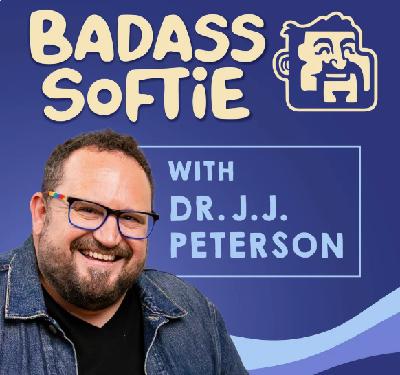
Redefining Leadership for Sensitive Ambitious People: Dr. JJ Peterson on Badass Softie
In this episode of the Using the Whole Whale podcast, Dr. JJ Peterson discusses his journey as a sensitive but ambitious leader, which led to the creation of the Badass Softie podcast. Peterson explores the misconception that ambition and empathy must be separate in leadership and explains how combining these qualities can enhance team success. He highlights the importance of clarity and specific goals in achieving meaningful outcomes, and shares insights on how AI can support, but not replace, human empathy and leadership. Peterson also touches on the challenges nonprofit leaders face and offers strategies for effective communication and problem-solving.
00:00 Introduction to Leadership Challenges
00:43 Introducing Dr. JJ Peterson and Badass Softie
01:17 Defining Badass Softie
02:50 Balancing Ambition and Empathy
04:41 The Dance of Leadership Styles
07:13 Standing in Your Authority
13:42 Communicating with Clarity
17:29 Setting Clear Goals and Themes
21:16 The Problem with Ambiguous Values
22:16 The Importance of Clarity in Leadership
23:18 Ambition Without Clarity
26:14 Case Study: Charity Water's Ambitious Goals
32:34 The Role of AI in Enhancing Human Creativity
39:26 Final Thoughts and How to Connect

In this episode of the Whole Wheel Podcast, host George engages with Mario Hernandez, co-founder of Impact Circle, to discuss the power of LinkedIn for nonprofits. Mario shares insights into the importance of value-driven content over mere posting frequency, and how organizations can leverage LinkedIn to secure corporate partnerships. Through practical tips and personal anecdotes, the conversation delves into strategies for building genuine relationships, utilizing LinkedIn's features effectively, and avoiding common pitfalls like over-relying on AI or playing the virality game. Mario also offers valuable advice on resisting the temptation of pay-to-play options and focusing on long-term relationship building for sustainable growth. The episode highlights the challenges and opportunities for nonprofits in a changing landscape, emphasizing innovation, empathy, and methodical engagement on LinkedIn.
Find Mario on LinkedIn
Topics Covered
00:00 The Myth of Posting Frequency
00:33 Introducing Mario Hernandez and Impact Circle
01:35 The Challenges Nonprofits Face Today
02:32 The Power of LinkedIn for Nonprofits
05:39 The Importance of Personal Branding on LinkedIn
12:13 The Role of AI in LinkedIn Content
16:16 Effective LinkedIn Tactics for Nonprofits
23:51 Maximizing LinkedIn Connection Requests
24:25 Challenges with LinkedIn Video Engagement
25:56 Effective LinkedIn Posting Strategies
27:51 The Importance of Authentic Engagement
31:31 Case Study: Nonprofit Success on LinkedIn
38:01 Balancing Personal and Professional Content
38:40 Navigating LinkedIn's Algorithm and Engagement
43:07 Rapid Fire Questions and Insights
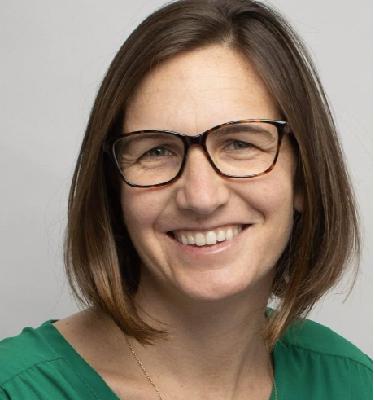
Interview with Kate Harris: https://www.kateharrisgroup.com/who-we-are
In this episode of the Whole Whale podcast, host George speaks with Kate Harris, founder and principal of the Kate Harris Group, about the often misunderstood and stigmatized concept of collaboration and mergers in the nonprofit sector. Kate explains how her organization helps nonprofits navigate significant transitions, often involving mergers or shared services, to better align their mission and structure. They discuss the benefits of structural changes, the nuances of different types of mergers, and the vital role of funders in these processes. Kate also emphasizes the importance of continuous collaboration and adaptability for nonprofit survival and growth, and the need to normalize conversations about mergers and organizational changes to better serve communities.
*****UPDATE: After we recorded this episode, GoFundMe announced they would reverse their stance on auto-generated nonprofit donation pages made without their consent making them opt-in instead of opt-out. Unclaimed Nonprofit Pages, they wrote in a public response, would be removed and de-indexed.*****
In this episode of Nonprofit Newsfeed, George Weiner, Chief Whaler of Whole Whale, and Nick Azulay, digital strategist at Whole Whale, dive into a startling discovery involving GoFundMe's creation of 1.4 million shadow donation pages for US nonprofits. Without outreach or consent, GoFundMe auto-generated these pages, raising significant concerns within the nonprofit community.
Discovery of Shadow Pages: The hosts note how they discovered that many nonprofits, including Whole Whale clients, had active GoFundMe pages soliciting donations without their knowledge or consent.
Potential Ramifications: The hosts discuss the implications of GoFundMe using nonprofit logos and public information without permission. The platform also initially set a default tip for itself at 16.5%, which has since been reduced following public backlash.
Impact on Nonprofits: The episode emphasizes the risk to nonprofit brand management, especially with the upcoming end-of-year giving season. Nonprofits now face the challenge of ensuring their brand integrity and donor relationships are not compromised.
Recommendations for Nonprofits: George and Nick outline a "claim, clean, and correct" strategy. They advise nonprofits to claim their GoFundMe pages, correct any inaccuracies, and make the pages private to protect their brand and donor data.
Broader Implications: The conversation extends to the potential impact on AI systems that rely on indexed information from such pages, affecting how nonprofits are represented in digital spaces.
In this week's episode the hosts delve into the ongoing U.S. government shutdown and its implications for the nonprofit sector. The shutdown, now extending over half a month, poses significant challenges for nonprofits that rely on government partnerships. With 750,000 federal workers furloughed, nonprofits face operational hurdles, particularly in grant management and accessing social services like SNAP benefits. The shutdown's ripple effects could increase demand for nonprofit services as more workers remain unpaid and public services remain halted.
In brighter news, a consortium of ten major philanthropic foundations has announced a $500 million initiative, Humanity Forward, to explore AI's societal impacts. This collaborative effort includes the Doris Duke Foundation, Ford Foundation, and MacArthur Foundation, among others. The initiative aims to investigate AI's influence on democracy, economy, culture, and education, with funds being distributed as early as fall 2025. The episode highlights the importance of nonprofits actively engaging with AI to drive innovation rather than being passive participants.
The hosts also introduce a fun, albeit tongue-in-cheek, mini-game created by Whole Whale. The game serves as a metaphor for the challenges nonprofits face in fundraising, emphasizing innovative content strategies to engage audiences beyond traditional written articles. This interactive approach underscores the potential for nonprofits to leverage AI and technology in new ways.
For nonprofits navigating these uncertain times, the episode underscores the importance of strategic planning and adapting to technological advancements. The discussion encourages nonprofits to explore AI's potential and consider how these tools can enhance their mission-driven work.
Nonprofit Sector Faces Challenges Amid Government Shutdown and Advocacy Efforts
In this week's episode the focus is on the implications of the U.S. government shutdown and recent advocacy efforts within the nonprofit sector. The episode tackles two primary topics: the immediate impacts of the government shutdown on nonprofits and a coalition's response to political challenges against the Open Society Foundations.
Government Shutdown Impact on Nonprofits
The episode begins with a discussion on the current government shutdown, the first since 2018. George and Nick outline the immediate consequences, such as non-essential federal employees facing furloughs and potential delays in grant disbursements. This could lead nonprofits to seek high-cost loans, cut services, or reduce staff if the shutdown persists. Organizations like food banks and those relying on government contracts are particularly vulnerable. The hosts suggest nonprofits explore temporary lines of credit to manage cash flow during this period.
Advocacy Against Political Retaliation
The episode also highlights a broad coalition of nonprofits, including the ACLU and NAACP Legal Defense Fund, condemning political retaliation against the Open Society Foundations. The coalition argues against the Department of Justice's investigation, viewing it as a threat to free speech and democratic values. The hosts emphasize the importance of advocacy and coalition building in protecting civil society from political interference.

Navigating the Philanthropy Landscape with the 'Philanthropy Guy'
In this episode, host George Weiner sits down with Rick Peck, also known as "The Philanthropy Guy," to discuss strategies for nonprofits preparing for the crucial Q4 giving season, commonly referred to as the "nonprofit philanthropy Super Bowl." Rick, a seasoned consultant in the nonprofit space, shares insights on donor engagement, effective fundraising strategies, and the importance of cultivating relationships with major donors.
Main Topics:
Rick Peck, a consultant helping midsize nonprofits engage with larger donors, shares his expertise.
Discussion on the importance of diversifying revenue streams amidst shrinking grant availability.
Emphasis on building a strong case for support and soliciting non-cash asset donations.
Insights into donor personas and the nuances of engaging high-net-worth individuals.
Critical Insights:
Many nonprofits face a "quiet panic" as they scramble to prepare for year-end giving, often due to a lack of preparation and over-reliance on grants.
Peck advocates for a strategic approach, urging nonprofits to develop a strong foundational case for support and to consider soliciting non-cash assets, such as real estate or stocks, to maximize donations.
Understanding donor personas—such as "drivers" and "expressives"—can significantly improve donor engagement strategies.
The role of donor-advised funds (DAFs) is explored, highlighting both their potential benefits and the complexities they introduce into the philanthropic landscape.


Download from Google Play

Download from App Store
 United States
so frustrating to hear this news (but glad you're covering it). got me thinking about future adoption of newer TLDs; gen z users are likely more accepting of them than prior generations? (maybe PEW is doing research on this?) think .io is the front runner as trustworthy, fresh TLD?