


 Claim Ownership
The Nonprofit Exchange: Leadership Tools & Strategies
Subscribed: 131Played: 3,824
Subscribe

© Copyright 2022 SynerVision Leadership Foundation
Description
The Nonprofit Exchange is built for nonprofit leaders, board members, donors, and interested parties.
481 Episodes
Reverse

In this episode of the Nonprofit Exchange, I had the pleasure of welcoming Tamian Dysart, a leadership speaker, entrepreneur, and founder of the Elevate You platform. Tamian's work centers on personal transformation, intentional leadership, and fostering healthy cultures within organizations. Our conversation delved into how leaders can elevate themselves to uplift their teams, organizations, and communities.
Tamian shared his personal journey, which began with over 15 years in corporate America, where he learned valuable lessons about leadership—often by observing what not to do. A pivotal moment in his life came when he discovered the works of John Maxwell, which inspired him to focus on personal development and culture-building. He highlighted a significant achievement at Capital One, where he reduced employee turnover from 33% to an astonishing 6% in just 18 months by investing in personal development and culture.
We explored the concept of "elevate," which Tamian defines as personal empowerment. He emphasized the importance of intentionality in our thoughts and actions, noting that many people live on autopilot, allowing their thoughts to dictate their emotions and actions. By elevating our thinking, we can create a positive cycle that leads to better outcomes.
Tamian also addressed common myths and barriers to growth, particularly in the nonprofit sector, where burnout and a lack of investment in personal development can hinder impact. He stressed that leaders must prioritize their own growth to effectively lead others and fulfill their missions.
Throughout the episode, we discussed the significance of discipline and intentionality in achieving personal and organizational success. Tamian encouraged listeners to start small, focusing on one new habit at a time to build momentum and transform their lives.
Finally, we touched on the importance of culture in organizations, describing it as currency that can either elevate or diminish the workplace experience. Tamian's insights on leadership, personal growth, and culture are not only relevant for nonprofit leaders but for anyone looking to make a meaningful impact in their communities.
I encourage our listeners to check out Tamian's book, "Elevate," and visit his website, Think3D, for more resources on transforming workplace culture and personal development. Thank you for joining us for this inspiring conversation!
More at https://letsthink3d.com
Learn more about your ad choices. Visit megaphone.fm/adchoices

In this episode of the Nonprofit Exchange, I had the privilege of speaking with Dr. Bobby Shelton, the creator of the "Easy Hard versus Hard Hard" framework. Bobby challenges nonprofit leaders and clergy to reflect on the nature of their work, distinguishing between the busy, often unfulfilling tasks that he refers to as "easy hard," and the deeper, transformative work that he calls "hard hard."
Bobby shared his personal journey as a leader who, despite outward success, felt empty and unfulfilled. He emphasized that easy hard involves chasing metrics, external validation, and the relentless grind of busyness, while hard hard focuses on self-awareness, intrinsic motivation, and meaningful impact. This distinction is crucial for nonprofit leaders who often find themselves overwhelmed and burned out.
Throughout our conversation, we explored how societal pressures to be productive can create the illusion of progress, leading to exhaustion and a disconnect from our true mission. Bobby encouraged listeners to pause and reflect on their motivations, asking themselves whether their current work aligns with their true selves and passions.
We discussed practical steps for moving from easy hard to hard hard, including the importance of self-leadership and the need to prioritize personal well-being. Bobby's insights serve as a powerful reminder that the work we do in the nonprofit sector matters too much to settle for mere activity that drains meaning from our mission.
As we wrapped up, Bobby shared resources for further exploration, including his book, "Easy Hard versus Hard Hard," and his evolving website, which will continue to provide valuable content for leaders seeking to make a lasting impact. This episode is a call to action for all nonprofit leaders to choose purpose over approval and intention over exhaustion.
Learn more about your ad choices. Visit megaphone.fm/adchoices

In this episode of the Nonprofit Exchange, I had the pleasure of welcoming Luke Williamson, a leader in managed IT services and cybersecurity, and the driving force behind Accurate Network Services. Our conversation centered around the intersection of nonprofits and technology, emphasizing how IT can empower organizations to fulfill their missions more effectively.
Luke shared his passion for working with nonprofits, highlighting the unique challenges they face, such as inconsistent funding, talent shortages, and fragmentation within the sector. He pointed out that many nonprofits struggle with a misalignment between their technology and their core mission, which can hinder their impact.
We delved into the importance of a people-centered approach to technology. Luke emphasized that technology should not be viewed as a replacement for human interaction but as a tool that enhances relationships and service delivery. He encouraged nonprofit leaders to start with their mission and the needs of their people before diving into technology solutions.
Throughout our discussion, Luke provided valuable insights into the fundamentals of effective technology use, including the importance of data collection and analysis for decision-making. He also addressed common misconceptions about technology, urging leaders to view it as an investment rather than an expense.
We touched on the critical topic of cybersecurity, discussing how organizations can protect themselves from threats without incurring exorbitant costs. Luke highlighted the necessity of cybersecurity training for staff and the importance of having breach detection systems in place.
In closing, Luke offered practical advice for nonprofit leaders feeling overwhelmed by technology decisions. He encouraged them to focus on their mission, gather feedback from their teams, and collaborate with IT professionals to find the best solutions tailored to their needs.
This episode was a reminder of the vital role that technology plays in enhancing the effectiveness of nonprofits and the importance of aligning it with their mission. I hope our listeners find Luke's insights as inspiring and informative as I did!
Learn more about your ad choices. Visit megaphone.fm/adchoices
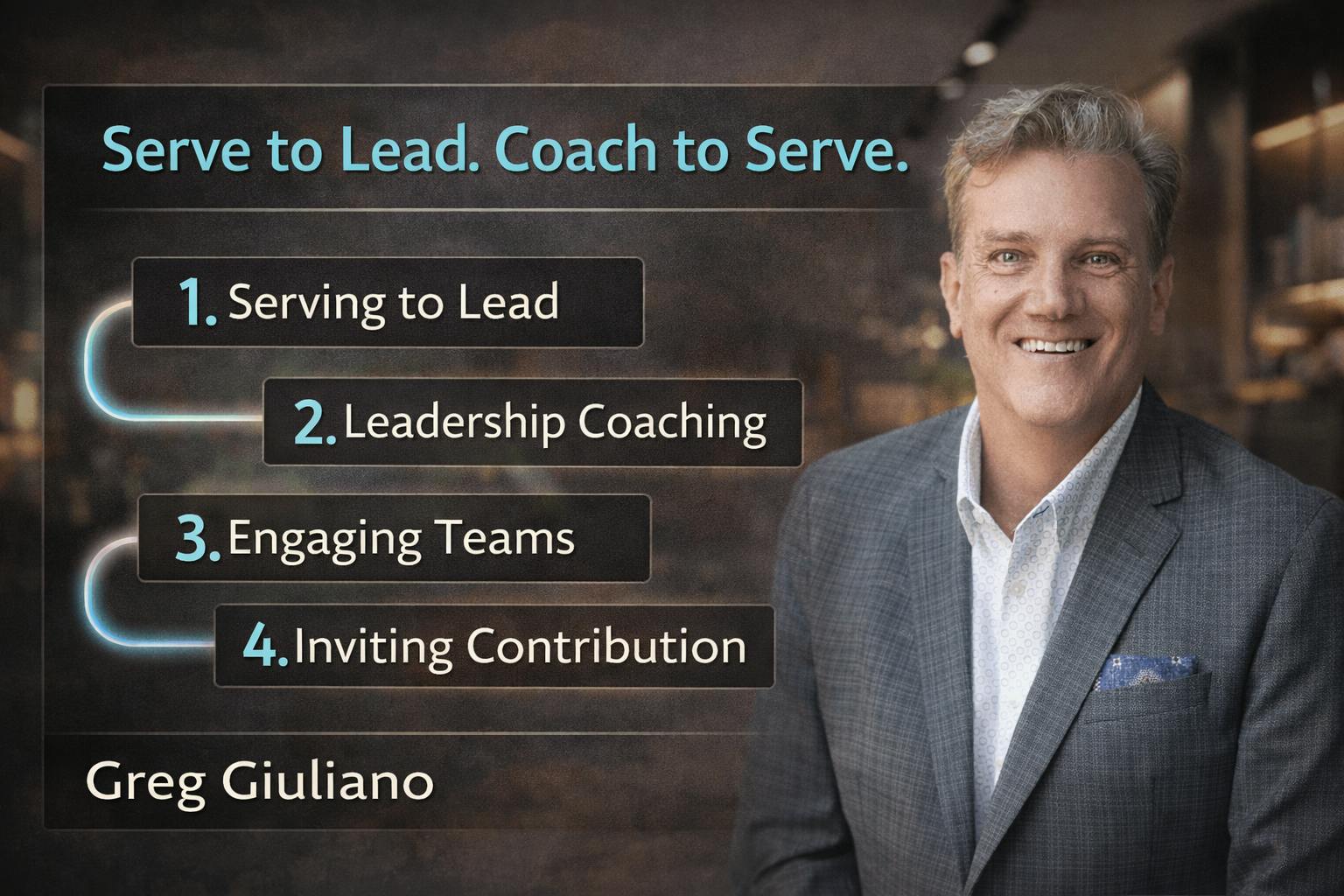
In this episode of The Nonprofit Exchange, host Hugh Ballou interviews leadership coach and author Greg Guliano about the principles of service-based leadership and enabling positive transformation in organizations.
Greg explains that leadership is not about authority or control but about creating the conditions for people to succeed. He emphasizes that teams do not work for leaders—they work with them. The leader’s responsibility is to care for people, unlock their talent, and help them grow from good to better over time.
The conversation highlights the idea that organizations are transformed when teams are transformed, and teams are transformed when individuals grow in confidence, competence, and self-awareness. Greg stresses that leaders must shift from directing people to coaching them, helping individuals reach their potential rather than simply telling them what to do.
Hugh and Greg also discuss the difference between being authoritative and authoritarian. Effective leaders provide clarity, direction, and standards while still empowering people to contribute their insights, creativity, and initiative.
A key theme of the episode is that leadership is ultimately about service. By focusing on the growth, engagement, and success of others, leaders create cultures where people willingly and repeatedly contribute at a high level. This approach leads to stronger teams, healthier organizations, and more sustainable results.
This episode offers practical insights for nonprofit leaders, board members, and mission-driven professionals who want to build stronger teams, increase engagement, and lead with clarity, purpose, and service.
Learn more about your ad choices. Visit megaphone.fm/adchoices
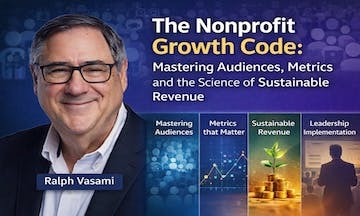
In this episode of The Nonprofit Exchange, I had the pleasure of speaking with Ralph Vasami, a seasoned expert in nonprofit management with a rich corporate background. Our discussion centered around the concept of the "Nonprofit Growth Code," focusing on mastering audiences, metrics, and the science of sustainable revenue.
Ralph shared his extensive experience working with various nonprofit organizations since 1977, emphasizing the importance of understanding different audience segments—corporate donors, individual donors, and foundations. He highlighted how each group has unique expectations and metrics for funding, which nonprofits must recognize to effectively engage and communicate with them.
We delved into the significance of segmenting audiences rather than relying on a one-size-fits-all approach. Ralph explained that corporate sponsors look for alignment with their mission and inspiring outcomes, while individual donors are focused on the specific impact of the nonprofit's work. He stressed the necessity of building relationships and maintaining communication with donors to ensure ongoing support.
Metrics were another key topic, as we discussed the importance of measuring the right outcomes to demonstrate the effectiveness of nonprofit initiatives. Ralph pointed out that many organizations often overlook the rigorous requirements of grant applications, which can serve as valuable learning experiences to enhance their fundability.
Sustainability emerged as a critical theme, with Ralph emphasizing the need for nonprofits to diversify their revenue streams. He illustrated this with examples from the COVID-19 pandemic, where organizations heavily reliant on a single source of income faced significant challenges. Diversification not only strengthens financial stability but also reassures potential funders that the organization is sustainable.
Finally, we touched on the leadership challenges in engaging boards, staff, and volunteers in these processes. Ralph advocated for ongoing education and training for board members to ensure they understand their roles and responsibilities in supporting the nonprofit's mission.
Overall, this episode provided invaluable insights into the complexities of nonprofit funding and the strategies necessary for growth and sustainability. I encourage our listeners to reflect on these themes and consider how they can apply them to their own organizations. For those looking to dive deeper, a full transcript of our conversation is available at nonprofitexchange.org. Thank you for joining us!
Learn more about your ad choices. Visit megaphone.fm/adchoices
In this episode of The Nonprofit Exchange, I had the pleasure of speaking with Dr. John Bamford, co-author of the book Race to Innovation: Unleashing the Power of Entrepreneurship for Everyone. Dr. Bamford challenges the common belief that America lacks innovative ideas, arguing instead that we face an innovation deficit due to the neglect of entrepreneurial talent in overlooked communities, particularly among Black and marginalized groups.
Throughout our conversation, we explored the premise that entrepreneurship and innovation thrive on recognizing hidden potential in individuals and communities that are often ignored. Dr. Bamford shared insights from his extensive experience in corporate leadership and his work with diverse teams, emphasizing that diverse perspectives lead to greater innovation and success.
We discussed the concept of America's innovation deficit, highlighting how redirecting resources to underserved communities can benefit the entire economy rather than detract from it. Dr. Bamford provided compelling examples, including a successful initiative in Western North Carolina that addressed the opioid crisis by leveraging local knowledge and expertise.
The discussion also touched on the importance of ownership and generational wealth, illustrating how empowering individuals from marginalized communities to become business owners can lead to transformative change. Dr. Bamford emphasized the need for nonprofits and community organizations to adopt innovative approaches that recognize and nurture potential in all individuals.
As we wrapped up, Dr. Bamford encouraged listeners to approach interactions with an open mind, avoiding assumptions about people's backgrounds and capabilities. This mindset can unlock extraordinary opportunities for collaboration and growth.
This episode serves as a powerful reminder that the future of our economy and communities lies in our ability to recognize, support, and invest in the untapped potential that exists all around us. I hope you find inspiration in Dr. Bamford's insights and consider how you can contribute to fostering innovation in your own community.
Learn more about your ad choices. Visit megaphone.fm/adchoices
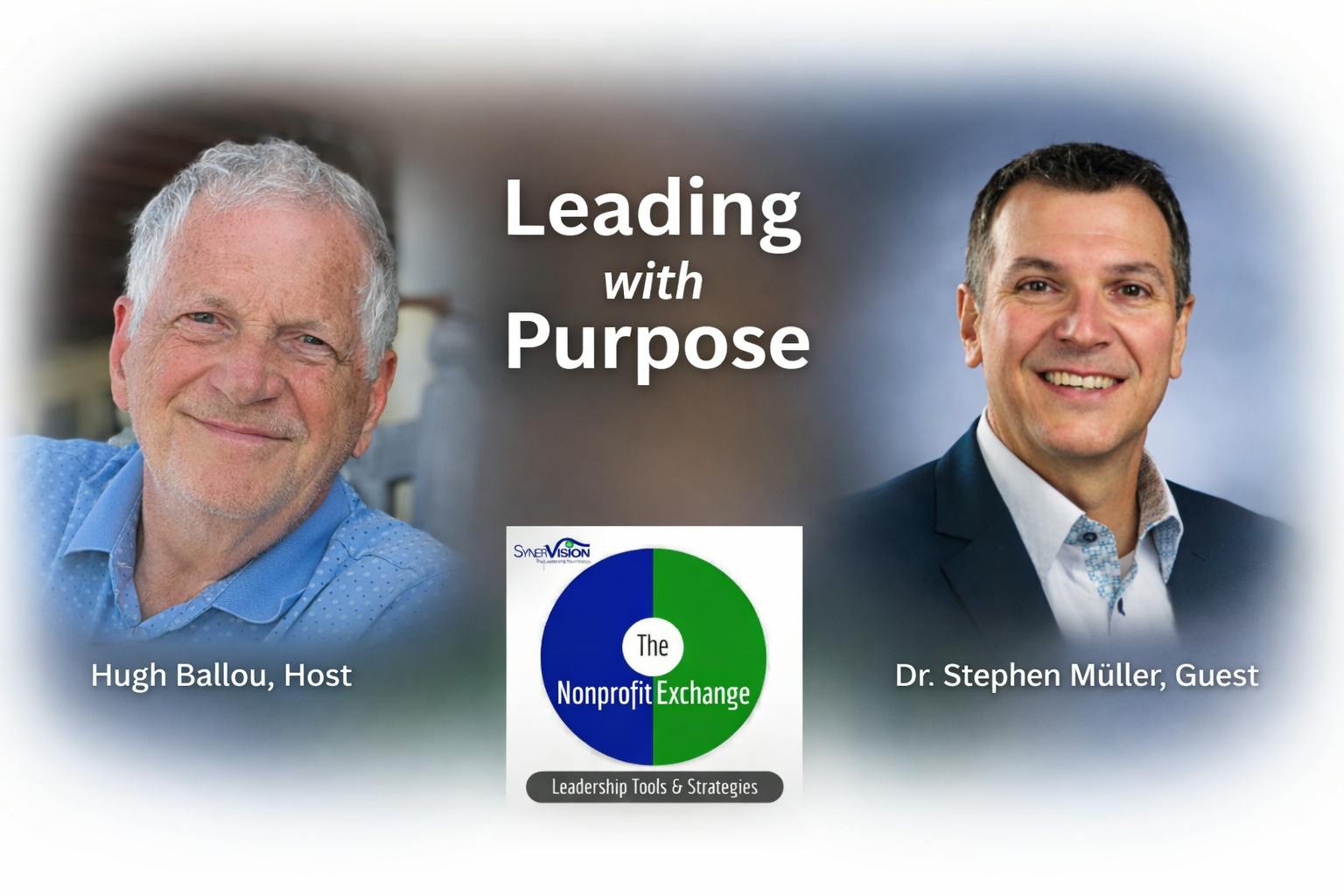
In this episode of the Nonprofit Exchange, I had the pleasure of speaking with Dr. Stephen Mueller, the Dean of the Music School at Liberty University in Lynchburg, Virginia. Dr. Mueller shared his unique journey, which combines his extensive background in music education and ministry, equipping him for his current leadership role.
We discussed how he has cultivated a thriving academic community rooted in excellence, collaboration, and shared purpose. Dr. Mueller emphasized the importance of relational leadership, where trust and accountability transform not only performance outcomes but also the individuals involved. He highlighted that leading with care and empowering faculty members fosters a high-performing culture.
Throughout our conversation, Dr. Mueller shared valuable insights on the constants of leadership across various sectors, including nonprofits and education. He stressed the significance of commitment to mission and the need for leaders to model values and behaviors that inspire others.
We also explored the balance between creativity and structure in leadership, noting that effective leaders must navigate both realms to achieve success. Dr. Mueller provided practical advice on handling conflict and course corrections while preserving relationships, emphasizing the importance of honest dialogue.
As we wrapped up, Dr. Mueller offered a powerful takeaway: to bloom where you are planted and serve faithfully in your current role. His wisdom and experience serve as a reminder that leadership is about the mission and the people we serve.
This episode was particularly meaningful, and I believe the insights shared by Dr. Mueller will resonate with nonprofit leaders and anyone looking to enhance their leadership skills. Thank you for joining us on this journey of learning and growth!
Learn more about your ad choices. Visit megaphone.fm/adchoices
In this episode of The Nonprofit Exchange, I had the pleasure of speaking with Stephen Mays, a leadership strategist, speaker, and author, about his innovative framework known as the Power of Three. Stephen's journey into leadership began at the Naval Academy, where he learned the importance of clarity and effective leadership through his experiences in military and civilian roles.
We discussed the common misconception that leadership is solely about personality and style, highlighting that true leadership is about influencing others to achieve more collectively than they could individually. Stephen emphasized the critical foundation of leadership, which consists of honesty, courage, and talent. He explained that catastrophic leadership failures often stem from a lack of these foundational elements rather than a deficiency in talent.
Stephen also addressed the challenges leaders face, particularly in the nonprofit sector, where unmet expectations can lead to significant issues. He stressed the importance of clear communication and providing the necessary resources for team members to succeed.
As we wrapped up our conversation, Stephen shared insights on the achievement level of leadership, which involves assisting, inspiring, and depending on others. He underscored that effective leadership is about making others successful and recognizing that credit and blame are part of the leader's responsibility.
For those interested in exploring Stephen's Power of Three Leadership Framework further, I encourage you to visit his website at powerof3leadership.com. This episode is a valuable resource for anyone looking to enhance their leadership skills and make a meaningful impact in their organizations. Thank you for joining us on The Nonprofit Exchange
Learn more about your ad choices. Visit megaphone.fm/adchoices
In this episode of The Nonprofit Exchange, host Hugh Ballou sits down with Dr. Melissa Robinson-Winemiller, founder of EQ via Empathy, to explore why empathy is not a soft leadership trait—but a strategic necessity for effective, sustainable leadership.
Melissa shares her journey from musician and educator to leadership coach, explaining how her background shaped her understanding of emotional intelligence and human connection. Together, Hugh and Melissa unpack the critical role empathy plays in nonprofit leadership, especially in mission-driven organizations where people, purpose, and performance must align.
The conversation challenges common misconceptions about empathy, reframing it as a practical leadership skill that strengthens trust, accountability, and organizational culture. Melissa explains how leaders can balance empathy with high expectations, make difficult decisions without losing humanity, and foster environments where people feel seen, valued, and motivated to contribute their best work.
Listeners will gain insights into:
How empathy directly impacts engagement, innovation, and results
Why self-empathy is foundational for healthy leadership
Practical ways nonprofit leaders can embed empathy into daily operations
How empathy supports sustainability in resource-constrained organizations
This episode offers thoughtful, actionable wisdom for nonprofit leaders, board members, and executives who want to lead with clarity, compassion, and effectiveness—without sacrificing results.
Learn more about Melissa Robinson-Winemiller and her work at https://eqviaempathy.com
Learn more about your ad choices. Visit megaphone.fm/adchoices

Inspiring Leadership Voices from The Nonprofit Exchange from 2025
Each episode of The Nonprofit Exchange highlights ideas that move leaders beyond management and into meaningful influence. The following curated insights are drawn from recent episodes of The Nonprofit Exchange, hosted by Hugh Ballou. These voices reflect diverse leadership contexts—nonprofit, entrepreneurial, servant, and transformational—yet each offers a timely reminder of what effective leadership requires today.
“Servant leadership is about aligning the heart and mind – true leadership comes from influence, not authority.”
— Kevin Wayne Johnson, “Leadership with a Servant’s Heart”
“Whether you’re making music or running a nonprofit, planning is the key to success.”
— Carter Fox, “The Sound of Strategy: Music Business Lessons”
“Culture is essentially the beliefs that govern how people behave.”
— Steve Gandara, “Unlocking Excellence: How Culture Drives Success”
“Achieving a seat on a corporate board requires intentional preparation and a clear plan.”
— Dr. Keith Dorsey, “Charting an Intentional Path to Corporate Board Service”.
“While our message remains timeless, our methods must change with the times.”
— Terry Modica, “Reaching Hearts in a Changing World”
“Leadership is an inside-out journey – if you don’t lead yourself, you can’t lead others.”
— Dr. Wayne ‘Lyte’ Brown, “Leadership from the Inside Out”
— Jeff Schreifels, “Building a Culture of Generosity”.
“Effective leadership comes down to character, competence, caring, and communication.”
— Tom Collins, “Leadership Mastery”
“Every computer we refurbish is a bridge across the digital divide.”
— Dylan Zajac, “Sustainable Solutions: Bridging the Digital Divide”
“Real change comes from lasting partnerships, not short-term fixes.”
— Nathan Walters, “Transformational Mission”
“Authentic leadership starts with knowing who you are.”
— Dr. Rick Rodriguez, “Breaking Barriers: Empowering the Next Generation”
“Effective communication requires active listening.”
— Michael Reddington, “Everyday Confessions: Disciplined Listening”
“When you heal and empower yourself, you can lead others from wholeness.”
— Dr. Lisa Cooney, “The Body of Change”
“You can’t pour from an empty cup.”
— Pankaj Singh, “Preventing Burnout Through Mindful Leadership”.
“We have to stop begging for donations and start building relationships.”
— James Meisner, “Transforming Fundraising."
“A joy-filled culture inspires engagement and creativity.”
— Heather M. Day, “Creating a Joy-Filled Culture”
“Real change means listening to the stories of those we serve.”
— Dr. Pierre Berastaín, “Leading Beyond the Buzzwords”
“Engage your board and they become your greatest allies.”
— Dr. A. Giselle Jones, “Engaging Your Board in Funds Sourcing”
“Life is not a sprint, it’s a marathon. Keep running!”
— John David Graham, “Life is a Marathon. Keep on running!””
These insights remind us that leadership is not about control or charisma, but about clarity, character, and conscious influence. As the audience for this show, may these voices encourage you to lead with intention, humility, and courage.
Learn more about your ad choices. Visit megaphone.fm/adchoices

In this episode of The Nonprofit Exchange, I had the pleasure of speaking with Kevin Wayne Johnson, founder of the Johnson Leadership Group and a nationally recognized expert in servant leadership. With over 600 interviews under my belt, I was excited to delve into the transformative power of leadership that begins with serving others.
Kevin defines servant leadership as aligning the heart and mind, emphasizing that true leadership comes from a place of influence rather than authority. He challenges the misconception that kindness equates to weakness, highlighting the importance of compassion in leadership. We discussed how effective leaders can create environments where team members feel valued and empowered to contribute their unique talents.
Throughout our conversation, Kevin shared insights on the necessity of authenticity in leadership, stating that leadership is a lifestyle rather than a role we play at work. He emphasized the importance of mind-heart alignment, where leaders must balance competence with compassion to truly connect with their teams.
We also explored the critical role of communication in building trust and relationships. Kevin pointed out that effective communication requires active listening and the ability to ensure that messages are understood, not just heard. This is vital for preventing miscommunication and fostering a collaborative environment.
As we wrapped up, Kevin introduced his latest book, "Leadership with a Servant's Heart," which focuses on the role of leaders in shaping future generations, particularly within families. He underscored the challenges leaders face today, including navigating change and managing diverse generational perspectives in the workplace.
This episode serves as a reminder that leadership is not about titles but about the impact we have on the lives of others. I encourage our listeners to visit the Johnson Leadership Group's website to learn more about Kevin's work and resources. Thank you for tuning in, and remember to keep striving to create meaningful, lasting impact in your communities.
More about Kevin’s Work: https://thejohnsonleadershipgroup.com/
Learn more about your ad choices. Visit megaphone.fm/adchoices
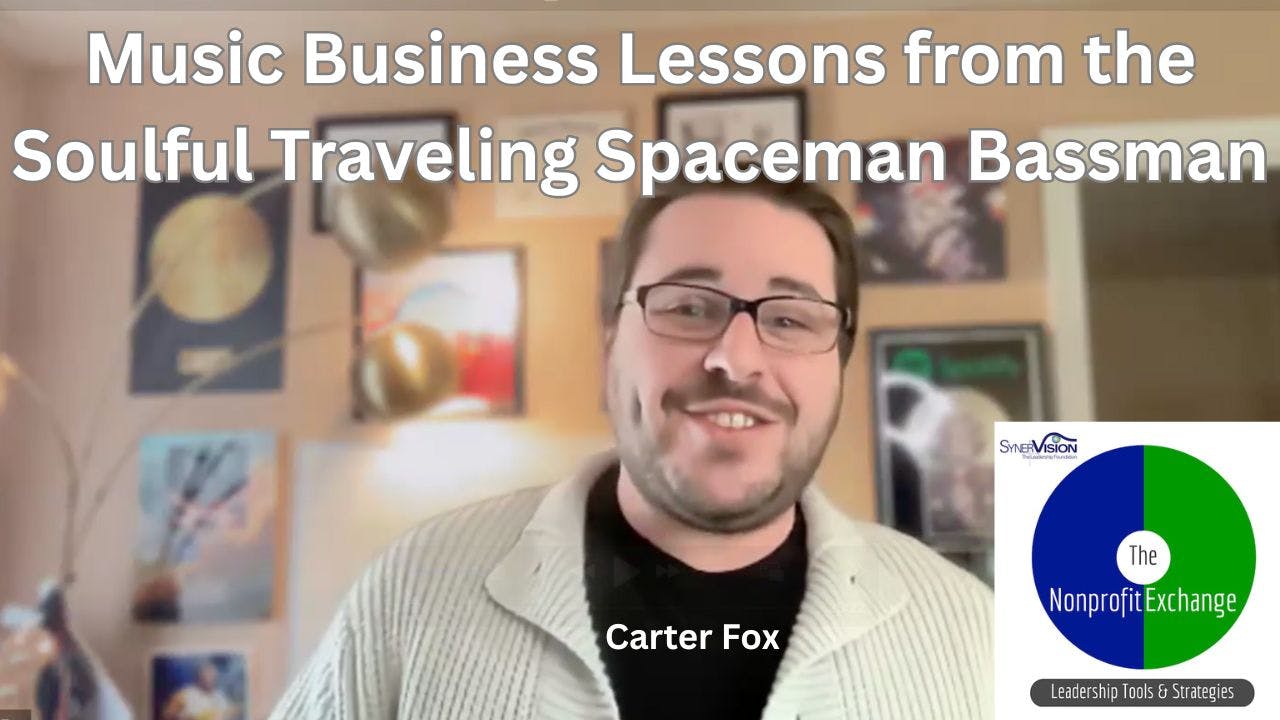
In this episode of The Nonprofit Exchange, I had the pleasure of sitting down with Carter Fox, a multifaceted artist and strategist known as "The Soulful Traveling Spaceman Baseman." We explored the valuable lessons that nonprofit leaders can learn from the music business, including the importance of promotion, branding, and strategic planning.
Carter shared his journey from a young musician to a savvy entrepreneur, emphasizing the need to understand the business side of music early in his career. He highlighted that promotion is crucial for both musicians and nonprofit organizations, as it helps to amplify their messages and reach wider audiences. We discussed how nonprofits can effectively promote their initiatives and events, drawing parallels to how musicians prepare for album releases and tours.
Carter also introduced his book, "Music Business Basics," which provides practical strategies for independent artists and can be applied to nonprofit leadership. We delved into the significance of branding, noting that a logo is just one aspect of a broader brand identity that encompasses mission statements, values, and the overall voice of the organization.
Throughout our conversation, we touched on the importance of storytelling and demonstrating impact, as these elements are vital for engaging supporters and donors. Carter's insights on strategic planning resonated deeply, as he emphasized the need for leaders to map out their goals and involve their teams in the process.
As we wrapped up, Carter shared his upcoming projects, including a new album and a book exploring the connection between humanity and the cosmos. This episode is packed with actionable advice for nonprofit leaders looking to enhance their impact while staying true to their mission. Thank you for joining us, and I hope you find inspiration in Carter's journey and insights!
Learn more about your ad choices. Visit megaphone.fm/adchoices
In this episode of The Nonprofit Exchange, I had the pleasure of speaking with Crystal Gibson, the founder of The Authentic Alliance. Crystal is a leadership catalyst dedicated to helping mission-driven organizations foster cultures of courage, belonging, and sustainable impact. Our conversation centered around her core philosophy that authenticity, rather than perfection, is a leader's greatest asset.
We explored the challenges leaders face in being their true selves, particularly in mission-driven organizations where conformity can often overshadow individuality. Crystal shared insights on how leaders can practice vulnerability while maintaining confidence, emphasizing the importance of learning out loud and being present with their teams.
Crystal introduced her book, "Authentic Alliance: Empowering Sustainable Change in Complex Organizations," which serves as a practical guide for leaders navigating the complexities of organizational life. We discussed the alarming statistic that 74% of nonprofit staff report hiding parts of themselves at work, and how this pervasive issue stems from a fear of not aligning with the expected norms.
Throughout our discussion, we highlighted the importance of creating an inclusive environment where mistakes are viewed as learning opportunities rather than failures. Crystal shared her CHARM Method, which encourages co-creation, honoring existing processes, assessing situations, reflecting, and measuring what truly matters.
We also touched on the concept of "mask leadership," where leaders present a false persona, which can undermine team performance and well-being. Crystal emphasized the need for leaders to remove their masks and lead authentically, fostering a culture of collaboration over competition.
As we wrapped up, Crystal provided practical steps for nonprofit leaders to empower their teams, such as celebrating progress, sharing knowledge freely, rewarding collaboration, and normalizing the act of asking for help. She encouraged leaders to regularly revisit their goals and expectations to maintain alignment and clarity within their organizations.
For those interested in diving deeper into Crystal's work, I encourage you to visit her website, theauthenticaliance.com, where you can find resources, schedule a conversation, and learn more about her book. This episode is a valuable resource for any leader looking to navigate the complexities of organizational life while staying grounded in authenticity.
More about Crystal Gibson at https://theauthenticalliance.com
Learn more about your ad choices. Visit megaphone.fm/adchoices

In this episode of The Nonprofit Exchange, I had the pleasure of speaking with Steve Gander, a seasoned expert in cultural transformation and leadership development. With over four decades of experience, Steve has worked with a diverse range of organizations, from Fortune 500 companies to nonprofits, helping them build high-performance, values-driven cultures.
We delved into the critical role of culture in organizational success, emphasizing that culture drives everything. Steve shared insights on how beliefs govern behavior, both individually and collectively, and highlighted the importance of understanding and measuring culture to foster excellence. He explained that many leaders unknowingly create barriers to a positive culture, often leading to defensive behaviors among their teams.
Steve also discussed the concept of "culture engineering," which involves a structured process to create and sustain high-performing cultures. He provided practical advice for nonprofit leaders, stressing the need for self-awareness and the importance of confronting the reality of their organizational culture.
As a takeaway, Steve encouraged listeners to utilize the resources available on his website, excellentcultures.com, particularly the MRI tool that helps organizations assess their current culture against desired benchmarks. This episode is packed with valuable insights and actionable steps for leaders looking to transform their organizations and create a thriving culture.
I invite you to reflect on your own beliefs and behaviors as a leader and consider how you can take that first step toward cultural transformation. Thank you for joining us, and I hope you find this conversation as enlightening as I did!
Learn more about your ad choices. Visit megaphone.fm/adchoices

In this episode of The Nonprofit Exchange, I had the pleasure of speaking with Dr. Pierre Berestrain, the incoming CEO of Safe Alliance in Austin, Texas. Safe Alliance is a leading organization dedicated to supporting survivors of domestic and sexual violence, as well as sex trafficking. Pierre's journey from being an undocumented immigrant from Peru to a prominent leader in the nonprofit sector has profoundly shaped his understanding of systems, power, and community care.
We delved into the concept of "Leading Beyond the Buzzwords," exploring what real systems change looks like in the nonprofit sector. Pierre emphasized that while program improvements address symptoms of social issues, true systems change requires a deeper examination of the root causes and the policies that perpetuate these problems. He highlighted the importance of integrating community wisdom into our approaches and the need for a mindset shift in how we view prevention and intervention.
Pierre also discussed the significance of dignity-centered and collective leadership, stressing that effective leadership is about creating conditions where staff can thrive and feel joy in their work. He shared insights on the power of storytelling in shaping cultural narratives around issues like gender-based violence and immigration, illustrating how narratives can either reinforce or disrupt harmful systems.
Collaboration emerged as a key theme, with Pierre noting that successful partnerships between nonprofits, government, and communities are built on trust, humility, and shared stewardship. He provided a compelling example of how Safe Alliance is working with the city of Austin to transform a hotel into an emergency shelter for survivors, showcasing the potential for civic engagement and investment in community well-being.
As we wrapped up our conversation, Pierre expressed his hope for the future, highlighting a shift in community perspectives towards safety and belonging. He believes that by focusing on building a supportive ecosystem, we can create conditions where individuals can live full, connected, and flourishing lives.
This episode is a call to action for leaders in the nonprofit sector to engage deeply, listen intentionally, and lead with courage, as we work together to transform lives and communities.
#NonprofitExchange #SystemsChange #Storytelling #Collaboration #Leadership #SafeAlliance
Learn more about your ad choices. Visit megaphone.fm/adchoices
In this episode of the Nonprofit Exchange, I had the pleasure of speaking with Dr. Keith Dorsey, a leading expert in board governance, leadership readiness, and organizational strategy. Dr. Dorsey shared invaluable insights on the concept that board service is a journey rather than a mere checklist, emphasizing the importance of understanding the roles of management, advisory, and oversight within nonprofit boards.
We discussed common pitfalls that nonprofit leaders encounter when recruiting and onboarding board members, particularly the tendency to surround themselves with familiar faces rather than seeking individuals with the necessary skills and experience. Dr. Dorsey highlighted the need for leaders to ask the right questions and to be willing to make tough decisions about board composition to ensure strategic alignment.
A significant part of our conversation revolved around Dr. Dorsey's five forms of capital: human, social, cultural, directoral, and commitment capital. He explained how these capitals can be leveraged to enhance board effectiveness and drive organizational success. We also explored the concept of optimal diversity, which combines observable diversity with intentional diversity of thought, fostering richer discussions and better decision-making within boards.
Dr. Dorsey encouraged listeners to reflect on their personal "why" and to identify their unique strengths and values as they navigate their board journeys. He emphasized the importance of slowing down to think critically about board dynamics and strategic goals, rather than operating on autopilot.
As we wrapped up, Dr. Dorsey shared details about his book, "The Boardroom Journey," and the resources available on his website, boardroomjourney.com. I invited him to return for a follow-up discussion, as there is so much more to explore in the realm of effective board governance.
This episode is packed with practical advice and thought-provoking concepts that nonprofit leaders can apply immediately to strengthen their boards and enhance their organizations' impact. Be sure to check out the full episode for all the insights!
More about Dr. Dorsey at - https://www.boardroomjourney.com
Learn more about your ad choices. Visit megaphone.fm/adchoices
In this episode of The Nonprofit Exchange, I had the pleasure of speaking with Terry Modica, co-founder and executive leader of Good News Ministries, a global organization dedicated to digital content creation and mission-driven outreach. Terry shared her inspiring journey of how Good News Ministries was born out of a deep passion for evangelization and education, sparked by her experiences in adult education and transformative workshops.
Terry recounted the pivotal moment when she and her husband felt called to move from New Jersey to Florida, where they encountered a community eager for the same mission they had envisioned. This led to the establishment of Good News Ministries of Tampa Bay, highlighting the importance of stepping up to a calling and taking risks in the pursuit of a greater purpose.
Throughout our conversation, we explored the challenges Terry faced in transitioning her vision into reality, including the need to adapt to new leadership styles and the importance of building a strong organizational culture. Terry emphasized the significance of treating people with respect and responding to their needs, drawing from her own experiences of frustration with unresponsive organizations.
We also discussed the role of technology in expanding their reach, as Terry embraced digital platforms early on, recognizing the potential of the internet to connect with a broader audience. She shared insights on measuring impact, not just through statistics but also by listening to the feedback from those they serve.
Terry's commitment to continuous self-improvement and her guiding principles as a servant leader were evident throughout our discussion. She underscored the importance of being adaptable and responsive to the needs of the community, which has been crucial for the sustainability of Good News Ministries.
As we wrapped up the episode, I encouraged listeners to reflect on their own visions, establish effective systems, and engage their communities to bring their missions to life. Terry's experiences and insights serve as a powerful reminder of the impact we can have when we are dedicated to serving others.
Learn more about your ad choices. Visit megaphone.fm/adchoices
In this episode of The Non-Profit Exchange, I had the pleasure of speaking with Corey Poirier, an award-winning speaker, author, and founder of Blue Talks. Corey shared his journey and the inspiration behind Blue Talks, a global platform that merges business, life, and the universe, allowing individuals to discover their authentic voice and expand their influence.
We delved into the importance of authenticity in leadership, especially for nonprofit and faith-based leaders. Corey emphasized that authenticity is the new currency in leadership, as people crave genuine connections and transparency. He discussed how leaders can overcome the tendency to hide behind titles and instead foster an environment where everyone feels valued and empowered to contribute.
Corey also highlighted the significance of storytelling in effective communication. He addressed the common fear of public speaking, explaining that it often stems from the fear of the unknown. By preparing thoroughly and focusing on the audience rather than oneself, leaders can become more comfortable and impactful speakers.
We explored practical strategies for improving public speaking skills, such as joining organizations like Toastmasters or offering no-fee talks to local chambers of commerce. Corey shared his personal experiences and insights on how to build confidence and competence in public speaking.
As we wrapped up, Corey offered valuable advice on staying grounded and aligned with one’s purpose, including the creation of a personal mission statement. This episode is packed with wisdom for nonprofit leaders looking to enhance their influence and create lasting change in their organizations.
I encourage you to check out Corey’s website, coreyporeamedia.com, and explore the resources available through Blue Talks. Thank you for tuning in, and I look forward to our next conversation!
Learn more about your ad choices. Visit megaphone.fm/adchoices
In this episode of The Nonprofit Exchange, I had the pleasure of speaking with Dr. Wayne Light Brown, the founder of Avoid Being Average. We delved into the theme of authentic leadership and purpose-driven success, exploring Dr. Brown's remarkable journey from artist to creative entrepreneur and leadership strategist.
Dr. Brown shared his roots in Harlem and the Bronx, emphasizing the importance of community and service in his life. He discussed how his experiences with graffiti and art therapy shaped his understanding of healing and transformation, leading him to create programs that support young entrepreneurs through his nonprofit, URISE.
A key focus of our conversation was Dr. Brown's principle of "reviewing results over reasons," which challenges nonprofit leaders to prioritize tangible outcomes over excuses. He highlighted the importance of revenue in sustaining nonprofit missions, urging leaders to embrace a mindset shift that recognizes the necessity of financial health for creating real impact.
We also explored the concept of living your true expression, which Dr. Brown defined as being authentic and transparent in leadership. He emphasized that authenticity is crucial for shaping organizational culture and fostering trust within teams.
Throughout the episode, Dr. Brown shared valuable insights on overcoming systemic barriers and unlocking potential in underserved communities. He encouraged leaders to practice vulnerability and transparency, reminding us that these qualities are essential for effective leadership.
As we wrapped up, Dr. Brown offered practical daily practices for aligning purpose with results, including the transformative exercise of morning pages, inspired by Julia Cameron's "The Artist's Way."
I encourage our listeners to visit avoidbeingaverage.com to learn more about Dr. Brown's coaching and resources. Remember, the journey of leadership is an art form that blends structure, purpose, and authenticity. Thank you for joining us, and until next time, let's continue to make a difference in people's lives.
More about Dr. Brown at - https://www.avoidbeingaverage.com
Learn more about your ad choices. Visit megaphone.fm/adchoices
In this episode of the Nonprofit Exchange, I had the pleasure of speaking with Jeff Schreifels, a seasoned expert in nonprofit leadership and fundraising. Jeff, the principal of Veritas Group and co-author of "It's Not Just About the Money," shared his journey into the world of philanthropy, which was deeply influenced by his father's commitment to giving, even during tough times.
We explored the misconception that fundraising is solely about money. Jeff emphasized that true philanthropy is about building authentic relationships with donors and understanding their passions and interests. He highlighted the importance of viewing donors as key stakeholders in the mission of a nonprofit, rather than just sources of funding.
Jeff also addressed the challenges many nonprofits face with their boards and the need for clear expectations and training around fundraising. He pointed out that while board members may have passion, they often require guidance to effectively contribute to fundraising efforts.
Throughout our conversation, we discussed the shift from transactional to transformational fundraising, stressing that successful fundraising is about creating meaningful connections with donors. Jeff shared practical steps for nonprofit leaders to foster a donor-centered culture, including embracing the idea that staff and donors are integral to the mission.
This episode serves as a powerful reminder that fundraising is not just about chasing dollars; it's about inspiring generosity and building lasting relationships. For those interested in learning more about Jeff's work and accessing valuable resources, I encourage you to visit Veritas Group's website at veritasgroup.com.
Thank you for joining us on this journey of transforming vision into reality in the nonprofit sector!
Learn more about your ad choices. Visit megaphone.fm/adchoices


Download from Google Play

Download from App Store
 United States
If it doesn't scale, it's a bad strategy. Boom