


 Claim Ownership
Jewish Ideas to Change the World
Subscribed: 78Played: 2,730
Subscribe

© All Rights Reserved
Description
Jewish Ideas to Change the World delivers thought-provoking content by leading Jewish thinkers with diverse perspectives and backgrounds. It is produced by Valley Beit Midrash.
Valley Beit Midrash (VBM) is dedicated to social justice as driven by Torah ethics. VBM's mission is to improve lives through Jewish learning, direct action, and leadership development.
Listen to VBM's other podcasts:
• Social Justice in the Parsha (weekly divrei Torah by Rabbi Shmuly Yanklowitz)
• Pearls of Jewish Wisdom on Living with Kindness (Rabbi Shmuly's class series)
Stay Connected:
• Website: https://www.valleybeitmidrash.org
Attended virtual programs live by becoming a member for just $18 per month:
https://www.valleybeitmidrash.org/become-a-member
Valley Beit Midrash (VBM) is dedicated to social justice as driven by Torah ethics. VBM's mission is to improve lives through Jewish learning, direct action, and leadership development.
Listen to VBM's other podcasts:
• Social Justice in the Parsha (weekly divrei Torah by Rabbi Shmuly Yanklowitz)
• Pearls of Jewish Wisdom on Living with Kindness (Rabbi Shmuly's class series)
Stay Connected:
• Website: https://www.valleybeitmidrash.org
Attended virtual programs live by becoming a member for just $18 per month:
https://www.valleybeitmidrash.org/become-a-member
1007 Episodes
Reverse
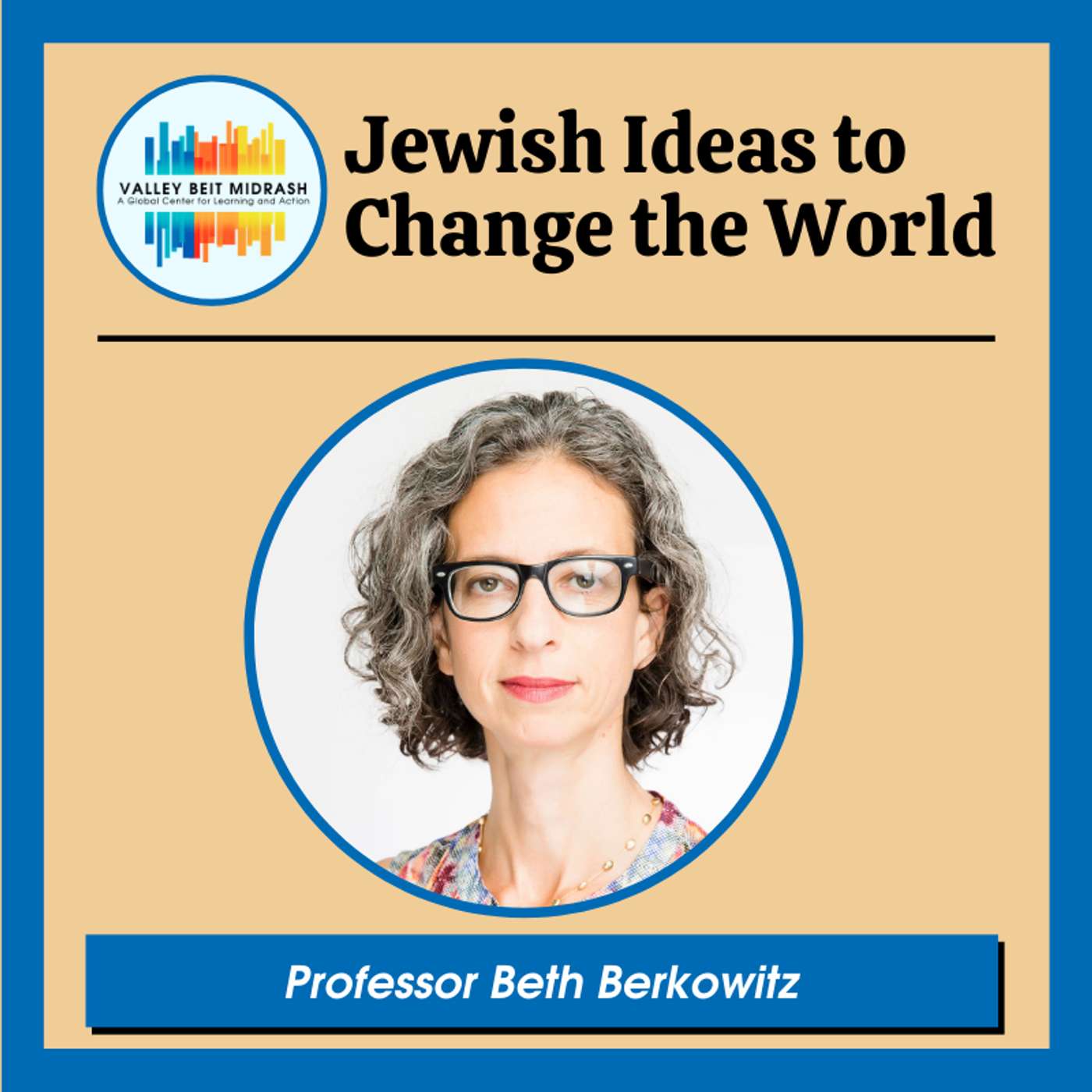
A virtual event presentation by Professor Beth Berkowitz About The Event: Family separation due to war, migration, and incarceration is a major public concern, but what about the animal families routinely separated by human agriculture and development? What is the impact on them, on us, and on the planet? Moving beyond debates about the ethics of animal consumption to focus instead on animal intimate lives, “What Animals Teach Us about Families: Kinship and Species in the Bible and Rabbinic Literature” takes on the Anthropocene and big animal agriculture to consider the fragmented animal families left behind in their wake. In this talk, I read the four “animal family” laws of the Bible alongside their rabbinic interpreters from ancient times to today, narrating how biblical writers and readers conceived of and constituted the ties that bind humans to animals and that bind animals to each other. Through the lens of biblical and rabbinic literature, this book reveals the combination of concern, cruelty, and curiosity that we humans bring to animal lives. My goal is not to restore family values so much as reimagine family to include new forms of life and alternative modes of kinship. About The Speaker: Beth A. Berkowitz is the Ingeborg Rennert Chair of Jewish Studies and Professor in the Department of Religion at Barnard College. She is the author of Execution and Invention: Death Penalty Discourse in Early Rabbinic and Christian Cultures (Oxford University Press, 2006); Defining Jewish Difference: From Antiquity to the Present (Cambridge University Press, 2012); Animals and Animality in the Babylonian Talmud (Cambridge University Press, 2018); and What Animals Teach Us about Families: Kinship and Species in the Bible and Rabbinic Literature (University of California Press, forthcoming 2026). She is co-editor of Religious Studies and Rabbinics: A Conversation (Routledge, 2017). Her area of specialization is classical rabbinic literature, and her interests include animal studies, Jewish difference, rabbinic legal authority, and Bible reception history.
★ Support this podcast ★
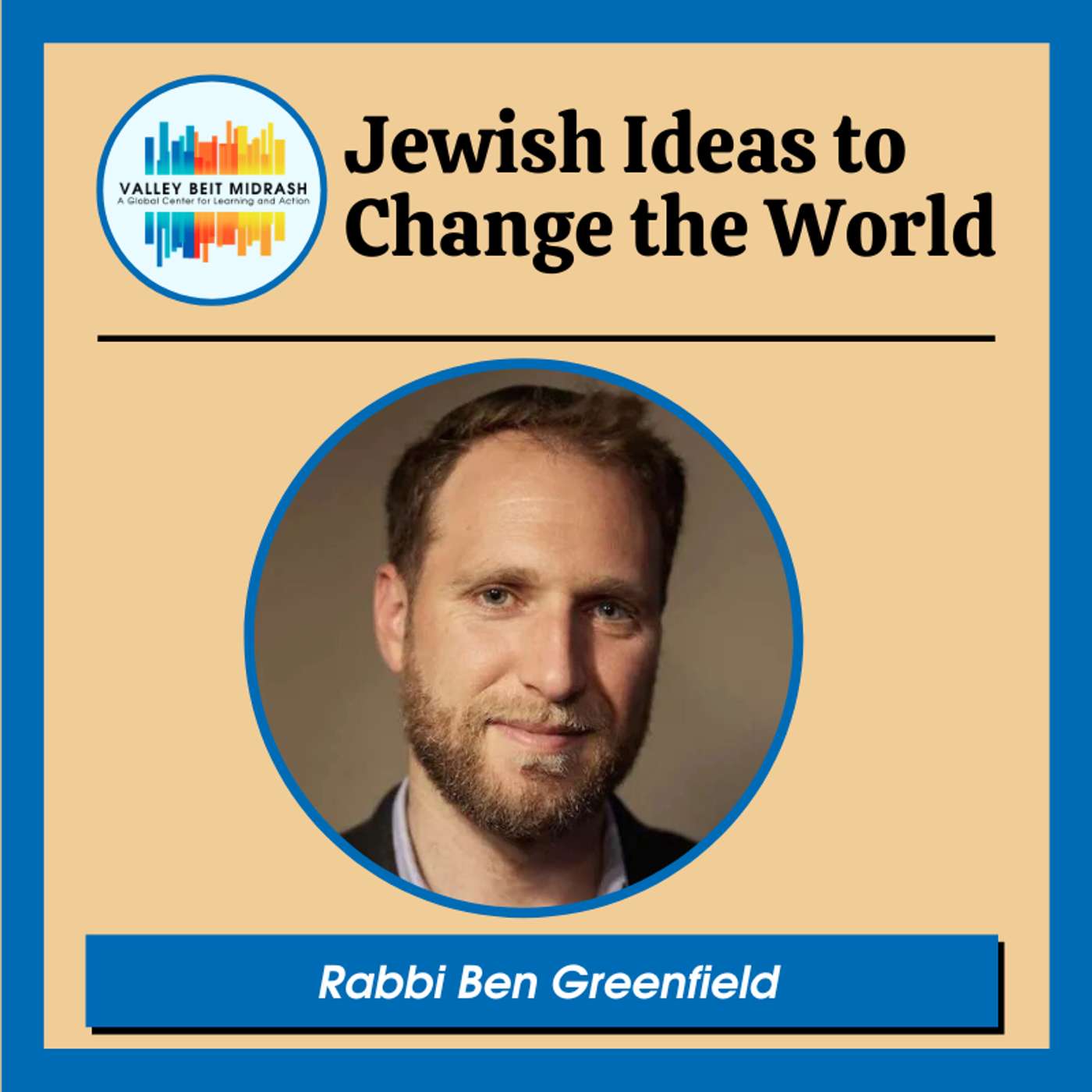
An event presentation by Rabbi Ben GreenfieldThe event was co-sponsored by Jewish NevadaAbout The Event:Reading the Bible’s only two works named after women as belonging to one sustained conversation reveals two vastly different portrayals of heroism, narrative arc and female power. In this comparative study, we argue for — and spell out the implications of — reading Esther and Ruth in light of each other.*Source Sheet: https://docs.google.com/document/d/1k1CzBdhVTopQKPEho3GUG__m8DYhEISiGXGrZ_dTawU/edit?tab=t.0About The Speaker:Ben Greenfield serves as the Scholar in Residence of VBM Las Vegas and the Director of Jewish Learning at The Adelson Upper School in Las Vegas. Ben trained at Gush, Yeshiva University, Johns Hopkins, and Yeshivat Chovevei Torah, where he was a Wexner Graduate Fellow. His original studies in Jewish thought have received several national prizes and can be found on Tablet and the Lehrhaus.
★ Support this podcast ★
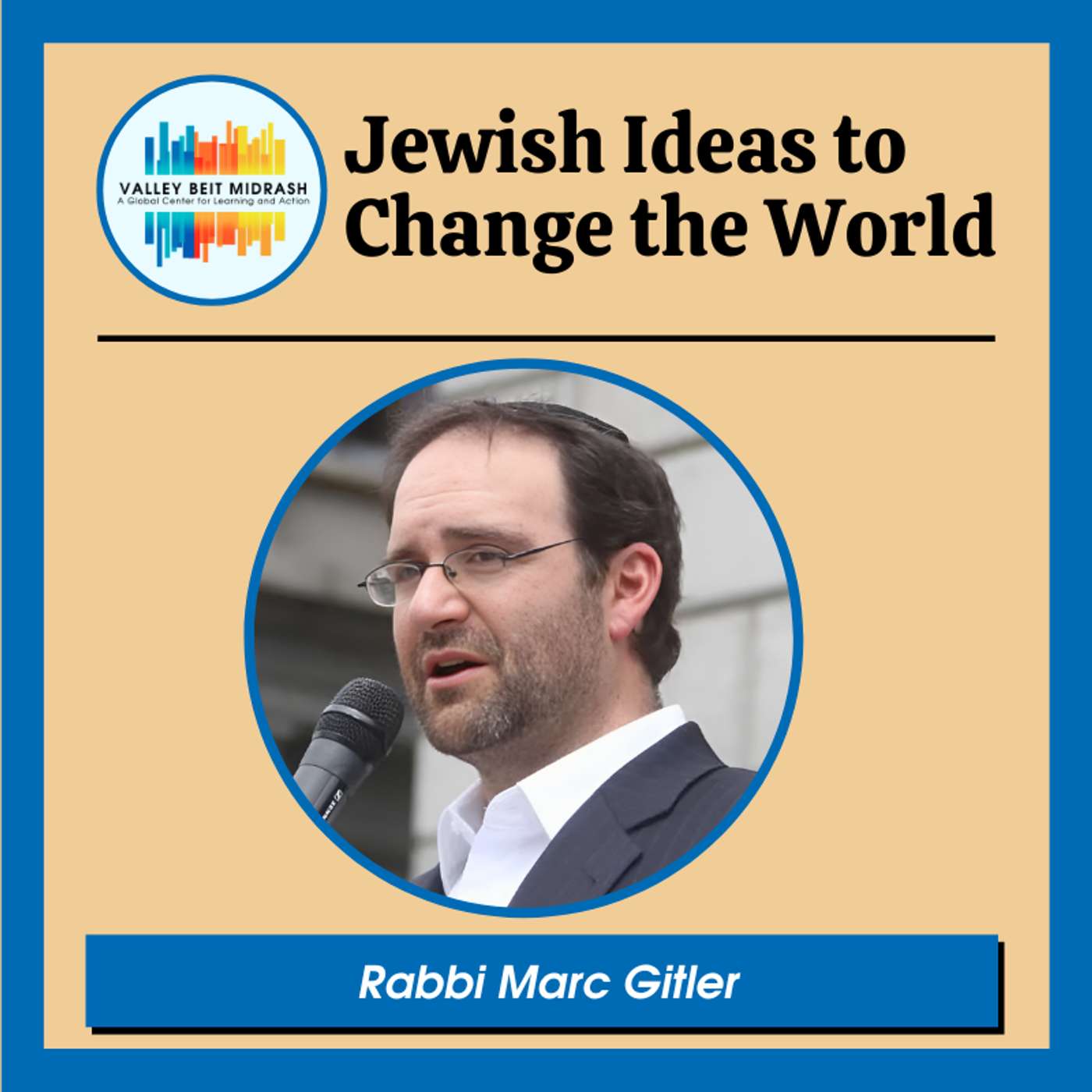
A virtual event with Rabbi Marc Gitler About The Event: In this class, we'll explore the deeper layers of the Purim story that often go unnoticed. Together, we’ll look beyond the costumes, noise, and celebration to uncover subtle themes woven into the Megillah—hidden miracles, quiet acts of courage, and the power of human choice when God seems absent. Through close reading and reflection, this class will reveal how Purim speaks not only to ancient Persia but to our own lives, offering timeless insights about resilience, faith, and finding meaning beneath the surface. *Source Sheet: https://docs.google.com/document/d/1epMazCRxkJyPlebCqapWPUOxnBSQPRET/edit?usp=sharing&ouid=118303465191084699356&rtpof=true&sd=trueAbout The Speaker: Rabbi Marc Gitler serves as the Senior Jewish Educator at Valley Beit Midrash and is the visiting Rabbi of Aish SanDiego. A recipient of the Wexner Fellowship, he was ordained at Yeshivat Chovevei Torah. The founder of Fast for Feast, he lives in Denver, Colorado, with his wife, Sarah, and their four children.
★ Support this podcast ★
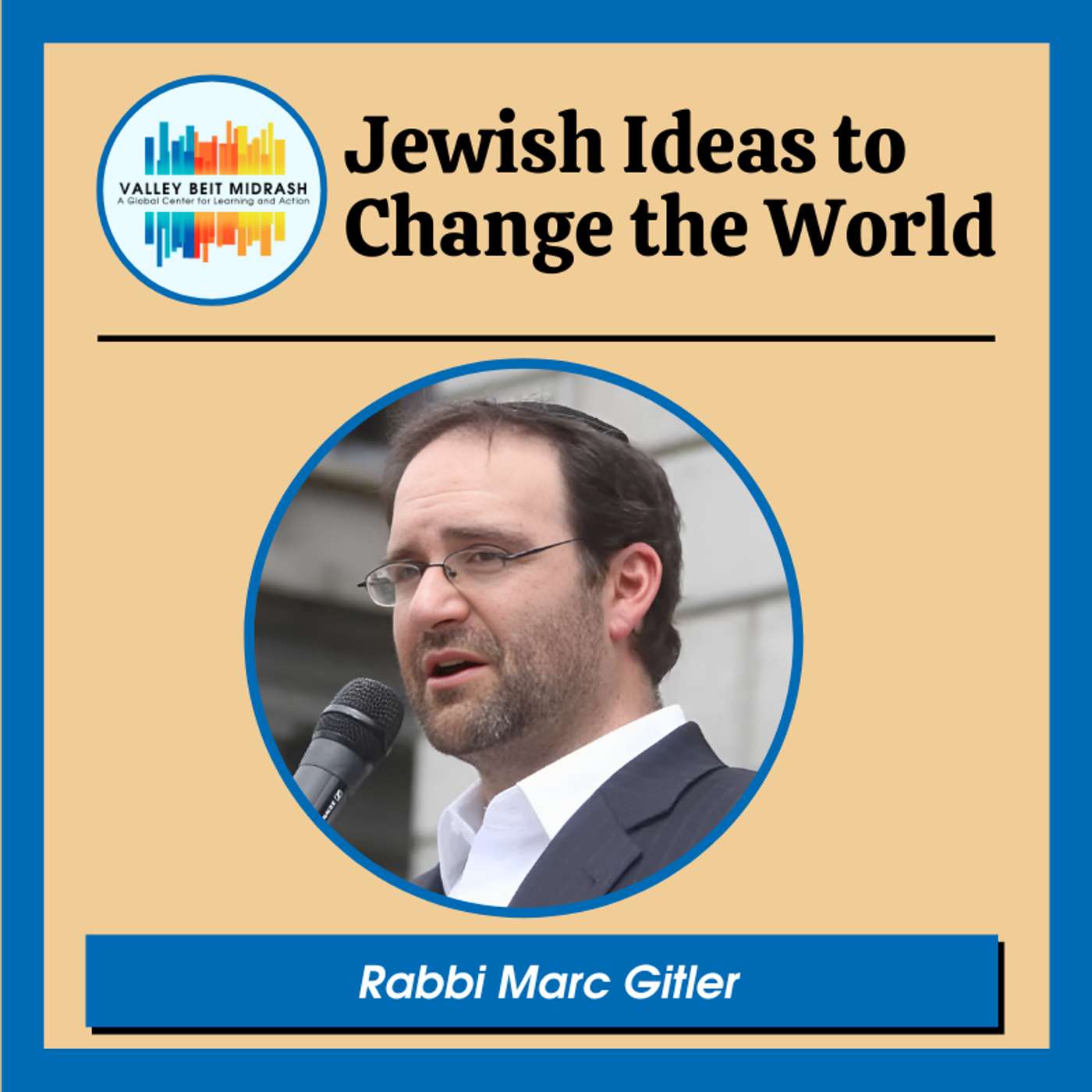
A virtual event with Rabbi Marc Gitler About The Event: Judaism contains 613 mitzvot, each shaping Jewish life in its own way. But are some more central than others? In this lecture, we’ll explore how the Torah and later Jewish thinkers have grappled with the idea of prioritizing commandments. By examining key biblical passages and rabbinic teachings, we’ll ask what it might mean to identify a “most important” mitzvah, or a core set of values that anchor them all. Along the way, we’ll consider how these debates can help us clarify what Judaism asks of us—and how those priorities might guide Jewish life today.*Source Sheet: https://docs.google.com/document/d/1qNx5xPcV0qQwQwWtoCny4EPT2PBNw-gc/edit?usp=sharing&ouid=118303465191084699356&rtpof=true&sd=trueAbout The Speaker: Rabbi Marc Gitler serves as the Senior Jewish Educator at Valley Beit Midrash and is the visiting Rabbi of Aish SanDiego. A recipient of the Wexner Fellowship, he was ordained at Yeshivat Chovevei Torah. The founder of Fast for Feast, he lives in Denver, Colorado, with his wife, Sarah, and their four children.
★ Support this podcast ★
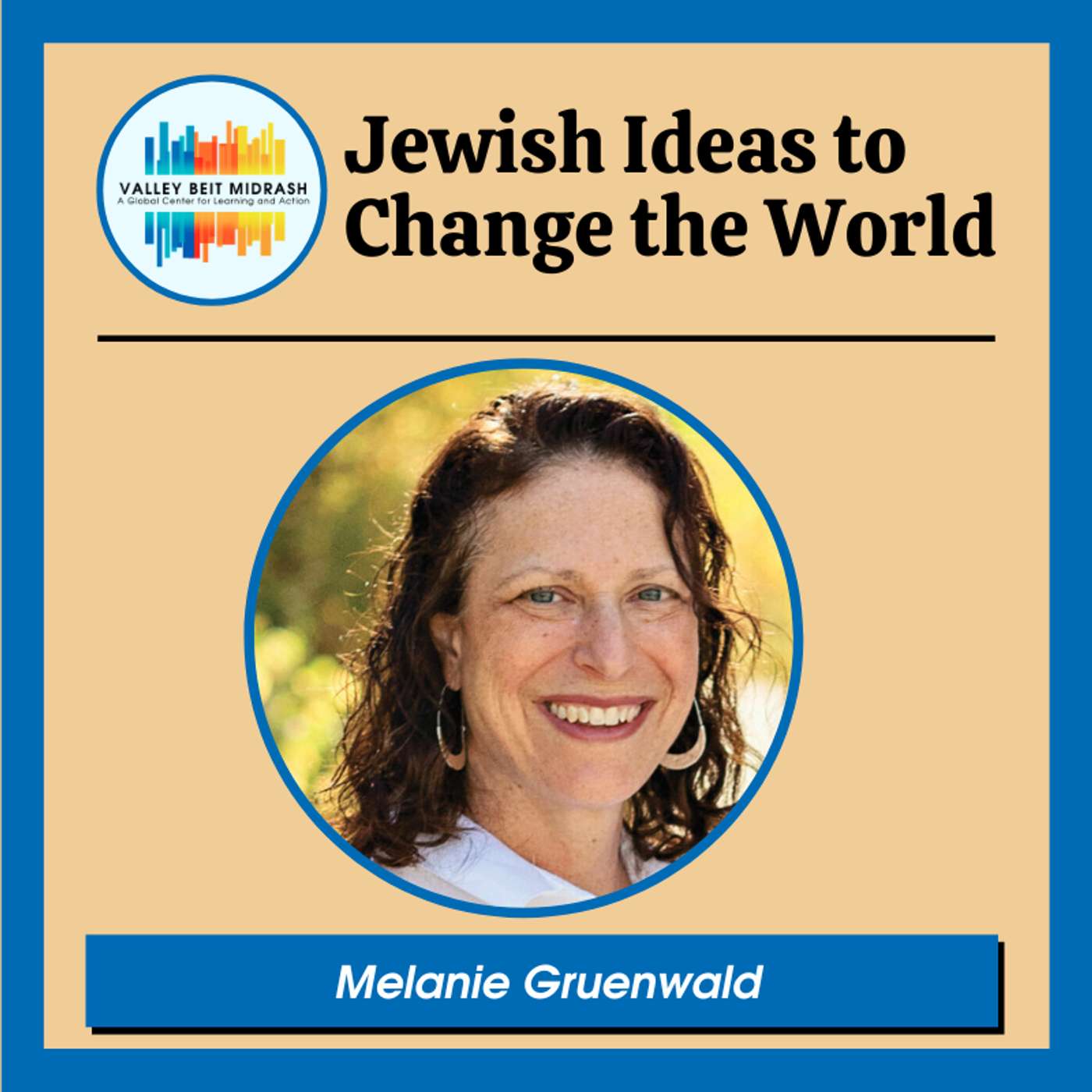
A virtual event presentation by Melanie Gruenwald About The Event: In this session, we will take a psycho-spiritual, kabbalistic exploration of our multiple masks and identities, and explore the themes connected to the upcoming holiday of Purim. *Source Sheet: https://drive.google.com/file/d/1DccDFTg4zbdz7e-SC_wusZRtcEy7NIoH/view?usp=sharingAbout The Speaker: Melanie Gruenwald, Executive Director of Kabbalah Experience, brings over 30 years of non-profit leadership and community-organizing to her position. Engaged with senior citizens, families, college students, and teens, Melanie has extensive professional experience with communal leadership and informal Jewish education. Melanie is energized by building relationships, understanding people’s needs, and finding ways to connect them. She loves the balance of organizational leadership and teaching, on a daily basis at Kabbalah Experience. She earned her B.S. in Psychology from Binghamton University (S.U.N.Y), and Masters in Social Work and Certificate in Jewish Communal Service from the Wurzweiler School of Social Work at Yeshiva University. Melanie has pursued additional Judaic and spiritual studies at the Pardes Institute of Jewish Studies, the Conservative Yeshiva, and, most recently, Kabbalah Experience. Melanie is married to Rabbi Salomon Gruenwald and is mom to three children, Koby (z”l), Hannah, and Micah.
★ Support this podcast ★
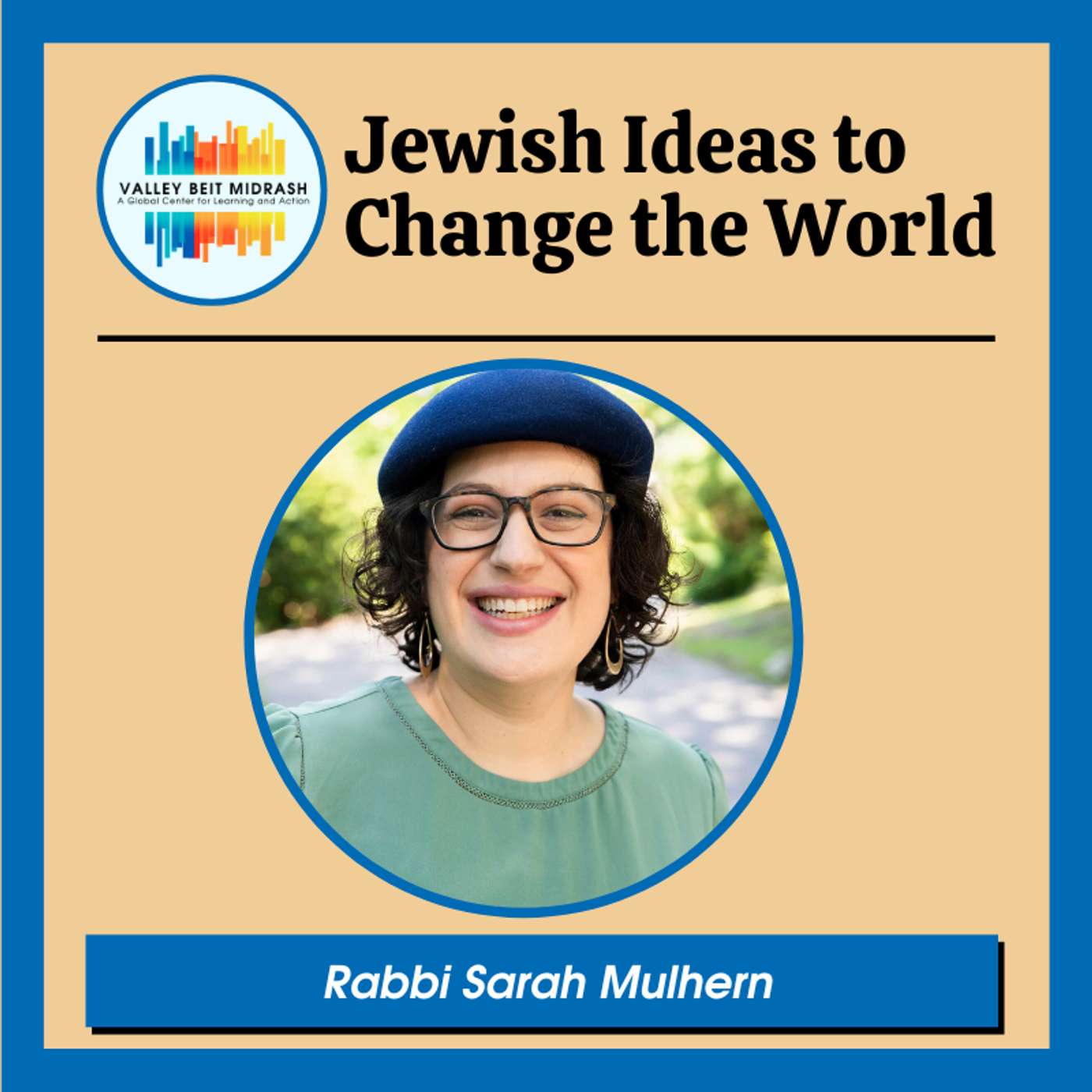
A virtual event presentation by Rabbi Sarah Mulhern About The Event: When we say we want to work for justice, what do we actually mean? In this class, we will dive into the question of whether a truly just outcome is about equity, equality, or is revolutionary in nature, and try to understand what the strengths and weaknesses of each approach to changemaking are. Through discussion and the study of rabbinic texts that advocate for each of these approaches in relation to economic justice, we will explore how each of us can best focus our work to change the world in our areas of passion. *Source Sheet: https://drive.google.com/file/d/1ASFEXkmGB5dWVF50i9g0OFZxdGwC7zXH/view?usp=sharingAbout The Speaker: Rav Sarah Mulhern is a Rabbi, educator, and community builder. She serves as the Rabbi of Silverstein Base Lincoln Park, opening her home and her heart to young adults in Chicago. She passionately believes that Torah matters and that Judaism can enrich human life and better society. Rav Sarah is also a nationally-regarded Torah educator, frequently teaching in a wide variety of Jewish adult education settings, particularly on topics of ethics, gender, and Jewish practice. As a rabbi, some of her areas of focus include grief support, feminist and queer niddah education, and crafting joyful halachic egalitarian life cycle rituals. She is deeply committed to inspiring traditional prayer and is a passionate shaliach tzibur. Rav Sarah was ordained by the Rabbinical School of Hebrew College, where she also earned a Master's in Jewish Education, and received private rabbinic ordination from Rabbi Daniel Landes. She is an alumna of Brandeis University, Yeshivat Hadar, Pardes Institute, Drisha Institute, Beit Midrash Har El, the Wexner Graduate Fellowship, and the David Hartman Center Fellowship.
★ Support this podcast ★
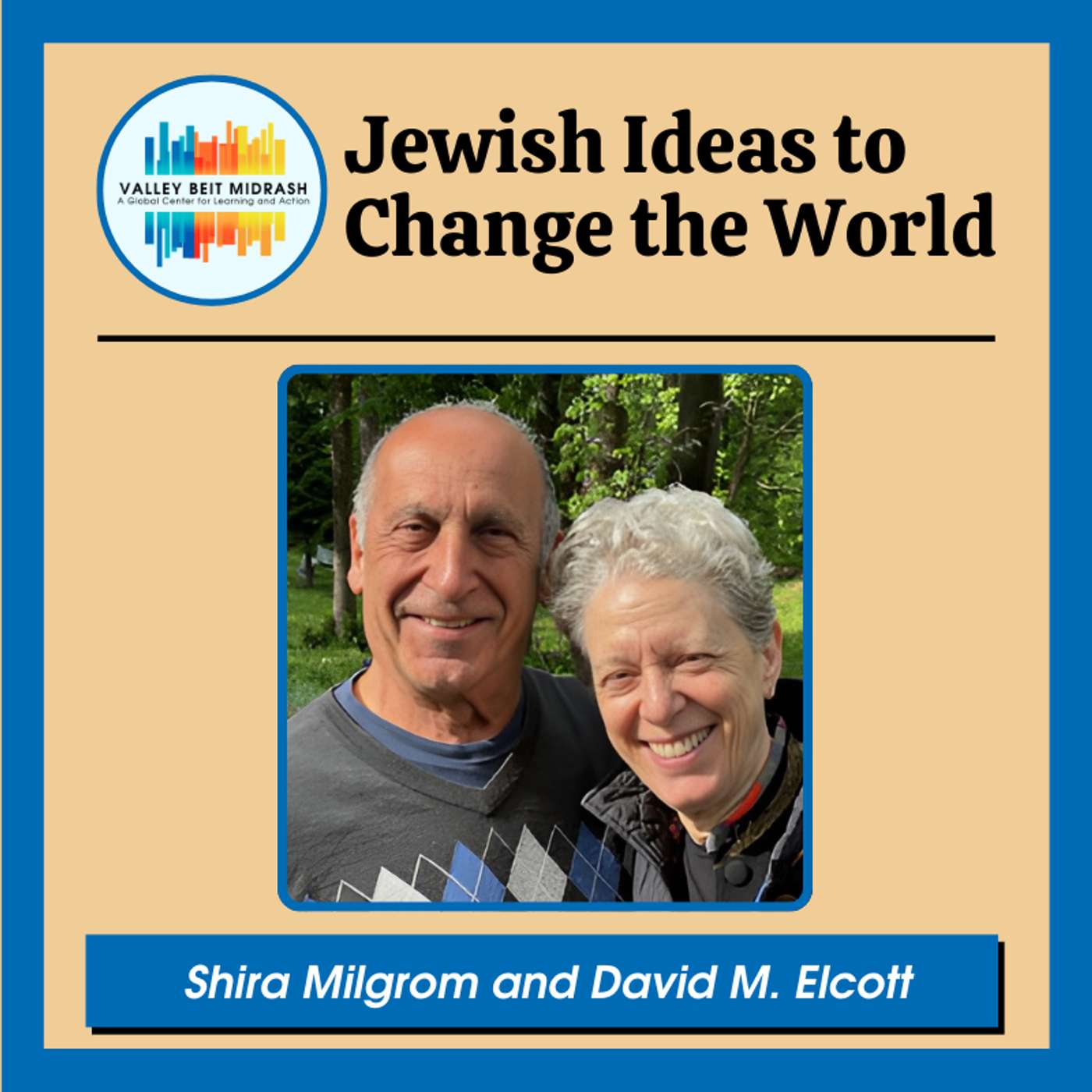
A hybrid event presentation (in-person and virtual) with Shira Milgrom and David M. Elcott The event was co-sponsored by Congregation Beth Israel About The Event: In this traveler’s guide to spiritual practice, Milgrom and Elcott bring the reader to many paths that seekers of the sacred walk. What is the universal sevenfold path? Recognizing a spark of the divine; honoring the covenant with all living things; engaging in healing and growth; opening our lives to the divine presence; seeing where we are as a sacred place; seeking and pursuing justice; and taking time to enjoy a sabbath. They illuminate these paths through inspiring stories, both inherited and personal, drawn from a richly lived Jewish life and encounters with faith communities around the world. For while the universe emerged from one pinpoint of energy and life, it is only in its infinite diversitthatre God can be found. Indeed, “there is no place devoid of the Presence,” even in everyday. About The Speakers: Shira Milgrom served as Rabbi of Congregation Kol Ami in White Plains for thirty-seven years and is the editor of a unique prayer book used in Jewish settings across the continent. David M. Elcott, retired as the Taub Professor of Practice at NYU Wagner, is a Senior Fellow at Columbia’s Center for Justice and works with Hudson Link to teach classes to incarcerated individuals. He is the author of Faith, Nationalism, and the Future of Liberal Democracy.
★ Support this podcast ★
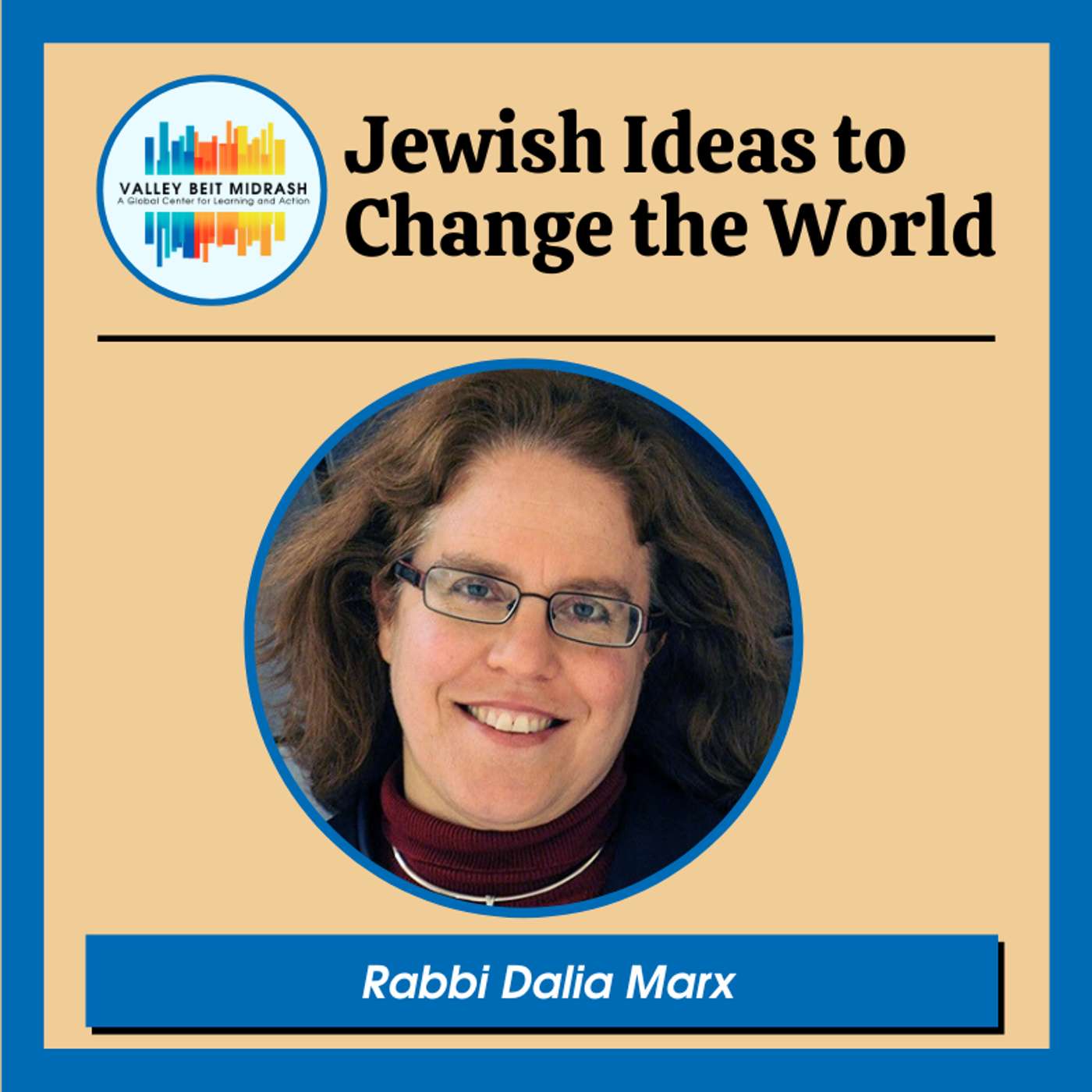
A hybrid event presentation (in-person and virtual) by Rabbi Dalia Marx The event was co-sponsored by Beth El Phoenix About The Event: Rabbi Dalia Marx, one of the most respected voices in contemporary Jewish thought and liturgy, will talk about how October 7 and the war since have brought profound and rapid changes to the world of Jewish prayer: the language, the focus, even the urgency. Rabbi Marx will also share her reflections on the Jewish responsibility to bring our hostages home, and the prayers—old and new—that have sustained her through this challenging time. Sources: Powerpoint: https://drive.google.com/file/d/1qO5KjL6DBJvIauNX-mB3g0-Z9fkb5IqI/view?usp=sharingSource Sheet: https://drive.google.com/file/d/15df5BuTZIKE_jebc4Ko4NbJZ3BtSfvwW/view?usp=sharingAbout The Speaker: Rabbi Marx is the Rabbi Aaron D. Panken Professor of Liturgy and Midrash at the Hebrew Union College–Jewish Institute of Religion in Jerusalem. She is the first woman in Israel to hold a professorship in liturgy and is a trailblazer in both academic and spiritual circles. Her work bridges scholarship and lived practice, and she is the author of several books, including When I Sleep and When I Wake: On Prayers Between Dusk and Dawn. She’s also a contributor to the new Israeli Reform prayerbook and a leading voice in shaping how prayer responds to collective trauma, grief, and hope.Purchase Rabbi Dalia Marx's book here: http://time.ccarpress.org
★ Support this podcast ★
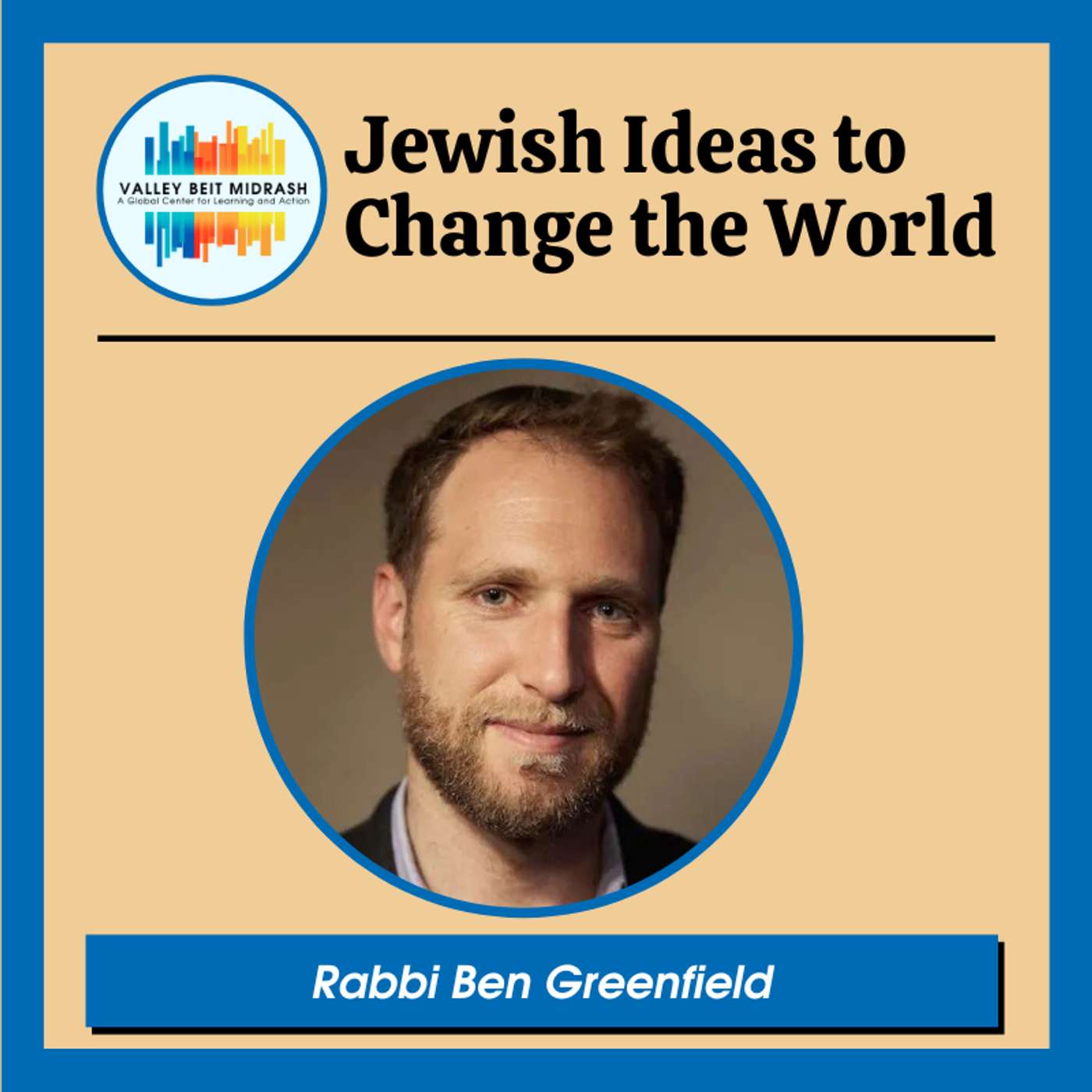
A hybrid event presentation by Rabbi Ben Greenfield About The Event: Did God lust after the Matriarchs? Did Jacob think he was Divine? Did Mordechai breastfeed Esther? The Midrash (the rabbinic expansion on Biblical stories) is too often read as a set of fables or children's stories. But in truth, the Midrash contains some of the most radical, imaginative, and philosophically astute readings of the Bible in our Tradition. Together, we will explore five midrashim that have yet to enter the popular Jewish conscience, but probably should. *Source Sheet: https://docs.google.com/document/d/1rBNQd_iFUs-MDgF3P5VbsE4CpK8BYYwTj7PxYKaL0rk/edit?usp=sharingAbout The Speaker: Rabbi Ben Greenfield serves as Scholar in Residence, VBM Las Vegas, and as the Director of Jewish Learning at The Adelson Upper School, in Las Vegas. Ben trained at Gush, Yeshiva University, Johns Hopkins, and Yeshivat Chovevei Torah, where he was a Wexner Graduate Fellow. His original studies in Jewish thought have received several national prizes and can be found on Tablet and the Lehrhaus.
★ Support this podcast ★
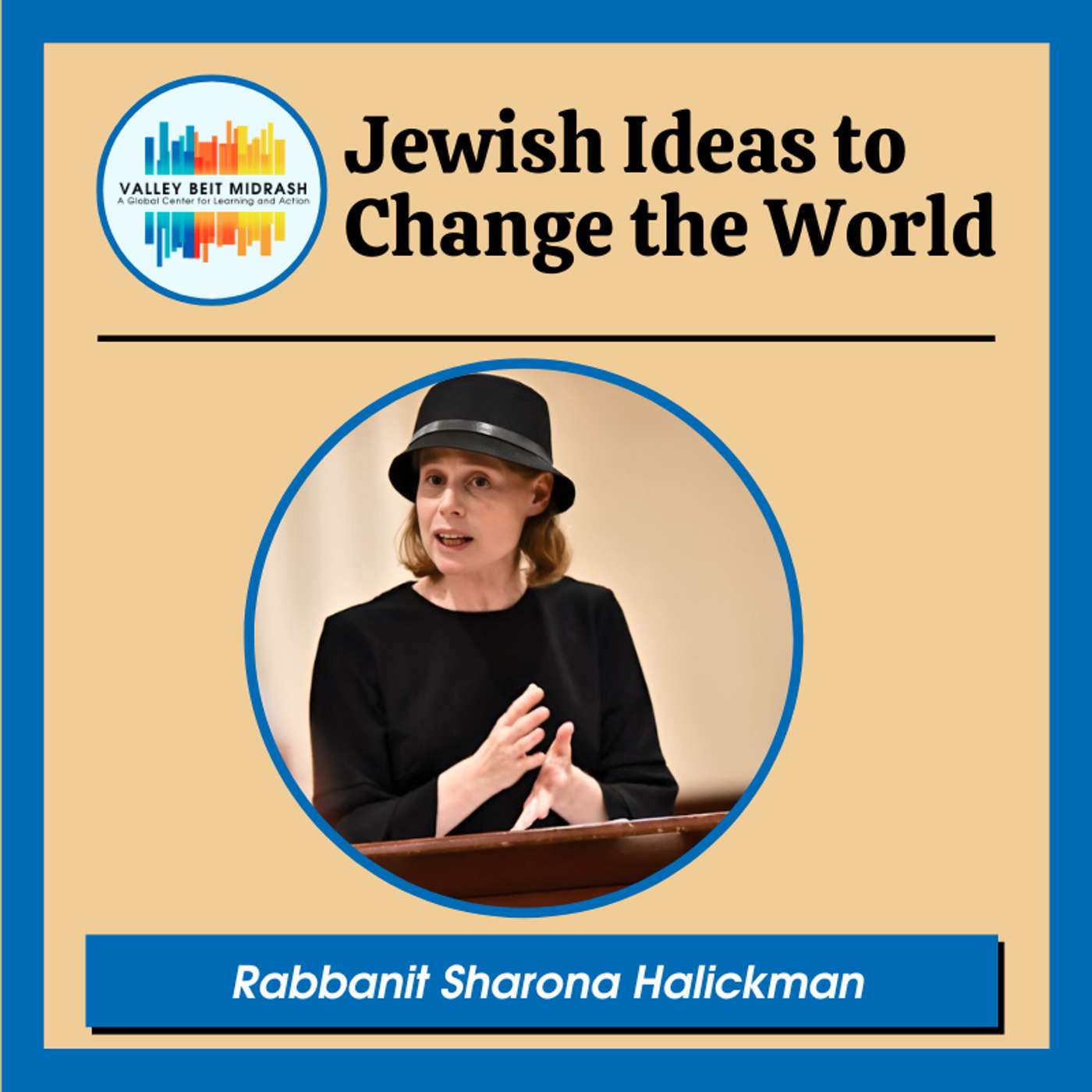
A virtual event presentation by Rabbanit Sharona Halickman About The Event: You may think that reduce, reuse, and recycle are modern concepts for saving the environment, but when we delve into the Talmud's insights into the Seven Species of Israel, we will find that these ideas are intrinsic in these Biblical fruits. *Source Sheet: https://docs.google.com/document/d/1PJE9haKXAMUditgC1dczIVprxD-61sMo/edit?usp=sharing&ouid=118303465191084699356&rtpof=true&sd=trueAbout The Speaker: Rabbanit Sharona Halickman holds a BA in Judaic Studies from Stern College and an MS in Jewish Education from Azrieli Graduate School, Yeshiva University. Sharona was the first Orthodox woman to serve as a clergy member as the first Congregational Intern and first Madricha Ruchanit at the Hebrew Institute of Riverdale, NY. After making aliya in 2004, Sharona founded Torat Reva Yerushalayim, a nonprofit organization based in Jerusalem that provides Torah study groups for students of all ages and backgrounds.
★ Support this podcast ★
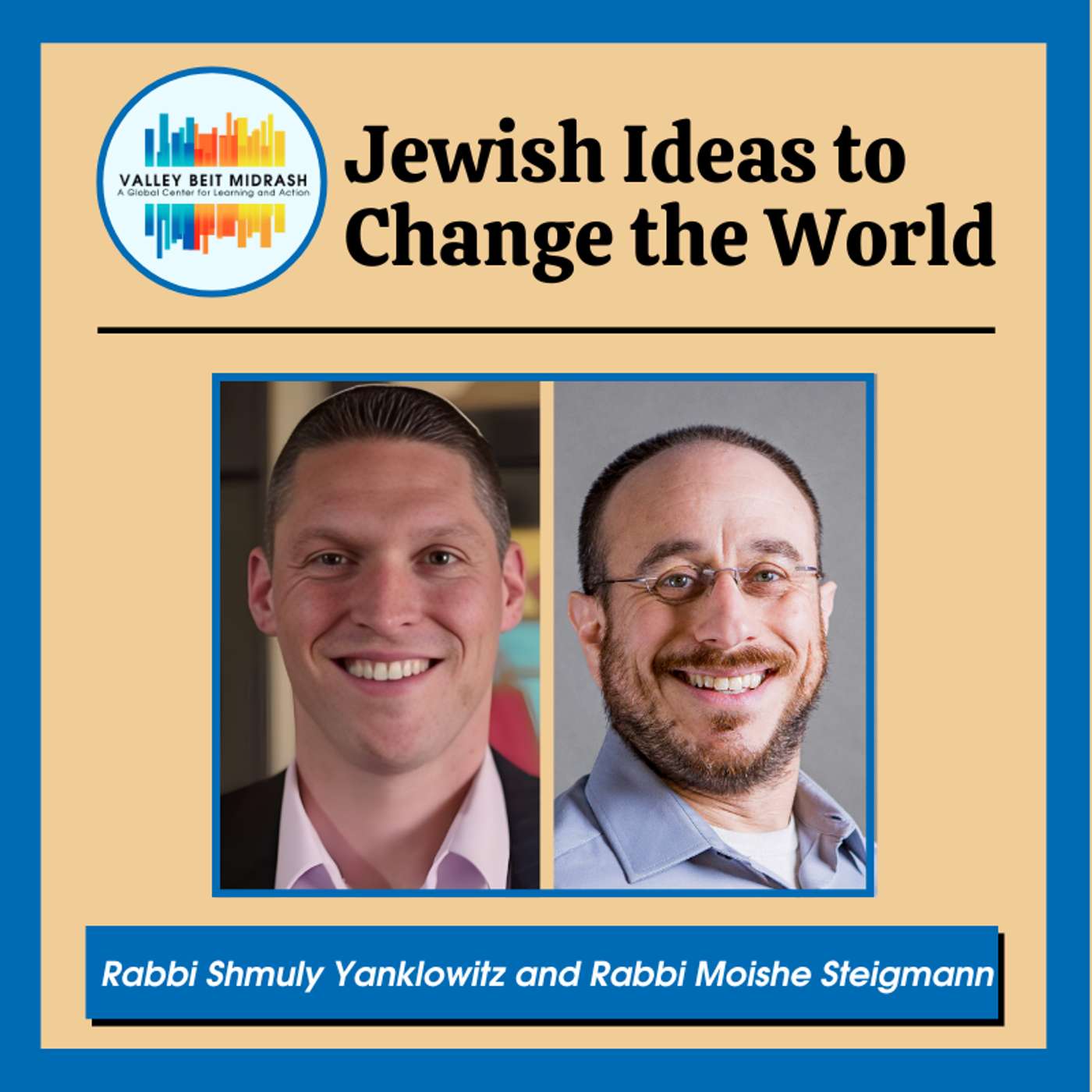
A hybrid event presentation with Rabbi Shmuly Yanklowitz and Moishe Steigmann, The Mindful Rabbi. About The Event: As we approach Shabbat Shirah, the “Shabbat of Song,” and reflect on the legacy of Dr. Martin Luther King Jr., we turn our attention to the sacred power of voice. From the Israelites singing at the sea to modern movements for freedom and justice, song has carried the Jewish spirit through moments of triumph, struggle, and hope. Join Rabbi Dr. Shmuly Yanklowitz and Moishe Steigmann, The Mindful Rabbi, for an evening of learning, dialogue, and inspiration. Through text study, reflection, and chevruta, we’ll explore how music and voice lift us—individually and collectively—toward liberation, connection, and praise. This program marks the official launch of the Cream City Beit Midrash, a partnership between Valley Beit Midrash and Own Your Judaism. *Source Sheet: https://drive.google.com/file/d/1iD1y1-pBrlJlr10WktIVYhKEJlxg3ySR/view?usp=sharingAbout The Speakers: Moishe Steigmann, The Mindful Rabbi, is the founder and director of Own Your Judaism and is the director of Ohel Ayalah. He seamlessly blends ancient Jewish wisdom with contemporary mindfulness practices. Through his teachings, writings, and workshops, he continues to influence and lead the conversation on mindful living within and beyond the Jewish community. He also speaks, hosts livestream conversations, and offers Jewish Life Coaching and organizational consultation. Born and raised in Milwaukee, Rabbi Steigmann is a proud father of two children, loves sports, is passionate about living gratefully, and enjoys almost all puzzles and games. Shmuly Yanklowitz has twice been named one of America’s Top Rabbis by Newsweek and has been named by The Forward as one of the 50 most influential Jews and 28 books on Jewish ethics and his writings have appeared in outlets as diverse as the New York Times, the Wall Street Journal, the Washington Post, the Guardian, and the Atlantic among many other secular and religious publications. He has served as a speaker at the World Economic Forum in Davos, Switzerland, and as a Rothschild Fellow in Cambridge, UK. Rav Shmuly received a Master's from Harvard University, a Master's from Yeshiva University, and his Doctorate from Columbia University. He was ordained as a rabbi by Yeshivat Chovevei Torah, along with 2 private ordinations in Israel. He serves as the President & Dean of Valley Beit Midrash (a global Jewish learning and action center). His wife Shoshana, and their four children live in Scottsdale, Arizona. They have also served as foster parents.
★ Support this podcast ★
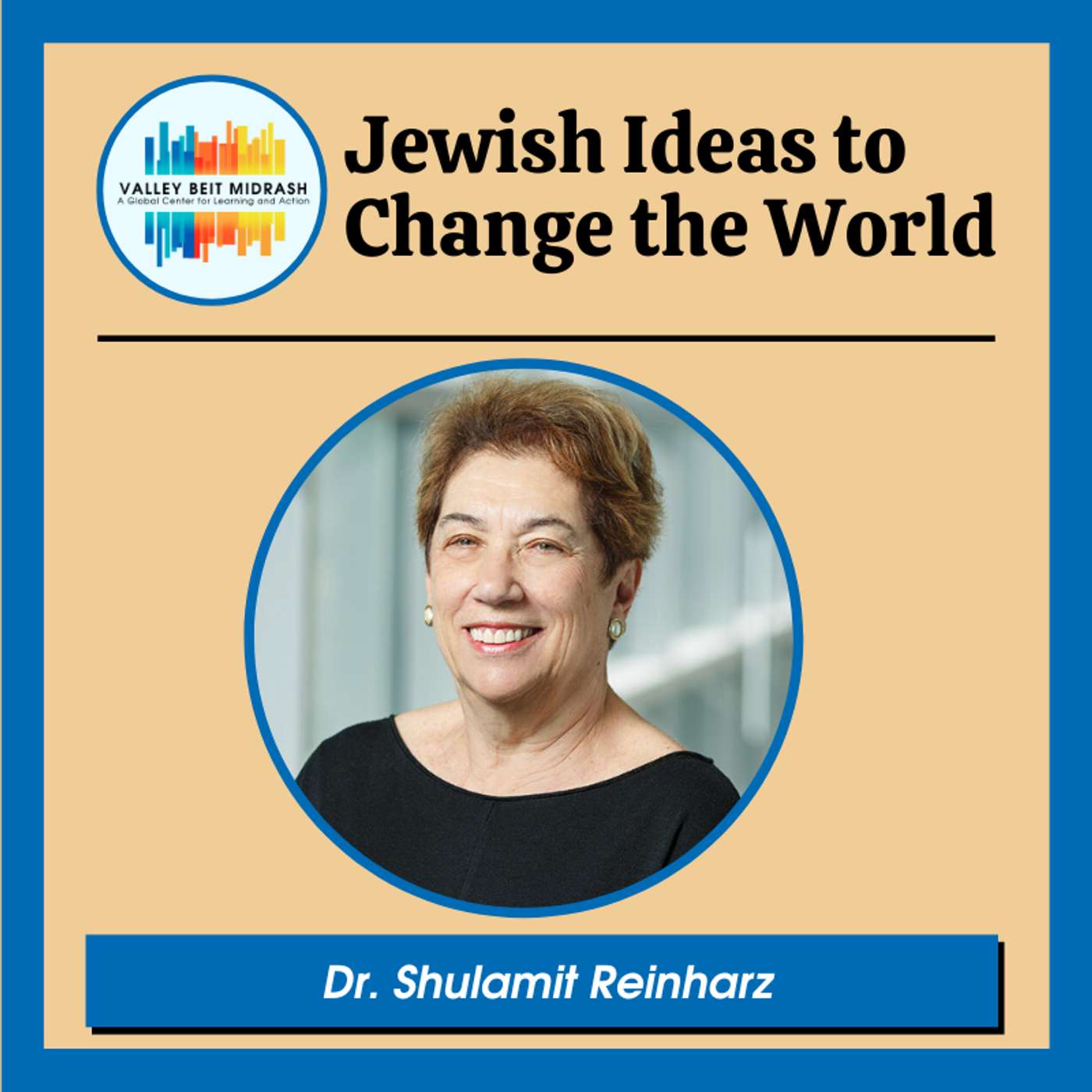
A virtual event presentation with Dr. Shulamit Reinharz About The Event:In her book, Hiding in Holland: A Resistance Memoir, Dr. Reinharz offers a unique narrative by collaborating with her father, Max Rothschild, to share personal stories of survival and resistance during the Holocaust. Her insights offer an enriched understanding of history's impact on contemporary Jewish identity. About The Speaker: Shulamit Reinharz was born in Amsterdam and grew up in New Jersey. She has also lived in Israel for numerous one-year stays as well as in Utrecht and Oxford for research appointments. She earned her undergraduate degree at Barnard College and her graduate degrees at Brandeis University, followed by a faculty appointment at the University of Michigan from 1972 to 1982, when she returned to Brandeis as a professor of sociology. Hebrew College has conferred on her an honorary doctorate. Dr. Reinharz has published widely. Among her 17 books are the prize-winning Feminist Methods in Social Research (1992); American Jewish Women and the Zionist Enterprise (with Mark Raider, 2005); The JGirl's Guide (with Penina Adelman and Ali Feldman, 2005); Jewish Intermarriage around the World (with Sergio Della Pergola, 2009); One Hundred Years of Kibbutz Life (with Michal Palgi, 2011); Today I am a Woman: Stories of Bat Mitzvah around the World (with Barbara Vinick, 2011); One Hundred Jewish Brides (with Barbara Vinick, 2022); and Hiding in Holland: A Resistance Memoir (2024). The Jewish Review of Books invited her to write a piece about Hiding in Holland after it won the prize of a finalist in the category of Holocaust Memoirs. A sought-after lecturer, Shulamit Reinharz is currently working on a book about "gender and the holocaust," focusing on her mother's survival.
★ Support this podcast ★
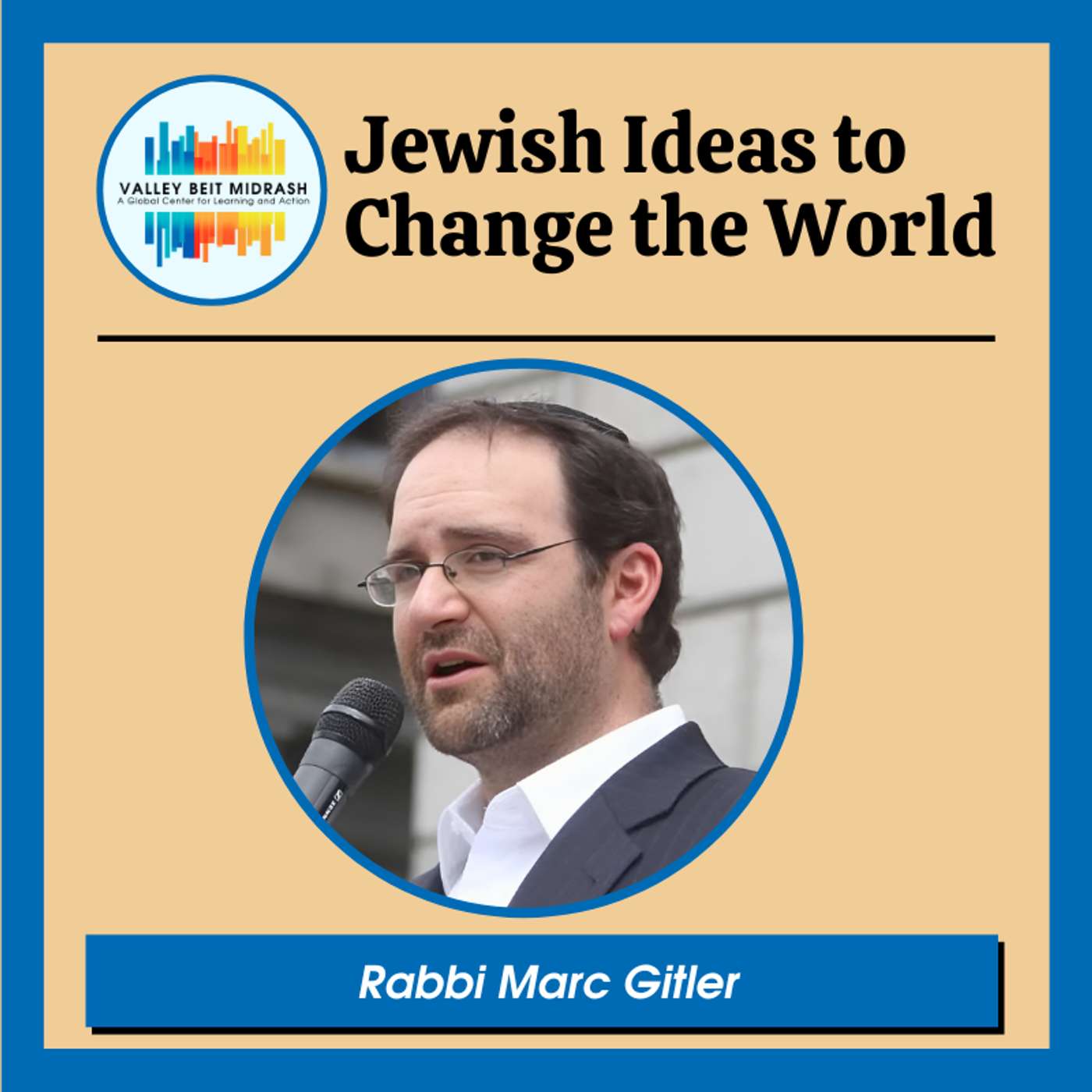
A virtual event presented by Rabbi Marc Gitler About The Event: Anti-semitism has seemingly been around forever. In this lecture, we will explore its earliest expressions through stories in the Book of Genesis, focusing on the figure of the Ivri—the “Hebrew” who stands apart. By examining these foundational narratives, we’ll uncover how difference, otherness, and moral challenge can provoke hostility. Together, we’ll consider how these ancient dynamics continue to shape anti-Jewish hatred today and what insights they offer for understanding—and responding to—anti-semitism in the 21st century. *Source Sheet: https://docs.google.com/document/d/1oRhbjD2ybtqlYVFZ1vb3XdR2IdaFzxEB/edit?usp=sharing&ouid=118303465191084699356&rtpof=true&sd=trueAbout The Speaker: Rabbi Marc Gitler serves as the Senior Jewish Educator at Valley Beit Midrash and is the visiting Rabbi of Aish SanDiego. A recipient of the Wexner Fellowship, he was ordained at Yeshivat Chovevei Torah. The founder of Fast for Feast, he lives in Denver, Colorado, with his wife Sarah, and their four children.
★ Support this podcast ★
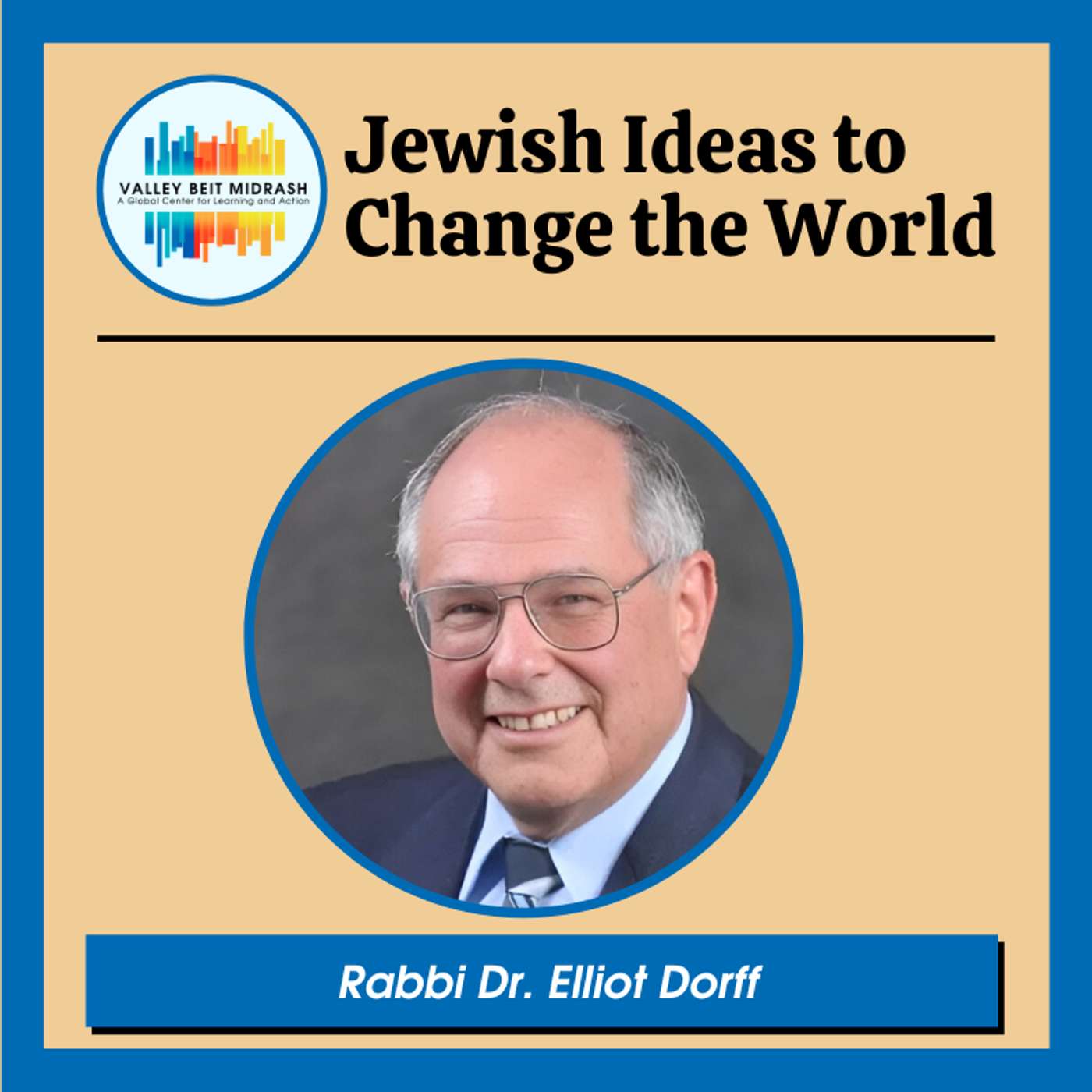
A virtual event presentation by Rabbi Dr. Elliot DorffAbout The Event:Drawing from Chapter 3 of the book, Ethics at the Center: Jewish Theory and Practice for Living a Moral Life, this session will explore how Western, Christian, and Jewish traditions understand the nature of the human being, and how these differing perspectives shape a wide range of moral issues.*Source Sheet: https://drive.google.com/file/d/1R8ev3vsjgm5n7wSKE9ekiLRtwHDVR_vM/view?usp=sharingAbout The Speaker:Elliot Dorff, Rabbi (Jewish Theological Seminary of America, 1970), Ph.D. in philosophy (Columbia University, 1971), is Rector and Distinguished Service Professor of Philosophy at American Jewish University. From 1974 to 2020, he taught a course on Jewish law at UCLA School of Law. He has served on three United States federal government commissions — on access to health care, on reducing the spread of sexually transmitted diseases, and on research on human subjects — and he currently serves on the State of California’s commission to govern stem cell research within the state. He has chaired four scholarly organizations: the Academy of Jewish Philosophy, the Jewish Law Association, the Society of Jewish Ethics, and the Academy of Judaic, Christian, and Muslim Studies. He has served as a member of the Conservative Movement’s Committee on Jewish Law and Standards since December 1984, as its Vice Chair from 1997 to 2007, and as its Chair from 2007 to 2022, writing 30 responsa approved by the committee and several concurring opinions. In Los Angeles, he is a Past President of Jewish Family Service and remains on its Board, and he is a former member of the Board of the Jewish Federation Council. He has been a member of the Priest-Rabbi Dialogue sponsored by the Board of Rabbis of Southern California and the Archdiocese of Los Angeles since its inception in 1973 and has co-chaired it since 1990. In addition to awards given by several communal organizations in Los Angeles, he was awarded four honorary doctoral degrees, the Leve Award of the UCLA Center for Jewish Studies, and the Lifetime Achievement Award of the Journal of Law and Religion. H has published over 200 articles on Jewish thought, law, and ethics, and has written fifteen books on those topics and edited or co-edited fourteen more. Since 1966, he has been married to Marlynn, and they have four children and eight grandchildren, who, he thinks, are more important than anything listed above.
★ Support this podcast ★
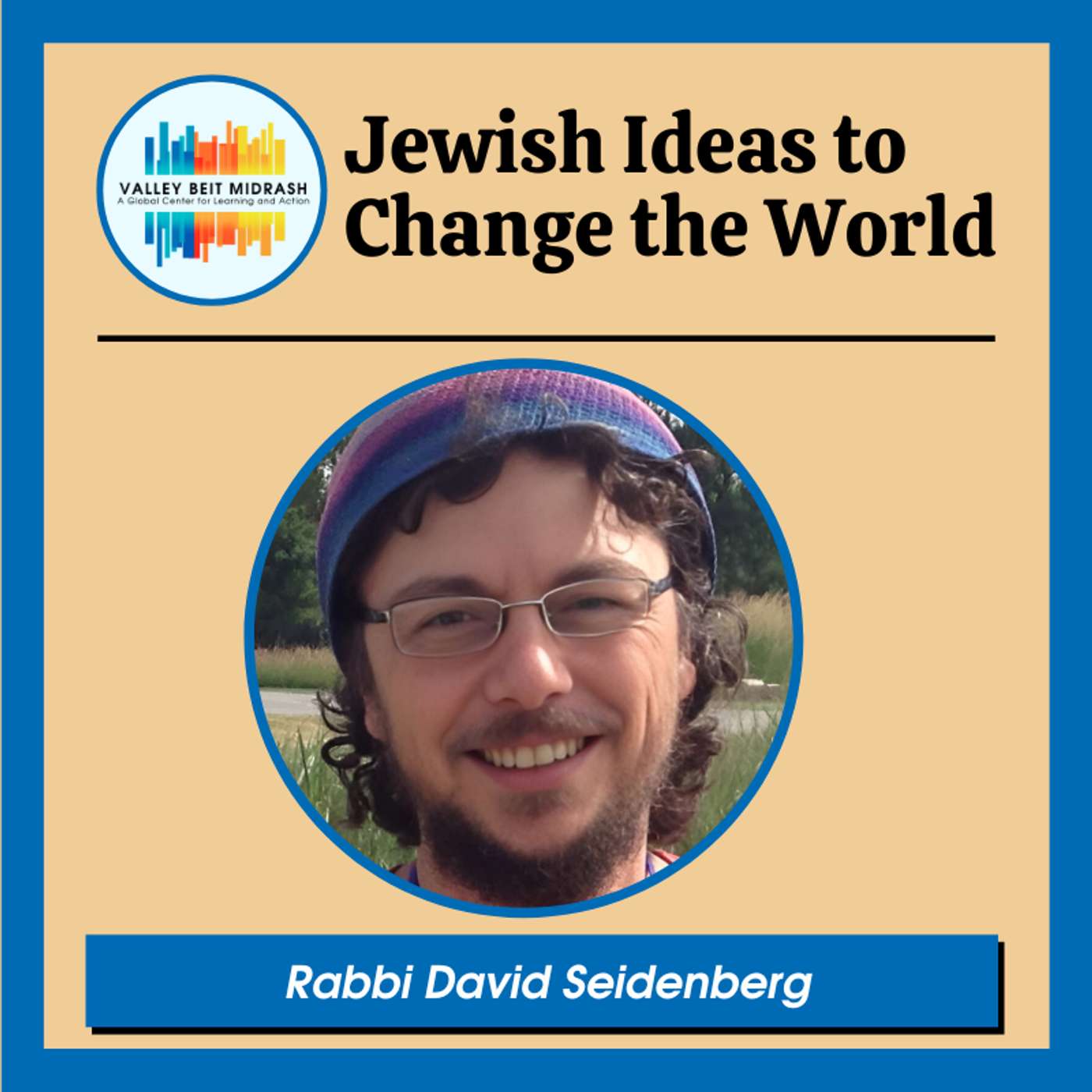
A virtual event presentation by Rabbi David SeidenbergAbout The Event:The law against wasting or destroying things, Bal Tashchit, is a torch held up by Jewish environmentalists to prove that Judaism cares about the Earth, but the law, as it is codified in halakhah (Jewish law), is that you can destroy anything if you can make a profit doing it. We will delve into the roots and interpretations of Bal Tashchit, including Rambam, Ramban, Sefer Chinukh, and others, to find the basis for fixing Bal Tashchit so that it can become a strong ethic that will actually stand up to destruction and help us protect the Earth.*Source Sheet: https://drive.google.com/file/d/1pmYYQUNKSwOy3tZs6WEUDBkDKeRC0qS5/view?usp=share_linkAbout The Speaker:Rabbi David Seidenberg is the creator of neohasid.org and the author of Kabbalah and Ecology: God's Image in the More-Than-Human World. He teaches on Jewish thought, theology, and halakhah in relation to ecology, human rights, and animal rights. David is also known for his liturgical work and his translations of Eikhah (Lamentations). David has smikhah from the Jewish Theological Seminary and from Rabbi Zalman Shcahcter-Shalomi, and lives in Northampton, MA.
★ Support this podcast ★
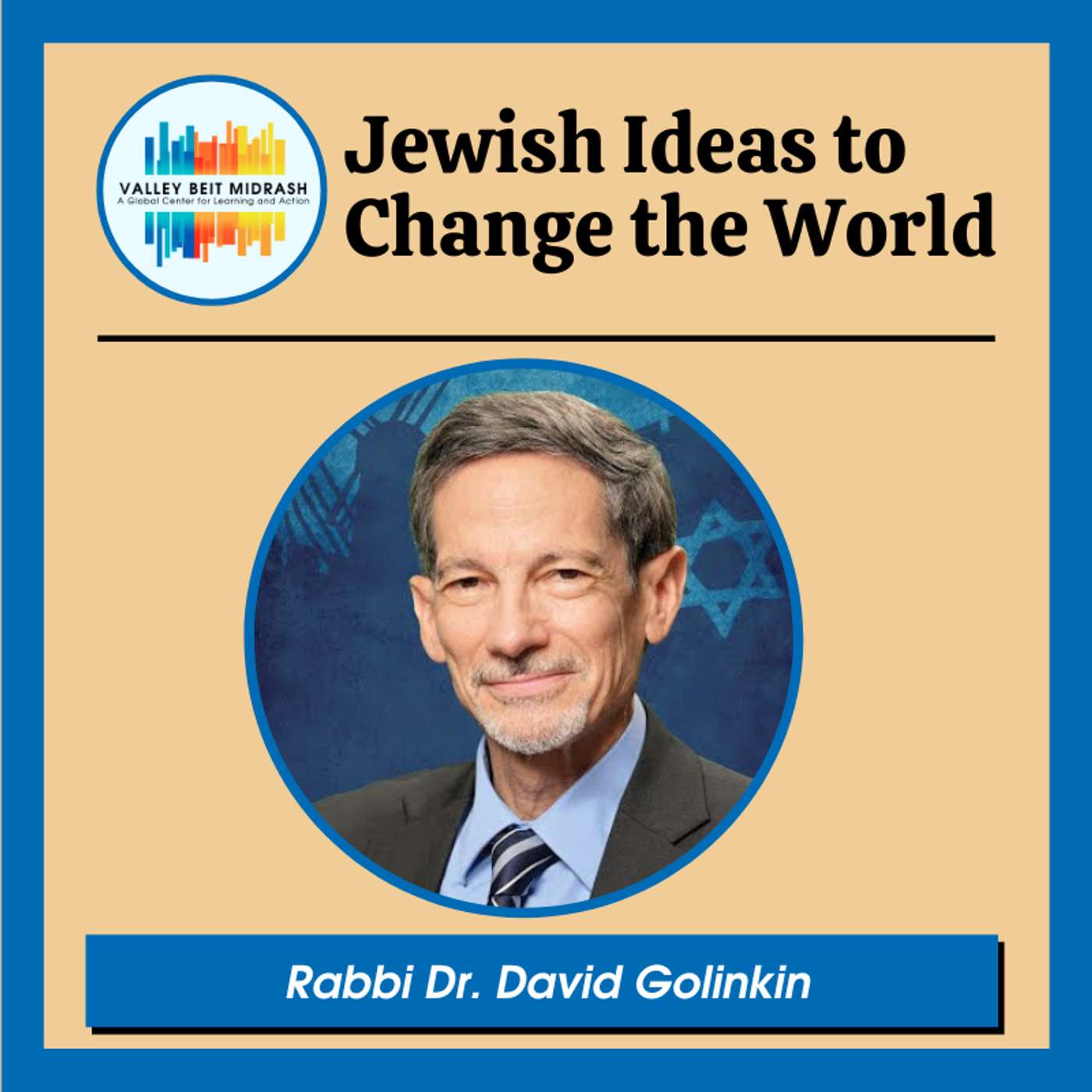
A virtual event presentation by Rabbi Dr. David Golinkin.About The Event:Responsa are written answers by rabbis to halakhic questions. Since 1985, I have written approximately 900 responsa, over 200 of which have been published. In this lecture, I would like to explain my methodology by describing six characteristics of my Responsa, and giving examples, primarily from my most recent volume: Responsa in a Moment, volume 6.*Source Sheet: https://drive.google.com/file/d/1sY-ROug4-Tcgeri-kbfj_5Bhphh0vDJd/view?usp=sharingAbout The Speaker:Rabbi Prof. David Golinkin was born and raised in Arlington, Virginia. He made aliyah in 1972, earning a B.A. in Jewish History and two teaching certificates from The Hebrew University in Jerusalem. He received an M.A. in Rabbinics and a Ph.D. in Talmud from the Jewish Theological Seminary of America, where he was also ordained as a Rabbi.Prof. Golinkin is President of Schechter Institutes, Inc. and President Emeritus of the Schechter Institute of Jewish Studies in Jerusalem, where he also serves as a Professor of Talmud and Jewish Law. For twenty years, he served as Chair of the Va’ad Halakhah (Law Committee) of the Rabbinical Assembly, which writes responsa and gives halakhic guidance to the Masorti (Conservative) Movement in Israel. He is the founder and Director of the Institute of Applied Halakhah at The Schechter Institute, whose goal is to publish a library of halakhic literature for Jews throughout the world. He is the Director of the Center for Women in Jewish Law at the Schechter Institute, whose goal is to publish responsa and books by and about women in Jewish law. He is also the founder and Director of the Midrash Project at Schechter, whose goal is to publish a series of critical editions of Midrashim.Rabbi Golinkin is the author or editor of 63 books and has published over 200 articles, responsa, and sermons. In June 2014, Rabbi Golinkin was named by The Jerusalem Post as one of the 50 most influential Jews in the world. In May 2019, he was awarded an honorary doctorate by the Jewish Theological Seminary. In November 2022, he received the Nefesh B’Nefesh Bonei Zion Award for his contributions to Israeli society in the field of education.
★ Support this podcast ★
A virtual event presentation by Dr. Jon Greenberg.About The Event:This program will explore the symbolic and halachic significance of the olive tree. The questions we’ll examine include:Neglected agricultural and political reasons that the olive oil Chanukah displaced an earlier symbol of Chanukah,Why the 15th of Av became a day for matchmaking,How the social and technological history of olive use mediates a five-hundred-year-old debate about how to read the Talmud, andThe beautiful lesson about family relationships that the Psalms draw from the biology of the olive tree.*Source Sheet: https://docs.google.com/document/d/1AX9X7x6O9eHpOGtuKfuZOl0u2-SlaKF_etjBYFaE_9I/edit?usp=sharingAbout The Speaker:Dr. Greenberg received his bachelor’s degree with honors in biology from Brown University and his Master’s and Doctorate in agronomy from Cornell University. He has also studied with Rabbi Chaim Brovender at Israel’s Yeshivat Hamivtar and researched corn, alfalfa, and soybeans at Cornell, the US Department of Agriculture, and the University of Pennsylvania’s Institute for Cancer Research. Since 1989, he has been a science teacher and educational consultant. Dr. Greenberg was Senior Editor of science textbooks at Prentice Hall Publishing Co. Previously, on the faculty of Yeshivas Ohr Yosef, the School of Education at Indiana University, and the University of Phoenix, he taught at the Heschel School from 2008 to 2024. In 2021, he published Fruits of Freedom, a Passover Haggadah with a commentary from the perspective of the history of Jewish food and agriculture. He is a frequent speaker at synagogues, schools, and botanical gardens.
★ Support this podcast ★
A hybrid event with Rabbi Ben Greenfield. About The Event: Classic Rabbinic sources offer very different answers to a key Hanukkah question: what exactly are we celebrating on this holiday? From Medieval Zionism to Rabbinic Pacifism, we'll explore 5 vital “retellings” of the Hanukkah story with very different takes on these 8 days.Source Sheets:Page 1Page 2Page 3Page 4Page 5About The Speaker: Ben Greenfield serves as Scholar in Residence, VBM Las Vegas, and as the Director of Jewish Learning at The Adelson Upper School in Las Vegas. Ben trained at Gush, Yeshiva University, Johns Hopkins, and Yeshivat Chovevei Torah, where he was a Wexner Graduate Fellow. His original studies in Jewish thought have received several national prizes and can be found on Tablet and the Lehrhaus. *The event was the first official launch of VBM Las Vegas*
★ Support this podcast ★
A virtual event presentation by Dr. Jonnie Schnytzer. About The Event: Animals don’t receive much attention in kabbalistic texts and even less so in scholarship on kabbalah. When they do, it is predominantly to teach humans to be better humans. Howrome anonymous kabbaalist who believed there was a deeper connection between humans and animals, to the point that stories were told about animals that shared kabbalistic secrets. What can they teach us today about animals, humans, and a shared future? About The Speaker: Jonnie Schnytzer is probably the only PhD in Jewish Philosophy, focusing on medieval kabbalah, who can say that he once beat the head of Israeli Naval Commandos in a swimming race. His dissertation focused on the scientific kabbalah of Rabbi Joseph ben Shalom Ashkenazi. Jonnie’s forthcoming book is about Ashkenazi’s Kabbalah as well as a critical edition of the kabbalist’s jagestic commentary on Sefer Yesira. Jonnie’s also the author of Mossad thriller, The Way Back, which paints a picture of contemporary Israel. Jonnie also orchestrated the publishing of an English edition of ‘The Hitler Haggadah’, an important piece of Moroccan Jewish history from the Holocaust. Jonnie has also taken on several leadership roles in the Jewish world, including advisor to the CEO of Birthright and executive manager with StandWithUs. He lectures on a wide variety of topics relating to Judaism and Israel, especially about the untold stories and unspoken heroes of Jewish history. Jonnie is happily married, with four gorgeous little kids, lives in Israel, and thinks that Australian Rules Football is the greatest sport ever invented.
★ Support this podcast ★
A hybrid event presentation by Rabbi David Kasher. About The Event: The epic narratives in the Books of the Prophets take us on a dramatic journey from the chaotic days of the Judges to the building and breaking of the Israelite monarchy in Samuel and Kings. Along the way, we encounter prophets, priests, and kings locked in a struggle over the meaning of power, justice, and leadership. Together we’ll explore how these stories reflect the political theory of the Hebrew Bible, and ask what wisdom these books might hold for us as we wade through the political chaos of our own day. *Source Sheet: https://docs.google.com/document/d/1b6b5RuOPf0ibxYnxqybgon78oAGCyJFytXddGjCDOis/edit?usp=sharing About The Speaker: Rabbi David Kasher is the Director of Hadar West, based in Los Angeles. He grew up bouncing back and forth between the Bay Area and Brooklyn, hippies and Hassidim – and has been trying to synthesize these two worlds ever since. He received rabbinic ordination at Yeshivat Chovevei Torah and a doctorate in legal studies from Berkeley Law. He has served as Senior Jewish Educator at Berkeley Hillel, Director of Education at Kevah, and Associate Rabbi at IKAR. He is the author of ParshaNut: 54 Journeys into the World of Torah Commentary, and the host of the Torah podcast, Best Book Ever.
★ Support this podcast ★


Download from Google Play

Download from App Store
 United States
Man, this did not age well. Turns out peace is not a viable means for Jewish survival. The time has come for strong defense instead.
Karaites are not objective observers of the rabbis