



 Claim Ownership
Midrats
Subscribed: 284Played: 5,809
Subscribe

© Copyright Midrats
Description
Navy Milbloggers Sal from "CDR Salamander" and EagleOne from "EagleSpeak" discuss leading issues and developments for the Navy, Marine Corps, Coast Guard and related national security issues.
582 Episodes
Reverse
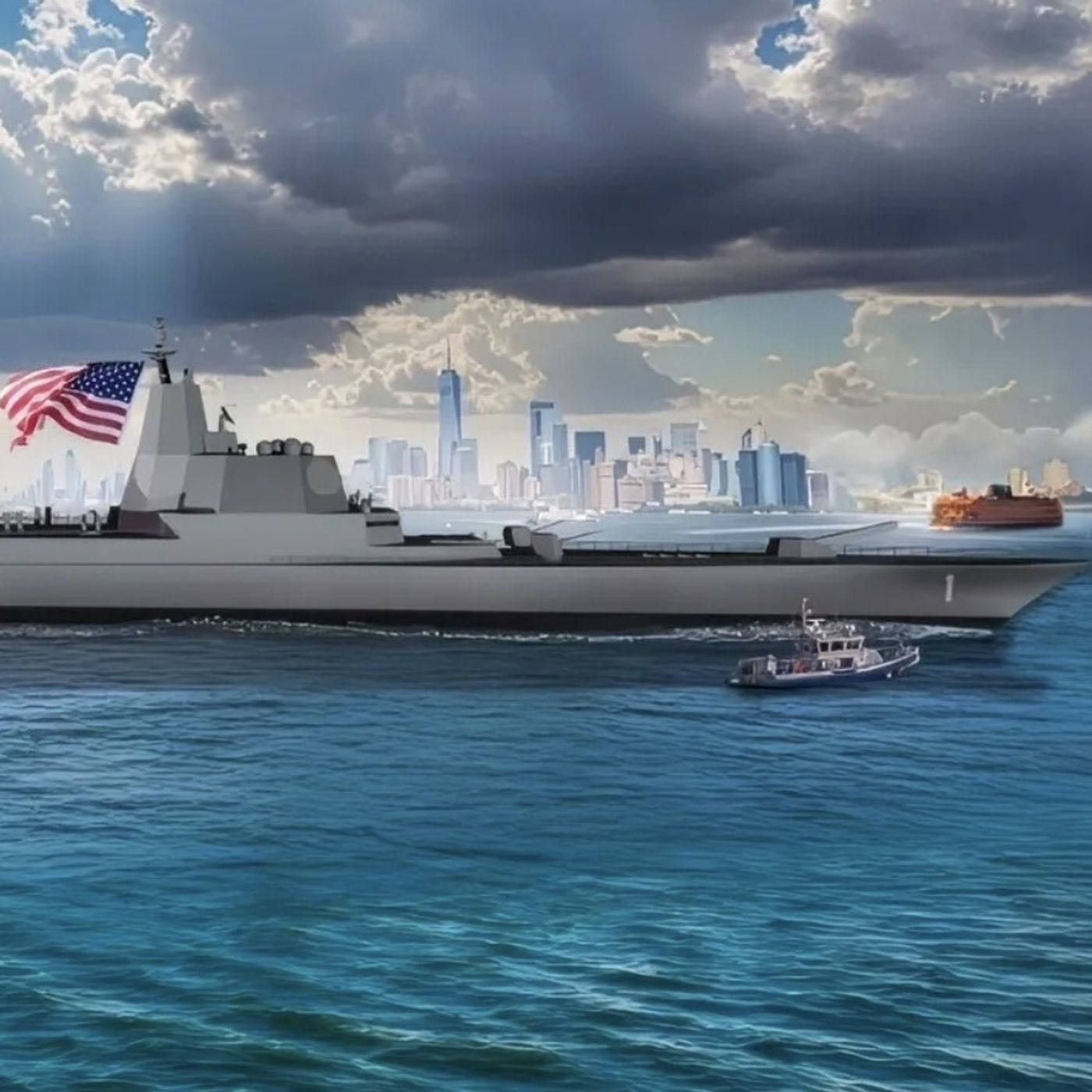
So, is this the time to make battleships great again?I would be hard-pressed to think of a better guest to help us explore that question than returning guest, Rob Farley. A starting point for our conversation will be his article from December, The Trump-Class Battleship Summed Up In 1 Word.Show LinksThe Battleship Book, by Robert Farley’sPatterson School of Diplomacy and International CommerceLawyers, Guns, and Money Dr. Robert Farley’s X ProfileDr. Robert Farley’s Blue Sky ProfileMy thoughts on SLCM-NSummaryIn this episode, Dr. Robert Farley discusses the concept of battleships, their historical significance, and the strategic considerations for modern naval warfare. The conversation covers technological challenges, political implications, and future force structure planning.Chapters00:00: Introduction to the Battleship Debate02:31: Historical Context and Modern Relevance of Battleships07:44: Survivability and Modern Warfare Challenges13:11: The Role of Nuclear Capabilities in Battleships20:11: Political and Strategic Implications of Battleship Armament23:15: Technological Innovations and Future of Naval Warfare32:36: Design Philosophy and Size of Modern Warships39:32: Historical Lessons and Future Capabilities46:03: Political Implications of Naval Procurement52:30 Shipbuilding Challenges and Future DirectionsDr. Robert Farley has taught security and diplomacy courses at the Patterson School since 2005. He received his BS from the University of Oregon in 1997, and his Ph.D. from the University of Washington in 2004. In addition to the book of the moment, The Battleship Book (Wildside, 2016), Dr. Farley is the author of Grounded: The Case for Abolishing the United States Air Force (University Press of Kentucky, 2014), and Patents for Power: Intellectual Property Law and the Diffusion of Military Technology (University of Chicago, 2020). He has contributed extensively to a number of journals and magazines, including the National Interest, the Diplomat: APAC, World Politics Review, and the American Prospect. Dr. Farley is also a founder and senior editor of Lawyers, Guns and Money.
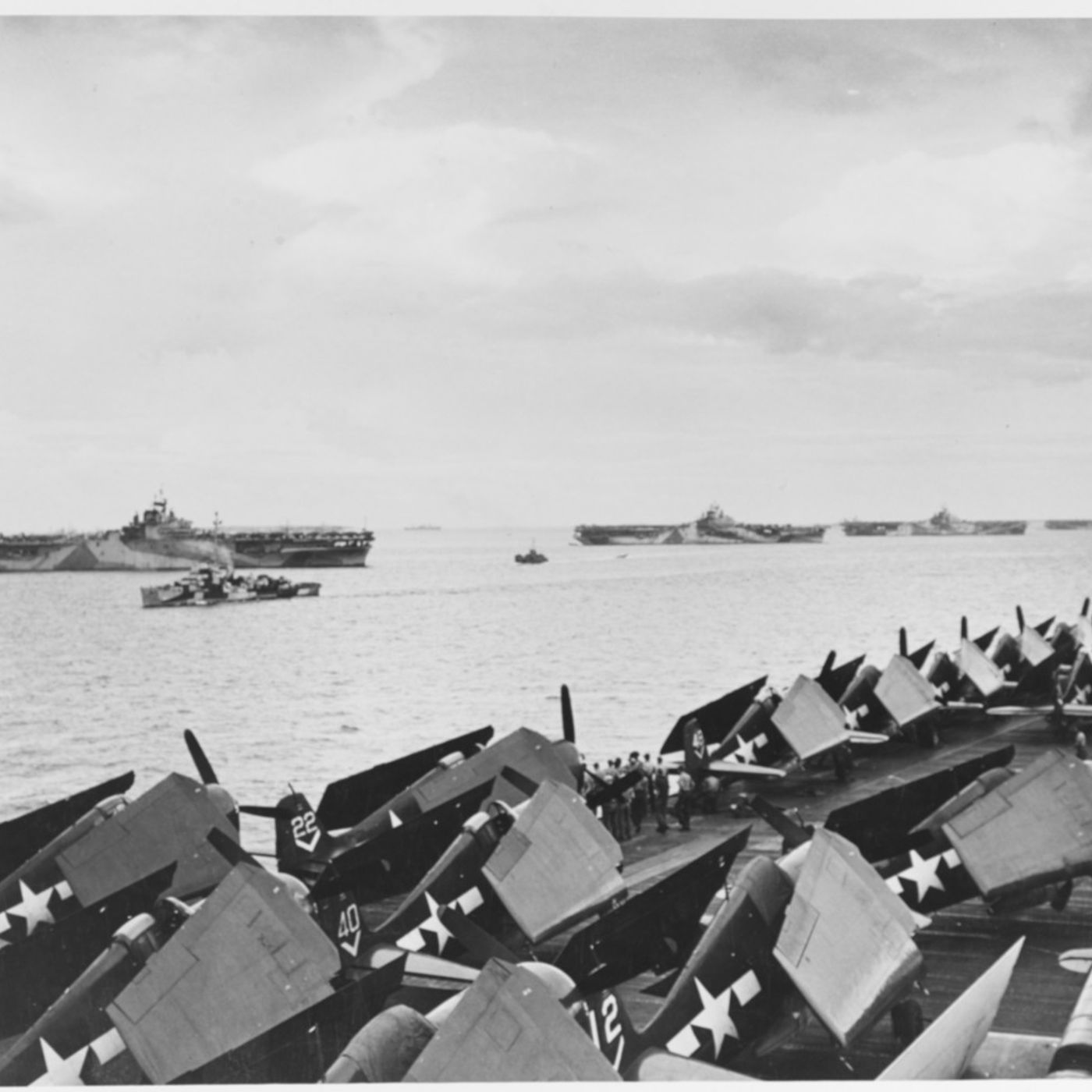
Need a moment to recover from Valentine’s Day? Of course you do!ShowlinksTruxtun-Supply CollisionSecretary of State Marco Rubio at the Munich Security ConferenceMaritime Action PlanSummaryIn this episode of Midrats, Sal and Mark discuss various topics related to national security, starting off with the Truxton-Supply collision. They also delve into Secretary Rubio’s speech regarding NATO relations, the decline of the international order, and the challenges posed by China’s global influence. Additionally, they explore the Maritime Action Plan and its significance for the future of shipbuilding and economic policy in the U.S.Chapters00:00: Introduction02:10: The Truxtun-Supply Collision11:55: Operational Tempo and Navy Readiness17:24: Secretary Rubio’s Speech and NATO Relations27:18: The Decline of the International Order37:03: China’s Global Influence and Fishing Practices45:51: Maritime Action Plan and Economic Policy57:59: Strategic Capabilities and Future of Shipbuilding
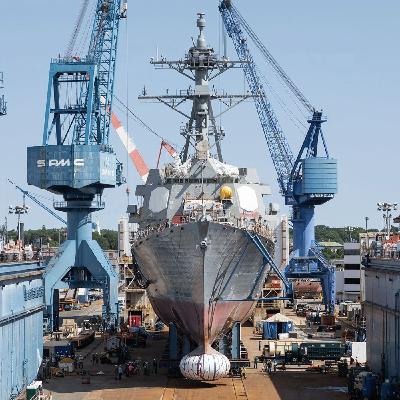
Show LinksThe Congress, the Golden Fleet, and the Shipbuilding Industrial Base in 2026SummaryIn this episode of Midrats, Sal and Mark engage with Eric Labs, a senior analyst at the Congressional Budget Office (CBO), to discuss the complexities of shipbuilding costs, the role of the CBO in providing independent estimates, and the challenges faced by the U.S. Navy in maintaining and expanding its fleet. Eric shares insights on the differences between CBO and Navy cost estimates, the impact of maintenance on overall ship costs, and the importance of a skilled labor force in shipbuilding. The conversation also touches on the historical context of shipbuilding budgets, congressional appropriations, and the future of naval forces in the face of evolving defense needs.Dr. Eric Labs is Senior Analyst for Naval Forces and Weapons at the Congressional Budget Office in Washington, D.C. He specializes in issues related to the procurement, budgeting, and sizing of the forces for the Department of the Navy. He received his doctorate in political science from the Massachusetts Institute of Technology and graduated from Tufts University, summa cum laude, in 1988. He has worked for the Institute for Foreign Policy Analysis in Cambridge, Massachusetts and, from 1994 to 1995, as a Visiting Scholar at the Center for International Security Studies at the University of Maryland. Dr. Labs has been with the Congressional Budget Office since 1995. Chapters00:00: Introduction to the CBO and Eric Labs03:01: Understanding the Role of the CBO06:01: Cost Estimation Approaches in Shipbuilding08:54: Historical Context of CBO Estimates vs Navy Estimates12:04: Challenges in Shipbuilding Cost Estimates15:09: The Impact of Maintenance on Ship Costs18:00: Congressional Budgeting and Shipbuilding Appropriations20:48: Labor Force Challenges in Shipbuilding23:58: Future of the U.S. Navy Fleet and Shipbuilding27:05: Conclusion and Future Considerations

No need to force yourself to head outside in this horrible weather—unless you are in the Free State of Florida where the high is expected to hit 80F or so.From the Friday National Defense Strategy dump to whatever comes over the transom, we’ve got you covered.Show Links2026 National Defense StrategyHeritage Foundation’s, TidalwaveBeans, Bullets, and Black Oil, Rear Adm. Worrall Reed, USNFourth Arm of Defense: Sealift and Maritime Logistics in the Vietnam War, Sal MercoglianoUSS Zumwalt Underway for First Time Since 2023 After Missile Refit, Sam LaGrone2009, George Soros interviewed by then WEF ‘Young Global Leader’ and future Canadian Deputy Prime Minister, Chrystia FreelandSummaryIn this episode of Midrats, the hosts discuss the recent release of the National Defense Strategy, its implications for U.S. military policy, and the focus on China one of the primary concerns. They also address European defense responsibilities, Canada’s political landscape, and the importance of logistics in military preparedness. The conversation highlights the need for candor within military culture and the future of naval warfare technologies.Chapters00:00: Introduction and Overview02:45: Airing Grievances: National Defense Strategy Release07:09: Analysis of National Defense Strategy12:41: Focus on China: Realistic Approaches18:31: European Defense Responsibilities24:28: Canada’s Political Landscape and Defense Issues30:38: Logistics and Military Preparedness40:48: The Importance of Candor in Military Culture53:30: Future of Naval Warfare and New Technologies

Is four months too short a turnaround for a guest on Midrats? Not if the topic at hand keeps running to the top of your read board.From the unending diplomacy responding to the Trump Administration’s unending drive to get Greenland’s geography—and the resulting security—more firmly under American control, to the sitcom-worthy deployment of a couple of dozen “Coalition of the Freezing”—Greenland can’t-stop-won’t-stop from gathering eyeballs and attention.So, we’re bringing back Elizabeth Buchanan for another visit. We’ll use her recent article in The Spectator as starting off point, A buyer’s guide to Greenland.Dr. Elizabeth Buchanan is a senior fellow with the Australian Strategic Policy Institute and an expert associate of the French Ministry of Armed Forces’ Institute for Strategic Research.Most recently she was Head of Research for the Royal Australian Navy (Department of Defence). Dr Buchanan is co-founder of the polar warfare program (Project 6633) at the Modern War Institute of the West Point Military Academy. Before joining Australia’s Defence Department, Dr. Buchanan was Lecturer of Strategic Studies for the Defence and Strategic Studies Course at the Australian War College.Elizabeth holds a Ph.D. in Russian Arctic Strategy and completed her post-doctoral studies as a Maritime Fellow at the NATO Defense College in Rome. She has published widely on geopolitics, most recently with Australian Foreign Affairs, International Affairs, War on the Rocks, Foreign Policy, Foreign Affairs, The Australian, and The American Conservative.Dr. Buchanan has been a Visiting Scholar with the Brookings Institution and was an analyst with Royal Dutch Shell. Elizabeth has three published books:: Russian Energy Strategy in Asia and Red Arctic: Russian Arctic Strategy under Putin. In addition to, So you want to own Greenland, she also has an upcoming book, Competitive Cooperation at the Ends of the Earth.Show links:So You Want to Own Greenland?: Lessons from the Vikings to Trump.Liz’s SEP 2024 visit to Midrats.The Unfortunate Greenland Kerfuffle.Denmark’s strategic concerns about China and Russia around Greenland, via Nick Solheim.Liz on X.SummaryIn this episode of Midrats, the hosts welcome back Dr. Elizabeth Buchanan, a senior fellow at the Australian Strategic Policy Institute and Center for the National Interest, to discuss the ongoing geopolitical significance of Greenland. The conversation delves into the historical context of U.S.-Greenland relations, particularly in light of recent tensions and discussions surrounding Greenland’s potential independence. Dr. Buchanan emphasizes the importance of understanding Greenland’s strategic position in the Arctic, especially regarding U.S. national security interests and the implications of a changing global landscape, including China’s growing influence. The dialogue also touches on the complexities of Greenland’s relationship with Denmark and the potential for a direct U.S.-Greenland partnership.Chapters00:00: Introduction and Overview of Greenland’s Importance02:38: Historical Context of U.S.-Greenland Relations05:52: The 2004 Defense Treaty and Its Implications12:23: Greenland’s Independence Movement and Future Prospects31:50: Best Case Scenarios for U.S.-Greenland Relations32:17: Understanding the Scrappy Spirit of Greenland39:12: The Geopolitical Landscape: Europe and the U.S.54:31: Greenland’s Future: Independence or Status Quo?
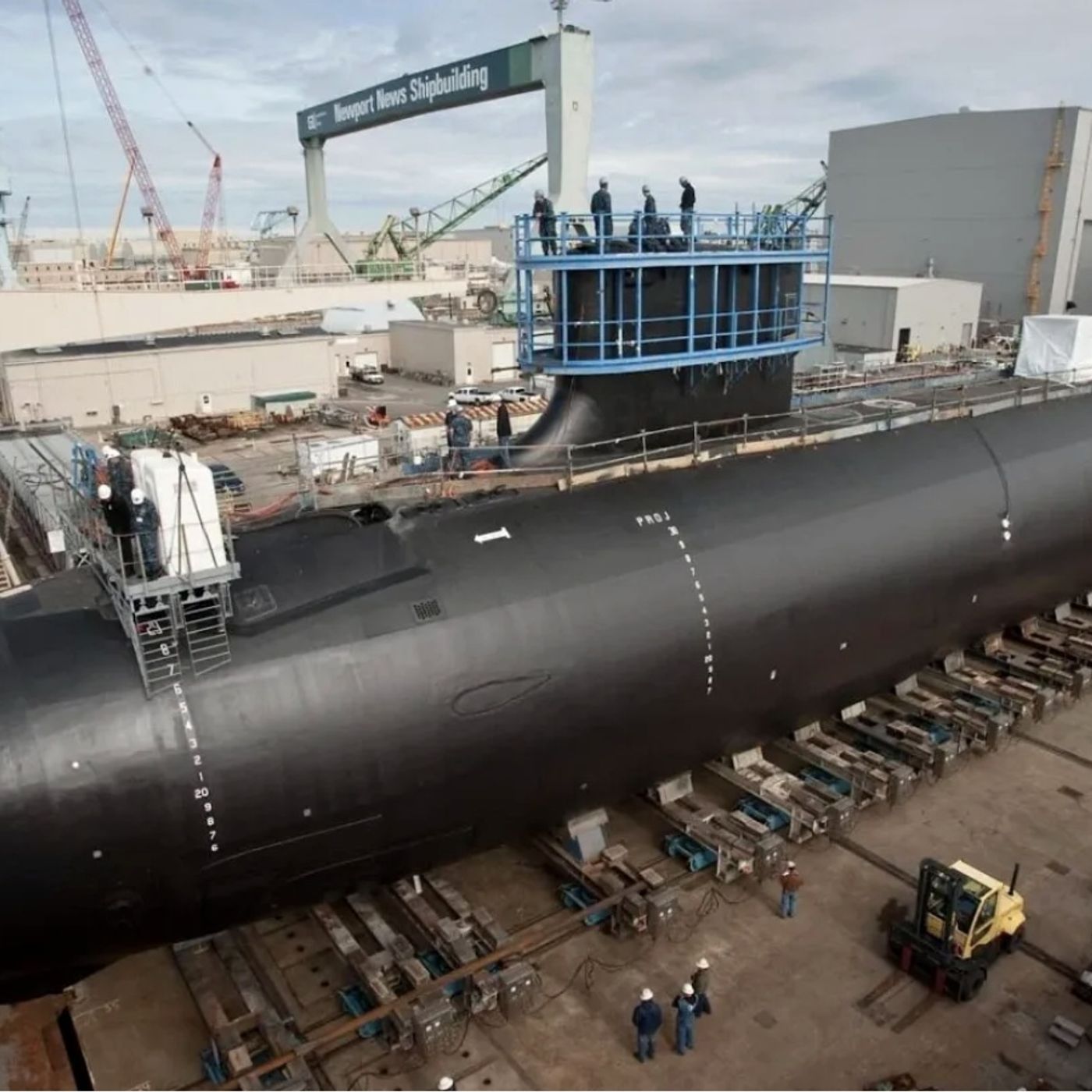
SummaryIn this conversation, the hosts and Palantir’s Head of Defense Mike Gallagher and Head of Shipbuilding and Naval Programs Matt Babin discuss the integration of AI and advanced manufacturing techniques in shipbuilding, particularly focusing on the role of Palantir’s ShipOS in transforming shipyard operations. They explore the generational gap in expertise within the industry, the importance of optimizing workforce efficiency, and the collaboration between NAVSEA and the Maritime Industrial Base Program. The discussion also touches on legislative support needed for modern shipbuilding and the challenges faced in submarine maintenance and production.ShowlinksU.S. Navy Partners with Palantir to Modernize Shipbuilding Supply Chain and Accelerate ShipbuildingThe Maritime Industrial Base ProgramHow big is the Columbia SSBN?TakeawaysAI and software can enhance traditional shipbuilding processes.ShipOS integrates various aspects of shipyard operations.Bridging the generational gap is crucial for shipbuilding.Workforce efficiency can be optimized through better planning.Legislative support is needed for consistent funding in shipbuilding.Software tools can help decision-makers understand costs better.The shipbuilding industry must attract younger talent.Chapters00:00: The Future of Shipbuilding and AI Integration03:55: Transforming Shipyard Operations with ShipOS10:31: Bridging Generational Gaps in Shipbuilding Expertise12:00: Optimizing Workforce Efficiency in Shipyards18:24: Advanced Manufacturing Techniques in Shipbuilding20:48: Leveraging Commercial Technology for Naval Advantage25:51: Collaboration Between NAVSEA and the Maritime Industrial Base Program33:42: Legislative Support for Modern Shipbuilding44:32: Addressing Challenges in Submarine Maintenance and Production

With a few days now behind us, most of the general facts are in on our raid into Caracas, Venezuela to capture Nicolás Maduro and, it appears, his wife as well.Now that Maduro is a guest of the Southern District of New York, it is time to not just look at some of the details of the buildup and execution of this raid, but the initial lessons we can take from it, and what it means in the larger strategic environment.SummaryIn this episode of Midrats, Mark and Sal discuss the recent military operation in Venezuela, reflecting on its execution and implications for national security. They explore the potential for Venezuela’s recovery, the role of governance, and the international reactions to the operation. The conversation also touches on the economic impact of Venezuelan oil, China’s influence in the region, and the effectiveness of international organizations like the UN.TakeawaysThe military operation in Venezuela was well-planned and executed.The ages of service members involved ranged from 20 to 49.Venezuela has the potential for economic recovery if governance improves.China’s influence in Latin America poses challenges for U.S. interests.The UN’s effectiveness in international law is questioned.Venezuelan oil could impact global energy prices.The operation sends a strong signal to adversaries.Governance and rule of law are crucial for Venezuela’s future.The U.S. military’s capabilities are unmatched globally.The situation in Venezuela is a test for U.S. foreign policy.Chapters00:00: New Year, New Beginnings02:11: Operation in Venezuela: A Military Success09:36: Venezuela’s Future: Opportunities and Challenges16:25: International Reactions and Implications23:08: The Role of Governance in Venezuela’s Recovery28:16: The Economic Impact of Venezuelan Oil36:38: China’s Influence and Global Fishing Rights43:17: The UN and International Law: A Critical View48:38: Looking Ahead: The Path for Venezuela

History isn’t just about the past; it’s a guide for today! On this episode, we unravel the myths surrounding Pearl Harbor and what they teach us about current global tensions with returning guest, John Keuhn.Dr. John T. Kuehn is Professor of Military History at the Army Command and General Staff College. He served in the US Navy as a naval flight officer flying in EP-3s and ES-3s, retiring in 2004. He has authored or co-authored seven books and was awarded a Vandevort Prize from the Society for Military History in 2023 for his article “Zumwalt, Holloway, and the Soviet Navy Threat Leadership in a Time of Strategic, Social, and Cultural Change.”His latest book from is Strategy in Crisis (Naval Institute, 2023).SummaryIn this episode, Sal, Mark and guest John Kuehn discuss the historical significance of the Pearl Harbor attack, exploring its lessons for modern military strategy and the importance of public support in warfare. They analyze the complexities of the attack, the role of logistics in sustaining naval forces, and the geopolitical implications of sea lines of communication. The conversation also touches on the current state of the U.S. Navy and the strategic calculations of China in the context of potential conflict over Taiwan.Chapters00:00: Introduction and Context of Pearl Harbor04:22: Understanding the Surprise Attack10:41: Lessons from Pearl Harbor for Modern Warfare17:27: The Role of Public Support in War25:12: The Importance of Selling Naval Power31:08: Logistics and Sustaining Naval Forces39:42: Geopolitical Implications of Sea Lines of Communication46:00: China’s Strategic Calculations and Modern Warfare56:40: Conclusion and Future Considerations
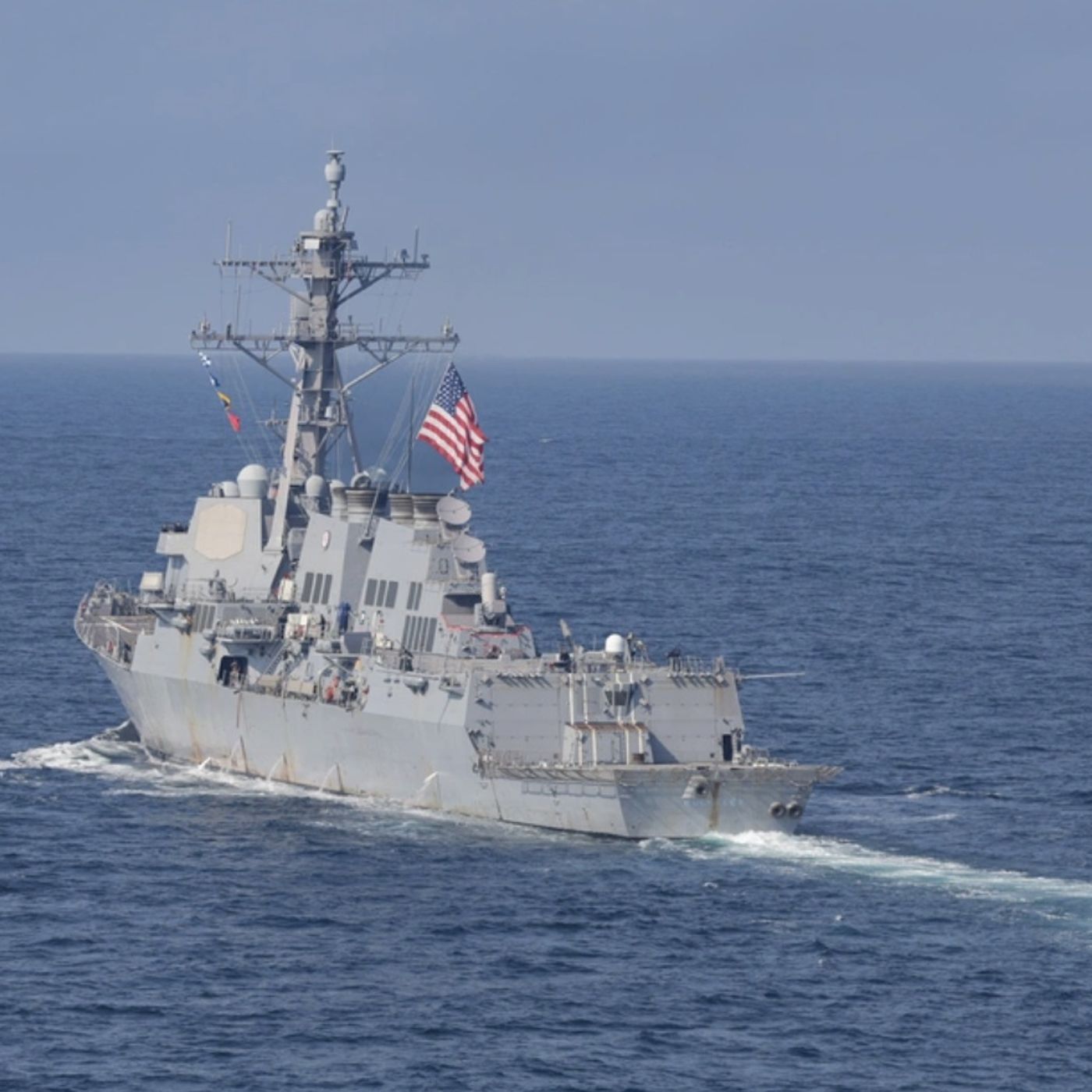
One of our guests on Episode 3 of Midrats was Bryan McGrath, CDR, USN (Ret.). Over the years he’s returned often, and has even graced us with the pleasure of a few guest posts here.As he’s let people know for years, he was going to retire for good at 60. True to his word, he hung it up a few weeks ago.Earlier this year before he got too focused on his figs and vines, I asked Bryan to come on for a broad-ranging conversation.What a great hour.A retired Naval Officer, Bryan spent 21 years on active duty including a tour in command of USS BULKELEY (DDG 84), a guided-missile destroyer homeported in Norfolk, Virginia. In command, he received the “Admiral Elmo Zumwalt Award for Inspirational Leadership” from the Surface Navy Association and his ship earned the USS ARIZONA Memorial Trophy signifying its selection as the Fleet’s most combat-ready warship. His final duties ashore included serving as Team Lead and Primary Author of the US Navy’s 2007 Maritime Strategy “A Cooperative Strategy for 21st Century Seapower”.Bryan was formerly the Deputy Director of the Hudson Institute Center for American Seapower. In this capacity, he helped develop the Surface Navy’s “Distributed Lethality” concept and the Center for Strategic and Budgetary Assessments’ 2017 Navy Alternate Fleet Architecture Study.Bryan earned a BA in History from the University of Virginia in 1987, and an MA in Political Science (Congressional Studies) from The Catholic University of America. He is a graduate of the Naval War College.He retired again in November 2025 after 13 years in defense consulting.Show LinksThe End of the Road, Bryan McGrathIn Praise of the Military-Industrial Complex, Bryan McGrathSummaryIn this episode of Midrats, hosts Sal and Mark welcome back Bryan McGrath to discuss his reflections on retirement, the changes in the naval environment over the years, and the importance of relationships in naval policy. They delve into the challenges facing shipbuilding and naval strategy, the need for diverse naval capabilities, and the influence of Congress on naval development. The conversation also touches on personnel and leadership in the Navy, learning from past naval conflicts, and the impact of historical events on naval leadership. Bryan shares insights on future directions for naval operations, praises recent naval performance, and emphasizes the role of technology in naval warfare. The episode concludes with a discussion on collaboration between industry and military and Bryan’s final thoughts on future advocacy in the naval sphere.Chapters00:00: Introduction and Guest Background04:46: Reflections on Retirement and Career Path07:35: Changes in Naval Environment Over the Years11:17: The Importance of Relationships in Naval Policy14:47: Challenges in Shipbuilding and Naval Strategy18:03: The Need for Diverse Naval Capabilities21:25: Congressional Influence on Naval Development24:40: Personnel and Leadership in the Navy28:14: Learning from Past Naval Conflicts32:45: The Impact of Historical Events on Naval Leadership36:08: Future Directions for Naval Operations39:00: Praise for Naval Performance in Recent Operations43:23: The Role of Technology in Naval Warfare46:57: Collaboration Between Industry and Military50:48: Final Thoughts and Future Advocacy
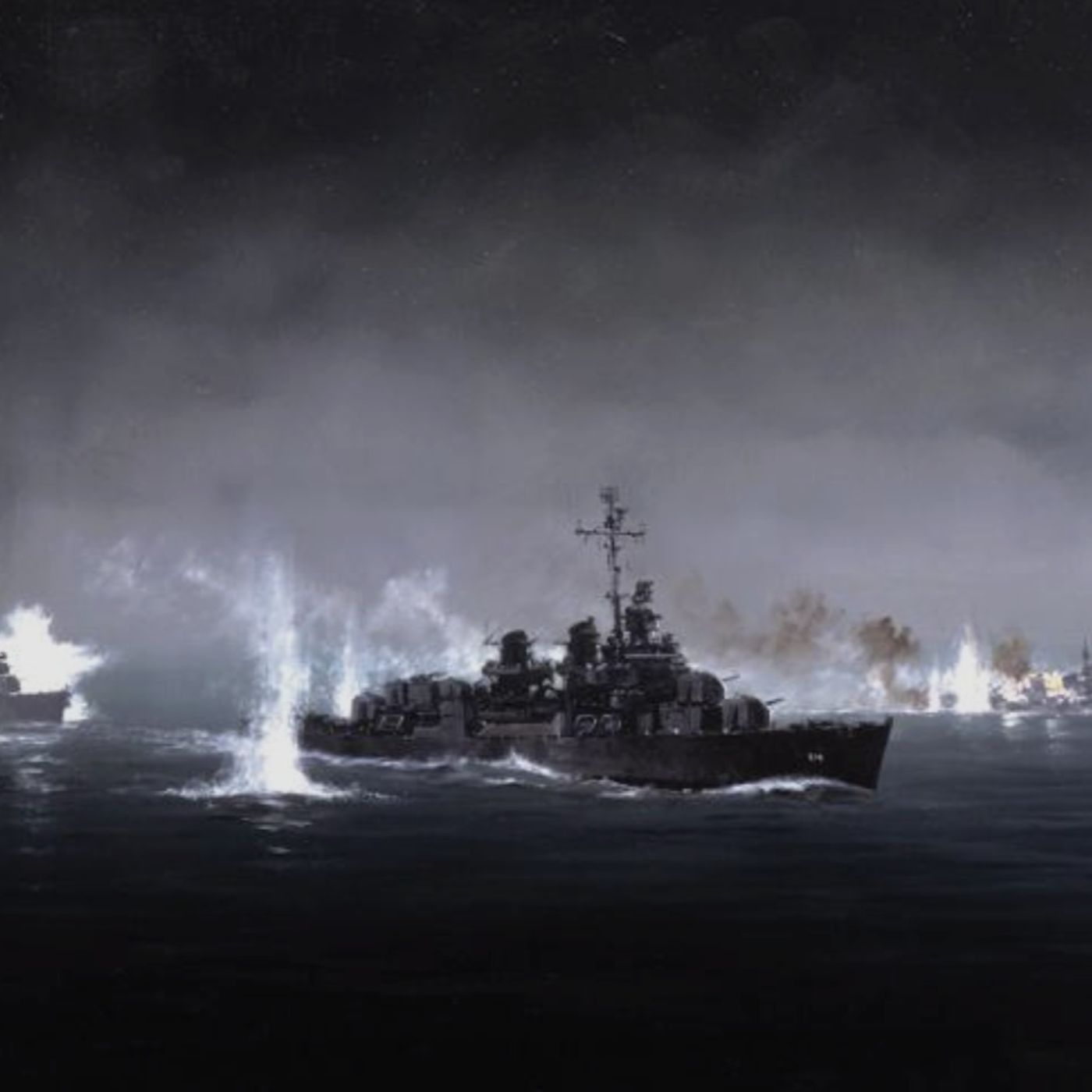
SummaryIn this episode of Midrats, Sal and Mark discuss various aspects of national security, including military deployments, the influence of drug cartels, and the geopolitical dynamics in South America. They delve into the implications of China’s growing presence in the Western Hemisphere and the challenges posed by information warfare. The conversation also touches on the ethical considerations surrounding military orders and reflects on the representation of military experiences in media, particularly in relation to the Vietnam War.Show LinksThe Last 600 MetersDoes Rep. Maggie Goodlander (D NH) really have your back?NORK labor to Russia to build dronesNauru President visits PRCCorbett, China, and CounterintelligenceThe Navy’s new unmanned acquisition officeTactical quantumSmall Wars Journal on the Future FightChapters00:00: Welcome and Thanksgiving Reflections02:11: Military Deployments and National Security04:41: Venezuela and Drug Cartels10:47: South America: Political Dynamics and Security12:54: China’s Influence in the Western Hemisphere20:31: Information Warfare and Disinformation25:59: China’s Global Relationships and Military Strategy30:03: The Role of Smaller Nations in Global Security35:05: Technological Challenges in Modern Warfare48:25: Legal and Ethical Considerations in Military Orders01:00:34: Reflections on Vietnam and Military Representation

 1
1For a decade and a half, since President Obama’s Pacific Pivot speech, there has been a rising tide in the conversation about the need to fix the US Navy’s shortfall to meet the challenge of the People’s Republic of China.Faced with systemic and cascading failures in everything from surface ship design to maintenance, and distractions as frivolous as Great Green Fleets at sea and as serious as the Islamic State ashore, navalists have been waiting for serious action on the waterfront to match the rising tide of the strategic situation.Rhetorically at least, the second Trump administration came in saying all the right things to give hope that, at last, we would turn into the wind.Are we?Returning to the Midrats Podcast is Chris Servello, CDR, USN (Ret.), cofounder of Provision Advisors PR Consultancy. Show LinksCavas Ships PodcastProvision AdvisorsSummaryIn this episode of Midrats, Mark, Sal, and Chris Servello discuss the current state of the U.S. Navy, focusing on leadership challenges, the importance of communication, and the need for innovation in naval strategy and technology. They explore the cultural issues within the Navy that hinder progress and the necessity for reform in acquisition processes. The conversation also touches on the role of allied navies and the importance of domestic shipbuilding capabilities in maintaining American sea power.TakeawaysThe Navy is at a critical juncture in reclaiming its sea power.Leadership changes are necessary to address the Navy’s challenges.Communication with Congress and the public is vital for naval support.Cultural issues within the Navy contribute to a lack of innovation.The Navy must learn from allied navies and their practices.Acquisition processes need significant reform to be effective.Risk-taking and creativity are essential for naval success.Domestic shipbuilding capabilities must be prioritized over outsourcing.The current political climate affects national security discussions.The Navy’s future depends on effective leadership and strategic planning.Chapters00:00: Introduction05:04: Reflections on Naval Strategy and Leadership09:51: Challenges in Navy Leadership and Administration14:47: Comparative Analysis of Military Services19:50: The Importance of Communication and Public Engagement24:51: Innovations in Naval Technology and Acquisition Reform30:07: Concluding Thoughts on Naval Future and Leadership32:18: Navigating Leadership Challenges in the Navy34:28: The State of American Sea Power36:42: Balancing Domestic and Foreign Shipbuilding40:52: The Future of Naval Strategy and Technology45:18: The Role of Congress in Naval Affairs48:32: Innovating Beyond Traditional Naval Constructs51:43: Cultural Barriers to Risk and Innovation56:40: Reviving Experimentation in Naval Programs01:00:07: Learning from Global Naval Practices
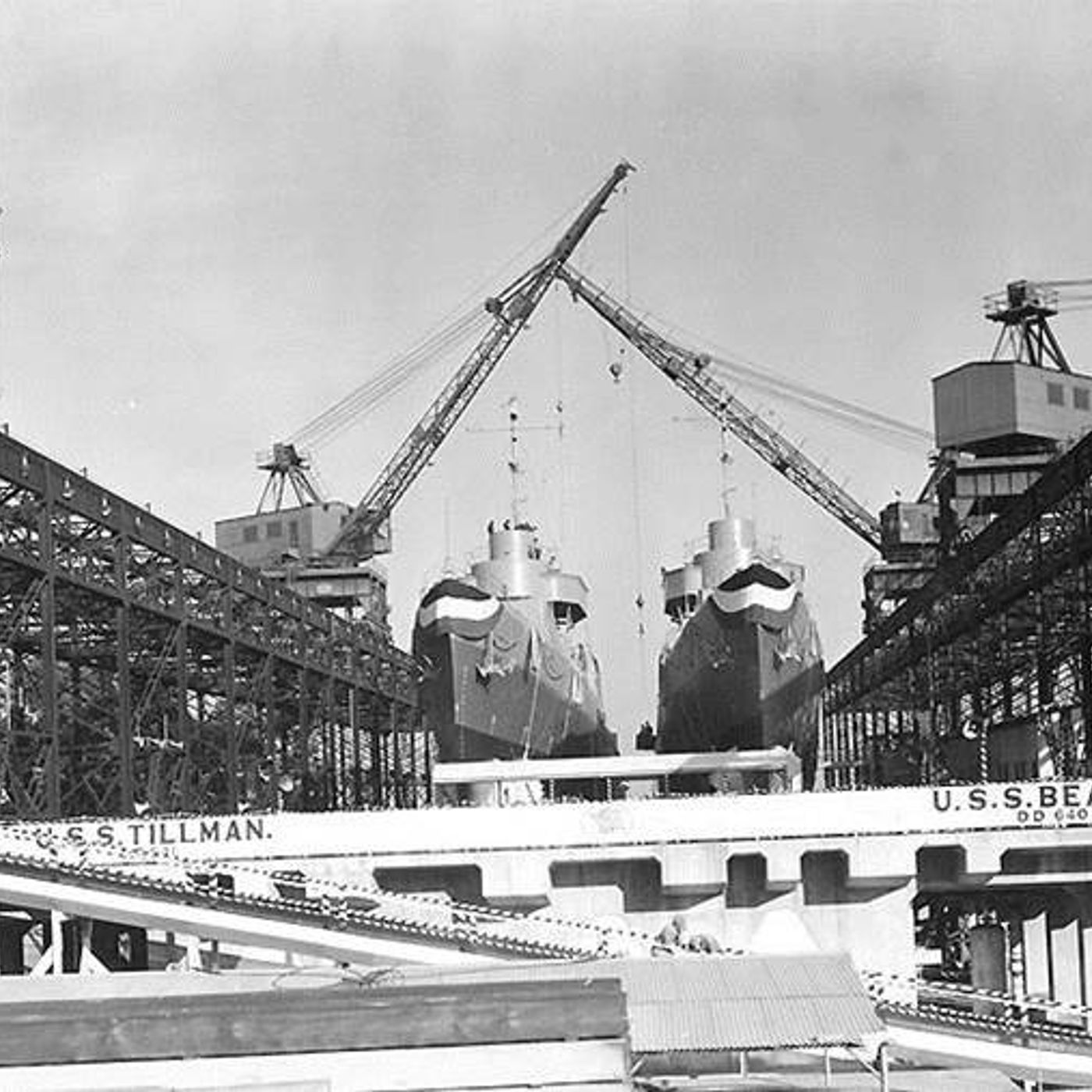
How are naval shipbuilding, commercial shipbuilding, and commercial shipping linked together to create a healthy and effective national seapower ecosystem?What did the 1990s “Last Supper” get wrong, and what can be done to correct the error?Our guest this week is Hunter Stires, founder and CEO of The Maritime Strategy Group, returning to Midrats to discuss this and more.We will be using as a starting point for our discussion the recent article that he co-wrote with Steve Brock at CIMSEC, Maritime Statecraft and its Future.SummaryIn this conversation with Sal and Mark, Hunter Stires discusses the interconnectedness of naval shipbuilding, commercial shipping, and the broader maritime strategy of the United States. He emphasizes the historical context of U.S. maritime power, the importance of bipartisan support for revitalizing the shipbuilding industry, and the role of allies like South Korea in enhancing U.S. capabilities. The discussion also touches on workforce challenges, the need for competition in the shipbuilding sector, and the strategic imperative of maintaining a robust maritime ecosystem.ShowlinksMaritime Statecraft and its Future, by Steve Brock and Hunter StiresThe Neptune Factor: Alfred Thayer Mahan and the Concept of Sea Power, by Nicholas A. LambertThe Influence of Sea Power Upon History, by Alfred Thayer MahanShipbuilding, Shareholders, and National Asynchronization, by CDR SalamanderShareholder Interests Are at Odds with Navy Needs, by Martin BollingerEpisode 736: Anduril and the Promise of Autonomous Systems - with Chris Brose, by CDR Salamander & Mark TempestTakeawaysThe U.S. maritime ecosystem is interconnected and requires a holistic approach.Bipartisan support is crucial for revitalizing the shipbuilding industry.Historical lessons from figures like Mahan are relevant today.South Korea’s investment in U.S. shipbuilding symbolizes a strong partnership.Workforce challenges in shipbuilding can be addressed through better pay and training.Outsourcing shipbuilding undermines U.S. strategic interests.Competition in the shipbuilding sector leads to innovation and efficiency.The U.S. must leverage its allies for technological advancements in shipbuilding.A maritime revival is possible with the right political will and strategy.Investment in shipbuilding is essential for national security.Chapters00:00: Introduction to Maritime Strategy and Ecosystem02:05: The Interconnection of Naval and Commercial Shipbuilding07:06: Historical Context: Lessons from Mahan and the Past14:40: Bipartisan Support for Maritime Revival18:16: The Role of South Korea in U.S. Shipbuilding31:00: Challenges in U.S. Shipbuilding and Workforce41:50: Future Directions and Strategic PartnershipsHunter Stires served as the Maritime Strategist to the 78th Secretary of the Navy, completing his term in June 2025. He has been recognized for his work as one of the principal architects of the Maritime Statecraft strategy put into action by Secretary of the Navy Carlos Del Toro to rebuild America’s comprehensive maritime power, both commercial and naval. Mr. Stires serves as a Non-Resident Fellow with the Navy League’s Center for Maritime Strategy and as the Project Director of the U.S. Naval Institute’s Maritime Counterinsurgency Project. A graduate of Columbia University, Mr. Stires previously served in the Office of the Undersecretary of Defense for Policy and in several positions on the Navy Staff, including in OPNAV N96 Surface Warfare Directorate, OPNAV N95 Expeditionary Warfare Directorate, and OPNAV N522 Navy Irregular Warfare Group. Since departing government, Mr. Stires founded and now serves as CEO of The Maritime Strategy Group.Mr. Stires has been recognized twice with the U.S. Naval Institute’s General Prize, the premier writing award of the U.S. Navy, Marine Corps, and Coast Guard, judged in the blind by active duty Sea Service professionals each year since its inception in 1879. He was awarded 1st Prize for “The South China Sea Needs a ‘COIN’ Toss,” published in Proceedings in May 2019; he was awarded 2nd Prize for “Win Without Fighting,” published in June 2020. His article in the Summer 2019 issue of the Naval War College Review, “‘They Were Playing Chicken:’ The U.S. Asiatic Fleet’s Gray-Zone Deterrence Campaign against Japan, 1937-40,” was selected for inclusion in the Newport Papers monograph Deterrence. Mr. Stires’s published work has been cited in a wide range of outlets, including Voice of America, Radio Free Asia, War on the Rocks, The National Interest, 19FortyFive, the Liberty Times, Rappler, and the South China Morning Post —as well as the Chinese language edition of the Global Times.
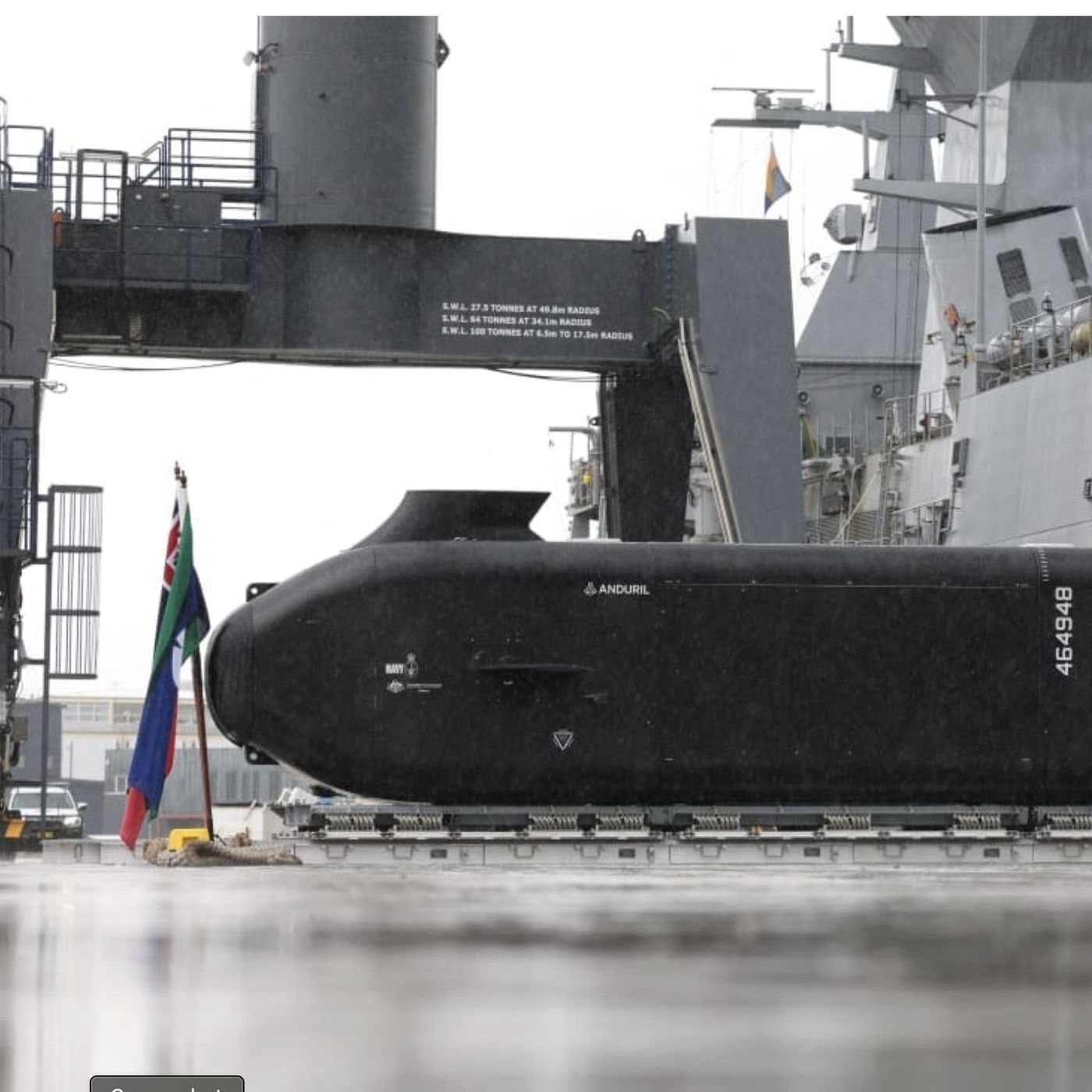
SummaryIn this conversation, Chris Brose, President and Chief Strategy Officer of Anduril, joins Sal and Mark to discuss the company’s mission to revolutionize defense technology by integrating commercial innovations into military applications. He emphasizes the need for mass-producible military capabilities, the importance of adaptability in modern warfare, and the challenges posed by the current U.S. acquisition system. Brose also highlights the significance of collaborative combat systems and international partnerships, particularly through the Ghost Shark program with the Australian Navy. He expresses optimism about the future of U.S. defense, advocating for a shift towards a more agile and innovative approach to military production and strategy.Chapters00:00: Introduction to Anduril and Its Mission04:26: The Unique Position of Anduril in Defense09:02: The Shift in Military Strategy and Production Needs13:11: Designing for Mass Production and Scalability17:50: Innovations in Collaborative Combat Systems23:35: The Ghost Shark Program and International Collaboration28:02: Challenges in the U.S. Acquisition System34:34: Deployability and Operational Integration of New Systems39:41: Cost-Effective Solutions for Modern Warfare45:01: Optimism for the Future of U.S. Defense
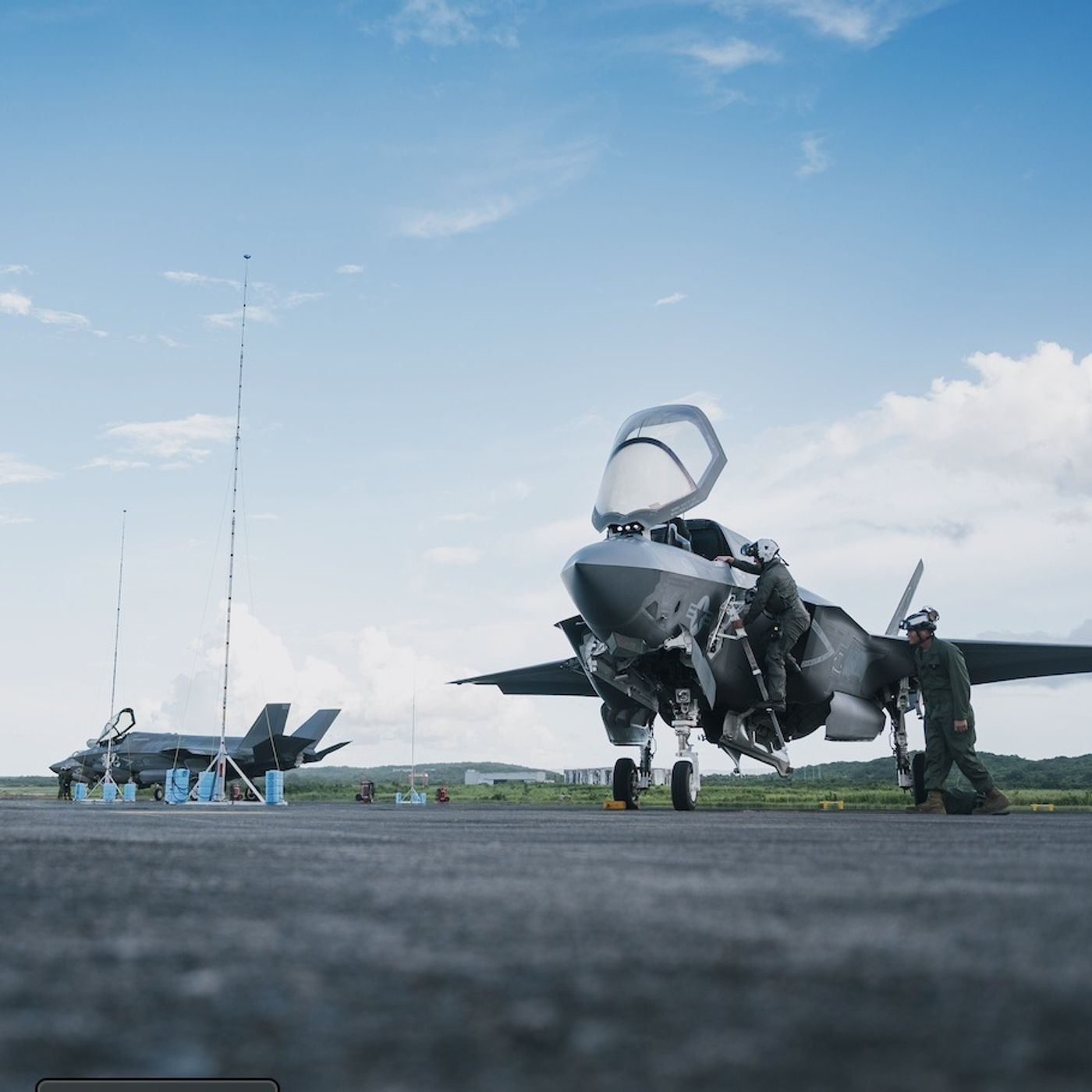
SummaryIn this episode of Midrats, the hosts discuss a range of topics related to national security, military strategy, and current events. They reflect on the 25th anniversary of the USS Cole attack, analyze the ongoing dynamics in the Middle East, and explore the implications of military presence and partnerships. The conversation also delves into submarine capabilities, logistics challenges, and innovations in supply chain solutions. Additionally, they touch on mine warfare, military pay issues, and the Navy’s upcoming 250th anniversary, concluding with a debate on the relevance of battleships in modern warfare.Show LinksMidrats Podcast with Kirk LippoldJapan Will Arm Its Submarines With Long-Range Cruise Missiles, Thomas Newdick at TWZ.Can the President Pay Troops During a Government Shutdown?, at GovFactsHypersonic-Armed Destroyers and Submarines are Relocating to Hawaii, Carter Johnson at Naval News.Fighting China, Fast and Slow: The Real Logistics Challenge in the Taiwan Strait, Maximilian K. Bremer and Kelly A. Grieco at Foreign AffairsU.S. Guided-missile Sub Makes Rare Appearance in the Philippines, Sam LaGrone at USNI News.The Battleship Continues to Haunt the US Navy, by James Holmes at The National InterestTakeawaysThe USS Cole attack marked a significant turning point in U.S. military operations overseas.Current peace efforts in the Middle East may provide a unique opportunity for stability.Military presence in strategic regions is crucial for maintaining alliances and deterrence.Submarine capabilities are essential for modern naval warfare and need to be prioritized.Japan’s military developments indicate a shift in regional security dynamics.Logistics challenges remain a critical concern for U.S. military operations.Innovative supply chain solutions are necessary for sustaining military forces in conflict zones.Mine warfare is an underappreciated aspect of naval strategy that requires attention.Military pay and accountability are fundamental responsibilities of leadership.The Navy’s 250th anniversary serves as a reminder of its historical significance and ongoing evolution.Chapters00:00: Introduction03:40: Reflecting on the USS Cole Attack10:27: Current Middle East Dynamics and Peace Efforts15:22: Military Strategy and International Relations20:11: Logistics Challenges in Modern Warfare29:33: Creating Targeting Problems in Warfare32:29: Addressing Cargo Capacity Challenges33:23: Leveraging Allies for Shipbuilding35:37: The Importance of Mine Warfare37:10: Ensuring Military Pay During Budget Crises41:06: Supporting Military Relief Organizations43:44: Celebrating the Navy’s 250th Anniversary46:50: The Debate on Battleships’ Relevance53:13: Future of Naval Warfare and Technology
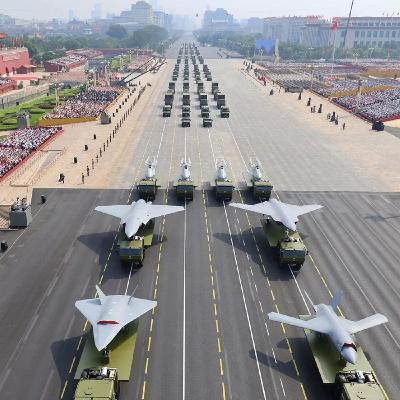
For decades, while the rest of the world’s powers have distracted and tangled themselves with wars of choice and blunder, the People’s Republic of China has been watching, learning, and building. To what end?Returning to Midrats to discuss this and more will be Dean Cheng.Dean is a Senior Advisor, United States Institute of Peace; Non-resident Senior Fellow, Potomac Institute for Policy Studies; Non-resident Fellow, George Washington University Space Policy Institute.He recently retired after 13 years with the Heritage Foundation, where he was a senior research fellow on Chinese political and security affairs, and wrote on various aspects of Chinese foreign and defense policy.Prior to joining the Heritage Foundation, he was a senior analyst with the China Studies Division (previously, Project Asia) at CNA from 2001-2009.Before joining CNA, he was a senior analyst with Science Applications International Corporation (SAIC) from 1996-2001. From 1993-1995, he was an analyst with the US Congress’ Office of Technology Assessment in the International Security and Space Division, where he studied the Chinese defense industrial complex.He is the author of the book Cyber Dragon: Inside China’s Information Warfare and Cyber Operations (NY: Praeger Publishing, 2016), as well as a number of papers and book chapters examining various aspects of Chinese security affairs.Show LinksXi Jinping hails ‘unstoppable’ China at landmark military parade, Financial TimesMore than pageantry, China’s military parade shows off new missiles, drones and other equipment, The IndependentYJ-15 missile, YJ-19, YJ-17, YJ-20 hypersonic missiles, Global TimesNASA Names Astronauts to Next Moon Mission, First Crew Under ArtemisSummaryIn this conversation, Dean Cheng and the hosts discuss the implications of China’s recent military parade, the evolution of its nuclear capabilities, and the modernization of its conventional military forces. They focus on China’s ambition to establish a new world order and the strategic importance of its space and cyber capabilities. The discussion also touches on the role of coercion and deterrence in China’s military strategy, as well as the challenges posed by its growing influence on the global stage.TakeawaysChina’s military parade reflects its growing power and ambition.The presence of foreign leaders at the parade indicates shifting alliances.China is expanding its nuclear capabilities significantly.The PLA is focusing on both conventional and nuclear modernization.China’s approach to military strategy includes both coercion and deterrence.The Chinese space program aims for long-term presence on the moon.China’s cyber capabilities are evolving rapidly and pose a threat.The PLA’s indigenous production capabilities are improving.China’s military strategy is influenced by its historical context.The geopolitical landscape is changing with China’s rise.Chapters00:00: Introduction to the Discussion on China and Military Parades03:07: Analysis of the Recent Military Parade and Its Implications06:05: The Evolution of China’s Nuclear Capabilities12:07: China’s Conventional Military Strategy and Modernization16:04: China’s Global Influence and New World Order20:06: The Role of Coercion and Deterrence in Chinese Strategy26:12: China’s Space Program and Technological Advancements34:59: China’s Cyber and Information Warfare Capabilities43:46: The Future of China’s Military and Strategic Developments
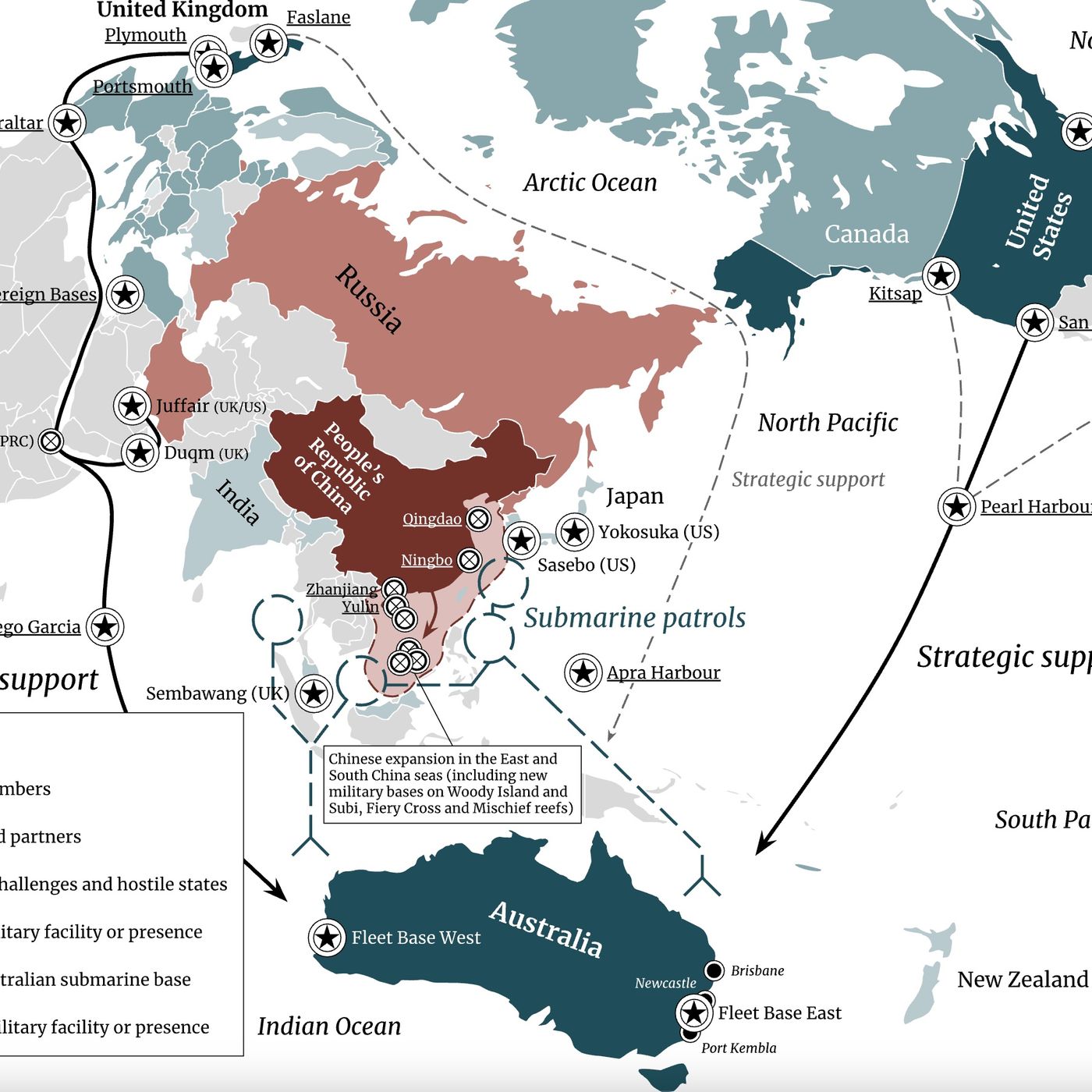
Yes, September is Australian Appreciation Month on the Midrats Podcast. Building on our discussion earlier this month with Liz Buchanan, we are returning to the perspective from the Antipodes with returning guest Gray Connolly.From Afghanistan, to the Antarctic, to the approaches to the Arctic through the Pacific, we’ll have a broad-reaching discussion of allied national security concerns from the Australian perspective.Gray Connolly served as a Naval Intelligence officer in the Royal Australian Navy. He graduated from the Royal Australian Naval College and holds the King’s Commission. Gray is a graduate in Arts (Honours - History) from the University of Sydney and in Law (Dean’s Merit List) from the University of New South Wales.Gray served previously in Asia and the Middle East, including service in the South China Sea, the Indian Ocean, the Arabian Sea, the Gulf of Oman, the Persian Gulf, East Timor, and the Middle East. Gray served in the Iraq War (two deployments) and Afghanistan.Gray is now a Barrister-at-Law in Sydney. He has advised the Australian Government on national security and public law matters and served as a Senior Member of the federal Administrative Appeals Tribunal.He keeps a blog at “Strategy Counsel” and his Twitter is @GrayConnollyAll of Gray’s comments and opinions are his alone and do NOT represent the view of the Australian Government.SummaryIn this episode of Midrats, the discussion revolves around Australia's national security, particularly in the context of the AUKUS agreement, its relationships with major powers like China and India, and the importance of alliances. Gray shares insights on the public support for AUKUS, the challenges posed by Australia's geographic isolation, and the historical context of Australia's military contributions. The conversation also touches on the complexities of Australia's relationship with Indonesia and the implications of China's influence in Antarctica.TakeawaysAUKUS is popular among Australians, reflecting a bipartisan agreement.Australia's geographic isolation necessitates strong military capabilities.The AUKUS agreement is crucial for Australia's national security.Australia's resource management is complicated by economic dependencies.Alliances are vital for Australia due to its size and population.Australia values its historical military contributions to global conflicts.The Australian character emphasizes internationalism and support for allies.China's influence in Antarctica poses significant concerns for Australia.Australia's relationship with Indonesia has improved over the years.Cricket serves as a cultural bridge between Australia and India.Chapters00:00: Introduction to MidRats and Australia Appreciation Month02:30: AUKUS Agreement: A National Security Perspective03:50: Public Support for AUKUS in Australia06:20: Australia's Resource Management and Economic Dependencies08:28: The Importance of Alliances in National Security10:00: Australia's Geographic Challenges and Military Needs11:04: Australia's Commitment to the Alliance12:32: The Impact of European Defense Spending on Australia13:00: Australia's Historical Military Contributions15:22: The Australian National Character and Internationalism18:23: Concerns Over China's Influence in Antarctica40:06: Australia's Relationship with Indonesia55:04: Australia's Growing Ties with India

Waves of different groups seeking new homes from east and west have arrived and disappeared on Greenland’s hostile shores for thousands of years. In the modern era of nation states, it is Greenland’s unique location and potential resources that are drawing attention once again as her strategic position once again brings her to the front.Today’s Midrats Podcast is going to start there with our guest, Dr. Elizabeth Buchanan.We will kick off with her latest book as a touchstone to our conversation, So You Want to Own Greenland?: Lessons from the Vikings to Trump.Dr. Elizabeth Buchanan is a senior fellow with the Australian Strategic Policy Institute and an expert associate of the French Ministry of Armed Forces’ Institute for Strategic Research. Most recently she was Head of Research for the Royal Australian Navy (Department of Defence). Dr Buchanan is co-founder of the polar warfare program (Project 6633) at the Modern War Institute of the West Point Military Academy. Before joining Australia’s Defence Department, Dr. Buchanan was Lecturer of Strategic Studies for the Defence and Strategic Studies Course at the Australian War College. Elizabeth holds a Ph.D. in Russian Arctic Strategy and completed her post-doctoral studies as a Maritime Fellow at the NATO Defense College in Rome. She has published widely on geopolitics, most recently with Australian Foreign Affairs, International Affairs, War on the Rocks, Foreign Policy, Foreign Affairs, The Australian, and The American Conservative. Dr. Buchanan has been a Visiting Scholar with the Brookings Institution and was an analyst with Royal Dutch Shell. Elizabeth has three published books:: Russian Energy Strategy in Asia and Red Arctic: Russian Arctic Strategy under Putin. In addition to, So you want to own Greenland, she also has an upcoming book, Competitive Cooperation at the Ends of the Earth.Show LinksSo You Want to Own Greenland?: Lessons from the Vikings to Trump, by Elizabeth BuchananAustralia must pivot to ‘pit-stop power’ for AUKUS to work, by Elizabeth BuchananChina's parade of military might raises big questions about the AUKUS muddle, by Laura TingleEpisode 708: The Icebreaker Imperative, with Peter RybskiBering Strait TunnelSummaryIn this episode of Midrats, Dr. Elizabeth Buchanan discusses her book on Greenland's strategic importance, the historical context of U.S.-Greenland relations, and the implications of China's growing influence in the Arctic and Antarctic. The conversation explores Denmark's role in Greenland's future, the challenges of independence, and the significance of AUKUS in the context of U.S.-Australia relations. The discussion emphasizes the need for a strategic approach to the polar regions amidst great power competition.TakeawaysThe U.S. has a long-standing interest in Greenland, dating back to WWII.Denmark's control over Greenland is complicated by post-colonial dynamics.China's presence in the Arctic is growing and poses a challenge to U.S. interests.Australia's role in AUKUS is as a 'pit stop power' for U.S. submarines.The future of Greenland may hinge on its independence from Denmark.Public perception of Greenland's relationship with the U.S. is often disingenuous.The Arctic is becoming a global commons, complicating international relations.Australia faces challenges in defending its vast territory against Chinese encroachment.The U.S. needs to adapt its strategy to the changing dynamics in the Arctic and Antarctic.Chapters00:00: Introduction01:41: Exploring Greenland's Strategic Importance05:44: Historical Context of Greenland and U.S. Relations12:14: Greenland's Future and Independence16:42: Denmark's Role and Challenges21:30: China's Influence in the Arctic and Antarctic29:13: Great Power Competition in the Polar Regions34:44: AUKUS and Australia's Strategic Position41:15: Future of U.S.-Australia Relations

This summer, the fourth summer of the Russo-Ukrainian War that started in the winter of 2022, we find the first serious and determined effort towards a genuine negotiation to end this grinding war in Eastern Europe.The experiences and lessons of this war aren’t only changing how nations throughout the world prepare for their next war, it has forced even greater changes on both combatants how they fight now and plan structuring their national defense post-war.Returning to Midrats again to discuss this and related issues is Dr. Dmitry Gorenburg, a Senior Research Scientist in the Strategy, Policy, Plans, and Programs division of CNA, where he has worked since 2000. Dr. Gorenburg is an associate at the Harvard University Davis Center for Russian and Eurasian Studies and previously served as Executive Director of the American Association of the Advancement of Slavic Studies (AAASS). His research interests include security issues in the former Soviet Union, Russian military reform, Russian foreign policy, and ethnic politics and identity. Dr. Gorenburg is author of Nationalism for the Masses: Minority Ethnic Mobilization in the Russian Federation (Cambridge University Press, 2003), and has been published in journals such as World Politics and Post-Soviet Affairs. He currently serves as editor of Problems of Post-Communism and was also editor of Russian Politics and Law from 2009 to 2016. Dr. Gorenburg received a B.A. in international relations from Princeton University and a Ph.D. in political science from Harvard University.Show LinksInside Russia’s Shadow Military Sustaining the War, by Mariya Y. OmelichevaIndia’s Ministry of External Affairs letter of 04 August 2025.Center for Naval Analysis (CNA) Analysis papers.Russian Military Reform BlogSummaryIn this episode of the Midrats Podcast, the ongoing Russia-Ukraine conflict is explored in depth, focusing on the initial misjudgments about the war's duration, the societal costs for Russia, and the regional disparities in the impact of the war. The conversation also delves into recruitment strategies, the role of paramilitary forces, economic pressures, and the dynamics within NATO. Additionally, military reforms, the influence of drones on warfare, and international support for Russia's military efforts are discussed, providing a comprehensive overview of the current state of the conflict and its broader implications.TakeawaysThe initial belief was that Russia would win quickly.The price of repression in Russia has increased significantly.Recruitment for the war is more successful in rural areas.The narrative has shifted to a defensive stance against the West.Paramilitary forces were initially relied upon due to manpower shortages.The Russian economy has held up better than expected despite sanctions.Drones have made battlefields more static and less mobile.Russia is undergoing military reforms to adapt to the ongoing conflict.The North-South divide in NATO influences regional support for Ukraine.Russia's GDP is lower than that of Texas, highlighting economic challenges.Chapters00:00: Intro to the Ongoing Russia-Ukraine Conflict05:34: Initial Misjudgments and Long-Term Perspectives08:31: The Price of War on Russian Society12:11: Regional Disparities in Russia's War Impact16:38: Shifting Narratives and Recruitment Strategies20:28: The Role of Paramilitary Forces24:52: Economic Pressures and Negotiation Prospects30:12: Russia's War Economy and International Trade31:16: Military Reforms and Logistics Improvements38:50: The Impact of Drones on Warfare54:34: International Support and Drone Development56:25: NATO Dynamics and Eastern European Politics
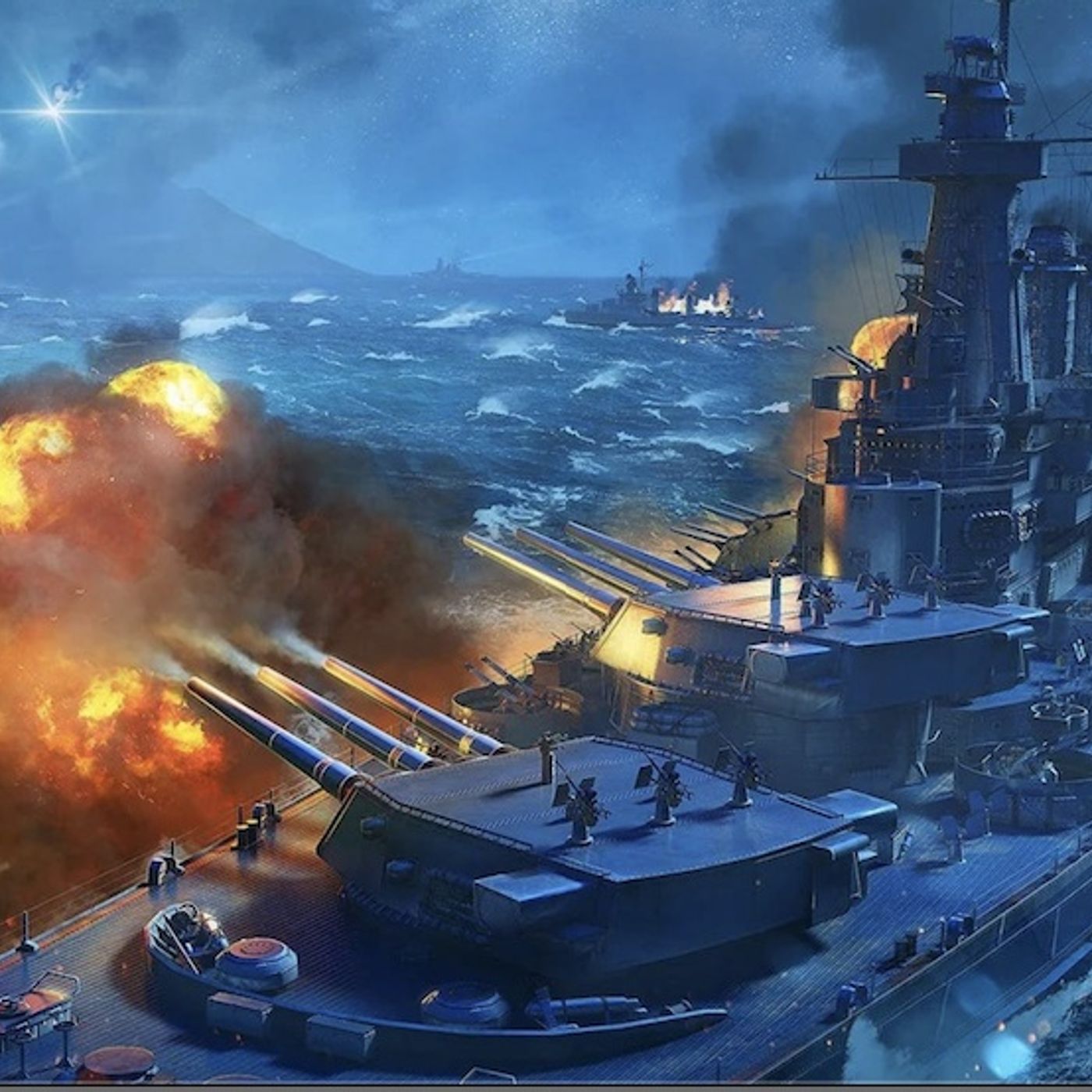
There is no better way to stay out of the summer heat than to take an hour to join us for a Midrats Podcast melee!SummaryIn this episode of Midrats, hosts discuss a range of topics related to maritime and national security, including the importance of civil discourse in political discussions, Australia's acquisition of Japanese frigates, cybersecurity threats, and the geopolitical tensions in the Arctic and Antarctic. They emphasize the need for strong diplomatic efforts and the role of NATO in ensuring security in Europe and beyond.Show LinksInsults towards Medal of Honor recipient Florent GrobergAustralia selects Japanese Mogami frigateTrans-Caspian International Transport Route (AKA Middle Corridor)PRC Students in the USAThe China Defence Universities Tracker, Australian Strategic Policy InstituteBritish and U.S. F-35Bs Land on Japan’s JS KagaTakeawaysThe importance of civil discourse in political discussions.Patriotism should not be questioned based on political affiliations.Australia's acquisition of Japanese frigates signifies strong defense ties.Japan's military capabilities are highly regarded in the Pacific.Supply chain integrity is crucial for national security.Cybersecurity threats from foreign nations are increasing.Geopolitical tensions in the Arctic are rising due to China's claims.Diplomatic efforts can lead to conflict resolution in various regions.The U.S. has a significant role in international peacekeeping efforts.NATO's future is intertwined with the security of its member states.Chapters00:00: Introduction to the Melee Discussion02:03: Patriotism and Political Discourse13:22: Australia's Naval Developments19:14: The Role of Japan in Defense22:07: Supply Chain and Manufacturing Concerns23:39: Cybersecurity and National Security Risks35:14: Geopolitical Tensions in the Arctic and Antarctic48:07: Diplomatic Efforts and Conflict Resolution53:23: The Future of NATO and European Security
Show LinksNavy’s Plan for Unmanned SystemsDepartment of Crazy Ideas: How about a cheap inshore fleet? Mark Tempest, 2009.Buy Fords, Not Ferraris, Jerry Hendrix, 2008Droning on About Drones, CDR Salamander, 2013Building the Navy’s Hybrid Fleet, Lieutenant Commander Jack Rowley, Proceedings, July 2025.The Moon is a Harsh Mistress, Robert A. HeinleinThe Mote in God’s Eye, Larry Niven and Jerry PournelleBenjamin Kohlmann, Nominated for Assistant Secretary of the Navy for Manpower and Reserve AffairsJohn Lewis-class replenishment oilerCleo Paskal on XA Death in the Pacific, CDR Salamander, July 2025Rods From GodAustria Ponders NATOSummaryIn this episode of Midrats, the hosts discuss the current state of the U.S. Navy, starting with the new Chief of Naval Operations (CNO) and the challenges he faces in balancing operational needs with budget constraints. They explore the importance of shipbuilding and naval readiness, innovations in technology such as modular attack surface craft, and the role of autonomous systems in enhancing operational capabilities. The conversation also touches on economic considerations in naval strategy, the potential for space-based systems, and the significance of recruitment and training for future naval forces. Additionally, the hosts discuss the role of the Naval Reserve, political dynamics in naval appointments, logistical challenges, and geopolitical considerations in the Pacific, concluding with thoughts on NATO's future and the potential inclusion of Austria.Chapters00:00: Introduction02:05: New CNO and Navy Leadership Challenges04:57: Shipbuilding and Naval Readiness09:43: Modular Attack Surface Craft, Drones, and Innovation16:15: Autonomous Systems and Experimentation19:23: Risk Management via Distributed Risk21:32: Economic Considerations in Naval Strategy22:55: Rods from God: Now More Than Ever30:18: The Role of the Naval Reserve33:50: Political Appointments and Their Impact36:22: More Oilers, Faster47:28: Saipan, and Geopolitical Considerations in the Pacific52:52: Austria’s future of NATO?01:01:46: Conclusion and Recommendations


Download from Google Play

Download from App Store
 United States
what 2 idiots, knows nothing but cannot keep their mouths shut. typical American
Great interview.
Very interesting. I was an officer based in Namibia during the cueto carnevale battle and my brother was with 32 battalion.