


9Natree
Subscribed: 7Played: 699
Subscribe


©9Natree, All rights reserved.
Description
9Natree Channel, we aim to share knowledge with people around the world.
5000 Episodes
Reverse

A Shot in the Dark (H. Coulter)- Buy on Amazon Books: https://www.amazon.com/dp/089529463X?tag=9natree-20- Buy on Apple Books: https://books.apple.com/us/audiobook/a-shot-in-the-dark-a-novel-unabridged/id1612395540?itsct=books_box_link&itscg=30200&ls=1&at=1001l3bAw&ct=9natree- Sponsor and Support us: https://9natree.com/page/sponsor-and-support.html- Interesting Topics: - The book’s focus is the whole-cell pertussis component of DPT- Reported post-vaccination injuries are used to challenge institutional reassurance- It documents a conflict over medical authority, disclosure, and parental consent- The book belongs to the political history of vaccine-injury advocacy- Its scientific conclusions require updating against later evidence and changed vaccines- Read more: https://english.9natree.com/read/089529463X/ Published in 1991 by Avery, *A Shot in the Dark* is a consumer-oriented, polemical examination of the whole-cell pertussis component—the “P” in the then-standard DPT vaccine. The book is associated with Harris L. Coulter and Barbara Loe Fisher, and its subtitle frames its central contention: that pertussis vaccination could cause serious harm in some children and that those harms were insufficiently acknowledged by medical institutions. It combines discussion of reported adverse reactions, medical literature, regulatory guidance, and the experiences of families who believed their children had been vaccine-injured. It is therefore best read as a historical intervention in the vaccine-safety debate, rather than as a current clinical guide. Its concerns contributed to public discussion of surveillance, informed consent, and compensation for vaccine injuries. However, its broad implications must be weighed against subsequent evidence, changes from whole-cell DPT to acellular DTaP vaccines in the United States, and the substantial dangers posed by pertussis itself.

Extra Life: A Short History of Living Longer (Steven Johnson)- Buy on Amazon Books: https://www.amazon.com/dp/0525538860?tag=9natree-20- Buy on Apple Books: https://books.apple.com/us/audiobook/extra-life-a-short-history-of-living-longer-unabridged/id1565075309?itsct=books_box_link&itscg=30200&ls=1&at=1001l3bAw&ct=9natree- Sponsor and Support us: https://9natree.com/page/sponsor-and-support.html- Interesting Topics: - Life Expectancy Is a Population Measure, Not a Promise of Individual Longevity- Counting Deaths Made Disease Patterns Legible and Actionable- Sanitation and Food Safety Changed Survival Before Modern Medicine Could- Vaccines, Antibiotics, and Testing Required Systems of Trust as Well as Discovery- Longer Lives Are a Collective Achievement That Remains Unequally Secured- Read more: https://english.9natree.com/read/0525538860/ Steven Johnson’s Extra Life: A Short History of Living Longer is a work of popular history and science writing about the dramatic rise in human life expectancy since the early twentieth century. Its subject is not personal longevity advice, anti-aging medicine, or a forecast of immortality. Instead, Johnson examines the collective changes that made premature death far less common: public-health systems, statistical measurement, sanitation, vaccination, safer technologies, food security, and medical science. The book’s governing question is deceptively simple: how did average human lives become so much longer within roughly a century? Johnson answers by resisting the familiar story of isolated medical heroes and miracle cures. He presents longevity as the outcome of many linked efforts by researchers, nurses, public officials, engineers, activists, administrators, and ordinary citizens. Written alongside a PBS series, the book combines accessible historical narrative with an argument about how social progress works. Its purpose is both explanatory and corrective: to make a largely invisible achievement visible, while showing that its benefits depend on institutions and public trust that require continued protection.

Zero Accountability in a Failed System (Dr. Sherri Tenpenny)- Buy on Amazon Books: https://www.amazon.com/dp/B0F38KDHV6?tag=9natree-20- Buy on Apple Books: https://books.apple.com/us/audiobook/black-birds-in-the-sky/id1586040833?itsct=books_box_link&itscg=30200&ls=1&at=1001l3bAw&ct=9natree- Sponsor and Support us: https://9natree.com/page/sponsor-and-support.html- Interesting Topics: - A System-Level Indictment of Pharmaceutical and Public-Health Incentives- Emergency Countermeasures and the Limits of the CICP Remedy- Fear, Repetition, and Compliance in Public-Health Communication- Liability Protection and the 1986 Vaccine-Injury Framework- Vaccine Ingredients, Production Methods, and the Book’s Safety Critique- Read more: https://english.9natree.com/read/B0F38KDHV6/ Zero Accountability in a Failed System: How Big Pharma Weaponizes Vaccines, Public Health, and the Law is a polemical nonfiction critique of vaccine policy, pharmaceutical industry influence, emergency public-health measures, and legal immunity in the United States. Written by osteopathic physician Dr. Sherri Tenpenny, the book advances the argument that government agencies, manufacturers, and medical institutions operate within incentives that protect corporate interests while limiting meaningful redress for people who believe they were harmed by vaccines. Its stated scope ranges from influenza campaigns and pandemic preparedness to COVID-19 countermeasures, vaccine ingredients, manufacturing practices, and compensation programs. The book belongs to the medical-freedom and vaccine-skeptical literature rather than to a conventional clinical or public-health analysis. Its arguments should therefore be read critically: several broad claims about vaccine safety, institutional intent, and population-level injury are disputed by mainstream medical and public-health bodies. The book’s purpose is not to offer a detached policy history, but to challenge official narratives and argue for individual autonomy, transparency, and institutional accountability.
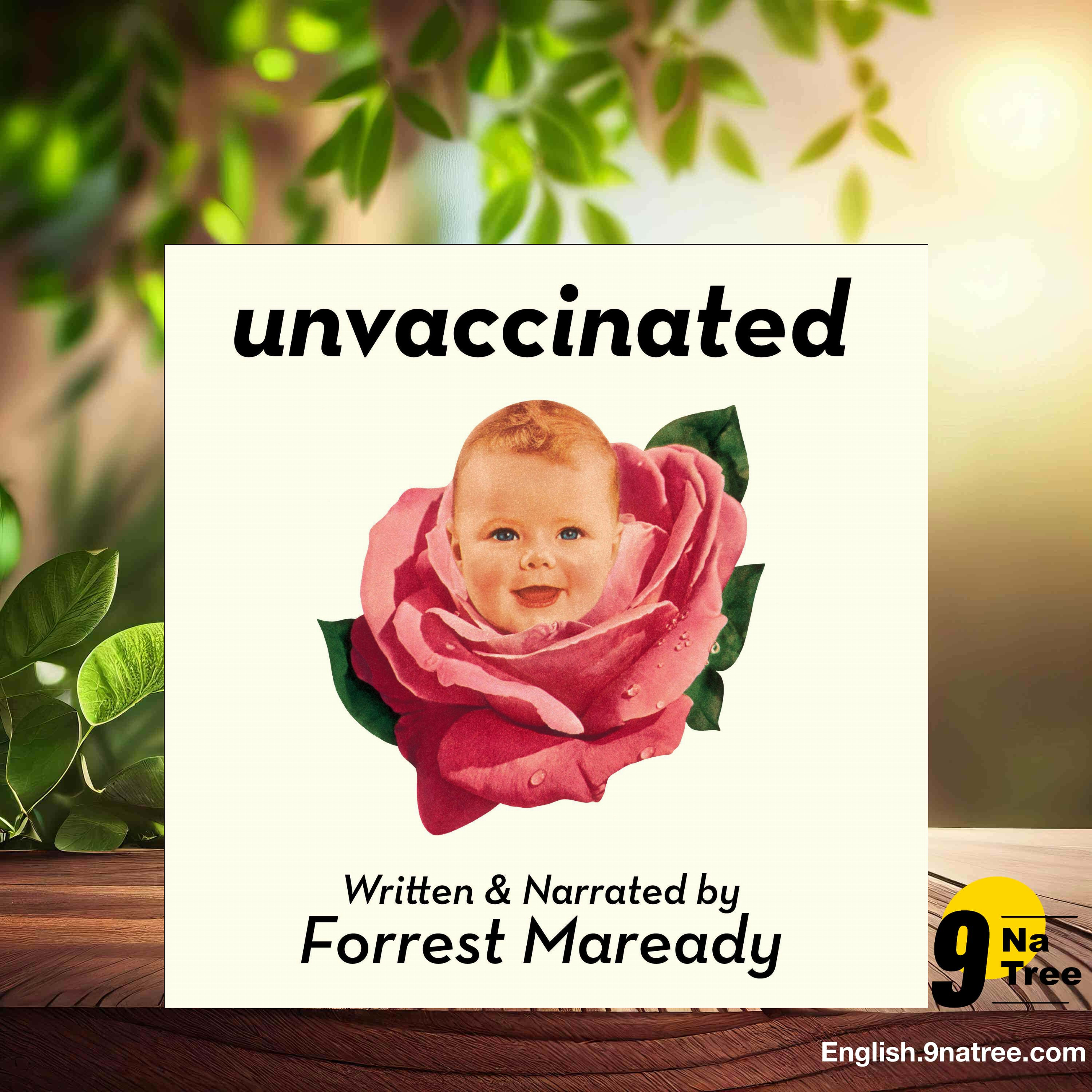
Unvaccinated (Forrest Maready)- Buy on Amazon Books: https://www.amazon.com/dp/B088K9LPL5?tag=9natree-20- Buy on Apple Books: https://books.apple.com/us/audiobook/unvaccinated-why-growing-numbers-of-parents-are/id1513413541?itsct=books_box_link&itscg=30200&ls=1&at=1001l3bAw&ct=9natree- Sponsor and Support us: https://9natree.com/page/sponsor-and-support.html- Interesting Topics: - A Personal Conversion Narrative Structures the Book’s Argument- The Book Recasts “Natural Immunity” as the Preferred Alternative- Brief Chapters Turn Complex Vaccine Questions into a Parent-Facing Primer- Safety, Ingredients, and Liability Are Used to Challenge Institutional Trust- Herd Immunity and Disease Eradication Become the Book’s Main Public-Health Disputes- Read more: https://english.9natree.com/read/B088K9LPL5/ Forrest Maready’s Unvaccinated: Why Growing Numbers of Parents Are Choosing Natural Immunity for Their Children is a short, advocacy-oriented nonfiction book about parental vaccine skepticism. Originally published in 2018 and also available in audiobook form, it frames its subject through Maready’s stated personal transition from a parent who accepted vaccination to one who questioned whether vaccines were worth their risks. In concise chapters, the book addresses the “anti-vaxxer” label, measles and polio, multiple childhood injections, vaccine ingredients, safety claims, lawsuits, herd immunity, and trust in medical advice. Its practical purpose is not to provide a neutral clinical handbook but to introduce readers—especially time-constrained parents—to arguments for delaying, declining, or questioning vaccination and to direct them toward further reading. That positioning matters: its broad claims that vaccines are unsafe, ineffective, or responsible for chronic illness conflict with the overwhelming medical and public-health consensus, which finds routinely recommended vaccines rigorously tested and highly effective, while recognizing that no medical intervention is entirely risk-free. The book is therefore best read as a compact account of vaccine-hesitant advocacy rather than a substitute for evidence-based medical guidance.
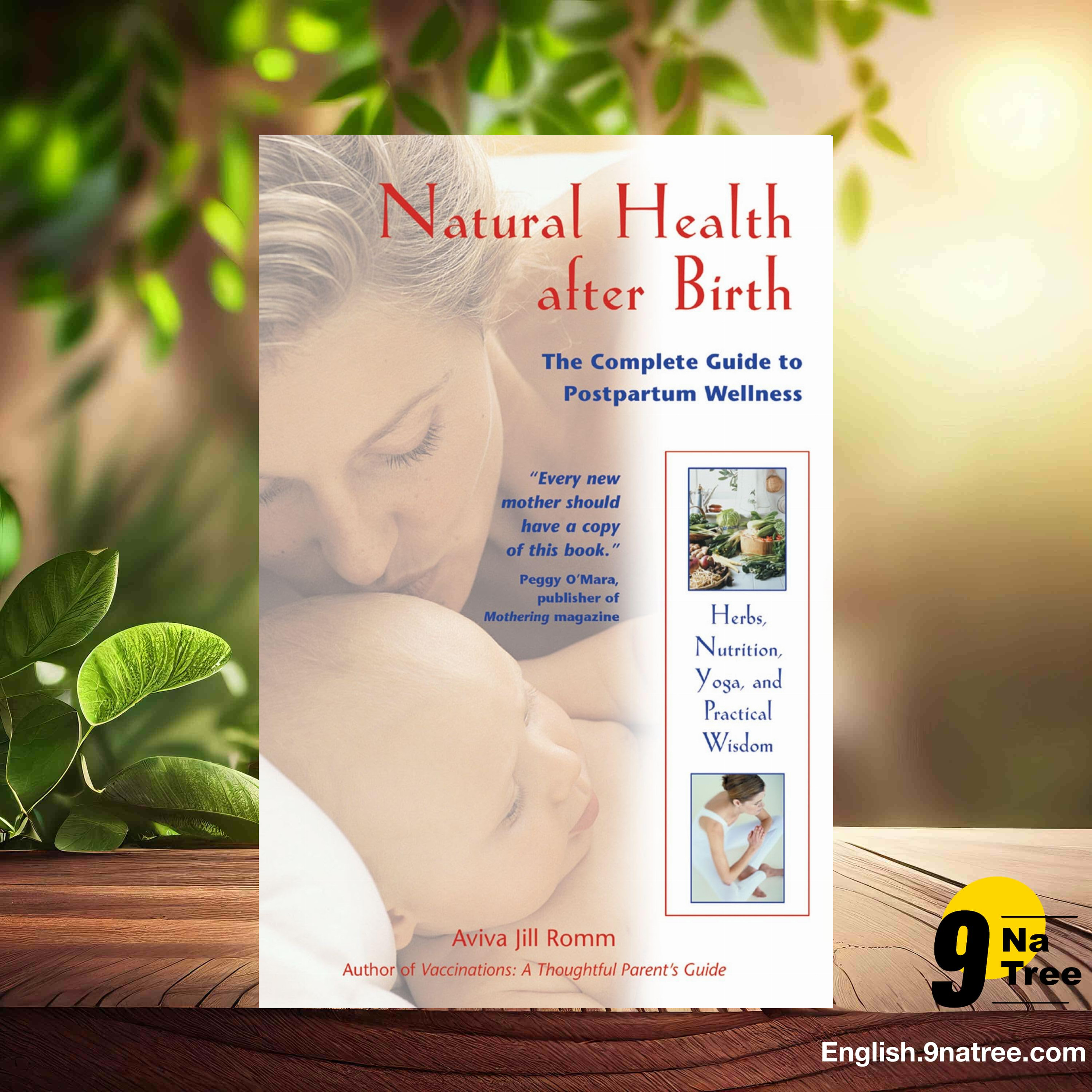
Natural Health after Birth: The Complete Guide to Postpartum Wellness (Aviva Jill Romm)- Buy on Amazon Books: https://www.amazon.com/dp/0892819308?tag=9natree-20- Buy on Apple Books: https://books.apple.com/us/audiobook/the-fourth-trimester-a-postpartum-guide-to-healing/id1416953113?itsct=books_box_link&itscg=30200&ls=1&at=1001l3bAw&ct=9natree- Sponsor and Support us: https://9natree.com/page/sponsor-and-support.html- Interesting Topics: - Postpartum Recovery Is Treated as a Distinct, Extended Phase of Care- Food, Fluids, and Replenishment Form the Foundation of Natural Postpartum Care- Breastfeeding Support Is Linked to Maternal Well-Being Rather Than Treated as an Isolated Task- Herbal and Complementary Remedies Are Presented Within a Safety-Conscious Postpartum Context- Emotional Adjustment Is Recognized as a Core Dimension of Postpartum Health- Read more: https://english.9natree.com/read/0892819308/ Natural Health after Birth: The Complete Guide to Postpartum Wellness is a practical health guide by Aviva Jill Romm, a midwife, herbalist, and physician known for writing about women’s health. Addressing the period after childbirth, the book presents postpartum recovery as a substantial physical and emotional transition rather than a brief interval that ends once the baby arrives. Its scope includes restoration after labor, nourishment, breastfeeding, common postpartum discomforts, emotional adjustment, and the careful use of natural approaches. Romm’s perspective is integrative: everyday measures such as rest, food, hydration, and support form the foundation, while herbs and other complementary methods are presented as possible tools rather than substitutes for needed medical care. The guide also recognizes that postpartum needs vary with birth experience, family circumstances, and maternal health. Its purpose is to give new mothers and their supporters a usable framework for observing recovery, responding to ordinary challenges, and recognizing when symptoms require professional evaluation. The book belongs to the consumer health and childbirth-support genre, with a distinctly holistic postpartum focus.

Comments

Download from Google Play

Download from App Store
 United States