


 Claim Ownership
A MacGuffin Podcast
Subscribed: 2Played: 31
Subscribe

© All rights reserved
Description
The Life of Things
12 Episodes
Reverse
Trees - Episode 5 - To Be a Tree by MacGuffin Magazine
In this episode, we visit another forest, and spend some time with Pakistani artist and filmmaker Hira Nabi. You will hear about her project called How to Love a Tree, shot in the forests of her native country. Since trees are not running around getting on trains or buses, we have to look at the way they move through a different lens.
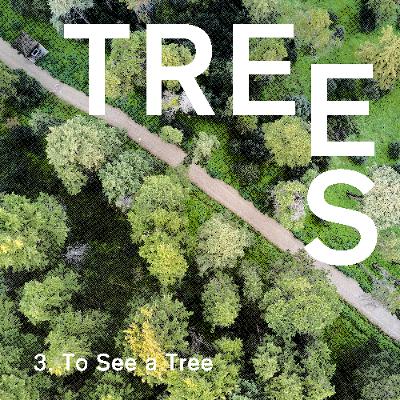
Imagine living on the 35th floor of a huge high rise. You look down below and see a little plant on the sidewalk. On the sidewalk that little plant turns out to be a big tree, with apples to eat, branches to swing from and leafy shade to take a nap in. How do we perceive and think of all these material and immaterial benefits trees provide us with?
In this episode the activist Clara Visser, arborist Jorn Beerendonk and curator Marjolein van der Loo guide us through the different ways of seeing trees.
Take a walk and talk to trees. Maybe even ask them for permission when touching or using them. In this episode we meet tree man Jeroen Heindijk and curator Marjolein van der Loo. Sceptics might see trees as mere tall plants that live for a long time and have not much to say. It turns out trees don’t talk much, but do 'make us feel'
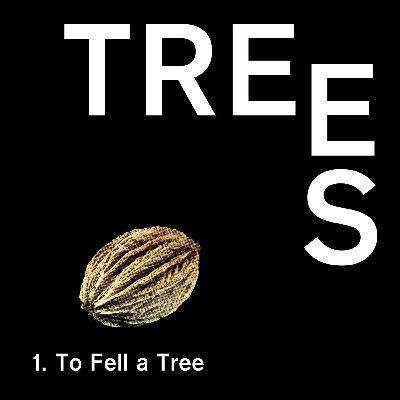
Unless something happens to them, trees don’t make a sound. Their bark and branches crack and pop, but trees forget to scream when felled. Humans have used trees for millennia for food, for shelter, for fuel and fire. Who gave us the right? In this first episode of TREES we listen to Jorn Beerendonk, the man who decides on the fate of trees in Leeuwarden, the Netherlands.
Trees Trailer by MacGuffin Magazine
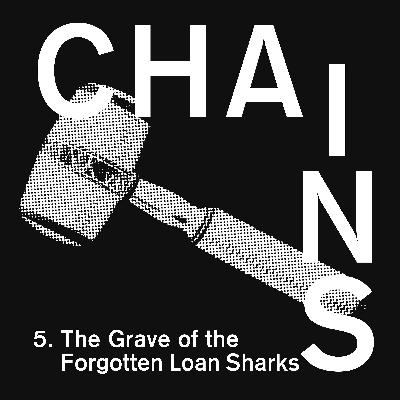
In the fifth and final instalment, Mariken, the manager of the Stadsbank, tells us all about its future. Having gradually expanded and then reduced in size over the lifespan of its 400 plus years, this institution is facing some challenges. Just like the price of gold, the Stadsbank is contingent on a big and fluctuating ecosystem of people and policies.
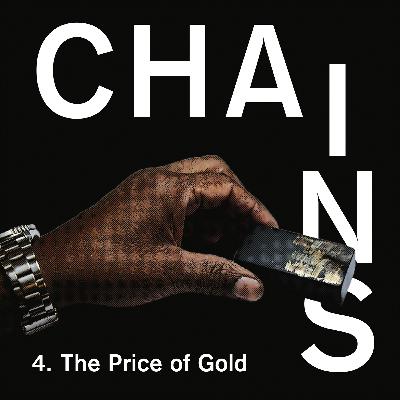
We hear an appraiser exchange with a customer, who can get more money for an item he’s pawned before. The Stadsbank uses a calculation that fluctuates and with which they figure out how much money they can lend and what the interest rate on it will be. This calculation is primarily based on the price of gold. So when the price of gold does go up, as a customer you’re in luck and you can get more on the same piece of jewellery. Some customers keep a close watch of the economy, and come in on a weekly basis to pawn and repawn items.
Come Friday, the showcase of the shop is empty and we meet a customer looking for a little extra cash to buy his girlfriend dinner and some flowers. Forty euros can have different meanings for different people from all walks of life. A glass of wine for a manager is another weekend well spent for a customer, who narrates the worst day of his life: the day he lost the necklace his father gave him when he was born.
In Episode 2, the staff of the Stadsbank give us the grand tour of the shop, a popular destination for shoppers looking for a bargain. The items on sale get sold at a blistering pace. As soon as the shop opens up on Monday, people pour in and buy earrings and rings and necklaces and the odd silver serving platter... These customers often have little to do with customers that pawn their jewellery, and despite buying their jewellery don’t know much about them.
In episode 1 of CHAINS, we meet a longstanding and satisfied customer, and go behind the scene to meet the staff.
CHAINS is a MacGuffin podcast by Alix de Massiac that explores the Amsterdam municipal pawnshop through the voices of people who go there, people who work there, and the objects pawned there.
The Stadsbank van Lening, as it is called in Dutch, receives items of jewellery from all over the world from people who have to part with a piece of their history, in exchange for quick cash. A broken washing machine? Get your necklace out of your nightstand.
Part business and part social service, this 400-year-old institution has evolved with the city and its inhabitants. Of the 24 outlets that once existed, only three remain: one in the city centre, one in the Bijlmer, and one in Osdorp. But the chain of customers queueing up outside hasn’t grown shorter.
Comments


Download from Google Play

Download from App Store
 United States