


 Claim Ownership
AKTIFUL
Subscribed: 0Played: 2
Subscribe

© AKTIFUL LLC
Description
AKTIFUL is a private social enterprise in which a group of qualified Bangladeshi-Americans participates in delivering social value through the social business practices following a model created by by Dr. Yunus with a Y combinator twist. We are focused on working with Bangladeshi Youth and Bangladeshi Entrepreneurs in building Bangladesh 2.0.
91 Episodes
Reverse
Analysis of an YouTube video that recounts the violent suppression of student protests, focusing heavily on the personal grief and trauma of the victims' families. Speakers detail horrific attacks by police and ruling party affiliates using weapons like guns and knives, resulting in numerous deaths, including close-range shootings of unarmed individuals.Original YouTube video:https://www.youtube.com/watch?v=6hSUn9q6JRk&t=1s
The DUCSU Election 2025
Scott Leckman @leckman_scott wrote an important opinion piece called "Why the Bangladeshi Revolution matters to the U.S." in Deseret News.

The episode primarily discuss the establishment of a UN Human Rights Office in Dhaka, Bangladesh, outlining the Memorandum of Understanding (MoU) signed between the interim government and the United Nations. Several sources highlight the controversial nature of this agreement, with some expressing concerns about foreign interference or the UN's perceived ideological leanings, while others emphasize its potential to address past human rights abuses and promote accountability. The text also touches upon Bangladesh's complex national identity, shaped by its liberation war and the rising influence of political Islam, and scrutinizes the effectiveness of local human rights organizations and the UN Human Rights Council's own biases.
Scrap trader Lal Chand (aka Sohag), 39, was brutally murdered in broad daylight in Old Dhaka by a rival group seeking control of his business. In front of over 100 onlookers, Sohag was hacked, beaten, and stoned to death, with no one intervening—including security personnel. CCTV footage captured the entire attack. The victim's family claims the murder was premeditated, following Sohag's refusal to pay extortion demands. A case has been filed naming 20 individuals, including Mahmudul Hasan Mohin and Sarwar Hossain Titu. Four suspects have been arrested so far, sparking national outrage and calls for justice to prevent further erosion of public safety.
Here is an episode description based on the provided sources:This episode delves into the complex dynamics of international relations and domestic change in Bangladesh, drawing insights from articles featured in Counterpoint, a weekly newspaper and online platform known for its in-depth analysis and commentary on issues shaping Bangladesh and the world.The central focus is "Of July and Revolutions," an article by Jon Danilowicz published on July 5, 2025. Danilowicz reflects on the one-year anniversary of Bangladesh's "Monsoon Revolution" in July 2024, drawing parallels with America's own revolutionary history. He acknowledges the ongoing academic debate about whether the events of that "long July" truly qualify as a "revolution" but emphasizes the sacrifice of students and citizens who toppled a tyrant and offered hope for a better future, urging Bangladesh to remember its past to build "Bangladesh 2.0".The episode explores the redefined relationship between the United States and Bangladesh. While the US was initially "on the wrong side" during Bangladesh's 1971 liberation, it later became a "steadfast international supporter". Relations hit a low point a year prior due to the Hasina regime's hostility, but the US quickly supported Chief Advisor Yunus and his administration following the July/August 2024 uprising, seeking to prevent economic collapse, restore order, and implement reforms. Despite predictions of a strained relationship with President Trump's return, Washington and Dhaka have made "considerable progress in redefining a new relationship" based on mutual interests, where "America First has met Bangladesh First". This includes continued humanitarian assistance, growing military ties, and a new chapter in bilateral economic relationships, with trade negotiators finalizing a new bilateral trade agreement. Optimism for the future is enhanced by the role of the Bangladeshi American diaspora, who remain committed to the ideals of the July Revolution.Beyond this core discussion, the episode touches on various other topics and public sentiments reflected in Counterpoint:National Debates: Articles cover subjects from port reform and financial crises to women's roles, the digital divide, and the Rohingya crisis.Political Reforms and Elections: The importance of reaching consensus on a reform agenda and preparing for elections in early 2026 is highlighted as crucial for stability and capitalizing on new opportunities.Public Opinion: The episode also features insights from reader polls, including results on whether the banning of Awami League was agreed upon and preferred timings for national elections, showcasing diverse public viewpoints on critical political issues.Key Figures and Tags: Discussions often involve figures like Prof. Yunus and cover popular tags such as "July Uprising," "Interim Government," "Reform," and "Elections".

"কাউন্টারপয়েন্ট" থেকে প্রাপ্ত উদ্ধৃতিগুলি বাংলাদেশের নীতি, রাজনীতি, অর্থনীতি এবং সমাজের উপর দৃষ্টি নিবদ্ধ করে একটি অনলাইন প্ল্যাটফর্মের বিষয়বস্তু প্রকাশ করে। এই উৎসটি বিশ্লেষণ, দীর্ঘ-ফর্মের নিবন্ধ, বিশেষ প্রতিবেদন, সংস্কৃতি, ভিডিও এবং সাক্ষাৎকারের মতো বিভিন্ন ফর্ম্যাটে গভীর বিশ্লেষণ এবং মন্তব্য সরবরাহ করে। এর বিষয়বস্তু বাংলাদেশ এবং যুক্তরাষ্ট্রের মধ্যে সম্পর্ক, জুলাইয়ের বিদ্রোহ (মনসুন বিপ্লব), অর্থনৈতিক সংস্কার, গণতন্ত্র পুনরুদ্ধার এবং নির্বাচন সহ একাধিক গুরুত্বপূর্ণ বিষয় নিয়ে আলোচনা করে। এটি পাঠককে মতপ্রকাশের সুযোগ দেয় এবং বাংলাদেশ ও বিশ্বের সমসাময়িক বিষয়গুলির উপর ধারাবাহিক এবং অন্তর্দৃষ্টিপূর্ণ আলোচনা উপস্থাপন করে।
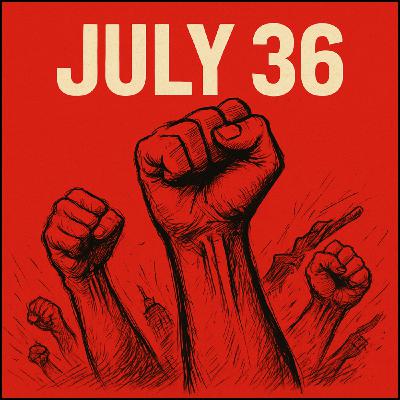
জুলাই এসে বললো আবার, উঠে দাঁড়াও বাংলাদেশ রক্ত ভেজা রাজপথ জুড়ে, জেগে উঠুক চেতনার রেষ নির্ভীক সেই চোখে আগুন, কাঁপে শাসকের প্রাচীর এই প্রজন্ম বলে এখন, থামবে না আর ঘুরে দাঁড়াবার হুঁশিয়ারতুমি আলো, তুমি আগুন, তুমি আমার বাংলা জন্মভূমি স্বপ্নগুলো আজ জেগে উঠে তুমি আমার প্রেরণা, তুমি মুক্তির ভূমি কত বছর নিঃশব্দ ছিল, ন্যায় হারিয়েছে পথ আজ সেই পথেই ফিরে আসে, দীপ্ত সাহসের শপথ মায়ের চোখে অশ্রু ঝরে, ছেলের কণ্ঠে গান "বাংলা আমার প্রিয় ভূমি, নেবে আবার প্রাণ"তুমি আলো, তুমি আগুন, তুমি আমার বাংলা জন্মভূমি স্বপ্নগুলো আজ জেগে উঠে তুমি আমার প্রেরণা, তুমি মুক্তির ভূমিএই মাটিতে শহীদ নাম, তাদের রক্তে লেখা জানি নতুন দিনের আহ্বানে বাংলা হবে জয়ধ্বনিতুমি আলো, তুমি আগুন, তুমি আমার বাংলা জন্মভূমি রক্তে লেখা এই ইতিহাসে তুমি আছো চিরদিন, তুমি স্বাধীনতা নামই
This episode offers a comprehensive overview of the political and economic aftermath of the July 2024 mass uprising in Bangladesh and the subsequent efforts of the interim government to enact reforms. Specifically, the texts detail the causes and evolution of the revolution, which began as a student protest against job quotas and escalated due to state violence, drawing on theories of crowds and moral economy. Furthermore, the sources analyze the interim government's progress and setbacks in addressing national concerns across various sectors, including the banking system, local governance, education, and health, noting both positive actions and resistance to reform. Finally, several reports track macroeconomic indicators like inflation, credit growth, and foreign reserves, alongside public sentiment regarding the new government, ultimately suggesting that while some stability has returned, significant challenges like economic anxiety, political uncertainty, and institutional dysfunction persist.

This episode explores the advantages, disadvantages, and applicability of Proportional Representation (PR) and First-Past-The-Post (FPTP) electoral systems, particularly in the context of Bangladesh. An article from The Geopolitics discusses the potential shift toward PR in Bangladesh, detailing various models such as party-list, mixed-member, and single transferable vote (STV) systems, while highlighting the limitations of the current FPTP system. A document titled Electoral System explains the importance of electoral design and outlines the types of PR and FPTP systems. Two articles from Prothom Alo question the practicality of implementing PR in Bangladesh, pointing to challenges such as the lack of a strong local government and the risk of political instability, even warning of potential authoritarian outcomes.Taken together, these sources underscore the complexity of electoral reform and the profound impact such systems have on a country's political and social structure.
সূত্রগুলো এলন মাস্কের স্টারলিঙ্ক ইন্টারনেট পরিষেবা নিয়ে আলোচনা করেছে, যার মূল লক্ষ্য দুর্গম অঞ্চলে উচ্চ-গতির ব্রডব্যান্ড ইন্টারনেট সরবরাহ করা। এর সুবিধাগুলোর মধ্যে রয়েছে কম বিলম্বিততা (latency) এবং দুর্যোগপূর্ণ পরিস্থিতিতে যোগাযোগ রক্ষা করার ক্ষমতা, যেমন ইউক্রেন যুদ্ধের সময় দেখা গেছে। ভারতে, স্টারলিঙ্ককে জাতীয় নিরাপত্তার ঝুঁকি হিসেবে দেখা হচ্ছে কারণ এটি মার্কিন গোয়েন্দা সংস্থার সাথে সম্পর্কিত এবং এর মাধ্যমে ব্যবহারকারীর তথ্য পর্যবেক্ষণ করা হতে পারে। বাংলাদেশে, উচ্চ প্রাথমিক খরচ এবং মাসিক ফি এর প্রধান সীমাবদ্ধতা হলেও, সরকার দুর্গম এলাকায় ডিজিটাল বিভেদ দূর করতে এর সম্ভাবনা দেখছে। বর্তমানে, স্টারলিঙ্ক ভারতে এবং বাংলাদেশে নিয়ন্ত্রক অনুমোদন এবং নিরাপত্তা সংক্রান্ত শর্তাবলী নিয়ে কাজ করছে, যা এর বাণিজ্যিক প্রচলনের জন্য অপরিহার্য।

এই পর্বটি নেওয়া হয়েছে "কাউন্টারপয়েন্ট" নামক একটি বিশ্লেষণধর্মী অনলাইন প্ল্যাটফর্ম থেকে, যা বাংলাদেশ ও বৈশ্বিক প্রেক্ষাপটে রাজনীতি, অর্থনীতি, সমাজ ও সংস্কৃতি নিয়ে গভীর ভাষ্য উপস্থাপন করে। আমরা আলোচনা করছি মূল প্রবন্ধ "We Came Apart, Before We Could Come Together: The Root Lies in Our Identity Crisis"। এতে জাতীয় পরিচয় সংকট—বাঙালি ও মুসলিম পরিচয়ের মধ্যকার ঐতিহাসিক ও চলমান দ্বন্দ্ব—এবং তার ফলে সৃষ্ট সামাজিক ও রাজনৈতিক বিভাজনের বিশ্লেষণ তুলে ধরা হয়েছে। জুলাই বিদ্রোহের পরবর্তী বাস্তবতা এবং একটি সমন্বিত জাতীয় পরিচয়ের প্রয়োজনীয়তা এই আলোচনার কেন্দ্রবিন্দু।
This episode primarily discusses the political landscape of Bangladesh, focusing on the transition to an interim government led by Chief Adviser Dr. Muhammad Yunus. It highlights the previous authoritarian rule under Sheikh Hasina, characterized by human rights abuses and electoral manipulation, and the hopes for democratic renewal under the new administration. The text emphasizes the interim government's efforts to establish accountability through independent commissions, promote national reconciliation, and outline an electoral roadmap for transparent elections by February 2026. Ultimately, it advocates for a neutral and credible interim government as a moral imperative for Bangladesh's future.
The episode analyzes an editorial, titled "Bangladesh’s Predatory Stock Market: A Legacy of Political Plunder," argues that Bangladesh's stock market functions as a rigged casino, designed to enrich a political elite at the public's expense. It details how the Awami League government allegedly orchestrated two major market collapses, in 1996 and 2010-2011, through systemic manipulation, including bogus IPOs, placement trading, and opaque omnibus accounts, all benefiting politically connected insiders. The text also implicates the banking sector for reckless overexposure and the Bangladesh Bank for actively enabling the speculative bubble despite warnings. Ultimately, the editorial calls for the current interim government to dismantle this corrupt infrastructure by ensuring BSEC independence, prosecuting manipulators, implementing robust reforms, and establishing an Investor Protection Fund to restore public trust and prevent future crashes.
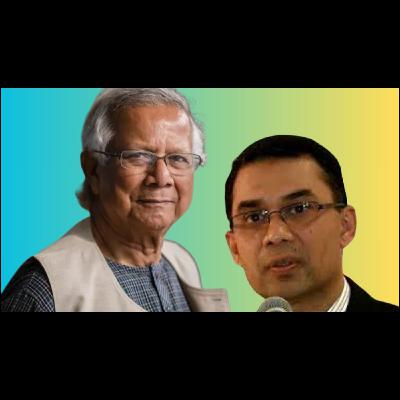
The episode analyzeas a briefing following a productive meeting between Dr. Muhammad Yunus, identified as the Chief Advisor, and Tarique Rahman. Key topics of discussion included the timing of the next election, with both parties agreeing on an election before Ramadan next year, ideally by early April 2026 if preparations and reforms are sufficient. The briefing also addressed judicial reforms and the July Charter, emphasizing that decisions on these matters will be made by consensus and are a continuous process extending beyond the election. Finally, the discussion touched upon Tarique Rahman's return to Bangladesh and the judicial process concerning Sheikh Hasina's alleged "massacre", with an expectation that sufficient progress on reforms and justice would be achieved before the election.

"New Bangladesh, Old BNP" একটি বিশ্লেষণ তুলে ধরে, যা জুলাই বিদ্রোহের পর একটি নতুন বাংলাদেশের স্বপ্নের বিপরীতে বিএনপি-এর পুরোনো রাজনৈতিক ধারাকে উপস্থাপন করে। প্রবন্ধটি ৭ আগস্ট, ২০২৪ থেকে প্রথম আলোতে প্রকাশিত প্রতিবেদনের ভিত্তিতে বিএনপি নেতা ও কর্মীদের জড়িত অপরাধমূলক ঘটনার একটি তালিকা সংকলন করেছে। সংকলিত তথ্যে আর্থিক, মৌখিক, এবং শারীরিক সহিংসতাসহ মৃত্যুর ঘটনাও অন্তর্ভুক্ত করা হয়েছে, যদিও এর উদ্দেশ্য রাজনৈতিক নাকি আর্থিক, তা নিয়ে কোনো বিচার করা হয়নি। প্রবন্ধটি এই তালিকার অসম্পূর্ণতা স্বীকার করে এবং তথ্য যোগ বা সংশোধনের জন্য একটি ফর্ম সরবরাহ করে।https://i-akib.github.io/new-bd-old-bnp/index_en.html
এই বিশেষ প্রতিবেদনটি বাংলাদেশের গণতন্ত্রের সংগ্রামের উপর আলোকপাত করে, বিশেষ করে রাজনীতিবিদ অপর্ণা রয় দাস-এর ব্যক্তিগত অভিজ্ঞতা এবং সহিংসতার মুখেও তাঁর স্বাধীনতার জন্য লড়াই। লেখক জয় এভেনসেন ঢাকা সফর করে নোবেল বিজয়ী মুহাম্মদ ইউনূস এবং বিভিন্ন রাজনীতিবিদ ও বিপ্লবীদের সাথে কথা বলেছেন, বাংলাদেশের পরিস্থিতি এবং গণতন্ত্র প্রতিষ্ঠার পথ বুঝতে। অপর্ণা রয় দাস তাঁর পারিবারিক ঐতিহ্য এবং ব্যক্তিগত দুর্দশা, যেমন পুলিশের হাতে নির্যাতন এবং শারীরিক আঘাত সহ্য করার পরও রাজনীতিতে কেন রয়েছেন, তার ব্যাখ্যা দেন। তিনি একটি শান্তিপূর্ণ, ন্যায়সঙ্গত এবং গণতান্ত্রিক বাংলাদেশের স্বপ্ন দেখেন, যেখানে মানুষের মৌলিক অধিকার সুরক্ষিত থাকবে।
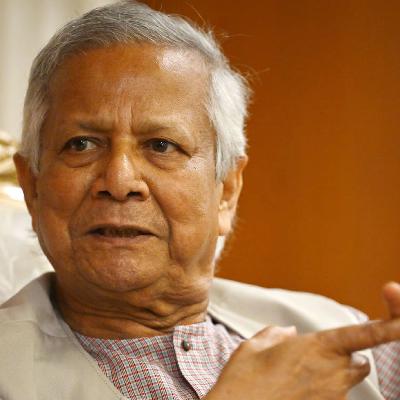
This episode analyzes a special report by DeseretNews which describes Muhammad Yunus's unexpected transition from facing political persecution to becoming the interim chief adviser of Bangladesh. It highlights the tumultuous events leading to his appointment, including student-led protests and the former Prime Minister's flight, and Yunus's focus on combating widespread corruption and establishing a path toward fair elections. The article also touches on Yunus's past work with microcredit and social businesses, his longstanding connection to Utah, and the challenges and hopes for the future of Bangladesh under his temporary leadership.
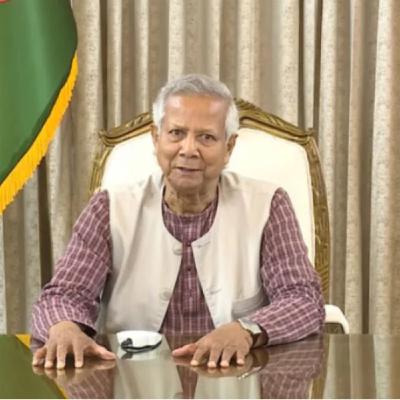
This transcript from the EKHON TV YouTube channel features a speech by Chief Advisor Dr. Yunus, beginning with an Eid al-Adha greeting and emphasizing the spirit of sacrifice and community support during the holiday. He highlights the importance of ensuring fair prices for animal hides and improving waste management, along with efforts to stabilize market prices for essential goods. Dr. Yunus also discusses the government's focus on transportation efficiency, including a new online ticketing platform, and initiatives to enhance citizen services through readily available digital centers, aiming to reduce corruption and improve accessibility. The speech then touches upon economic recovery and reform efforts, citing positive economic indicators, attracting foreign investment, and restructuring government departments to increase efficiency and reduce corruption, while also addressing reforms within the legal system to expedite case resolution. Dr. Yunus elaborates on the government's commitment to investigating past human rights abuses and financial crimes, along with outlining steps taken for judicial reform, and discusses initiatives regarding Rohingya repatriation and garnering international support for this cause. Finally, he addresses the upcoming national election, announcing it will be held in early April 2026, emphasizing the need for institutional reforms to ensure a fair and participatory process, and calls for unity against those seeking to undermine the progress made since the recent popular uprising.

Two different political perspectives are presented regarding the current political situation and necessary reforms. One source expresses frustration with the pace of reforms, particularly concerning the judiciary, and advocates for a prompt election by December, believing they have offered significant support to the interim government. The other source emphasizes the importance of enacting the "July Charter," a set of proposed reforms, before announcing an election date, arguing that prioritizing reforms first is crucial to prevent political competition from hindering the process and to reassure the public about the future structure of the state. Both sources highlight the need for judicial reform and question the neutrality of the administration and election commission.

Comments

Download from Google Play

Download from App Store
 United States