


 Claim Ownership
ART IS CHANGE: Strategies & Skills for Activist Artists & Cultural Organizers
Subscribed: 12Played: 87
Subscribe

© Copyright 2025 Bill Cleveland
Description
Can your art help dismantle injustice, shift systems, or spark healing in places like homeless shelters, emergency rooms, or city planning meetings?
If you’re passionate about making a real difference through creativity, ART IS CHANGE (formerly known as Change the Story / Change the World) is your front-row seat to the real-world impact of art and social change. Hosted by author, musician, and researcher Bill Cleveland, each episode brings you deep into the lives and work of activist artists and cultural organizers who are doing more than dreaming—they’re transforming communities around the world.
You’ll discover:
• Proven strategies for thriving as an artist for change in complex, real-world settings
• How to build meaningful, lasting partnerships that support your mission and your art
• Lessons from global leaders creating cultural blueprints for justice, empathy, and resilience
▶️ Start with fan-favorite Episodes 86 and 87: Lessons From an Art and Change Pioneer—a double-dose of inspiration and practical insight.- https://change-the-story-chan.captivate.fm/episode/bighart-bigstory-redux/
If you’re passionate about making a real difference through creativity, ART IS CHANGE (formerly known as Change the Story / Change the World) is your front-row seat to the real-world impact of art and social change. Hosted by author, musician, and researcher Bill Cleveland, each episode brings you deep into the lives and work of activist artists and cultural organizers who are doing more than dreaming—they’re transforming communities around the world.
You’ll discover:
• Proven strategies for thriving as an artist for change in complex, real-world settings
• How to build meaningful, lasting partnerships that support your mission and your art
• Lessons from global leaders creating cultural blueprints for justice, empathy, and resilience
▶️ Start with fan-favorite Episodes 86 and 87: Lessons From an Art and Change Pioneer—a double-dose of inspiration and practical insight.- https://change-the-story-chan.captivate.fm/episode/bighart-bigstory-redux/
157 Episodes
Reverse
What if changing a podcast title could spark a deeper, more powerful shift in how we understand the role of artists in shaping society? Not likely, but if you’ve ever felt like your creative work is meaningful but invisible in the fight for justice and transformation, this episode digs deep into how storytelling isn’t just a method—it’s the foundation. We’re in a moment where the narratives driving political and cultural realities are being rewritten, and artists are at the heart of this seismic shift.Discover why “Art is Change” isn’t just a rebrand—it’s a strategic move to make vital work more visible and more impactful.Learn how artists across the world are using creativity to counter dominant, damaging narratives and reclaim public imagination.Hear real stories of transformation, from mosaic-filled lots in Philly to clown-led protests in Serbia, showing how art actively reshapes communities.Tune in to uncover how changing the story—and the title—can change the world, one bold act of creativity at a time.Notable MentionsPeopleOn ART IS CHANGE: Lily Yeh: A Conversation With Lily Yeh Dijana Milosevic: Arts Driven Social Change & Environmental Justice In Serbia Ben Fink: Cultural Organizing in Appalachia: Building Trust, Equity, and Economic Resilience – Part 1 and Part 2******Bill Cleveland – Host of the podcast, long-time community arts worker, founder of the Center for the Study of Art & Community. Learn moreSlobodan Milošević – Former Serbian leader during whose regime artists staged creative protests. Learn more2. Events / ProjectsVillage of Arts and Humanities – Community arts organization in North Philadelphia that evolved from Lily Yeh’s project. Learn morePerforming Our Future – A cultural organizing initiative based in Appalachia, Kentucky, through Appalshop. Learn moreMass protests in Serbia – Referenced in the context of creative resistance during the Milošević regime. Learn more3. OrganizationsAppalshop – Media, arts, and education center in Appalachia. Learn moreCenter for the Study of Art & Community – Host organization of the podcast and Bill Cleveland’s longtime initiative. Learn...
How can the transformative power of art and culture serve as the connective tissue in movements for democracy, justice, and deep societal change?In our divided world , building genuine, arts animated cross-sector collaboration is more than a goal—it’s a necessity. This episode dives into how activist artists and cultural organizers can forge meaningful connections with their community social change partners and why our current systems often fail to support that.Discover the innovative approach of the Horizons Project and how it’s redefining movement-building through authentic relationship weaving.Learn why sharing stories and cultural engagement are crucial in combating authoritarianism and fostering a thriving democracy.Understand how vulnerability, play, and arts are not just tools, but essential strategies for social transformation and collective sense-making.Tune in now to explore how Julia Roig and the Horizons Project are laying the groundwork for a new, interconnected way of organizing for democracy and justice.Notable Mentions:Here is a categorized list of all mentioned individuals, events, organizations, and publications, each accompanied by a brief description and a hyperlink for more in-depth information: PeopleJulia Roig – Founder and Chief Network Weaver at The Horizons Project, focusing on bridging peacebuilding, social justice, and democracy. Cristine Michie – Host of the PlayFull Podcast, where she discusses the role of play in social change. Jarvis Williams – Pastor and speaker who discusses the paradoxes within institutions and the importance of authentic belonging.Míriam Juan-Torres González – Moderator at the Othering & Belonging Institute, facilitating discussions on inclusive democracy. 🗓️ EventsPeaceCon 2023 – An annual conference hosted by the Alliance for Peacebuilding, focusing on peacebuilding strategies and collaborations.National Week of Conversation 2023 – A series of events aimed at fostering dialogue and bridging divides in society. 🏢 OrganizationsThe Horizons Project – An initiative led by Julia Roig that aims to weave together efforts for a just, inclusive, and peaceful democracy. Alliance for Peacebuilding – A network of organizations working to build sustainable peace and security worldwide. Othering & Belonging Institute – A research institute at UC Berkeley dedicated to advancing inclusion and belonging for all. Beyond...
What if the secret to revitalizing today’s creative workforce lies in a forgotten 1970s government program?In a time when society urgently seeks sustainable ways to support artists and strengthen communities, in this episode, the second of two, we revisit the CETA Arts Program—a bold experiment that transformed artists into public servants. You’ll hear how this unexpected initiative is influencing today’s creative policy landscape and how its legacy is being reimagined in pandemic-era artist relief efforts.Learn how CETA’s community-centered structure inspired programs like Creatives Rebuild New York, blending public service with creative employment.Discover the crucial real-world skills—like negotiation, humility, and adaptability—that artists must master but never learn in art school.Hear compelling personal stories of missteps, breakthroughs, and the often invisible work of artists who repair, reimagine, and rebuild community infrastructure.Tune in to uncover timeless lessons and practical tools from an unsung chapter in U.S. history that’s helping shape the future of art and civic engagement today.Notable Mentions:Here’s alist of People, Events, Organizations, and Publications mentioned in the episode, each with a brief description and clickable links to learn more. P1. PeopleVirginia Maksymowicz – Sculptor, longtime CETA artist (1978–1979), and co-director of the CETA Arts Legacy Project based in Philadelphia Blaise Tobia – Photographer, CETA participant documenting the NYC project, professor at Drexel, and co-director of the CETA Arts Legacy Project Ted Berger – Arts advocate, former Executive Director of NYFA, and early leader in NYC’s CETA program John Kreidler – Architect of San Francisco’s first CETA Artists program in 1974, helped shape putting federal funds into art Ruth Asawa – Renowned sculptor and educator who helped launch the first CETA Arts experiment in San Francisco Sarah Calderón – Director of Creatives Rebuild New York who consulted with Virginia and Blaise on CETA models Molly Garfinkel – City Lore archivist who has supported the CETA Arts Legacy Project since 2017 2. Events / ProgramsCETA Artists Project (1978–1979) – Part of the federal Comprehensive Employment and Training Act, this was the largest artist employment initiative since the WPA. Artists served in community centers, schools, prisons—and shaped public life through art CETA Arts Legacy Project – An initiative by former CETA artists (Virginia, Blaise, and others) to document and preserve the
Did you know the U.S. once launched a massive jobs program that empowered over 20,000 artists, and creative support staff—and then let it vanish from collective memory?For artists, educators, and community leaders seeking sustainable support for creative work, the forgotten story of the CETA Arts Program offers a powerful historical lesson. In a time of economic uncertainty, this 1970s initiative not only employed artists—it embedded them into the heart of local communities to spark cultural and social change.Discover how two artists-turned-historians uncovered the lost legacy of a program that transformed the lives of thousands of creativesLearn how government-backed art initiatives planted the seeds for enduring institutions like Brooklyn’s BACA Downtown and Philadelphia’s Painted Bride.Hear powerful stories of artists bridging divides, inspiring youth, and reshaping neighborhoods—lessons that resonate powerfully today.Tune in to uncover the hidden history of America’s largest investment in artists and why it still matters for the future of creative community work.Notable MentionsThis is a list of the key figures, events, organizations, and publications discussed in the podcast episode, offering pathways for further exploration into the legacy of the CETA Arts Program.PeopleVirginia Maksymowicz: An American sculptor known for installations that explore social issues, often incorporating the female form. She was a participant in the NYC CETA Artists Project and co-leads the CETA Arts Legacy Project.Blaise Tobia: A contemporary photographer and professor emeritus at Drexel University. Tobia documented the NYC CETA Artists Project and collaborates with Maksymowicz on the CETA Arts Legacy Project.Bill Cleveland: Host of the podcast “Change the Story / Change the World” and director of the Center for the Study of Art & Community.Richard Nixon: The 37th President of the United States, who signed the Comprehensive Employment and Training Act (CETA) into law in 1973.Abe Beame: Mayor of New York City from 1974 to 1977, during the implementation of the CETA program.Ernie Green: Assistant Secretary of Labor who announced CETA funding allocations to New York City.Alan Lomax: Renowned folklorist and ethnomusicologist, referenced in the podcast for his approach to cultural documentation.Jane Goldberg: A tap dancer and historian who collaborated with fellow CETA artist Charles “Cookie” Cook.Charles “Cookie” Cook: A legendary tap dancer who partnered with Jane Goldberg during the CETA program.Ellsworth Ausby: An artist known for integrating sculpture with performance, who initiated...

What can we learn from artists who survived the chaos of 1980s prisons—and how can their lessons help us resist authoritarianism today?From the Center for the Study of Art & Community, this is Change the Story / Change the World: A chronicle of art and social change, where artivists share and learn the skills and strategies they need to thrive as creative community leaders. My name is Bill Cleveland. As censorship and threats escalate for activist artists and community leaders, navigating today’s polarized world demands more than passion. This episode draws powerful insights from prison arts programs to help creatives and organizers thrive amid rising societal conflict and control.Discover 11 practical rules for building credibility, resilience, and respect in high-stakes, divided environments.Learn why sustained relationships and long-term commitment are the foundation for real, transformative change.Gain essential strategies for navigating us-versus-them traps, telling bold yet responsible stories, and protecting mental health in toxic climates.Listen now to unlock time-tested survival strategies that can empower your activism, deepen your community work, and sustain your creative mission.Notable Mentions1. PeopleBill Cleveland: Host of Change the Story, Change the World. Director of the Center for the Study of Art and Community, he draws on decades of experience working with artists in prisons and conflict zones.Jim Reeves: Author featured in previous episodes, discussed teaching and writing inside prisons.Noel Raymond: Theater director and cultural leader, spoke about operating arts organizations under political duress.Vern McKee: Incarcerated artist, president of Vacaville Prison’s Art and Musicians Guilds, who developed the core “Verne’s Rules” that guide arts engagement in high-stakes environments .2. EventsCalifornia’s Arts-in-Corrections Program (1980-90's): A transformative initiative bringing arts education into state prisons during the 1980s, led by Bill Cleveland. A current program under the same name is being operated by the California Arts Council and the California Department of Corrections and Rehabilitation is carrying on the program The Troubles (Northern Ireland): A period of political and sectarian conflict (late 1960s–1998) cited for comparison with the U.S. authoritarian climate.Khmer Rouge Regime (Cambodia): Post-genocide rebuilding efforts included cultural recovery, referenced here as a parallel to U.S. challenges.Serbia under Slobodan Milošević: Cited as a reference...
Can the right song, painting, or museum exhibit spark real political change? What if culture is the missing strategy in today’s social movements?From the Center for the Study of Art & Community, this is Change the Story / Change the World: A chronicle of art and social change, where activist artists and cultural organizers share and learn what they need to thrive as creative change agents. My name is Bill Cleveland.If you’ve ever felt like your efforts for justice aren’t hitting deep enough, it might be because the culture hasn’t caught up with your message. In this episode, labor organizer and social change strategist Ken Grossinger shares how his journey from labor organizing to cultural advocacy revealed a truth many overlook: policy changes fade, but stories—and the art that tells them—have staying power. In this episode:Discover how blending power analysis with artistic expression can amplify grassroots campaigns and drive long-term social change.Hear powerful case studies—from a revolutionary museum exhibit in Louisville to a musical uprising in Alaska—that reveal how art can expose injustice and build movements.Learn from real-world collaborations between artists and organizers that shift narratives, challenge power, and activate communities in ways no policy paper ever could.Tune in now to hear how Ken Grossinger’s book ART WORKS and his work in communities across the U.S. show us why art isn’t just a reflection of justice—it’s how we get there.BIOKen Grossinger, has been a leading strategist in movements for social and economic justice for thirty-five years, in unions, philanthropic and community organizations.For two decades, Ken was one of the labor movement's leading strategists. He represented workers in the Service Employees International Union and then directed legislative field operations for the AFL-CIO, running large-scale issue campaigns including against the privatization of Social Security and for health care reform, economic and civil rights. Grossinger is widely regarded as an expert in pioneering national field strategies for labor and community organizations and is well known for building long-enduring alliances between the two.Formerly a community organizer, Grossinger co-launched the Human SERVE Fund, a national advocate organization that initiated and led the successful decade-long fight for passage of the National Voter Registration Act, commonly known as Motor Voter.Grossinger is active on several boards including the University of the District of Columbia (Trustee), Hirshhorn Museum (Trustee), People’s Action Institute (Director), Skylight Pictures (Director), and the CrossCurrents Foundation, (Chair).Among other cultural projects, he co-executive produced the award-winning Netflix documentaries Social Dilemma and Bleeding Edge and served as Executive Producer of Boycott and the forthcoming film Borderland.Ken is the author of ART WORKS: How Organizers and Artists are Creating a Better World Together, published by the New Press in July 2023. He lives part-time in Washington, DC., and Telluride, Colorado.Change the Story / Change the World is a podcast that chronicles the power of art and community transformation, providing a platform for activist artists to share their experiences and
The MAGA storm system continues to exert a profound influence on community members, activist artists and cultural organizers living and working in Minneapolis' Powderhorn Central Community. Bill Cleveland's dialogue with Noel Raymond reveals the complexities of navigating activism amidst the destabilizing forces fast moving Trumpian juggernaut. Raymond describes the fraught material emotional landscape faced by artists and cultural organizers, characterized by feelings of fear, rage, and disorientation. Takeaways:Understand why the disorientation that we're all experiencing is used as a tactic to prevent resistance, and that recognizing this helps us stay grounded.Find out how an organization like Pillsbury House, uses the practice of sanctuary is a means of both safety and. And strategy.Learn how creating spaces of safety and joy and cultural expression can be a powerful form of defiance and that the communities stories, whether they're in small circles or on stage, are a lifeline.Other Key Points:And when people tell their truths without mediation, they build solidarity and power and the possibility of change.The discussion emphasizes the critical need for community support and the importance of creating safe spaces for artistic expression. Through the lens of Pillsbury House's mission, the conversation underscores the power of storytelling as a tool for resistance and empowerment. Raymond's insights into the organization's efforts to center marginalized voices, particularly during moments of heightened tension, illuminate the intersection of art and activism. As the episode unfolds, listeners are encouraged to reflect on their roles within their communities and the ways in which they can contribute to building solidarity and resilience in the face of adversity. Ultimately, this episode serves as both a poignant commentary on the challenges of the present and an inspiring call to action for those seeking to effect meaningful change.Change the Story GoFundMe CampaignNotable MentionsIn this episode, host Bill Cleveland sits down with Noel Raymond of Pillsbury House + Theatre to explore how artists and cultural organizers are navigating political backlash, erasure, and community survival in the heart of Minneapolis. Below is a curated list of the people, organizations, events, and references that came up during their powerful conversation. People Bill Cleveland: Host of Change the Story / Change the World and Director of the Center for the Study of Art and Community.Noel Raymond: Senior Director of Narrative Arts and Culture at Pillsbury House + Theatre, leading narrative strategy and performance-based organizing.Mike Hoyt: Artist and cultural organizer at Pillsbury House + Theatre, noted for his community work and collaboration with Noel.Judy Munsen: Composer of the podcast’s original theme and soundscape.Events & Social MovementsTrans Day of Visibility: Annual event on March 31 to honor and raise awareness for the transgender community.a...

What happens when a writer steps into a prison and discovers more than just stories behind bars? In this episode author and educator Jim Reese shares vivid stories and hard lessons from more than a decade working with incarcerated men. In a world obsessed with punishment over understanding, this episode dives deep into the transformative power of writing in places most people never dare to go. If you’ve ever wondered whether creativity can truly change lives—on both sides of the prison walls—this conversation offers surprising answers.Discover how inmates find their voices and reconnect with family and humanity through storytelling.Hear how teaching in prisons reshaped Jim Reese’s understanding of justice, redemption, and the role of an artist.Learn why authentic connection, vulnerability, and purpose can break barriers even in the most rigid environments.Tune in explore how the written word is transforming lives and shifting mindsets—inside and outside the prison system.* A "kite" In prison slang, a term for a written note or message. It's a way for inmates to communicate with each other or staff, especially when direct verbal communication is restricted. The term likely originated from the way inmates would attach folded notes to strings and "fly" them between cells, resembling a kite. Notable MentionsHere’s a list of the people, events, organizations, and publications mentioned in the show with hyperlinks for more in-depth information:PeopleJim Reese: An American poet, professor, and advocate for arts in corrections. He is the Associate Professor of English at Mount Marty University and has taught creative writing at the Yankton Federal Prison Camp.David Sedaris: A renowned humorist and author known for his sardonic wit and incisive social critiques. Jim Reese had the opportunity to open for Sedaris during a live performance.Kyle Roberson: Supervisor of Education at Yankton Federal Prison Camp who collaborated with Jim Reese on the prison’s creative writing program. Marquise Bowie: An inmate participant in the creative writing program at Yankton Federal Prison Camp who credited the program with aiding his healing process.2. EventsJim Reese Opening for David Sedaris: In October 2023, Jim Reese opened for David Sedaris at the Orpheum Theater Center in Sioux Falls, South Dakota. A Decade of Learning at Federal Prison Camp Yankton: Celebrating Jim Reese’s ten years of teaching creative writing at the Yankton Federal Prison Camp, highlighting the impact of arts in corrections. 3. OrganizationsMount Marty University: A Catholic liberal arts university in Yankton, South Dakota, where Jim Reese serves as Associate...
SummaryIn this Change the Story, Good Trouble “Weather Report” episode, Michael Bobbit, Executive Director of the Mass Cultural Council, joins host BC to examine the turbulent climate for arts and social change under the Trump regime. From the erosion of DEI policies to looming threats against public arts funding, Bobbit underscores the urgent need for advocacy and proactive engagement across the arts sector. This compelling conversation offers both a diagnosis of the current cultural storm and a call to action for artists, organizers, and institutions to reclaim their power in the public square.BioMichael J. Bobbitt is a distinguished theater artist. As the Executive Director of Mass Cultural Council, he is the highest- ranking public official in Massachusetts state government focused on arts and culture.Since 2021, he has led the Agency through several initiatives, including the development of its first Racial Equity Plan, d/Deaf & Disability Equity and Access Plan, and Native American & Indigenous Equity Plan; the launch of the nation’s first statewide Social Prescribing Initiative; the securing and distribution of $60.1 million in pandemic relief funding; and the design and implementation of a strategic plan for fiscal years 2o24-2026. Recently, Michael was listed as one of the Boston Business Journal’s Power 50 Movement Makers. He has been appointed by Governor Maura Healey to serve on both the Governor’s Advisory Council on Black Empowerment and the newly established Massachusetts Cultural Policy Development Advisory Council, and he recently received an honorary Doctor of Fine Arts, honoris causa from Dean College. He is a proud alumnus of the University of Massachusetts Amherst. He previously served as Artistic Director of the New Repertory Theatre in Watertown, MA; immediately prior to this he held the same position at the Adventure Theatre-MTC in Maryland for 12 years. While in Maryland Michael led the organization to be a respected regional theatre training company, and a nationally influential professional Theatre for Young Audiences.Key Moments[00:01:00] – Michael outlines how DEI is central to Mass Cultural Council’s mission—even if that means rejecting NEA funding.[00:02:00] – Discussion on government funding’s symbolic and practical importance in ensuring access to the arts[00:03:00] – Michael warns of the sector’s disorganization compared to housing and gun lobbyists, and calls for operationalizing advocacy.[00:06:00] – “If you’re not at the table, you’re on the menu”: why the arts sector must get political.[00:10:00] – Highlighting current efforts: Theater Offensive’s legal action, Center Stage’s resistance work.[00:11:00] – Summary of Trump-era policies affecting arts and culture—defunding, executive orders, and anti-DEI initiatives.[00:13:00] – Closing reflections and a call to action to remain engaged and support arts advocacy.TakeawaysAdvocacy is essential: Michael stresses that arts organizations must treat political engagement like fundraising or marketing.DEI is non-negotiable: The Mass Cultural Council will not compromise on DEI, even if it jeopardizes federal funding.Government funding sends a message: Beyond finances, it symbolizes societal support for the arts.The threat is real and accelerating: Ongoing executive actions threaten arts institutions, immigrants, and vulnerable communities.Artists must mobilize: This is a critical moment for the arts to reclaim...

SummaryIn this powerful and personal conversation, MASS Cultural Council Executive Director, Michael Bobbitt explores the life-saving role of the arts, how creative work is inherently political, and the deep importance of joy, community, and innovation in building a better future. Drawing on his personal story, leadership journey, and groundbreaking initiatives, Bobbitt challenges arts organizations to think boldly and cross-sectorally in their work for social change.BioMichael J. Bobbitt is a distinguished theater artist. As the Executive Director of Mass Cultural Council, he is the highest- ranking public official in Massachusetts state government focused on arts and culture.Since 2021, he has led the Agency through several initiatives, including the development of its first Racial Equity Plan, d/Deaf & Disability Equity and Access Plan, and Native American & Indigenous Equity Plan; the launch of the nation’s first statewide Social Prescribing Initiative; the securing and distribution of $60.1 million in pandemic relief funding; and the design and implementation of a strategic plan for fiscal years 2o24-2026. Recently, Michael was listed as one of the Boston Business Journal’s Power 50 Movement Makers. He has been appointed by Governor Maura Healey to serve on both the Governor’s Advisory Council on Black Empowerment and the newly established Massachusetts Cultural Policy Development Advisory Council, and he recently received an honorary Doctor of Fine Arts, honoris causa from Dean College. He is a proud alumnus of the University of Massachusetts Amherst. He previously served as Artistic Director of the New Repertory Theatre in Watertown, MA; immediately prior to this he held the same position at the Adventure Theatre-MTC in Maryland for 12 years. While in Maryland Michael led the organization to be a respected regional theatre training company, and a nationally influential professional Theatre for Young Audiences.🗝️ Key Moments[00:01:33] “Little Michael Bobbitt” — Michael shares how art saved him as a child and continues to inspire his work.[00:04:00] Choosing vulnerability — Telling the whole story, not just the trauma.[00:06:50] A call for Black Joy — Balancing narratives of trauma with celebration.[00:12:58] From stage to strategy — Transitioning from theater to state leadership.[00:16:48] Dean College Commencement — The unimagined power of creativity.[00:24:21] A critique of the nonprofit arts model — "We’ve done it to ourselves."[00:27:21] Arts prescriptions — Prescribing the arts for public health and healing.[00:33:36] Sensory-friendly theater — From local inclusion to global Broadway.[00:35:51] Reggae fairy tale — Celebrating Black culture through Bob Marley’s legacy.[00:41:11] What’s next? — Creative benefits as workplace wellness tools.🧠 Key TakeawaysArt is essential health care: Arts are not a luxury but a necessity for healing and growth, especially for marginalized communitiesJoy is a radical act: Uplifting narratives and joyful representation are as vital as stories of struggle.The arts must engage beyond themselves: Arts organizations must work across sectors—housing, healthcare, transportation—to demonstrate relevance and impact.Creativity is a leadership skill: The creative process is a core tool for future-ready leadership across industries.The sector needs bold innovation: Outdated management models are failing. It's time to reimagine the arts ecosystem with creativity at the center.🔍 Notable Mentions 🧑🤝🧑 PeopleMichael...
SummaryWeather Report: The Art & Activism Forecast from MinneapolisIn this episode, we kick off a new Change the Story feature—The Weather Report—where we check in with creative change-makers across the country to get a pulse on how art and activism are faring in their communities.First stop: Minneapolis, Minnesota.Our guest is David O’Fallon, a longtime cultural leader with deep roots in the Twin Cities and beyond. From his early days with In the Heart of the Beast Theatre to leadership roles at the Kennedy Center, National Endowment for the Arts, and Minnesota Humanities Center, David brings a wide-angle lens to the intersection of arts, policy, and social change.Together, we dig into how Minneapolis artists, activists, and community groups are navigating the storm—from the unresolved tensions of George Floyd Square to the challenges of rebuilding trust in the face of political upheaval and media manipulation. We talk about the power of creative communities to imagine and build new futures, the rebirth of the beloved May Day Parade, and an emerging movement to reclaim America’s story—on our terms.Along the way, we hit on big themes: resistance, reckoning, and resurgence. How do artists and organizers hold space for healing and action? How do we keep showing up when systems are designed to wear us down? And what does it mean to embrace practical, tactical, coalition-building work—without getting lost in ideological purity?David shares his work with a Black-led healing and writing group in George Floyd Square, his thoughts on the political climate’s impact on the arts, and a vision for a People’s Celebration of America in 2026, where all voices, all stories, and all struggles get their due.This is about more than survival—it’s about finding the creative, collective courage to build what’s next.👉 Listen in, and let’s get to work.Support the Show! If this conversation resonated, help us keep these stories alive. Check out our GoFundMe and consider making a contribution.🎧 Next up: We head to Massachusetts for another Weather Report—so stay tuned.Takeaways: Top Takeaways from This Episode 1. Art as a Tool for Social Change – In Minneapolis, artists and activists continue to use creativity to respond to political and cultural turmoil, demonstrating that art is both a means of expression and a force for resistance and healing. 2. The Legacy of George Floyd Square – The community remains in deep tension, navigating unresolved challenges while creating spaces for dialogue, healing, and storytelling. 3. Media & Misinformation Challenges – Local news outlets have been dominated by conservative media conglomerates, making it harder for communities to access diverse perspectives and truthful reporting. 4. The Return of the May Day Parade – Once an iconic Minneapolis tradition, the parade is being revived by a new, diverse coalition of organizers, showing the resilience of community-led cultural events. 5. Building the America That Must Be – Instead of accepting a narrow, exclusionary vision of American identity, communities must take ownership of their own narratives—leading to efforts like a People’s Celebration of America in 2026. 6. Practical Activism Over Purity – Movements don’t have to be perfect to be effective. The key is to focus on action, coalition-building, and local organizing rather than ideological disagreements. 7. Show Up & Keep Showing Up – Long-term social change...
Change the Story GoFundME CampaignAlong with many of our guests, we believe we have come to a place in the American story that calls for both pushing back AND pushing forward. To do our part in this, we want to grow our audience, do more in-depth serial episodes, use our expanding archive to help artists learn about art and social change work. Up to now, Change the Story has been a sweat equity work of passion. That said, making these changes will require some added assistance. So, if you believe that meeting the challenges that face us calls for a new set of stories powerful enough to change how we treat each other and the planet—then please, join our community of supporters by helping us Tell the Stories that are Changing the World.Arts & the Attention Bandits: Summary/IntroThe central theme of this podcast episode revolves around the increasingly commodified nature of human attention, which has become a most valuable resource in contemporary society. I elucidate the profound implications of this phenomenon, particularly its impact on individual autonomy and decision-making. As we delve into the intricate dynamics of attention, we highlight the challenges faced by artists and other creative individuals in navigating an environment saturated with distractions and manipulations designed to capture their focus. Through a narrative that intertwines personal anecdotes with critical analysis, we explore the consequences of this attention economy, drawing parallels to historical shifts in labor dynamics. Ultimately, we advocate for a conscious engagement with our imaginative faculties as a means of reclaiming agency in a world that seeks to exploit our attention.The Story:In a profound examination of our times, the episode articulates the thesis that attention has transitioned from being merely a focus of interest to a precious resource subject to exploitation. Through a captivating storytelling approach, the episode unveils the complex relationship between attention and creativity in the modern era. It introduces Fletcher's story as a relatable lens through which to examine the incessant barrage of marketing tactics that aim to commandeer consumer attention. As Fletcher becomes ensnared in the frenzy of sales and promotions, he exemplifies the struggle many face in maintaining focus amid distractions. In our discussion we draw on the insights of Chris Hayes book, The Sirens Call: How Attention Became the World's Most Endangered Resource, highlighting that the relentless quest for attention has parallels with the historical commodification of labor. The narrative compels listeners to reflect on the subtle yet profound ways in which their attention is captured and redirected, ultimately calling for a greater awareness of how such dynamics affect the creative processes and imaginative capacities of individuals, particularly artists. The discourse broadens underscoring the necessity for individuals to nurture their imaginative capacities. By drawing attention to the importance of artistic expression as an antidote to the commodification of attention, the episode advocates for a renewed appreciation of creativity as a fundamental human trait that must be safeguarded. It posits that fostering imagination is not merely a personal endeavor but a collective necessity in reclaiming autonomy and shaping a more thoughtful engagement with the world.The episode concludes with a call to action, encouraging listeners to reclaim their attention and cultivate their imaginative faculties as a form of resistance against the commercial

Thank You For Listening Its been 4 years and 116 episodes. Now, we’re at a turning point. Our listeners are asking for more—more in-depth storytelling, more tools for teaching and advocacy, and a broader reach. To make that happen, we’ve launched a GoFundMe campaign to help sustain and expand the podcast.You know as well as anyone that the world needs these stories now more than ever. If you believe in the power of creative voices to shift narratives, spark action, and build a more just and humane world, we’d be honored if you’d consider supporting this effort—whether through a donation, spreading the word, or sharing the campaign with your networks.Every bit helps us continue lifting up the artists and culture-makers who are changing the world. Now on with the show!What is a 21st Century Man? There's is a story going around that a new model male has emerged- a domineering, manifest destiny, means justify the ends, sharp elbows kind of a guy who knows what he wants and takes it. But of course, this "fresh new shinny manly script", is a boring, rusty remake, of a remake with a plot line we all know to well. Mainly because we are all living with its consequences. But don’t despair. There are other stories rising up of men who wield the power of compassion, forbearance, and humility. Men whose strength comes from knowing that there are no superhero’s and that our true superpowers come from our collective toil and our imaginations. In this show we share the incredible story of Henry Frank, a returned citizen who has become a true 21st Century Man ---a man who has navigated the treacherous waters of incarceration and emerged as a celebrated artist and cultural leader. His journey from a life sentence in San Quentin to becoming an influential figure underscores the emergence of a new archetype of masculinity, characterized not by domination but by compassion, humility, and collective empowerment. Throughout our discussion, we explore the intersections of art, community, and personal evolution, emphasizing the importance of storytelling in reimagining identities and fostering healing. As we recount Henry's inspiring saga, we invite listeners to reflect on the broader implications of his experiences and the potential for change within both individuals and communities.Takeaways: The emergence of a new male archetype, characterized by compassion and humility, is essential for societal progress. Henry Frank's transformative journey from incarceration to becoming a cultural leader exemplifies the power of community and art. Artistic expression serves as a vital tool for healing and personal growth within incarcerated individuals. The role of educators and artists in prisons fosters hope and facilitates change in the lives of inmates. Henry's commitment to giving back to the community illustrates the importance of mentorship and support for those still incarcerated. The significance of storytelling in bridging gaps between different communities and fostering understanding is paramount.

SummaryCan somethings as mundane a publishing be a revolutionary act. This podcast episode delves into the profound significance of mission centered publishing as illuminated through the life and work of Lynne Elizabeth, the founding director of New Village Press. Our conversation underscores the notion that books serve as instruments for social change, bridging divides and igniting action within communities. Lynne, who affectionately refers to her role as a "book doula," passionately discusses the transformative power of literature and the imperative of publishing with purpose. Throughout the dialogue, we explore the intersection of creativity and social justice, emphasizing how authors who are deeply embedded in their communities can shape narratives that inspire resilience and hope. This episode ultimately celebrates the magic inherent in storytelling and its potential to foster understanding and collaboration in an increasingly complex world.The StoryThe dialogue between Bill Cleveland and Lynne Elizabeth unfolds as an exploration of the intricacies of mission-driven publishing. Elizabeth articulates the unique position of New Village Press within the broader publishing landscape, highlighting its commitment to elevating voices often marginalized in mainstream narratives. The conversation reveals the serendipitous connections among authors and the familial bonds that develop within the New Village community. Elizabeth's insights into the collaborative nature of book publishing provide a glimpse into how her organization curates works that resonate with contemporary social issues, thereby fostering a dialogue about community engagement and activism through literature. The episode underscores the notion that books are not merely products but rather vessels of change, encouraging listeners to reflect on the role of storytelling in shaping societal values and inspiring collective action.Notable MentionsPublications:1. Inspired and Outraged – By Alice Rothschild. A memoir of a physician’s journey into feminism, activism, and social justice, written in free verse.2. Beginner’s Guide to Community-Based Arts – By Mat Schwarzman and Keith Knight. A visually engaging book that introduces community-based arts as a tool for social change.3. Root Shock – By Mindy Fullilove. A powerful examination of how urban renewal policies have devastated African American communities.4. Urban Alchemy – By Mindy Fullilove. A guide on how cities can heal from the damage of urban renewal through community-driven design.5. The Women’s Revolution – By Muriel Fox. A firsthand account of the fight for women’s rights from one of the founders of the National Organization for Women (NOW).6. Place Making with Children and Youth – A book that highlights the importance of including young people in urban design and community planning.7. Awakening Creativity: The Dandelion School – By Lily Yeh. A story about transforming an...
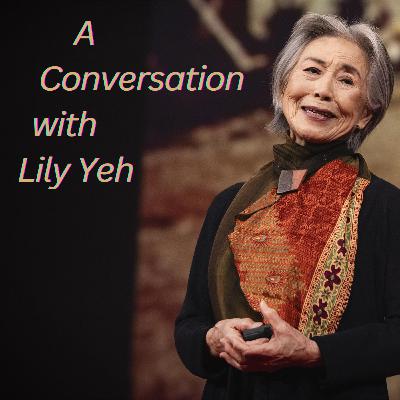
Lily Yeh, a globally celebrated artist and community arts pioneer, shares her transformative journey of using art to foster healing, hope, and resilience in marginalized communities around the world. Drawing from her experiences in places like Philadelphia, Rwanda, and China, she emphasizes the power of collaboration and the importance of community engagement in creating meaningful public art. Yeh believes that true beauty and healing emerge not from imposing solutions, but from listening to and uplifting the voices of those directly affected by trauma. Her work illustrates how art can be a catalyst for change, enabling individuals to reclaim their narratives and build trust within their communities. Through heartfelt stories and profound insights, Yeh inspires listeners to embrace creativity as a means of collective healing and empowerment.The StoryLily Yeh’s inspiring journey as a community-based artist reveals the profound impact of art on healing and social change. Through her reflections, it becomes evident that her life’s work is dedicated to bringing hope and transformation to communities across the globe. Yeh’s unique approach to art emphasizes collaboration and community engagement, where the process of creating is as significant as the final artistic outcome. This philosophy is rooted in her belief that art can be a powerful catalyst for compassion, justice, and personal growth, particularly in places that have been overlooked or marginalized.The conversation covers various aspects of Yeh's work, including her experiences in different countries—such as Rwanda, China, and her home city of Philadelphia—and how each community's stories shape the art she creates. Yeh highlights the importance of listening to local voices and incorporating their narratives into artistic projects, which fosters a sense of ownership and empowerment among participants. Her approach illustrates a deep understanding of the interconnectedness of human experiences, as she draws from her own ancestral heritage to connect with others on a fundamental level.Additionally, Yeh discusses the challenges and rewards of her work, particularly the emotional aspects of engaging with communities that have experienced trauma. She shares powerful stories about her projects, including the creation of a memorial in Rwanda, where community members were invited to participate in the artistic process as a means of healing and remembrance. Ultimately, Yeh’s narrative serves as a reminder of the transformative power of art and its ability to unite people, foster resilience, and inspire hope in the face of adversity.Takeaways: Lily Yeh emphasizes the importance of community participation in art-making to foster trust and healing. Art should not be viewed as merely decorative; it plays a vital role in transforming lives and narratives. Lily's journey shows that the act of creating can be deeply empowering for marginalized communities. The Dandelion School illustrates how art can build identity and confidence in young people. Lily believes that wisdom comes from intuition and openness, rather than just accumulated knowledge. Creating beauty in broken places can spark collective healing and allow for renewed hope. Notable Mentions:PeopleLily Yeh: A globally celebrated artist and community leader, founder of the Village of Arts and Humanities in Philadelphia. Her work focuses on using art for community transformation. Learn more about Lily YehVerena Wheelock: A community member in Asheville, North Carolina, involved in rebuilding after severe flooding, inspired by the metaphor of creating...
SummaryThis podcast episode features a compelling conversation between Bill Cleveland and Jack Bowers, highlighting the transformative power of arts programs within the prison system. Bowers shares his experiences as a musician and educator at Soledad Prison, emphasizing how curiosity and opportunism led him to create profound connections and foster a vibrant creative community among incarcerated individuals. The discussion reveals the significant impact of art in mitigating the harsh realities of prison life, allowing participants to explore their identities and express themselves in ways that transcend their circumstances. Cleveland and Bowers reflect on the challenges and triumphs of building an arts program in a structured and often oppressive environment, illustrating the necessity of respect and collaboration among diverse groups. Ultimately, the episode serves as a testament to the resilience of the human spirit and the vital role of creativity in healing and transformation.The StoryBill Cleveland's conversation with Jack Bowers offers a unique glimpse into the world of Arts and Corrections, a movement that has redefined the relationship between art and incarceration. Through their discussion, Jack recounts his journey from a working musician to a significant figure in the California prison arts scene, highlighting how he embraced opportunities that led him to teach music and songwriting to inmates. This exploration is not just about the act of teaching; it delves deep into the emotional and psychological landscapes of both the artists and the incarcerated individuals they serve. Jack paints a vivid picture of how creativity became a crucial lifeline for inmates, providing them with a means of expression, connection, and ultimately, a path to personal transformation.At the core of their dialogue is the profound impact that art can have in a prison setting. Jack reflects on the challenges he faced in establishing trust and building a community among inmates and staff, emphasizing the necessity of fostering a safe and supportive environment for creative exploration. This episode highlights the complex relationships that develop within such institutions, where art becomes a bridge between disparate worlds. Jack’s stories reveal the intricacies of navigating the prison system, where respect and permission from inmates and staff alike were essential for the arts program to thrive. The discussion also touches on the broader implications of what it means to be an artist in such a challenging environment, exploring themes of resilience, hope, and the importance of community.As Jack shares his experiences, listeners are treated to an authentic performance of his song, “Soledad Morning,” which encapsulates the struggles and aspirations of those living in a correctional facility. The song serves as a poignant reminder of the realities faced by inmates, capturing the essence of longing and the fleeting nature of connection in a world defined by confinement. This episode not only celebrates the transformative power of art but also challenges listeners to reconsider their perceptions of prisons and the individuals within them. It is a powerful testament to the idea that creativity can flourish even in the most restrictive environments, offering hope and healing to those who need it most.Takeaways: Jack Bowers describes his journey as an opportunistic musician, highlighting the unexpected paths that led him to work in prisons. The Arts and Corrections program created a unique environment where creativity thrived despite the challenges of prison life. Building a sense of community and connection is essential for artists working in correctional settings. Jack emphasizes the transformative power of art, illustrating how it can help mitigate the harsh realities of incarceration. The complexities of prison life...
Episode SummaryIn this second of two episodes exploring democracy as a creative practice Bill Cleveland leads a rich discussion with theater workers Arnaldo Lopez, Ben Fink, and Scott Rankin, and labor organizer Ken Grossinger, who share how artistic endeavors can bridge differences, foster justice, and inspire community engagement. The conversation delves into the transformative power of storytelling and the role of cultural democracy in redefining citizenship and identity. As the guests recount their experiences, they highlight the importance of trust and cooperation in collaborative projects that address social issues. Ultimately, this episode underscores the vital relationship between art and democracy, encouraging listeners to consider how creative practices can drive meaningful change in society.Key Moments00:11 - Exploring Democracy as a Creative Practice01:08 - Exploring Art and Democracy16:20 - The Role of Art in Organizing28:05 - The Power of Cultural Change33:01 - The Flow of Change and LearningThe StoryThe exploration of democracy as a creative practice takes center stage in this engaging podcast episode led by Bill Cleveland. The conversation invites listeners to consider the intricate relationship between art and democratic engagement, showcasing how creative expression can serve as a powerful tool for fostering community, dialogue, and social change. Throughout the episode, Cleveland draws on insights from a diverse range of guests—artists, theater practitioners, and labor organizers—who share their personal experiences and the transformative impact of art in their respective fields. This multifaceted dialogue not only highlights the challenges faced by contemporary democracies but also illuminates the potential for creative practices to bridge divides and cultivate understanding among disparate communities.Guests such as Arnaldo Lopez and Ken Grossinger articulate the importance of storytelling in reclaiming democratic spaces and asserting the narratives of marginalized groups. Their contributions underscore the essential role that art plays in illuminating social injustices and inspiring collective action. The podcast does not shy away from addressing the complexities of cultural democracy, emphasizing the necessity for inclusive practices that honor and celebrate cultural differences. Cleveland thoughtfully weaves these narratives together, painting a rich tapestry of insights that challenge listeners to reflect on their own roles within the democratic process.As the episode unfolds, it becomes clear that the journey towards a creative democracy is ongoing and requires active participation from all individuals. The discussions culminate in a compelling call to action, urging listeners to embrace their creative potential and engage in the collaborative efforts necessary for meaningful change. By fostering a deeper understanding of the interplay between art and democracy, the podcast presents a hopeful vision for the future—one where creative practices not only enrich our understanding of ourselves but also empower us to collectively shape the world around us. In this light, the episode serves as an inspiring reminder of the enduring power of art to catalyze social transformation and reinforce the fundamental ideals of democracy.Takeaways The podcast explores the role of art in fostering democracy and collaboration. Art can serve as a powerful tool for reclaiming democratic spaces and identities. Collaborative art-making helps bridge cultural differences and create common ground among communities. Effective organizing requires integrating artistic practices to shift narratives and foster engagement. Trust and cooperation are essential for successful collaborative artistic endeavors...
DEMOCRACY is a practice that we haven't been practicing. The gap between the story we've been telling ourselves about our participatory democracy and our actual experience leaves us unprepared for the Resistance and Reclamation project that we're about to undertake. To get better at Democracy, we need to treat it as a creative practice!This is the first of two episodes that explore the intricate relationship between art and democracy. This episode delves into the idea that democracy is not merely a system of voting, but a dynamic practice that requires active participation and creativity from its citizens. In his conversation with past guests, Bill Cleveland posits that our understanding of democracy is flawed, as too many citizens view it solely as a transactional process rather than a communal endeavor. Through insights gathered from creative change agents who have engaged deeply with the intersections of art and democratic practices, the episode illustrates how creative expression can act as a catalyst for civic engagement. The narrative reveals a pressing concern about the current state of American democracy, where apathy and division threaten the very fabric of communal life. Cleveland advocates for a renewed commitment to practicing democracy as a form of art, where citizens actively contribute to shaping their society, thereby enriching not only their own lives but also the collective experience of democracy itself.Takeaways: Democracy is a practice that requires active participation, not just voting in elections. The fragility of American democracy stems from a lack of understanding of its true nature. Creative practices in democracy can help bridge divides and foster community engagement. Sharing personal stories can play a crucial role in understanding and practicing democracy. The connection between art and democracy emphasizes the importance of collective storytelling. Democracy thrives when citizens engage in meaningful dialogues and collaborative efforts together. Chapters:00:11 - A New Direction in Storytelling00:41 - Democracy as a Creative Practice09:33 - The Role of Stories in Democracy16:18 - The Legacy of Lydia Hamilton Smith22:30 - Animating Democracy: The Role of Arts in Community Engagement25:47 - The Power of Creative Engagement in Social Issues32:29 - The Role of Arts in Cultural Democracy37:08 - The Role of the Culture Bearer46:31 - The Connection Between Civic Engagement and Creative Practice47:52 - The Impact of Citizenship Schools on DemocracyNotable MentionsIndividuals:Bill Cleveland – Center for the Study of Art and CommunityLeni Sloan – Leni Sloan bioPam Korza – Animating DemocracyBarbara Schaefer Bacon – Animating DemocracyHarry Boyte – Humphrey InstituteCarlton Turner – Mississippi Center for Cultural ProductionLori Poirier – a...
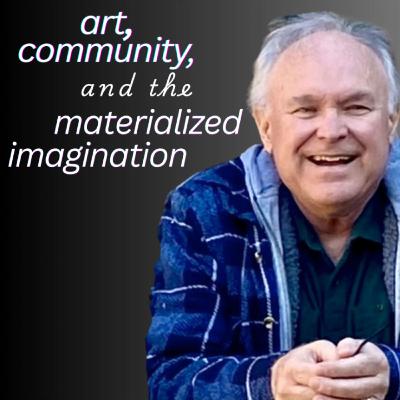
Explore creative community transformation with teaching artist Jeff Mather as he shares stories of art, collaboration, and social change in education.Jeff Mather's work as a teaching artist and public art digital storytelling alchemist underscores the vital role of art in fostering community resilience and engagement. The conversation with Bill Cleveland reveals how, despite the challenges posed by recent global events, Mather remains optimistic about the transformative potential of creative collaborations. By reflecting on his experiences in various educational and community settings, he illustrates how art can bridge divides, empower youth, and reinvigorate spaces that have been overlooked or abandoned. His dedication to involving students in the artistic process not only cultivates their creativity but also instills a sense of agency and responsibility for their environment.The episode captures the essence of Mather's philosophy: art is not merely an aesthetic endeavor but a powerful tool for social change. Mather recounts the impactful project in West Baltimore, where he worked with local youth to design and install an environmental sculpture in a park that had long been neglected. This initiative not only beautified the area but also engaged the community in a dialogue about safety, ownership, and the importance of reclaiming shared spaces. Mather's insights into the dynamics of teaching and collaboration highlight the necessity of recognizing and valuing each participant's unique contributions, which ultimately enriches the artistic outcome.Furthermore, the discussion delves into the challenges and rewards of community-based art practices, particularly in relation to trust-building and navigating complex social landscapes. Mather emphasizes the importance of entering communities with humility and a willingness to learn, rather than imposing external solutions. His experiences with Alternate Roots showcase the power of grassroots movements in advocating for social and economic justice through art. As the episode unfolds, it becomes evident that Mather's work embodies a vision of art as a communal endeavor—one that celebrates diversity, fosters connection, and cultivates a shared sense of purpose in navigating the challenges of our times.Key Moments00:18 The Turning Point: Reflections on Change and Future Challenges00:35 Reflections on Creative Change Agents13:59 Alternate ROOTS and Community Engagement22:55 The Impact of Community Engagement in Public Art31:14 Engaging with Community Through Art40:03 The Impact of Art and CommunityBIOJeff is a community-based public artist and teaching artist in Georgia, (and South Carolina and Massachusetts and Utah), for over 30 years. He is the STEAM artist-in-residence at Drew Charter School 45 days each semester/90 days each year and has presented on his partnership work there at national and international conferences. He was a delegate and presenter at the 1st International Teaching Artist Conference in Olso in 2012 and at the ITAC3 in Edinburgh and at ITAC6 in Oslo. He is an ITAC Innovator, leading Think Tank webinars. He has been on the Georgia Council for the Arts registry of visiting artists since 1992. He has a BA degree in Proxemics from Hobart College. He served as president of the Atlanta Partnership for Arts in Learning, an arts infusion non-profit that he helped to co-found in 2001. He toured a program for nine years with a choreographer - and also a storytelling program with a master storyteller. Jeff has facilitated Learning Exchanges for teaching artists for Alternate ROOTS and for the Community Built Association. Jeff is also the lead artist for the Beverley Taylor Sorenson Arts Access Program in northern Utah and runs interdisciplinary residencies there twice a year. He directed several experimental theater productions at the Center for
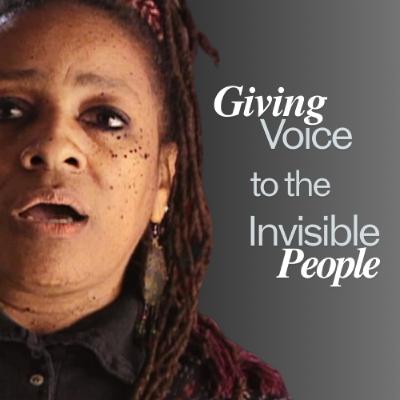
Rebecca Rice, a pioneering community artist, transformed her personal experiences into a powerful advocacy for marginalized voices through art. Her journey began in a challenging neighborhood in Chicago, where she discovered her passion for performance and community engagement. This podcast explores her belief that every individual, regardless of their visibility, contributes to the intricate tapestry of human existence. Throughout her career, Rice emphasized the importance of creative collaboration, using theater as a means to address social issues such as domestic violence and racial justice. As she reflects on her work, listeners are invited to consider the profound impact of art in fostering understanding and change within communities.Rebecca Rice's profound journey as a community artist is explored through her reflections on art's power to transform lives, especially within marginalized communities. She perceives herself as an 'artist communicator,' emphasizing the importance of every individual’s story in shaping the broader human experience. Through her work, she has sought to give voice to those often overlooked—prisoners, youth, and the disabled—highlighting the reciprocal nature of her partnerships where the shared experiences of both artist and collaborators create a deeper understanding and artistic expression. Bill Cleveland, the host, reminisces about his mentorship under Rebecca, illustrating how her teachings transcend mere technical skill to delve into the moral and ethical dimensions of artistry. This rich dialogue not only honors Rebecca's legacy but also underscores the relevance of her insights on community arts and racial justice in today's societal landscape.The episode also delves into Rebecca's early influences and formative experiences that shaped her artistic philosophy. Growing up in a challenging environment on Chicago's West Side, she was introduced to community arts through Johnny Houston's program, which instilled in her a sense of capability and belonging. This program acted as a catalyst for her development as an artist, fostering her talent while teaching her the importance of dedication, hard work, and the value of creative expression irrespective of societal limitations. As Rebecca transitioned into the realm of political street theater and later into her tenure at Living Stage Theater, she began to intertwine her artistic endeavors with social activism, using theater as a vehicle for change and a platform for the stories of the oppressed. This evolution highlights the dynamic interplay between art and activism, showcasing how Rebecca's work was not just about performance but about empowering individuals and communities through creativity.Moreover, the discussion touches on the concept of 'creative trust' and how it serves as a foundation for successful artistic collaboration, especially within vulnerable populations. Rebecca articulates the necessity of creating a safe space where individuals can explore their creativity without the fear of judgment. This sanctuary-like environment allows participants to confront their internalized negativity and engage with their artistic voices authentically. The conversation also critiques the superficiality of multiculturalism in arts funding, advocating for deeper, more genuine engagement with communities rather than tokenistic approaches. Rebecca's insights push for a re-examination of the roles artists play within their communities, advocating for a shift in focus from individual acclaim to collective empowerment, ultimately striving to make art a fundamental and essential aspect of societal healing and growth.Takeaways: Rebecca Rice emphasized the importance of every individual's contribution to the fabric of human existence, not just the prominent figures. Art can serve as a transformative tool for personal empowerment and societal change, particularly in marginalized communities. ...

Comments

Download from Google Play

Download from App Store
 United States