


 Claim Ownership
Airlock Module
Subscribed: 0Played: 0
Subscribe

© 2025 Yuki Nishimura
Description
Step inside The Airlock Module Podcast, where analog astronaut Yuki Nishimura explores the human side of space exploration. Each episode dives into real stories from Mars simulation crews, scientists, and engineers, uncovering how life in isolation, teamwork, and innovation prepare us for the stars and teach us about life on Earth.
10 Episodes
Reverse
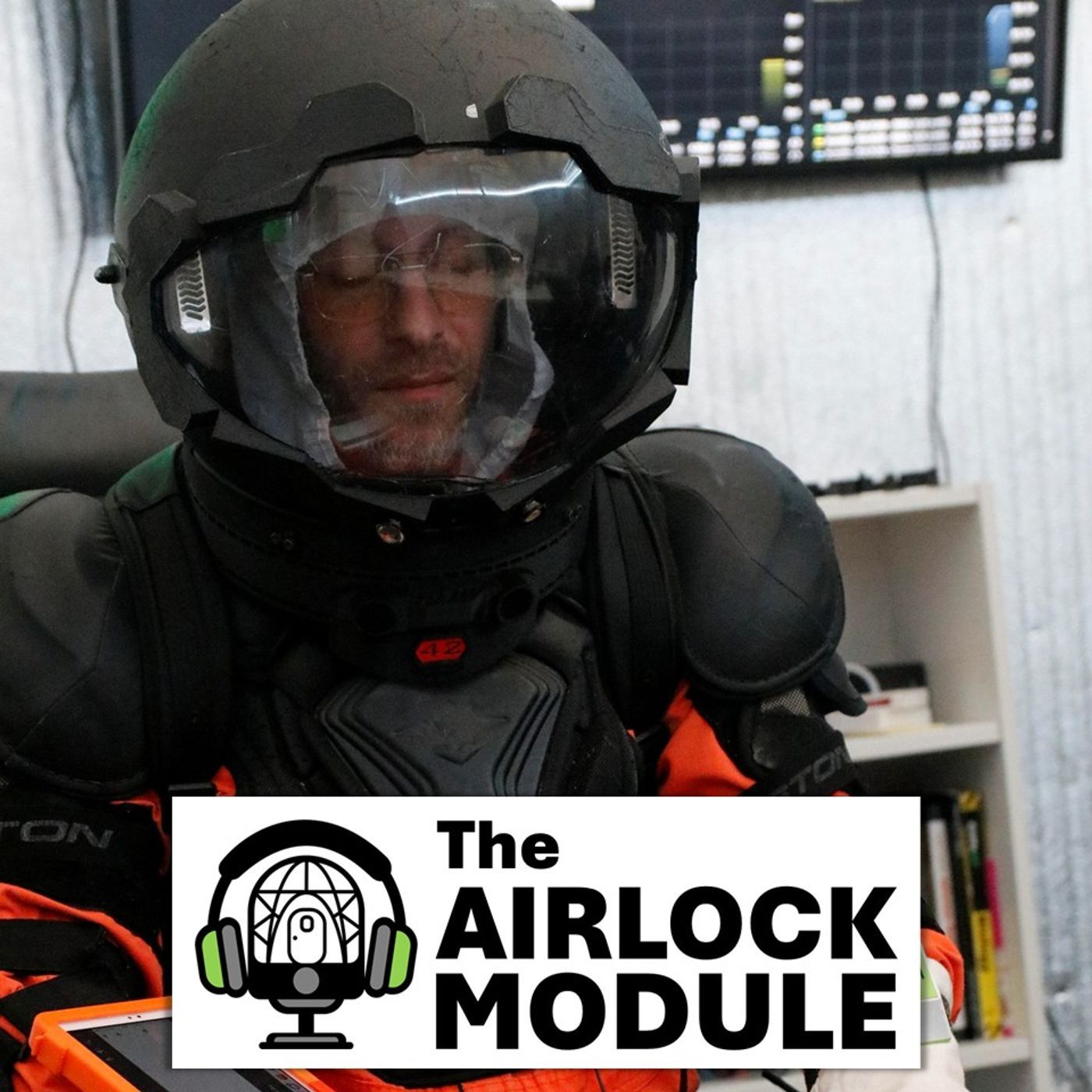
In this episode of The Airlock Module Podcast, Yuki sits down with engineer, analog astronaut, and Transcendental Meditation instructor Karim Nahabet to explore the intersection of human performance, consciousness, and space operations.From serving as Executive Officer and Commander at LunAres to leading a mission at the Armash Mars Research Station in Armenia, Karim shares real-world lessons from operating in confined, extreme environments, including sunlight deprivation, power limitations, communication delays, crew cohesion challenges, and on-the-fly problem solving.The conversation dives into stress resilience, sleep discipline, the gut–brain connection, and how meditation and breathwork may play a critical role in long-duration space missions. This episode blends engineering, psychology, and philosophy into a thoughtful discussion about what it truly takes to thrive on the path to Mars. Karim’s LinkedIn: https://www.linkedin.com/in/karim-nahabet-37151653/
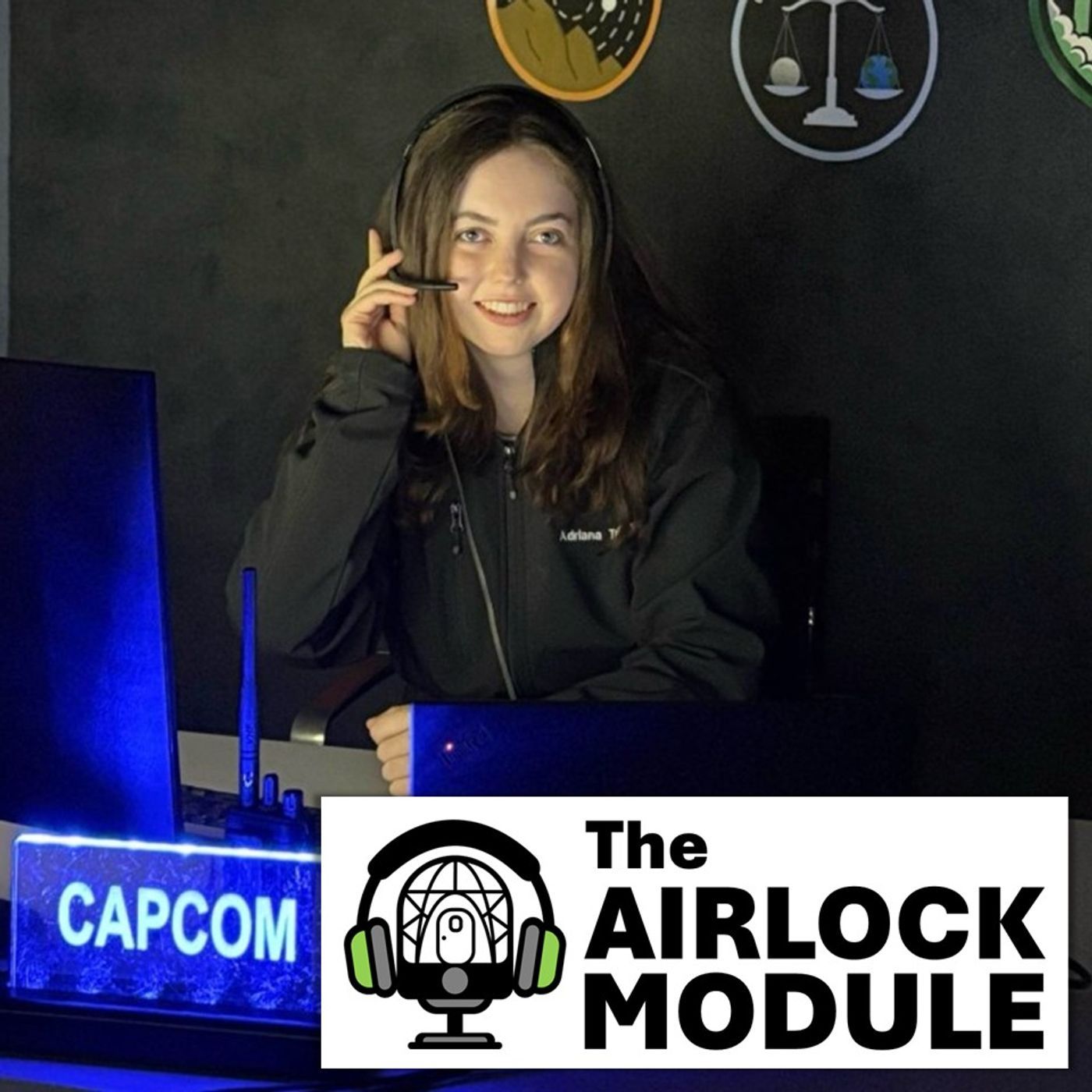
In this episode of The Airlock Module Podcast, Yuki Nishimura sits down with Adriana Talianova, a mechanical engineering student at Northwestern University and experienced analog mission operator, to explore what it really takes to live and work in simulated space environments. From serving as CAPCOM and Flight Activities Officer in Asclepios Mission Control to improving habitat systems during her analog mission in Poland, Adriana shares behind-the-scenes insights into mission operations, timeline management, communication under pressure, and the human side of space simulation. Along the way, she tells the unforgettable story of the infamous “mousetronaut”, a habitat mouse that sparked a three-day engineering challenge involving 3D-printed traps. This conversation dives into human performance, engineering for extreme environments, and how hands-on analog missions are shaping the next generation of space professionals. Adriana Talianova LinkedIn: https://www.linkedin.com/in/adriana-talianova/ Adriana Instagram: https://www.instagram.com/talianova_a/ Analog Astronaut Training Center Website: https://www.astronaut.center/ Asclepios Website: https://asclepios.ch/ The Airlock Module Patreon: https://www.patreon.com/c/AirlockModule Airlock Module Email: airlockmodule@gmail.com
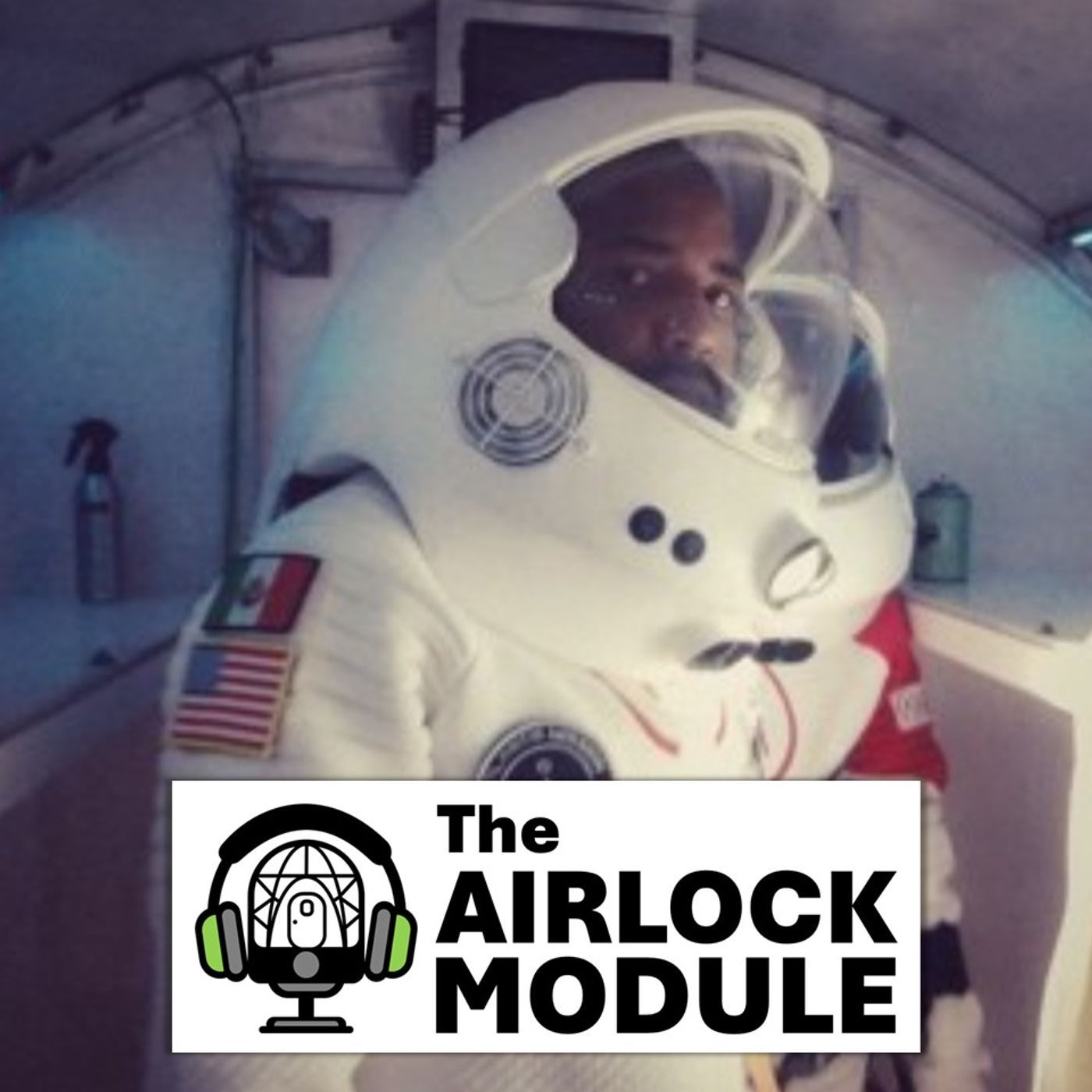

In this episode of The Airlock Module Podcast, Yuki Nishimura sits down with Jesse Forte: technologist, creative, analog astronaut, and founder of AstrOnyx.Jesse shares his unconventional path into analog space missions, from last-minute calls that sent him to Poland to leadership roles at HI-SEAS, Iceland extreme missions, and commanding a multinational crew at Astroland’s underground Mars analog. The conversation explores isolation, leadership under pressure, creativity inside the habitat, and how extreme environments reshape how we think about human performance.The episode also dives into how those experiences directly inspired AstrOnyx, a charcoal-activated toothpaste tablet designed for astronauts and built for Earth, blending space research, sustainability, and everyday health in a closed-loop world.Raw, energetic, and deeply human, this episode shows how analog missions don’t just prepare us for space, they change how we live on Earth. Jesse’s LinkedIn: https://www.linkedin.com/in/jessenforte/AstrOnyx Website: https://astronyx.io/Lunares Website: https://lunares.space/HI-SEAS Website: https://www.hi-seas.org/The Airlock Module Patreon: https://www.patreon.com/c/AirlockModule
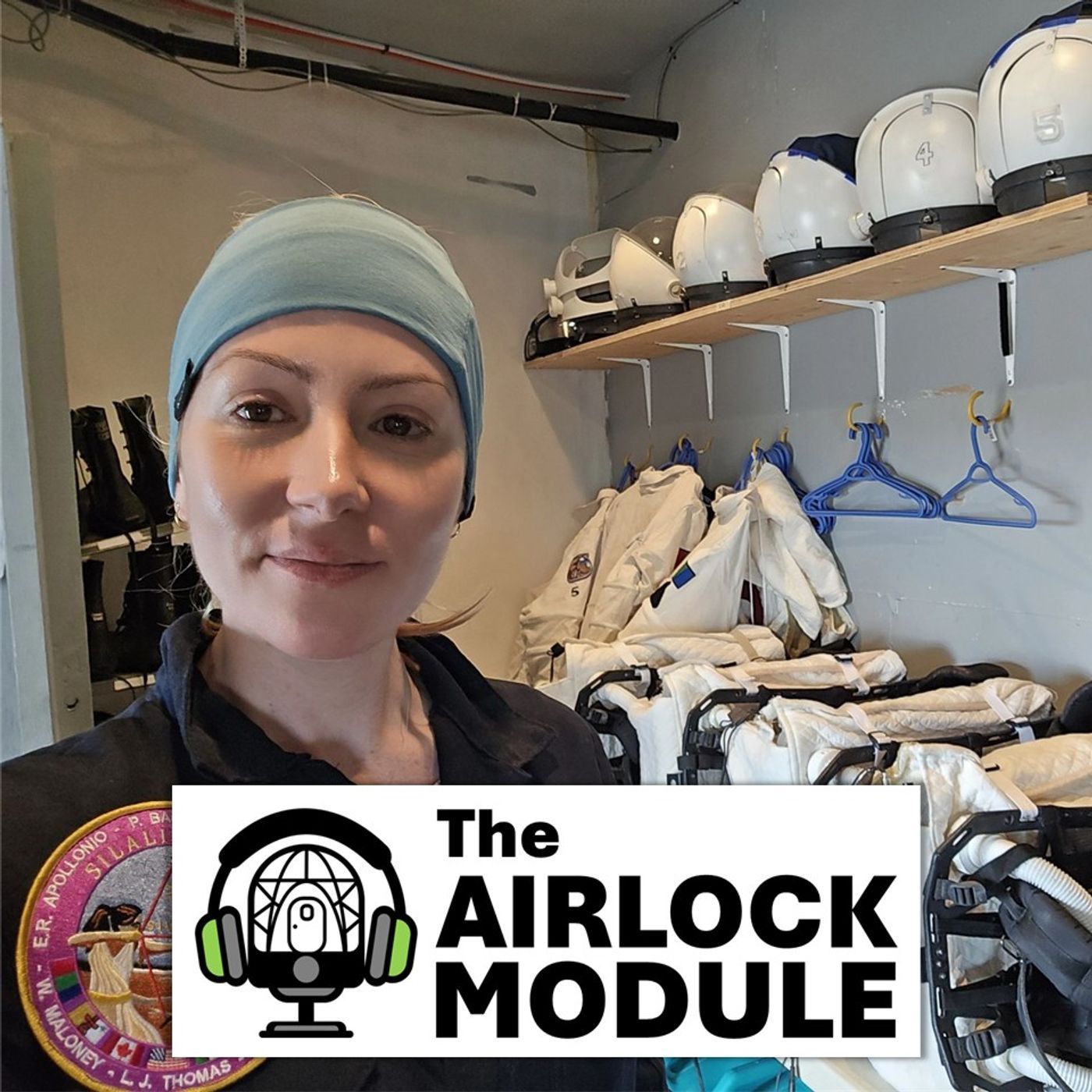
In this episode of The Airlock Module Podcast, Yuki Nishimura sits down with Dr. Laura Thomas, Chartered Psychologist, space psychology researcher, and extreme-environment explorer. Laura shares her journey from clinical psychology in the UK to analog space missions and polar expeditions, including her role as Crew Psychological Officer for Mars Medics 5 in the Mojave Desert, researcher on the B.I.G. North Pole ski expedition, and Health & Safety Officer at the Mars Society’s Devon Island analog habitat.Together, they explore what prolonged isolation, confinement, and cumulative stress do to the human mind, from subtle behavioral shifts to breaking points that affect even the most resilient individuals.The conversation also dives into Laura’s published paper on virtual reality countermeasures for long-duration spaceflight, examining how VR could support psychological wellbeing, deliver asynchronous therapy, and foster connection when Earth feels impossibly far away. Along the way, Laura recounts unforgettable field moments, including a tense encounter with a possible polar bear, and reflects on what analog missions can teach us about resilience, vulnerability, and human adaptability both in space and here on Earth. Laura’s LinkedIn: https://www.linkedin.com/in/laura-thomas-space-psychology/MMAARS CREW 2301- MARS MEDICS V: https://www.facebook.com/groups/crew2301marsmedicsv/B.I.G. Before It’s Gone North Pole Expedition: https://beforeitsgone.org.uk/the-expeditionFMARS Crew 17: https://fmars.marssociety.org/meet-the-crew-2/World’s Biggest Analog: https://www.worldsbiggestanalog.com/Laura Thomas’ VR Paper: https://www.frontiersin.org/journals/virtual-reality/articles/10.3389/frvir.2023.1180165/full
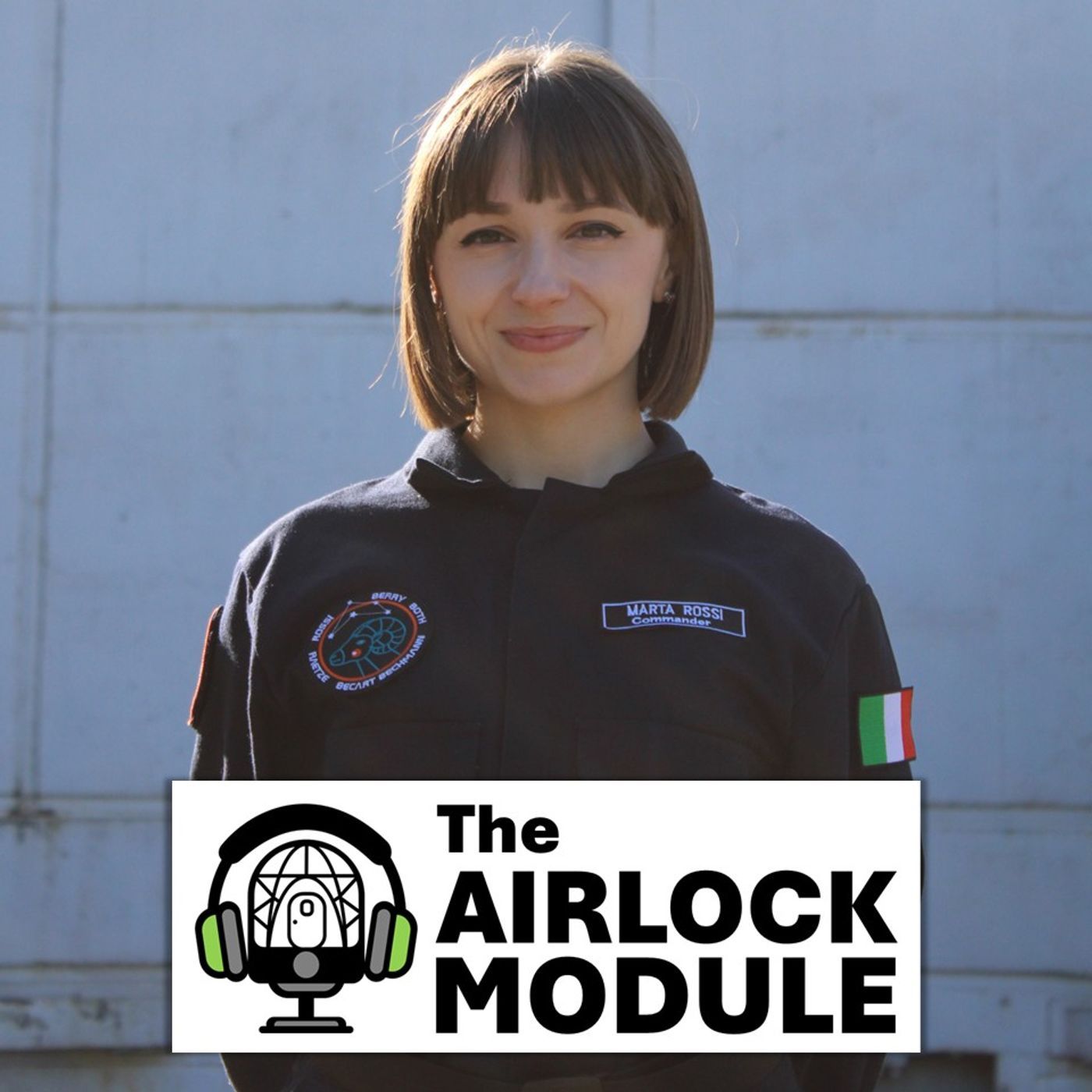
What happens when you put an architect in charge of a lunar habitat, then lock the doors for two weeks?In this episode of The Airlock Module Podcast, host Yuki Nishimura sits down with Marta Rossi, a PhD student in architecture specializing in space architecture at Politecnico di Torino and mission commander of the LunAres M7 analog mission in Poland. Marta shares how a simple master’s thesis decision turned into a lifelong path at the intersection of architecture and space, and why she describes architecture as “an opening in the possible.”From inside a bunker-turned-lunar station, Marta led a four-person crew through 14 days of full isolation while running two research projects: one tracking spatial behavior and crew movement in confined environments, and another using virtual reality tools to bring analog astronauts directly into the lunar habitat design loop. She walks us through the layout of LunAres M7, from the towering atrium that feels like “a breath of fresh air” to the daily rhythms of med checks, EVAs, shared meals, surveys, and pancakes with freeze-dried fruit.We also explore:How space architecture can help humans not just work, but live and thrive off-worldWhy layout, flow, and dedicated leisure space matter for mental health in isolationThe tension between mass, safety, cost, and livability in future Moon and Mars habitatsWho should be designing space habitats, and why the answer lies in collaboration, not a single disciplineMarta’s honest take on the challenges and deep personal growth that come with analog missionsIf you’ve ever wondered what it feels like to live inside your own research, or you’re on the fence about applying for an analog mission, this conversation might be the nudge that sends you through the airlock. Marta’s LinkedIn: https://www.linkedin.com/in/marta-rossi-414994170/Lunares Website: https://lunares.space/
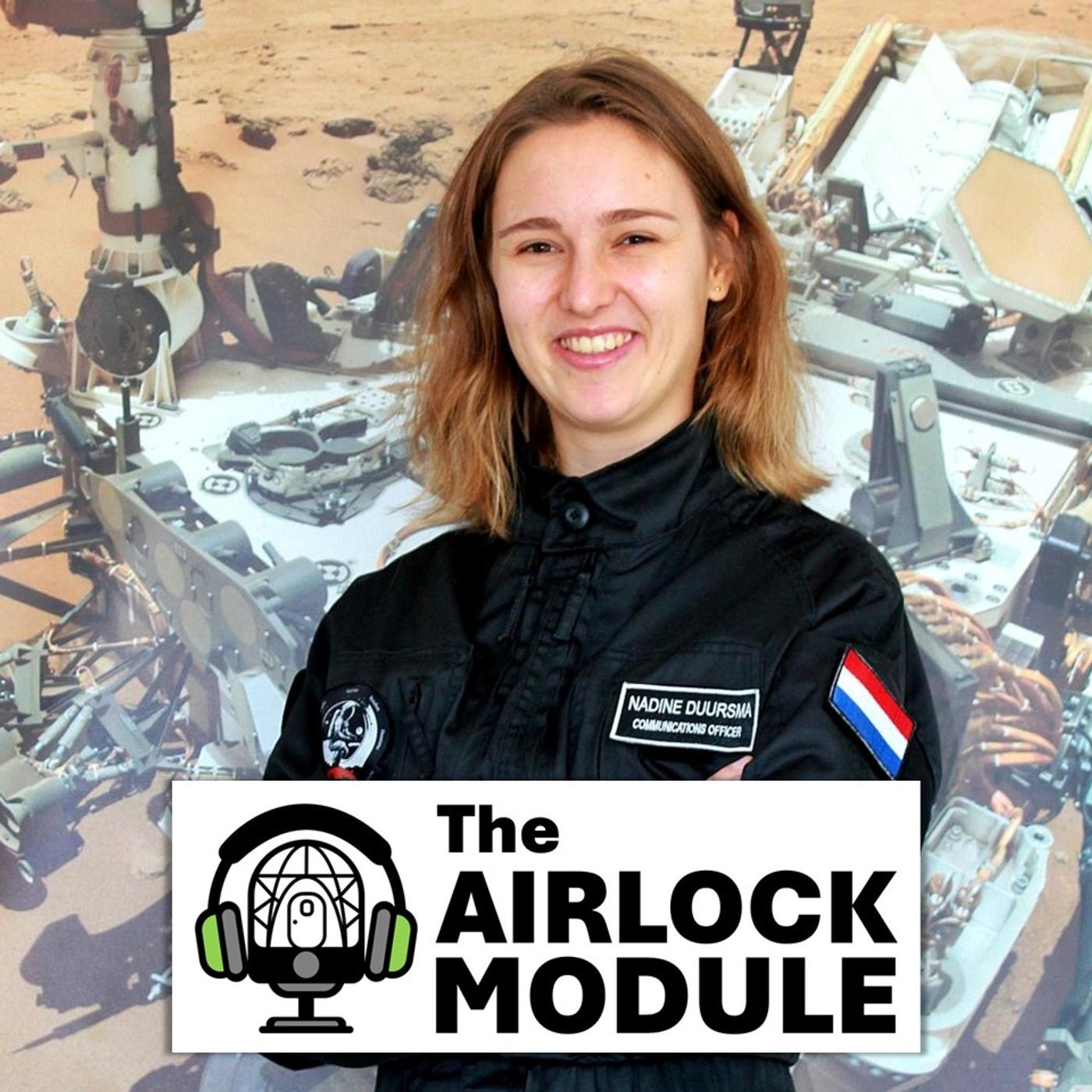
In this episode of The Airlock Module, Yuki sits down with Nadine Duursma, a TU Delft double-MSc student in Robotics & Space Engineering and visiting researcher at ESA’s Φ-lab. Fresh from the Monsaraz Mars Analog Mission, Portugal’s first, Nadine shares how her crew transformed an empty dome into a working habitat in 48 hours, then tackled EVAs in 35°C heat, rover tele-ops with latency, a drone drop emergency demo, plant growth trials, and searches for DNA traces in rocks. She also discusses her AI-based Tip & Cue satellite work at ESA, outreach to 50+ schools/2,000 students, and what’s next—from ÖWF Amadee-27 to a dream of Antarctica. Nadine Duursma LinkedIn: https://www.linkedin.com/in/nadine-duursma-17031999/Monsaraz Mission Site: https://www.olagoalqueva.com/en/worlds-biggest-analogESA’s Tip and Cue Project: https://cin.philab.esa.int/databases/projects/laying-the-foundation-for-ai-based-tip-and-cueTU Delft’s Interview with Nadine about her book: https://delta.tudelft.nl/en/article/it-is-important-that-there-are-books-about-aerospace-for-girls-tooAmazon Netherlands link for Met Mama naar Mars: https://www.amazon.nl/Mama-naar-Mars-Karen-Akker/dp/9090382461An Article on the Solar Cat Project: https://www.ellbru.nl/nieuws/aerodynamisch-engineer-verbakel-innovation-nadine-duursmaPodcast Cover Photo Credit:Nadine Duursma. (2025). Ana Cristina Pires Facebook. photograph. Retrieved November 27, 2025, from https://www.facebook.com/anapires.co/posts/monsaraz-mars-analog-mission-in-portugalworlds-biggest-analog-meet-the-asp-1-nov/4673872376172936/The Airlock Module Patreon: https://www.patreon.com/c/AirlockModule
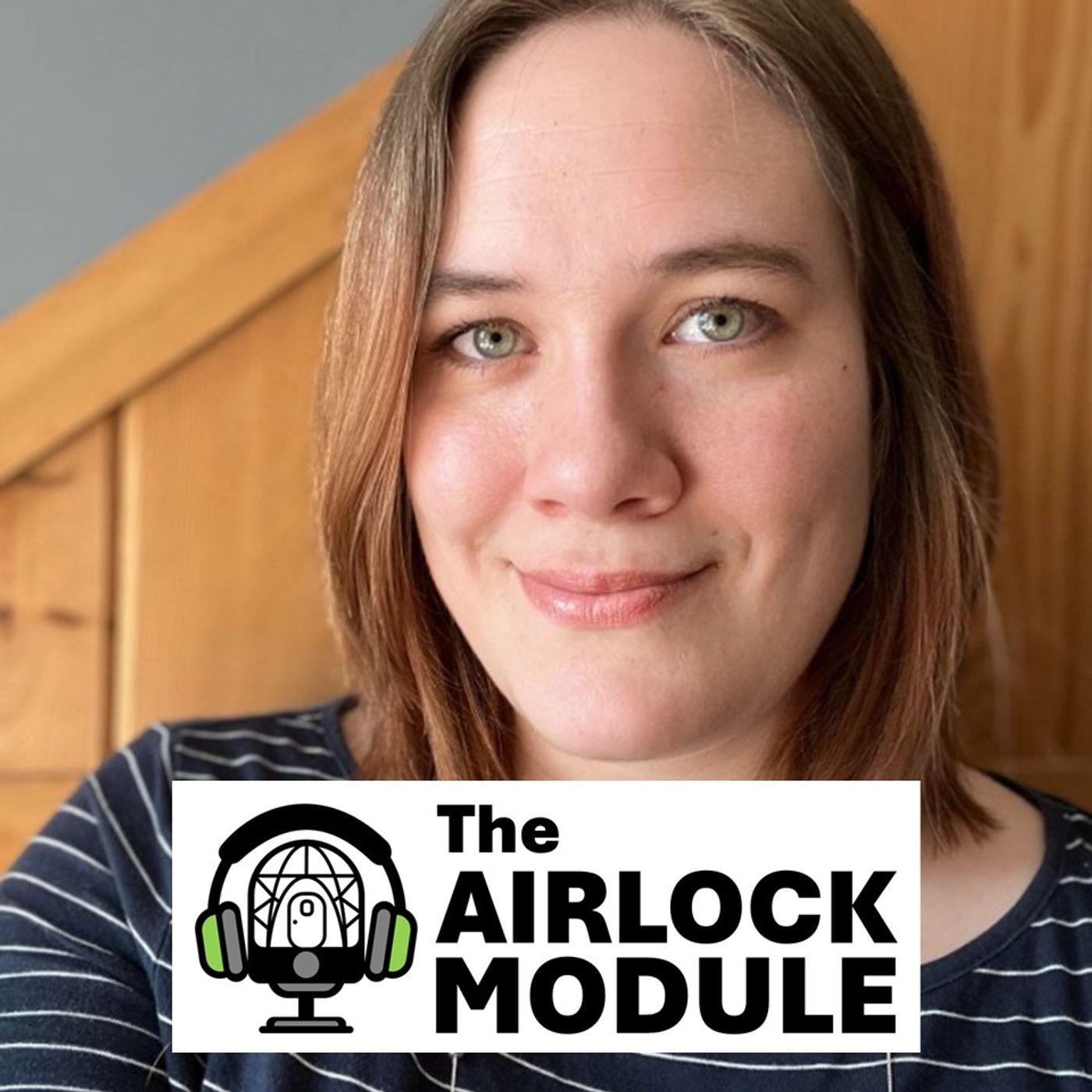
In this episode, we head to Homer, Alaska, where the northern lights glow and alpacas roam, to meet Laura Reiske: middle school math teacher, lifelong space nerd, and Chief of Staff for the APUS Analog Research Group. Laura shares how a love for black holes and clear Alaskan skies led her back to space, from NASA’s L’SPACE Mission Concept Academy (Deputy PM for Team SIGMA) to pursuing a master’s in Space Studies.We dive into her first crewed analog at SAM in Arizona, where she commanded Team Red through a five-day isolation: tracking water, growing spirulina, sealing the habitat in full pressurization mode, and navigating a panic attack before her first EVA with crew-centered breathing techniques. Leadership, teaching, teamwork, and wonder, all in one orbit. AARG Website: https://www.apusssrp.space/aargAARG Email Address: apus.arg@gmail.comAARG LinkedIn: https://www.linkedin.com/company/apus-analog-research-group-aarg/posts/?feedView=allAARG Instagram: https://www.instagram.com/apusarg/AARG X: https://x.com/APUS_AnalogLaura Reiske LinkedIn: https://www.linkedin.com/in/laura-reiske/Laura’s Instagram: https://www.instagram.com/l.reiske/SAM at Biosphere 2: https://samb2.space/AARG’s Mission Blog by SAM: https://samb2.space/blog/page/3/AARG’s Mission Blog by AMU: https://amuedge.com/the-aarg-1s-mission-and-simulating-a-crew-shift-change/The Airlock Module Patreon: https://www.patreon.com/c/AirlockModule
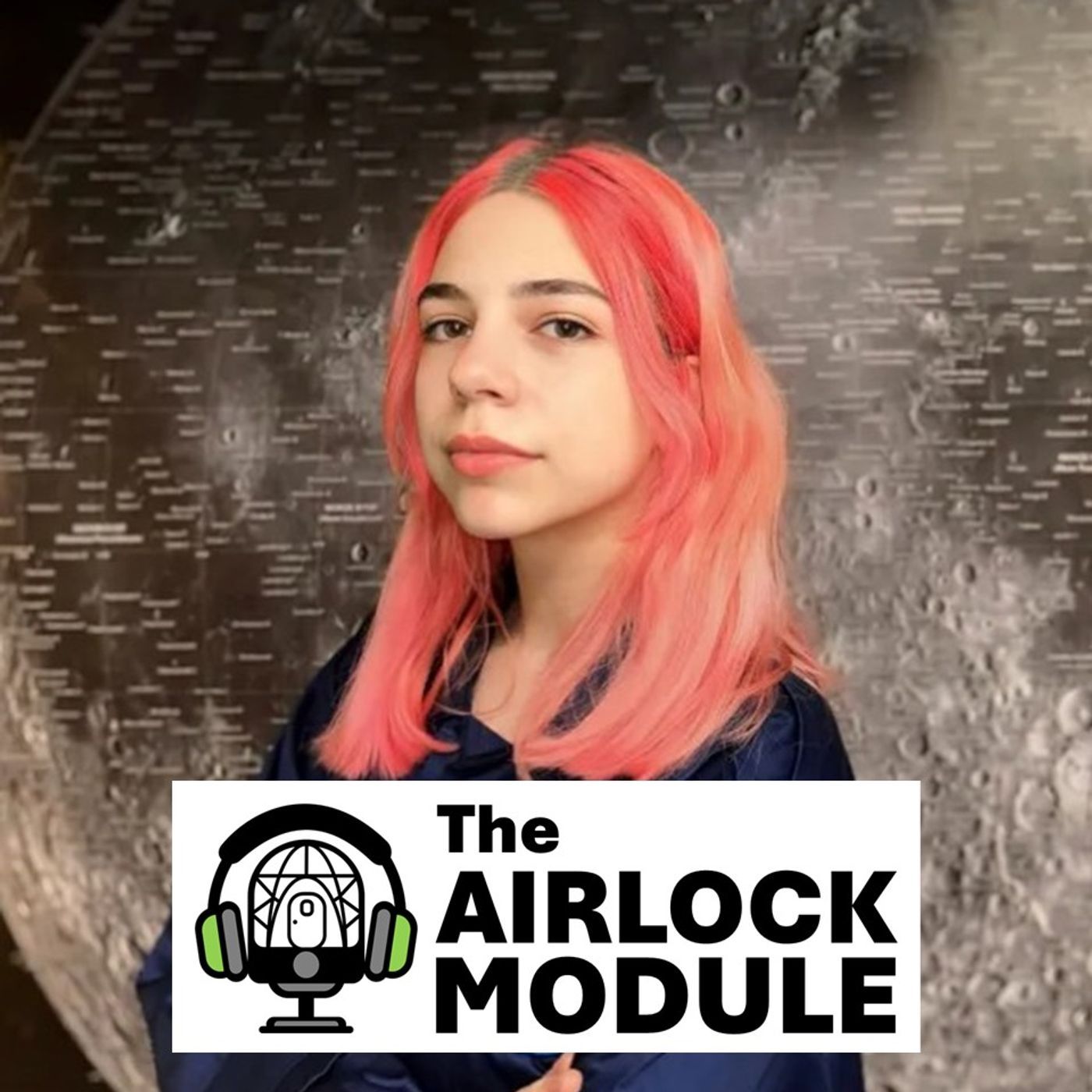
Meet Hanna, the first Armenian analog astronaut and a robotics engineering student charting her own course into space. We trace her leap from Buzz Lightyear–sparked curiosity to real-world missions: ground operations support on AMADEE-24 at ARMASH (Armenia), astronaut on the all-female LOTOS mission at the Analog Astronaut Training Center (Poland), and crew member on Terra Nova at LunAres (Poland) simulating Axiom-4. Hanna unpacks what it means to represent Armenia, how analog missions build resilient teams, and why soft-skills and cognitive training matter as much as hardware. It’s a fast, inspiring look at persistence, purpose, and finding your place in the global space community. Hanna Harutyunyan LinkedIn: https://www.linkedin.com/in/hannasav/Mission: Analog Podcast: https://missionanalog.com/Starmus: https://starmus.com/AMADEE-24 Mission: https://oewf.org/en/amadee-24/Buzz Lightyear in Space: https://youtu.be/AzcnBdq1TZ4?si=ay2I0kGVSb2e-TOrLunares Website: https://lunares.space/Hanna’s Logo photo credit: https://borderless.so/stories/my-educational-journey-to-space-to-infinity-and-beyondHanna’s GOST Uniform photo credit: https://www.linkedin.com/in/hannasav/recent-activity/all/Axiom-4 mission: www.axiomspace.com/missions/ax4Asclepios Website: https://asclepios.ch/ARMASH Facility photo credit: https://x.com/AustriaInGe/status/1776499504503570649/photo/4LOTOS crew photo credit: https://www.linkedin.com/in/hannasav/recent-activity/images/Lunares Habitat photo credit: https://en.wikipedia.org/wiki/LunAres#/media/File:LunAres_Research_Station_in_the_post-nuclear_bunker.jpgNineCubes: https://www.interpersonalskillslab.ch/en/Martina Dimoska photo credit: https://www.instagram.com/p/CxLsVm3LcRG/?hl=en&img_index=1The Airlock Module Patreon: https://www.patreon.com/c/AirlockModule
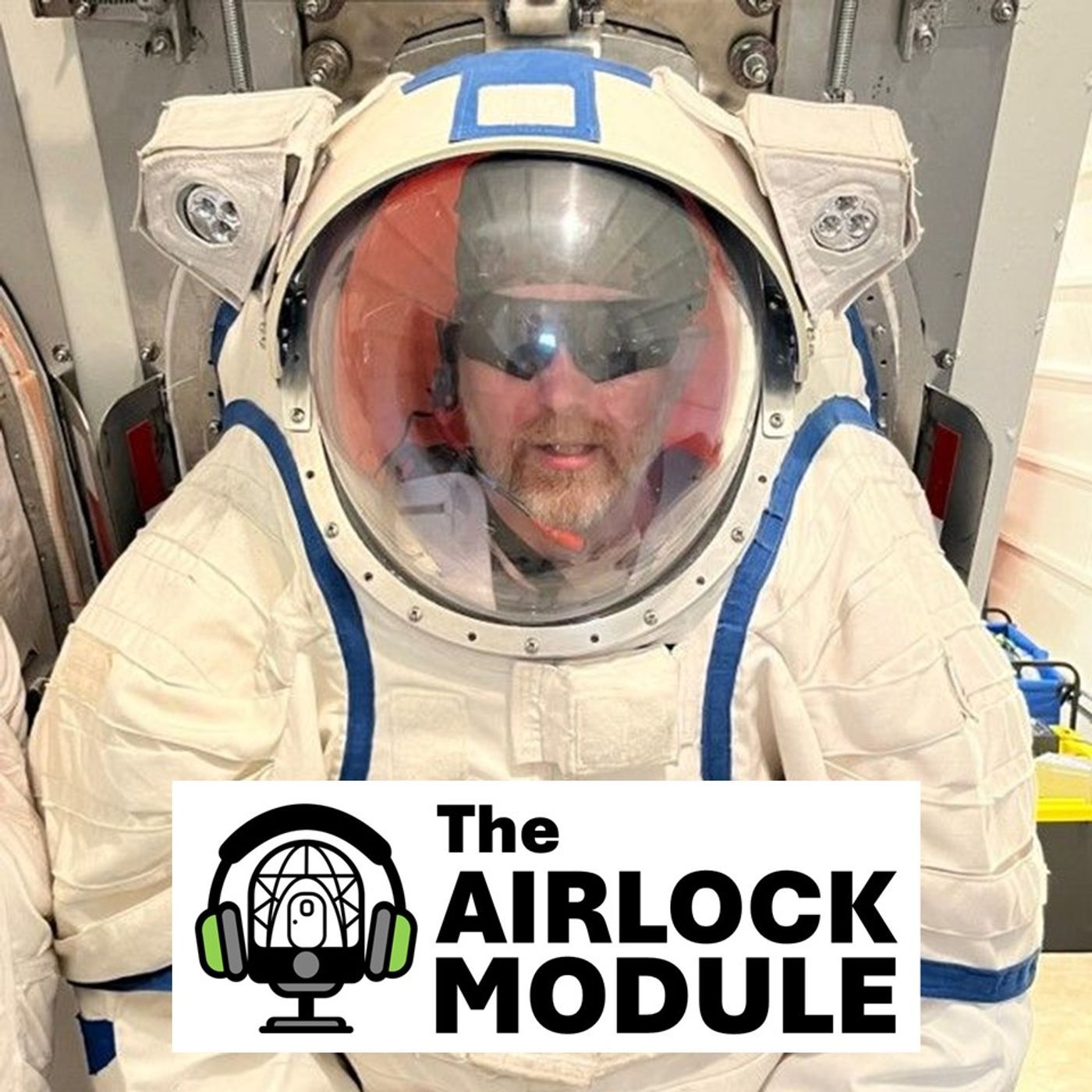
Dennis Miller embodies purpose, precision, and passion, on Earth and in analog space. As Chief of Operations and Flight Director for the APUS Analog Research Group, Dennis has led student teams through Mars-style simulations, drawing on two decades in the U.S. Marine Corps and his current work supporting NASA procurement at Goddard. In this episode, Dennis traces his unlikely path from F-18 avionics and hospital respirator repair to multimillion-dollar reconstruction programs in Iraq, and eventually to mission planning for high-fidelity analogs. We unpack his “intent over instructions” approach, how to build schedules with buffers, and what real risk management looks like when suit docking fails and emotions run high. Plus: favorite experiments (spirulina, mobility rigs, rescue sleds), how ILMAH and SAM differ, and why future mission controllers should experience analogs firsthand.U.S. Army Research Laboratory: https://arl.devcom.army.mil/LinkedIn: https://www.linkedin.com/in/dennis-miller-pmp-cfcm-4b4242b4/AARG Website: https://www.apusssrp.space/aargUS Army Research Lab: https://arl.devcom.army.mil/NASA's NEEMO: https://www.nasa.gov/missions/analog-field-testing/neemo/about-neemo-nasa-extreme-environment-mission-operations/VMFA-321 Hells Angels: https://en.wikipedia.org/wiki/VMFA-321The Airlock Module Patreon: https://www.patreon.com/c/AirlockModule
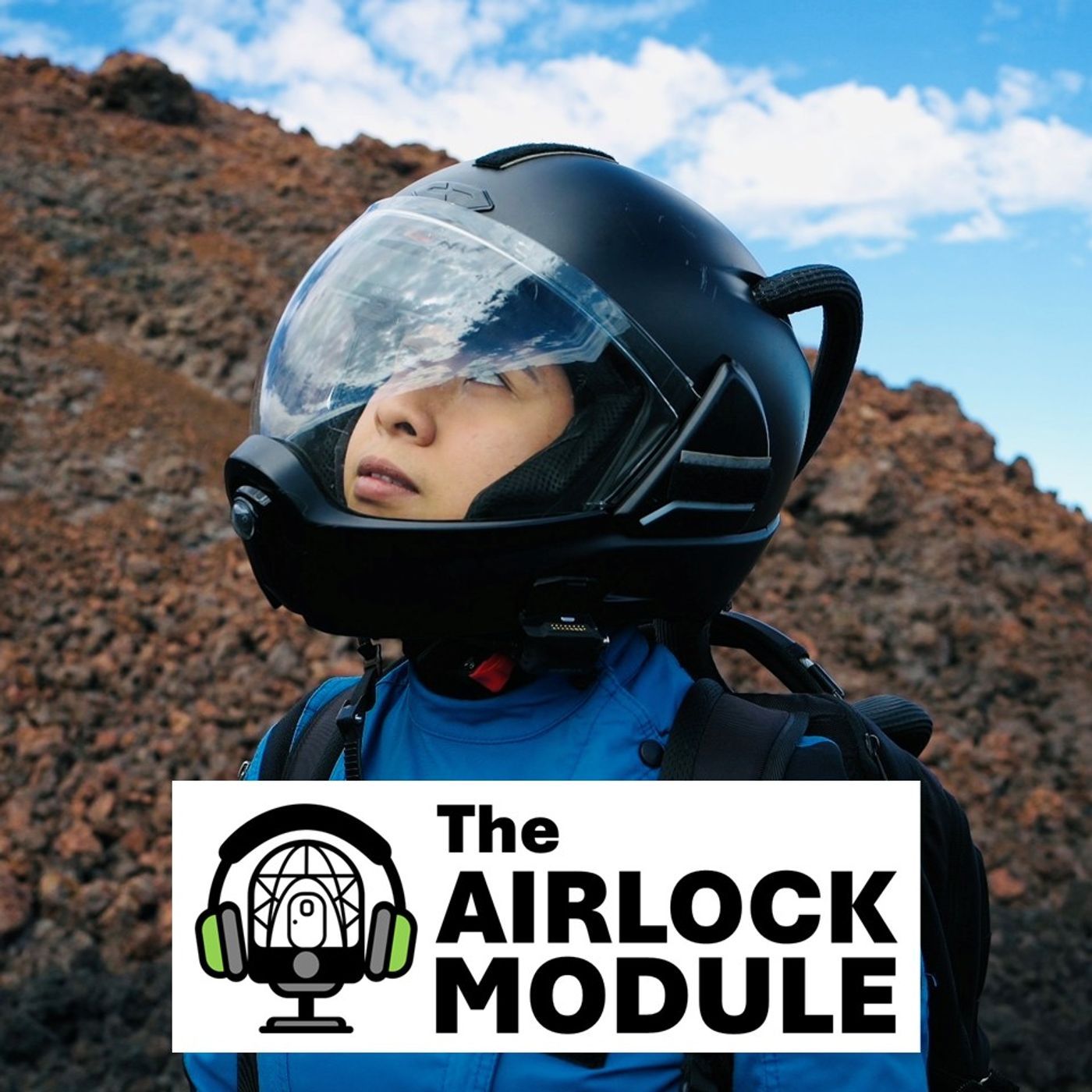
What will astronauts actually eat, and what can Mars menus teach us about feeding people on Earth? Yuki talks with Kristine Jane Atienza, public health nutritionist, founder of the Space Nutrition Network, and the first Filipino analog astronaut, about living and working at HI-SEAS, balancing calories, protein, and morale, and why cultural food identity (yes, adobo and rice!) belongs in space. Kristine also shares her path to NASTAR suborbital training, plans to help launch the first Space Food & Nutrition Lab at the Philippine Space Agency, and how her side project turning Philippine constellations into sound connects science, heritage, and hope.Kristine Atienza’s personal website: https://tintinatienza.com/LinkedIn: https://www.linkedin.com/in/tintinatienza/Instagram: https://www.instagram.com/tintinatienza/?hl=enX/Twitter: https://x.com/tintinatienzaHi-Seas: https://www.hi-seas.org/MerPeople Docu: https://www.netflix.com/pe-en/title/81439780Lunares: https://lunares.space/Asclepios: https://asclepios.ch/Philippines Space Agency: https://philsa.gov.ph/D-Futuro Conference: https://dfuturo.id/Vogue Magazine: https://vogue.ph/international-womens-day/kristine-atienza-food-for-the-stars/The Airlock Module Patreon: https://www.patreon.com/c/AirlockModule
Comments


Download from Google Play

Download from App Store
 United States