


 Claim Ownership
All Things STEM
Subscribed: 3Played: 14
Subscribe

Description
On this show we will explore all things STEM. Most importantly we will highlight the incredible CSU STEM faculty, students, staff and administrators that bring us the best STEM research and the best STEM education.
32 Episodes
Reverse
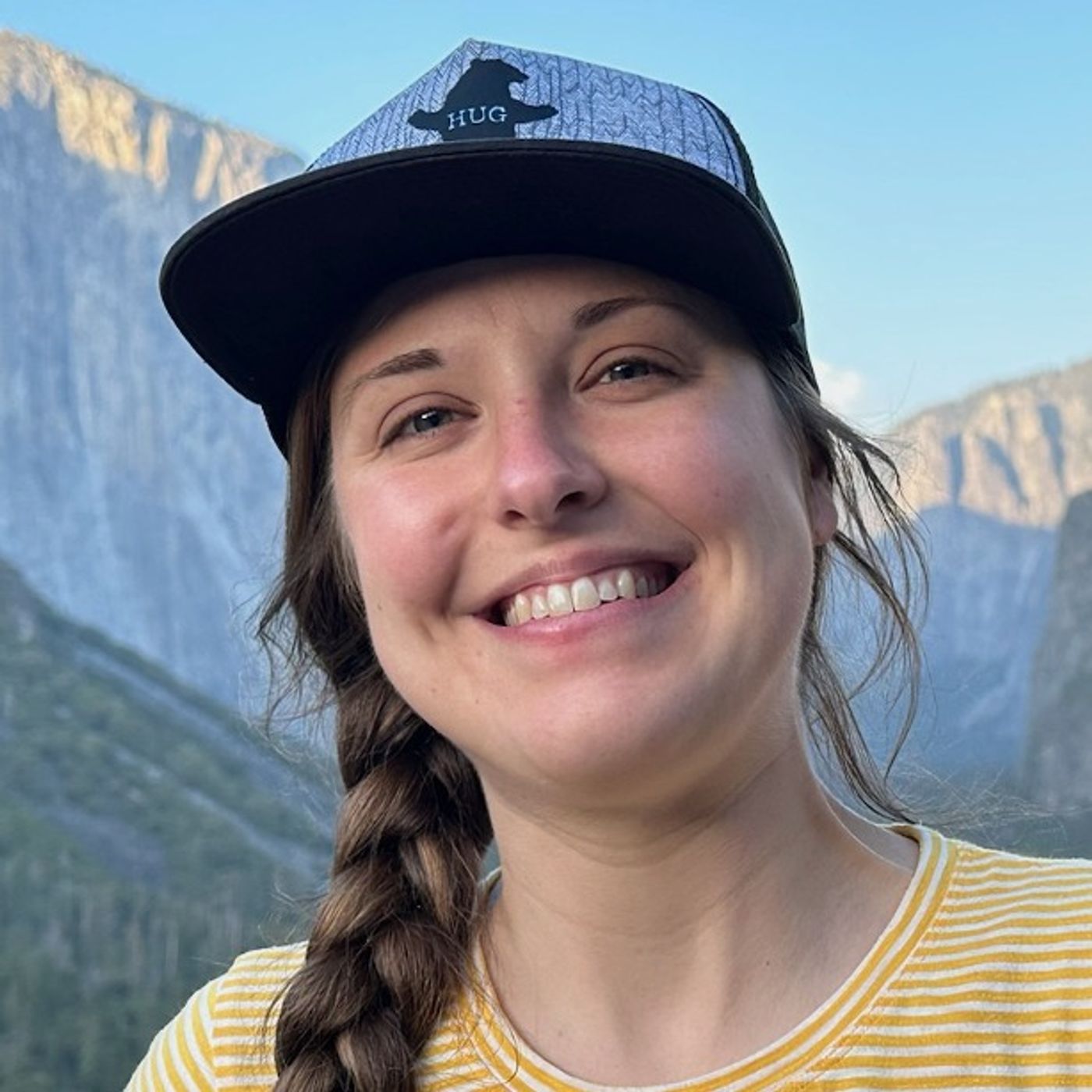
In This Episode:Understanding engineering education research and its role in addressing systemic inequities.The impact of faculty workload and research expectations on student success.Moving from a traditional “factory model” of education to a more inclusive “ecosystem model.”Empowering undergraduate students through meaningful, student-driven research.Exploring the Eco-STEM initiative and its approach to institutional change.Integrating ethics, social responsibility, and interdisciplinary learning into engineering education.Addressing institutional barriers to research funding, mentorship, and student opportunities.Rethinking how universities can better support both faculty and students.Episode Chapters:00:00 – Introduction to Dr. Corin “Corey” L. Bowen01:47 – What Is Engineering Education Research?05:55 – Finding Purpose and Addressing Inequity in Engineering09:11 – Empowering Students Through Research12:39 – The Purpose of Higher Education15:34 – Faculty Workload, Burnout, and Student Success22:01 – How Educational Barriers Affect Students and Communities27:53 – Transforming STEM Education Through Eco-STEM33:12 – Research Projects Advancing Equity and Institutional Change37:34 – Practical Solutions for Supporting Faculty and Students41:49 – Defending Higher Education and Institutional Values44:18 – Closing ReflectionsFeatured GuestDr. Corin “Corey” L. BowenAssistant Professor of Engineering EducationCalifornia State University, Los AngelesHostDr. Frank A. GomezAll Things STEM | Executive Director, CSU STEM-NETAbout All Things STEMAll Things STEM explores research, education, innovation, and the people shaping the future of science, technology, engineering, and mathematics across the California State University system and beyond.
Episode CreditsProduced, edited, and mixed by Monica AlarconHosted by Dr. Frank A. GomezMusic licensed by Premium Beat

Guest: Dr. Robert A. Brown, President Emeritus of Boston UniversityHost: Dr. Frank A. GomezPodcast: All Things STEM
Topics discussed:
The foundation of the U.S. research university system: How federal investment in university research helped connect scientific discovery, graduate education, undergraduate learning, and economic growth.
The growing cost of research: Brown explains that R1 universities are now contributing roughly 46 cents of institutional resources for every federal research dollar received, creating increasing financial pressure.
What R1 status means today: The discussion examines whether the expanding number of R1 institutions accurately represents research intensity, competitiveness, and quality.
Balancing STEM and other disciplines: Brown stresses that institutional excellence can also exist in the humanities, social sciences, arts, allied health fields, and other areas that may attract less external research funding.
The future research workforce: Funding instability may discourage students, postdocs, early-career researchers, and international scholars from pursuing U.S.-based research careers.
Making strategic choices: Universities may need to determine where they can maintain strong research programs while directing faculty talent toward undergraduate education in other areas.
Undergraduate research matters: Research exposes students to unanswered questions and encourages them to become more creative and intellectually independent.
Collaboration instead of duplication: Shared equipment, research computing, joint doctoral programs, and cross-institution partnerships could help universities maintain strong research capacity with limited resources.
A more focused future: Brown envisions institutions identifying a manageable number of areas where they can remain highly competitive rather than trying to achieve research distinction everywhere.
Protecting U.S. research leadership: Maintaining a broad network of world-class research universities and continuing to attract exceptional talent will be essential to America's future scientific and economic competitiveness.
Episode CreditsProduced, edited, and mixed by Monica AlarconHosted by Dr. Frank A. GomezMusic licensed by Premium Beat

The Quiet Crisis: Student Mental Health, Social Anxiety, and the Future of College Success
Host: Dr. Frank A. GomezGuest: Dr. Amanda Morrison, Professor of Psychology at California State University, East BayRuntime: Approximately 38 minutes
About This Episode
Student mental health challenges are not always loud or visible. They may appear through withdrawal, missed classes, limited participation, loneliness, avoidance, or a student’s hesitation to ask for help.
In this episode of the All Things STEM Podcast, Dr. Frank A. Gomez speaks with clinical psychologist and psychology professor Dr. Amanda Morrison about depression, anxiety, social anxiety, self-diagnosis, and the pressures affecting today’s college students.
Dr. Morrison explains how faculty can recognize students who may be silently struggling while creating classroom environments that encourage connection, healthy risk-taking, and personal growth. The conversation also explores the complicated influence of social media, the importance of distinguishing normal discomfort from a clinical disorder, and how kindness, belonging, and human connection can support student success.
In This Episode
Listeners will learn about:
Why many mental health struggles are internal and difficult to recognize
How depression and social anxiety can both cause withdrawal for different reasons
The subtle signs that may indicate a student is struggling
The benefits and risks of mental health awareness and online self-diagnosis
Why not every distressing experience should be treated as a disorder
How avoidance can provide temporary relief while maintaining anxiety over time
Ways faculty can structure courses to build confidence and reduce discouragement
How low-pressure classroom interactions can strengthen belonging
The role small talk plays in developing trust and relationships
How kindness and technology may help create healthier learning environments
Episode Chapters
00:00 — Introduction
An overview of student mental health and the quiet challenges students may experience.
01:03 — Dr. Morrison’s Career Journey
How an influential high school psychology teacher inspired her interest in research, clinical psychology, and anxiety disorders.
06:22 — Recognizing Quiet Mental Health Struggles
How depression, anxiety, and social anxiety may appear through withdrawal, avoidance, limited eye contact, or reluctance to ask for help.
10:12 — Depression, Anxiety, and Social Anxiety
The differences between low mood, lack of motivation, fear of judgment, and worry about the future.
13:45 — Supporting Students Through Course Design
The effects of high-stakes assignments and the value of smaller opportunities that allow students to build confidence and stamina.
18:29 — Social Media and Self-Diagnosis
The benefits of greater mental health awareness and the risks of turning ordinary stress, sadness, or shyness into a diagnostic identity.
24:47 — Are Students Experiencing More Distress?
Why increased reporting reflects both greater awareness and real increases in the challenges students face.
27:49 — Loneliness and Campus Connection
How repeated, low-pressure interactions can help students develop relationships and feel a stronger sense of belonging.
33:43 — The Value of Small Talk
Why simple conversations can create familiarity, safety, and trust.
34:41 — Kindness, STEM Learning, and Technology
Dr. Morrison discusses research on engagement, classroom kindness, and using technology to support rather than replace human learning.
37:23 — Closing Reflections
A reminder that student well-being depends on empathy, community, resilience, and meaningful human connection.
Key Takeaways
Mental health challenges may be easy to miss because students who are struggling often become quieter rather than more disruptive.
Faculty do not need to become therapists, but they can create learning environments where students feel safe asking questions, making mistakes, and connecting with others.
Students’ distress should be taken seriously, while recognizing that anxiety, sadness, loneliness, and discomfort are also universal human experiences.
Avoiding uncomfortable situations may reduce anxiety temporarily, but gradually facing manageable challenges can help students build confidence.
Community does not always develop automatically. Instructors can create opportunities for relationships through stable groups, paired discussions, icebreakers, and meaningful classroom interactions.
Technology can help students overcome barriers, but it should strengthen human potential rather than replace learning, mentorship, or connection.
Featured Quote
“The confidence follows the experience. It doesn’t precede it.”
— Dr. Amanda Morrison
About the Guest
Dr. Amanda Morrison is a Professor of Psychology at California State University, East Bay. She is a clinical psychologist whose teaching, research, and clinical work focus on anxiety disorders and their treatment. Her work explores how people can move from avoidance toward engagement and how classrooms can cultivate kindness, belonging, confidence, and student well-being.
Listen and Subscribe
Listen to this episode and explore past conversations at calstate.edu/allthingsstempodcast.
Subscribe through Simplecast, Spotify, Apple Podcasts, or your preferred podcast platform.
Episode CreditsProduced, edited, and mixed by Monica AlarconHosted by Dr. Frank A. GomezMusic licensed by Premium Beat

Featured Guest:
Dr. Katherine Arias Garcia, Chancellor’s and NSF STEM Education Postdoctoral Fellow at UC Irvine
Host:
Dr. Frank Gomez, Executive Director, CSU STEM-NET
Main Topic:
Centering Latinx students’ voices and experiences in STEM education research through pláticas methodology.
Key Themes Discussed:
Pláticas as a research method
Dr. Arias Garcia describes pláticas as relational conversations grounded in trust, lived experience, and co-constructed knowledge. Unlike traditional interviews, pláticas are not one-directional or extractive. They allow students to share openly and participate in the knowledge-building process.
Microaggressions and belonging in STEM
The episode highlights how Latinx students may experience subtle but repeated messages that question their competence, identity, or place in STEM. These experiences can lead students to feel both highly visible and invisible, affecting their sense of belonging and persistence.
The human side of STEM learning
Dr. Arias Garcia explains that STEM environments often prioritize performance, productivity, and efficiency, leaving little room for reflection, emotion, or identity development. Pláticas help reveal what students are carrying and what institutions may overlook.
Moving away from deficit framing
Rather than asking what students lack, Dr. Arias Garcia encourages researchers and institutions to ask what strengths students bring. For example, students who work while attending school may be demonstrating responsibility, persistence, and time management, rather than simply facing a barrier.
HSI servingness and accountability
The conversation distinguishes between simply being designated as a Hispanic-Serving Institution and actually serving students. True servingness requires campuses to listen to student experiences, allocate resources intentionally, develop culturally relevant programming, and act on what students share.
Mentorship with structure and purpose
Dr. Arias Garcia discusses mentorship as relational, reciprocal, and intentional. She notes that mentorship should not be left to chance or personality fit. Campuses should create structured mentorship systems that support students early and consistently.
Expanding how STEM defines rigor
The episode pushes back on the idea that culturally responsive methods weaken STEM education. Instead, Dr. Arias Garcia argues that they expand rigor by capturing dimensions of student experience that traditional methods may miss.
Reciprocity in research
Dr. Arias Garcia explains that research should give back to students and communities. Examples include paid research roles, student co-authorship, conference participation, and culturally relevant advising tools such as the Latinx pre-med guide she co-created with students.
Episode CreditsProduced, edited, and mixed by Monica AlarconHosted by Dr. Frank A. GomezMusic licensed by Premium Beat

In this episode of All Things STEM, Dr. Frank A. Gomez welcomes Dr. Rick Sperling, who brings thoughtful insight into how Hispanic Serving Institutions (HSIs) support students through the lenses of culture, identity, and institutional practice. Together, they reflect on how “servingness” is about more than enrollment numbers—it’s also about the day-to-day choices and structures that shape student experiences.They also discuss how shifts in research funding can influence institutional priorities and decision-making, and what that can mean for accountability and whose voices are included. Along the way, they explore common challenges in grant narratives, the difference between representation and shared influence, and why self-determination can be a powerful driver of long-term, meaningful progress.In this episode, you’ll hear about:Why HSIs benefit from pairing key metrics with deeper measures of impact and student experienceHow funding uncertainty can shape priorities—and why including students, families, and communities mattersHow deficit narratives get rewarded in proposals—and what gets lost because of itThe difference between representation and shared influence (including who shapes curriculum, rewards, and opportunity pathways)About the guest:Dr. Rick Sperling is Associate Professor of Psychology and Director of Community-Based Research at St. Mary’s University (San Antonio, TX). He earned a PhD in Educational Psychology from UT Austin and brings quantitative expertise to questions of race, culture, power, and institutional behavior in HSIs—especially around hiring, tenure, assimilation, deficit mindset, and systemic racism.
Episode CreditsProduced, edited, and mixed by Monica AlarconHosted by Dr. Frank A. GomezMusic licensed by Premium Beat

Comments

Download from Google Play

Download from App Store
 United States