


 Claim Ownership
Architecture Corner
Subscribed: 3Played: 1
Subscribe

© Mario Bittencourt
Description
Discussion about software development, architecture and how to navigate our current landscape.
If you want to know more, please check the blog https://medium.com/@mbneto and subscribe for free to the Architecture Corner Newsletter at https://architecturecorner.substack.com/
If you want to know more, please check the blog https://medium.com/@mbneto and subscribe for free to the Architecture Corner Newsletter at https://architecturecorner.substack.com/
90 Episodes
Reverse
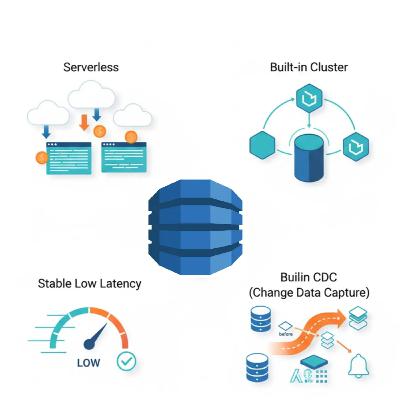
Welcome to the Architecture Corner PodcastIn this edition, we will explore the pros and cons of DynamoDB as a backdrop to talk about the evolution and trade-offs that any architect will have to make.If you want to know more, check the full article at https://medium.com/itnext/managing-trade-offs-and-continuous-improvements-dynamodb-multi-attribute-keys-4eeb0019d79fAnd subscribe, for free, to the Architecture Corner Newsletter at https://architecturecorner.substack.com
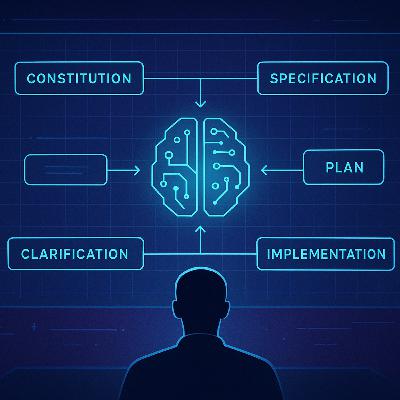
Architecture Corner Newsletter Podcast – where we explore practical frameworks and tools that shape how we build software in the AI era.As AI coding assistants become commonplace, the industry is moving beyond simple prompt-and-pray approaches toward more structured methodologies. This episode examines spec-driven development and how it bridges the gap between traditional software practices and AI-powered code generation.In this episode we will cover:The evolution from vibe coding to specification-driven AI developmentHow SpecKit structures the development process through constitutions, specifications, and implementation plansThe workflow from requirements to code generation, including quality checkpointsReal-world experiences with both new and existing projectsWhen a formal process adds value versus when it becomes overheadThe trade-offs between speed and governance in AI-assisted developmentFor more details check here.If you are interested in more information about software development and architecture, subscribe for free to our newsletter.---https://architecturecorner.substack.com
Architecture Corner Newsletter Podcast - where we explore the practical challenges of software development and discover actionable solutions for real-world scenarios.Estimations and agile methodologies often seem at odds with each other, creating tension in development teams. Many developers struggle with providing meaningful estimates while embracing agile's flexibility, leading to either over-rigid planning or complete abandonment of forecasting.In this episode we will cover:Common misconceptions about software estimations and their actual purposeWhy agile teams still need planning despite embracing changeThe cone of uncertainty and how it affects project predictabilityWork breakdown structure (WBS) as a practical estimation techniqueHow estimates serve as discussion points rather than commitmentsBalancing flexibility with business realities and budget constraintsStrategies for improving estimation accuracy without sacrificing agilityFor more details, check here.If you are interested in more information about software development and architecture, subscribe to our newsletter.----https://architecturecorner.dev

Architecture Corner Newsletter Podcast - exploring documentation strategies that scale with your event-driven architectureEvent Catalog offers capabilities beyond basic service documentation, providing structured approaches to manage complex distributed systems. This episode examines practical features that support enterprise-scale event-driven architectures.In this episode we will cover:Organizational patterns - subdomain modeling and versioning strategies for evolving systemsLifecycle management - deprecation workflows, changelog practices, and governance reportingInfrastructure mapping - channels, flows, and message routing documentationDeployment approaches - single repository vs federated documentation strategiesIntegration capabilities - embedded diagrams, schema generation, and cross-system dependenciesFor more details check here.If you are interested in more information about software development and architecture, subscribe for free to our newsletter.---https://architecturecorner.substack.com

Architecture Corner Newsletter Podcast explores the tools and practices that make complex software architectures more manageable and maintainable.Event-driven applications often struggle with scattered documentation and poor discoverability of their messaging contracts. EventCatalog emerges as an open-source solution that brings order to this complexity through a documentation-as-code approach.In this episode we will cover:The challenges of documenting both synchronous APIs and asynchronous messaging in modern applicationsHow EventCatalog organizes domains, services, and messages using a structured file-based approachSetting up your first event catalog with commands, events, and queriesIntegrating schema definitions from OpenAPI, AsyncAPI, JSON, and Avro formatsManaging teams, users, and ownership information within your documentationIncorporating Domain-Driven Design concepts like ubiquitous language and entitiesReal-world examples of multi-domain architectures with eCommerce and Fulfillment systemsFor more details check here.If you are interested in more information about software development and architecture, subscribe for free to our newsletter.---https://architecturecorner.substack.com

Architecture Corner Newsletter Podcast. In today's development landscape, teams face constant pressure to accelerate delivery while the AI revolution adds even more urgency to ship faster. But speed without direction can lead to chaos - scattered technology choices, knowledge fragmentation, and the dreaded "Tower of Babel" effect in your tech stack.In this episode we will cover:The hidden costs of uncontrolled technology proliferation in growing teamsWhat technology radars are and why they're becoming essential for maintaining architectural coherenceThoughtWorks' proven classification system: Adopt, Trial, Assess, and HoldPractical steps to build and maintain your own technology radarCommon objections to technology governance and how to address themHow radars serve as decision-making tools rather than innovation blockersFor more details check here.If you are interested in more information about software development and architecture, subscribe for free to our newsletter.---https://architecturecorner.substack.com
Architecture Corner Newsletter Podcast - The AI revolution has developers split between those declaring code obsolete and others dismissing the hype entirely. But what's the reality behind the headlines about disappearing programming jobs and "vibe coding" taking over?In this episode we will cover:The real story behind the 25% drop in developer job postings and what factors are actually driving market changesUnderstanding "vibe coding" - when to use it and when it becomes problematic for professional developmentPractical strategies for integrating AI tools into your daily workflow, from code completion to multi-file editsEssential techniques for getting the most out of AI assistants through better context and defined standardsWhy developers still have a future, but the skillset is evolving rapidlyNavigating the balance between AI assistance and maintaining coding fundamentalsFor more details check here.If you are interested in more information about software development and architecture, subscribe for free to our newsletter.---https://architecturecorner.substack.com

Architecture Corner Newsletter Podcast explores the ongoing debates around software development patterns and practices, examining why developers often find themselves on opposite sides of architectural decisions.In this episode we will cover:The controversy surrounding popular patterns like SOLID principles, hexagonal architecture, and domain-driven designWhy some developers advocate for always using these patterns while others reject them entirelyHow context determines the right architectural approach for your specific situationPractical examples comparing different implementation strategies and their trade-offsThe dangers of adopting tools and methods without understanding their underlying principlesBuilding knowledge within your team to make informed architectural decisionsEstablishing feedback loops to avoid spiraling into over-engineering or under-engineeringFor more details check here.If you are interested in more information about software development and architecture, subscribe for free to our newsletter.---https://architecturecorner.substack.com
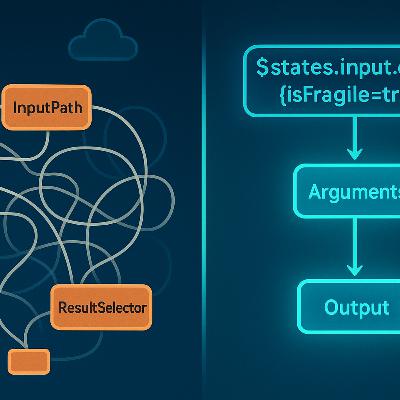
Architecture Corner Newsletter Podcast explores the latest developments in cloud-native architectures and serverless computing patterns that are reshaping how we build distributed systems.In this episode we will cover:AWS Step Functions' new JSONata support and how it shifts functionality from Lambda functions to the state machine itselfThe introduction of variables and simplified Input/Output processing that reduces complexity for developersReal-world examples of replacing custom Lambda code with JSONata expressions for filtering, calculations, and data transformationsTrade-offs between low-code approaches and traditional development practices, including testing considerationsStrategic guidance on when to leverage these new capabilities versus maintaining custom code solutionsFor more details check here.If you are interested in more information about software development and architecture, subscribe for free to our newsletter.---https://architecturecorner.substack.com

Are you tired of hearing "just use interfaces" without understanding why? This episode cuts through the noise around software abstractions with real-world stories and practical insights.We'll explore:Why the common arguments for interfaces miss their true superpowerThe hidden value of layered architecture beyond "easy rewrites"A migration story that saved weeks of development timeWhen abstractions become overhead (and how to spot it)The decision-making framework that helps you choose the right level of abstractionFor more details check here.If you are interested in more information about software development and architecture, subscribe for free to our newsletter.
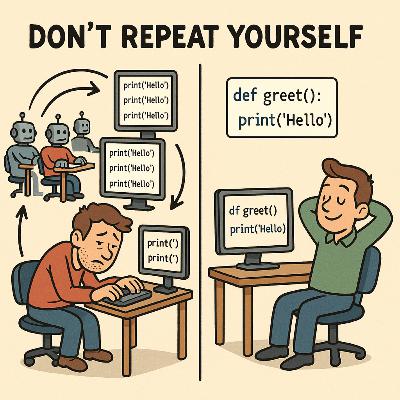
In this episode, we are challenging conventional wisdom and exploring:The hidden costs of premature abstractionWhy your "reusable" components might be a ticking time bombSmart strategies for business rule consistency without excessive couplingWhen code duplication is the cleaner solutionFor more details check here.If you are interested in more information about software development and architecture, subscribe for free to our newsletter.
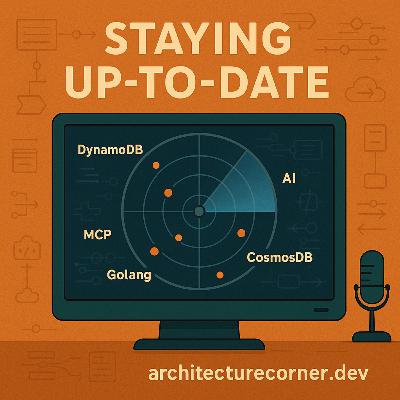
Staying Up-to-Date Without Burning OutIn this episode, we explore a practical approach to keeping your tech skills sharp, from building a sustainable learning routine to knowing what’s worth your time.You'll learn how to create a focused plan, track real progress, and build a trusted radar of high-signal sources.For more details check here.If you are interested in more information about software development and architecture, subscribe for free to our newsletter.

Is AWS DynamoDB the right choice for your next project?Join us as we discuss DynamoDB - Amazon's NoSQL database solution that handled a mind-boggling 146 million requests per second during the 2024 Prime Day.In this episode, we'll explore:Why cloud architects are increasingly turning to DynamoDB for serverless and microservice architecturesThe impressive scalability and durability features that make DynamoDB a powerhouseCritical limitations you need to understand before committing to this technologyReal scenarios where DynamoDB shines brightestWarning signs that might indicate DynamoDB isn't the right fit for your use caseIf you want to know more details check here.
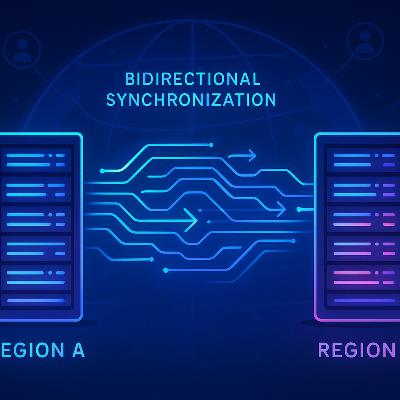
Architecture Corner Newsletter PodcastWhen disaster strikes and takes down an entire region, can your application keep serving users without missing a beat? Multi-region active-active setups promise the shortest recovery times, but they come with their own set of challenges around data synchronization, routing, and complexity trade-offs.In this episode we will cover:The three core patterns for active-active architectures: Read Local/Write Global, Read Local/Write Partitioned, and Read Local/Write LocalHow to handle the fundamental requirements of name resolution, application synchronization, and data replicationManaging race conditions and data consistency across distributed regionsStrategic approaches to selecting which parts of your system truly need active-active treatmentReal-world implementation considerations using cloud services for routing, deployment, and data synchronizationWhen the added complexity and cost of active-active makes sense for your organizationFor more details check here.If you are interested in more information about software development and architecture, subscribe for free to our newsletter.---https://architecturecorner.substack.com
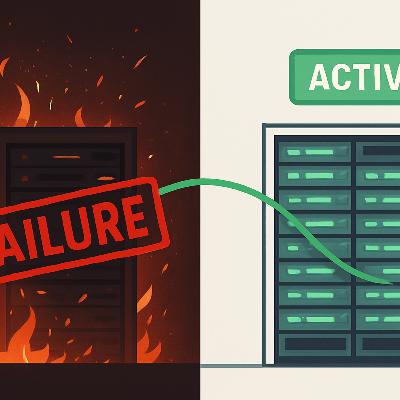
Architecture Corner Newsletter Podcast - When redundancy and graceful degradation aren't enough, it's time to think beyond single regions and prepare for the worst-case scenarios that can take down entire data centers.In this episode we will cover:Why single-region availability zones have limitations and when you need multi-region strategiesFour disaster recovery approaches: backup and restore, pilot light, warm standby, and active-active setupsTrade-offs between recovery time, data loss, cost, and operational complexityNon-availability reasons for going multi-region: latency optimization and regulatory complianceHow cloud providers like AWS support different disaster recovery patternsPlanning considerations for geographical distribution of your infrastructureFor more details check here.If you are interested in more information about software development and architecture, subscribe for free to our newsletter.---https://architecturecorner.substack.com
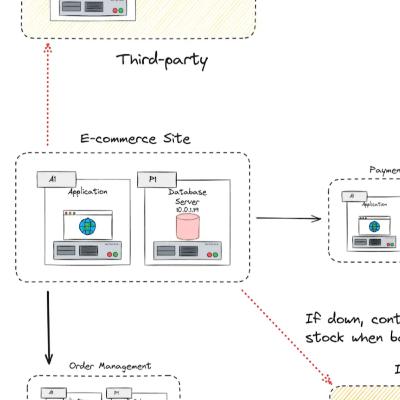
Architecture Corner Newsletter Podcast - When system failures are inevitable, the key isn't preventing them but designing around them. Today we explore practical strategies that keep your applications running when dependencies fail, without breaking the bank on complex infrastructure.In this episode we will cover:Implementing graceful degradation patterns to maintain service during dependency failuresUsing circuit breakers and fallback mechanisms to deliver acceptable user experiencesMoving critical operations to asynchronous flows to eliminate cascading failuresIdentifying application dependencies through BPMN documentation and APM toolsBuilding a degradation scorecard to evaluate which services can operate with default behaviorsReal-world examples from e-commerce scenarios including fraud detection and payment processingWhen to consider more advanced solutions like disaster recovery and active-active setupsFor more details check here.If you are interested in more information about software development and architecture, subscribe for free to our newsletter.---https://architecturecorner.substack.com
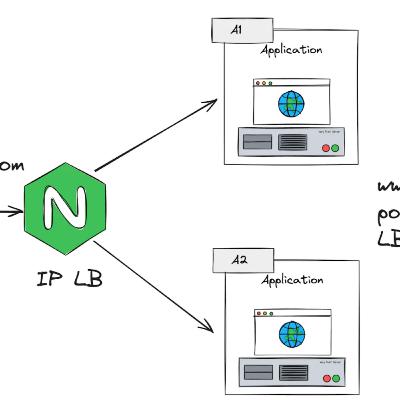
Architecture Corner Newsletter Podcast - Application availability isn't just about uptime percentages; it's about designing systems that gracefully handle failure through strategic redundancy and data persistence patterns.In this episode we will cover:Redundancy fundamentals - How load balancers and reverse proxies distribute traffic across multiple instances and the challenges of maintaining consistent behavior across replicasStateless vs stateful considerations - Why stateless services simplify redundancy and the complications that arise with session-dependent applicationsPersistence synchronization strategies - The trade-offs between synchronous and asynchronous data replication, including potential data loss and consistency challengesAWS managed solutions - Real-world examples from RDS, Aurora, and DynamoDB showcasing different approaches to multi-AZ redundancy and their availability guaranteesThe consistency spectrum - Understanding eventual consistency versus strong consistency and when to choose each approach for read operationsFor more details check here.If you are interested in more information about software development and architecture, subscribe for free to our newsletter.---https://architecturecorner.substack.com

Architecture Corner Newsletter Podcast — When your application goes down, every second counts. But what does it really take to achieve those coveted availability percentages, and more importantly, what are you willing to pay for them?In this episode we will cover:Understanding availability metrics and what "five nines" actually means in practiceThe hidden costs and complexity that come with redundancy strategiesWhy treating all application components equally can drain your resourcesHow to prioritize system components using tier-based availability targetsTrade-offs between operational costs and reliability guaranteesStrategic approaches to balancing business needs with technical constraintsFor more details check here.If you are interested in more information about software development and architecture, subscribe for free to our newsletter.---https://architecturecorner.substack.com
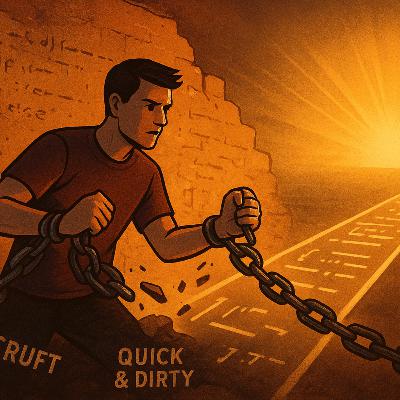
Architecture Corner Newsletter Podcast - Where we tackle the real challenges that keep developers up at night and explore practical solutions for building better software systems.Technical debt consistently ranks as developers' top frustration, but the problem runs deeper than most teams realize. The issue isn't just accumulating shortcuts - it's falling into what experts call "cruft" instead of true technical debt, creating a vicious cycle that eventually forces you to ask permission to do your job properly.In this episode we will cover:The critical distinction between legitimate technical debt and harmful cruftWhy the "quick and dirty" approach backfires faster than you thinkThe three essential criteria that separate strategic shortcuts from accumulated messClean code principles that work even when building deliberate technical debtHow to implement the "boy scout approach" for gradual codebase improvementManagement strategies for properly budgeting and scheduling debt repaymentCommunication techniques to align stakeholders on technical trade-offsPractical examples of building clean, incremental solutions under time pressureFor more details check here.If you are interested in more information about software development and architecture, subscribe for free to our newsletter.---https://architecturecorner.substack.com

Architecture Corner Newsletter Podcast explores the complexities of modern distributed systems and the evolving practices needed to ensure their reliability at scale.In this episode we will cover:Why traditional load testing falls short for serverless and asynchronous architecturesThe hidden bottlenecks that synchronous response times can't revealMeasuring what matters: from message queuing to execution completionCloud provider quotas and scaling limitations that catch teams off guardPractical strategies for testing distributed systems with mixed synchronous and asynchronous componentsKey considerations when your infrastructure promises infinite scale but reality delivers constraintsFor more details check here.If you are interested in more information about software development and architecture, subscribe for free to our newsletter.

Comments

Download from Google Play

Download from App Store
 United States