


 Claim Ownership
Arrested Mobility
Subscribed: 69Played: 1,026
Subscribe

© 2022 Equitable Cities LLC
Description
Why are Black Americans and other people of color disproportionately victims of overly aggressive police enforcement and brutality while walking, running, riding bicycles, taking public transit, or while driving? This podcast explores the ways in which people of color have had their mobility arrested.
Hosted by Charles T. Brown, the founder and CEO of Equitable Cities LLC—an urban planning, policy, and research firm working at the intersection of transportation, health, and equity. Charles will take you to the streets of Philly, the sidewalks of Seattle, the neighborhoods of Kansas City, and elsewhere around the U.S. In each place, he'll ask: What can we do to change the outcomes when people of color step out their door to exist in the world?
Hosted by Charles T. Brown, the founder and CEO of Equitable Cities LLC—an urban planning, policy, and research firm working at the intersection of transportation, health, and equity. Charles will take you to the streets of Philly, the sidewalks of Seattle, the neighborhoods of Kansas City, and elsewhere around the U.S. In each place, he'll ask: What can we do to change the outcomes when people of color step out their door to exist in the world?
33 Episodes
Reverse

From jaywalking laws, to freight trains, to city infrastructure that divides majority minority neighborhoods, Arrested Mobility has touched on the many ways that policies, politics, planning decisions, police practices, and public narratives have limited Black movement. In this episode, we're looking back across the first three seasons of the show, at the stories and voices that have stayed with us, and discussing the future of the Arrested Mobility movement.

When we talk about racial discrimination in American cities, we usually focus on housing, schools, or policing. We talk less about streets and sidewalks. But in many communities of color, decades of disinvestment have resulted in a built environment where people are unable to move through public space in a safe and healthy way. Those communities tend to look a lot like Lansdowne, a predominantly Black, low-income neighborhood in Roanoke, Virginia. It's a place where wide, fast roads cut through a residential area and pedestrians have spent years navigating streets that weren't built with them in mind. This episode features Dr. Melicent Miller from the Virginia Department of Health and Virginia Walkability Action Institute, to discuss how the VWAI, in partnership with Horizon 54, was able to help Lansdowne create a traffic calming project guided by community-driven design. Find Virginia Walkability Action Institute at https://virginiapaths.org/virginia-walkability-action-institute/

For generations, the dominant public response to violence was punishment and enforcement. But another approach has continued to grow alongside that model: Community Violence Intervention. CVI suggests that the people best positioned to interrupt gun violence are often those with lived experience, deep relationships, and hard-earned credibility in the communities most affected. Sometimes, they're people who were previously in a gang, or been in prison, or lost their family to a shooting. Those folks have more credibility with their community, and more influence to help young men facing elevated risk because of concentrated disinvestment, exclusion, trauma, and limited opportunity. Our guest today is Cedric Hawkins, Safety Manager with the CVI organization, Chicago CRED. Find Chicago CRED at https://www.chicagocred.org/

When majority minority neighborhoods become sacrifice zones for pollution, it can fall on community members to stand up and defend their health and wellbeing. Case in point: the nonprofit organization, WE ACT for Environmental Justice, was founded in 1988 to organize the people of West Harlem and protest the construction of the North River Sewage Treatment Plant. Today, WE ACT continues to advocate for environmental justice in Northern Manhattan, and beyond. By centering community outreach, they've managed to include residents into the processes that determine their neighborhood's health. Our guest today is Lonnie Portis, Director of Policy and Legislative Affairs at WE ACT. Find WE ACT at https://weact.org/
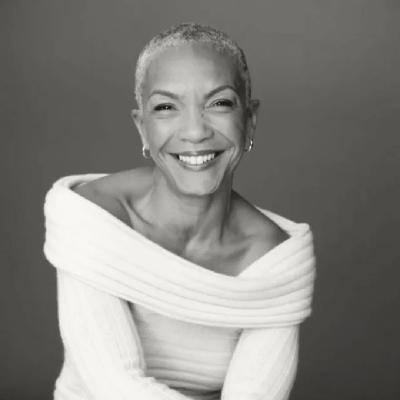
Healthcare is a difficult system to navigate in the United States, no matter who you are. But research shows that Black Americans face unique challenges when seeking medical care. On this episode, Charles T. Brown speaks with Rhonda Smith, Executive Director of the California Black Health Network. This is an organization that advocates for Black Californians of all backgrounds to have quality, equitable access to healthcare. Find California Black Health Network at https://yourcbhn.org/

Comments

Download from Google Play

Download from App Store
 United States