


 Claim Ownership
Ballet Help Desk
Subscribed: 22Played: 1,326
Subscribe

© 2025 Ballet Help Desk and BalletHelpDesk.com.
Description
As parents, you play a crucial role in supporting your dancer's ballet path and we know navigating the world of ballet training can be challenging. The Ballet Help Desk podcast is here to help! Tune in for expert insights on supporting your student's ballet education. We cover key topics like summer intensives, ballet competitions, full-time and postgraduate training, health and wellness, boys in ballet and more. Hear valuable advice from leading professionals across the ballet world to help your dancer make the most informed decisions about their unique training path. Learn more at www.ballethelpdesk.com.
177 Episodes
Reverse
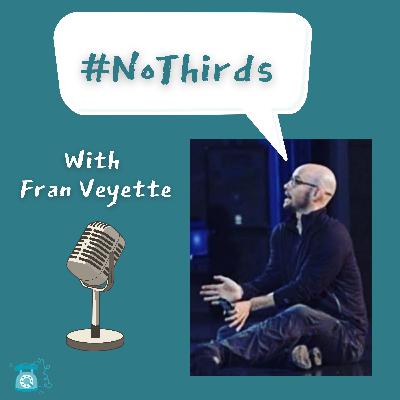
Timothee Chalamet said no one cares about ballet anymore. Fran Veyette disagrees. He's back on #NoThirds, and this episode goes deep into one of the most debated questions in the ballet world right now: are the classical, full-length ballets still relevant? Swan Lake. Giselle. Sleeping Beauty. Romeo and Juliet. These are the stories that have filled theaters for over a century. But in a world where audiences have shorter attention spans and higher expectations, do they still have something to say? Fran, a former principal dancer, choreographer, and rehearsal director who has actually danced these roles, makes a passionate and detailed case for why these ballets are not just beautiful spectacles but stories with real symbolic depth. Giselle is not a ghost story. It is about forgiveness and redemption. Sleeping Beauty is not about a princess being rescued. It is about the danger of naivete and what it means to wake up to the world. Romeo and Juliet is not a love story. It is a story about the consequences of your actions. Swan Lake is not just about swans. It is about captivity, tyranny, and the power of choosing your own path. Fran has built backstories for these characters, wrestled with their motivations on stage, and performed them in front of thousands of people. The way he talks about them may make you see these ballets differently the next time you sit in a theater. We also dig into the bigger industry debate around classical ballet programming, new works, ticket sales, and what audiences actually want. Not everyone agrees, and this conversation does not pretend otherwise. These stories can be timeless in their symbolism and still feel out of step to a contemporary audience. Both things can be true. Fran's take is but one point of view, and we know there are lots of opinions out there. That is exactly what makes this conversation worth having. We would love to hear where you land on this. Find us on Instagram, Facebook, and TikTok at Ballet Help Desk, or leave us a review wherever you listen to podcasts. Links: Summer Intensive Essentials Guide Buy Summer Corrections Journals Read Our Ballet School Summer & Year-Round Reviews Support Ballet Help Desk Instagram: @BalletHelpDesk Facebook: BalletHelpDesk TikTok: @BalletHelpDesk Music from #Uppbeat: https://uppbeat.io/t/ian-aisling/new-future License code: MGAW5PAHYEYDQZCI
How long can your dancer stay home before it starts to matter? It's one of the most common questions ballet parents face, and one of the most consequential. Jen Sommers, Director of Houston Ballet Academy, joins us to talk through exactly that, along with everything else families need to understand about the road from pre-professional training to a professional dance career. Jen is refreshingly direct about how much a company-affiliated environment matters, and it goes well beyond technique. We talk about what dancers gain from being adjacent to a professional company every day, from learning to pick up repertoire quickly and navigate casting to understanding what it actually feels like to be a working company member before they ever sign a contract. Pas de deux training, performance volume, and learning to function as part of an ensemble are all pieces that are hard to replicate outside of that environment. She doesn't sugarcoat where the gaps tend to show up when dancers arrive later than they should have, and she gets honest about how often dancers coming from local or regional programs actually end up in HB2 and what that picture really looks like. We also get into how HBA is structured from its youngest students all the way through HB2, what short-term stays are and what they mean for families navigating the admissions process, and what the pipeline from Pro 2 to HB2 to company really looks like. Links: Summer Intensive Essentials Guide Buy Summer Corrections Journals Read Our Ballet School Summer & Year-Round Reviews Support Ballet Help Desk Instagram: @BalletHelpDesk Facebook: BalletHelpDesk TikTok: @BalletHelpDesk Music from #Uppbeat: https://uppbeat.io/t/ian-aisling/new-future License code: MGAW5PAHYEYDQZCI
Author, teacher, and former principal dancer Gavin Larsen has spent her post-performance life doing something she loves just as much as dancing: drawing stories out of other people. Her new book, Infinite Steps: 33 Dancers and Their Lives in Ballet, grew out of a collaboration with longtime ABT staff photographer Gene Schiavone, who wanted the dancers behind his archive of images to be truly known, not just catalogued. In this conversation, Gavin sits down with us to talk about what surprised her while interviewing 33 dancers across generations and companies, why she thinks the Plan B conversation puts unfair pressure on students, and what she believes is the real cost of a ballet career that doesn't get talked about nearly enough. Hint: it's not the blisters. She also shares her take on the job market then versus now, what parents consistently get wrong, and why she finds it genuinely hopeful that kids keep walking into plain rooms, leaving their phones outside, and putting their ballet shoes on. Infinite Steps is available now wherever books are sold. Links: Read Our Ballet School Summer & Year-Round Reviews Buy Summer Corrections Journals Support Ballet Help Desk Instagram: @BalletHelpDesk Facebook: BalletHelpDesk TikTok: @BalletHelpDesk Music from #Uppbeat: https://uppbeat.io/t/ian-aisling/new-future License code: MGAW5PAHYEYDQZCI
What does it really take to go from pre-professional student to professional ballet dancer? Charlotte Junge, a company member with Madison Ballet, shares the unfiltered version of her journey from competition dance roots in Houston to training at Boston Ballet School through the height of COVID, to landing her contract via an Instagram DM from Artistic Director Ja' Malik. But the conversation doesn't stop at the audition story. Charlotte gets refreshingly honest about the financial realities of dancing at a smaller non-union company, the side jobs it takes to make rent, and the performance anxiety that caught her completely off guard once she turned professional. She also talks about how becoming a certified Pilates instructor gave her a second career path, a deeper understanding of her own body, and something she didn't expect: a sense of identity outside the studio. Charlotte's story is a masterclass in resilience, self-awareness, and figuring it out one season at a time. Links: Read Our Ballet School Summer & Year-Round Reviews Buy Corrections Journals Support Ballet Help Desk Instagram: @BalletHelpDesk Facebook: BalletHelpDesk TikTok: @BalletHelpDesk Music from #Uppbeat: https://uppbeat.io/t/ian-aisling/new-future License code: MGAW5PAHYEYDQZCI
Madison Ballet's Ja'Malik didn't arrive to tinker around the edges. He came to change things, and four years in, it's working. He shares a journey that started with Michael Jackson's Thriller in his front yard and led him through the Joffrey Ballet School, the Ailey school, and North Carolina Dance Theater before landing him in the director's chair in Wisconsin. He talks about what it was like to grow up in ballet without seeing anyone who looked like him on stage, what finally changed that, and why he's determined to make sure the next generation doesn't have the same experience. We also dig into the harder stuff: the culture of fear in the studio, what it means to actually lead with mental health in mind rather than just put it on a poster, the very real challenge of getting boys through the door, and why ballet companies cannot survive on the same loyal audience forever. Oh, and he's also running the school, the marketing, and the development. The man does not sleep. Links: Read Our Ballet School Summer & Year-Round Reviews Buy Corrections Journals Support Ballet Help Desk Instagram: @BalletHelpDesk Facebook: BalletHelpDesk TikTok: @BalletHelpDesk Music from #Uppbeat: https://uppbeat.io/t/ian-aisling/new-future License code: MGAW5PAHYEYDQZCI
In the final episode of our four-part bullying series, we're joined again by Kelsey Fyffe, a therapist who works with pre-professional dancers, and Suzette Takei, a veteran academic school administrator and educator, as we get into the messy stuff. Lobby politics, ballet parents behaving badly, peer conflict between students, nepotism at the dance studio, and yes, that one kid who thinks the entire barre belongs to her. We also tackle some bigger questions: how do you know when a ballet training environment has turned toxic? What do you do when your dancer is being bullied by a classmate, a teacher's pet, or even another parent? And what does any of this have to do with your own stress and mental health? The conversation we didn't expect to have and couldn't stop having was about you, the ballet parent, and the stress that quietly leaks onto everyone around you without you even realizing it. If you're new here, start with Parts 1 through 3 first as this series builds on itself. Links: Read Our Ballet School Summer & Year-Round Reviews Buy Corrections Journals Support Ballet Help Desk Instagram: @BalletHelpDesk Facebook: BalletHelpDesk TikTok: @BalletHelpDesk Music from #Uppbeat: https://uppbeat.io/t/ian-aisling/new-future License code: MGAW5PAHYEYDQZCI
What does it actually feel like to train at the Vaganova Academy, the school that produced some of the greatest dancers in history, and then go on to perform at one of Russia's most storied companies? Elena Kunikova has lived that story, and she's generous enough to share it. In this episode, we talk about what serious Vaganova method training actually looks like from the inside, why character dance matters more than most ballet training programs realize, and how the pandemic turned her into one of the most sought-after online ballet coaches working today. We also get into the questions ballet parents of pre-professional dancers tend to lose sleep over: when to start thinking about a professional path, whether early specialization in one style helps or hurts, and what it actually means to teach a student how to work. Elena has been in ballet for, as she puts it, about 300 years. She has the stories to prove it. Interested in working with Elena? Learn more here. Links: Read Our Ballet School Summer & Year-Round Reviews Buy Corrections Journals Support Ballet Help Desk Instagram: @BalletHelpDesk Facebook: BalletHelpDesk TikTok: @BalletHelpDesk Music from #Uppbeat: https://uppbeat.io/t/ian-aisling/new-future License code: MGAW5PAHYEYDQZCI
In part three of our bullying series, we tackle some of the toughest conversations ballet parents face: what to do when teachers make harmful comments about weight, body image, or use abusive language in class. Psychotherapist Kelsey Fyffe and educator Suzette Takei give parents the exact roadmap for addressing these issues at ballet schools and pre-professional programs. Kelsey, who specializes in eating disorders and works with Houston Ballet Academy, explains why pre-professional students should never be put on diets, what questions to ask about a studio's approach to body image, and how to tell the difference between giving corrections and promoting disordered eating. She shares specific language for approaching ballet teachers and administrators, starting with curiosity instead of accusations. We dig into the real fears ballet parents have about speaking up. Will your kid get blackballed from summer intensives or trainee programs? How do you know when to stay and when to run? Suzette and Kelsey walk through scenarios and discuss cultural and generational differences that can complicate conversations with non-native English speaking faculty. The episode covers handling abusive language from ballet instructors, including when teachers single out students in class. We talk about how bystander parents can step in even when it's not their kid being targeted, how to teach young dancers to set boundaries around body comments, and why building supportive lobby culture matters. Suzette and Kelsey also address why anxious, perfectionistic ballet students struggle to speak up and how therapy can help dancers build their mental toolkit before problems escalate. If you've ever felt paralyzed about confronting a problem at your ballet studio or pre-professional program, this episode gives you the questions to ask and the confidence to advocate for your child's physical and mental health. Links: Read Our Ballet School Summer & Year-Round Reviews Buy Corrections Journals Support Ballet Help Desk Instagram: @BalletHelpDesk Facebook: BalletHelpDesk TikTok: @BalletHelpDesk Music from #Uppbeat: https://uppbeat.io/t/ian-aisling/new-future License code: MGAW5PAHYEYDQZCI
We sit down with Michelle Martin, Associate Artistic Director of Ballet Austin, for a refreshingly honest conversation about their complete training pipeline: the tuition-free Butler Fellowship program, Ballet Austin TWO, and the path into the main company. Michelle doesn't sugarcoat anything. She talks about why Ballet Austin kept their academy as an after-school program instead of going the full-time route, how the rise of post-grad programs has changed the industry, and what families need to know when they're researching trainee programs. Spoiler: not all programs are created equal, and some are designed more as revenue drivers than genuine training opportunities. This interview gets into the practical stuff parents want to know. Do dancers really need full-time day programs in high school? What's the actual difference between Butler Fellows (focused on training) and Ballet Austin TWO (focused on performance)? How many dancers move up through each level, and where do they go if they don't? Michelle shares the numbers and the reality behind them. We also talk about things you don't usually hear artistic directors discuss openly: why they do phone interviews before auditions, what they're actually looking for when they cast, how to be a good understudy, and why normalizing different definitions of success matters. Plus, Michelle shares what Ballet Austin learned from a major Wallace Foundation grant about building audiences for contemporary work. Interested in auditioning for Ballet Austin? Ballet Austin recruits dancers for the Butler Fellowship Program through their online Company Audition portal and through our Summer Intensive Program. Ballet Austin recruits dancers for Ballet Austin TWO through their online Company Audition portal. Links: Read Our Ballet School Summer & Year-Round Reviews: Buy Corrections Journals Support Ballet Help Desk Instagram: @BalletHelpDesk Facebook: BalletHelpDesk TikTok: @BalletHelpDesk Music from #Uppbeat: https://uppbeat.io/t/ian-aisling/new-future License code: MGAW5PAHYEYDQZC
LeeAnaca "Lee" Moore (Pacific Northwest Ballet) and Natalie Bowman (St. Louis Ballet) are the duo behind Tights Under, the popular social media account showcasing the realities of pre-professional and professional ballet life. In this episode, Lee and Natalie get candid about their journeys from training to landing their first professional contracts. They discuss the pivotal moments that shaped their careers, including their transformative (and humbling) experiences at PNB's Professional Division program — where pointe shoes at the barre at 8:30 AM became the new normal. The conversation covers the biggest adjustments from student to professional life, from navigating company class dynamics to finally having a "place" instead of constantly fighting for your spot. They're refreshingly honest about early career finances, the reality of needing parental support, and what it takes to make a dancer's salary work. Lee and Natalie also share the origin story of Tights Under — how boredom backstage during Swan Lake sparked what became a brand — and what it takes to maintain their content while dancing full-time. They offer practical advice for aspiring dancers interested in building their own social media presence, emphasizing authenticity over perfection. From memorable mentorship advice like "dance like you smell good" to their ballet Mount Rushmores, this conversation offers an honest look at what it really takes to go pro. Links: Read Our Ballet School Summer & Year-Round Reviews Buy Corrections Journals Support Ballet Help Desk Instagram: @BalletHelpDesk Facebook: BalletHelpDesk TikTok: @BalletHelpDesk Music from #Uppbeat: https://uppbeat.io/t/ian-aisling/new-future License code: MGAW5PAHYEYDQZCI
Lynne Charles, Artistic Director of English National Ballet School, discusses the school's new Graduate Artist Programme (GAP), a postgraduate program that combines performing with English National Ballet and continued education. Unlike traditional programs where students serve as "free labor," GAP dancers perform with the company while continuing ballet, repertoire, strength training, and audition prep. Lynne shares how ENBS prepares students for professional life, from teaching them to research companies and understand the difference between repertory and choreographer companies, to building sustainable careers through community over competition. She also discusses creating the 4 Pointe method, a holistic approach to pointe work that's reduced injuries by 48% at BYU, and her stance against early competition culture and starting pointe before age 12. Lynne offers refreshingly direct advice on honest teaching, helping dancers showcase their strengths in auditions, and finding companies where they'll thrive. Plus: the school's robust health and wellbeing protocols, the "no phones in the studio" policy, why repertoire class builds community better than variations class, and why being in the corps de ballet is a rite of passage, not a punishment. KEY TOPICS: ENBS Graduate Artist Programme structure and opportunities Understanding different company cultures and contracts 4 Pointe method and injury prevention Audition strategies and company research Building community over competition Safeguarding and student wellbeing protocols LINKS: Read Our Ballet School Summer & Year-Round Reviews: Buy Corrections Journals Support Ballet Help Desk Instagram: @BalletHelpDesk Facebook: BalletHelpDesk TikTok: @BalletHelpDesk Music from #Uppbeat: https://uppbeat.io/t/ian-aisling/new-future License code: MGAW5PAHYEYDQZCI
Listeners asked, and Fran Veyette answers! We're bringing back this fan-favorite #NoThirds "Fran's Mailbag" episode, now combined into one extended conversation. Fran breaks down how casting really works, whether principals dance less, what happens when dancers date (and break up), the truth about dogs in the studio, how respect and awareness shape auditions, why community matters, and what young dancers should know about contracts and career readiness. We've combined Parts 1 and 2 into one LONG episode, so settle in for the full Fran experience. Interested in working with Fran at Veyette Virtual Ballet School? Check out our Back to Dance Guide for an exclusive discount. Links: Read Our Ballet School Summer & Year-Round Reviews: Buy Corrections Journals Support Ballet Help Desk Instagram: @BalletHelpDesk Facebook: BalletHelpDesk TikTok: @BalletHelpDesk Music from #Uppbeat: https://uppbeat.io/t/ian-aisling/new-future License code: MGAW5PAHYEYDQZCI
CiCi Houston-Sudholt, Rehearsal Director at Saint Louis Ballet, discusses the organization's unique approach to dance education that puts students at the center. From integrating all levels of training to tailoring performance opportunities based on individual goals, Saint Louis Ballet adapts to each dancer's needs and aspirations. In this conversation, CiCi explains the structure of the trainee program and how it prepares dancers for professional careers. We discuss what makes Saint Louis Ballet's second company unique: dancers are part of AGMA and receive full union protections, which sets this program apart from many other post-graduate options. CiCi also discusses how the school balances academics with intensive training, their evolving recruitment and audition processes, and what they look for in prospective students. We explore performance opportunities available to students, how the school encourages dancers to find their own balance between dance and other commitments, and the emphasis on communication and accountability throughout the training process. If you're trying to understand what post-graduate pathways look like or evaluating whether a student-centered training environment is right for your dancer, this conversation offers practical insight into how Saint Louis Ballet structures their programs. Links: Read Our Ballet School Summer & Year-Round Reviews Buy Corrections Journals Support Ballet Help Desk Instagram: @BalletHelpDesk Facebook: BalletHelpDesk TikTok: @BalletHelpDesk Music from #Uppbeat: https://uppbeat.io/t/ian-aisling/new-future License code: MGAW5PAHYEYDQZCI
 1
1 We asked you to tell us what you love about the Ballet Help Desk Podcast, what needs to improve, and what topics you want us to cover. And you delivered honest, thoughtful, sometimes tough feedback. In this episode, we share what you told us: what's working (our honest questioning, insider information, and ballet parent perspective), what we're fixing immediately (audio quality, ad transitions, and tighter editing), and what topics you want more of (younger dancers, international training, and financial transparency). We're also introducing new formats like Q&A episodes and expanding our content for parents of younger dancers just starting the journey. This is a transparent conversation about what we're doing well, what we're changing, and what's coming next. Thank you to everyone who participated. This podcast exists because of you, and we're committed to making it better. Links: Read Our Ballet School Summer & Year-Round Reviews Buy Corrections Journals Support Ballet Help Desk Instagram: @BalletHelpDesk Facebook: BalletHelpDesk TikTok: @BalletHelpDesk Music from #Uppbeat: https://uppbeat.io/t/ian-aisling/new-future License code: MGAW5PAHYEYDQZCI
Jayda Hazelett didn't follow the traditional pre-professional boarding school path to a ballet company. The Ballet Hartford corps member grew up in Fort Wayne, Indiana, trained locally at Project Ballet, attended summer intensives, and chose to pursue college at Indiana University's Jacobs School of Music before entering the professional world. In this Dancer Story, Jayda shares why she chose to stay home for training, how summer intensives supplemented her education, and what the college ballet experience gave her. We also discuss the challenges of pursuing a professional career, the importance of mentorship, pivotal moments that shaped her path, mental health in ballet, and her future aspirations including dreams of Broadway. After graduating in 2024, Jayda joined Ballet Hartford as an apprentice and was recently promoted to the corps for the 2025-2026 season. If you're wondering whether staying local or choosing the college route means giving up on a professional career, Jayda's story proves there's more than one path forward. Links: Read Our Ballet School Summer & Year-Round Reviews: https://reviews.ballethelpdesk.com/ Buy Corrections Journals Support Ballet Help Desk Instagram: @BalletHelpDesk Facebook: BalletHelpDesk TikTok: @BalletHelpDesk Music from #Uppbeat: https://uppbeat.io/t/ian-aisling/new-future License code: MGAW5PAHYEYDQZCI
What does it mean to train dancers without "training them out of being natural"? For Paulo Arrais, founder of Arrais Ballet School in Boston, that question shaped his entire approach to teaching. A former principal dancer with Boston Ballet, Paulo saw gaps in traditional ballet training: rigidity over artistry, pressure over presence. He decided to build a school that addressed them. In this episode, he walks us through his journey from student to performer to educator, the core values that define his school, and how he helps students navigate everything from technical growth to postgraduate ballet training decisions. We also dive into the unique challenges boys face in ballet, how independent schools fit into the larger training ecosystem, and what Paulo believes needs to change in ballet education. This is a candid, grounded conversation about preparing dancers for sustainable, meaningful careers. If you're exploring pre-professional ballet programs, preparing for ballet auditions, or curious about career pathways in classical ballet, this conversation offers insight into what thoughtful ballet education looks like today. Learn more about the 2026 Summer Intensive here. Read reviews of Arrais Ballet School here. Links: Read Our Ballet School Summer & Year-Round Reviews: https://reviews.ballethelpdesk.com/ Buy Corrections Journals Support Ballet Help Desk Instagram: @BalletHelpDesk Facebook: BalletHelpDesk TikTok: @BalletHelpDesk Music from #Uppbeat: https://uppbeat.io/t/ian-aisling/new-future License code: MGAW5PAHYEYDQZCI
Joshua Beamish and Crystal Costa are building something new in the ballet world. Ballet Vancouver is launching as a fresh company with a unique vision, and in this episode, they share the story of how it all came together. Joshua talks about starting his first company at just 17 years old and the 20-year journey that led him here. Crystal shares how she got involved and her work helping dancers understand the realities of a professional career through her workshop, Dance as a Profession. We cover their personal dance journeys, the hardest parts of their training, and the fork-in-the-road moments that shaped their paths. They also open up about what they'd change about ballet training if they could, and things they wish all ballet students knew about pursuing this career. Looking ahead, Joshua and Crystal reveal what will make Ballet Vancouver different from other companies, their plans for a summer intensive in 2026 and what they're looking for when hiring dancers. They also discuss their innovative structure combining guest artists, guest companies, and local performers and explain how they're funding this ambitious new venture. If you're curious about what it takes to start a ballet company from scratch, or you're a dancer wondering what artistic directors look for, this conversation offers a rare behind-the-scenes look at building the future of ballet. Links: Read Our Ballet School Summer & Year-Round Reviews Buy Corrections Journals Support Ballet Help Desk Instagram: @BalletHelpDesk Facebook: BalletHelpDesk TikTok: @BalletHelpDesk Music from #Uppbeat: https://uppbeat.io/t/ian-aisling/new-future License code: MGAW5PAHYEYDQZCI
We're rereleasing one of Ballet Help Desk's most popular episodes! Peter Stark from The Rock School discusses the ballet job market, choosing post-graduate ballet programs, and audition strategies for pre-professional dancers. Learn how to approach ballet auditions, what trainee programs look for, and how to stand out as you transition from ballet student to professional dancer. Links: The Rock School Read Our Ballet School Summer & Year-Round Reviews Buy Corrections Journals Support Ballet Help Desk Instagram: @BalletHelpDesk Facebook: BalletHelpDesk TikTok: Music from #Uppbeat: https://uppbeat.io/t/ian-aisling/new-future License code: MGAW5PAHYEYDQZCI
A rerelease: In our first episode of Dancer Stories, Jenny and her daughter Abbey share how Abbey got her first ballet contract. Tune in to hear how a meeting about dorm policy violations at a summer intensive turned into an apprenticeship offer with Pittsburgh Ballet Theatre. After a last-minute decision to attend the Pittsburgh Ballet Theatre Company Experience, Abbey's unexpected journey underscores the importance of seizing opportunities—you never know where they might lead! Learn more about Pittsburgh Ballet Theater on their website. Interested in following Abbey's career? You can find her on Instagram @abbeyahuang Links: Read Our Ballet School Summer & Year-Round Reviews Buy Corrections Journals Support Ballet Help Desk Instagram: @BalletHelpDesk Facebook: BalletHelpDesk TikTok: Music from #Uppbeat: https://uppbeat.io/t/ian-aisling/new-future License code: MGAW5PAHYEYDQZCI
Raymond Rodriguez, Dean of Pittsburgh Ballet Theatre School, breaks down their Company Experience program and why they created it. Unlike traditional summer intensives, the Company Experience simulates professional dancer life through repertoire-heavy training and direct interaction with Pittsburgh Ballet's artistic staff. Raymond explains what a typical day looks like, the types of choreography students work on, and who mentors participants throughout the program. The conversation covers how the program helps dancers understand company realities, what discussions happen around professional life expectations, and who should consider attending. Raymond also addresses opportunities for students to be observed by artistic staff and how often participants transition into Pittsburgh Ballet's postgraduate levels or main company. He shares what sets Pittsburgh Ballet's approach apart from similar company experience programs and offers guidance on whether this type of specialized training is the right next step. If you're considering programs that go beyond traditional technique-focused intensives, this episode explains how Pittsburgh Ballet prepares dancers for professional life. Links: Read Our Ballet School Summer & Year-Round Reviews Buy Corrections Journals Support Ballet Help Desk Instagram: @BalletHelpDesk Facebook: BalletHelpDesk TikTok: Music from #Uppbeat: https://uppbeat.io/t/ian-aisling/new-future License code: MGAW5PAHYEYDQZCI Takeways The Pittsburgh Summer Company Experience started in 2014 with 30 students. The program has grown to accommodate around 70 students, split into cohorts. Students learn a mix of classical, contemporary, and new works during the program. The daily schedule mirrors that of professional company artists, with extensive rehearsal hours. Auditions are held on the first day to determine casting for the performances. The program emphasizes the importance of versatility in dance training. Students are encouraged to support each other in learning choreography. Eligibility is limited to students aged 16 and older, based on their readiness. The program offers opportunities for students to be seen by artistic directors for potential contracts. PBT's program is designed to provide a nurturing and supportive environment for dancers.

Comments

Download from Google Play

Download from App Store
 United States