


 Claim Ownership
Be a Better Artist
Subscribed: 0Played: 15
Subscribe

© Copyright 2026 Markus Junnikkala
Description
Demystifying the Creative Process.
109 Episodes
Reverse

Seth Tsui has written music heard by hundreds of millions of people — League of Legends and Teamfight Tactics at Riot Games, fifteen films across Vietnam and China, and sample libraries like Jade Ethnic Orchestra and Arabian Ethnic Orchestra. Earlier this year he left, because the job on offer was management and the job he wanted was writing music. We cover the whole arc: the trombone kid who walked away from the orchestral audition track, the all-nighter that got him hired at Remote Control Productions, why he's building his own sampler at Nomad Sounds, how piracy reshaped what libraries he could afford to make, and the jazz improvisation game about birds of paradise he's making entirely alone.🔗 SETH TSUI LINKSWebsite: https://www.sethtsui.com/Nomad Sounds: https://nomadsounds.com/Youtube: https://www.youtube.com/@sethtsuiMarkus Junnikkala is a Composer from Finland.https://www.markusjunnikkala.com/Support this podcast by becoming a member:https://markusjunnikkala.com/membership/Want me to answer your question?Ask it on social media:https://www.instagram.com/markusjunnikkala/https://www.facebook.com/markusjunnikkala/https://x.com/markusjunnikkalhttps://www.reddit.com/user/markusjunnikkala/https://www.linkedin.com/in/markusjunnikkala/Subscribing, sharing, and liking helps the podcast.TIMESTAMPS:(00:00:00) Bangkok heat, hospital bracelets and mystery symptoms(00:04:15) The lounge-chair studio and the composer's ergonomics problem(00:14:37) Best known for League of Legends, best known for Jade(00:16:07) Nomad Sounds, Kontakt's limits, and the Key Engine sampler(00:19:31) Piracy, subscriptions, and pirated on day one(00:26:07) Selling software in China, and making customers feel heard(00:29:43) What happens to Kontakt now that NI has been acquired(00:33:01) Owning samples vs owning a 100-year-old trombone(00:38:42) Cincinnati, trombone, and an indie rock album with ten genres(00:43:51) LA, the Logic technician ad, and the all-nighter that got him hired(00:48:07) Remote Control Productions: no sleep, endless conforming, knowing when to quit(00:51:16) Stress, introversion, and which relationships actually work(00:55:40) Breachway, space games, and meeting Elon Musk at a game jam(01:01:12) Birdland: birds of paradise, jazz, and an improvisational rhythm game(01:11:50) Big band jazz for birds, and a three-year solo build(01:15:42) Two career tracks at Remote Control, and waiting for the magic wand(01:20:21) Joining Riot, the manager track, and the $120 air conditioner button(01:25:07) Shared vision, egos, and whether a project needs one boss(01:27:52) Five composers, one band: making Remix Rumble(01:31:18) Leadership is sacrifice: "You don't count, you're the leader"(01:37:44) Selfishness, love, and why it has to be demonstrated(01:43:54) Two kids, imperfect parenting, and how to introduce music(01:49:42) Piano at three, nine years in a boy choir, and where a style comes from(01:54:43) Pressing one key isn't music: the F1 car problem(01:57:00) How much should a sample library hold your hand?(02:04:46) How Jade Evolutions was actually built(02:07:31) Buying down to a single instrument, and why there's no demo(02:13:18) Hong Kong, Norway, and emigrating from America for a better life(02:19:36) Parents who knew nothing about music — the greatest gift(02:24:12) Why game scores become part of people's souls(02:26:06) Nintendo 64, and the teacher who deleted his game(02:31:02) Why film scores inspire him more than game scores(02:33:20) Markus's one album, and why Seth resisted becoming a composer(02:37:25) Jamming as a superpower, and the worst career advice he ever got(02:41:03) The hardest creative decision: leaving Riot(02:44:34) Does creativity fade with age?(02:48:36) The plan to win Riot a Tony: a musical about Jhin(02:52:18) Advancing the art, and writing an arrhythmia into a trauma song(02:56:44) Hardware synths, modular, and boutique pedal regret(02:59:46) Sci-fi, Childhood's End, UFOs and Area 52(03:04:15) What is an artist?(03:05:36) A message to every lock screen on Earth(03:08:19) The guest he wants next, and the ideas still stuck in his head(03:13:45) Advice for young composers in the age of AI

Greg Schlaepfer is the founder of Orange Tree Samples, where he's spent seventeen years solving a strange problem: how do you take an instrument with six strings and two hands doing completely different things, and make it playable from a keyboard?We talk about the magic trick that gave the company its name, why he pays royalties to every musician and engineer who works on a library, and what it actually costs to spend eleven years finishing a single project — three scrapped interfaces, several rounds of burnout, and 376 instruments later.Along the way: chasing realism versus loving lo-fi sounds for what they are, why impressing people is the weakest way to move them, and what it means to be an artist on the days you feel like anything but.🔗 ORANGE TREE SAMPLES LINKSWebsite: https://www.orangetreesamples.com/Youtube: https://www.youtube.com/orangetreesamplesX: https://x.com/OTsamplesInstagram: https://www.instagram.com/orangetreesamples/Facebook: https://www.facebook.com/orangetreesamplesMarkus Junnikkala is a Composer from Finland.https://www.markusjunnikkala.com/Support this podcast by becoming a member:https://markusjunnikkala.com/membership/Want me to answer your question?Ask it on social media:https://www.instagram.com/markusjunnikkala/https://www.facebook.com/markusjunnikkala/https://x.com/markusjunnikkalhttps://www.reddit.com/user/markusjunnikkala/https://www.linkedin.com/in/markusjunnikkala/Subscribing, sharing, and liking helps the podcast.TIMESTAMPS:(00:00:00) Night owls, kids and the creative sleep problem(00:07:32) Filming your children, AI cameras and privacy(00:18:24) Cargo bikes, thieves and California drivers(00:30:36) Welcome: who is Greg Schlaepfer?(00:33:42) Making a guitar playable from a keyboard(00:42:54) Why "Orange Tree"? A magic trick from the 1800s(00:55:45) Developers Greg admires, and conducting your DAW(01:06:32) Brainwave MIDI, MiMU gloves and the VR that never arrived(01:14:28) Are the tools good enough? Osmose, Seaboard and MPE(01:23:28) Born in Austin: Greg's parents, teaching and music(01:29:28) Recording from a keyboard, Breachway and game music(01:34:51) Starcraft, Commander Keen and growing up with computers(01:40:52) Siblings, kids young vs late, and piano as a family rule(01:50:21) Almost quitting piano — and the keyboards that hooked him(02:01:57) SoundFonts, dial-up and the free Ultimate Guitar Kit(02:09:20) Chasing realism vs loving lo-fi sounds for what they are(02:16:53) Hired at 17, a jazz piano degree, and no obvious path forward(02:24:26) Kontakt 2 and founding Orange Tree Samples in 2008(02:27:24) Scrappy forum marketing and self-promotion(02:39:20) Royalties, ethics and why Greg won't be a CEO(02:46:30) AI instruments, who gets paid, and the early Orange Tree years(02:55:24) Breakthrough releases and 11 years of Latitude percussion(03:06:23) Drums, room mics and great recording engineers(03:13:02) What's next: modernising the engine, bespoke samplers and R&D(03:22:54) Film and game scoring: ego, restraint and every note(03:31:47) Greg's own music, and the instruments he still wants to sample(03:38:47) What is an artist? Night work, curiosity and closing questions(03:57:07) Wrap-up and where to find Orange Tree Samples

In this episode, I talk with George Strezov about how imagination, world-building, and instinct shape the way he writes music. We dig into growing up in Bulgaria, discovering film and game music through RPGs and early PC games, and why “vibe” often matters more than rules or theory. George shares how he thinks about atmosphere, writing to picture, and creating music that places the listener inside a world rather than explaining it. This is a conversation about how music works on a felt level — how it creates space, meaning, and immersion — and what happens when you trust instinct over formulas.🔗 GEORGE STREZOV LINKSWebsite: https://www.strezov.net/enApple Music: https://music.apple.com/us/artist/george-strezov/958294122Spotify: https://open.spotify.com/artist/2DNnA9F0OrEmC80UWEwrMi?si=jQrJ7S9HQcCPyP47jkEyNwYoutube: https://www.youtube.com/@StrezovInstagram: https://www.instagram.com/strezov/?hl=enFacebook: https://www.facebook.com/George.Strezov🎻 STREZOV SAMPLING LINKSWebsite: https://www.strezov-sampling.com/Youtube: https://www.youtube.com/c/StrezovSamplingInstagram: https://www.instagram.com/strezov_sampling/?hl=enFacebook: https://www.facebook.com/StrezovSampling/X: https://x.com/StrezovSamplingMarkus Junnikkala is a Composer from Finland.https://www.markusjunnikkala.com/Support this podcast by becoming a member:https://markusjunnikkala.com/membership/Want me to answer your question?Ask it on social media:https://www.instagram.com/markusjunnikkala/https://www.facebook.com/markusjunnikkala/https://x.com/markusjunnikkalhttps://www.reddit.com/user/markusjunnikkala/https://www.linkedin.com/in/markusjunnikkala/Subscribing, sharing, and liking helps the podcast.TIMESTAMPS:(00:00:00) Introduction & meeting George Strezov (00:03:30) Bulgaria, culture, and creative roots (00:10:30) Family, upbringing, and early artistic influences (00:18:30) Discovering film music & formative listening (00:27:30) Art vs commerce and creative identity (00:38:00) Childhood, curiosity, and non-linear learning (00:50:00) Role-playing games, imagination, and world-building (01:02:00) First steps into music production and game music (01:15:00) Education, self-teaching, and musical foundations (01:30:00) Entering the professional world of composing (01:55:00) Large-scale projects, orchestras, and collaboration (02:20:00) Burnout, balance, and sustaining a long career (02:40:00) Philosophy of music, success, and the future (02:58:00) Final reflections and closing thoughts

I talk with composer and sound designer Ian Boddy about curiosity, sound, and building a creative life without a roadmap.We cover how Ian moved from studying biochemistry to discovering analogue synthesis by accident, teaching himself through experimentation, and falling in love with sound as art rather than rules or theory. We also talk about working jobs you don’t love, protecting your creative energy, finding your own tribe, and why solitude and patience matter more than visibility.Ian shares practical insight into sound design, library music, and how writing hundreds of small pieces over time quietly became the foundation of his career. This is a grounded conversation about sticking with what fascinates you—and letting the long game do its work.IAN BODDY LINKS:Website: http://ianboddy.com/DiN Records Bandcamp: https://dinrecords.bandcamp.com/Youtube: https://www.youtube.com/theianboddyInstagram: https://www.instagram.com/theianboddy/?hl=enFacebook: https://www.facebook.com/theianboddyBlueSky: https://bsky.app/profile/ianboddy.bsky.socialMarkus Junnikkala is a Composer from Finland.https://www.markusjunnikkala.com/Support this podcast by becoming a member:https://markusjunnikkala.com/membership/Want me to answer your question?Ask it on social media:https://www.instagram.com/markusjunnikkala/https://www.facebook.com/markusjunnikkala/https://x.com/markusjunnikkalhttps://www.reddit.com/user/markusjunnikkala/https://www.linkedin.com/in/markusjunnikkala/Subscribing, sharing, and liking helps the podcast.TIMESTAMPS:(00:00:00) Introduction and life in Northeast England(00:06:30) Childhood, family background, and early creativity(00:13:30) Lego, imagination, and thinking in systems(00:20:30) Discovering sound, synthesizers, and Spectro Arts(00:29:30) First concerts, albums, and creative obsession(00:38:30) Working life vs artistic life(00:46:00) Akai, technology, and entering the music industry(00:58:00) Sound design, sampling, and early libraries(01:12:00) Library music and sustainable creative careers(01:28:00) Technology shifts and changing tools(01:43:00) Creativity, aging, and long-term perspective(01:58:00) Advice for artists and industry realities(02:13:00) Meaning, fulfillment, and artistic philosophy(02:32:00) Reflections, lessons learned, and closing thoughts
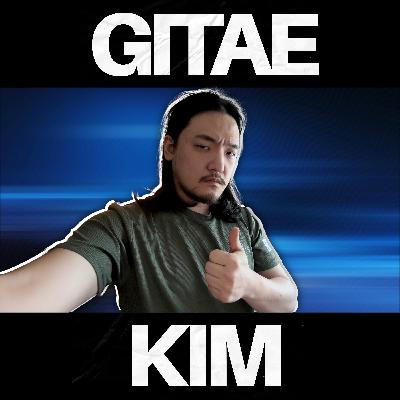
In this episode, I sit down with Gitae Kim (aka Gimgi), the composer behind Ogu and the Secret Forest, for a long, honest conversation about creativity and the cost that sometimes comes with it.We talk about discipline, hyperfocus, burnout, physical health, and what it’s really like trying to sustain a creative life. Gimgi shares how mandatory military service, learning instruments under pressure, and losing himself in flow states shaped the way he approaches music and game scoring today. We also get into the thinking behind the Ogu soundtrack — world-building, leitmotifs, and making music that serves the game rather than draws attention to itself. A grounded conversation about sensitivity, survival, and why we keep creating.GITAE KIM / GIMGI LINKS:Youtube: https://www.youtube.com/@gimgi2974Instagram: https://www.instagram.com/gimgi_tae/X: https://x.com/Captain_GimgiMarkus Junnikkala is a Composer from Finland.https://www.markusjunnikkala.com/Support this podcast by becoming a member:https://markusjunnikkala.com/membership/Want me to answer your question?Ask it on social media:https://www.instagram.com/markusjunnikkala/https://www.facebook.com/markusjunnikkala/https://x.com/markusjunnikkalhttps://www.reddit.com/user/markusjunnikkala/https://www.linkedin.com/in/markusjunnikkala/Subscribing, sharing, and liking helps the podcast.TIMESTAMPS:(00:00:00) Opening meditation and restless creative minds (00:04:30) Finally meeting after Tokyo Game Show (00:07:40) Korea vs Finland seasons culture and daily life (00:12:10) Mandatory military service in Korea (00:21:30) Learning trumpet in the army band under pressure (00:31:00) Discipline control and emotional survival (00:43:20) Hyperfocus paranoia and losing track of time (00:55:50) Overworking on Ogu and the limits of flow (01:07:40) Physical consequences spine pain and burnout (01:21:10) Standing desks ergonomics and creative health (01:39:30) Responsibility family and structure as an artist (01:56:40) Stress nervous system overload and sensitivity (02:15:00) Health crisis and long-term recovery (02:32:10) Reset after interruption continuing the conversation (02:35:40) Early musical life and discovering instruments (02:54:30) Bands guitar and finding a creative identity (03:12:20) Music technology DAWs and self teaching (03:28:40) Falling in love with game music (03:45:50) How Ogu and the Secret Forest happened (04:02:30) Composing Ogu themes structure and hidden ideas (04:21:40) Real instruments vocals and production choices (04:39:20) Working with developers and creative trust (04:50:40) What’s next reflection and closing thoughts

Comments

Download from Google Play

Download from App Store
 United States