


Behavioral Grooves Podcast
Subscribed: 398Played: 18,479
Subscribe


© Copyright 2024 Behavioral Grooves . All rights reserved.
Description
Stories, science and secrets from the world’s brightest thought-leaders. Behavioral Grooves is the podcast that satisfies your curiosity of why we do what we do. Explanations of human behavior that will improve your relationships, your wellbeing, and your organization by helping you find your groove.
521 Episodes
Reverse

Why do certain phrases stay with us for life? In this episode, were joined by James Geary, author of The World in a Phrase, to explore how aphorisms shape judgment, decision-making, and meaning. From fortune cookies to philosophy, they unpack why short sayings act as cognitive heuristics, how they guide thinking without giving answers, and why the aphorisms that serve us best often change over time, just as we do.
Topics
[0:00] Introduction and Speed Round with James Geary
[7:30] The Laws of Aphorisms
[13:45] Finding Wisdom in Unexpected Places
[21:07] Aphorisms as Cognitive Heuristics
[29:51] The Role of Aphorisms in Decision-Making
[35:00] How Aphorisms Can Match Life Stages
[42:30] How We Can Apply Aphorisms to Daily Life
[48:06] What Do Aphorisms Mean for Me?
[59:00] Grooving Session: The World in a Phrase
©2026 Behavioral Grooves
Links
About James
The World in a Phrase
Join us on Substack!
Join the Behavioral Grooves community
Subscribe to Behavioral Grooves on YouTube
Support Behavioral Grooves
Musical Links
Leonard Cohen - Anthem
Paul Simon - Everything Put Together Falls Apart
This Grooving Session feels personal for us. We’re combining our own experiences with behavioral science to explore why civil discourse seems so fragile right now. Over the weekend, tensions rose as ICE activity increased in Minneapolis, and Kurt’s neighborhood was deeply affected. When political tension is high, factors such as fear, proximity to events, and social identity can worsen polarization. It’s easy to forget that we have more in common than we think.
We’re here to support you, and we hope this episode gives you practical ways to engage. By slowing down, avoiding online dogpiles, and starting with the question, “What do we agree on?” We can start rebuilding a sense of shared reality.
Links
Migrant Solidarity Mutual Aid
Just Neighbors
Music Links
Bruce Springsteen - Streets of Minneapolis

Why do smart people keep making predictably bad decisions? Behavioral economist Alex Imas joins us to unpack The Winner’s Curse, loss aversion, and the persistent biases that shape markets, policy, and everyday choices. We explore why classic economic models fall short and what behavioral economics reveals about how humans really decide.
Topics
[0:00] Introduction and speed round with Alex Imas
[11:55] The Winner’s Curse and its implications
[21:13] Behavioral economics and standard economic matters
[28:01] Loss aversion and decision-making
[35:04] Behavioral economics in policy and law
[41:00] Tom Sawyer economics
[47:30] Social media, attention, and exploitation of bias
[56:38] The importance of cooperation and social systems
[58:40] New music in 2026
[1:07:53] Grooving session: framing, preferences, and happiness
©2026 Behavioral Grooves
Links
The Winner’s Curse by Richard Thaler and Alex Imas
About Alex
Join us on Substack!
Join the Behavioral Grooves community
Subscribe to Behavioral Grooves on YouTube
Support Behavioral Grooves
Musical Links
Fontaines DC - I Love You
ALEXSUCKS - The Gutter
January often feels like a letdown instead of a fresh start. In this episode, we explain the behavioral science behind the January slump, why motivation drops after the holidays, and how reflection, recovery, and smaller milestones can help individuals and teams regain energy and momentum.
Topics
[0:00] Are you feeling that January Slump?
[3:34] Reflecting and recharging
[4:56] What leaders can do
[8:00] Milestones for motivation
[11:42] Final thoughts and next steps
©2026 Behavioral Grooves
Links
Join us on Substack!
Join the Behavioral Grooves community
Subscribe to Behavioral Grooves on YouTube
Support Behavioral Grooves
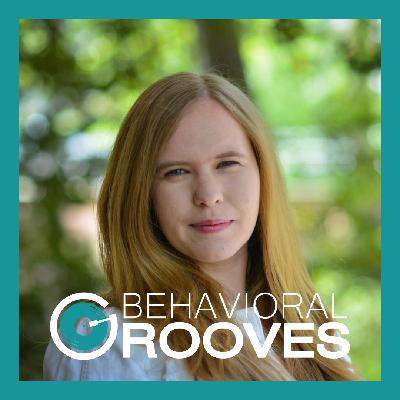
Boredom feels unpleasant, but that may be the point. Psychologist Dr. Erin Westgate joins us to explain why boredom is a signal rather than a flaw, how meaning and attention shape it, and what it can teach us about work, burnout, and living a psychologically rich life.
Topics
[0:00] Intro and Speed Round with Erin Westgate
[8:05] Do we think for pleasure?
[13:11] Why men would rather shock themselves than be bored
[15:50] The MAC model
[25:23] Is boredom useful?
[29:07] Enjoyable vs. interesting experiences
[31:51] Can a boring life still be a good life?
[39:58] Boredom and burnout at work
[49:39] Is boredom good or bad?
[52:38] Designing better environments for bored people
[58:31] Desert island music
[1:02:17] Grooving Session: Boredom and meaning in life
©2026 Behavioral Grooves
Links
About Erin
A Psychologically Rich Life: Beyond Happiness and Meaning
Join us on Substack!
Join the Behavioral Grooves community
Subscribe to Behavioral Grooves on YouTube
Support Behavioral Grooves
Musical Links
Patty Scialfa - Rumble Doll
Beethoven - Symphony No.7 in A major op.92 - II, Allegretto
It’s Throwback Thursday at Behavioral Grooves, and we’re revisiting one of our favorite conversations with bestselling author Jonah Berger on the surprising power of words. Tiny shifts in language can shape behavior, influence relationships, and even change how others see us. Jonah reveals the “magic words” that captivate, motivate, and persuade, and shares practical tips for turning actions into identities, priming behavior with language, and making every word count.
Topics
[3:27] Welcome and speed round questions.
[5:09] Why asking for advice makes us actually seem smarter.
[7:17] Using abstract vs. concrete language.
[12:42] How Jonah researched the use of language.
[16:49] How can our language affect our relationships.
[19:31] Turning actions into identities.
[22:47] Priming behavior with language.
[25:00] Do the lyrics of songs help explain their success?
[28:27] Grooving Session with Tim and Kurt on why words matter.
Links
About Jonah
Magic Words: What to Say to Get Your Way by Jonah Berger
Join us on Substack!
Join the Behavioral Grooves community
Subscribe to Behavioral Grooves on YouTube
Support Behavioral Grooves
Music Links
Suzanne Vega, DNA - Tom's Diner
RUN DMC - Walk This Way (ft. Aerosmith)
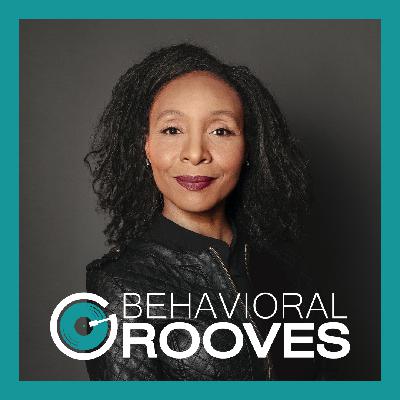
What if the key to better work isn’t doing more, but moving more, resting better, and thinking differently? Dr. Natalie Nixon joins us to unpack her Move, Think, Rest framework and explain why creativity thrives when we step away from hustle culture. From walking meetings and daydreaming to embracing ambiguity and redesigning how we work, this episode offers a powerful reframe for anyone feeling burned out or stuck.
Topics
[0:00] Introduction and speed round with Natalie Nixon
[10:20] Burnout, hustle culture, and redesigning how we work
[16:12 Productivity myths from the Industrial Revolution
[20:34] Movement hygiene and the benefits of walking
[26:39] The Move, Think, Rest model
[30:27] How to embrace ambiguity instead of fighting it
[38:27] The importance of scaling rest
[44:38] How Natalie finds her groove
[48:25] Grooving Session: Reframing productivity and creativity
©2026 Behavioral Grooves
Links
MTR Challenge
Natalie Nixon
Move. Think. Rest. By Natalie Nixon, PhD
Join us on Substack!
Join the Behavioral Grooves community
Subscribe to Behavioral Grooves on YouTube
Support Behavioral Grooves
Music Links
Check out Natalie Nixon's Playlist for:
Move
Think
Rest
In this annual “best of the best” episode, we revisit the behavioral science books that most influenced our thinking this year. Rather than ranking titles, we explore what made each book impactful; from happiness and psychological richness to leadership, teams, and behavioral economics, and why these ideas continue to challenge how we think, work, and live.
Topics
[0:00] Can we really rank “best” books?
[2:08] Book Giveaway - How to join
[3:34] Psychological richness and happiness
[5:50] Redefining wealth beyond money
[7:21] The illusion of self-derived beliefs
[8:25] Getting out of your own way
[11:11] The power of mattering at work
[13:21] Rethinking happiness
[15:01] Behavioral science in the real world
[16:45] Behavioral economics
[19:52] Behavioral science in marketing and advertising
[20:19] Closing thoughts and community invite
©2026 Behavioral Grooves
Links
Life in Three Dimensions – Shigehiro Oishi
The Soul of Wealth – Daniel Crosby
The Knowledge Illusion – Steven Sloman
Detach – Bob Rosen
The Collective Edge – Colin Fisher
The Power of Mattering – Zach Mercurio
What We Value – Emily Falk
Beyond Happy – Mark Fabian
The Doors You Can Open – Rosalind Chow
The Housefly Effect – Eva van den Broek & Tim den Heijer
The Winner’s Curse – Richard Thaler & Alex Imas
Meditations for Mortals – Oliver Burkeman
Hacking the Human Mind – Richard Shotton
Join us on Substack!
Join the Behavioral Grooves community
Subscribe to Behavioral Grooves on YouTube
Support Behavioral Grooves
Music Links
Groovy Listening 2025 Playlist

Happy New Year, Groovers! This week, we're taking some time-off and sharing an oldie but a goodie - our conversation with Ayelet Fishbach.
The start of a new year often brings fresh motivation...and then we burnout. But why? In this recast, we are joined by Dr. Ayelet Fishbach to explore why willpower-driven resolutions fail and how behavioral science offers a smarter way to set goals that last. Through an examination of her research, we unpack meta-motivation, the problem with "the middle" and how you can design your goals better so that they carry momentum through January and beyond.
©2025 Behavioral Grooves
Topics
[0:00] Motivation and Willpower - a New Perspective with Ayelet Fishbach
[3:19] The Marshmallow Test and Its Misinterpretation
[7:52] Meta Motivation and Its Implications
[14:28] The Role of Intrinsic and Extrinsic Motivation
[18:17] Problems Around Goal Achievement
[32:41] The Important of Aspirational Goals
[42:58] Strategies for Overcoming the Problem of "the Middle"
[48:33] Key Takeaways
©2025 Behavioral Grooves
Links
About Ayelet
Get It Done: Surprising Lessons from the Science of Motivation
Music Links
Best of NPR Tiny Desk
Why do holiday rituals matter so much to our happiness and sense of connection? In this pre-Christmas special, we unwrap (ho ho ho…) the behavioral science behind gatherings and traditions—from Thanksgiving dinners to baking cookies and watching favorite holiday movies. Learn how rituals differ from habits, why they help reduce anxiety, and how small, intentional moments can strengthen belonging, refresh traditions that feel stale, and make the holiday season feel more meaningful and enjoyable.
Topics
[0:00] Understanding the Importance of Gatherings and Rituals
[5:19] The Role of Multiple Groups in Identity
[8:06] Defining Rituals
[14:13] Maintaining the Meaning of Rituals
[19:00] Practical Ways to Add Intention to the Holidays
[22:15[ A Question for Your Next Gathering
©2025 Behavioral Grooves
Links
Join us on Substack!
Join the Behavioral Grooves community
Subscribe to Behavioral Grooves on YouTube
Support Behavioral Grooves
Musical Links
Nat King Cole - The Christmas Song
Tim Minchin - White Wine in the Sun

Individual emotional intelligence matters — but teams thrive when EI is built together, not carried by a few well-developed individuals. In this episode, Vanessa Druskat explains why high-performing groups rely on shared norms that create psychological safety, trust, and collaboration. We talk through her research-backed framework for turning work groups into emotionally intelligent teams, how leaders can shape better environments, and why optimism is a surprisingly powerful tool for motivation and change.
Topics
[0:00] Intro and Speed Round with Vanessa Druskat
[7:08] What is Team Emotional Intelligence?
[13:02] Leader Behavior vs Team Norms
[18:24] The Discovery of “the Nine Norms”
[26:34] Engaging Stakeholders Beyond the Team
[33:19] Belonging Needs and Conformity
[42:01] Optimism As a Leadership Tool
[47:21] Coaching for Hope vs Problems
[50:42] Desert Island Music
[54:14] Grooving Session: A+ Teams vs A+ Individuals
©2025 Behavioral Grooves
Links
About Vanessa
The Emotionally Intelligent Team
Join us on Substack!
Join the Behavioral Grooves community
Subscribe to Behavioral Grooves on YouTube
Support Behavioral Grooves
Musical Links
Van Morrison - Days Like This
John Prine - In Spite of Ourselves
Executive coach and author Muriel Wilkins joins us to unpack the invisible beliefs that quietly shape how we lead. We explore why curiosity is the starting point for self-awareness, the common internal blockers she sees in leaders, and why leadership growth is less about changing who you are and more about expanding your mindset. Muriel breaks down how hidden scripts formed early in life can limit our impact later on, and how shifting our beliefs can help us move from stress and suffering to clarity, range, and ease at work.
Topics
[0:00] Introduction and speed round with Muriel Wilkins
[9:33] Are limiting beliefs protective?
[15:40] Where limiting beliefs come from
[20:00] Why we’re not taught self-reflection
[27:04] The problem with glorifying stress
[33:44] Changing vs expanding your mindset
[39:23] Redefining success
[44:47] How Muriel Wilkins finds her groove
[54:50] Grooving Session: Curiosity, self-awareness, and expanding your mindset
©2025 Behavioral Grooves
Links
About Muriel
Leadership Unblocked by Muriel Wilkins
Café Bustelo
Join us on Substack!
Join the Behavioral Grooves community
Subscribe to Behavioral Grooves on YouTube
Support Behavioral Grooves
Musical Links
Vivaldi - Four Seasons
In this special episode inspired by questions from our Facebook Community, we explore why big change feels intimidating even though most transformation happens quietly in our daily lives. Kurt and Tim dig into the micro-shifts we overlook, the powerful role expectations play in shaping our confidence and identity, and why surrounding yourself with people who expand your sense of possibility truly matters. They also revisit classic and modern goal-setting research — from Kurt Lewin’s “levels of aspiration” to today’s best evidence — to show how balancing past performance with future dreams helps you find the motivating sweet spot that keeps you moving forward.
A Note From Our Team: This show exists because of the community around it — the questions you ask, the curiosity you bring, and the support you’ve given us. If you’d like to help us keep producing independent, ad-free behavioral science content, we’d be grateful for your support on Substack. Your contribution sets the expectation that this work matters — and helps us keep delivering it. Support us here.
Topics
[0:00] Change and Its Implications
[4:00] The Impact of Incremental Change on Personal Growth
[8:41] The Pygmalion Effect
[16:14] Goal Setting: Past Performance vs Future Dreams
[25:39] Incremental Goals vs. Aspirational Goals
[29:11] Our Facebook Community: Coffee or Tea?
©2025 Behavioral Grooves
Links
Join us on Substack!
Join the Behavioral Grooves community
Subscribe to Behavioral Grooves on YouTube
Support Behavioral Grooves
Is violence caused by “bad people,” too many guns, or something deeper? In this episode, University of Chicago researcher Jens Ludwig reveals why most violent acts stem not from evil intent but from ordinary people in unforgiving situations. We explore how behavior, context, metacognition, and split-second decision-making shape violent outcomes — and why small, scalable interventions like pocket parks, foot traffic, and reflective thinking can dramatically reduce harm. If you care about safer communities, more innovative policymaking, or just want to understand human behavior better, our conversation with Jens will forever reshape how you view violence.
Topics
[0:00] Intro and Speed Round with Jens Ludwig
[10:18] Bad People vs Bad Situations
[15:55] The 10-Minute Window
[22:50] Dog Attacks and Tunnel Vision
[31:15] Eyes on the Street and Environment Shaping Behavior
[38:50] How Pocket Parks Reduce Crime
[47:27] In-Group/Out-Group Psychology and Neighborhood Conflict
[52:20] Metacognition, Education, and Preventing Violence
[1:00:57] Poker, Tilt, and Decision-Making Under Stress
[1:06:51] Desert Island Music Picks
[1:11:21] Grooving Session: Interventions and a Solution to Violent Crime
©2025 Behavioral Grooves
Links
About Jens
Unforgiving Places: The Unexpected Origins of American Gun Violence
Join us on Substack!
Join the Behavioral Grooves community
Subscribe to Behavioral Grooves on YouTube
Support Behavioral Grooves
Musical Links
Chappell Roan - Red Wine Supernova
AC/DC - Hell’s Bells
Why does gratitude feel so easy to feel yet so hard to say? In this Thanksgiving grooving session, we unpack the psychology behind our awkwardness around expressing appreciation—from miscaliberated assumptions to the belief that people can “just tell” how grateful we are. Drawing on research from Nick Epley and others, we explore how gratitude rewires the brain, boosts well-being, and strengthens relationships, and we share simple, science-backed nudges to help you connect more deeply with the people you love this holiday season.
A Note From Our Team:
This Thanksgiving, support the science you love. Behavioral Grooves is independent, ad-free, and listener-powered. If our episodes bring you insight or inspiration, consider subscribing or becoming a member—it makes a huge difference.
©2025 Behavioral Grooves
Topics
[0:00] What is Gratitude?
[1:51] Barriers to Expressing Gratitude
[3:44] Nudges for Practicing Gratitude
[6:54] The Power of In-Person Gratitude
[8:30] Closing Thoughts: Happy Thanksgiving!
©2025 Behavioral Grooves
Links
Join us on Substack!
Join the Behavioral Grooves community
Subscribe to Behavioral Grooves on YouTube
Support Behavioral GroovesSupport Behavioral Grooves
Musical Links
Arlo Guthrie - Alice's Restaurant
Vintage Thanksgiving Playlist
Harvard instructor Margaret Andrews joins us to explore why effective leadership starts with self-awareness. We discuss blind spots, emotional intelligence, team norms, and the internal work leaders must do to better understand their impact. Margaret offers practical tools for developing people and navigating organizational context, showing how self-understanding reshapes culture, communication, and long-term leadership success.
Topics
[0:00] Introduction and Speed Round with Margaret Andrews
[7:10] What Managers Get Wrong
[16:59] Challenges of Leading Others
[21:42] Emotional Intelligence and Leadership
[27:20] The “Best Boss” Exercise
[35:54] Leading for the Long Term
[39:56] Advice for New Managers
[44:19] Desert Island Music
[49:38] Grooving Session: Self-Awareness, Biases, and Leadership Takeaways
©2025 Behavioral Grooves
Links
About Margaret
Manage Yourself to Lead Others by Margaret C. Andrews
Join us on Substack!
Join the Behavioral Grooves community
Subscribe to Behavioral Grooves on YouTube
Support Behavioral Grooves
Music Links
Rod Stewart - Have You Ever Seen the Rain?
Nina Simone - Feeling Good

What if the gender revolution never finished? Economist Corinne Low joins us to unpack why women have transformed the workforce while men’s roles at home have barely changed. Drawing on insights from her book Having It All, Corinne reveals why so many families are stretched thin, caught between data, social pressure, and outdated norms. Together, we explore what it means to “have it almost,” and how smarter boundaries, parental leave, and fairer divisions of labor could finally help us reach true balance at home and at work.
©2025 Behavioral Grooves
Topics
[0:00] Intro and Speed Round with Corinne Low
[8:30] Gender Roles in Parenting
[18:58] Behavioral and Social Norms in Parenting
[27:32] Economic Models and Marriage
[38:29] Paternity Leave and Gender Roles
[44:18] Structural Changes and Workforce Adaptations
[52:49] Desert Island Music
[55:26] Grooving Session: Finding Balance at Home and at Work
©2025 Behavioral Grooves
Links
About Corinne
Having It All: What Data Tells Us About Women’s Lives and Getting the Most Out of Yours by Corinne Low, PhD
Join us on Substack!
Join the Behavioral Grooves community
Subscribe to Behavioral Grooves on YouTube
Music Links
Pearl Jam - Even Flow
The Beatles - Now and Then
Financial advisor and author Mark Matson joins Behavioral Grooves to explore what the American Dream means today—and whether it’s truly attainable for everyone. We dig into his view that fulfillment comes from mindset, not money, and examine how behavioral biases can sabotage our financial decisions. But as we discuss the tension between personal responsibility and systemic headwinds, we also ask: can discipline and optimism alone really guarantee success?
Topics
[0:00] A quick word with Kurt and Tim - Struggling with the American Dream
[5:08] Speed Round with Mark Matson
[9:20] Cognitive Biases in Investing
[16:00] Victimhood vs Agency
[23:58] Why Investors Are Their Own Worst Enemy
[27:12] Behavioral Economics and Bad Decisions
[38:45] The Three Rules for Smarter Investing
[44:58] Defining “Enough”
[51:13] How to Find Purpose and Find Your Groove
[58:50] Desert Island Music Picks
[1:01:12] Grooving Session: Nuance, Privilege, and Perspective
©2025 Behavioral Grooves
Help Behavioral Grooves stay independent and science-focused by becoming a paid subscriber or making a one-time donation.
Support our work
Links
About Mark
Experiencing the American Dream: How to Invest Your Time, Energy, and Money to Create an Extraordinary Life by Mark Matson
Join us on Substack!
Join the Behavioral Grooves community
Subscribe to Behavioral Grooves on YouTube
Musical Links
Billy Joel - We Didn’t Start the Fire
Morgan Wallen - I Got Better

How does framing influence the way we think, feel, and act? Sociologist and author Mikael Klintman joins us to explore how framing shapes nearly every part of life — from art and politics to health and everyday conversations. We discuss how subtle shifts in language and context can change our perceptions, why framing itself is neutral but powerful, and how expanding or contracting our frames can unite or divide us. Tune in for practical insights on recognizing framing in action and using it to see the world differently.
Topics
[0:00] Introduction and Speed Round with Mikael Klintman
[6:29] Framing: A Double-Edged Sword?
[13:02] The Art of Social Influence
[17:07] Rough and Smooth Framing
[22:54] Frame Expansion and Contraction
[30:12] Behavioral Economics and Framing
[36:25] Framing in Everyday Life
[41:23] Music and Framing
[48:04] Grooving Session: Using Framing to Reframe Your Own Mindset
©2025 Behavioral Grooves
Help Behavioral Grooves stay independent and science-focused by becoming a paid subscriber or making a one-time donation.
Support our work
Links
About Mikael
Framing: The Social Art of Influence by Mikael Klintman
Join us on Substack!
Join the Behavioral Grooves community
Subscribe to Behavioral Grooves on YouTube
Musical Links
U2 - I Still Haven’t Found What I’m Looking For
Randy Crawford - Rio de Janeiro Blue
Happy Halloween from Behavioral Grooves! In the spirit (OoooOoo) of the holiday, we're resharing one of our old episodes exploring the spooky side of biases - why we have them, and how we can overcome them. Tune in while you're painting your face for that halloween party, or maybe play it on the speakers outside to really scare the kids with some cold hard science.
No tricks, just treats — and by treats, we mean thoughtful behavioral science stories told without ads or sponsors.
Help Behavioral Grooves stay independent and science-focused by becoming a paid subscriber or making a one-time donation.
Support our work


Download from Google Play

Download from App Store
 United States
Nicely written, appreciated your ideas and steps. https://www.thetalk-room.com
nicely done. appreciated your steps. http://ammyjmakeovers.com
Informative podcast https://zebrians.in/
I like the helpful information you provide in your podcast. I will bookmark your weblog and check again here regularly. I am quite sure I'll learn plenty of new stuff right here https://va2pt.com/
nice podcast https://grannysden.in/
Nice podcast https://grannysden.in/
Thanks for sharing. This is very informative https://thetalk-room.com/
check out this https://www.jbitdoon.com/
Thanks for sharing https://www.sparklingchessacademy.com/
Thanks for sharing https://www.sparklingchessacademy.com/
Thanks for sharing https://www.sparklingchessacademy.com/
Family tree maker 2019 upgrade- https://www.familytreemakerhelps.com/familyblogs/
Check this amazing site- https://www.familytreemakerhelps.com
check this amazing free family tree software for everyone https://www.familytreemakerhelps.com
check this software for free map updates https://mydashupdates.com
check this out guys for free map updates life time
check this software for free map updates https://mydashupdates.com
check this software for free map updates
Thank you http://thelocationtracker.com
Great podcast! I learn so much with each episode