


 Claim Ownership
Birth Stories in Color
Subscribed: 90Played: 2,282
Subscribe

© @2017 Birth Stories in Color
Description
Birth Stories in Color is a podcast for Black, Indigenous, Asian, Latino, and Multiracial individuals to share their birthing experiences - a space that specifically celebrates, mourns with and supports them and their transformation through birth.
Birth Stories in Color also emphasizes the role of storytelling as a way to equip future parents. Listening to real birth stories is one way to discover the expected and unexpected parts of the journey.
We realize that there are birth stories not being heard. Our hope is that all who share and listen find this platform to be a community near and far, and an invaluable resource for navigating their own journey.
178 Episodes
Reverse
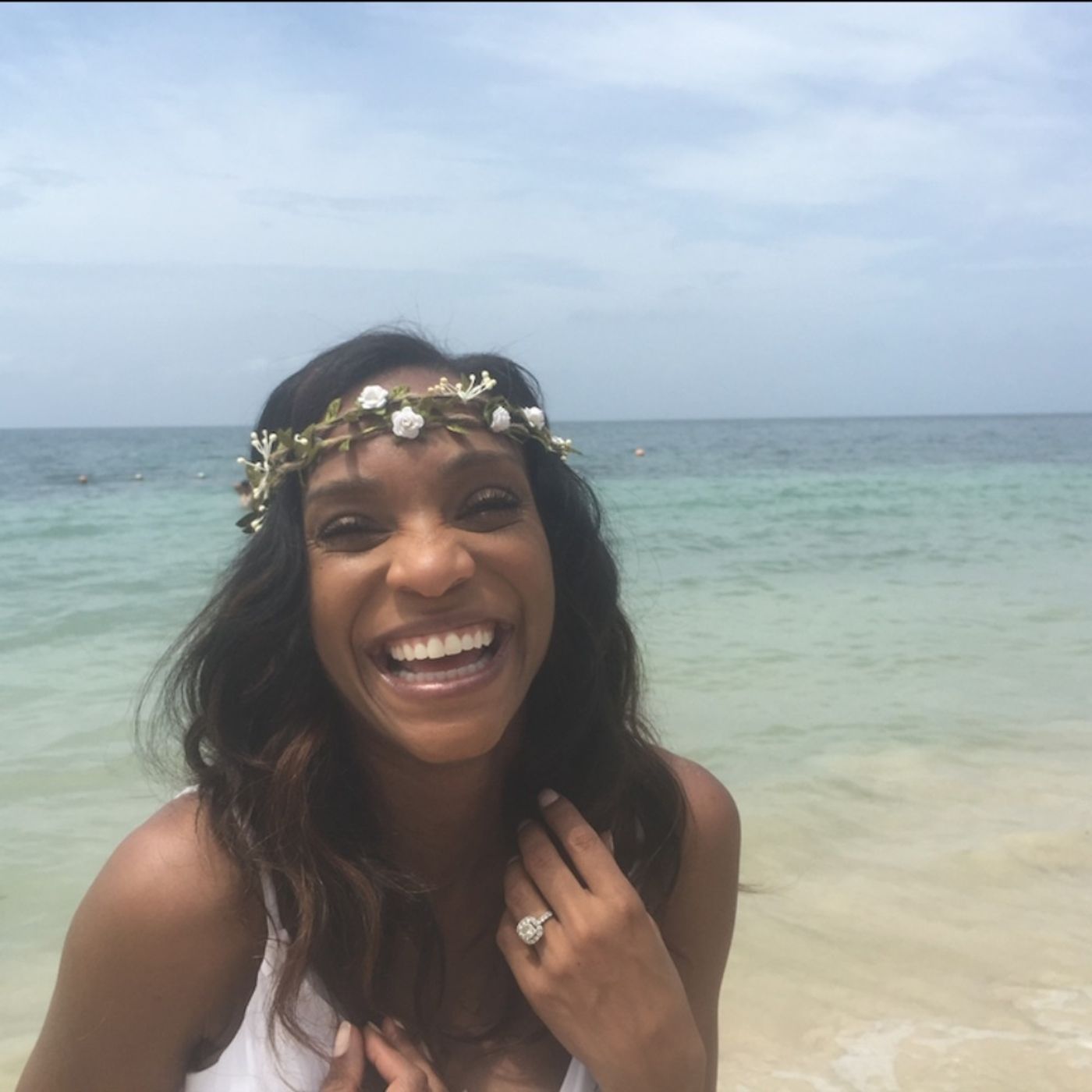
This is a story about loss - In memory of Kira Johnson
Charles welcomed fatherhood with joy. He and Kira were so excited to start their family, and their second pregnancy would bring them back-to-back boys. The first pregnancy had been healthy, but ended in an emergency surgical birth as Baby Charles experienced heart decelerations that became concerning. Welcoming their second child during a transition from Atlanta to Los Angeles provided an opportunity for them to seek world-class care. Kira and Baby Langston were healthy throughout the pregnancy. Kira and Charles took intentional steps to select a provider that met their needs. They opted for a scheduled surgical birth with a provider who had excellent reviews and had privileges at Cedar Sinai Hospital. Their doctor assured them that this was the safest approach to delivery due to her history. A Vaginal Birth After Cesarean (VBAC) was never presented as an option.
Their provider, Dr. Kasanji introduced them to Dr. Naim as a backup provider for the procedure. Spoiler alert - It was a racket. Dr. Kasanji could no longer stand for surgeries continued to accept patients, billed for prenatal care, and then transferred their care to an incompetent, negligible, and callous butcher. We said what we said.
*The following timeline is not exact, but it’s not exaggerated.
2:00 pm - Surgical birth began.
2:02 pm Incision complete on a patient with a previous cesarean scar.
Cue internal bleeding.
Just before 4:00 pm - Signs of hemorrhaging. Charles rings the alarm.
5:00 pm - CT Scan ordered STAT
6:00 pm - No CT Scan. Charles rings the alarm.
6:15 pm - Declared Surgical Emergency
7:00 pm - No CT scan. Kira is shivering uncontrollably.
8:00 pm - No CT scan. Charles rings the alarm.
The CT never happened. Charles rings the alarm!
9:00 pm - Your wife just isn’t a priority right now.
10:00 pm - No CT scan.
11:00 pm - No CT scan.
12:00 am - Baby, I’m scared.
12:00 am - “blind surgery” to find the bleed.
It’s not a big deal.
She’ll be back in 15 minutes.
Incision.
Crashed.
Condition is critical, continuing to work on her.
Bring my wife back.
In a blink of an eye Kira was gone. There is nothing routine about not surviving a non-emergent surgical birth. The care, compassion, and skill that Kira deserved from her medical team never showed up.
There’s a biblical verse that people quote when faced with loss, “Weeping may endure for a night, but joy comes in the morning.” It’s intended to provide encouragement for a person to move forward. But what if it was intended to give permission to grieve. “For a night,” gives the illusion of temporality. Night is symbolic of darkness and death. Could it be, “Weeping may endure for darkness or weeping may endure for a death. Grief has cycles, it does not end. But joy comes in the morning. Joy comes in the light. It’s the grief cycle of darkness and light - night and morning.
Charles Johnson shared his birth story that ended in the tragic, senseless, and avoidable death of his wife, Kira Dixon Johnson. Kira was a healthy 30-year-old woman in her second pregnancy when she trusted her vetted doctor and the reputation of an accomplished hospital system to ensure safe delivery of her child and her recovery. A rushed surgical birth that nicked her bladder caused internal bleeding; she lost her life after a series of pleas for support when she showed signs of hemorrhaging. Charles describes the formula that accompanies nearly every story of a Black woman losing her life in childbirth as, “We expressed our concerns, our concerns were dismissed or delayed, and by the time they did something, it was too late.”
The attending doctor, Dr. Naim, was later found negligent by the California Medical Board. Charles was inspired to keep fighting for better care and accountability. He founded 4Kira4Moms as a force multiplier in spreading the message of systemic change in medical care. This includes better care provider training, transparency, and accountability. The disproportionate impact of maternal mortality on Black women is at the center of his legislative advocacy, better doula and midwifery support, and increased awareness and education among fathers and non-birthing parents. Charles believes that revolutionary care is that there has to be a fundamental standard of care in this country for all birthing people and doctors, midwives, whoever is performing these services, and who's getting paid for these services, their compensation needs to be tied to their ability to meet that standard period.
Charles brought their baby home without Kira. He has faced fatherhood headfirst, allowing his sons to be his guiding force. They sustain him. They are the tools in his mental health toolbox, along with consistent therapy. He works for Kira's legacy and the future of change.
She’d burn it all down. Charles has lit the match.
Resources:
4 Kira 4 Moms | nonprofit on a mission to eradicate maternal mortality.
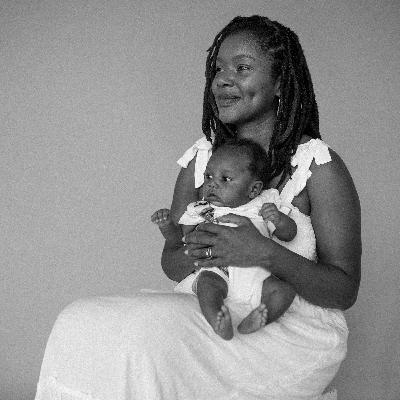
This story includes loss - in memory of Ernest Levert Jr.To be held is an embrace. To hold is to be responsible for something or someone. Several characteristics define a community, including shared identity, interaction, shared purpose, shared norms and values, and support systems. This helps foster a sense of belonging and collective action among its members. The premise of ubuntu, "I am because you are," involves recognizing our shared humanity, practicing empathy, and acting in ways that benefit others. Birth Stories in Color is a community. In this space, we hold each other. Most days, we can access our email or social media accounts and be greeted by someone who wants to be held. We paused… and you understood. Life happened. We witnessed the unfolding of one of our own. We let it breathe. Then we opened the door. We offered to hold. Then we held her. We offered to hold it or share it. She offered it to you…We met Ivory and Ernest together for the first time in 2021. They shared their miscarriage and the birth journey of their daughter, Zamya. Now in 2025, Ivory shared their story without her partner’s physical presence, and we welcomed his spirit in. A beautiful surprise of a second pregnancy between Ivory and Ernest was met with conflicting ideas about the timing and the physical and mental adjustments. A few weeks into the pregnancy, gratitude and excitement replaced Ivory’s early misgivings. Parenting a toddler while pregnant proved to be more of a challenge than Ivory anticipated. She laid the groundwork for a healthy pregnancy and prepared for a homebirth this time. Midwifery care, additional care with an obstetrician, chiropractic care, and regular massages allowed her to feel at ease as they prepared for birth. Towards the end of the pregnancy at 34 weeks, Ernest experienced a severe headache that led them to take a trip to the emergency room. He was sent home without a diagnosis. About a week later, he experienced a catastrophic aneurysm rupture while visiting his favorite coffee shop. He was rushed to the hospital. The prognosis was difficult as the doctors could not offer answers, but they explored all of the options. In those early hours, Ivory started to see gestures of care and intention moving through her community. She was faced with holding life in her womb, raising life in her home, and the fragility of life holding on in the hospital. She held on as she was held. Labor came. She prepared her space with affirmations, photos of her and Ernest filled the space, a friend facetimed from Ernest’s hospital room, and everyone on her birth team followed her lead. Baby Zenith was born peacefully at home.Postpartum came with some ease as she was nurtured at home. Ivory struggled more emotionally with balancing joy and sadness. The hospital supported their family by moving Ernest to an area that would allow the baby to come with Ivory during visits. Ivory shared her experience managing care for herself, her children, and her husband. She attributes her practice of gratitude as a source of strength and community care through it all. Ernest Levert Jr. joined the ancestors on January 8, 2025.Resources:Eliza Kay | life coach and Certified Professional Midwife (CPM)Kelli Blinn | Columbus, OH doula and educator

Javana’s birth experience taught her some important lessons about self-advocacy and the current structure of maternal health in the United States. The gaps in education about options and the variance in how providers operate through the perinatal process led her down a road of challenges and fear. Over thirty hours of labor started with mild, irregular contractions and pieces of her mucus plug releasing. Javana experienced irregular labor patterns that kept her home until her water broke. That shifted her mindset to watching the clock and did not feel like she her labor was intense enough to be in active labor. She attended her scheduled doctor's appointment and she was 2 cm dilated. Her doctors advised her to go to the hospital later in the day and suggested mid-afternoon. Arriving at the hospital led Javana down the cascade of interventions that started with an IV against her wishes. Labor started to feel isolating in that she felt alone and unsupported by her nursing team. Eventually, Javana accepted more interventions than she originally intended and an epidural helped her get some rest after being in labor for so long. Her most compassionate caregiver was the anesthesiologist, as he listened to her and talked her through the challenges of placing her epidural. After that the baby had some heart decelerations that concerned the care team. Javana was exhausted by the entire experience and she consented to a surgical birth. After a challenging birth and hospital experience, Javana chose to honor herself in her motherhood with experiences of joy. She feels prepared to embark on her second birth with more knowledge and understanding of what could be. Resources:Tinyhood | online parenting classesThe Birth Hour | birth story podcastEvidence Based Birth | online childbirth resourceAll About Pregnancy & Birth Podcast | parenting podcast

The year 2020 will forever be etched in the minds of those who lived to tell the tale. Oh, the stories we will tell. The smoke and mirrors were dispersed and the United States revealed its true self. We bore witness to Riot, after Riot, after Riot. The revolution appeared to be televised after all. But deep in our communities the true revolution was brewing. Many Black women and birthing people continued to give birth despite the headlines, the statistics, and the odds stacked against them. But they didn’t just give birth; they gave birth how they wanted, where they wanted, and focused on what was most important to them. A surprise pregnancy anchored Chris and Raquel’s growing family and allowed them to sway but not break during an uncertain time. Raquel entered the pregnancy unemployed due to a hiring freeze, from the shutdown, that kept her from starting her new position. Chris became the sole provider as they moved forward with the pregnancy. The first few weeks of pregnancy brought about two different mental shifts. Anxiety filled Raquel as she continued to apply for jobs and manage the COVID-19 pandemic while pregnant. The isolation was challenging but allowed for a slower pace and opportunities to be introspective. Chris had a more challenging experience with his employer and managing how he would navigate the birth and postpartum period. He did not have paternity leave and intended to take leave without pay. The thought of it was scary as he knew he would be bucking the system. The Williams chose to keep their pregnancy to themselves aside from their parents. Their birth plans were kept under wraps and allowed them to keep out the noise, opinions, and outside stressors. Chris and Raquel chose a homebirth with a midwife and a doula. They utilized their resources and access to do it their way. Raquel dove into research on birth and parenting. Chris had the mentality of being ready when the time came. He found himself focused on trying to go against the negative stereotypes of Black fathers. Holistic care equipped Raquel with education, mental fortitude, and an understanding of what childbirth could include. When she started to feel the small ripples of early labor she contacted her birth team which included her midwife, doula, and birth photographer. Chris was spending the day attending graduation ceremonies for his students. Raquel told Chris he was fine to go and she knew it would be fine. They had a late dinner but didn’t set up the birthing tub because it was too late in the day. The waves were not close enough for her to think that she was in active labor. She checked in with her midwife and she told her to use her discernment. Raquel took a Tylenol PM and they enjoyed a movie and facials until she fell asleep. Around four in the morning, Raquel stated that she had to poop. They went down together, Chris could see her from the door, and as Raquel made a maneuver he said, “I don’t think that’s poop.” Chris was scared that the baby had died, due to the shape and stillness of her head. Meanwhile, Raquel was in a calm, zen state as she assured Chris the baby was ok. They were able to Facetime their midwife to manage the delivery of the baby. Chris caught their baby with a nuchal cord and unwrapped it and placed the baby on Raquel’s chest. The midwife entered the house shortly after. Dani and the birth photographer joined them shortly afterward for postpartum support and photography. Immediately postpartum, they walked back down the hall with their baby. The experience of having their team come to them and the care that was provided for them had them in awe. Raquel believes that everything we need to have children… we already have it. We’ve been having babies like this forever.

Our guest, CEO of Emagine Solutions Technology Courtney Williams, is the creator of The Journey Pregnancy App. The app enables patients to vital signs during pregnancy and then transmits this information in real-time and creates a record. Beyond that it issues a call to action for users to contact their providers when they enter vitals that are out of bounds based on ACOG standards. This technology was developed after Courtney experienced Postpartum Preeclampsia, a rare condition that occurs when you have high blood pressure and excess protein in your urine soon after childbirth. She was already working in maternal health technology.Courtney’s pregnancy started in 2019; she gave birth at the height of the first wave of the pandemic in 2020. The pregnancy started well; she ate right and worked out daily. But the gym access stopped due to the pandemic - unfortunately, this was a major stress reliever for Courtney. She also utilized acupuncture with a naturopathic provider. Eventually, she lost access to that support due to growing concerns due to the pandemic. It had been helpful for morning sickness; this was another hit to her emotional support.A week before the childbirth, Courtney's son measured big and they were scheduled for a surgical birth; which she was ok with because it eased her uncertainty. Unfortunately, the hospital would not allow her doula to be present. Courtney’s husband was her sole support during the birth and everything went well as they welcomed their son. In the hours and days after the birth, her body started swelling. Courtney presented with a headache and pronounced chest pain five days postpartum. She attempted to contact her provider but did not get a response; she decided to go to the emergency room, where she was diagnosed with Postpartum Preeclampsia. After returning home, she needed to report to her doctor’s office multiple days in a week for blood pressure readings. This brought about challenges in their breastfeeding/pumping journey. Courtney was surprised that there wasn't technology to ease the challenges for new parents to go to frequent appointments during the early phases of postpartum.We will save ourselves. We have everything we need within ourselves to rebuild birth better. Being active participants in our care, engaging providers who acknowledge and respect our voices, and equipping ourselves with innate knowledge and an understanding of how our unique bodies respond to pregnancy are key components in creating safer, joy-filled birth experiences. Resources:The Journey Pregnancy App | software app that enables patients to track vital signs in pregnancy and transmits this information to providers in real timeEmagine Solutions Technology | tackling the U.S. maternal health crisis with remote patient monitoring for pregnancy careHealth in her Hue | a digital platform that connects Black women and women of color to culturally competent and sensitive healthcare providers, and offers health information and contentBlack Maternal Health Center of Excellence | provides maternity care & support in Los Angeles CountyWolomi App | digital community that offers support to women of color to improve maternal health outcomesSHERO | online prenatal programCentral Phoenix OBGYN | Dr. Sharon Thompson - supportive pregnancy care

Comments

Download from Google Play

Download from App Store
 United States