


 Claim Ownership
Bitcoin Takeover Podcast
Subscribed: 78Played: 3,874
Subscribe

© 2019-2025, Vlad Costea, Bitcoin Takeover
Description
On the Bitcoin Takeover podcast you're going to hear the builders and innovators who make the Bitcoin project valuable. It's thanks to their work that the BTC price goes up, and it's their efforts that convince large investors that Bitcoin is the future of money. Here you will find the projects and ideas that will radically improve Bitcoin in the future, presented by the creators and innovators themselves. Time to learn!
335 Episodes
Reverse

The recent ColliderScript research paper is a game changer: it enables Bitcoin covenants at a high cost, but without requiring any soft fork. It's the most remarkable breakthrough since BitVM and co-author Avihu M. Levy is here to explain how it works!
Time stamps:
Introduction (00:00:45)
Avihu M. Levy's Background in Bitcoin (00:02:25)
Covenants in Bitcoin (00:03:43)
Impact of Taproot Upgrade (00:06:07)
Research Renaissance in Bitcoin (00:08:42)
Debate on Taproot's Impact (00:09:18)
ColliderScript Paper Overview (00:12:21)
Covenants and Script Limitations (00:14:09)
Bridging Script Worlds (00:16:11)
Importance of Covenants (00:17:34)
Covenants and Scaling (00:22:23)
Community Sentiment on Covenants (00:23:45)
Research and Development for Covenants (00:25:07)
Concerns About Covenants (00:25:48)
Predicting the Impact of Taproot (00:26:26)
Funding for Covenant Research (00:28:42)
ColliderScript Overview (00:29:44)
Background on ColliderScript Development (00:30:30)
Future Improvements for Collider Script (00:33:21)
Motivation Behind Collider Script (00:36:18)
Community Demand for Simplified Solutions (00:39:07)
Starkware's Goals and Community Perception (00:40:27)
Avihu's Bitcoin Journey (00:40:33)
Technological Readiness (00:41:43)
Bitcoin vs Ethereum (00:42:01)
Importance of STARKs (00:42:45)
Closing Remarks (00:43:27)

F/Dev, also known as 1440000bytes or simply "Floppy", is an open source developer best known for his work on Joinstr: a CoinJoin implementation for Electrum wallet. In this episode, he talks about Bitcoin privacy & his new job at LayerTwo Labs.
Time stamps:
Mr. Floppy's Work on CoinJoin (00:01:31) Discusses the implementation of CoinJoin feature in Electrum wallet and the challenges faced.
Differences in CoinJoin Protocols (00:04:02)
User Reception and Usage of CoinJoin (00:06:35)
Challenges and Social Dynamics in Bitcoin Community (00:11:45)
State of Lightning Network (00:22:06)
Mr. Floppy's Employment at LayerTwo Labs (00:18:22)
LayerTwo Labs and Lightning Network Critique (00:21:23)
Client Protections (00:29:26)
Custodial Wallet Risks (00:30:41)
Custodial Wallet Misconceptions (00:32:07)
CoinJoin and Scaling (00:33:42)
Privacy and Custody (00:35:13)
Zero Knowledge Proofs (00:37:44)
Soft Forks and Bitcoin Upgrades (00:41:44)
Bitcoin Culture and Development (00:44:26)
Bitcoin Upgrades and Soft Forks (00:54:29)
Soft Fork Preferences (00:57:57)
Quantum Resistance and Covenants (01:00:09)
Custodial Wallets and Adoption (01:02:20)
Bitcoin Privacy Tools (01:04:57)
Confidentiality and Fungibility (01:08:04)
Running a Full Node (01:15:08)
Node Politicization (01:18:21)
Bitcoin's Evolution and Narrative (01:21:42)
Custodial and Non-Custodial Solutions (01:24:01)
Bitcoin Cash and Bitcoin Community (01:26:02)
Bitcoin Community Dynamics (01:28:50)
Freedom of Expression (01:33:57)
Litecoin and HODL Culture (01:34:18)
Centralization in Bitcoin Development (01:40:58)
Scaling with Drivechains (01:43:51)
Influencers and Opinions (01:47:51)
Future Work and Contact Information (01:49:28)
Summer Meng is the CEO of Bitmars: the largest distributor of Bitmain ASIC miners in Europe and North America. Often described as the ”ASIC Queen”, she is the person to contact if you need to supply a mining farm with the latest and best-performing hardware.
In this episode, she talks about the challenges involved in ASIC miner distribution and her journey from simple employee to company CEO.
Time stamps:
00:01:12 Summer Meng’s Background & Entry into Bitcoin Mining
00:03:41 Early Experiences & Learning in the Industry
00:05:23 Bitcoin Mining in China & the 2021 Ban
00:07:01 Impact of the Ban & Shift to Overseas Markets
00:09:40 Bitcoin Custody & Company Practices in China
00:11:05 Self-Education & Client Interactions
00:12:17 Client Base & Global Mining Trends
00:12:41 Summer’s Rise to CEO & Company Structure
00:13:14 Bit Mars as ASIC Miner Distributor
00:14:57 Market Centralization & Access to Miners
00:15:59 Largest Orders & Sales Volume
00:17:04 Order Types & Client Diversity
00:18:38 AI Pivot & Second-Hand ASIC Market
00:19:10 Quality Control & Testing of Miners
00:20:25 Relationship with Brains Mining Pool
00:21:39 Mining Market Shift from China to US
00:22:48 Current Market Challenges & AI Impact
00:23:41 Hashrate Trends & Mining Efficiency
00:24:47 Mining Use Cases Beyond Profit
00:25:42 Environmental Narratives & Heat Reuse
00:27:30 Home Mining & Heat Applications
00:28:18 Setting Up Home Mining Heat Systems
00:29:47 Home Mining Devices & Recommendations
00:32:08 Noise & Practicality of Home Mining
00:36:41 Podcast Sponsors & Cake Wallet Giveaway
00:37:41 Cloud Mining & Brains Hash Power
00:39:30 Bitmain’s Market Dominance & Competition
00:41:44 Intel, Samsung, & ASIC Manufacturing
00:43:30 Mining Pools & Market Share
00:44:48 Scams & Safe Purchasing Practices
00:46:12 Educational Materials & Book Translation
00:48:14 Mining Ban Resurgence in China
00:52:02 Legal Status of Mining & Sales in China
00:54:54 Industrial vs. Home Mining Future
00:55:58 Types & Popularity of ASIC Miners
00:56:50 Demand for Non-Bitcoin Miners
00:58:27 ASIC Manufacturers Using Miners Before Sale
00:59:37 Water Cooling & Hydro Miners
01:00:31 Current ASIC Miner Prices
01:01:40 Final Thoughts & Contact Information
01:02:15 Scam Orders & Business Anecdotes

Chad Masterson & Charlie Plainview are the co-founders of OPNET: a protocol that brings smart contracts, DeFi & stablecoins to Bitcoin's base layer. No tokens, wrappers, or bridges are required. But how does it really work & how is it different from Omni, Counterparty, and Citrea?
Time stamps:
Time stamps:
00:00:36 Introducing Danny and Chad from OPNET
00:01:37 Defining OP NET and Consensus Protocols
00:03:19 Comparison to Counterparty and EVM Compatibility
00:05:39 Technical Implementation: Witness Field and Bitcoin Compliance
00:07:32 Leveraging Bitcoin’s Native Scripting
00:09:03 Problems with Meta Protocols and Off-Chain Indexers
00:12:48 Potential for DeFi and Institutional Use
00:14:07 Layer Two Limitations and Liquidity Issues
00:15:35 Scaling and High Fee Environment
00:20:52 Stablecoins and OP 20 Token Standard
00:23:18 Freedom, Use Cases, and Bitcoin’s Limitations
00:27:36 Critique of Liquid and Bridging Solutions
00:31:38 Lightning Network, Taproot Assets, and Payments Use Case
00:34:49 Bitcoin Yield, Loans, and Productive Capital
00:37:44 Criticism from Bitcoin Maximalists: Spam and Competing Tokens
00:42:06 Spam, UTXO Bloat, and Account-Based Model
00:44:51 Miner Incentives, MEV, and Transaction Ordering
00:50:04 Sponsor Plugs and Giveaway
01:04:52 OP NET's Target Audience and User Adoption
01:13:00 Bitcoin’s Role: Peer-to-Peer Cash or Financial Layer?
01:23:00 Permissionless Innovation and Resilience
01:26:39 Emergent Use Cases and Historical Parallels
01:30:16 Airdrops, Incentives, and Early User Rewards
01:32:33 Security and Comparison Between OP-20 and BRC-20
01:34:18 Live DeFi Applications and Fee Experience
01:36:53 AI Coding FUD and Development Process
01:39:51 Decentralization, Node Operation, and Team Size
01:42:26 Final Questions: Criticisms, Wallets, and How to Try OP NET
01:45:37 Outro and Thanks
Kristian Csepcsar is the Chief Propaganda Officer at Braiins: the first Bitcoin mining pool and also the oldest Bitcoin company in existence. In this episode, he talks about the role that Braiins plays in the Bitcoin world (inside and outside of mining) and the moments that shaped the Proof of Work industry.
Time stamps:
00:01:09 Introducing Kristian Csepcsar, Chief Propaganda Officer at Braiins
00:02:13 Brains Company Overview & Mining Book Promotion
00:03:33 Audiobooks & Free Resources
00:05:22 Mining Videos & Norway Whale Salami Story
00:07:42 Brains/Slush Pool History & Name Origin
00:10:32 Short History of Bitcoin Mining
00:10:53 Zcash Mining & Cake Wallet Giveaway
00:12:59 Brains Hardware & Braiins Dock Device
00:15:38 HashPower Marketplace & Solo Mining
00:17:40 Solo Mining Odds & Use Cases
00:23:31 AI Pivot in Mining Industry
00:25:35 Brains’ Giveaway & Newsletter Challenge
00:27:52 Braiins Mini Miner (BMM101) & Mining Software Flexibility
00:29:10 Brains’ Mining Pool Size & Decentralization
00:29:46 Early Bitcoin Mining: CPUs, GPUs, Pools
00:32:07 Slush Pool’s Impact on Prague Bitcoin Scene
00:33:11 Mining Hardware Evolution: GPUs, FPGAs, ASICs
00:34:15 First Mining Pools & Fee Structures
00:36:16 ASIC Era & Bitmain Dominance
00:43:16 Slush Pool Hack & Trezor Creation
00:48:12 Brains’ Growth & Key Bitcoin Mining Events
00:52:17 Brains’ Political Stance & Protocol Upgrades
00:59:11 Mining Pool Centralization & Governance
01:04:07 Brains’ No-KYC Policy & Lightning Payouts
01:07:17 Brains Firmware & Machine Management
01:12:38 ASIC Manufacturing Competition & Challenges
01:17:22 Jack Dorsey’s Bitcoin Investments Critique
01:22:06 Open Source, Feedback, and Community Criticism
01:24:00 Mining Centralization Beyond Pools
01:31:14 Miners’ Role in Bitcoin Governance
01:34:32 Brains’ Business Strategy & Pool Size: Why Isn't Braiins Number 1?
01:40:13 Outro & Final Promotions
Charlie Spears is a co-founder of Blockspace media, an organization which specializes in publishing articles and podcasts about Bitcoin mining and scaling. In this episode, we talk about the rise of AI, Bitcoin culture, and the upcoming OP_NEXT event.
Time stamps:
00:01:07 – Introduction & Spook Joke
00:05:04 – Blockspace Media Origins
00:08:34 – Technical Glitches
00:11:27 – The Gwart Show
00:13:50 – Bitcoin Media Landscape
00:17:25 – Blockworks vs. Blockspace
00:19:22 – AI’s Impact on Media
00:21:07 – AI Workflow & Security
00:22:30 – Voice Cloning Risks
00:24:41 – AI Content & Authenticity
00:27:45 – AI & Bitcoin Mining
00:30:20 – AI Replacing Creative Work
00:33:02 – Charlie's Music Career & Podcasting
00:36:03 – Cake Wallet Giveaway
00:40:13 – Bitcoin Privacy & Zcash
00:41:18 – Bitcoin Culture Critique
00:47:54 – Altcoins & EVM on Bitcoin
00:51:44 – Lightning Network UX
00:58:20 – Custodial vs. Non-Custodial Lightning
01:01:31 – Scaling Bitcoin & Sponsors
01:06:12 – Giveaway Winner
01:08:22 – AI’s Impact on Mining
01:12:49 – Blockspace Value & Fees
01:19:27 – Bitcoin Development & Conferences
01:27:24 – Covenants & Soft Forks
01:29:13 – Toxicity & Freedom Tech
01:40:58 – Altcoins, DeFi & Bitcoin Openness
01:46:03 – Transaction Fees & Security
01:52:39 – Bitcoin Maximalism Evolution
01:57:59 – OGs, DeFi & Airdrops
02:00:49 – Closing Thoughts
02:03:05 – Outro & OP_NEXT Promotion
Time stamps:
00:00:46 Introducing Ray
00:02:05 Ray Steps Down as CEO of NoOnes & Legal Troubles Begin
00:03:10 The Arrest & Deportation in Mexico
00:06:29 US Charges & Legal Proceedings
00:11:07 Motivations Behind the Prosecution
00:17:08 Conditions of Release & Ankle Bracelet
00:20:57 NoOnes’ Status & Company Structure
00:25:35 NoOnes vs Paxful in User Base
00:28:39 Product Design Philosophy
00:36:01 Ray’s Legal Restrictions
00:37:15 Cake Wallet Giveaway Winners & Community Engagement
00:41:33 NoOnes’ Peer-to-Peer Trading Volume & Asset Breakdown
00:44:46 USDT, USDC, and Sanctions Workarounds
00:47:33 Other Crypto Developers & Political Prosecution
00:50:14 Ray’s Trial Outlook & US Citizenship
00:57:00 Judicial System & Hope for Dismissal
00:59:48 Intimidation Tactics & Test of Wealth
01:03:15 Charity, Faith, and Pascal’s Wager
01:04:05 Counter-Suing & DOJ Conviction Rates
01:06:48 Faith, Destiny, and the Story of Moses & Al-Khidr
01:19:20 Lessons from the Story & Humility
01:21:06 Ramadan, Blessings, and Resilience
01:23:31 Transparency & Potential Netflix Series
01:25:27 Political Prisoners in Crypto
01:29:43 Leadership, Education, and Building in Africa
01:33:30 Faith as the Foundation of Leadership
01:35:32 Empowering Teams & Creating Leaders
01:37:34 Human Potential, Creativity, and Alignment
01:39:57 Spiritual Warfare & End Times
01:41:41 Malcolm X Speech & Supremacism
01:47:47 Doctrine, Monotheism, and Resistance
01:50:00 Prophecy, End Times, and Christ Consciousness
01:53:46 Bitcoin, Justice, and Community
01:57:41 Ray’s Experience at Utopia & Conference Arrest
02:00:38 Spiritual Adversaries & Respect from Opponents
02:01:37 Mugshot, Merchandise, and Next Steps
02:02:46 How to Support Ray & Future Projects
02:08:45 Post-Trial Plans & Preferred Countries
02:11:19 Identity, Nationalism, and True Resistance
02:13:16 Faith, Productivity, and Facing Adversity
02:13:42 Closing Remarks & SOL Reimbursement Story
John Carvalho is the CEO of Synonym: the company behind the Bitkit wallet and the Pubky social tagging protocol. In this episode, he talks about the progress he's made with his products, the relevance of BIP110, and two concepts which he calls ”Bitcoin depression” and ”Lightning derangement”.
Time stamps:
00:00:47 Introducing John Carvalho
00:01:42 Podcast Sponsorships & Cake Wallet Giveaway
00:03:40 Synonym Company Growth & AI Coding
00:07:10 Startup Lessons & Xotika History
00:10:26 Bitcoin Uncensored & Xotika Freedom
00:12:00 Stablecoins, Tether, and Omni
00:15:00 Bitcoin Block Space & Scaling
00:20:13 Blockchain Ecosystems & Class System
00:23:50 Forks, Scaling, and Store of Value
00:52:00 Blockstream, Core Devs, and Institutionalization
00:59:00 Bitcoin Depression & Lightning Derangement Syndrome
01:02:18 Community Fragmentation & Social Dynamics
01:32:55 Bitcoin Core, Trust, and Governance
01:51:32 Soft Forks, Consensus, and Node Power
02:00:04 Maximalism, Altcoins, and Experimentation
02:04:00 Payments vs. Store of Value
02:13:25 Trust, Society, and Social Scalability
02:16:04 Purpose of Bitcoin & Managing Violence
02:23:03 Synonym, Atomic Economy, and Product Vision
02:30:33 BitKit Wallet Design & Bitcoin Units
02:38:19 Bitcoin Community, Learning, and Evolution
02:55:44 Fashion Brand: Tar and Feathers
03:01:44 Social Media, Virality, and PubKy
03:05:08 Closing Remarks & Farewell
Mark Karpelès is the former CEO of Mt. Gox, the defunct Bitcoin exchange. Recently, he requested the Bitcoin community to hard fork the chain in order to recover 79956 BTC that was stolen from his exchange. In this episode, he explains all about it.
Time stamps:
00:01:19 Introducing Mark Karpelès & His Recent Activities
00:03:29 Mark’s Entry into Bitcoin & Move to Japan
00:06:01 Acquiring Mt. Gox from Jed McCaleb in early 2011
00:08:00 Early Challenges & First Mt. Gox Hack
00:10:20 Handling the Loss & Transparency
00:13:16 Regrets & Lessons from Early Mt. Gox
00:15:09 Mt. Gox’s Rapid Growth & Regulatory Pressure
00:17:15 Rumors: Satoshi & Silk Road Allegations
00:21:16 Security, Hacking Attempts, and Physical Breach
00:24:07 Mt. Gox Bankruptcy, Recovery, and Alexander Vinnik
00:27:00 Technical Details of the Mt. Gox Hack
00:29:05 Evolution of Bitcoin Security
00:35:14 Why Mt. Gox Dominated the Market
00:44:53 Legal Compliance in Japan vs. US
00:48:12 Mt. Gox, Talking to Satoshi, and Early Bitcoin Development
00:51:35 Speculation on Satoshi & Bitcoin’s Future
00:55:30 Mark’s Current Projects: Solana & Meme Coin (Chief Pussy)
00:59:03 Why Mark Isn’t Focused on Bitcoin Anymore
01:00:28 Bitcoin Innovation, Scaling, and Forks
01:14:00 Sidechains and Drivechains Discussion
01:36:10 Mt. Gox as a Cautionary Tale & Exchange Security
01:42:14 Mark’s Life After Mt. Gox & Prison
01:44:58 The 80,000 Bitcoin Hard Fork Proposal
01:51:11 Community Reaction To Hard Fork & Precedent Concerns
01:55:09 Bitcoin Forks & Legal Recovery
02:15:25 Bitcoin Foundation & Developer Funding
02:25:05 Mark’s Current Ventures: VPN (vp.net) & Solana Tools
02:27:02 Bitcoin’s Future in 15-17 Years & Final Thoughts
Cameron Robertson first discovered Bitcoin in 2009, after reading a post on hacker website Slashdot. About a year later, he started mining and mingling with other Bitcoin enthusiasts in the Silicon Valley area. More recently, he created a product named the Burner: an affordable, NFC-based card that enables anyone to gift, save, and spend their BTC within a simple browser-based and mobile-optimized interface.
In this episode, we talk about the past, present and future of the Bitcoin project: including topics such as mining, open source development culture, and the quantum threat.
Get 25% discount on your Burner card purchase with promo code ”BTCTKVR”: https://www.burner.pro/bitcoin
Time stamps:
00:01:15 Introducing Cameron Robertson
00:02:45 Cameron's Bitcoin Origin Story
00:03:40 Early GPU Mining & Startup Life
00:04:46 Meeting with Brian Armstrong of Coinbase & Smart Locks
00:06:10 Evolution of the Crypto Ecosystem
00:07:20 Building Self-Custody Tools
00:08:30 Kong Cash: Physical Crypto Notes
00:10:25 Community Reactions to Physical Crypto
00:11:17 NFTs, Halos, and Physical Authentication
00:12:30 Offline Cash: Improved Bitcoin Notes
00:13:30 Denominations, Sats, and Psychological Value
00:15:30 Challenges of Issuing Physical Bitcoin
00:16:22 From Cash Notes to Burner Card
00:17:30 Web-Based Wallets & App Store Challenges
00:18:48 Bitcoin Banknotes & Physical Representations
00:21:01 Casascius, Legal Precedents & Coinage Laws
00:24:28 Mining, Spending, and Store of Value
00:28:22 Early Bitcoin Community & Mining Stories
00:30:02 Bitcoin as Money vs. Store of Value
00:32:07 Unit of Account Challenges
00:37:31 Development Culture: Then vs. Now
00:39:03 Silicon Valley, Meetups, and Early Builders
00:40:58 Money Changes Everything: 2013–2017
00:46:57 Bear Markets, Building, and Lightning
00:50:23 Future Risks: Mining, Quantum, and Hard Forks
00:54:44 Quantum Resistance: Migration and Hardware
00:56:52 Quantum Attacks: Practical Risks and Mitigations
01:03:20 Consensus, Upgrades, and Developer Culture
01:05:41 Ethereum vs. Bitcoin: Governance and Upgrades
01:14:57 Stablecoins, Sidechains, and Payments
01:18:03 Burner Card Demo & Security Model
01:22:36 Technical Details: Secure Element & Open APIs
01:25:49 Third-Party Wallets & Business Model
01:29:31 Supported Coins & Expansion Plans
01:32:44 Naming & Philosophy Behind Burner
01:34:38 Cameron's Non-Shitcoin Picks & Privacy Coins
01:40:08 Privacy vs. Scaling: ZK Tech & Future Hopes
01:44:31 ZK Apps & Privacy Onramps
01:47:24 16-Year Outlook: Bitcoin & Crypto’s Future
01:53:29 No Price Predictions, Just Tech
01:53:37 Promo Code BTCTKVR & Closing Thoughts
Between 2014 and 2019, Riccardo Spagni (aka Fluffy Pony) led the development and engineering efforts of the Monero privacy. But he's also been a prominent bitcoiner since 2011, who did mining and supported e-commerce. He built a solid reputation on the Bitcoin OTC trading platform, created the PayBee and Globee payment processors, and even invented OpenAlias in order to simplify the now-standardized address format.
In this episode, we talk about his contributions and what he's currently up to.
Time stamps:
00:01:32 – Introduction & Magical Crypto Friends Era
00:02:57 – Challenges of Producing Magical Crypto Friends
00:04:26 – Craig Wright Satire & Community Targets
00:07:59 – Early Bitcoin Community & 2011 Generation
00:08:53 – Satoshi’s Intentions & Early Bitcoin Culture
00:13:00 – Technical Openness & Developer Culture
00:16:34 – Toxicity, Bag Bias, and Gloria Zhao Incident
00:22:27 – Ordinals, Spam, and Censorship Debates
00:29:24 – Privacy, Permissionlessness, and Miner Censorship
00:31:53 – Technical Flaws of Filtering & Forking Lessons
00:41:04 – Bitcoin Cash, Forks, and Movement Unity
00:45:57 – Economic Dogma vs. Technical Reality
00:47:40 – Layer 2, Lightning, and Privacy Limitations
00:49:38 – Magic Wand: Ideal Bitcoin Privacy Upgrades
00:52:31 – ETFs, Custodians, and Institutional Privacy
00:55:00 – Sponsor Plugs & Humanitarian Use Cases
01:02:36 – Samourai Wallet, Toxic Change, and Monero Swaps
01:06:39 – Privacy Coin Market Trends & Bandwagoning
01:12:13 – AI, Privacy, and Global South Crypto Use
01:18:01 – Tron, Justin Sun, and Stablecoin Adoption
01:22:33 – Bitcoin’s Changing Role: Store of Value vs. Money
01:26:15 – MoneroTopia & Legal Restrictions
01:31:50 – Early Bitcoin Support & The Most Serene Republic
01:37:25 – Philosophical Roots of Bitcoin Maximalism
01:39:07 – Personal Stories, Watches, and Fashion
01:43:02 – Weight Loss & Life Updates
01:45:08 – Monero Criticism & Inflation Debate
01:47:29 – Ethereum, Zcash, and Privacy by Default
01:55:20 – Zcash’s Purpose and Venture Funding
02:01:30 – Tari, Zano, and Final Thoughts
02:04:17 – Outro & Future Interviews
Colin Harper is a veteran Bitcoin journalist, who is known for the well-researched articles that he wrote for Coin Central, Bitcoin Magazine, Luxor Mining, and Blockspace Media. More recently, he became the co-host of the Blockspace Podcast.
In this episode, we talk about Colin's insights into Bitcoin mining, the relevance of the recently-revealed Epstein files, and his approach to doing journalism.
Read the article about this interview: https://bitcoin-takeover.com/s17-e7-colin-harper-bitcion-mining-epstein-emails-journalism/
Time stamps:
00:01:12 Reminiscing Berlin & Early Bitcoin Conferences
00:02:17 Marxism, Socialism, and Bitcoin’s Political Spectrum
00:04:00 Bitcoin’s Current State & Market Sentiment
00:06:48 Four-Year Cycle & Institutional Adoption
00:07:54 Global Macroeconomics & Liquidity Issues
00:09:43 Quantum Computing Threats & Upcoming OP_NEXT Conference
00:11:52 Exponential Technologies & Market Perception
00:13:38 Braiins BMM & Hashpower
00:15:06 Cloud Mining & Hash Power Marketplace
00:17:33 Mining Revenue, Hash Price, and Market Trends
00:18:20 Block Space Podcast Evolution & US Mining Shift
00:20:20 US Power Grid, Renewables, and Mining Economics
00:24:49 Public Miners, Shareholder Duties, and ASIC Depreciation
00:27:49 Mining Revenue, Ordinals, and Layer 2s
00:38:41 Stablecoins, Bitcoin’s Use Case, and Payments
00:45:42 Paper Bitcoin Summer & Treasury Companies
00:48:04 Treasury Company Capital Structures & Market Impact
00:58:08 Michael Saylor, Leverage, and Market Psychology
01:03:38 Epstein Files, Bitcoin Developers, and MIT Media Lab
01:16:51 Epstein, Block Size Wars, and Regulatory Influence
01:19:48 Closing Remarks & Podcast Plugs
Lately, Cake Wallet has become the Swiss Army knife for privacy-preserving cryptocurrencies — a description that should be an oxymoron. CEO Vik Sharma joins the show in order to explain how the project went from only supporting Monero to branching out into Bitcoin, Litecoin, Ethereum, Decred, Nano, and now Zcash and the Lightning network. Did he betray the Monero community?
Time stamps:
00:01:16 – Introducing Vik Sharma
00:02:13 – Challenges of Podcasting & Sponsorship
00:03:16 – Lightning Network Integration in Cake Wallet
00:03:49 – Lightning Network Beta & Release Plans
00:04:26 – Technical Approach to Lightning Integration
00:05:25 – Multi-Coin & Lightning Support
00:06:32 – New Cake Wallet UI Overhaul
00:08:01 – Switching Between Bitcoin and Lightning
00:09:29 – Community Reactions & Tribalism
00:10:53 – Decision-Making & Adding Coins
00:12:47 – In-House Development Philosophy
00:14:00 – Zcash Integration Process
00:15:13 – Wallet Features: Node Connections & Privacy
00:16:37 – User Experience & Privacy Features
00:19:04 – Swap Providers & Tor Support
00:21:08 – Cake Pay: Gift Cards & Crypto Payments
00:22:25 – Gift Card Use Cases & Community Reception
00:24:19 – Payment Statistics & 80% Monero Dominance
00:25:52 – Zcash Community Skepticism & Open Source Trust
00:26:43 – Tribalism, Criticism, and Community Culture
00:36:13 – History of Zcash Integration & Domain Sales
00:42:11 – Exchange Listings & Monero Market Decentralization
01:03:44 – Bitcoin Security Budget & Multi-Coin World
01:06:58 – Monero Community Culture & Early Bitcoin Parallels
01:18:13 – Litecoin, Dogecoin, and Altcoin Experimentation
01:25:25 – Cake Wallet’s Growth & Monero Ecosystem
01:30:43 – Concerns About Cake's Market Dominance in Monero
01:33:24 – Upcoming Features: Lightning, Binance Chain, Desktop Focus
01:36:57 – Traditional Finance Integration & Future Plans
01:39:37 – AI in Wallets & User Suggestions
01:41:56 – Closing Remarks & Community Engagement
Over the last 6 months, Paul Sztorc has compiled an impressive list of inconsistencies and significant losses from the Bitcoin maximalist camp. He referred to them as ”derangements” and we cover most of them in this brutally honest wakeup call.
Read Paul's article: https://www.truthcoin.info/blog/derangements/
Time stamps:
00:01:16 Introduction & Article Overview
00:02:41 Defining Derangements
00:05:31 Truth vs. Loyalty in Bitcoin Culture
00:09:55 Leadership Void & Bitcoin Core Stagnation
00:14:25 Consensus, Soft Forks, and Governance
00:17:46 Block Size Wars & Scaling Debates
00:19:11 Bitcoin Cash, Competition, and Signaling Theory
00:27:27 Bitcoin SV, Craig Wright, and Cultural Derangements
00:31:52 Lightning Network as a Sacred Cow
00:41:14 Treasury Companies & Michael Saylor
00:51:37 Layer Two Labs & Scaling Solutions
00:54:16 Drivechain, Quantum Resistance, and L2 Competition
01:07:24 Soft Forks, BIP Process, and Development Paralysis
01:11:41 Ordinals, NFTs, and Filtering Debates
01:22:36 Attacks on Developers & Community Toxicity
01:25:24 CTV, Jeremy Rubin, and Soft Fork Misunderstandings
01:41:24 Ethereum, Altcoins, and Market Competition
01:51:16 Mining, Miners’ Apathy, and Industry Scaling
02:03:09 Libbitcoin vs. Bitcoin Core
02:17:46 Final Rotation & Store of Value vs. Medium of Exchange
02:35:08 Non-Mined L2s, Rollups, and Miner Incentives
02:52:05 Purity Tests & Cancel Culture in Bitcoin
03:08:35 SegWit Discount & Taproot Critique
03:26:23 Address Formats, BIP47, and UX Derangements
03:36:50 Silent Payments, BIP47 & Privacy Features
03:55:05 Bitcoin Maximalism, Post-Maximalism, and Ideology
03:57:47 Game Theory, Politics, and Drivechain Criticism
04:00:14 Conclusion & Final Thoughts
Robin Linus, Liam Eagen, Ying Tong Lai are the co-founders of {ideal}: an initiative which recently created Argo: a garble circuits scheme which enabled 2000x efficiency gains for BitVM. The group aims to use cryptography in order to advance privacy and scalability in Bitcoin.
Time stamps:
00:01:17 Introducing Liam Eagen, Robin Linus & Ying Tang Lai
00:02:17 Origin of Ideal Group & Naming
00:05:03 Funding, Investors & Bootstrapping
00:06:43 Comparison to Other Teams & Technical Progress
00:09:52 Challenges in Auditing & Implementation
00:12:10 Rapid Progress in BitVM & Garbled Circuits
00:14:37 Defining BitVM & Use Cases
00:19:24 BitVM, Soft Forks, and Bitcoin Upgrades
00:23:03 Ideal Solution for Bitcoin Upgrades
00:25:17 Simplicity, Covenants, and Script Upgrades
00:27:06 Favorite Michael Saylor Analogies & Podcast Ads
00:32:47 Bitcoin Maximalism, ETFs, and Institutionalization
00:37:17 Privacy, Censorship Resistance, and Fungibility
00:40:06 Blockchain Analysis & Privacy Risks
00:41:30 Shielded Client-Side Validation & Privacy Protocols
00:45:57 Zcash, Private Pools, and Inflation Bugs
00:51:45 Soft Forks vs. Embedded Consensus for Privacy
01:01:34 Quantum Computing Threats & Post-Quantum Cryptography
01:17:37 Freezing Satoshi’s Coins & UTXO Expiry
01:23:32 Block Space Demand, Ordinals, and Collectibles
01:25:44 Rollups, Block Space, and Bitcoin Culture
01:33:23 Argo: The New Garbling Scheme
01:38:05 Monero, Privacy Coins, and Community Ethos
01:40:25 Future Vision for Bitcoin
01:42:38 STARKs, SNARKs, and Zero-Knowledge Proofs
01:50:08 Conferences, Community, and Outreach
01:58:11 Ideal Project Status, Mainnet, and Naming
02:00:05 Closing Remarks & How to Follow {ideal}
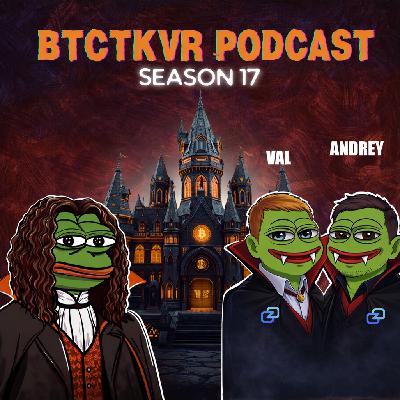
Andrey Sabelnikov and Valeriy Pisarkov are the core devs of Zano: a privacy network which enables users to create tokens with privacy. The project's mix of Cryptonote and Zarcanum protocols can also enable private transfers of bridged BTC.
In this episode, we talk about how this system works and we inquire about the tradeoffs involved.
Time stamps:
00:01:51 – Introduction & Setting the Record Straight
00:02:51 – Val & Andre’s Backgrounds, CryptoNote Origins
00:03:53 – Problems with Bytecoin & Monero’s Launch
00:05:28 – Zano’s Strategic Directions & AI Security Challenges
00:08:51 – Val’s Role in Zano & Technical Evolution
00:13:45 – Network-Level Privacy Incident
00:19:15 – Proof-of-Work vs. Proof-of-Stake Privacy
00:24:11 – Zano vs. Monero: Not a Fork
00:29:22 – Monero Community Criticism & Scam Allegations
00:40:44 – Boolberry Project & Coin Swap
00:43:36 – Premine & Staking Controversy
00:48:29 – Tribalism & Ideology in Privacy Coins
00:53:21 – Differences Between Boolberry and Zano
00:57:32 – Wallet Support vs. Exchange Listings
01:01:03 – Exchange Listing Challenges & Gateway Addresses
01:04:20 – Gateway Addresses & Hard Fork 6
01:11:52 – Upcoming Roadmap: Proof-of-Stake & Full Chain Membership Proofs
01:17:40 – Bridging Bitcoin & Confidential Assets
01:27:52 – Asset Whitelisting & Stablecoin Risks
01:41:01 – Confidential Layer Bridge & Multi-Party Computation
01:51:21 – Zano’s Scalability, Throughput, and Future Vision
01:59:08 – Full Chain Membership Proofs & Quantum Resistance
02:09:17 – Tech Stack Choices & Adaptability
02:27:07 – Why Be Bullish on Zano?
02:54:48 – DeFi Listings, Gateway Addresses, and Privacy Trade-offs
03:19:59 – Network-Level Privacy, Dandelion, and Mixnets
03:26:46 – VPNs, Network Privacy Tools, and Community Integration
03:44:03 – Personal Stories, Early Computing, and Closing Remarks

Tyler Spalding is a 2011 bitcoiner whose main focus is payments. As the co-founder and former CEO of Flexa, he has a very unique insight on the cryptocurrency industry. This episode was recorded on the road after visiting the Bear Sanctuary in Romania.
00:00:47 – Introduction & Tyler’s Visit to Romania
Tyler discusses his trip to Romania, the bear sanctuary, and his passion for supporting bears globally.
00:04:11 – Background: NASA, Payments, and Early Tech Career
Tyler shares his background in aerospace engineering, work at NASA, and transition into software and payments.
00:10:09 – Discovering Bitcoin & Early Involvement
Tyler recounts learning about Bitcoin in 2011, reading the white paper, and early mining experiences.
00:12:26 – Bitcoin as Payments vs. Store of Value
Tyler explains his initial focus on Bitcoin as a payment system and how his views evolved over time.
00:17:26 – Money, Debt, and the Nature of Currency
Discussion on the historical relationship between money and debt, and how Bitcoin fits into this context.
00:20:44 – Bitcoin as Commodity, Not Money
Tyler argues Bitcoin is more like digital gold than money, and discusses synthetic assets and stablecoins.
00:22:59 – The One Token Dilemma & Use Cases
Exploration of Bitcoin’s dual role as payment and store of value, and the resulting community debates.
00:28:46 – Spending Bitcoin: Early Purchases & Experiences
Tyler shares stories about spending Bitcoin, including buying Cubs World Series tickets and other goods.
00:35:38 – Freedom of Choice & Critique of Maximalism
Tyler advocates for utility maximalism and criticizes toxic Bitcoin maximalism and intolerance toward altcoins.
00:39:25 – Bitcoin’s Usefulness & 21 Million Narrative
Debate on what makes Bitcoin useful, the 21 million supply, and the impact of other crypto projects.
00:41:59 – Altcoins’ Positive Impact on Bitcoin
Tyler explains how Ethereum and other projects have benefited Bitcoin’s growth and adoption.
00:45:38 – Digital Gold Narrative & Custodianship
Discussion on the digital gold narrative, Bitcoin’s slow/expensive transactions, and the rise of custodians.
00:47:42 – Podcast Sponsors & Wallets
Host and Tyler discuss various sponsors, wallets, and services in the crypto ecosystem.
00:55:26 – Use Case Magazine & Documenting Crypto Adoption
Tyler introduces his magazine “Use Case,” which documents real-world crypto use cases and includes a hardware wallet.
01:00:48 – Blocksize Wars: Big Blocks vs. Store of Value
Tyler reflects on the blocksize wars, his initial support for big blocks, and how his views have changed.
01:09:47 – Forked Coins & Handling BCH
Tyler discusses his approach to Bitcoin Cash after the fork and the uncertainty at the time.
01:17:33 – Bitcoin Cash, Scaling, and Miner Dynamics
Analysis of Bitcoin Cash’s technical progress, miner incentives, and its ongoing relevance.
01:23:10 – Multiple Currencies & Historical Parallels
Comparison of today’s crypto landscape to historical periods with many local currencies.
01:27:47 – Bitcoin’s Uniqueness & Market Realities
Debate on whether Bitcoin is truly unique and the challenges of paper Bitcoin and institutional adoption.
01:30:03 – Network Usage vs. Price Focus
Tyler emphasizes the importance of real network usage and adoption over price speculation.
01:31:59 – Crypto Celebrities & Community Engagement
Stories about working with celebrities and community members in crypto promotional campaigns.
01:46:08 – Five Legitimate Altcoins & Decentralization
Tyler lists Ethereum, Zcash, Solana, and others as legitimate projects, and discusses what makes a project a scam.
02:11:55 – Monero, Zano, and Privacy Coins
Discussion of Monero, Zano, and the technical and community differences among privacy coins.
02:20:58 – Current Projects: Flexa, AMP, and Anvil
Tyler describes his ongoing work with Flexa, AMP, and the Anvil DeFi protocol for collateral management.
02:26:05 – Proof of Stake vs. Proof of Work
Tyler explains his preference for proof of stake, its security model, and critiques of Bitcoin’s mining centralization.
02:36:08 – Bitcoin Fork Thought Experiment: Privacy & Quantum Resistance
Speculation on forking Zcash with Bitcoin’s UTXO set for privacy and quantum resistance.
02:43:19 – Quantum Threats & Migration Challenges
Discussion on quantum computing risks, migration strategies, and contentious issues around lost coins.
02:51:55 – Lightning Network, Fees, and Network Security
Critique of Lightning Network’s usability, fee model, and long-term security challenges for Bitcoin.
03:03:00 – If Tyler Could Change One Thing: Privacy
Tyler would add privacy to Bitcoin, arguing it’s essential for real-world payments.
03:05:05 – Bitcoin’s Future & Open Source Innovation
Tyler’s outlook on Bitcoin’s next 15 years, open source growth, and the importance of real-world utility.
03:09:48 – How to Use Flexa Today
Practical advice on using Flexa for payments, wallet integrations, and the importance of merchant acceptance.
03:16:36 – Conclusion & Code Word
Wrap-up, thanks, and the code word “urs” (Romanian for bear) for listeners who made it to the end.
 1
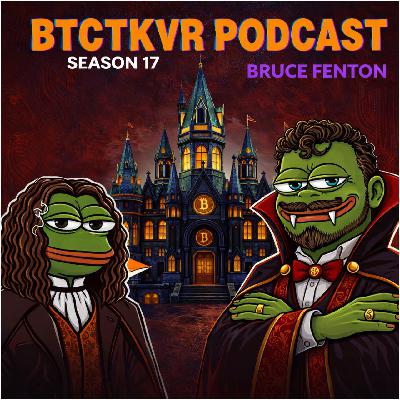
1Lately, Bruce Fenton has been on fire with his characterization of Bitcoin sellouts who put on suits in order to appeal to institutional investors. Cordially, these people are referred to as ”suitcoiners” -- and in this episode we're roasting them.
Time stamps:
00:01:16 Introducing Bruce Fenton, the Wall Street guy who's turned into a cypherpunk
00:02:04 Bruce Fenton's Journey from Wall Street to Cypherpunk
00:02:36 Tokenization, Ravencoin & Bitcoin Maximalism
00:03:26 Early Bitcoin Ethos of Self-Sovereignty
00:09:53 Hal Finney’s Vision for Bitcoin-Backed Banking
00:11:25 Bruce Fenton's Senate Campaign & Political Disillusionment
00:12:19 Limits of Political Change & The Swamp
00:16:25 Generational Shifts & Aging OGs
00:18:06 Campaign Funding with Bitcoin
00:21:14 Bruce Fenton's Filibuster Record
00:23:06 Video Games & Economics
00:28:42 Bitcoin as MMORPG
00:32:20 Maximalism & Community Schisms
00:40:09 5 Altcoins That Aren't Scams
00:45:51 Attack Vectors & Centralization
00:55:17 Legal Risks & Suppression
01:06:01 Libertarian Martyrs: A Tribute to Irwin Schiff, conviction, and cost of principles
01:09:05 Bitcoin Treasury Companies Critique
01:11:33 ETF Hype & Alienation
01:13:46 Store of Value vs Sound Money
01:28:21 Lightning Network Issues
01:31:31 Decline in Payments
01:32:20 Block Size Wars. Lost Innovation & Brain Drain
01:51:16 Satoshi’s Roundtable History
02:02:45 Satoshi's Roundtable Impact
02:03:50 Moving to Dubai
02:27:07 Libertarianism and UAE
02:38:49 Cypherpunk Revival
02:42:00 Early Bitcoin Resources
02:47:37 Tribalism & Open Source
03:00:11 Closing Thoughts

Moonsettler is a bitconer who adheres to the old school cypherpunk values and believes that the best way ahead is to enable OP_CTV (BIP119) or LNHANCE.
However, the biggest problem is the generalized loss of focus. If last year there seemed to be consensus that Bitcoin needs covenants to improve scalability and bring new use cases, now the landscape is rather gloomy. Even Moonsettler changed his Twitter screen name to Doomsettler, as a reflection on this status quo.
00:01:16 Welcome Moonsettler (Doomsettler)
00:02:40 Delayed Interview and Original eCash Debate
00:03:14 Why eCash (Chaumian Cash) Never Took Off
00:04:00 Criticism of Custodial Scaling Solutions
00:05:14 Bitcoin as Decentralized Chaumian eCash
00:06:13 Fake Austrian Economics and Full Reserve Myths
00:08:32 Loss of "No Trusted Third Parties" Culture
00:09:52 Verifiable Supply vs Historical Fraud
00:13:40 Proof of Liabilities in eCash Mints
00:15:42 Cashu Fraud Proofs and Bug Bounty
00:18:20 Chaumian Blind Signatures Explained
00:24:48 Non-Custodial Credit eCash Ideas
00:30:39 Why Debit eCash Won't Scale Bitcoin
00:36:34 Bitcoin Like Linux – Oppose Custodial Layers
00:37:13 Unlimited Paper Bitcoin vs 21M Cap
00:41:25 Loss of Proof of Keys Culture
00:46:26 Doomsettler Mindset on Bitcoin's Future
01:09:30 Early Exchange Compliance Issues
01:11:37 Satoshi's Peer-to-Peer Vision
01:15:13 Satoshi's OPSEC and Disappearance
01:19:13 Craig Wright Not Satoshi
01:26:05 Libertaria and Frontier Culture
01:28:31 No More Frontiers for Freedom
01:39:21 App Delistings and PWA Debate
01:49:16 Twitter Worse Under Elon Musk
01:55:35 AI Ruining Internet Trust
01:56:33 Introduction to Covenants
01:57:04 Covenant = Unbreakable Promise
02:00:55 History of Covenant Discussions
02:01:29 Permanent Encumbrance FUD Debunked
02:03:38 Control Today via Multisig (No Covenants)
02:07:26 Covenants Don't Break Fungibility
02:08:35 Covenants Reduce Trust in L2
02:11:46 Post-Quantum Covenant Advantages
02:13:46 OP_CTV Explained
02:15:42 Non-Interactive L2 Settlements
02:20:23 Congestion Control with Covenants
02:29:08 Ordinals Drama & OP_CAT Risks
02:31:43 Jeremy Rubin Context
02:33:49 LNHANCE Package (CTV + More)
02:36:51 Why LNHANCE is Conservative
02:44:26 2022 CTV Activation Drama
02:47:27 Curiosity vs Annoyance Motivation
02:49:04 Andreas Antonopoulos FUD Clip
02:51:15 Need for Covenant FUD FAQ
02:53:47 Persistent CTV Critics
03:55:27 Covenant FUD Knowledge Base Need
03:56:26 Steven Roose Support
03:57:40 Covenant Table on Wiki
03:58:56 Isolated Op Code Comparisons Issues
04:00:34 OPCAT vs CTV Preferences
04:01:48 Table Inconsistencies
04:02:19 Ordinals Devs Pushing OPCAT
04:03:26 CTV Strengths and Risks
04:10:22 Ideal Packages (Great Script Restoration)
04:43:24 Pink Floyd "The Wall" Analogy
04:45:49 Citadel Critique
04:49:49 Need for New Frontiers
04:51:56 Disagreeable Societies Preserve Freedom
04:54:56 Special Economic Zones for Renewal
04:57:50 Altcoins as Competition/Experiments
04:59:20 Privacy Coins Driving Response
06:00:34 Monero Privacy & Community
06:04:42 FCMP++ Upgrade
06:05:37 Monero Quantum Roadmap
06:07:16 Quantum Risks to Monero
06:09:47 Zcash Preference & Compatibility
06:11:34 ZK Privacy Advantages
06:13:16 Drivechains & Peg Risks
06:17:45 Spacechains
06:20:31 Quantum Threats to ECDSA
06:26:49 PQ Soft/Hard Fork Debate
06:34:57 Covenants for PQ Vaults
06:38:14 Ark Protocol
06:42:33 Lightning Custodial Risks
06:50:19 BitVM & Optimistic Rollups
06:55:44 Bitcoin Dev Culture Disappointment
07:49:05 Austrian vs Cypherpunk Values
07:53:20 Austrians Dislike Data
07:54:39 Full Reserve Myth
07:55:56 Core Dev Covenant Silence
07:57:32 Core Ignoring Covenants
07:58:22 Floppy's Drunk Posting
08:00:38 Calle's Cashu Story
08:02:02 Privacy Respect & Avoiding Doxing
08:02:29 Floppy's Drunk Tweets
08:03:48 Tolerance for Abusive Behavior
08:04:15 Understanding Non-Engagement with Floppy
08:04:32 Floppy as Builder (Joinstr Plugin)
08:04:57 Luke Dashjr Funding Complaints
08:05:23 Luke's Likability & Hack
08:06:36 Ocean Mining Business Model
08:08:36 Reducing Antpool Hash Dominance
08:08:56 Miner Template Building Debate
08:09:02 Mining Centralization Concerns
09:38:04 9+ Hour Marathon Reflection
09:38:45 Girlfriend & Cat Interruptions
09:39:12 How to Follow Moonsettler
09:39:45 Moonsettler's Twitter Content Focus
09:40:38 Shoutout to SimulXXX (CTV Advocate)
09:41:29 Moonsettler as Crypto Hobbyist
09:42:37 Major Contributions Discussion
09:43:38 Non-Interactive Hardware Wallet Proofs
09:44:36 Sharing Personal Bitcoin Vision
09:45:14 Coldcard Experimental Implementation
10:03:18 Seed Backup Durability & Preference for Burnable Paper Backups
10:04:22 Manual Entropy & Seed Splitting
10:05:01 Early Self-Custody Cheat Sheets
10:05:25 Hardware Wallet Entropy Risks
10:06:30 Dice-Rolled Seeds vs Hardware
10:07:27 2-of-3 Backup Scheme
10:07:59 Crypto Steel Promo
10:08:24 10-Hour Mark, No Bathroom Break
10:08:49 Thanks & Merry Christmas
10:09:41 Next Episode Tease

Alex Chepurnoy is a cryptographer & researcher who famously wrote a Bitcoin client in Haskell in only 3600 lines of code. He is currently working on Ergo, a proof of work blockchain which improves upon Bitcoin's design in order to achieve smart contracts and DeFi. How does it work? Let's find out!
Time stamps:
00:01:11 Introducing Alex Chepurnoy
00:01:51 Alex’s Bitcoin Discovery & Early Development
00:02:37 Namecoin, SmartContract.com, and Cardano Involvement
00:05:15 Satoshi Theories & Code Analysis
00:07:00 Rewriting Bitcoin & Distributed Systems Perspective
00:08:39 Consensus Protocols & Altcoin Proliferation
00:10:20 Bitcoin’s Early Appeal & Peer-to-Peer Motivation
00:14:08 Bitcoin’s Revolutionary Monetary Model
00:15:45 Staying in Crypto: Problems to Solve
00:17:19 Bitcoin as Digital Gold & Smart Contracts
00:21:29 Ethereum vs. Bitcoin: Contractual Capabilities
00:23:02 Ergo’s Approach: Contracts & Protocol Upgrades
00:26:56 Namecoin’s History & Technical Innovations
00:31:10 Merged Mining & Sidechain Politics
00:34:35 Early Bitcoin Contributions & BTC Scala Client
00:38:49 Conference Presentations & ZeroJoin
00:41:49 Demurrage, Storage Rent, and Bitcoin Upgrades
00:45:01 NFTs, Inscriptions, and Bitcoin Community Divisions
00:50:10 Hard Forks, Immutability, and Ethereum Classic
00:55:17 Markets, Transaction Fees, and Bitcoin’s Security Budget
00:57:59 Lightning Network Limitations & Off-Chain Cash
01:01:58 Challenging Bitcoin’s Scaling & Off-Chain Solutions
01:06:38 Ergo’s Protocol Design & Civil War Lessons
01:08:25 Ergo’s Innovations for Bitcoin
01:15:38 Quantum Resistance & Hard Fork Challenges
01:19:51 Consensus Cleanup & Upgrade Difficulties
01:23:10 Community Proposals & Development Gridlock
01:25:07 Alex’s Tech Stack & Personal Devices
01:31:07 Satoshi’s Identity & Coding Style
01:38:34 NXT, Bitcoin 2.0, and Ethereum’s Success
01:45:35 Proof of Work vs. Proof of Stake
01:50:44 Philosophy of Proof of Work & Fair Distribution
01:53:09 VCs, Token Dumps, and Proof of Work Revival
01:54:16 Proof of Stake Attacks & Network Resilience
01:59:20 Ergo’s Network Parameters & Smart Contracts
02:21:17 Privacy Features: Mixers & Stealth Addresses
02:28:40 Monetary Policy, Emission, and Pre-mine
02:34:09 Monero vs. Zcash: Community & Funding
02:48:03 Bridging Blockchains & Rosen Bridge
02:51:04 Peer-to-Peer Finance & Smart Contract Design
02:53:57 Future Vision: Interconnected PoW Blockchains
02:56:41 Double Merged Mining Sidechains
03:17:45 Community Resources & Getting Involved
03:20:11 Conclusion & Final Thoughts

Comments

Download from Google Play

Download from App Store
 United States