


 Claim Ownership
Book In
Subscribed: 7Played: 47
Subscribe

© 2026 Book In
Description
Book In is a podcast in which brothers Rupert and Charlie Fordham discuss all things English Literature. From Chaucer to the present day, covering drama, novels and poetry, they cover all the classics and much more, from the UK, Ireland, the US, Europe and the rest of the world. Informative but lighthearted, Book In is suitable for all readers, and will be helpful for students doing GCSE, A-Level and university English degrees as well.
Both Rupert and Charlie have been keen readers all their lives and both studied English at university. For many years Charlie taught English at GCSE and A-level.
39 Episodes
Reverse
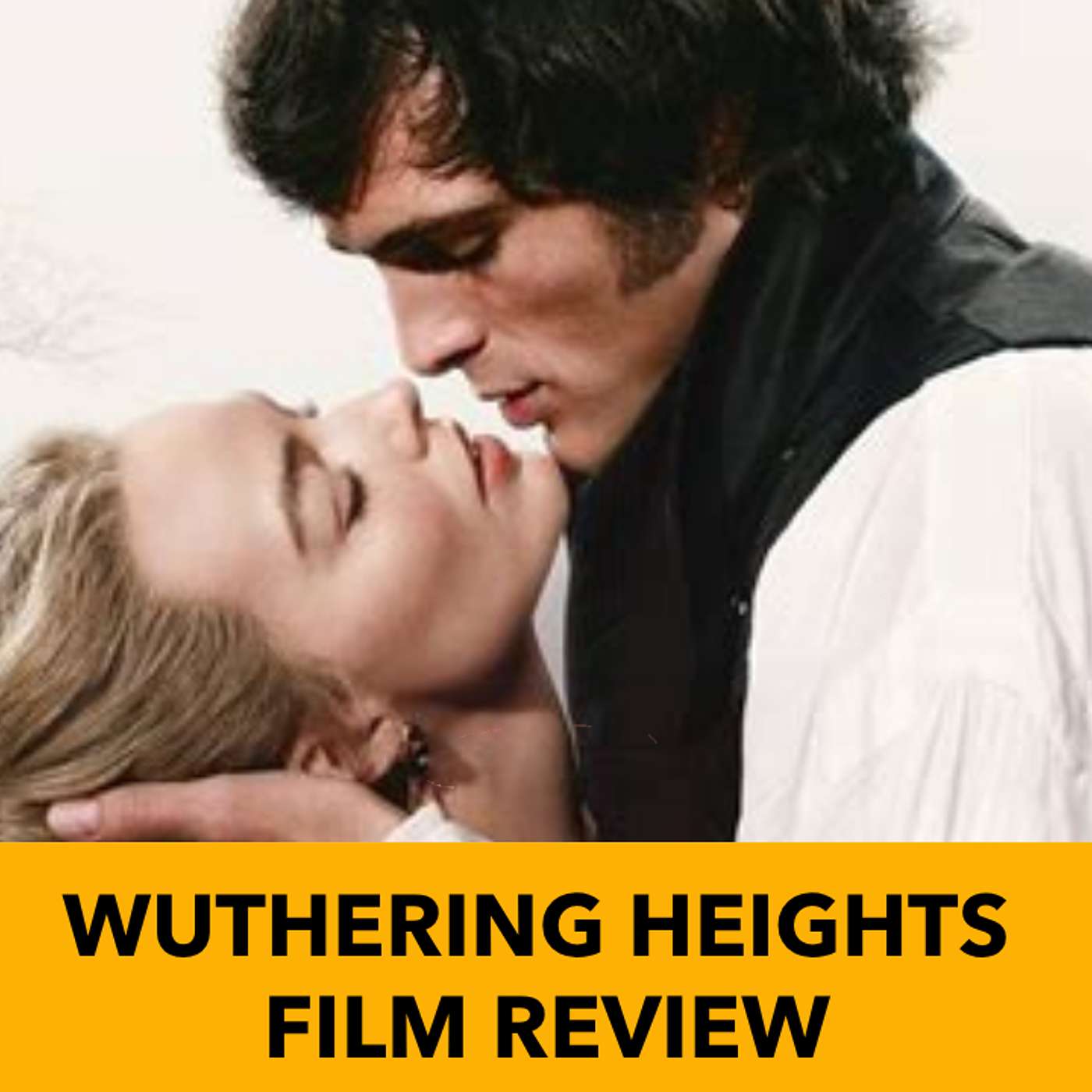
Tune in for Book In’s review of Emerald Fennell’s film Wuthering Heights. The advance publicity promised a modern and original take on Emily Bronte’s classic novel - does the film deliver this? Fennell is well known for her fondness for portraying themes of repressed sexuality and sado-masochism - does this work in Wuthering Heights? Do Margot Robbie and Jacob Elordi capture the extraordinary combination of innocence and passion that Cathy and Heathcliff have in the novel? Is Elordi a convinc...
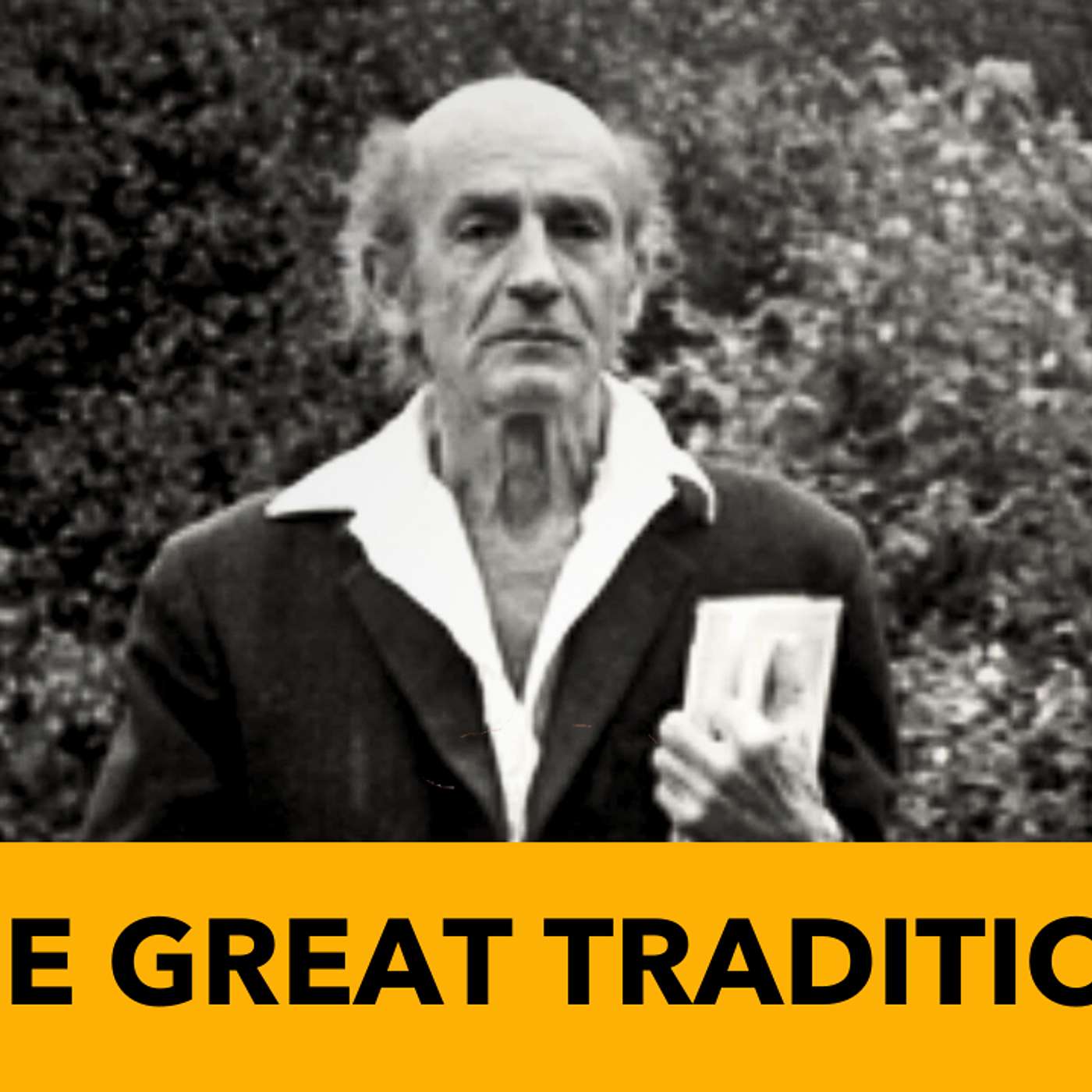
The Great Tradition - which are the greatest novels we have done in the podcast? What are the greatest novels in the English language? On Book In, we’ve covered quite a few over the last few months, and now we take a step back, and try to assess their quality. The critic F R Leavis, who we have referenced frequently in the podcasts, had his views, trenchantly expressed in his famous work The Great Tradition. We look at his criteria and discuss whether or not they are relevant or useful ...
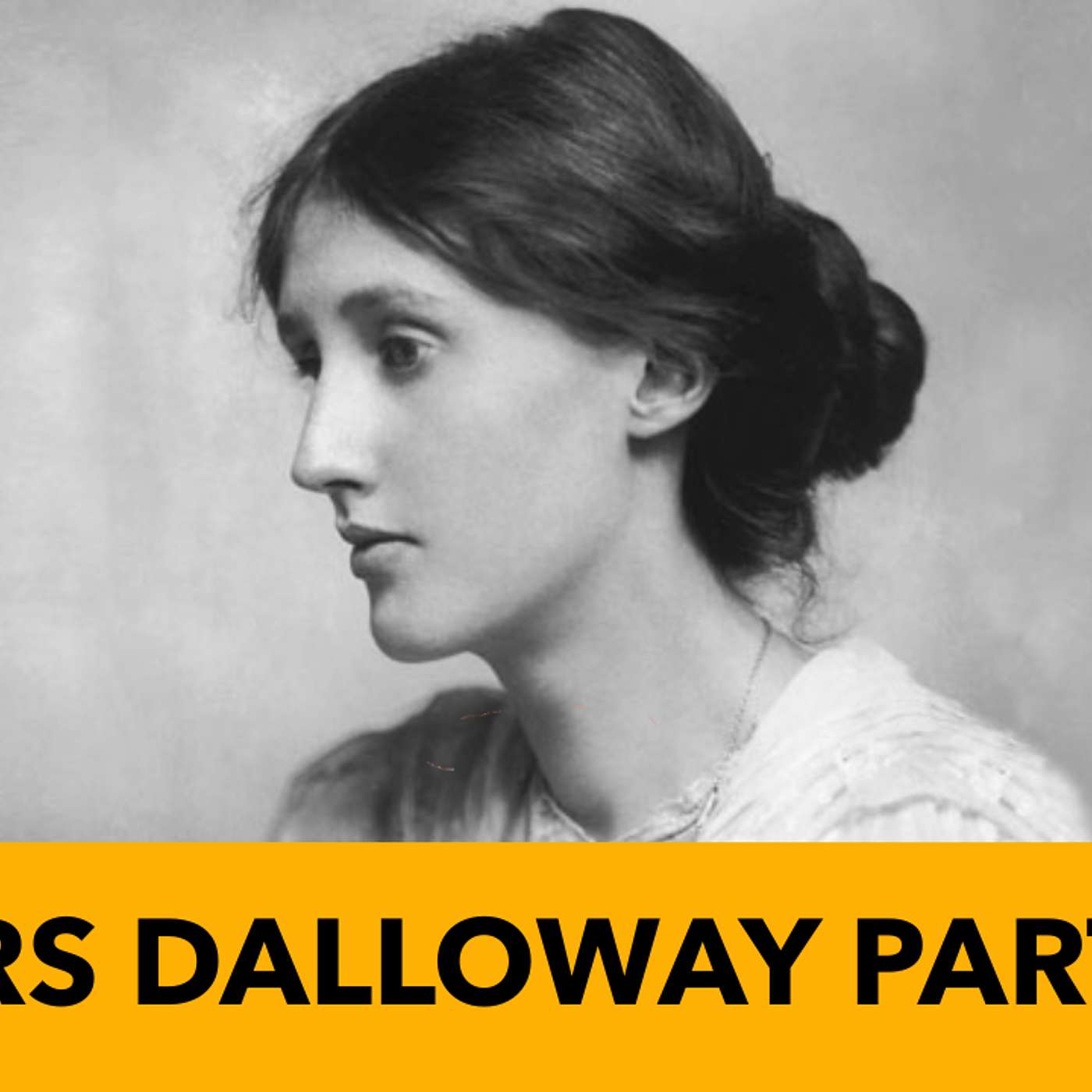
Charlie and Rupert continue their discussion of Mrs Dalloway by Virginia Woolf. What effect had the First World War had on the rarefied circles in which Clarissa Dalloway moved, and were those experiences different to the rest of society? The novel ostensibly takes place within the confines of a single day in June 1923, but within this framework, Woolf tells the stories of her characters over many decades. How does she do it, and how does it reflect the way in which we all experience time and...
At the age of 40 Virginia Woolf was a prominent figure in post first world war London. She had published several novels, and was a well known commentator and critic. She came from literary aristocracy - her father was Leslie Stephen, who had married William Thackeray’s daughter, and with her husband Leonard Woolf, she was a central figure in the Bloomsbury Group, which included her sister Vanessa Bell, Vanessa’s artist husband Clive, Maynard Keynes, Lytton Strachey and Duncan Grant. But...
In the second part of Book In’s episode on Thomas Hardy’s great novel The Mayor of Casterbridge, Rupert and Charlie look at the character of Michael Henchard - the qualities which enabled him to rise, and the faults that led to his fall. But is he the victim of his own downfall, or is it the case that in Hardy’s world the universe is random and cruel, and tragedy and misery are the inevitable conditions to which human beings are bound? Why dies the young Scotsman Donald Farfrae succeed where ...
Thomas Hardy lived an extraordinary life. He was born into poverty and obscurity in rural Dorset in 1840, yet when he died in 1928, he was rich and world famous. His funeral at Westminster Abbey was a quasi-state occasion, with all the leading politicians and writers of the day attending, and thousands of people lining the streets of London in tribute. As a child, he remembered his grandmother recalling the French Revolution, yet he lived through the first world war into a world of motor cars...

Rupert and Charlie continue their discussion of Great Expectations. They take a look at what was always one of Dickens' great preoccupations, the operation of the law in the book, and the brilliant character of Jaggers the lawyer and his sidekick, Wemmick. The prison hulks on the Thames from which Magwitch escapes were well known to Dickens as a child, and the descriptions of the court, where 32 people are sentenced to death, are unforgettable. As so often in Dickens, the cast of minor ...

Published at the height of his powers in 1860, Great Expectations is Charles Dickens’ penultimate novel, and one of his very greatest. Its characters are unforgettable - Miss Havisham, self-imprisoned in her wedding dress and with her wedding feast laid on the table in the forbidding Satis House; her ward Estella, haughty, ice-cold and unreachable, the agent of Miss Havisham’s intended revenge on men and on the world; Magwitch, the desperate and terrifying convict who confronts the young boy ...
In the second of the episodes on Jane Eyre, Rupert and Charlie take a look at some of the main characters in the book. The behaviour of Mr Rochester is basically weird - he locks up his wife in the attic, dresses up as a female gypsy fortune teller, and flirts with Blanche Ingram when he's really in love with Jane. Why does he do this? Why did he marry Bertha in the first place? And why does he risk his life to save her? When Jane leaves Rochester, she finds shelter with a family who turn out...
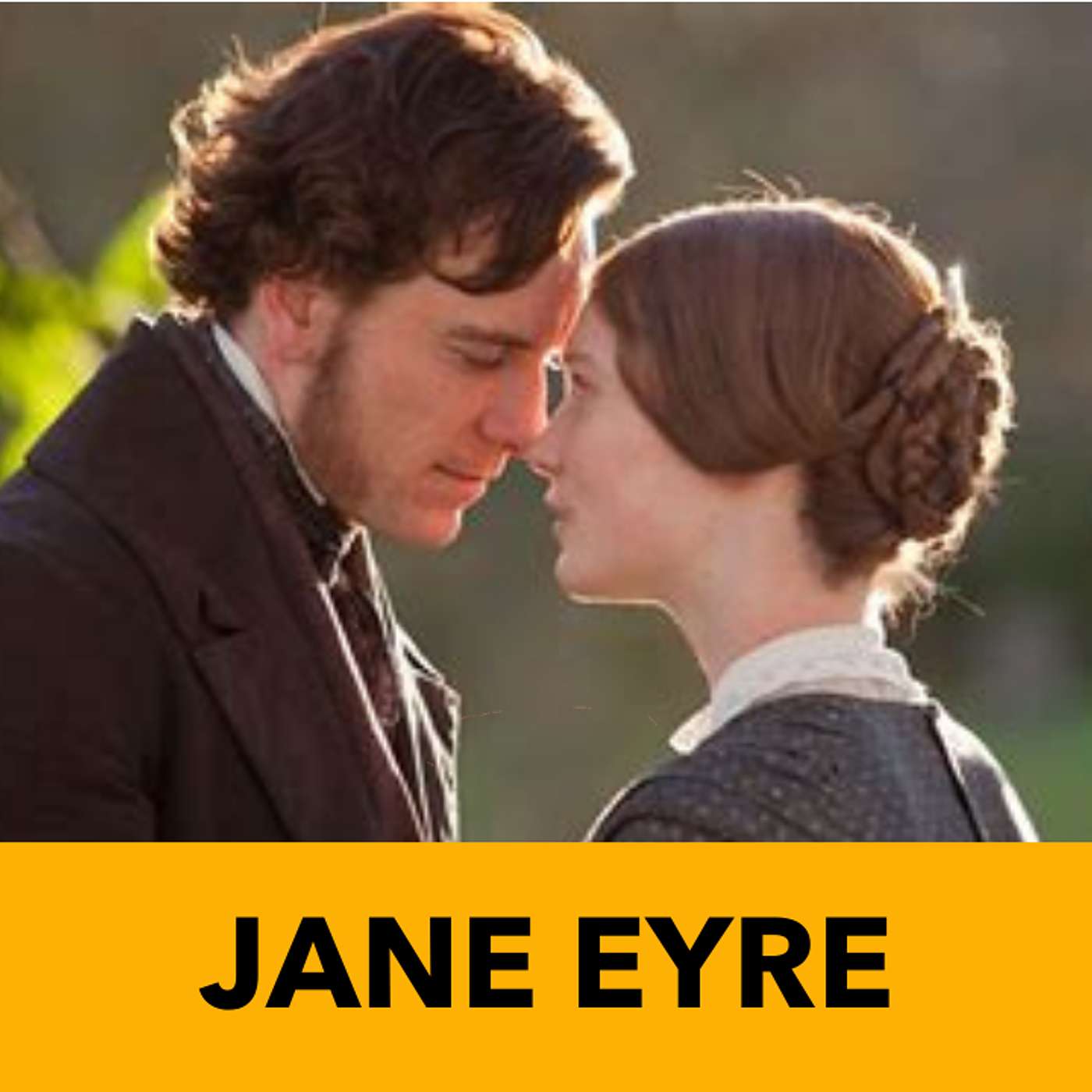
Jane Eyre is Charlotte Bronte's most famous book and one of the most celebrated, controversial and loved novels ever written. Millions who have never read it know about the mysterious Mr Rochester, the mad wife he kept locked up in his attic, and the image of her throwing herself from the battlements of Thornfield as she burned it to the ground, Mr Rochester blinding and maiming himself as he tries to save her. The novel is the story of an orphaned and plain girl, Jane Eyre, who despite the d...
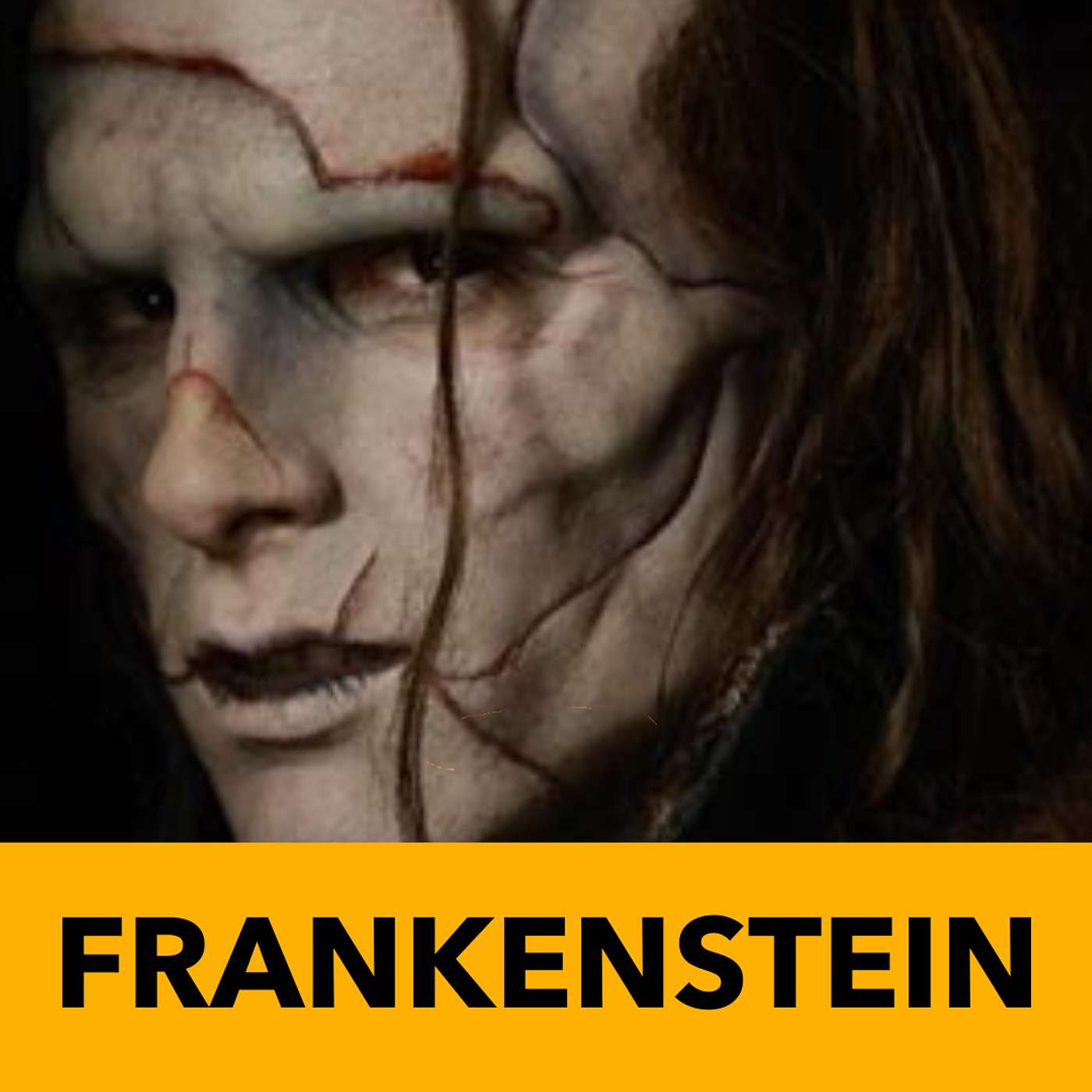
In 1816, the poet Percy Bysshe Shelley was staying on the shores of Lake Geneva with his young wife Mary, and his friends Lord Byron and John Polidori. It was the year without a summer, and, confined to the house by the terrible weather, they each agreed to write a ghost story. Over the next few weeks, the 19 year old Mary produced Frankenstein, one of the most consequential and influential books ever written. Fusing the Gothic and Romantic, it tells the story of the brilliant young scientist...
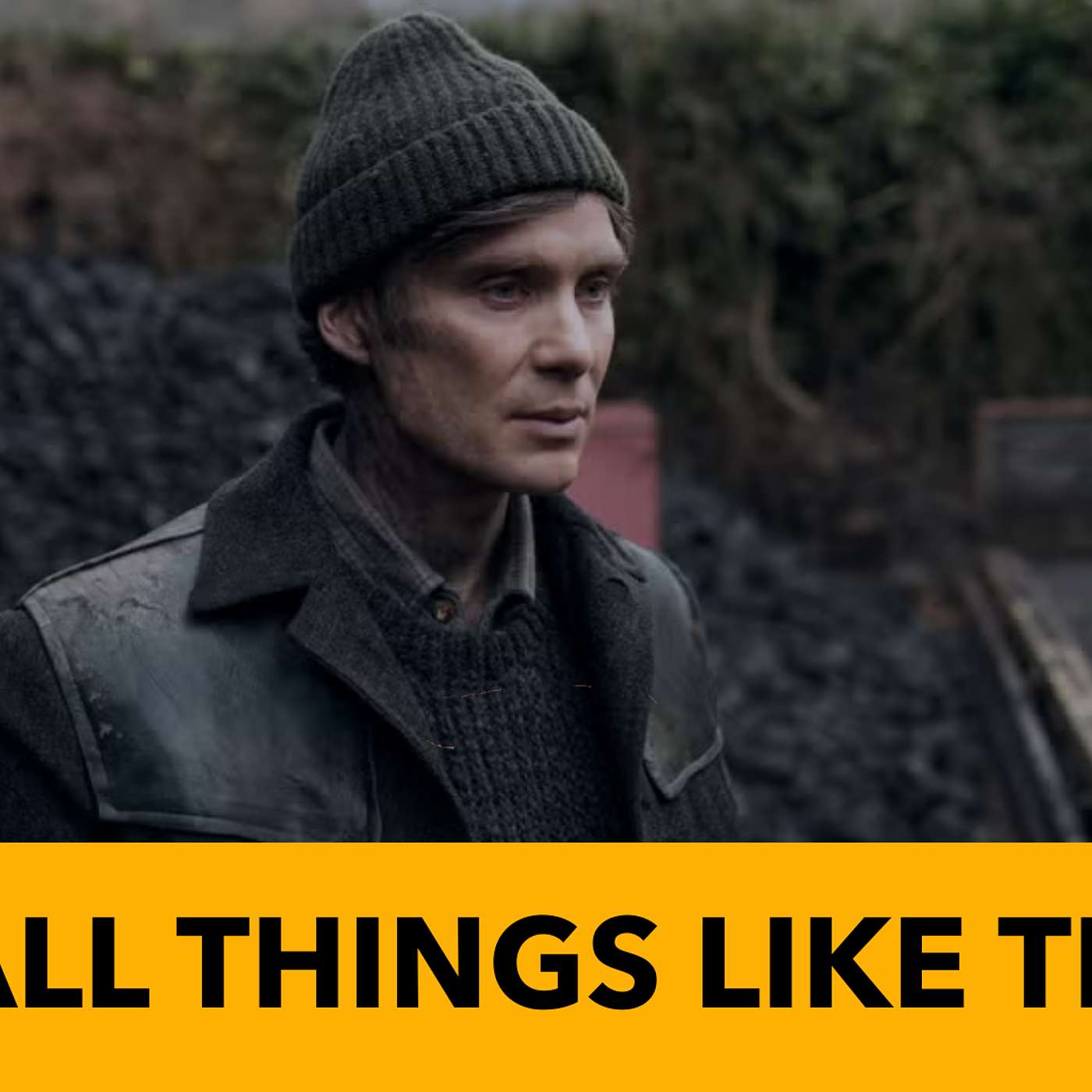
Small Things Like These is a short novel by the Irish writer Claire Keegan. It tells the story of Bill Furlong, a coal merchant in a small provincial town in the mid 1980s. As Christmas approaches, he delivers some coal to the local convent, and by chance discovers a girl there who is being kept in a coalshed. It is clear she is in distress and Bill is faced with a choice - should he do nothing, or act? Through Bill's story, we learn of the hold of the Catholic Church on the community, and th...
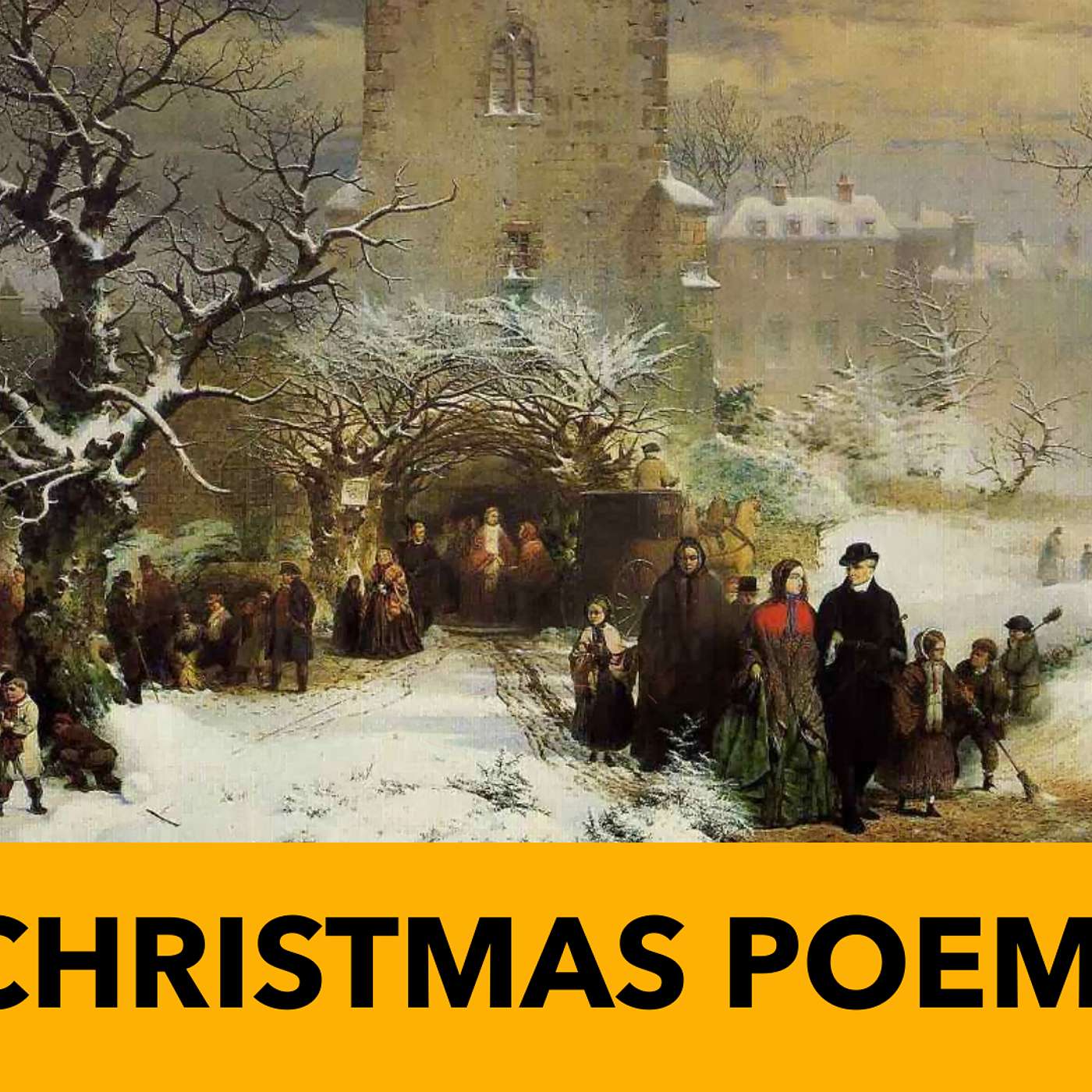
Charlie and Rupert look at three great poems associated with Christmas - In the Bleak Midwinter by Christina Rossetti, a section from In Memoriam by Alfred, Lord Tennyson and The Magi by W.B.Yeats. Rossetti's is a much loved and beautiful Christmas Carol, Tennyson's is a highly crafted meditation on some of the great themes of the mid C19th, and Yeats' a more primal reflection on faith and the connections between folklore and religion. But they all refer to Christmas either directly or indire...

The tale of the miserable Ebeneezer Scrooge, and how he came to find humanity, generosity and love, is probably the most famous Christmas story ever written outside the Bible. It is a ghost story and a classic morality tale; the book firmly established Christmas as a time for family, for joy, for generosity, presents and huge lunches, as well as a time of forgiveness and a chance to mend ones ways and set a path for a better life. But in the background are the familiar Dickensian themes of mi...

Philip Larkin wrote some of the greatest poetry in English in the second half of the twentieth century. Brilliant, famous and successful, he chose to live as a librarian in Hull, largely avoiding the public gaze, and watching the world from the edge of England. His simple language and easily accessible work have made him hugely popular, and his ability to use everyday scenes and events to convey profound ideas and feelings on life, love and death are deeply moving, and achieved in part throug...

Sylvia Plath was an American from a prosperous middle class background whose life was changed for ever when she met Ted Hughes at a party in London. He kissed her on the spot, and they were married four months later, on June 16th, deliberately selected as it was Bloomsday in Joyce's Ulysses. Their relationship was tumultous; Hughes had multiple affairs and Plath suffered from severe depression, but during this period she wrote some of the finest poetry of the twentieth century. Her greatest w...

Book In introduces the Books in Greatness Scale - or BIGS. Charlie has developed a method of ranking books according to their greatness, with each being awarded a score out of 10. He explains the system, and he and Rupert award marks out of 10 to all the books they've covered so far. Who is the more generous? Who took it upon themselves to declare that Hamlet may not be a 10? Is The Great Gatsby really a great book? And is this a useful exercise or just a couple of balding middle aged blokes ...

In 1862, with the Civil War nearly a year old, Abraham Lincoln's son Willie died of TB aged 11. He was buried in West Oak Cemetery in Washington DC, and a grieving and devastated Lincoln went at night to visit his son's coffin, and physically hold his dead body for one last time. Out of this single event, George Saunders creates a unique novel where Lincoln's visit is observed and commented on by the ghosts of the bodies buried in the cemetery. They each have their own story, and through them...

As Celebrity Traitors reaches its climax on BBC1 this week, Rupert and Charlie count down the Top 10 greatest traitors in literature. Who are the literary equivalents of the TV show's camp and hysterical Alan Carr, the all or nothing, over the top Jonathan Ross, and the ice cold killer Cat? Shakespeare, Milton and Dickens all feature, but who would have thought that Jane Austen would as well? And which revered Faithful does Rupert think should really be classified as a Traitor? Join this spec...
Milkman tells the story of an 18 year old girl living in Northern Ireland during the Troubles. The novel is set in the late 1970s, at a time when large parts of the Catholic community were in effect run by the IRA, and most families would have had young men involved in the struggle in one way or another, with many of them being captured, injured or killed. The story is told entirely in the first person, through the eyes of an 18 year old girl, who is being stalked by a mysterious older man ca...

Comments

Download from Google Play

Download from App Store
 United States