


 Claim Ownership
Brain In The Game Sport Mind Coaching Podcast
Subscribed: 25Played: 738
Subscribe

© 2025 Dave Diggle
Description
Brain in the Game explores the mental aspect of training and competing at an elite level of sport.
We’re all aware of the traditional role of a physical coach – people who work with the bodies of athletes – mind coaching (or mental coaching) focuses on the brain and the cognitive area of an athlete, working with them on their strategies, their structure and their emotional welfare.
Brain in the Game is designed for athletes, coaches, parents and crew as we unpack and understand what it takes to thrive as an elite athlete.
In each episode we will examine a different facet of sport from the perspective of the mind, covering interviews with some of the top athletes on the circuit and asking them what’s working for them now and what they’re looking at doing in the future.
We talk to coaches and gain a better understanding of the changing face of professional coaching.
We also delve into biomechanics and understand the different dynamics of the integration of those in professional sport.
Some of the techniques discussed will be time-tested and others will be cutting-edge. Brain In The Game provides a practical insight to the mental 'mind-field' of elite sport and demonstrates how a strong mental programme can make all the difference to an athlete’s results.
106 Episodes
Reverse
Adapting when the goalposts suddenly move in high-performance sport (and life)
In Episode 105, we explore what happens when a well-designed long-term plan is derailed by sudden external pressure, and how athletes, coaches, and support can respond in a constructive way.
We break down:
How teams thrive when identity, communication, and process are aligned
Why short-term panic destroys long-term performance
How behavioural flexibility becomes your biggest asset
What Bruce Tuckman’s team stages (Forming–Storming–Norming–Performing) can teach us during disruptive change
The “Three Ants” analogy that reveals how people react when systems collapse
One leadership decision can shift an entire team culture from growth mindset to panic mode. But it doesn't have to be that way. Elite performers can stay adaptable when everything changes.
For the strategies that keep teams united, resilient, and performing under pressure, this episode is a must-listen.https://www.smartmind.com/podcast
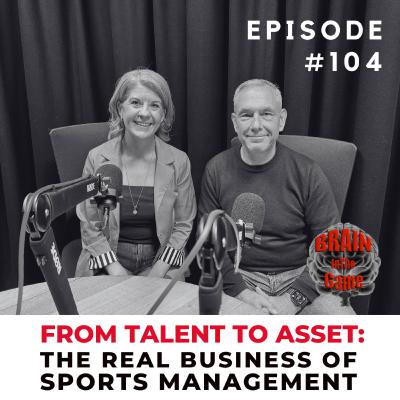
How Modern Sports Management Really Works for Young Athletes
In this episode of Brain in the Game, Dave Diggle sits down with Kym Cheeseman from Athlete Brand Academy to unpack the real business behind modern sport – and why young athletes and their parents need to understand it long before contracts, sponsorships or media opportunities arrive.
Whether your athlete is in a pathways, collegiate or feeder program, whether they play a TV-broadcast sport or a niche discipline, this episode breaks down the essential commercial, personal and developmental factors that turn raw talent into a long-term asset.
In this conversation, we explore:
Why today’s young athletes need both a performance pathway and a business pathway
The rise of tipping-point parents and why education is the missing link
Personal branding for athletes aged 15–20 – and why authenticity matters more than aesthetics
The difference between an agent and a manager (and how to choose the right one)
Why sponsorship is not a donation, and how athletes can deliver true ROI
The pitfalls of having no Plan B and navigating early retirement through injury
How US, UK and Australian systems shape athlete mindset and opportunity
The psychological load parents carry when left out of the communication loop
The commercial future of women’s sport and why female athletes are often more sponsor-ready
The culture of self-belief, arrogance, tall-poppy syndrome and the underdog mindset in sport
This episode is a must-listen for:
Parents of athletes aged 15–20 navigating high-performance pathways
Young athletes stepping into elite, collegiate, semi-pro or pro environments
Coaches who want better relationships with athletes and their parents
Anyone curious about the business ecosystem surrounding modern sport
Because sport is no longer just sport.
It’s contracts, media, sponsorship, lifestyle, security, money, identity, reputation, wellbeing and longevity – and it begins far earlier than most realise.
Modern sports management isn’t just about who plays on the weekend.
It’s about how an athlete understands themselves, represents themselves, and builds a viable future – on and off the field.
Rather watch the video? You will find it here: https://youtu.be/hOAFWLizAkQ?si=sNcbkfxTlIYSvttm
Links mentioned in this episode:
Athlete Brand Academy – Kym Cheeseman: https://www.athletebrandacademy.com.au/
Work with Dave Diggle – High Performance Sports Mind Coach: https://www.smartmind.com/
Subscribe to Brain in the Game on your favourite platform

The One Mistake Almost Every Sports Parent Makes
In this powerful episode of Brain in the Game, we dig into one of the most emotionally charged dynamics in sport: the relationship between parents, coaches, and athletes – and the one mistake almost every parent makes, often without realising it.
As the season winds down and pressure spikes, friction builds. Parents want the best for their child. Coaches want to develop the athlete. Athletes just want clarity, support, and space to perform.
So where does it all go wrong?
We break down the core misunderstanding that leads parents to unintentionally derail their child’s progress:
Trying to control the sporting environment instead of supporting it.
Through practical examples, developmental models, and lived experience as a coach, athlete, and parent, Dave explains how role-confusion creates tension – and how clearer boundaries create thriving, confident athletes.
In this episode we delve into:
The one mistake parents make that causes almost all conflict in sport – Why taking control, giving technical advice, or ‘fixing’ the athlete’s problems pushes the child and coach away.
The Parent–Coach–Athlete triangle and why it becomes volatile – We unpack the emotional, structural, and seasonal triggers that turn small issues into big friction.
The developmental control curve (what athletes need at each age) – From 90% coach control in early childhood to 90% athlete ownership in adulthood, and why parents often miss this shift.
The difference between raising a human vs growing an athlete – Coaches coach. Parents parent. When roles overlap, athletes suffer.
How to avoid bringing training home – Keeping sport at sport protects the relationship and the athlete’s mental wellbeing.
The two magic questions every parent should ask – Game-changer.
Why venting is healthy, and overreacting isn’t – How parents can be a safe sounding board without escalating issues or undermining the coach.
How coaches can build trust with parents (and stop the ambush conversations) – Creating structured communication channels that prevent conflict and increase collaboration.
How athletes can navigate both relationships without burnout – Understanding roles, boundaries, and how to communicate their needs clearly.
Rather watch the video? You will find it here: https://youtu.be/bMLpV2_3mi8?si=pQ8YrNShnkDT_LWo
Links mentioned in this episode:
Episode 99 – Knowing Your Role In High Performance Sport: https://www.smartmind.com/podcasts/brain-in-the-game-sport-mind-coaching-podcast/episodes/2148754402
https://youtu.be/pE7BygxebTg?si=hEU7Q7Z1ahjPAgS3

This episode of Brain in the Game is a little different. It’s personal.
In this episode I share a story from a time when I worked in high-risk, high-pressure environments where failure wasn’t an option, and the valuable lessons I learned and carried with me throughout my career that could help you too.
I also detail two mental frameworks to help you stay calm, focused, and ready to perform, even when everything around you is in chaos.
Pressure is part of the deal, so how do you handle it?Your brain is wired for survival, not high performance. It panics, it overthinks, it floods you with 'what-ifs'. The key to performing under extreme pressure? Learn how to work with your own instincts.
The Power of SimplificationWhen your heart's racing and the stakes are high, your job is to cut through the noise and focus on only what matters.Ask yourself:
What’s essential here?
What’s just a distraction?
What’s the simplest next step?
The 'Bubble' Technique: Your Secret WeaponPicture this: chaos everywhere, crowds, noise, mistakes, pressure from coaches, other competitors. Can you block it all out?Learn how to create your own mental 'bubble' and choose what comes inside. Everything else? Let it go.
Don’t Just Hope You’ll Cope, Prepare for the PressureWaiting for things to go perfectly is a recipe for disappointment. Build a process you can trust, no matter what’s happening around you.
These mental frameworks will help you stay calm, locked in, and ready to execute, especially when things around you are out of your control.
So take these strategies into your next competition – they’re your edge.
Resources mentioned in this episode:
Pressure - is it really that bad? https://youtu.be/39CbUkzrdFE?si=CZ3W4kHTFV1khNgQ
https//www.smartmind.com
Performance anxiety is not a sign of weakness. It’s a cycle. And you can break it.
In this episode of Brain in the Game, we go deep into the Performance Anxiety Cycle, the mental loop that can sabotage your game day execution if you don’t know how to manage it. We discuss:
Why anxiety is NOT a weakness and how every elite athlete faces it
The 8 phases of performance anxiety and how they build on each other
How to stop overthinking, stay calm under pressure, and deliver when it counts
The key mindset shifts to stop anxiety from ruining your chances at selection
How to turn fear into focus so you can consistently perform at your best
If you’ve ever had sleepless nights before a big competition, felt sick with nerves before stepping onto the field, or doubted yourself in critical moments, this episode is your playbook for overcoming it.
https://www.smartmind.com/podcast
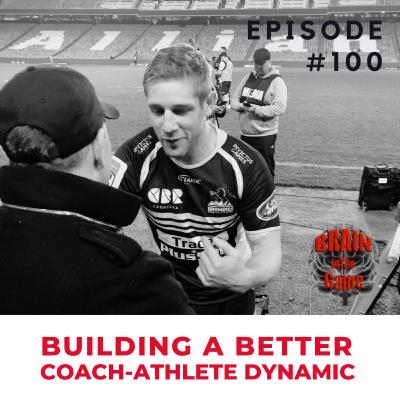
Collaboration – The Secret Ingredient to Consistent High Performance
In this milestone 100th episode of Brain in the Game, we dive deep into the essential but often overlooked skill of collaboration and how it impacts elite performance.
In this episode we discuss:
Mapping Your Entourage:
Discover how to identify the key people in your support network and understand their roles, frequency, and impact on your journey.
The Collaboration Mindset:
Learn how to take ownership of your relationships and set clear expectations with coaches, peers, and support teams.
Shifting Control for Growth:
Find out why your role in the coach-athlete dynamic must evolve as you mature, and how it helps you thrive under pressure.
Action You Can Take Now to Boost Performance:
Practical tools to assess your current collaboration and build a high-performance team dynamic that will serve you throughout your career.
Optimising your relationships with coaches, peers, and support teams can give you the edge you need.
Programs to Accelerate Your Success:
Mental Gladiator 4-Week Program
Ideal for athletes ready to develop mental resilience and dominate under pressure.
Main Arena Coach 12-Week Program
Perfect for coaches aiming to unlock the full potential of their athletes and teams.
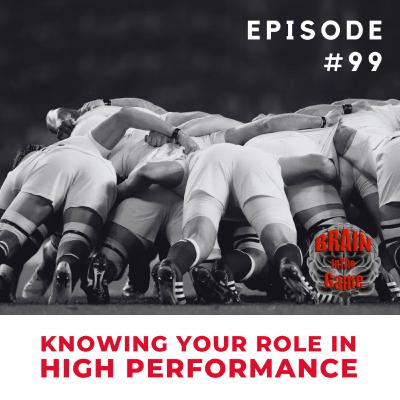
Navigating Roles and Expectations During the Olympics: Parent, Coach, Athlete
As the 2024 Paris Olympics approach, the crucial question arises: "What's my role?"
Athletes, coaches, and parents alike grapple with how to best support each other during this pivotal time. In this episode, we dive into the essential roles and strategies for successful preparation and performance.
Preparation Phase
Parents:
Support Crew: Focus on logistical support – nutrition, hydration, and rest.
Emotional Anchor: Provide moral support without delving into performance specifics.
Boundaries: Avoid engaging in detailed post-training analyses; maintain a calm environment.
Coaches:
Right Information, Right Time: Share concise, actionable feedback.
Collaboration: Foster open communication, allowing athletes to express needs.
Emotional Awareness: Recognise signs of overwhelm and adjust support accordingly.
Athletes:
Preparation Funnel: Follow the structured approach – non-negotiables, needs, wants, nice-to-haves.
Self-Reliance: Develop and trust your own preparation system.
Incremental Transition: Gradually shift from student mode to performer mode as competition nears.
Performance Phase
Parents:
Moral Support: Be present and positive without interfering.
Stay Calm: Focus on enjoying the moment rather than critiquing.
Simple Acts: Provide comfort and basic needs without adding stress.
Coaches:
Minimal Interference: Avoid last-minute technical instructions.
Encouragement: Offer reassurance and boost confidence.
Trust Building: Help athletes trust their preparation and abilities.
Athletes:
Execution: Focus on performing what you've practiced.
Mindset: Enter the competition with a clear, confident mindset.
Enjoyment: Embrace the experience and trust in your hard work.
Join us as we break down these strategies, offering practical advice and real-world examples to help you support your athletes and teams effectively.
And if you'd prefer to watch this, go to: https://youtu.be/pE7BygxebTg?si=9qwnqGBX5V3cWYue
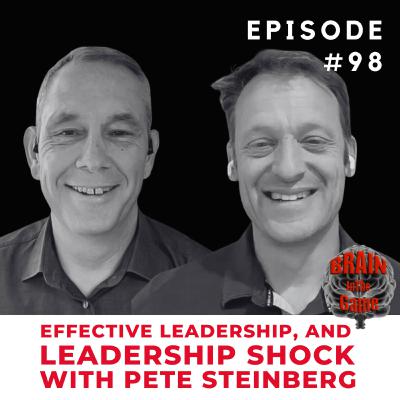
It’s a real pleasure to have Pete Steinberg join us on this episode of Brain in the Game, where we have a lively and varied discussion on the universal principles of leadership. From the field to the boardroom, we delve into the parallels between leadership in sports and business.
Pete, with his extensive background as head coach of the USA Women’s Rugby Team leading them to two Rugby World Cups, and highly sought-after business consultant, emphasises that the core principles of leadership – such as motivation, skill development, and creating conducive environments – are consistent across both domains. We also discuss the unique skillsets elite athletes bring to organisations.
Episode Highlights:
Pete's journey from coaching rugby to consulting in business.
Similarities and differences in leadership across sports and business.
Insights on selecting and developing effective leaders.
Value of athletic skills in the corporate world.
Strategies for continuous improvement in leadership roles.
Purpose-driven coaching and its impact on athlete transformation.
Importance of coach wellness and structured support systems.
Navigating leadership transitions and overcoming "Leadership Shock".
Tune in to learn the transformative potential leadership can bring when aligned with personal purpose and intention, that supports both leaders and their teams.
And if you would prefer to watch the video of our interview, you will find here: https://youtu.be/ZzUoq4pkbP0?si=Ar5-WtWZcEGprubE
Learn More About Pete's Work:
To delve deeper into Pete Steinberg's insights and strategies for navigating the complexities of leadership, get your copy of his book, 'Leadership Shock' which provides a comprehensive framework for overcoming challenges and thriving in high-pressure roles.
Get 'Leadership Shock' book here:
Amazon.com: https://amzn.to/3Lhx3MVAmazon.com.au: https://amzn.to/3zqJ28pAmazon.co.uk: https://amzn.to/3VOHLiV
Grab the Free 'Build an Effective Team' Playlist:
If you'd like to hear more podcasts for athletes and coaches specifically around building effective teams, especially for those in a leadership team, we have put them into a handy playlist for you. Simply go to: https://www.smartmind.com/team – your on-the-go playlist will be sent straight to you.
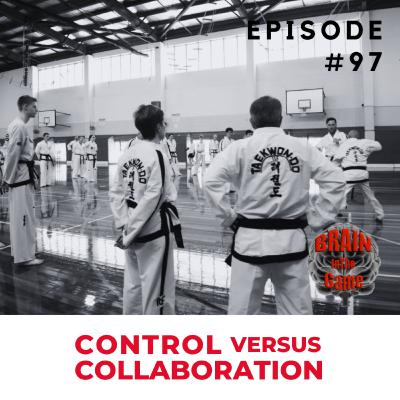
"It's such a fine balance in creating the right technical, physical, and mentally prepared athlete to perform."
In this episode of Brain in the Game, we explore the fine balance between control and collaboration in coaching, and how integrating mental performance strategies can revolutionise athlete development. We discuss:
Integration of Mental Performance Professionals: the challenges and benefits of including mental performance in coaching teams.
Control vs Collaboration: the balance of control and collaboration coaches manage in athlete development.
Education and Understanding in Coaching: the importance of ongoing education for coaches to effectively manage their athletes' mental and physical preparation.
Evolving Coaching Practices: how advancements in sports science are changing coaching methodologies.
If you're a coach, whether new or experienced, this short episode on integrating mental performance into your coaching strategy is a must-listen. And I encourage you to join the conversation by letting me know your comments and insights too.
https://www.smartmind.com/podcast
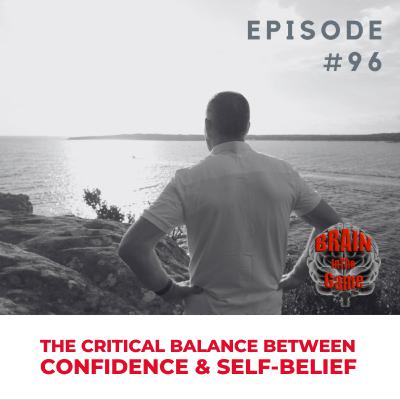
In the latest episode of Brain in the Game we dissect the critical differences between confidence and self-belief. This episode is a little more personal than usual, and my hope is that it will reshape the way you see pressure and building self-belief in your performance.
Confidence vs Self-Belief: Learn how external factors shape our confidence while self-belief is internally driven, both provide you with a stable foundation to become a holistic performer.
Mental Resilience: Discover what you can do to bounce back stronger when faced with pressure, turning challenges into opportunities for growth.
Embrace the Pressure: Find out why uncomfortable situations are catalysts for unlocking hidden potential, essential for elite athletes eyeing selection.
Because the journey to success is not just about talent – it's about pressure-proofing your mindset.
If you would prefer to watch this on video, go to: https://youtu.be/oDMEbcVQAB4?si=lKf3OYNLJanzWb_F

Navigating High-Pressure Situations
Competition pressure can have a huge impact on your ability to perform in those big moments.
Learning how to perform and what to trust can make all the difference. In episode 95 of Brain in the Game, we look at how to push through the uncomfortable to perform when it counts. We talk about:
Think of your performance as a railway track. The better you lay your tracks (skills and preparation), the better you can perform when the pressure's on.
Emotions can cloud your process, much like snow covering train tracks. The tracks are still there, you just need to push through the discomfort and trust your training.
Understand how internal and external pressures can affect your performance, and ensure they don't derail your progress.
Survivalist vs. Strategist Mindset: Are you testing before you trust or trusting before you test? A strategist mindset focuses on control, metrics, and assessing rather than testing.
Assess and Enjoy: Collect data, recognise, and reward yourself along the way. This helps you maintain momentum and stay in control.
Remember, don't let panic derail your performance – trust your process and you will learn to stay on track. If you want to perform on the world stage, keep your tracks strong and straight, then you're ready to accelerate!
If you would prefer to watch this on video, go to: https://www.youtube.com/watch?v=IyuB4Djopr4
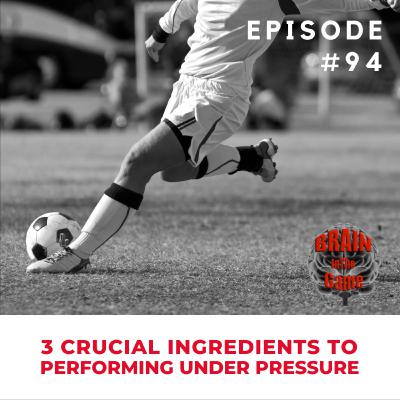
In Episode 94 we explore the crucial ingredients that matter the most to every athlete when facing high-pressure situations and performing your best.
We talk about:
✅ The 3 essential ingredients for success under pressure: Process, Mental Toughness, and Mental Resilience.
✅ How to build a solid blueprint for executing skills flawlessly, even when the stakes are high.
✅ Developing mental toughness to maintain focus and engagement, no matter the distractions.
✅ Riding the ‘urge wave’: mastering the art of pushing through discomfort and anxiety to achieve peak performance.
Whether you're an athlete, coach, or sports professional, this episode will give you valuable insights to help you excel in the toughest moments when it matters most.
https://www.smartmind.com/podcast
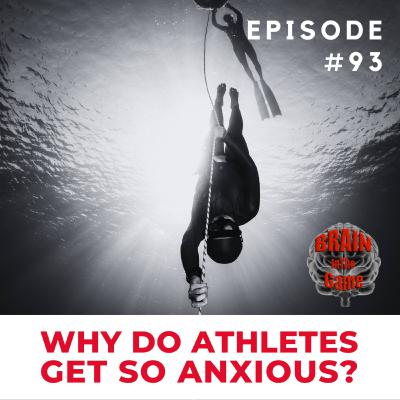
The role of mental conditioning in helping athletes develop the tools they need to combat feelings of anxiousness
In this episode of Brain in the Game, we dive right into the brain of the anxious athlete – a feeling that's all too familiar to anyone chasing success.
We explore:
🧠 Why those pre-competition nerves are not just normal, but a sign that what you're about to do is important to you – nervousness isn't a sign of incapability; it's a testament to your dedication towards your objectives.
🧠 What the dance party of dopamine, cortisol, and serotonin is doing in your brain and the part they play in shaping your anxiety and performance.
🧠 How our brain's incredible power of imagination can conjure up fears, magnify doubts, but also pave the way for innovative solutions and success beyond imagination.
🧠 What we can do right now to manage the balance between our body’s natural chemicals and the pragmatic techniques we can adopt to alleviate these stressors.
So if you’ve ever felt your imagination run wild with worst-case scenarios, or feel anxious before a performance, you're not alone. This episode explores the reasons behind athletes' feelings of anxiousness and gives actionable strategies to manage these emotions, and alleviate the stressors to help rewire your brain for success.
https://www.smartmind.com/podcast

In this Episode 92, we dive into the reason why many high performing athletes don't achieve their full potential.
High performance can be tough; it demands consistency and dedication. Let's consider an athlete's journey: from amateur to competitive, to elite, and finally, to high performance. It's a rigorous process that requires intense commitment.
And talent alone doesn't guarantee success. A study in the late 80s examined the top 1% of high performing athletes worldwide, across various sports. While some were indeed gifted, a significant majority achieved success through something else.
In this episode, we discuss:
Why Even Talented Athletes Struggle to Reach Peak Performance – the other factors that propel high-performing athletes
The High-Performance Athlete's Mindset – what sets them apart from the rest
The Key to Consistency – how top 1% athletes sustain their success
What’s Beyond Physicality – the non-physical factors impacting high performance athletes' success
Avoiding the Bunny Hopping Effect – how to optimise training for high performance
Breaking Barriers – how coaches and athletes can collaborate to design their success
So to understand the journey of high-performing athletes, from amateur to elite and what sets them apart from the rest, this episode is a must-listen.
https://www.smartmind.com/podcast
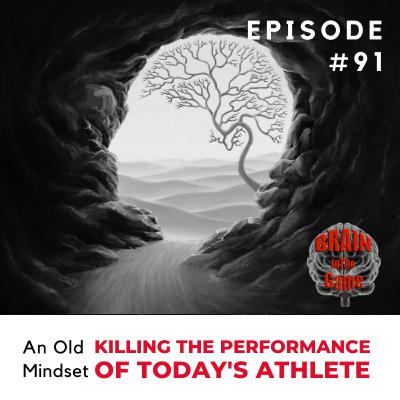
Protecting Your Competitive Edge: The Alarming Impact This One Habit Can Have On Human Performance
We have done so many wonderful things to promote the development and evolution of our species.
However, there is one habit we have recently created that is causing a de-evolution of one of our performance strengths: our ability to perform and perform with confidence.
And as an athlete this could be catastrophic to our competitive future as it has the potential to jeopardise competitive prospects in the long run.
In this podcast, we unpack the one habit that, if you change it, has the power to significantly enhance not only your performance but also your consistency and your ability to respond under pressure.
And it's not that hard to do!
So jump on in and learn what could possibly have the biggest impact on your sporting career in decades.
Links mentioned in this episode:
Beating Mental Blocks
Perform Like a Champion
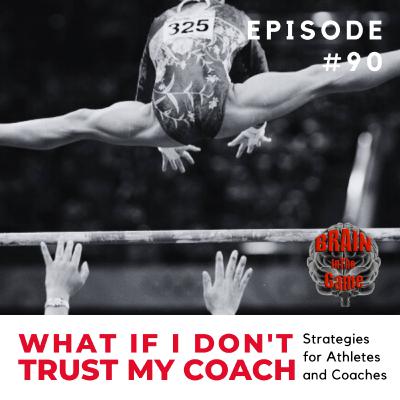
All Relationships Move at the Speed of Trust
I've witnessed the crucial role trust plays in the coach-athlete relationship. It's more than just a professional bond, it's foundational for performance. But how do we strike the right balance? How do we create a relationship that is both professional and performance-based? In this episode of Brain in the game, we delve into the dynamics at play. We discuss:
Why the athlete's role goes beyond merely following instructions and performing.
What happens when athletes make emotional decisions to defy their coach.
How doubts in the coach's guidance can lead to a breakdown in trust.
Under pressure, the one thing athletes must rely on, and if not developed, it can undermine performance.
As a coach, why effective communication is pivotal
What it looks like to foster a culture of understanding that doesn't compromise your authority as a coach; it strengthens it.
How coaches can establish trust with their athletes - It's not what you might expect!
Trust and Collaboration: The Key to Success
To illustrate the importance of trust and communication, I often use blindfolded rock climbing as an exercise: https://youtu.be/_fLLvOIkNxU. It helps athletes build internal referencing, trust their own process, and develop effective listening skills while asking the right questions. These skills parallel the coach-athlete dynamic, where athletes should trust their coach's information and engage in productive dialogue.
Liking your coach isn't a prerequisite for success, but trusting their guidance is.
The Crucial Role of Coaches in Mental Block Management of Athletes
Managing athletes with mental blocks requires a coach’s immediate attention. In this episode 89 of Brain in the Game, we delve into what we can do, as coaches, to support them by:
🧱 Understanding the Causation: We discuss the ways to identify the root cause of the mental block, and how to find out whether it stems from a fear of actual consequences or if it's created through imagination – and the different approaches needed for each scenario.
🧱 The Importance of Early Intervention: How to address the cause promptly and whether it requires technical adjustments or others to support the athlete's emotional resilience.
🧱 Managing the Emotion: The crucial reason to eliminate emotions from the equation and the pragmatic steps to and guide athletes through the process.
The longer athletes are left to struggle with mental blocks, the longer the consequences linger, and the greater the impact on not only their own skill development, but their teammates too.
As coaches, sometimes our role goes beyond the technical aspects so it’s useful to be self-critical in these key areas, as the fix for an athlete’s mental block won't come to them naturally.
So tune in for an eye-opening discussion on effectively managing athlete mental blocks and discover the actionable strategies to support athletes who are either experiencing a mental block, or those in the early stages of developing one.
And if you would prefer to watch the video, you will find here: https://www.smartmind.com/blog/managing-mental-blocks
Grab the Free Mental Blocks Playlist: If you'd like to hear more podcasts for coaches specifically around helping athletes with mental blocks, we have put them into a handy playlist for you. Simply go to: https://www.smartmind.com/blocks – your on-the-go playlist will be sent straight to you.
Inside the Mind of High Performance Athletes and Coaches: The Science and Strategy of Goal Setting
In this episode of Brain in the Game, we talk about the power of goal setting and how you can set objectives and goals as an athlete. 🥅
Goal setting is more than just a trendy buzzword, in this episode we discuss the value of effective goal setting and objectives provide, such as:
📍 Direction: a clear path to follow, guiding your actions and keeping you focused, giving you a unique roadmap towards success.
🎯 Motivation: a purpose and a reason to push yourself beyond your comfort zone.
👥 Social: allows you to share your journey with others, creating a community of support and connection.
🔒 Accountability: checkpoints and self-assessment hold you accountable for your progress, which keeps you on track.
🔁 Replicability: Setting goals isn't a one-time deal. It's about creating a blueprint for success that you can replicate in order to optimise your growth.
Goal setting is an internal process driven by your own aspirations, so while external goals set by coaches or competition schedules are essential, they don't capture your personal journey. So join me on this episode and discover why integrating goals and objectives into your journey is vital.

Are superheroes real?
We're not talking about the web-flinging, cape-wearing, spandex-clad ones we see in movies. We're referring to our internal superheroes, our performance alter egos.
In this episode of Brain in the Game, we explore how alter egos impact athletes and coaches.
We step through:
Why do we feel the need to create alter egos — why do so many performers create an alter ego to overcome nerves and feel more confident in their abilities, such as Beyoncé's Sasha Fierce.
The primary role of an alter ego — it’s not what most people think!
How they are created — creating an alter ego is not merely about choosing a name and adopting a persona.
What we must be cautious of in creating our own — while striving for high performance, we must understand that the alter ego's purpose is not to be flawless.
Ready to dive deeper into the world of alter egos and their impact on athletes and coaches? Join me on this episode!
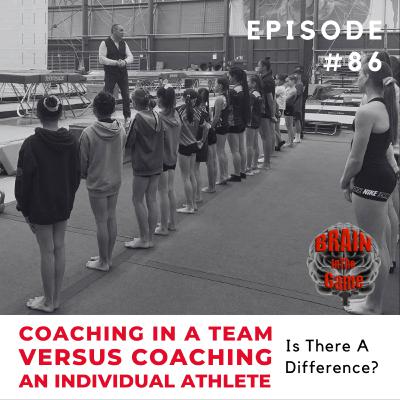
Is coaching as part of a team or coaching an individual different? And as an athlete, is competing as an individual or in a team different?
Yes and No.
The reason I say yes and no is because the ethos I have as a mental performance coach, and has worked really well for athletes and coaches and teams over these years, is:
The best version of you, everybody benefits from.
In this podcast episode, we talk about the building blocks of both a team and an individual athlete, including:
the importance of identifying the ‘how’ – both individual athletes and teams – do they perform their tasks, prepare, and communicate.
creating a picture of what ‘theoretical best’ looks like to us, that will then fit into our bigger plan.
course correction strategies – what to do if something goes off track and how to recalibrate and bring it back on track.
And the two critical components that coaches need to understand in how they coach a team and how they coach an individual.
Performance DNA download
And if you would like to work through this episode alongside me and discover more about ‘how’ you do what you do, here is the link to download the Performance DNA – for both athletes and coaches.
Grab the Free 'Build an Effective Team' Playlist:
If you'd like to hear more podcasts for athletes and coaches specifically around building effective teams, especially for those in a leadership team, we have put them into a handy playlist for you. Simply go to: https://www.smartmind.com/team – your on-the-go playlist will be sent straight to you.

Comments

Download from Google Play

Download from App Store
 United States