


 Claim Ownership
Brave Ideas
Subscribed: 8Played: 426
Subscribe

© Brave Corporation Ltd.
Description
Join award winning podcaster and CEO of Brave Corporation, Caleb Parker, as he shines a light on the entrepreneurs, intrapreneurs, and brave ideas at the forefront of innovation, who are creating the future of office real estate.
Brave Ideas dives deep into the stories of the visionaries, zooms out to discuss the macro trends driving change in demand for the office, and brings you thought provoking and insightful content from the innovators challenging the status quo as we know it today.
Subscribe to this podcast and our Brave Ideas Newsletter for weekly updates at www.BraveIdeas.media
www.braveideas.media
Brave Ideas dives deep into the stories of the visionaries, zooms out to discuss the macro trends driving change in demand for the office, and brings you thought provoking and insightful content from the innovators challenging the status quo as we know it today.
Subscribe to this podcast and our Brave Ideas Newsletter for weekly updates at www.BraveIdeas.media
www.braveideas.media
180 Episodes
Reverse

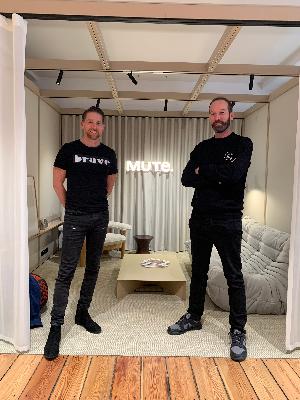
Brave Ideas Season 16, Episode 10Explore how Mute is leading the adaptable office architecture evolution, offering modular solutions to futureproof office investments while significantly reducing construction costs and CO₂ emissions. Tap hereAvoiding Risk InequityIn this episode, Brave Corp CEO, Caleb Parker, and co-host Gary Helm from MUTE sits down with x+why CEO & Cofounder, Rupert Dean, inside the MUTE showroom in Clerkenwell, London, to unpack how x+why has scaled a management agreement only flex platform to 16 locations, partnered with landlords who also back the operating company, and turned heritage buildings into hospitality-led workplaces that serve whole buildings, not just flex floors.The conversation covers:* How x+why’s first East London site combined a management agreement with landlord equity into the operating company* Why Rupert, an ex corporate finance lawyer, rejected lease arbitrage in favour of a management agreement only strategy* How x+why separates TopCo and site level P&Ls and structures fees against net effective performance* The role of heritage, hospitality and community in projects like Arding and Hobbs in Clapham Junction and 103 Colmore Row in Birmingham* How modular fit out, e commerce and early stage dynamic pricing are being used today, and why AI is on Rupert’s roadmapVisit BraveIdeas.media for behind the scenes or to watch this episode and signup for the newslettter.CONNECT* Rupert Dean* x+why website* Caleb Parker* Gary Helm* MUTE* Flexspace AIKey Takeaways for Operators* Use a three part filter before you say yes to a buildingAlways test demand, building fabric, and landlord profile together; a management agreement only model still fails if any one of those is wrong.* Design your economics around the opco, not the propcoSeparate TopCo and site level P&Ls, and link your upside to net effective operating performance so you are not dependent on a future sale or refinance that you do not control.* Turn “flex floors” into whole building servicesLook beyond coworking; build capability in front of house, clubs, events and F&B so you can credibly pitch as the single operating platform for a landlord, not just another floor operator.* Plan for B2B and B2C engines to coexistIn secondary nodes and members club buildings, build workflows, automation and CRM logic that can handle high volume individual sales alongside office deals, rather than treating everything like a broker led B2B pipeline.* Climb the revenue management ladder deliberatelyMove from static rate cards to simple spreadsheet based dynamic pricing by day and demand band, then layer in data capture and AI once you know which levers genuinely move occupancy and yield.Key Takeaways for Real Estate Investors and Landlords* Treat operator selection as a governance decision, not just a design choiceWhen you back a management agreement, you are effectively buying into an operating system, so interrogate reporting standards, risk management and decision rights as hard as the look and feel.* Consider equity alignment where you want long term partnershipCo-investing at opco or site level can align incentives more tightly than an SPV lease, but only if you understand how the P&Ls work and where upside is shared.* Use amenity and clubs as leasing tools, not decorationsStudy examples like Birmingham and Clapham Junction, where properly executed clubs, terraces and F&B have coincided with stronger leasing and local traction, and underwrite amenity as part of the demand story.* Re-rate secondary nodes using total occupancy cost and experienceLocations like Clapham Junction can offer strong connectivity, lower total occupancy cost and a differentiated, hospitality led experience; weigh those against headline rent in core CBD when allocating capital.* Build adaptability into your underwritingPrioritise assets and operators that can reconfigure layouts quickly with modular products and light interventions, so you are not locked into one demand pattern for the full hold period.Visit BraveIdeas.media for behind the scenes or to watch this episode and signup for the newslettter. Get full access to Brave Ideas at www.braveideas.media/subscribe
Brave Ideas Special Feature: Unpacking the UK’s Flex DemandJim Groves, CEO of Rubberdesk, joins Brave Corp CEO, Caleb Parker for a Brave Ideas Special Feature. The conversation follows Brave Ideas’ collaboration with Rubberdesk on their Q3 2025 report, and goes deeper into what Rubberdesk is seeing in the UK flex market. Jim explains how Rubberdesk tracks live availability and pricing, then breaks down the split in market dynamics, London tightening versus softer conditions in several regional cities. They also discuss the growth of managed offices, what larger occupiers are asking for, and how technology and automation may change flex broking.Links and References* Flex Is the Backbone of the Brave Economy: Why Businesses Are Doubling Down in Uncertain Times* The New Era of ‘Landlord Flex’* The Flex Divide: Regional Realities in a Brave Economy* Enterprise Flex: How Big Business Is Powering the UK’s Office ResilienceVisit BraveIdeas.media to watch the episode and join the newsletter.Connect* Jim Groves* Rubberdesk* Caleb ParkerPublished exclusively in partnership with early access to Rubberdesk’s Q3 2025 report. Get full access to Brave Ideas at www.braveideas.media/subscribe
Brave Ideas Season 16, Episode 9Brought you by Flexspace AILearn how Flexspace AI is transforming coworking with their ecommerce revenue platform, featuring SmartPricing Agent, an AI-powered dynamic pricing engine. Tap hereWhat happens when a Dublin estate agent spots an arbitrage opportunity, rolls out eight buildings with no brand and no bank debt, then pivots into 60,000 SqFt management deals for global AI companies?In this episode, Brave Corp CEO, Caleb Parker and cohost Eyal Lasker from Flexspace AI site down in the MUTE showroom for a detailed conversation with Joe McGinley, Founder and CEO of Iconic Offices in Dublin, Ireland to unpack what “super normal profit” really looks like in flex real estate.Joe explains how he moved from running an estate agency to securing his first site to becoming Dublin’s largest coworking brand. He breaks down the different “versions” of Iconic, from 5,000 SqFt Georgian and Victorian buildings to a 60,000 SqFt management deal one door from St Stephen’s Green, and how that evolution shifted Iconic’s customer base from SME value seekers to global companies, including several of the top AI firms in the world.We go deep on culture, brand, and operations, and Joe shares what he thinks about lease arbitrage versus management agreements, why some owners are trading fixed rent for control and “super normal profit,” and how Iconic structures its role across design, planning, and delivery to reposition entire buildings.Listen to learn how a crash era arbitrage play evolved into a premium flex brand sitting at the top of the Irish market, and what that means for owners thinking about upside in their office assets.In this episode you will learn:* How Iconic evolved from 5,000 SqFt period buildings to 60,000 SqFt, amenity rich schemes* Why design quality and experience are central to attracting global brands* How Joe defines brand* How Iconic approaches custom builds and floor by floor design for large enterprise members* Joe’s view on flight to quality* How he thinks about online bookings, on-demand products, and where e-commerce makes sense in flex* The practical differences between lease arbitrage and management agreements, and why some landlords now choose upside participation over fixed incomeTo watch this episode, join the newsletter and access behind the scenes content, visit www.braveideas.mediaCONNECT* Joe McGinley* Iconic Offices* Caleb Parker* MUTE* Flexspace AIKey Takeaways for Operators* Arbitrage plus design can be enough to start, not enough to scaleJoe’s first phase was simple, secure a whole building at a low rent, invest in a higher quality fit out than the market, and lease it up. That model got him to eight locations without a brand, a business plan, or investors, however scaling required a clearer proposition and larger, more complex buildings.* Brand is behaviour, not a logoIconic’s brand is defined by how the team shows up for members and partners every day, not by guidelines on a slide. Long tenures on the leadership team and an 85 out of 100 Great Place to Work score indicate that internal culture is aligned with the external promise.* Private offices remain the core, coworking is a toolIconic’s primary revenue driver is private offices, with coworking and on-demand elements used selectively to support atmosphere and building activation, rather than as the main business.* On demand and e-commerce are coming, but not everywhereJoe sees a clear role for online bookings across meeting rooms, day offices, and smaller private offices, however he draws the line at larger, customised floors, which still require a consultative sales process if you want to maximise value and fit.Key Takeaways for Real Estate Investors and Landlords* Management agreements can deliver control and “super normal profit”For certain owners, particularly those buying large prime assets, the ability to retain control of the building, fund capex at their own cost of capital, and share in upside above market rent is more attractive than signing a long lease. That is where “super normal profit” shows up.* Operator alignment comes from structureIn Iconic’s management deals, the owner funds capex and holds the assets, while Iconic provides business planning, design, construction oversight, and operations. Joe’s team spends years working on some schemes before opening, and only starts to benefit once the building trades, which aligns incentives around performance.* The market is splitting into two tiersJoe describes a visible two tier system in Dublin, with a clear gap opening between upper and lower quality stock. The middle is under pressure, which reinforces the need to invest in quality, amenity, and experience if owners want to compete with both home and premium flex.* Flex is no longer a marginal productIconic now operates at the top of the Irish market, with a member base that includes global technology and AI brands. For landlords, this shows that high quality flex can sit alongside, and sometimes outperform, traditional leasing in prime locations.* Partnership design matters as much as interior designJoe starts each deal by understanding the building owner’s constraints, bank requirements, and return targets, then builds a structure to hit those outcomes. The same building can justify different models, depending on the owner’s objectives and appetite for upside versus certainty.To watch this episode, join the newsletter and access behind the scenes content, visit www.braveideas.media Get full access to Brave Ideas at www.braveideas.media/subscribe
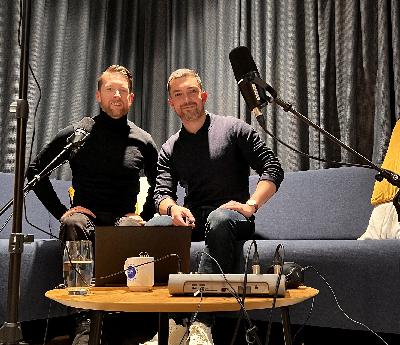
Brave Ideas Season 16, Episode 8Brought you by Flexspace AILearn how Flexspace AI is transforming coworking with their ecommerce revenue platform, featuring SmartPricing Agent, an AI-powered dynamic pricing engine. Tap hereA master class in scaling and career growthIn this episode, Brave Corp CEO, Caleb Parker, sits down in the Work.Life podcast studio in Clerkenwell with their new CEO, Paul Dutnall, to unpack how this people focused flex operator is preparing its brand and operations for scale.Paul joined Work.Life around six and a half years ago from the hospitality and F&B world, initially as Head of Operations. He then stepped into the COO role, before being appointed CEO (what we believe is a case study for any junior or mid-level role).Across that journey he has been responsible for making sure the member experience matches the founders’ (Elliot & David) vision, while evolving the systems and processes that sit behind it.Today, Work.Life is a certified B-Corp with 14 location across the UK, and a clear focus on small businesses that care about people.The company is moving from “management by walking around” to codified service and experience, while layering on an on-demand ecosystem powered by Flexspace AI to monetise non-contracted space through a proper ecommerce journey.In this episode you will learn:* Paul’s career journey* Why he believes employer and employee relationships are time bound, and what that means for ambitious team members* How an operator can create real career pathways that allow ambitious team members to rise from operations into C level roles* How Work.Life is codifying its service, culture, and member experience so it can scale across multiple locations* What becoming and staying a multi site B-Corp means in practical, operational terms* How Work.Life defines its core audience, and why they design for small businesses that care about people rather than a specific sector* How Work.Life is structuring its memberships plus on-demand model, including offices by the day, meeting rooms, and studios* How the partnership with Flexspace AI is supporting on-demand bookings, data, and the roadmap for dynamic pricingTo watch this episode and join the newsletter, visit BraveIdeas.mediaCONNECT* Paul Dutnall* Work.Life* Caleb Parker* MUTE* Flexspace AI* Mentioned in this episode* Redemption Roasters* Simon Sinek, “Worthy Rival” videoKey Takeaways For Operatorssponsored by* Career paths matter* In a young sector, operators that create clear routes from community or operations roles into leadership can keep their best people longer and build stronger cultures.* Codify what you are optimising for* Work.Life starts with the feelings they want members to have in their workplaces, then works backwards into operational fundamentals, emotionally connecting service, and community layers, all supported by SOPs, training, and systems.* On-demand is a product, not a side hustle* Treating empty offices, meeting rooms, and studios as a structured on-demand product, with proper UX and ecommerce, has driven a multiple of 8-9x more external meeting room bookings compared to their previous approach.* Use technology to amplify people, not replace them* Automation and AI free team members from low value admin, improve speed to lead, and surface better decisions, while humans stay focused on relationships, judgment calls, and how members feel.* Design for experience, not just aesthetics* Thoughtful, low cost details that remove friction in everyday journeys can have as much impact as large CapEx items when it comes to member loyalty.Key Takeaways For Real Estate Investors And Landlords* The office is now an option, not an obligation* Small and mid-sized teams are asking why they need an office at all, and if they do, how often. Product design and underwriting have to reflect part time offices, hybrid patterns, and on-demand use cases.* B-Corp and codified impact are becoming real differentiators* Work.Life’s B Corp status, and their position as a high scoring multi-site operator, is underpinned by clear systems and processes that can be measured and improved over time.* Non-contracted inventory is a revenue lever* Unlet offices, underused coworking capacity, and amenity spaces can be monetised through on-demand channels without undermining core memberships, provided pricing, access rules, and capacity management are carefully defined.* Experience led CapEx is a commercial decision* Fit out is more expensive, but investments in the right amenities, ratios, and layouts can support higher occupancy, higher effective desk rates, and lower churn over time, if they are aligned with a clearly defined customer.* Partnerships matter at building level and street level* Work.Life often relies on surrounding neighbourhood amenities, such as gyms and F&B, rather than duplicating everything inside its footprint, which affects CapEx, operating model, and location strategy.To watch this episode and join the newsletter, visit BraveIdeas.media💡 This episode is part of Brave Ideas Season 16, diving into the 6 Pillars of Space as a Service, spotlighting operator playbooks and practical moves that lift demand, protect margins, and build workplaces people choose. Get full access to Brave Ideas at www.braveideas.media/subscribe
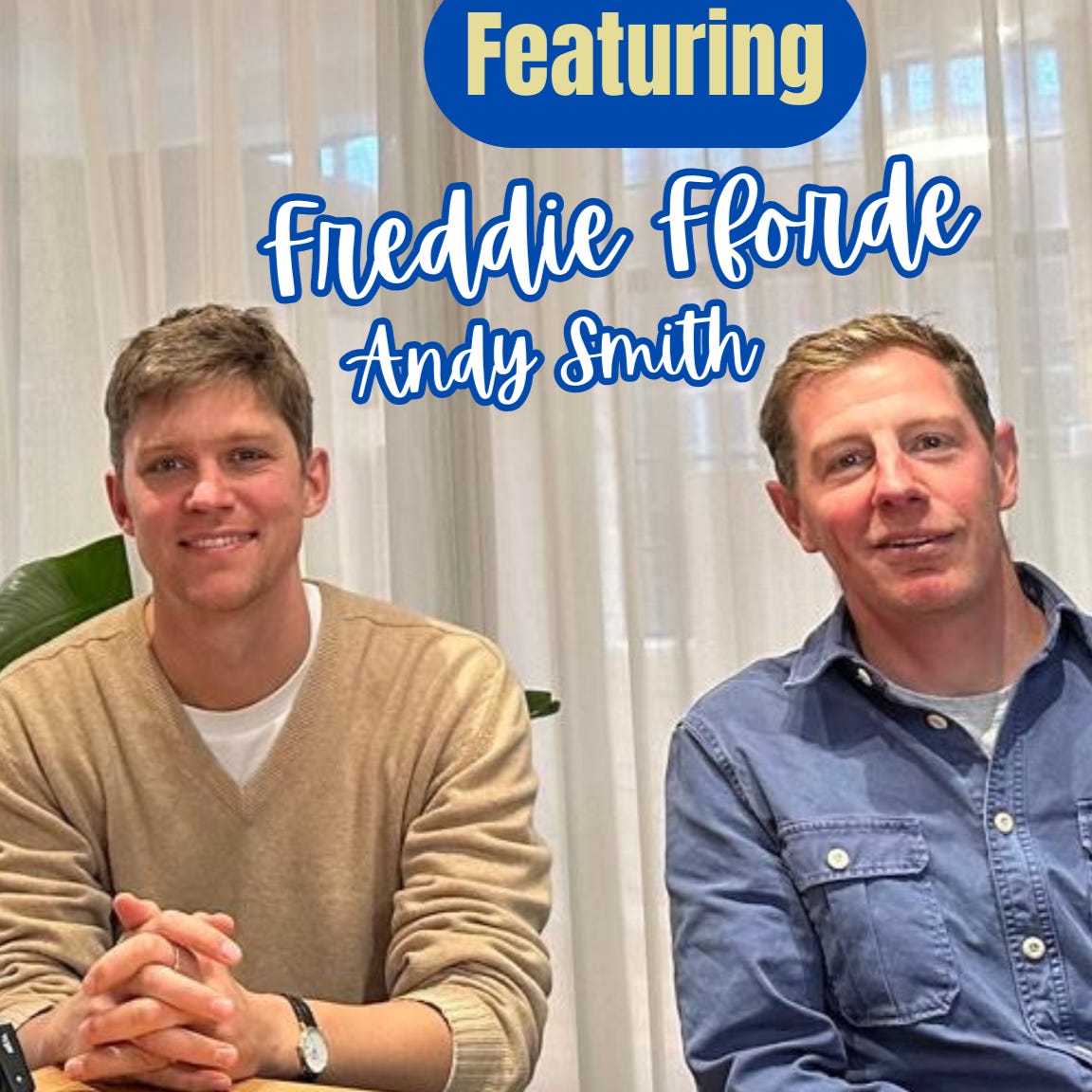
Brave Ideas Season 16, Episode 6Brought you by MUTEExplore how Mute is leading the adaptable office architecture evolution, offering modular solutions to futureproof office investments while significantly reducing construction costs and CO₂ emissions. Tap hereVisit BraveIdeas.media to watch this episode as a video and behind the scene contentThe Opportunity?In this episode, Brave Corp CEO, Caleb Parker, and co-host Gary Helm from MUTE sits down with Patch Founder, Freddie Fforde, and Head of Growth, Andy Smith, inside the MUTE showroom in Clerkenwell, London, to unpack how Patch is building a network of work near home hubs in smaller cities and towns, reactivating high street buildings, and creating town hall style workplaces that serve whole communities while lifting asset values for landlords and investors.The conversation covers:* The investment opportunity of focusing on smaller cities and towns* How they choose buildings with “public memory”, from former department stores and libraries to heritage warehouses and turn them into town hall style hubs* How Patch’s civic ground floor layer, cafes, kids corners, makers markets, clubs, and community uses, trades some margin for loyalty, demand, and brand strength* What they are seeing in member behaviour* The hardest parts of building PatchVisit BraveIdeas.media to watch this episode as a video and behind the scene contentCONNECT* Freddie Fforde* Andy Smith* Patch* Caleb Parker* Gary Helm* MUTE* Flexspace AIWhat You’ll Learn in This Episodesponsored by* How Patch defines “work near home” in real estate terms, and why smaller cities and towns are a scalable flex market, not a side show* A simple lens for picking assets with “public memory” and embedded goodwill, and why those buildings outperform anonymous boxes* How to think commercially about giving ground floor space to civic and community uses* The two main demand patterns Patch is seeing across locations* How Patch’s member base evolvesKey Takeaways for Operatorssponsored by* Why there is real spending power and demand for premium work near home workplaces outside major cities, and how to position for that segment* How to approach building selection, focusing on assets with identity and public memory that already carry goodwill in the local community* A practical view on trading some ground floor revenue for community uses, and how that can pay back through loyalty, word of mouth, and stronger occupancy* How curated programming, from crochet clubs and cinema nights to citizen assemblies, turns a coworking space into a lighthouse for local life* What Patch is learning about member segments, from hyper local walkable catchments to wider hub models, and how that shapes layout, product mix, and staffing* How to balance premium experience with controlled CapEx, using contextual design and smart reuse rather than expensive one size fits all conceptsKey Takeaways for Real Estate Investors and Landlords* Why smaller cities and towns represent a large, underserved flex market, and how work near home can become a new anchor use for challenged high streets* How Patch typically fits into mixed use assets, taking around 15–20K SqFt in larger buildings and driving place making value for the entire property* Practical signals investors and landlords should look for when assessing these assets, from event cadence and local sentiment to the performance gap versus generic flex* Why high quality, community led operations can command a premium versus generic flex, in both pricing and occupancy, even when cheaper competitors sit nearby* How to think about CapEx and OpEx in a work near home model, where value comes from activation, brand, and loyalty rather than just finishes* What to look for when underwriting these assets, including footfall patterns, event cadence, and local sentiment, not just headline rent and yield* How stronger occupancy, premium pricing, and place making effects can translate into improved NOI resilience and, ultimately, higher asset values at exitBehind The ScenesVisit BraveIdeas.media to watch this episode as a video and behind the scene content💡 This episode is part of Brave Ideas Season 16, diving into the 6 Pillars of Space as a Service, spotlighting operator playbooks and practical moves that lift demand, protect margins, and build workplaces people choose. Get full access to Brave Ideas at www.braveideas.media/subscribe
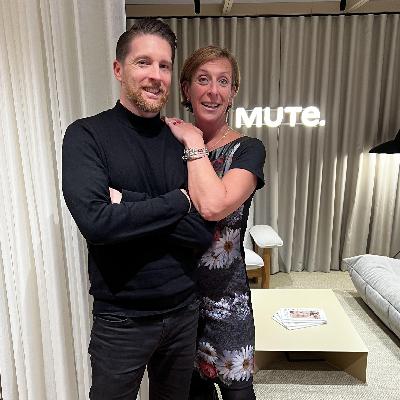
Brave Ideas Season 16, Episode 5Brought you by MUTEExplore how Mute is leading the adaptable office architecture evolution, offering modular solutions to futureproof office investments while significantly reducing construction costs and CO₂ emissions. Tap hereVisit www.BraveIdeas.media to watch an exclusive “Behind the Scenes” content.Don’t Oversimplify the Evolution of OfficeIn this episode, Brave Corp CEO, Caleb Parker, sits down with Niki Fuchs, Group CEO for Office Space in Town inside the MUTE Showroom in Clerkenwell London to discuss what Niki has been up to in the hospitality industry (she bought a hotel) and diver into the similarities and differences between hotels and hospitality-led workplaces.The conversation covers five overarching themes:* Culture turnarounds and presence-led leadership* How offices differ from hotels* Whole-building service models* PropCo-OpCo Structures that align risk and cash flow* Brand, design, and differentiation that reduce churnCONNECT* Niki Fuchs* Office Space in Town* Burgh Island Hotel* Workspace Intelligence Network* MUTE* Flexspace AI* Caleb ParkerVisit www.BraveIdeas.media to watch an exclusive “Behind the Scenes” content.What You’ll Learn in This Episode* How “presence” is operationalised, recurring one-to-ones, visibility windows, and why predictability builds trust* The practical test for cultural fit, why “feeling watched” signals misalignment and how to act decisively* Why office relationships behave like returning-guest dynamics, rising expectations and service memory over time* How OSIT’s general managers run the full business in-building, sales, service, commercials, and risk handling* Why front of house must sit under the operator to unlock building-wide service and faster issue resolution* What OSIT uncovered by bringing FM and cleaning in-house, control, cost, and risk gaps you can close* How profit-sharing leases flow from opcos to propcos, and why that matters for cash distribution and control* Ways to structure for landlord comfort, separating services where needed without losing operational coherence* Where an interim “middle investor” can bridge CapEx to stabilisation, and when that capital makes sense* Why valuation and exit remain the sticking points for flex-heavy assets, and the signals investors still look for* How differentiated theming and brand cues create emotional stickiness, and why “nice but same” invites churnKey Takeaways for Operators* A playbook for presence, consistency, transparency, and calibrated vulnerability that rebuilds trust fast* How to run long-horizon relationships, hospitality skills plus on-site commercial understanding* Why GM P&L ownership, unified sales and service, and control of front of house, FM, and cleaning protect NOI* How to choose structure for your deal, management agreement vs lease, profit-share mechanics, CapEx staging* How brand-led hospitality and distinctive design reduce churn and increase lifetime valueKey Takeaways for Real Estate Investors and Landlords* Why hotelification is a shortcut term, and why offices need relationship engines and operating platforms* How whole-building service increases resilience, align incentives to wrap service around every occupant* How to match structure to risk appetite, lease, management, or hybrid with clear profit participation* How interim capital can de-risk ramp-up, conservative underwriting protects board outcomes* What to update in valuation lenses, pricing operational income, retention, and brand stickiness, not just initial yieldBehind The ScenesVisit www.BraveIdeas.media to watch an exclusive “Behind the Scenes” content.💡 This episode is part of Brave Ideas Season 16, diving into the 6 Pillars of Space as a Service, spotlighting operator playbooks and practical moves that lift demand, protect margins, and build workplaces people choose. Get full access to Brave Ideas at www.braveideas.media/subscribe
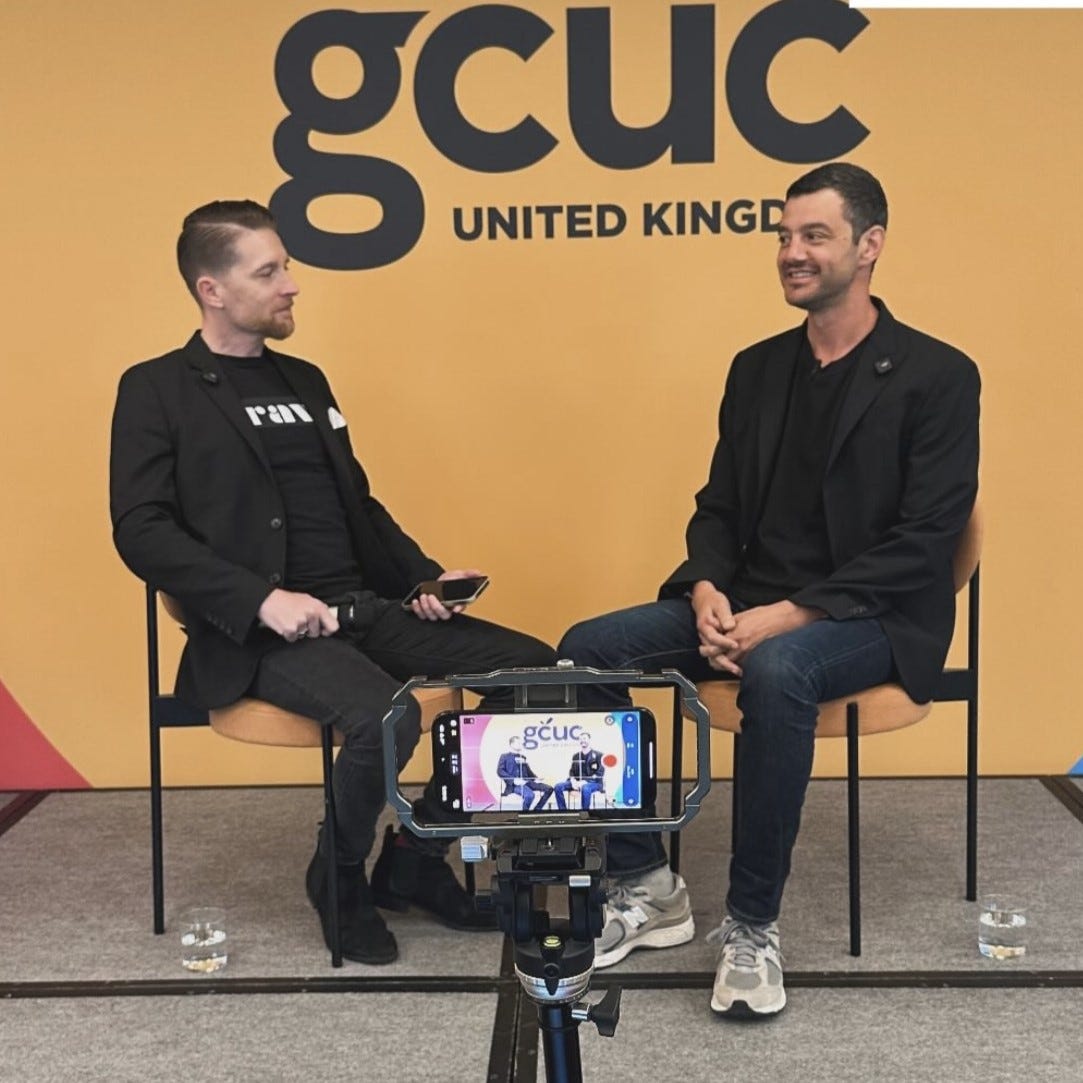
This special GCUC UK x Brave Ideas episode features Caleb Parker with Eyal Lasker, CEO of Flexspace AI, recorded live on the GCUC stage in London, England.Visit BraveIdeas.media to watch an exclusive “Behind the Scenes” clip that the GCUC audience saw before the official start of this Brave Ideas podcast episode.The EpisodeHotels have run revenue management for decades, and now coworking is beginning to use AI powered dynamic pricing to lift conversion, rate, and total revenue.In this epidode, Caleb & Eyal connect hotel-style revenue management to coworking, discuss why flex office has lagged in hospitality industry best practices, and why ecommerce is the practical on ramp.Eyal explains how an autonomous pricing agent learns from past data, live conversion, seasonality, and market signals to set prices, and that a 1% price drop correlates with 3% more bookings.The two go on to cover guardrails, floor and ceiling pricing, why prices vary by day and hour rather than by person, how office pricing is rolling out after meeting rooms and day passes, and what lenders need before financing flex at scale.Visit BraveIdeas.media to watch this episode and access behind the scenes.CONNECT* Eyal Lasker* Visit FlexSpace.ai* Caleb Parker* Visit GCUC-UK* Book your ticket to GCUC NYC in AprilWhat You’ll Learn in This Episode* How AI powered dynamic pricing works in flex, inputs, learning loops, and outcomes* How to set smart guardrails, floor and ceiling, while letting the system run autonomously* Where elasticity shows up in flex, increasing volume and effective yield* How to connect website, CRM, and occupancy so pricing, sales, and community act in sync* What needs to exist for dynamic pricing of offices, monthly and annual agreements* What lenders and investors need, forward revenue signals and reliable modelsKey Takeaways for Operators* Enable ecommerce for on-demand products, treat them as top of funnel with a goal of negative CAC (customer acquisition cost)* Use AI to reprice by hour and day, reserve human time for hospitality and community* Track drop offs and non-conversions, feed retargeting and pricing adjustments automatically* Nudge frequent on demand users into memberships or offices, protect revenue with overflow logic* Monitor elasticity and conversion weekly, adjust guardrails rather than micromanaging priceKey Takeaways for Real Estate Investors and Landlords* Flex is operational real estate, value depends on systems, data, and service, not only fit out* Dynamic pricing data improves forecasting, supports valuation and debt conversations* Hospitality and community increase retention and pricing power, supporting NOI* Industry benchmarks like WIN can inform underwriting when linked to pricing engines💡 This episode is part of Brave Ideas Season 16, diving into the 6 Pillars of Space as a Service, spotlighting operator playbooks and practical moves that lift demand, protect margins, and build workplaces people choose. Get full access to Brave Ideas at www.braveideas.media/subscribe
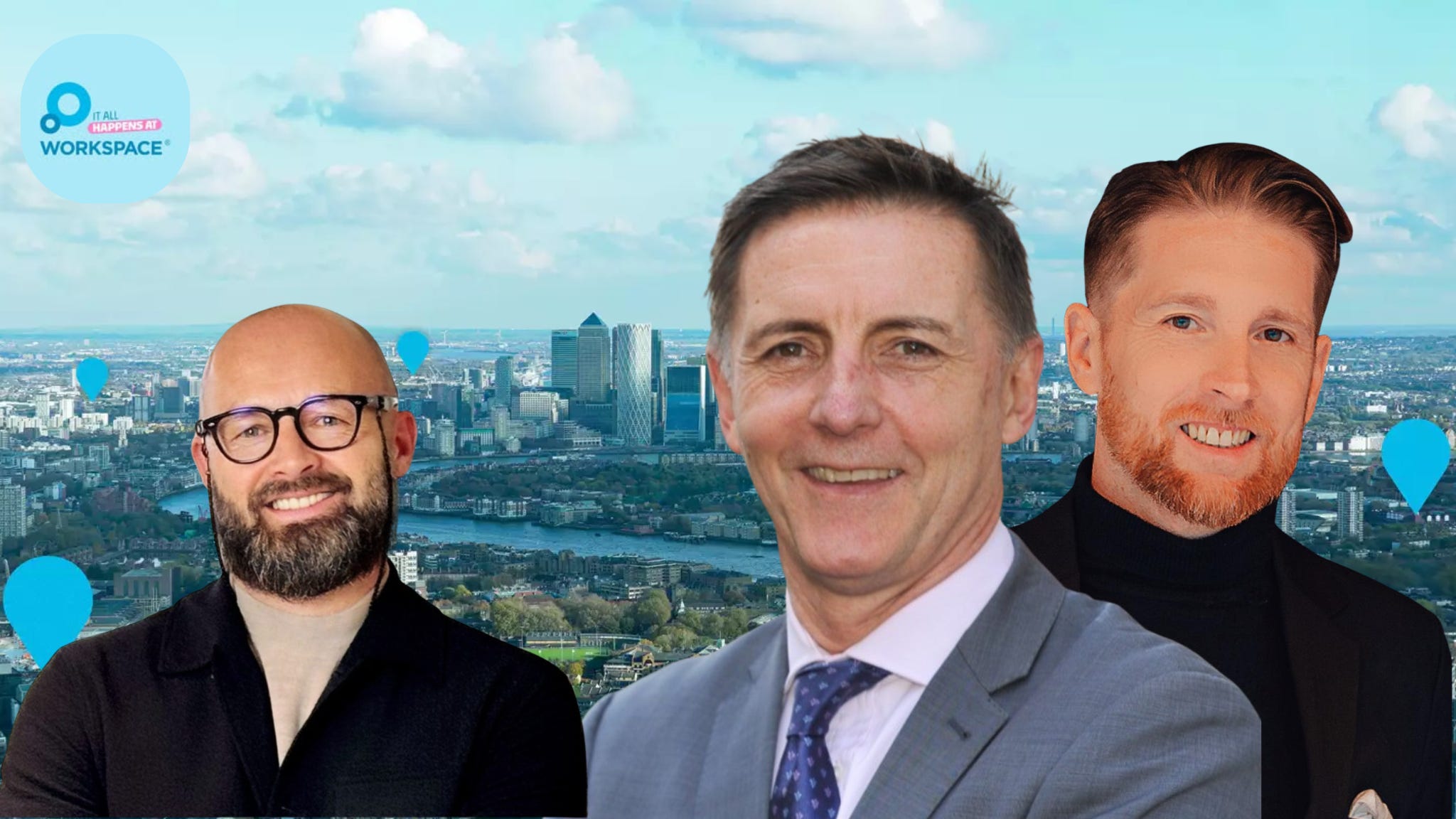
Brave Ideas Season 16, Episode 2Brought you by MUTEExplore how Mute is leading the adaptable office architecture evolution, offering modular solutions to futureproof office investments while significantly reducing construction costs and CO₂ emissions. Tap hereWorkspace proves flex works when you run it like a platform, not a product.In this episode, Brave Corp CEO, Caleb Parker, and co-host Gary Helm from MUTE sits down with Lawrence Hutchings, CEO of Workspace Group PLC, the UK’s only publicly listed flex operator, to unpack an institutional mindset meeting operational reality and how the platform’s “Fix, Accelerate, Scale” strategy aims to drive occupancy, earnings, and growth.This conversation covers broad topics such as the parallels Lawrence sees between office and his operational real estate experience, the retail lessons that apply, and the thesis behind recycling capital for growth.They also go deep into workplace design that wins customers and tactics for improving meeting room performance.This episode was recorded onside at the MUTE Showroom in Clerkenwell, London.TO WATCH THE FULL EPISODE and access behind the scenes content,visit www.braveideas.mediaCONNECT* Lawrence Hutchings* Visit Workspace Group PLC’s website* Caleb Parker* Gary Helm* Visit MUTE’s website* Fenwick Rd Coffee CompanyWhat You’ll Learn in This Episode* Why flex is a high velocity platform business, not a long lease model* Workspace Group’s fix, accelerate, scale strategy, occupancy as the lead indicator, rate as the secondary lever* Retail lessons that map to office, headlines versus reality, attendance versus utilization, culture and collaboration still drive value* Capital light upgrades at Vox Studios and Leather Market, front door to corridors to end of trip, how first impressions lift tours and retention* Meeting rooms and technology, open to non members with member priority, CRM and AI for smarter utilization, cluster overflow to protect revenue* Growth thesis, recycle capital out of lower return Southeast assets, double down in London, target SMEs with a data led map to find the next BermondseyKey Takeaways for Operatorssponsored by* You win or lose tours at the front door and on the walk to the unit* Invest in high touch areas, lobbies, corridors, kitchenettes, bathrooms, end of trip; small CapEx, big perceived value* Empower local teams with data; push decisions to the front line for retention and conversion* Use modular meeting and focus spaces to adapt quickly and improve acoustics* Prioritize members on peak days; use smarter booking rules and cluster overflow to keep revenue in networkKey Takeaways for Real Estate Investors and Landlords* Flex is operational real estate; build or partner for a platform, not just fitted floors* Occupancy drives income, rate follows tension; vacancy carries service charges and business rates, so the cost is higher than rent lost* Recycle capital into product that competes; upgrade existing buildings where demand exists* Segment by customer; specialize using demographics and psychographics rather than one size fits all* Target assets with the right bones; transport connectivity, natural light, floor plates that subdivide well, characterful buildings in the 50K to 90K SqFt sweet spot💡 This episode is part of Brave Ideas Season 16, diving into the 6 Pillars of Space-as-a-Service, spotlighting operator playbooks and practical moves that lift demand, protect margins, and build workplaces people choose. Get full access to Brave Ideas at www.braveideas.media/subscribe
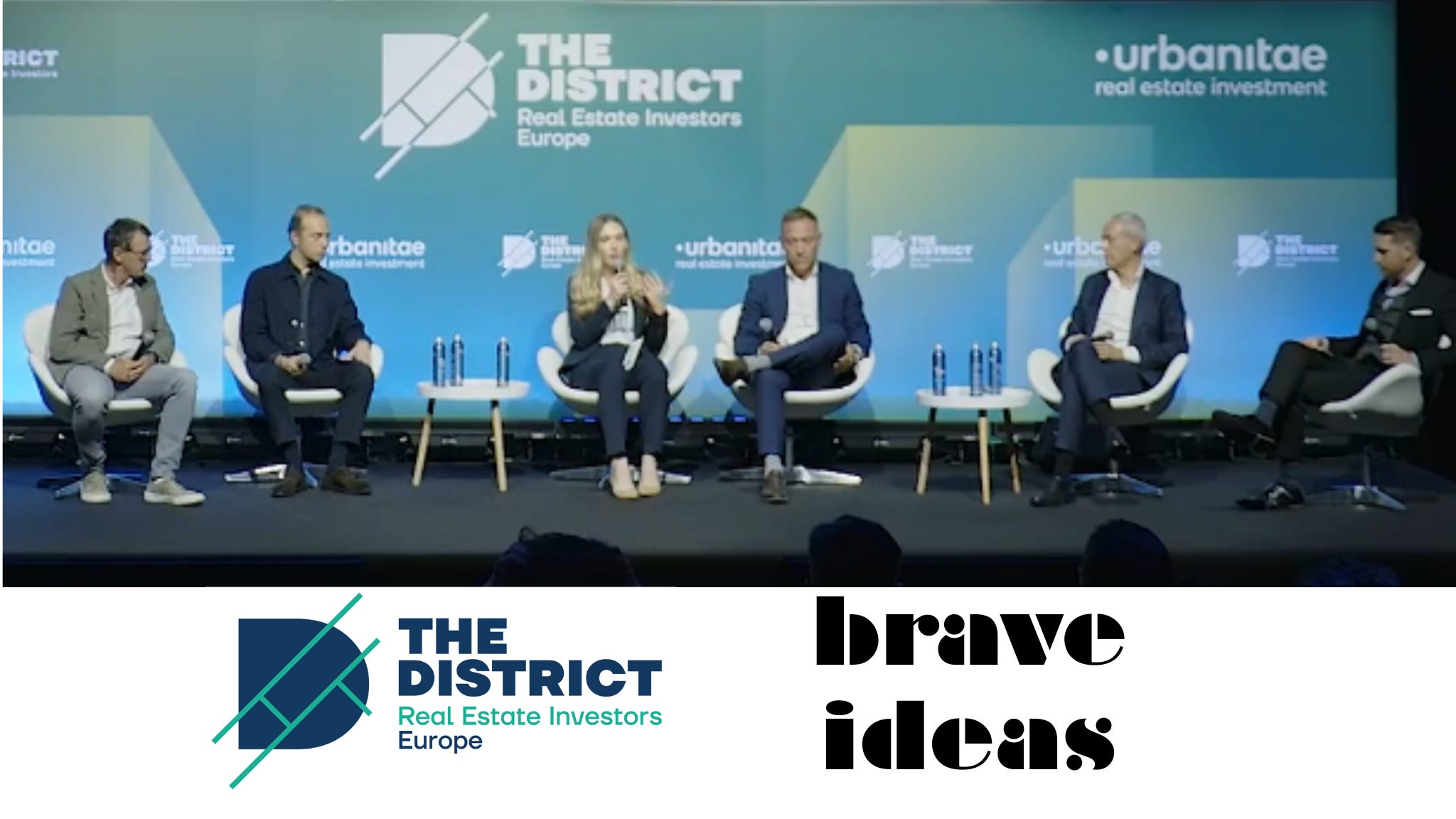
Brave Ideas Season 16, Episode 1Brought to you by Flexspace AIIn this episode, Brave Corp CEO, Caleb Parker, moderates a panel recorded on stage at The District Show in Barcelona with leaders from LOOM by Merlin Properties, Newmark, Sutega, Assembly Buildings, and World Trade Center Barcelona.Tune in to hear how operators and landlords are turning buildings into workplaces people choose, why OPEX in people can beat CAPEX in marble, and how amenity strategy, programming, technology, and brand convert into office value.🎥 Visit www.BraveIdeas.media to watch this episode and to view a behind the scenes interviews bonus episodeConnect with the panelists* Fernando Ramirez Baeza (Director, LOOM at Merlin Properties)* Morgan Pierstorff (Director Occupier Experience EMEA, Newmark)* Gregorio Olmeda (Head of Business Development, Sutega)* Yiğit Şatıroğlu (Cofounder, Assembly Buildings)* Carles Anglada (CEO, World Trade Center Barcelona)* Caleb Parker (CEO, Brave Corporation)Brought to you by Flexspace AILearn how Flexspace AI is transforming coworking with their ecommerce revenue platform, featuring SmartPricing Agent, an AI-powered dynamic pricing engine.💡 This episode is part of Brave Ideas Season 16, diving into the 6 Pillars of Space-as-a-Service, spotlighting operator playbooks and practical moves that lift demand, protect margins, and build workplaces people choose. Get full access to Brave Ideas at www.braveideas.media/subscribe
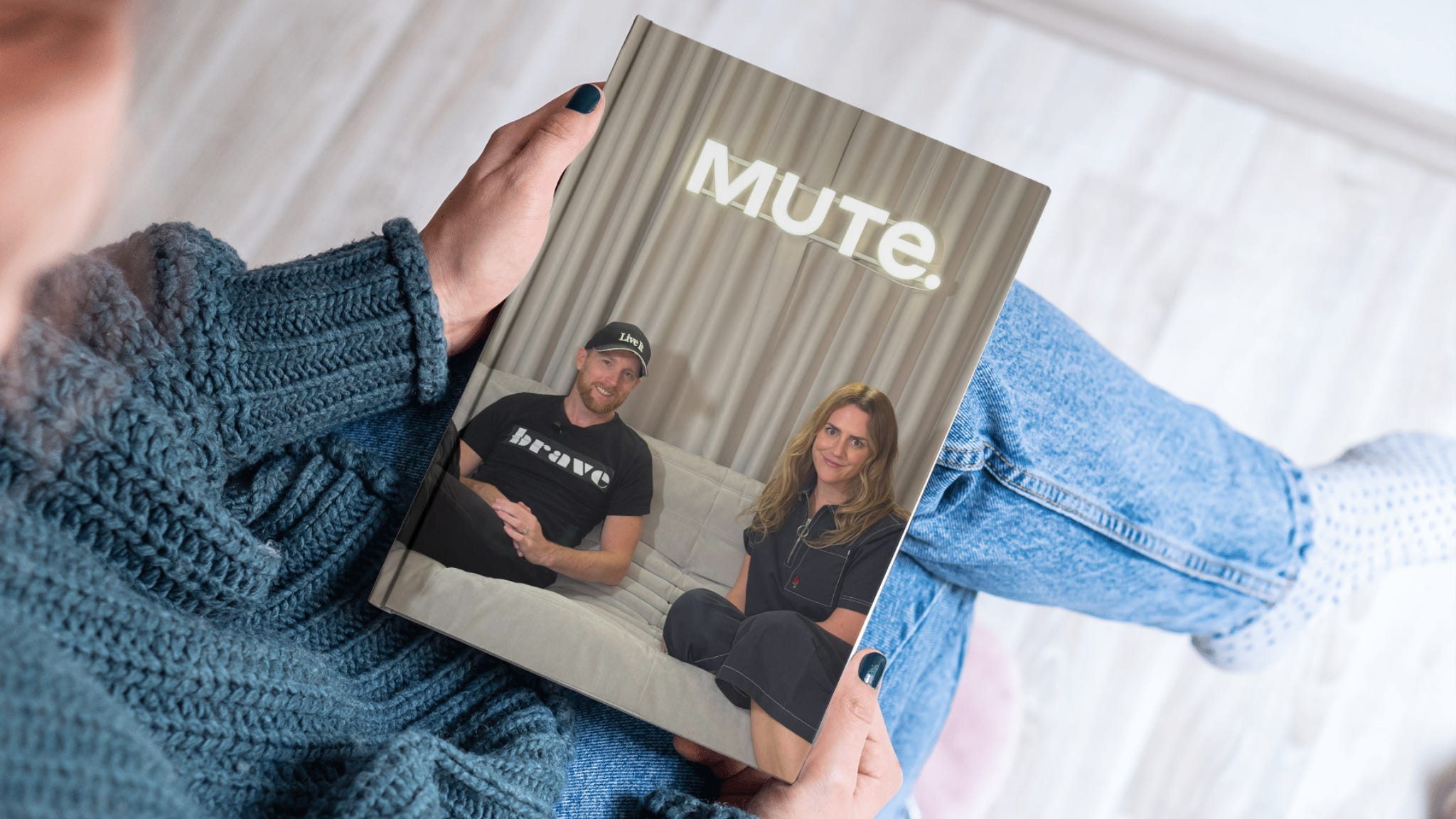
GCUC UK lands in London next week; go behind the scenes with Emilie Lashmar before you go | Grab a ticket here.For this Special Edition Brave Ideas episode in collaboration with GCUC UK , Brave Corp CEO, Caleb Parker sits down with Emilie Lashmar in the MUTE Showroom in Clerkenwell London to unpack what drives Emilie’s passion for coworking, what ignited her career and why GCUC UK.The conversation explores how brand, hospitality, and community shape modern workplaces, and covers the evolution of coworking in the UK, the tension between purist vibes and scalable operations, and how to attract enterprise members without diluting the energy that makes a space feel alive.🎧 To listen as a podcast FOR FREE,follow Brave Ideas on Apple, Spotify, or wherever you listen.What you will learn* Why brand is a lived experience, not a logo, and how to operationalise it across hiring, sales, and daily rituals* How design and hospitality create belonging and help people do better work* Practical ways independents can scale while protecting authenticity and community* Product mix and floorplate strategy, how to blend coworking, studios, and managed space for margin and vibe* Recruiting for values, building playbooks, and training teams so the culture travels* Enterprise demand, how to welcome larger members while keeping the room diverse and collaborative* Year-round community, why intimate peer groups and regional touchpoints matter for operatorsWho should watch/listenLandlords exploring flex, independent operators, brand and community leads, enterprise workplace teams, investors seeking the commercial levers behind flex.Key Topics MentionedBrand and community, hospitality mindset in operations, independents and corporates learning from each other, brokers and brand alignment, member experience as a driver of choice and performance, stress management ahead of conference season, the future of GCUC UK with more intimate peer groups and regional moments.CONNECT* Connect with Emilie* Visit GCUC UK Website* Grab a ticket* Connect with CalebBEHIND THE SCENES(and previous GCUC snaps) Get full access to Brave Ideas at www.braveideas.media/subscribe
A Brave Ideas Special Feature📺 WATCH the full episode EXCLUSIVELY on BraveIdeas.mediaWhy Flex Operators Must Think Like AirbnbIn this episode, Brave Corp CEO, Caleb Parker, is joined by Ivan Guberkov Chief Product Officer at OfficeRnD, to explore why coworking must adopt an Airbnb-style e-commerce mindset before it can achieve the brand power of Soho House.Actionable strategies every operator can apply, including:* Open vs closed tech stacksHow to audit your systems, avoid lock-in contracts, and prioritize integrations that protect flexibility and ROI* Selling like AirbnbWhy seamless digital experiences, real-time availability, and transparent pricing are critical for winning members* Revenue management & dynamic pricingHow to approach it without the AI hype, when it makes sense to start, and who in your team should own it* AI sales agentsThe promise, pitfalls, and the baseline data you need before implementation* Automation for efficiencyFreeing your team from admin tasks so they can focus on hospitality and the member experience* The evolving role of brokersShifting from traditional middlemen to tech-enabled affiliates in a future of real-time inventory and global distributionWho Should Watch/Listen?Whether you run a single coworking location or a global flex portfolio, this episode is packed with insights to future-proof your operations and keep your team focused on what matters most—your members.Connect* Connect with Ivan Guberkov* Learn about Office RnD* Connect with Caleb ParkerThis Brave Ideas Special Feature is brought to you in partnership with Office RnD, customizable coworking and workplace management platform. Get full access to Brave Ideas at www.braveideas.media/subscribe
Special Feature Bonus EpisodeThis one is for the creators! Forward this to your team member who manages your marketing, social media and/or community.📺 Watch the full show at www.BraveIdeas.mediaContent is the best way to differentiate your brand isIn this conversation, Brave Corp CEO, Caleb Parker, chats with Cat Johnson to get the details behind the Coworking Creators Summit 2025.(Scroll down for event details)This Special FeatureIn this conversation Caleb asks Cat to go behind the scenes, from the early day’s of her career to finding her vibe with coworking to becoming a coworking community champion and coach, and why she care’s so much about helping coworking brands (her why).They dive into how content marketing helps coworking brand differentiate, and explore the significance of understanding one's ideal customer.This discussion highlights the need for coworking spaces to reflect their local communities and the future of work, which increasingly values in-person connections and flexibility.🎧 To listen as a podcast FOR FREE,follow Brave Ideas on Apple, Spotify, or wherever you listen.The EventThe Coworking Creators Summit is a new virtual event created for people who run and market coworking spaces.Happening October 23 from 9am–1pm Pacific, the half-day summit features eight expert guest teachers sharing what’s working right now in coworking marketing, content strategy, storytelling, and community building.Topics include:📸 Capturing better photos🗣️ Storytelling and visibility🧠 Finding your brand voice🧩 Content distribution strategy💛 Creating connection through content📈 Differentiating your space with content🎟 $99 Live Pass | $129 Pro Pass (includes recordings + bonus content)🌐 Learn more and get your pass at coworkingcreators.com Get full access to Brave Ideas at www.braveideas.media/subscribe
Brave Ideas Season 15, Episode 10📺 Watch the full episode EXCLUSIVELY on BraveIdeas.media This episode is made possible by ReturnSuite:”Complex Cash Flow Modeling Simplified.”Valuation, brand, and the lease-to-management spectrumIn this episode, Brave Corp CEO, Caleb Parker, is joined by Carl-Johan Collet in the Brave Ideas Virtual Studio from Copenhagen, Denmark.In addition to his role at Catella, Carl-Johan is Co-Chair of ULI’s Operational Real Estate Forum, alongside Valentina Shegoyan.Tune into this final episode of Season 15 to hear why operational real estate is spreading across asset classes, how brand matters for investors and landlords, why office valuation must move from binary leases to modeling variable cash flows directly and how insurance-style risk modeling can better price variability in operating income.🎧 To listen as a podcast FOR FREE,follow Brave Ideas on Apple, Spotify, or wherever you listen.What You’ll Learn in This Episode* What “operational real estate” means in practice, and why focused customer segments, brand, and tech sit at the core across office, living, hotels, logistics, and more.* Why brand is an outcome of consistent service to a defined customer, earning trust and pricing power.* How office valuation can evolve by pricing risk in the cash flows, borrowing methods from insurance rather than hiding risk in higher discount rates.* Where alignment lives along the structure spectrum, from fixed leases to hybrid base-plus-participation to management agreements.* Why many flex operators will take 10–15-year terms while most office tenants still prefer three to five.Key Takeaways for Operators* Define your sharpest customer segment, then build service delivery and amenities for that user, not the average occupier, to unlock willingness to pay.* Brand is the result of delivering the same promise, every time; consistency is what compounds trust and demand.* Expect more variable revenue over time, and be ready to evidence it with operational data that supports insurance-style risk modeling.Key Takeaways for Real Estate Investors* Model variability where it lives, in NOI, using scenario-based methods so both downside protection and upside share are explicit.* Choose structures that match capital and exit: core buyers may prefer leases, core-plus may accept hybrids, long-term owners can lean into management agreements for upside.* Pick the right operator for the building’s location and customer base, alignment matters more than face rent when the business is operational.CONNECT* Connect with Carl-Johan* Connect with Caleb Parker* Connect with Sam Gamble* Learn about ReturnSuite💡 This episode is part of Brave Ideas Season 15, exploring brave ideas shaping the future of office real estate, Space-as-a-Service, and workplace experience.Join the Conversation🎧 Listen now and see how operational real estate reframes office valuation by pricing risk in the cash flows, why brand as an outcome drives loyalty and price, and how the spectrum from fixed leases to hybrid leases to management agreements aligns owners and operators; then drop a comment with your favourite soundbite. #PlusNotVersus Get full access to Brave Ideas at www.braveideas.media/subscribe
Brave Ideas Season 15, Episode 8This episode is made possible by ReturnSuite:”Complex Cash Flow Modeling Simplified.”📺 Watch the full episode EXCLUSIVELY on (incl. behind the scenes and bloopers)Structuring equitable landlord-operator dealsIn this episode, Brave Corp CEO, Caleb Parker, and ReturnSuite Cofounder, Sam Gamble tee up a deep dive with Andy Igoe from New York City.We unpack how to replace desk-based pricing with licensable SqFt, how to build empirical comps from live market quotes, and how to model real ramps that reflect sales cycle times, seasonality, lead generation capacity, and customer size mix.Andy shares how his teams presented full upside and downside scenarios to landlords, how to align incentives across management agreements and hybrid leases, and why he believes private offices anchor the P&L while amenity areas support, not dilute, EBITDA.We close with when flex should be treated as a building-level amenity that lifts asset value even if modeled rent trails the headline rent number.What You’ll Learn in This Episode* How to price by licensable SqFt and translate competitor quotes into revenue per SqFt* Why the classic 30 percent to 90 percent ramp can mislead, and how to model local, operational reality* How sales cycle times, seasonality, and lead generation capacity shape a defendable ramp* How to align fees and waterfalls so site profitability comes first in owner–operator structures* When flex as an amenity improves whole-asset outcomes even at sub-headline rentKey Takeaways for Operators* Present pricing in SqFt with clear inclusions, move away from desk price for serious comparisons* Build empirical comps from local quotes, position your product inside the true market range* Size amenity areas to support sales and retention, protect breakeven and NOI* Use scenario ranges and mitigation levers to manage underperformance with ownersKey Takeaways for Real Estate Investors* Demand auditable underwriting with apples-to-apples pricing and real operational inputs* Align incentives to site profitability, avoid fee structures that reward revenue without cost discipline* Treat flex as a building amenity when it lifts leasing velocity, occupancy, and overall value* Benchmark models against market rent and realistic ramps that fit the floor plateCONNECT* Connect with Andy Igoe* Connect with Caleb Parker* Connect with Sam Gamble* Learn about ReturnSuiteBehind the Scenes(Keep scrolling for bloopers)Recorded remotely between London and New York City in the Brave Ideas virtual studio.BLOOPER REEL💡 This episode is part of Brave Ideas Season 15, exploring brave ideas shaping the future of office real estate, Space-as-a-Service, and workplace experience.Join the Conversation🎧 Listen now and see how licensable SqFt, empirical comps, and transparent scenarios make your flex model auditable, then drop a comment below with your favourite soundbite. Get full access to Brave Ideas at www.braveideas.media/subscribe
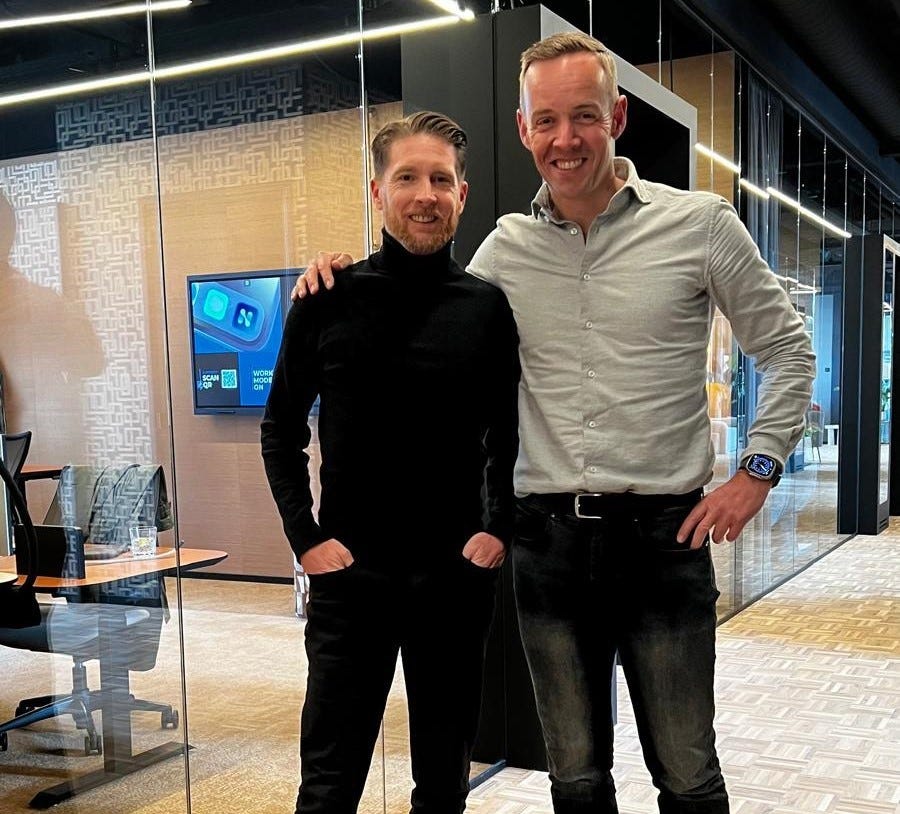
Brave Ideas Season 15, Episode 5This episode is made possible by ReturnSuite:”Complex Cash Flow Modeling Simplified.”📺 Watch the full episode EXCLUSIVELY on BraveIdeas.media (incl. behind the scenes)Should Offices Transact Like Hotels?What if office space was sold like hotel rooms, priced by the hour, dynamically re-skinned for each occupant, and managed by tech that plays Tetris with demand?Rogier Braakman believes that is the future.In this episode, Brave Corp CEO Caleb Parker travelled to Amsterdam to tour Mr. Green and chat with their Chief Exec, Rogier Braakman, who breaks down Mr Green’s “properator” strategy—owning and operating buildings—plus the NetOS platform that lets companies share the same SqFt on different days, boosting NOI while slashing wasted space.🎧 To listen as a podcast FOR FREE,follow Brave Ideas on Apple, Spotify, or wherever you listen.Episode Highlights* 00:00 - Caleb & Sam episode intro* 03:15 - Rogier’s hospitality roots (Ritz-Carlton, Pillows Hotels) and the empty-office “aha” moment* 10:45 - Why utilization, not rent roll, is the only truly green metric* 18:20 - Pay-for-time pricing replaces SqFt leases — “No use, no pay”* 25:40 - Defining a properator (prop-co + op-co under one roof)* 32:10 - Inside NetOS: the tech stack that swaps brand identities and books space automatically* 41:05 - Building a “super flex” lung floor landlords can lease to multiple corporates on alternating days* 47:50 - How sharing drives a 2-3× revenue uplift even in down-cyclesKey Topics:* Empty desks are the real carbon sin. A fully utilised office is the only sustainable one, so pricing must follow actual occupancy, not fixed leases.* Time-based memberships beat long-term leases. Companies choose the exact days they need and pay only for the hours used.* Properator power. By owning buildings and operating them through NetOS, Mr Green captures both real-estate upside and hospitality margin in one structure.* Landlord win-win. Hand back under-used floors, let NetOS resell them on a super flex basis, and watch yield per SqFt rise.* Super Flex DNA. Think electric-vehicle equivalent for offices: lower base cost, higher performance, and a lighter environmental footprint.Why You Should WatchOffice vacancy is your biggest risk. Rogier Braakman reveals, with numbers and live examples, how time based pricing, owner operator alignment, and smart utilisation tech can turn dark desks into a revenue engine—essential viewing for anyone who signs, sells, or services office deals.CONNECT* Connect with Rogier Braakman* Visit Mr. Green’s website* Inquire about Net OS* Connect with Caleb Parker* Learn about ReturnSuiteFor behind the scenes, visit:https://www.braveideas.media/p/will-this-super-flex-model-make-empty?r=d1yie&utm_campaign=post&utm_medium=web&showWelcomeOnShare=false💡 This episode is part of Brave Ideas Season 15, exploring brave ideas shaping the future of office real estate, Space-as-a-Service, and workplace experience.Join the ConversationWhat would super flex mean for your portfolio or team culture? Drop a comment below, share the audio with a landlord who still loves ten-year leases, and subscribe so you never miss a #PlusNotVersus insight. Get full access to Brave Ideas at www.braveideas.media/subscribe
📺 Watch the full episode EXCLUSIVELY on BraveIdeas.mediaThis episode is made possible by ReturnSuite:”Complex Cash Flow Modeling Simplified.”Why Hospitality Matters More Than EverMelissa Ansley has seen the flex office market evolve from every angle:Operator, Advisor, and now as Head of Flex Solutions & Partnerships for JLL across EMEA.In this episode, Melissa joins Brave Corp CEO Caleb Parker and ReturnSuite Cofounder, Sam Gamble, in person from MIPIM in Cannes to discuss what today’s customers really want from office space, why hospitality matters more than ever, and how flex is changing landlord strategies.Key Topics:* Why more occupiers are shifting from traditional leases to managed solutions* The growing demand for hospitality-infused, amenity-rich experiences* How to match the right operator brand to the right building* What landlords need to know about spec suites and short-form leases* The role of flex in creating leasing velocity and tenant stickinessWhy You Should WatchWhether you're a landlord, operator, broker, or investor, this episode is full of practical insights and behind-the-scenes intel from one of the industry’s most respected flex advisors.CONNECT* Connect with Melissa Ansley* Visit JLL’s website* Connect with Sam Gamble* Learn more about ReturnSuite* Connect with Caleb ParkerFor behind the scenes, visit:https://open.substack.com/pub/bravecorpideas/p/what-flex-office-customers-really?r=d1yie&utm_campaign=post&utm_medium=web&showWelcomeOnShare=true 💡 This episode is part of Brave Ideas Season 15, exploring brave ideas shaping the future of office real estate, coworking, and workplace experience.👉 Don’t forget to subscribe, like, and drop a comment with your take on Sam's ideas for modeling risk in operational real estate. Get full access to Brave Ideas at www.braveideas.media/subscribe
📺 Watch the full episode EXCLUSIVELY on BraveIdeas.mediaTurning volatility into strategy in office real estate with Sam Gamble, CoFounder of Return SuiteThis episode is made possible by ReturnSuite:”Complex Cash Flow Modeling Simplified.”Maybe this was the only "Monte Carlo" chat at MIPIM...How do you model risk when your revenue isn’t fixed,and your building no longer fits traditional valuation models?In this data-rich episode, Sam Gamble, CoFounder of ReturnSuite, joins Brave Corp CEO Caleb Parker live from Cannes, France to unpack why the future of office investing needs a whole new underwriting playbook.As flexible workspace, hybrid leases, and service-led operations reshape how buildings generate income, the old ways of modeling risk just don’t cut it. Sam explains how ReturnSuite’s probabilistic forecasting tools — including Monte Carlo simulations — can help owners, investors, and operators make smarter decisions, even in uncertain markets.They also reflect on what they heard (and didn’t hear) at MIPIM, and how the capital stack needs to evolve to support operational real estate.Key Topics:* Modeling volatility in office with Monte Carlo simulations* Why traditional underwriting no longer fits flex models* Replacing static assumptions with dynamic forecasts* Structuring leases to align incentives and reduce risk* Building investor confidence in operational incomeWho should watch:Landlords, developers, asset managers, investment analysts, brokers, flex operators, capital partners, and anyone rethinking how to underwrite, fund, or scale flexible office models.CONNECT* Connect with Sam Gamble* Learn more about ReturnSuite* Connect with Caleb Parker* Subscribe to the Brave Ideas NewsletterFor behind the scenes, visit https://open.substack.com/pub/bravecorpideas/p/how-to-model-office-risk-when-income?r=d1yie&utm_campaign=post&utm_medium=web&showWelcomeOnShare=true💡 This episode is part of Brave Ideas Season 15, exploring brave ideas shaping the future of office real estate, coworking, and workplace experience.👉 Don’t forget to subscribe, like, and drop a comment with your take on Sam's ideas for modeling risk in operational real estate. Get full access to Brave Ideas at www.braveideas.media/subscribe
📺 Watch the full episode EXCLUSIVELY on BraveIdeas.mediaFeaturing CoFounder & CIO, Joaquin Castellvi Lopez, on scaling OpRE strategies across Europe’s office marketsThis episode is made possible by ReturnSuite:”Complex Cash Flow Modeling Simplified.”What happens when you apply a logistics-and-hospitality operating playbook to offices?In this episode, Joaquin Castellvi Lopez, CoFounder & CIO of Stoneweg, Brave Corp CEO Caleb Parker and ReturnSuite Cofounder, Sam Gamble, live from MIPIM in Cannes to unpack Stoneweg’s headline-making takeover of Cromwell’s €3.9 B European platform and how an OpRE framework drives a £2B office portfolio buy.Read the deal announcement before you press play.Key Topics* Platform Acceleration: How Stoneweg absorbed Cromwell’s €3.9 billion European platform to reach ~€8 billion AUM overnight* Office as Experience: Stoneweg believes offices should live in “urban mixed-use, highly amenitized districts,” where workspace is “integrated into a full experience,” not treated as an island* Hospitality-Infused Offices: Leveraging hospitality and flex-living expertise—partnering with best-in-class operators and internal teams—to layer amenity-driven service bundles onto traditional leases* Leasing Flexibility: They’re layering mid-term leases, short-term flex and hospitality-inspired services on top of long-term covenants to create a hybrid income profile* District-Level Strategy: Their underwrite starts at the micro-market or district level, ensuring each asset fits into a broader ecosystem of retail, residential and leisure* Mixed-Use Districts: Focusing on how each office integrates into a 15–25 acre urban community—retail, residential and leisure synergies that attract the right customers* Asset Prioritization Roadmap: Zeroing in over the next 18 months on which properties need “smart capex” today, before scouting new acquisitions* Smart CapEx Discipline: Instead of “fancy lobbies or underutilized art pieces,” capex is focused on targeted amenities—wellness rooms, collaborative spaces, food & beverage activations and community programming—with a disciplined ROI lens* Long-Term Outperformance Thesis: Stoneweg’s conviction that OpRE-driven, district-scale offices will outperform European markets over timeWho Should ListenLandlords, institutional investors, operators, brokers and PropTech founders seeking to:* Underwrite offices with both base-rent and service-stream revenue models* Reposition assets using a proven OpRE playbook* Leverage mixed-use masterplans for higher yield, footfall and customer stickiness* Connect with Joaquin on LinkedIn* Learn more about Stoneweg* Connect with Sam Gamble* Learn more about ReturnSuite Get full access to Brave Ideas at www.braveideas.media/subscribe
Season 15 of Brave Ideas is hereAnd this time, we’re going deeper into the operational future of office real estate.📺 Watch the full episode EXCLUSIVELY on www.BraveIdeas.mediaOffice real estate is changing. Are you evolving to keep up?In this trailer episode, Host Caleb Parker previews what’s coming this season: the people, the ideas, and the investment strategies reshaping how office assets are being repositioned, operated, and valued.”Complex Cash Flow Modeling Simplified.”This Season is made possible by ReturnSuite.🎧 Brave Ideas Season 15 was recorded onsite in Cannes, France… London, England…and Amsterdam, Netherlands AND in the virtual studio to travel to Copenhagen, Denmark…as well as NYC & Boston, USA, and features special co-host, Sam Gamble.This season, we’re diving into:* Hospitality-led repositioning strategies* Utilization-based pricing and membership models* How capital markets are adapting to operational real estate* Flex space underwriting and financial modeling* Landlord-operator partnership structuresGuests this season include:* Bedeir Rizk (Paragon Developments)* Joaquín Castellví López (Stoneweg)* Melissa Ansley (JLL)* Sam Gamble (ReturnSuite)* Amy Taylor (Cushman & Wakefield)* Jonathan Bevan (Techspace)* Rogier Braakman (Mr. Green Offices)* Andy Igoe (JLL)* Bryan Koop (BXP)* Carl-Johan Collet (Urban Land Institute)If you're a landlord, fund manager, operator, investor, developer, or workplace strategist — this season is for you.📺 Watch full episodes EXCLUSIVELY on BraveIdeas.media🎧 To listen as a podcast, follow on Apple, Spotify, or wherever you listen.BEHIND THE SCENES SNAPSLet’s build the future of work, together! Get full access to Brave Ideas at www.braveideas.media/subscribe
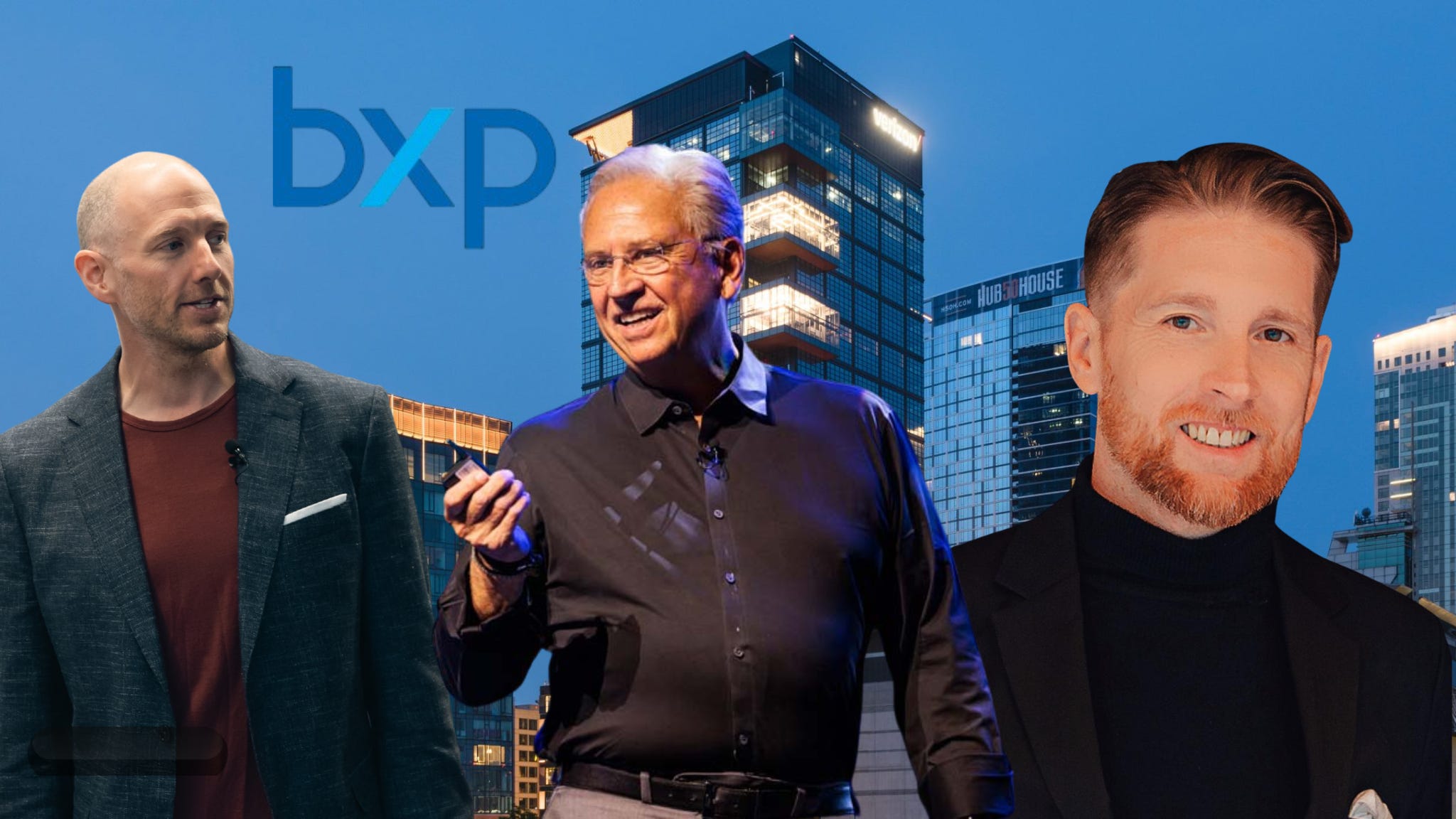
Brave Ideas Season 15, Episode 9📺 Watch the full episode EXCLUSIVELY on BraveIdeas.media (incl. behind the scenes)This episode is made possible by ReturnSuite:”Complex Cash Flow Modeling Simplified.”BXP (formerly Boston Properties) is the largest publicly traded developer, owner, and manager of premier workplaces in the United StatesFuture-proofing premium offices with flex and clustersIn this episode, Brave Corp CEO, Caleb Parker, and ReturnSuite Cofounder, Sam Gamble tee up a deep dive in the Brave Ideas Virtual Studio with Bryan Koop, EVP of BXP in Boston, Massachusetts (USA).We unpack how BXP defines “premium” around client performance and productivity, why concentrated cluster ownership outperforms one-off assets, and how in-building flex footprints de-risk churn, smooth demand, and protect NOI.Koop shares what footprint size is allocated to flex inside their 1–2M SqFt assets, why secure IT and modular walls matter for spec suites, and how percentage-rent structures with F&B operators align incentives.We close with how BXP secured a 70% pre-let in Washington, DC, delivering a redevelopment built almost from scratch to modern specs, their building wide club strategy that removes friction for customers, and a pragmatic take on sustainability that favours measurable execution over slogans.What You’ll Learn in This Episode* How to evaluate “premium” beyond finishes, focus on productivity, service, and flexibility that customers will pay for* Why cluster strategy lifts occupancy and pricing power; move customers inside the ecosystem with less friction* How to right-size and operate flex inside major assets, including spec-suite design, IT security, and modularity* How percentage-rent deals work for restaurants, and when similar logic can apply to flex footprints* How BXP approached a 70 percent pre-let repositioning in DC to deliver light, height, and healthier systemsKey Takeaways for Operators* Design spec suites for instant move-in, enterprise-grade connectivity, and quick reconfiguration with modular walls* Use in-building flex as lead generation and a bridge during build-outs; incubate growth and retain customers* Deploy building-wide clubs and meeting suites to lift experience, reduce friction, and support customer successKey Takeaways for Real Estate Investors* Underwrite flex as a core layer that absorbs volatility; 30–40K SqFt per 1–2M SqFt asset can defend NOI* Favour clusters; concentrated ownership enables placemaking, amenity sharing, and easier internal migrations* Expect hybrid income; percentage-rent and management-style structures require auditable breakpoints and clear covenants* Back modern specs; higher ceilings, light, and healthy systems can outperform even in supply-heavy marketsCONNECT* Connect with Bryan Koop* Visit the BXP website* Learn about BXP University* Connect with Caleb Parker* Connect with Sam Gamble* Learn about ReturnSuite💡 This episode is part of Brave Ideas Season 15, exploring brave ideas shaping the future of office real estate, Space-as-a-Service, and workplace experience.Join the Conversation🎧 Listen now and see how BXP’s cluster strategy, in-building flex at 30–40K SqFt per 1–2M SqFt asset, and percentage-rent F&B can protect NOI and elevate the premium office playbook; then drop a comment with your favourite soundbite. #PlusNotVersus Get full access to Brave Ideas at www.braveideas.media/subscribe

Comments

Download from Google Play

Download from App Store
 United States