


 Claim Ownership
Building your Brand
Subscribed: 74Played: 2,383
Subscribe

© Liz Mosley
Description
Graphic Designer Liz Mosley wants all you small business owners to build businesses that you LOVE and feel confident about promoting. Through her decade of branding and design experience and with the help of her guests, she shares top tips to take the fear out of selling and building your brand.
Produced by: Lucy Lucraft (Instagram @lucylucraft)
Cover illustration: Matt Joyce (Instagram @mattjoyce_illustrator)
Produced by: Lucy Lucraft (Instagram @lucylucraft)
Cover illustration: Matt Joyce (Instagram @mattjoyce_illustrator)
243 Episodes
Reverse

Over the last few years I have been lucky enough to speak at some incredible events including Adobe MAX London (in front of 750 people and Adobe MAX LA. This year I am speaking at Atomicon and OMR Festival in Hamburg. In this episode I share how I prepare for the talks I give. Every talk is different but with the help of public speaking coach Charlotte Lewis who I have previously interviewed on the podcast I have managed to come up with a process that works well for me. If you have done any public speaking I would love to hear your experience, and if there is anything else you would like to know from my experience let me know and I will try include it in a future episode! Episode Highlights 00:39 – My public speaking experience 02:50 – Prepping my talk without writing a script 04:26– Adjusting my talk based on the vibe in the room 06:48 – How the talk is structured 09:09 – Putting the slides together 10:57 – Practicing the talk 15:33 – Considering your audience and what they need Mentioned in the Episode My podcast episode with Charlotte Lewis - https://buildingyourbrand.net/episode/charlotte-lewis/ The Atomicon Conference - https://atomic.site/?aap=617 (affiliate link) I would love to hear what you think of this episode, so please do let me know on Instagram where I'm @lizmmosley or @buildingyourbrandpodcast and I hope you enjoy the episode! This episode was written, recorded and produced by me If you like to watch your podcasts you can watch all of my solo episodes including this one on YouTube. If you enjoyed this episode please leave a 5* rating and review!

Today on the podcast, I've invited two of my closest friends, Hannah Isted and Lois Seco, to chat about another vulnerable topic: dealing with professional jealousy. Last time we spoke, we tackled our fear of success, and this time we are diving into the messy feelings of comparison and envy. I am sure everyone has experienced professional jealousy at some point, and honestly, I feel it pretty regularly. In this episode, we chat about how to extract useful information from your jealousy, why taking action is the best antidote to comparison, and the danger of letting the social media algorithm dictate your self-worth. This is the perfect episode for you if you've ever experienced jealousy (which, let's face it, is most of us!) This episode is sponsored by SilverStag Type Foundry. If you're a designer looking for a typeface that really elevates your brand, SilverStag is a brilliant place to start. It's a one-person type studio creating carefully crafted fonts with multiple weights, alternates, and ligatures; all designed to help brands stand out. Head to lizmosley.net/SLTF and use the code LIZxSLTF for 20% off. Key Takeaways: Jealousy is information: Jealousy often gives you information about what you actually want. However, sometimes you might realise you don't even want the specific thing someone else has; you are actually just jealous of the confidence with which they are showing up. Take action to shift the energy: Hannah shares how she felt jealous seeing videos of groups of girls hanging out, so she took action and started her own group, which now has around 200 people. Taking action is a great way to stop yourself from sitting and stewing in jealousy. The algorithm feeds comparison: Lois discusses how planning her "Creative Kin" events caused the algorithm to feed her content from everyone else doing similar things, which immediately made her feel like her own event wasn't good enough. It is important to remember that the algorithm doesn't know what is actually helpful for your mental health. A rising tide lifts all boats: Having successful people around you—even if you feel a pang of jealousy—is a good thing. If you choose to cheer your friends on, their success often opens doors for you and helps lift everyone up. You don't know the whole story: It is so easy to be jealous of someone's end result without realising the sacrifices, late nights, and completely different circumstances that got them there. We often quickly create our own stories around how someone's success came about, which aren't always true. Episode Highlights: 02:00 – Recapping the last episode on the fear of success and introducing today's topic of professional jealousy. 04:00 – Liz's revelation: sometimes you aren't jealous of the thing, you are just jealous of the confidence. 11:00 – Hannah explains how taking action shifts the energy of jealousy, using her 200-person friendship group as an example. 15:00 – Lois talks about how the algorithm fed her comparison when she started her Creative Kin workshops. 30:00 – Dealing with competitive feelings and reframing them so you can genuinely cheer other people on. 40:00 – Remembering that you rarely see the full story behind someone else's success on social media. 45:00 – Lois breaks down the psychological difference between jealousy and envy. About The Guests: Hannah Isted runs HiCommunications and is the author of The Best 90 Days Ever, a book that teaches business owners how to promote what they do in 10 minutes a day. She also runs a membership by the same name; sign up here (aff link) You can find her on Instagram at @hicommunications Lois Seco is a contemporary abstract artist and the host of the Creative Kin workshops in South Wales. You can find her on Instagram at @loisseco Mentioned in this episode: Silver Stag Type Foundry: Get 20% off beautiful, versatile typefaces using the code LizXSLTF at lizmosley.net/sltf Episode 178: Help, I'm Succeeding! (And Other Rational Fears) with Hannah Isted & Lois Seco I would love to hear what you think of this episode, so please do let me know on Instagram where I'm @lizmmosley or @buildingyourbrandpodcast and I hope you enjoy the episode! This episode was written and recorded by me and produced by Lucy Lucraft lucylucraft.co.uk If you enjoyed this episode please leave a 5* rating and review!

In this solo episode, (recorded in my hotel room in London!) I'm sharing three memberships I'm currently part of and genuinely love; and why I think memberships can be such a powerful way to build community as a freelancer or small business owner. When you run your own business, it can often feel like the people around you don't fully understand what you do. That's why finding spaces where people get it can make such a difference; not just for practical advice, but for encouragement, accountability, and support. I talk through three memberships that have supported me in different ways, from helping me stay consistent with marketing, to finding community, to navigating the realities of running a business alongside family life. If you've been craving more connection or support in your business, this episode will give you a few great places to start. Key Takeaways Surrounding yourself with people who truly understand your work changes everything. When you're in the right community, you feel supported, encouraged, and far less alone in your business. Simplifying your marketing makes consistency possible. When the actions feel manageable, you're far more likely to show up; and those small, regular efforts add up over time. Visibility matters most when you feel busiest. Staying consistent, even in small ways, helps you break out of the feast-or-famine cycle and build long-term stability. The rooms you put yourself in shape the opportunities you receive. When you're connected to the right people, referrals, collaborations, and clients tend to follow naturally. Your business becomes more sustainable when your support fits your life. The right community will meet you where you are; whether you're growing, freelancing, or balancing work alongside family life. Episode Highlights 00:20 – Why memberships matter as a freelancer or business owner 01:27 – "The Best 90 Days Ever" & 10-minute marketing 06:43 – Being Freelance membership & community support 08:04 – Doing It For The Kids membership & balancing business with family 10:28 – Final thoughts & how to find the right community Mentioned in the Episode The Best 90 Days Ever (Aff link) https://april-2026-the-best-90-days-ever.teachery.co/90-day-membership?a=pjaDmq4T Being Freelance https://www.beingfreelance.com/ Doing It For The Kids https://doingitforthekids.net I would love to hear what you think of this episode, so please do let me know on Instagram where I'm @lizmmosley or @buildingyourbrandpodcast and I hope you enjoy the episode! This episode was written, recorded and produced by me If you like to watch your podcasts you can watch all of my solo episodes including this one on YouTube. If you enjoyed this episode please leave a 5* rating and review!
Today on the podcast, I am chatting about such an important topic: inclusivity and accessibility within branding. I'm joined by my friend and fellow designer Melin Edomwonyi to dig into what this actually looks like in practice which is a lot deeper than I realised. We cover so many different aspects of inclusivity and accessibility, from the colours we choose to how we format our emails. I feel like some of these topics could be a whole episode by themselves! The biggest reminder from this conversation is that we are never going to get this stuff perfect 100% of the time. It'a about curiosity and a willingness to learn and make improvements bit by bit and Melin shares some SUPER practical tips you can implement straight away to make your brand more accessible. This episode is sponsored by SilverStag Type Foundry. If you're a designer looking for a typeface that really elevates your brand, SilverStag is a brilliant place to start. It's a one-person type studio creating carefully crafted fonts with multiple weights, alternates, and ligatures; all designed to help brands stand out. Head to lizmosley.net/SLTF and use the code LIZxSLTF for 20% off. Key Takeaways: Inclusivity is more than just imagery: While showing a diverse range of people in your photography is important, inclusive branding also covers typography, colour contrast, accessibility, and your tone of voice. The problem with the "Beige Aesthetic": We discuss the trend of "aesthetic" design (often beige, low contrast, tiny text) and how, while it might look "luxury", it often excludes people with visual impairments and makes your content hard to consume. Don't make your audience work for it: If your text is hard to read (e.g. centre-aligned body copy), people will simply switch off. Accessibility isn't just a legal or moral requirement; it's smart business. If people can't read your offer, they can't buy it. Context matters for content: We chat about the accessibility of long-form captions on platforms like Instagram versus platforms designed for reading like Substack or LinkedIn. Providing a summary (TL;DR) is a great way to be inclusive of different neurotypes and time constraints. Designing for the "drunk user": Melin shares a fascinating UX perspective—if your website is usable by someone who is distracted, tired, or even "under the influence", it is likely accessible to everyone. Episode Highlights: 03:30 – What does inclusive branding actually mean? (Hint: It's not just about photos). 10:00 – The frustration with the "Instagram Aesthetic" and why form should not win over function. 14:00 – A plea to stop centre-aligning your newsletter body copy! 17:00 – Accessibility in copywriting: Why wall-of-text captions can be a barrier for neurodivergent audiences. 25:00 – Testing your website for different scenarios (including the "drunk test"). 27:00 – Tools and resources to help you check your colour contrast. About The Guest: Melin Edomwonyi is a designer and the Co-founder and UX Director of Seedable Studio, a digital agency that validates, designs, and builds digital products. With over 20 years of experience, she is passionate about building inclusive and sustainable products and helping founders bring brilliant ideas to life. You can find Melin on Instagram @melin_edo or visit Seedable Studio Mentioned in this episode: SilverTag Type (Discount link/Sponsor) Color Palette Studio: The Instagram account mentioned that fixes low-contrast colour palettes Coolors / Adobe Color: Tools recommended for checking contrast. I would love to hear what you think of this episode, so please do let me know on Instagram where I'm @lizmmosley or @buildingyourbrandpodcast and I hope you enjoy the episode! This episode was written and recorded by me and produced by Lucy Lucraft lucylucraft.co.uk If you enjoyed this episode please leave a 5* rating and review!
In this solo episode, I'm sharing a transparent look at the different income streams in my business right now. Over the years my work has grown beyond just branding and design clients, and today my income comes from a mix of things; including client work, brand sponsorships, affiliate income, public speaking, teaching, and digital products. Recently Katie Chappell was talking on her instagram about how she actually feels more secure being self-employed than working a traditional job, and it made me reflect on how having multiple income streams has created that same sense of security for me. In this episode I walk through each income stream, explain how they developed over time, and share why I personally enjoy having variety in my business. If you're self-employed, freelancing, or building a creative business, this episode might give you some ideas for how your income could evolve over time. Key Takeaways Multiple income streams can create stability in an unpredictable job market. When one area slows down, another can often grow; giving you more flexibility and resilience as a business owner. Your business model should match your personality. Some people thrive by focusing on one thing. Others enjoy variety and creativity across multiple streams. Opportunities often grow naturally from the work you're already doing. Affiliate income, sponsorships, speaking and teaching often develop organically once your platform grows. Not every opportunity needs to be purely financial. Speaking, teaching, and collaborations can create visibility, relationships, and future opportunities. You can evolve your income streams over time. What starts as "pocket change" or a small side income can become something meaningful as your audience and business grow. Episode Highlights 00:00 – Why I'm sharing my current income streams 02:30 – Branding and design client work 03:15 – Brand sponsorships and partnerships 04:20 – Affiliate income and passive earnings 07:00 – Public speaking, workshops, and products Mentioned in the Episode Rich Webster Episode https://buildingyourbrand.net/episode/build-your-brand-by-working-less-with-rich-webster/ The Best 90 Days Ever Membership (Aff link) https://www.hicommunications.co.uk/best90daysever ATOMICON - Marketing Conference (Aff link) https://atomic.site/atomicon/ Flodesk - Email Marketing (Aff link) www.flodesk.com/c/WAHXHX Katie Chappell - https://www.instagram.com/katiedraws/ Designer Boss Summit https://designerboss.co/ Adobe Express (Aff link) https://www.adobe.com/express/pricing?clickref=1011lAx7g2et&mv=affiliate&mv2=pz&as_camptype=&as_channel=affiliate&as_source=partnerize&as_campaign=lizmmosley The Lucky Ones Mentorship https://annadower.com/the-lucky-ones/ The Sticker Chart https://www.lizmosley.net/rejection-sticker-chart Get Your GIF On Course https://www.lizmosley.net/get-your-gif-on Lets Get Rejected Challenge https://lizmosley.thrivecart.com/lets-get-rejected/ I would love to hear what you think of this episode, so please do let me know on Instagram where I'm @lizmmosley or @buildingyourbrandpodcast and I hope you enjoy the episode! This episode was written, recorded and produced by me If you like to watch your podcasts you can watch all of my solo episodes including this one on YouTube. If you enjoyed this episode please leave a 5* rating and review!

This episode was recorded live at my first ever Building Your Brand live podcast event. Before my conversation with Gavin Strange, I sat down with one of the most frequent guests on the podcast and my number one business bestie; Hannah Isted. Hannah is the founder of HI Communications and author of The Best 90 Days Ever. In this short but powerful conversation we talk about the idea of "Big Fish Energy"; a mindset that has helped both of us go after bigger opportunities in our businesses. We discuss how the concept started as a voice note between friends, how Hannah experimented with embracing "big fish energy" for a whole year, and the surprising opportunities that followed; including speaking on bigger stages and pitching more confidently. Hannah also shares a refreshing perspective on growth: sometimes the most powerful move isn't chasing the next shiny opportunity, but focusing deeply on the things you already have. Key Takeaways When you start asking "what would a big fish do?" your decisions change. When you approach opportunities with confidence and intention, you begin showing up differently and people respond to that energy. If you treat your business like a serious business, it will start to grow like one. Small foundational changes; systems, structure, and organisation, can unlock much bigger results. If you allow yourself to experiment, opportunities will appear. Hannah treated a whole year as an experiment in being bolder, and it led to speaking opportunities and career growth she hadn't expected. Stop comparing yourself to others; you can define success on your own terms. "Big fish energy" isn't about competing with others, it's about deciding what growth looks like for you. If you focus on strengthening what already works, your business becomes more sustainable. Sometimes the biggest move isn't chasing the next opportunity; it's investing in the foundations you already have. Episode Highlights 00:00 – Introduction to the live podcast event and Hannah's segment 01:36 – Meet Hannah Isted and the idea behind "Big Fish Energy" 03:00 – How adopting a "big fish" mindset changed opportunities 07:25 – Comparison, confidence and recognising your own achievements 10:00 – Why Hannah's next "big fish move" is focusing on what already works Event Sponsors Matt Joyce https://matt-joyce.com/ Studio Cotton https://studiocotton.co.uk/ Adobe Express https://adobe.com/express (Aff link) I would love to hear what you think of this episode, so please do let me know on Instagram where I'm @lizmmosley or @buildingyourbrandpodcast and I hope you enjoy the episode! This episode was recorded live by Kingsbane Studios and it was written and produced by me If you like to watch your podcasts you can watch all of my solo episodes including this one on YouTube. If you enjoyed this episode please leave a 5* rating and review!

Last week, I hosted my first ever live podcast event; recording two episodes in front of a real audience. In this solo episode and debrief, I'm breaking down everything that went into it: from finding the right guest and venue, to selling tickets, securing sponsors, managing logistics, and handling the emotional pressure of hosting something entirely on my own. I share the real numbers, the fears I had (including "what if no one shows up?"), the lessons I learned about marketing, and why I'm already planning the next one; this time in London. If you're building a brand and wondering what your "next level" looks like, this might just spark something. Key Takeaways Your next level will feel uncomfortable;that's the point. Growth often looks like responsibility. Hosting the event wasn't scary because of the interview; it was scary because it rested fully on you. Give yourself more time than you think you need. Pushing the event back meant it wasn't rushed; and that made all the difference. You probably need to market 10% more than feels comfortable. Consistent promotion works; but you can almost always talk about it more. Don't rush past your wins. Big milestones deserve to be absorbed. Pride isn't arrogance; it's acknowledgement. Episode Highlights 00:10 – Why I hosted my first live podcast event (and how it felt) 02:27 – Planning timeline, choosing the guest & pushing the date back 05:15 – Ticket sales, pricing, attendance numbers & marketing 08:22 – Behind the scenes: team, venue, tech & goodie bags 11:07 – Guest impact, sponsors (including Adobe Express) & what's next (London event) Mentioned in the episode: Adobe MAX Gavin Strange Episode Aardman Animations Hannah Isted Kingsbane Studios Cardiff Event Sponsors Matt Joyce https://matt-joyce.com/ Studio Cotton https://studiocotton.co.uk/ Adobe Express https://adobe.com/express (Aff link) I would love to hear what you think of this episode, so please do let me know on Instagram where I'm @lizmmosley or @buildingyourbrandpodcast and I hope you enjoy the episode! This episode was written, recorded and produced by me If you like to watch your podcasts you can watch all of my solo episodes including this one on YouTube. If you enjoyed this episode please leave a 5* rating and review!

In this special live recording, my first ever, I'm joined by director, designer and relentless maker Gavin Strange (Director at Aardman Animations and creator of Jam Factory) for a joyful, honest and deeply inspiring conversation about creativity, consistency and carving out your own path. From building a 25-year personal project alongside a full-time creative career, to teaching himself electronics to build a life-sized virtual pinball machine, Gavin shares what it really looks like to stay creatively alive over decades; not just seasons. We talk about stop-frame animation, side projects, public speaking, learning in public, raising creative kids, and why it's not your employer's job to make you creatively fulfilled. If you've ever felt like you're "not the naturally talented one," or you're waiting for permission to start; this episode will give you the nudge you need. Key Takeaways If you don't get the opportunity; build your own version of it. When the door doesn't open, make something anyway. If you practise the thing before you're chosen for it, you'll already be ready when the moment comes. When you treat your side projects like a playground, you'll grow without fear. When you create a space where you can experiment, break things and try again, you remove the pressure; and that's where real growth happens. Repeating the work, builds strength. Creativity isn't about waiting for a breakthrough. It's about repetition. Do the work over and over; and one day you'll look back and realise you've built creative muscle you didn't know you had. When you take responsibility for your own creative fulfilment, you stop waiting. It's not your job, your clients or your industry's responsibility to keep you inspired. When you own your growth, you unlock momentum. If you protect your creativity with rhythm and routine, it will flourish. Even two hours in the evening, consistently, can change everything. Creative energy doesn't need endless time; it needs intention. When you stay curious, you stay alive. Falling down rabbit holes, learning new tools, trying something "unnecessary" is not distraction; that's how you stay creatively awake. Episode Timestamps 03:48 – Live recording begins & Gavin's creative journey (Aardman + 25 years of Jam Factory) 08:41 – How stop-motion animation actually works (pre-production to post) 14:33 – Getting bored, long projects & taking responsibility for your creativity 17:54 – The origin of Jam Factory & learning in public 25:53 – Building a life-sized virtual pinball machine (and why side projects matter) 31:04 – Balancing creativity, family life & routine 36:20 – Public speaking, fear & putting yourself forward 44:43 – Generative AI, creative fear & what still excites him about animation Mentioned in the Episode Wallace & Gromit: The Curse of the Were-Rabbit Chicken Run Strange Kids Toys (creative project Gavin has with his son) OFFF Festival (creative conference mentioned) Signalnoise (James White) About the Guest Gavin Strange is an award-winning Director and Designer for the UK's beloved creative studio Aardman. Working there for over seventeen years, Gavin's creative output ranges from title sequences to channel idents, short films to Christmas ads and everything in-between. His work is diverse in nature but all held together of a common thread of fun and high energy. By night he goes under the alias of 'Jamfactory', indulging in all manner of passion projects, from filmmaking to illustration, pinball to photography. He even puts out wonky music under the (other) alias of 'Project Toy'. Event Sponsors Matt Joyce https://matt-joyce.com/ Studio Cotton https://studiocotton.co.uk/ Adobe Express https://adobe.com/express (Aff link) -------------------------------------------------------------------------------------------- I would love to hear what you think of this episode, so please do let me know on Instagram where I'm @lizmmosley or @buildingyourbrandpodcast and I hope you enjoy the episode! This episode was written and edited by me and recorded live at Cornerstone in Cardiff with Kingsbane Studio If you like to watch your podcasts you can watch this and all of my solo episodes YouTube. If you enjoyed this episode please leave a 5* rating and review!

In this episode of The Building your Brand podcast I share three simple ways I'm becoming more productive in my business; without slipping into toxic hustle culture. As a creative business owner juggling multiple roles, I have been experimenting with practical systems that reduce friction, minimise distractions, and save time. From using a physical app-blocking device to batch-creating content and building a master business dashboard, these small changes are making a big difference. If you're spinning lots of plates in your business and want realistic, sustainable ways to create more focus and breathing room; this episode is for you. Key Takeaways Add Physical Friction to Reduce Digital Distraction Using a physical app-blocking device (instead of just software) makes it harder to mindlessly scroll. The added friction breaks the muscle memory of picking up your phone — while still allowing intentional check-ins. Batch by Stage, Not Just by Task Instead of creating one episode at a time from start to finish, Liz batches the stages of production — recording multiple episodes in one session, editing in another, and scheduling in another. The same method works for content creation (like writing carousel posts in bulk). Build a "Master Business Hub" Creating a central board for affiliate links, brand assets, workflows, and processes saves time and reduces back-and-forth. It empowers collaborators and prevents unnecessary delays. Productivity Should Support, Not Consume, Your Life This isn't about constant optimisation. It's about creating systems that support your energy, focus, and sustainability as a business owner. Episode Highlights 00:20 – Introduction: Productivity (without toxic hustle culture) 00:59 – The Padlock App & reducing social media distraction 04:20 – Batching podcast episodes & content creation 05:31 – Writing 25+ carousel posts in one session 06:39 – Creating a Master Business Trello Board 09:10 – Invitation to share your productivity hacks Mentioned in the episode Padlock App – A physical app-blocking device that locks selected apps until you tap your phone against it. https://padlock-app.com/ Use code: LIZ (Affiliate link: 30% discount code) Trello – https://trello.com Project management tool used to create a master business board. Adobe Express – https://www.adobe.com/express/. (Aff Link) Used for brand kits and shared design assets. Adobe Premiere Pro – https://www.adobe.com/products/premiere.html Used to batch edit podcast episodes on a single timeline. I would love to hear what you think of this episode and if there's anything you use in your business to help with productivity, so please do let me know on Instagram where I'm @lizmmosley or @buildingyourbrandpodcast and I hope you enjoy the episode! If you like to watch your podcasts you can watch all of my solo episodes including this one on YouTube. If you enjoyed this episode please leave a 5* rating and review!

Today on the podcast, I am chatting to my friend and voicenote partner in crime Nikki McWilliams. I always find it interesting when people run multiple different brands, and I love to hear how they manage it, how they do it all, and how it all fits together. Nikki not only has a solid personal brand, but she also runs two distinct online shops: one selling her famous biscuit-inspired homewares and another dedicated to stationery. In this episode, we delve into how she keeps it all clear in her head, how she juggles the workload, and how she maintains consistency across different businesses. We also discuss the massive shift in social media marketing—from the polished "flat lay" era to the rise of "scrappy" reels—and why having multiple "squirrel pots" of income is the key to feeling secure as a self-employed creative. Key Takeaways: The "Squirrel Pot" Strategy: Nikki treats her different businesses and income streams as "squirrel pots." Having multiple streams provides security because when one area (like luxury cushions) ebbs, another (like affordable stationery) might flow Distinct Branding for Distinct Audiences: While both brands sit under her name, Nikki uses different visual vibes and colour palettes to separate them—one is luxury and gift-focused, while the other leans into nostalgia and necessity . Scrappy Content Wins: We discuss the mindset shift required to move away from perfectly polished content. Surprisingly, the posts that take the least time to create (like filming in pyjamas on a phone) often perform the best The Art of the Creative Pitch: Nikki shares a brilliant story about how she won a PR trip on a cruise by pitching with a physical, hand-made passport instead of just a standard email. Agility is a Superpower: As a small business owner, you don't have to stick to a plan if it isn't working. Nikki explains why she is currently leaning more into stickers and stationery because that is what is selling right now. Episode Highlights: 01:00 – The origins of the Biscuit Shop (2010) and the rise of the Nikki Supply Store (2017) via the bullet journaling trend 07:00 – How Nikki balances a personal brand with two product-based businesses 15:00 – Why self-employment can actually feel more secure than a traditional job in the current economy 18:00 – How to pitch to brands and get paid properly for content creation 25:00 – The struggle of pivoting from high-production content to "scrappy" authentic video 37:00 – Nikki's future goals: YouTube monetization and designing a sticker book About The Guest: Nikki McWilliams is a designer and small business owner based in Scotland. She is the founder of Nikki McWilliams, known for her iconic biscuit-themed cushions, and Nikki's Supply Store, a go-to shop for bullet journaling and stationery supplies. You can find her biscuit shop at nikkimcwilliams.com and her stationery shop at nikkisupplystore.com. Follow her on Instagram at @nikkimcwilliams and @nikkisupplystore, or search for Nikki McWilliams Design on YouTube. I would love to hear what you think of this episode, so please do let me know on Instagram where I'm @lizmmosley or @buildingyourbrandpodcast and I hope you enjoy the episode! This episode was written and recorded by me and produced by Lucy Lucraft lucylucraft.co.uk If you enjoyed this episode please leave a 5* rating and review!

Are you building your business from alignment or from pressure? In this episode, I share 7 things I'm not doing in my business; even though the internet says I should. From posting daily and niching down further, to scaling faster and launching constantly, we're unpacking the online "rules" that often lead to burnout instead of sustainability. If you're an entrepreneur, creative, or small business owner feeling overwhelmed by business advice, today's episode will help you rethink growth, visibility, and success on your own terms. I talk about: Why posting every day isn't the only growth strategy The truth about niching down Depth vs scale in business Why constant launching can create pressure The danger of building from fear If you've ever felt behind, not strategic enough, or like you're not doing "enough" then this episode is your permission to pause and choose alignment over algorithms. Key Takeaways Not all "shoulds" are aligned with your vision: Just because something works for someone else doesn't mean it's right for you. Strategy without alignment leads to burnout. Depth can be more powerful than scale: Bigger isn't always better. Building for impact, connection and sustainability may serve you more than chasing numbers. Consistency doesn't have to mean constant: You don't have to post daily, launch quarterly, or pivot with every trend. Intentional visibility can be more powerful than relentless output. Fear shouldn't be your business strategy: Many online "rules" are rooted in fear; fear of irrelevance, slow growth, or being left behind. Building from alignment creates longevity. Episode Highlights 00:00 – Why I'm questioning business "shoulds" 01:35 – Not posting every day 03:10 – Not niching down into something microscopic 05:00 – Choosing depth over scale 06:45 – Stepping off the launch treadmill 08:10 – Not chasing trends 09:30 – Not outsourcing everything (yet) 10:45 – Why I refuse to build from fear 12:00 – Final thoughts: Choosing alignment over noise I would love to hear what you think of this episode, so please do let me know on Instagram where I'm @lizmmosley or @buildingyourbrandpodcast and I hope you enjoy the episode! If you like to watch your podcasts you can watch all of my solo episodes including this one on YouTube. If you enjoyed this episode please leave a 5* rating and review!

Has the fear of being trolled ever impacted how you show up online? It definitely has for me, and sometimes I feel like I can't share all the things that I want to in case I attract hate. Today on the podcast I'm chatting to Rhiannon Louden, who is a brand and wedding photographer, all about an incident where she got trolled and exactly how she handled it. A big facet of this conversation is about values, and I love that it comes back to something that has been chatted about on this podcast so many times before: the importance of your brand values. Rhiannon shares a candid story about a reel featuring a trans wedding that attracted significant hate, and how she navigated that storm while protecting her clients and standing by her beliefs. We touch on personal branding, attracting the right clients, running your business with integrity, and why "going viral" isn't always the dream we think it is. Key Takeaways: Viral isn't always a victory: Rhiannon shares how a reel hitting 5 million views brought a wave of hate rather than just "success". It serves as a reminder that visibility without the right audience can be damaging. Values act as a filter: Being vocal about your values (e.g., trans rights) effectively repels people who don't align with you. While the trolling was difficult, it ultimately solidified her niche and signaled safety to her ideal clients. Client care comes first: When the post blew up with negative comments, Rhiannon's first priority was her couple. She communicated openly with them and gave them the option to delete the post, prioritizing their mental health over the "viral" reach. Have a crisis plan: It is helpful to think about how you would handle trolling before it happens. Having a process—like warning clients or knowing when to turn off comments—can help you stay calm in the moment. Separating your brands: We also discuss Rhiannon's decision to run two separate brands (Rhiannon Neale for weddings/families and Rhiannon Louden for branding) to ensure her messaging stays clear and relevant to each specific audience. Episode Highlights: 02:00 – Rhiannon's journey from journalism to photography and moving to Scotland. 04:00 – The decision to split her business into two distinct brands to clarify her messaging. 06:00 – The story of the viral reel: How a post celebrating a trans wedding attracted millions of views and a storm of hate. 13:00 – Handling the fallout: How Rhiannon communicated with her clients and gave them the power to decide the post's fate. 15:00 – The aftermath: Why repelling bigots is actually a business positive, and how it has led to more aligned inquiries from the LGBTQ+ community. 19:00 – The reality of viral fame: Why we need to stop romanticising the idea of "blowing up" online. About The Guest: Rhiannon Louden is a photographer and brand mentor based in Scotland. She runs two businesses: Rhiannon Neale, focusing on alternative, documentary-style wedding and family photography, and Rhiannon Louden, where she offers personal brand photography and mentorship for female entrepreneurs. She is passionate about diversity, inclusivity, and helping business owners show up authentically. You can find her wedding work at https://rhiannoneale.com/ and her branding work at https://www.rhiannonlouden.co.uk/ Mentioned in this episode: Rhiannon's Viral Post: The reel discussed regarding the trans wedding (though comments are turned off!). I would love to hear what you think of this episode, so please do let me know on Instagram where I'm @lizmmosley or @buildingyourbrandpodcast and I hope you enjoy the episode! This episode was written and recorded by me and produced by Lucy Lucraft lucylucraft.co.uk If you enjoyed this episode please leave a 5* rating and review!

In this episode, I'm sharing four brands I genuinely love and feel deeply loyal to — not just because of their products, but because of the missions they're built on. Each one shows how having a clear purpose, strong values, and a quality product can create lasting trust, emotional connection, and long-term brand loyalty. Come tell me which brands you're loyal to and why; I'd love to know! Key Takeaways: Building your brand around a clear mission will attract loyal customers When your brand stands for something meaningful and consistently lives it out, people don't just buy once; they recommend you, return to you, and feel emotionally invested in your success. Pairing purpose with quality creates trust and longevity A powerful mission alone isn't enough; delivering a genuinely great product builds credibility, repeat business, and long-term sustainability for your brand. Telling human stories gives your brand depth and meaning When your brand highlights real people, real impact, and real change, it builds empathy, trust, and a deeper connection that goes far beyond features or pricing. Episode Highlights: 00:24 – Why mission-led brands create strong loyalty and trust 02:38 – Madlug: how dignity and storytelling build brand loyalty 05:26 – Who Gives A Crap: sustainability, humour, and ethical business 08:29 – Manumit Coffee: employment, dignity, and social impact 10:33 – Tony's Chocolonely: ethical supply chains and purpose-driven design 13:31 – What mission-led brands can teach you about your own business Mentioned in the episode: Madlug Who Gives a Crap Manumit Coffee Tony's Chocolonely I would love to hear what you think of this episode, so please do let me know on Instagram where I'm @lizmmosley or @buildingyourbrandpodcast and I hope you enjoy the episode! If you like to watch your podcasts you can watch all of my solo episodes including this one on YouTube. If you enjoyed this episode please leave a 5* rating and review!
Today on the podcast, I am welcoming back my good pal and friend of the show Andy Lambert, who was actually one of my very first guests back on episode 43! Since then, the social media landscape has changed dramatically, and Andy has gone from co-founding ContentCal to becoming a Senior Product Marketing Manager at Adobe. In this episode, Andy gives us a veritable masterclass on LinkedIn, explaining why it is currently the single best platform to find your audience. We dive into the concept of "Social First" marketing, why personal profiles are outperforming company pages, and the data-backed reasons why consistency wins over viral hacks. If you have been struggling to make sense of LinkedIn or want to know where to focus your energy in 2026, this episode is absolute gold. Key Takeaways: The "Social First" Approach: Marketing has shifted; social media teams are now the closest to the customer and should be leading the wider marketing strategy, rather than just being a distribution channel at the end of the process. The 95-5 Rule: Research from the B2B Institute shows that 95% of your potential buyers are not in the market to buy right now. Your marketing job is not just to convert the 5%, but to build memory structures with the 95% so they think of you when they are ready. LinkedIn is the place to be: Andy wagers that LinkedIn is currently the best platform for organic reach and precise audience targeting, especially for B2B and service-based businesses. Zero-Click Content: Social platforms no longer want you to link out to your website. The best performing content (like PDF carousels on LinkedIn) keeps people on the platform and increases "dwell time." Employee Advocacy is vital: People trust people more than brands. The most effective way to grow a company's reach is through the personal profiles of its founders and employees, not just the brand page. Episode Highlights: 02:15 – Andy shares his journey from founding ContentCal to its acquisition by Adobe and his current role. 06:50 – What "Social 3.0" means and why social media needs to move from the "kids' table" to the boardroom. 12:44 – The "95-5 Rule": Why most marketing fails because it ignores the 95% of people who aren't ready to buy yet. 18:41 – A LinkedIn Masterclass: Andy breaks down exactly why LinkedIn is working so well right now. 26:24 – Understanding "Zero-Click Content" and why PDF carousels are generating huge reach. 36:12 – The importance of video and how to repurpose podcast clips for LinkedIn and YouTube Shorts. About The Guest: Andy Lambert is the Senior Product Marketing Manager at Adobe and a founding member of ContentCal, a social media marketing software that was acquired by Adobe. He is also the author of the book Social 3.0, which explores the future of social media marketing. With over a decade of experience in the industry, Andy is passionate about helping businesses understand the power of a social-first strategy. You can find Andy on LinkedIn (it's the best place to get a response!) or check out his book on Amazon. Mentioned in this episode: Social 3.0: Andy's book on the evolution of social media. Andy's Substack Social 3.0. Adobe Express: The all-in-one design and content creation tool. (Aff link) The B2B Institute: The think tank that researched the 95-5 rule. I would love to hear what you think of this episode, so please do let me know on Instagram where I'm @lizmmosley or @buildingyourbrandpodcast and I hope you enjoy the episode! This episode was written and recorded by me and produced by Lucy Lucraft lucylucraft.co.uk If you enjoyed this episode please leave a 5* rating and review!
In today's episode, I'm doing something a little different and sharing a few of the tools I've been loving recently. These are paid subscriptions I use to save time, streamline my content creation, and make video feel more sustainable and enjoyable. They're not "must-have" tools to run a business, but they are thoughtful investments that help me work smarter, stay creative, and focus my energy where it matters most. I would love to hear what you think of this episode, so please do let me know on Instagram where I'm @lizmmosley or @buildingyourbrandpodcast and I hope you enjoy the episode! If you like to watch your podcasts you can watch all of my solo episodes including this one on YouTube. If you enjoyed this episode please leave a 5* rating and review! Key Takeaways Choosing tools that save time will protect your creative energy Investing in content creation tools that reduce friction allows you to show up more consistently, avoid burnout, and spend more time actually creating instead of wrestling with tech. Using automation with intention builds trust, not distance When you use automations in a personal, generous way; like voice notes or encouragement rather than constant selling; you deepen connection and make your marketing feel more human and aligned. Building a sustainable workflow makes growth possible Designing systems that make video and content creation faster and easier creates momentum, supports long-term growth, and helps you stay consistent without exhausting yourself. Episode Highlights 00:00 – Why I'm sharing the paid tools that help with content creation and save time 00:54 – How I use Superprofile for Instagram automations and voice note DMs 03:46 – Why Epidemic Sound is my go-to for music for YouTube, podcasts, and reels 05:48 – How I use Jitter to create quick animations for Instagram and video content 07:55 – How Frame.io helps with video feedback, collaboration, and client work 10:08 – Why investing in tools matters for sustainable video and content creation Mentioned in the episode Superprofile (aff link) Epidemic Sound Frame.io Jitter
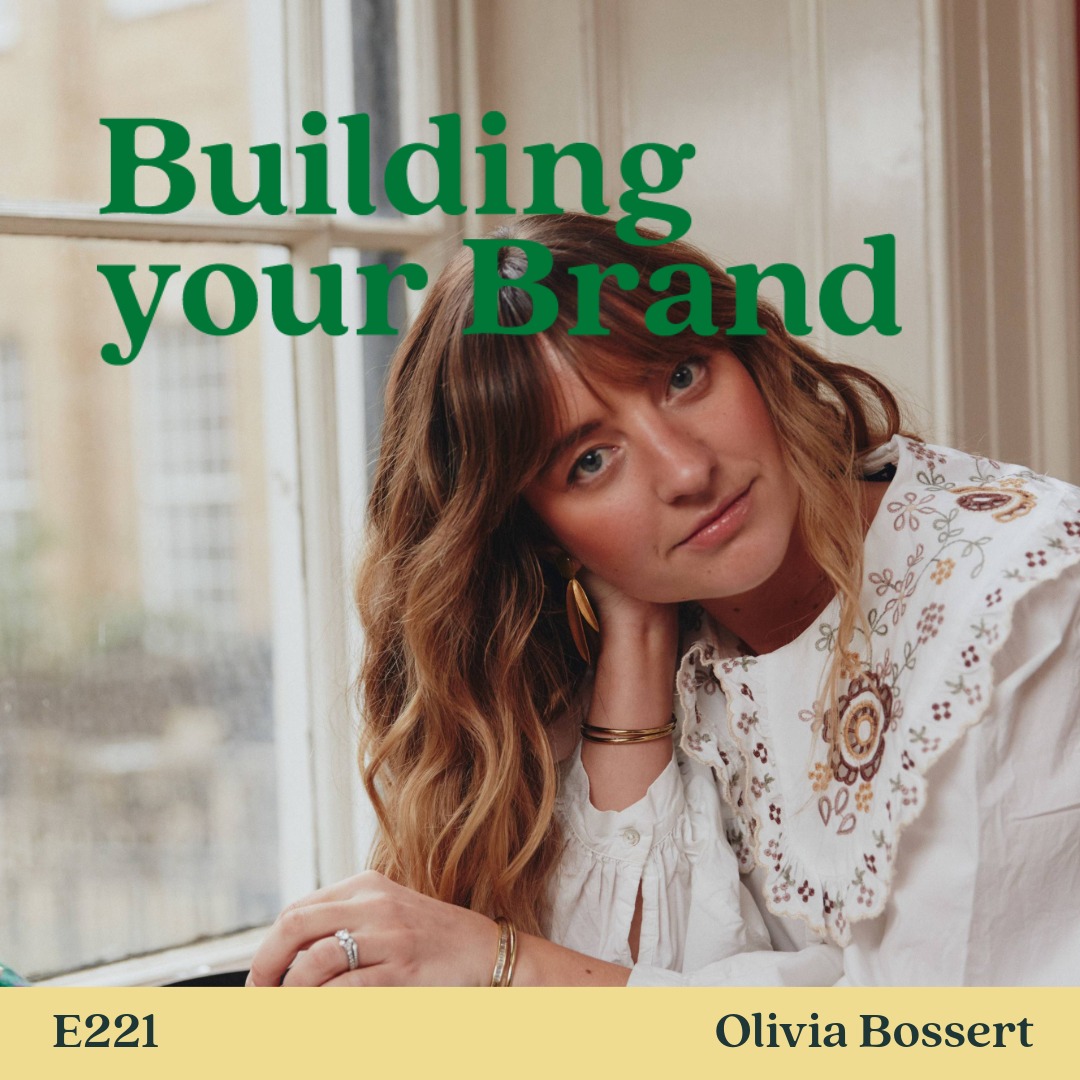
A topic I haven't covered on the podcast for a while is photography so when Olivia Bossert got in touch about coming on to chat about her 'IT Girl' philosophy, I knew it would be SUCH an interesting and different perspective on personal brand photography. I am a big believer in brand photography and how much it can do to enhance your brand. It really can impact the visual look and feel of your branding and give you heaps of confidence in how you show up in your business and online. In this episode, Olivia shares her fascinating journey from shooting for Vogue to pivoting into the personal branding space. We chat about why having a full team on set can transform your confidence, why you definitely don't need to know how to pose, and how she is reclaiming the term "IT Girl" to help business owners show up as their most authentic selves. Key Takeaways: Pivoting after achieving the "dream": Olivia shares the honest reality of achieving her life-long goal of shooting for Vogue, only to realise it didn't bring the fulfilment she expected, leading to her pivot into personal branding. The "IT Girl" Philosophy: We discuss reclaiming the term "IT Girl" – it isn't about being a celebrity like Paris Hilton; it's about fully owning who you are, what you love, and showing up unapologetically as yourself. You don't need to know how to pose: One of the biggest fears people have is not knowing what to do in front of the camera. Olivia explains that on a high-end shoot, posing is the photographer's job, not yours. Treating your brand like a fashion editorial: Olivia applies her background in fashion to personal branding, using a full team (stylists, assistants, lighting experts) to create high-end, magazine-quality images for business owners. Confidence is a result, not a prerequisite: You don't need to feel confident before the shoot. The process of being looked after by a professional team and seeing the final results is what actually creates that lasting confidence boost. Episode Highlights: 02:00 – The "Vogue moment" and why achieving a big goal led to an identity crisis and a business pivot. 05:00 – How Olivia applies a fashion editorial mindset to personal branding to create a unique USP. 06:00 – A breakdown of what a full production team looks like (and why you might want a stylist and lighting assistant). 09:00 – Overcoming camera confidence: Why you don't need to be an influencer or model to look amazing. 16:00 – Redefining the "IT Girl" and why the term might feel jarring at first but is actually incredibly empowering. 28:00 – The debate on AI in photography: Why images hold energy and why AI headshots often miss the "spark" in the eyes About The Guest: Olivia Bossert is a personal brand photographer, artist, and online business owner based in London. After a decade working as a fashion photographer for international publications and brands (including Vogue!), she pivoted to bringing that high-end editorial experience to female founders and business owners. You can find Olivia on Instagram @oliviabossert or visit her website oliviabossert.com. The It Girl Experience: https://www.oliviabossert.com/shoot It Girl Studio: https://www.oliviabossert.com/studio I would love to hear what you think of this episode, so please do let me know on Instagram where I'm @lizmmosley or @buildingyourbrandpodcast and I hope you enjoy the episode! This episode was written and recorded by me and produced by Lucy Lucraft lucylucraft.co.uk If you enjoyed this episode please leave a 5* rating and review!
I am beyond excited to be hosting my first ever Live Podcast Event this year! A goal I've had since 2024 and now is becoming a reality! If you're local to Cardiff/South Wales and want to be there in person you can grab one of the final tickets and come along (if there are any left!) Today on the podcast I am giving you a behind the scenes look into all that has gone on in the lead up to the event. I talk openly and honestly about the highs and lows and doubts and excitements! I'm always interested in behind the scenes of anything I've not done before so I do hope you enjoy this sneak peak behind the curtain!! Have you ever put on your own event? I'd love to know the bits you loved and the bits you hated! I would love to hear what you think of this episode, so please do let me know on Instagram where I'm @lizmmosley or @buildingyourbrandpodcast and I hope you enjoy the episode! If you enjoyed this episode please leave a 5* rating and review! Key Takeaways Big ideas take time; and that's not a failure. Meaningful creative projects often require patience, alignment, and trusting the timing rather than rushing the process. Valuing your work invites others to value it too. Charging for events matters; not just financially, but as a way of creating commitment, respect, and space to deliver a higher-quality, more intentional experience for everyone involved. Real connection happens when we step into the room together. Live podcasts transform a solitary listening experience into real community, showing the power of bringing people together in person in an increasingly digital world. Episode Highlights 00:00: Why I'm hosting a live podcast event (behind the scenes of podcast event planning) 02:30: How I planned a live podcast: mindset, logistics, and challenges 03:55: Ticket pricing strategy for events: early bird tickets, paid vs free events 07:30: Building community through live podcasts + future in-person event plans

I loved today's podcast chat and something I've been thinking about a lot recently is how so many of us creatives and business owners have these similar human experiences that we all have to go through. I think it is so powerful when we share those experiences openly and vulnerably. Today on the podcast, I am chatting to Emmi Salonen, who is a designer, artist, speaker and author of the amazing new book, The Creative Wellbeing Handbook. Emmi founded Studio EMMI in 2005 and has over 20 years of experience in the industry. In this episode, we talk all about the lessons she has learned as a creative, including her personal journey through burnout and taking a year-long sabbatical. Emmi has chatted to hundreds of other creatives about their struggles, and she shares those insights alongside practical exercises to help nurture your creativity. It was a gorgeous conversation full of little gems that I am definitely going to implement in my own practice! Key Takeaways: Creativity needs a pause: Emmi discusses the concept of the "Creative Ecosystem" and how vital it is to nurture different areas of your life—like connection, wonder, and rest—to sustain your creativity. You are not alone in self-doubt: Emmi's research found that 87% of creatives struggle with feeling "not good enough". We discuss how important it is to vocalise these feelings rather than internalise them. The power of a 'Solo Day': One of my favourite exercises from the book is the 'Solo Day' (or Emmi Day)—taking guilt-free time alone to do exactly what you want, whether that's visiting a gallery or just pottering around the house, to let ideas percolate. Financial stability protects creativity: We talk about the tension between passion and finance, and why having a financial buffer (if possible) is crucial for weathering dry spells or allowing for creative breaks. Slow design vs. industry speed: Emmi highlights the pressure to deliver ideas instantly and why she now factors in a "percolation period" at the start of projects to allow ideas to properly form. Episode Highlights: 02:00 – Emmi shares her background working in studios in Italy, New York and London before setting up Studio EMMI 20 years ago. 06:30 – The story behind her book: How a severe burnout led to a year off and a deep dive into creative wellbeing. 12:00 – The three biggest challenges creatives face today, including balancing finances and the pressure of instant idea generation. 21:00 – How Emmi practically managed to take a year-long sabbatical (and how Stefan Sagmeister does it every seven years). 23:00 – Practical exercises from The Creative Wellbeing Handbook, including the 'Solo Day' and 'Craft Club'. 32:00 – Emmi's perspective on AI: Using it as a tool while protecting human creativity and kindness. About The Guest: Emmi Salonen is a Finnish graphic designer and the founder of Studio EMMI, a London-based design practice established in 2005. She is the author of The Creative Wellbeing Handbook, a guide designed to help creatives navigate the ups and downs of their practice. You can find more about Emmi's work at emmi.co.uk and explore resources for the book at creativeecosystem.org I would love to hear what you think of this episode, so please do let me know on Instagram where I'm @lizmmosley or @buildingyourbrandpodcast and I hope you enjoy the episode! This episode was written and recorded by me and produced by Lucy Lucraft lucylucraft.co.uk If you enjoyed this episode please leave a 5* rating and review!

Last week I gave a talk at St Brides Foundation in London about some of the key moments from the podcast that have forever changed my brain chemistry. Today on the podcast I am sharing those moments with you. Hosting this podcast has added value to my business and in fact my life in ways that I never expected. I've listed all of the episodes mentioned so that you can go back and have a listen through for the full conversations. I hope you find these moments as inspiring as I did! I would love to hear what you think of this episode, and if there have been any moments from the podcast that have stuck in your mind aswell! So please do let me know on Instagram where I'm @lizmmosley or @buildingyourbrandpodcast and I hope you enjoy the episode! Key Takeaways "No" is not the end of the story Each rejection can give you valuable information to improve and come back stronger. Fear of success can hold you back more than fear of failure Sometimes we sabotage ourselves not because we're afraid of failing, but because we're afraid of what success might cost us. "Should" is the killer of joy When you catch yourself saying "I should do this," you're likely following someone else's path. Replace "should" with "could" to open up possibilities that feel more aligned. Expect initial rejection as a learning opportunity. Lean into and welcome rejection as a task of curiosity and information to further your goals Stop adding, start subtracting Before adding new habits, projects, or commitments to your plate, ask yourself: "What am I willing to give up to make space for this?" Episode Highlights 2:32 Lesson 1: Kyle Webster's story - "No" is not the end 5:15 Lesson 2: Fear of success with Lois Seco and Hannah Istead 7:31 Lesson 3: Sophie Cliff - "Should is the killer of joy" 9:40 Lesson 4: Kyra Matthews - Expect rejection as your teacher 10:57 Lesson 5: Rich Webster - Don't keep adding, take things away Mentioned in the episode Kyle T Webster Episode Fear of Success Episode with Liz Mosley, Hannah Isted and Lois Seco Sophie Cliff Episode Kira Matthews Episode Rich Webster Episode Laura Belgray Episdode and 750 words website
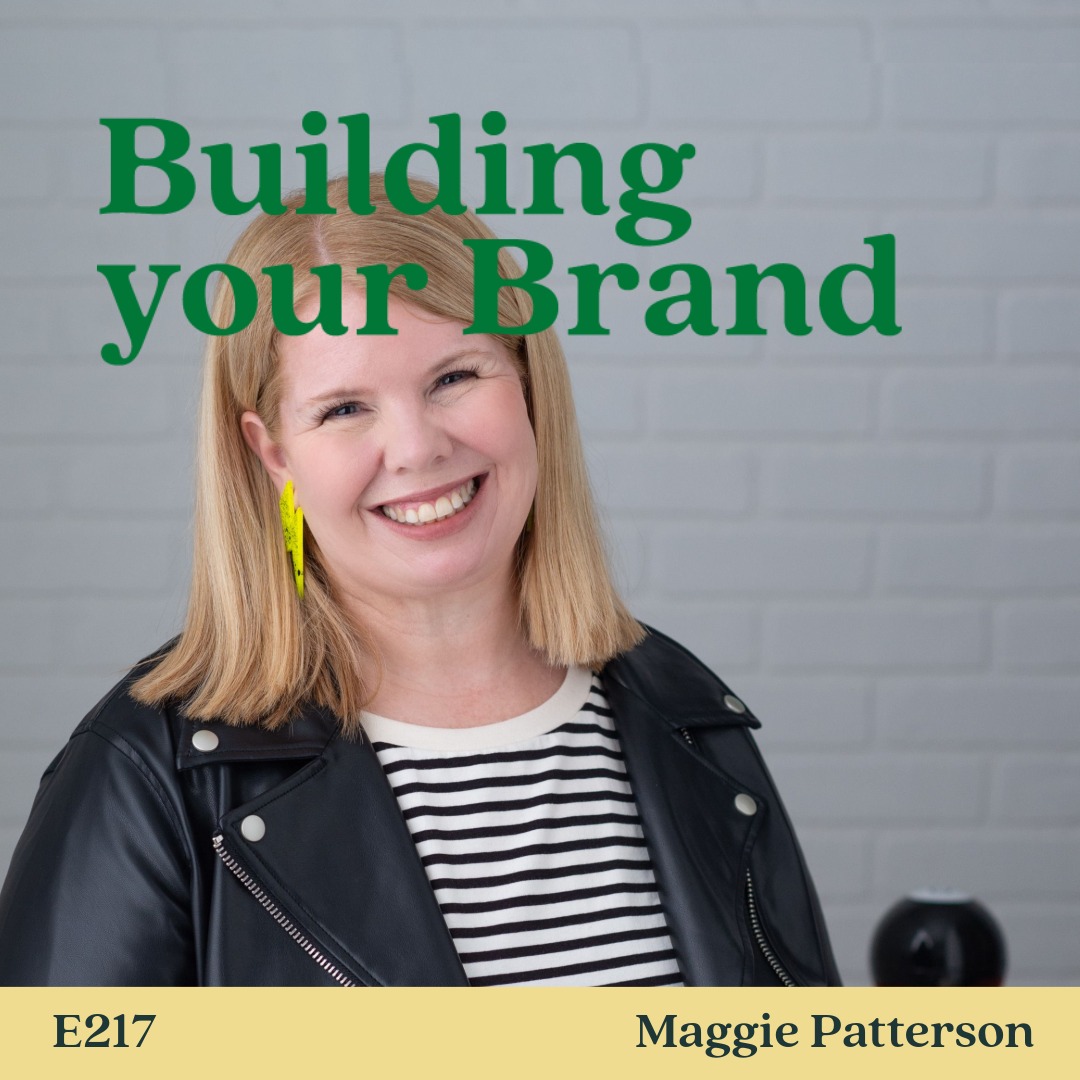
Do you ever get sucked in by all the messaging online about growth and what that looks like? For a while, I have known that I don't want to grow my business to be an agency or to have a big team, but sometimes it feels a bit frowned upon to stay small and keep your business lean I was so excited when Maggie Patterson got in touch and suggested chatting on the podcast about staying small on purpose. This chat was totally up my street! We talked about the "trust recession", AI, how we price and package our work, and so much more. I hope you will come away feeling encouraged, but also given a confidence boost about building a business that feels right for you. Key Takeaways: You don't need to scale to succeed: The majority of businesses are actually one-person operations, yet most business advice focuses on scaling up. You don't have to hire a team if you don't want to; staying solo is a valid and ambitious choice. Charge for strategy, not just tactics: A common mistake for creatives and consultants is charging the same for strategic thinking as they do for tactical implementation. If you don't highlight and charge for your strategy, clients may overlook you for big-picture projects. The "Trust Recession" and AI: We are currently in a market where buyers are skeptical and price-conscious, often referred to as a "trust recession". As a solo business owner, your superpower is your ability to offer genuine human connection and build personal relationships, which builds trust faster than faceless brands can. The "Real Life Rule": Your business must work for your actual life, otherwise you will end up resentful and burnt out. When planning growth, you must consider your actual capacity—not just time, but energy and the season of life you are in (like having small children). Episode Highlights: 02:00 – Maggie introduces her book, Staying Solo, and why she wrote it for the majority of business owners who don't want to manage a big team. 10:00 – Why pricing is the first place to look when refining your business, and why most service providers are undercharging. 13:00 – The "Strategy Stack": understanding that pricing doesn't exist in isolation from your positioning, packaging, and promotion. 20:00 – Discussing AI, the "trust recession", and why solo owners have an advantage in building genuine connections. 39:00 – Maggie's "Real Life Rule" and why we need to stop trying to build fantasy businesses that don't fit our reality. About The Guest: Maggie Patterson is a consultant who has spent years working with micro-businesses and solo service business owners, such as creatives, consultants, and professional service providers. She is the author of Staying Solo: Your Guide to Building a Simple and Sustainable Service Business, which launched in April 2025. You can find Maggie at bsfreebusiness.com Staying Solo Book Staying Solo Podcast Brave Boundaries Workshop I would love to hear what you think of this episode, so please do let me know on Instagram where I'm @lizmmosley or @buildingyourbrandpodcast and I hope you enjoy the episode! This episode was written and recorded by me and produced by Lucy Lucraft lucylucraft.co.uk If you enjoyed this episode please leave a 5* rating and review!


Download from Google Play

Download from App Store
 United States
Really grateful to #LizMosley for this interview. It has given me a little spark of hope of a trajectory that could be possible. #ChronicIllness #MEcfs 🙏