


 Claim Ownership
Built to Finish
Subscribed: 0Played: 0
Subscribe

© Acresis
Description
Welcome to Built to Finish! Join host, Steven Pivnik, each week as he explores the journeys of audacious goal setters. This includes experienced Founders, CEOs and entrepreneurs sharing pivotal moments that propelled their success. We’ll also be talking with endurance athletes who push the limits of physical and mental ability. This show is brought to you by Acresis — offering tailored, high-impact advisory services to help founders get to their finish line with a strategic acquisition or majority investor recapitalization. To learn more, go to: https://acresis.com/
56 Episodes
Reverse

Nick Evans, a world-renowned executive advisor, thought leader, and Founder of Thinkers360, shares insights from his time advising influential organizations like Amazon, NASA, and Intel, highlighting the fun and challenge of diving into different industries as a consultant. He recounts his work with NASA, which involved running hands-on, design thinking-style innovation workshops. The conversation pivots to the fragility of the internet, triggered by a recent massive outage, where Nick stresses the need for businesses to be highly agile and adaptive, like the military’s DEFCON system, to handle constant disruption from new technology and global events.Nick offers his expert perspective on the current state of AI, discussing the market hype versus the tremendous long-term value, drawing parallels to the internet bubble of 2000. He details how Thinkers360 uses AI for internal operations, including a chatbot and an agent trained on their influencer community, and the development of "AI personas" for thought leaders. Nick also shares a fascinating, albeit painful, story about being one of the original pioneers of the "buy now" concept on the web in the late nineties, but losing out on an estimated $50 million due to bad legal advice not to patent "just a button". He wraps up by discussing his amateur triathlon accomplishments, including two championship finishes, and his preparation for the challenging Ironman 70.3 in Cartagena. Takeaways:Prioritize Business Agility and Adaptability: Design your business to be highly agile and adaptive to disruption, whether it's new technology (like AI) or external events (like pandemics and weather). Have a backup plan and an agile approach for when unexpected changes occur.Identify and Strengthen the "Weakest Link": Continuously monitor your business vulnerabilities. This could be reliance on a single customer, one supplier, or a single point of failure in your technology infrastructure. Have duplicate systems and backup plans to diversify risk.Treat Technology Outages as Inevitable: Accept that major outages, like the Amazon DNS mistake, will happen. Have a plan prepared—don't just assume it's a cyber attack—and be prepared for ripple effects that impact vendors.Investigate Intellectual Property (IP) Protection Diligently: If you have a differentiated or unique business idea, talk to an experienced IP attorney to explore patent and trademark protection. Do not rely on one opinion, especially for something that seems simple but involves a complex process (like the "buy now" button).Use AI to Amplify Expertise (AI Personas): Explore the use case of creating an AI agent or "digital twin" trained on your personal thought leadership content (books, blogs, videos) to create an accessible, knowledgeable persona for others to interact with.Look Beyond the AI Hype: While AI is creating tremendous long-term value, recognize that the market may currently be overhyped and overvalued, similar to the 2000 internet bubble. Focus on finding tangible ROI and practical applications.Seek Out Robust Measures of Expertise: When hiring or partnering, look for thought leaders whose credentials are based on "hard to fake" content (like books, executive experience, and media interviews), as platforms like Thinkers360 do, rather than easily gamed metrics (like social media spam).Quote of the Show:"What I say nowadays is, you know, really try and design your business to be highly agile and adaptive, like the military with the DEFCON system... They can jump from [level] two to three or whatever the numbers might be. They don't have to think about how to do it, right? It's already, they're trained, they're rehearsed."Links:LinkedIn: https://www.linkedin.com/in/nicholasdevans/ Website: https://www.thinkers360.com/ Book Link: https://a.co/d/hA3EpAF

In this inspiring and candid episode, Steven welcomes his first in-person guest, Matt LeBris, host of the globally top 1% ranked Decoding Success Podcast and a Brand Strategist with Brand Builders Group. Matt shares his incredible career journey, beginning with a cold pitch to Shark Tank's Damon John that turned a five-minute conversation into a multi-year internship and job. This experience taught him that proximity is power and the value of surrounding yourself with high achievers.The conversation dives deep into the philosophy of personal branding, which Matt defines as the art of differentiation and owning who you truly are. He breaks down how Brand Builders Group helps clients in four key tracks: lead generation, new revenue development, author track, and public speaking. Matt and Steven also tackle the common struggles of discipline, balancing their love for fitness with a love for junk food (especially pizza), and the necessary role of AI in brand strategy. Ultimately, Matt emphasizes that social media is merely a vehicle to deliver a brand, not what builds it, and that focusing on impact for one person is more fulfilling than chasing virality. Takeaways:Don't Wait for Perfection, Just Start: If you have a big goal, don't wait until the plan is 100% perfect or you feel perfectly ready. Take the first step, learn from the process, and know that your start isn't where you'll finish.Embrace Curiosity for Longevity: Lifelong curiosity is what kept Matt's podcast running for seven-plus years. Use curiosity about others and the world as the fuel for your biggest initiatives.Proximity is Power: Intentionally put yourself in environments where you can be near people who motivate you and inspire you. Access to high-level success is often the most inspiring thing.Personal Branding is the Art of Differentiation: Your brand is owning your unique experiences and perspective. Since no two people have the same fingerprint, focus on how you solve a problem, not just what problem you solve.Social Media is a Vehicle, Not the Foundation: The actual building of your brand is the work done behind the scenes—identifying your audience, problem, message, and unique process. Social media (or a podcast) is simply the fast vehicle to deliver it.Fill Gaps with Purpose (The Boredom Cure): When you experience a "gap" of boredom, fill it with an activity that relates to the person you want to become (e.g., reading a book, going for a walk), instead of choosing something that provides immediate, comfortable gratification like an unhealthy habit.Focus on Impact, Not Virality: Instead of shooting for a viral hit, aim to post something aligned with your brand with the intention of moving or impacting just one person. That one connection is where the fulfillment—and often the business—is made.Quote of the Show:"I think the minute we're born, we're all gifted with a personal brand, whether we like it or not. And ultimately... if you're not taking ownership of your brand, you're giving the power to someone else to craft your message for you."Links:Free Strategy Call with Matt: https://freebrandcall.com/mattlebris/ Instagram: https://www.instagram.com/matt_lebris/?hl=en Podcast: https://www.youtube.com/@MattLeBris/podcasts Personal Website: https://mattlebris.com/ Company Website: https://brandbuildersgroup.com/ LinkedIn: https://www.linkedin.com/in/mlebrisnyc/

Paul Pacun, CEO & Founder of Meiotic and its flagship sales enablement platform Vablet, joins the show to discuss his 26-year journey in tech, starting with taking a company public during the 2000 dot-com bubble. He shares the origin story of Meiotic and its eventual pivot from marketing to individual dentists to targeting the highly compliant Life Sciences and Medical Device industry. Paul details how the platform, Vablet (short for 'video tablet'), was purpose-built to solve the "hard stuff"—guaranteeing seamless content synchronization and presentation offline, a critical requirement for sales reps in places like hospital operating rooms or remote villages.A major theme of the discussion is the trade-off between raising capital for velocity and choosing to "sell your way through." Paul shares that while the latter approach ensured financial discipline and ownership, he realized in hindsight that external capital would have allowed them to scale faster against competitors. He also delves into the secrets of Meiotic's long-term employee retention, which centers on fostering a culture of trust, flexible hours, direct programmer-to-client interaction, and actively hiring "makers" and "lifetime learners." Finally, Paul offers crucial advice for modern entrepreneurs, stressing the importance of pivoting when necessary, quickly addressing team performance issues, and ensuring robust financial expertise (the "blood to the company") on even the smallest teams. Takeaways:Design for the Worst-Case Scenario: Paul built his sales enablement platform to work flawlessly offline because medical device reps often present in highly constrained environments (like an OR or a remote area) with zero connectivity. Design your core product to be reliable in its most challenging environment; it will work everywhere else.Regret the Lack of Velocity, Not the Lack of Capital: While Paul is proud Meiotic sold its way through, he noted that capital buys velocity. Analyze your market and competitive landscape; if speed is paramount, be willing to take a measured raise to scale faster.Validate the "Lifetime Learner" with "The Five Whys": To ensure strong long-term hires who enjoy tinkering and growth, go beyond surface-level answers in interviews. Ask follow-up, probing questions—like what hobbies they pursue or how they solve broken systems—to determine if curiosity and a desire to learn is truly "in their psyche."Embrace the Small, Diverse, High-Impact Team: In the age of AI and modern tools, Paul advises that you no longer need an "army." Focus on a small, diverse group of skilled individuals, ensuring you have strong sales/marketing, tech, and, critically, robust financial expertise.A Bad Hire Kills Morale—Act Quickly: As CEO, Paul learned the hardest job is letting someone go, but waiting too long for a non-performing employee to turn around is detrimental. One person can significantly bring down the morale and productivity of the entire team.Quote of the Show:"Money to a company is like blood to the body. If we run outta blood, we die."Links:LinkedIn: https://www.linkedin.com/in/paulpacun/ Website: https://www.vablet.com/
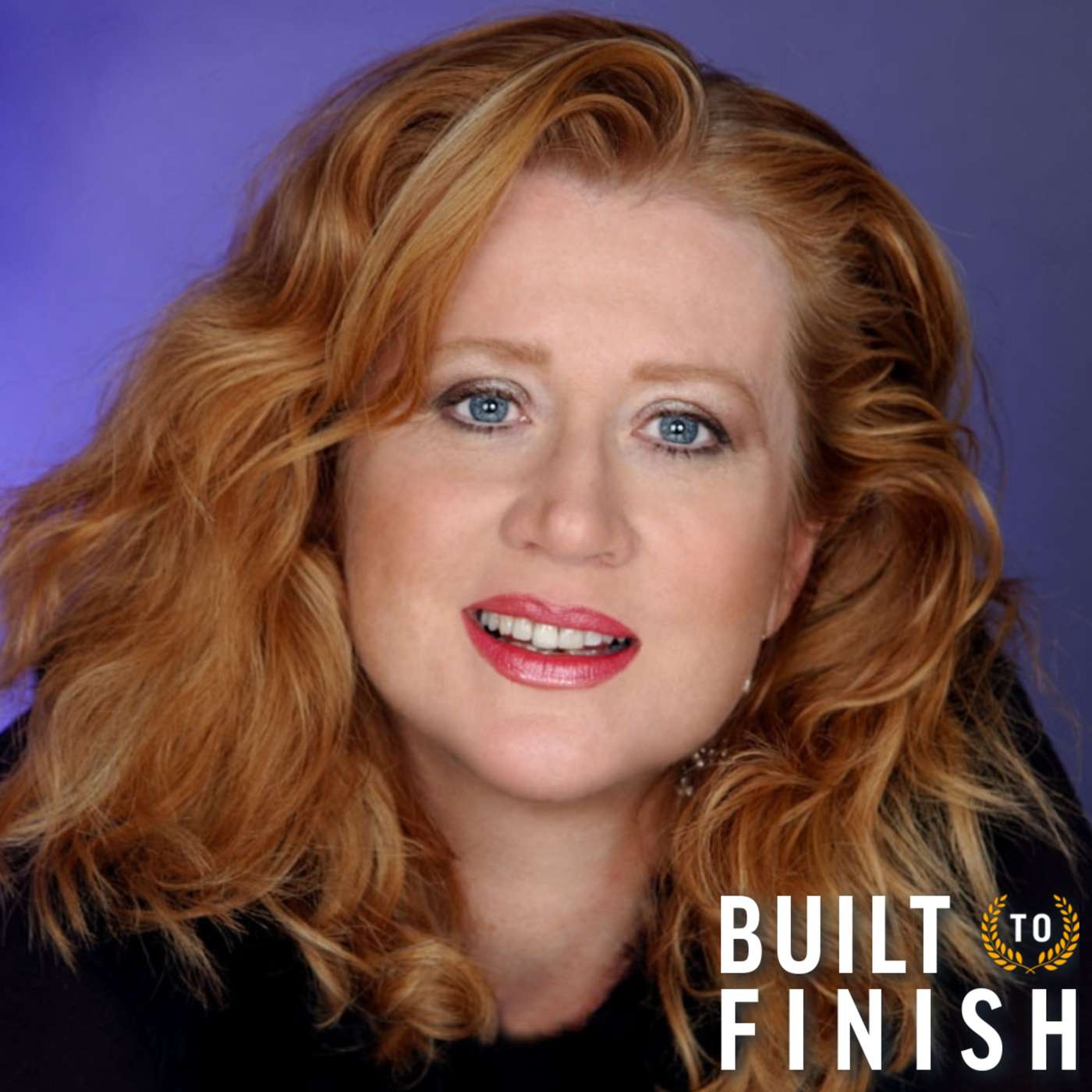
Dr. Cindy Gordon, CEO and founder of SalesChoice, joins host Steven Pivnik to discuss her "evolutionary" journey from executive roles at giants like Accenture and Xerox to launching her own tech company. She details how she first joined a venture capital firm to learn corporate finance before co-founding one of the early companies to use AI for predicting sales forecasts.Cindy provides a refreshingly pragmatic perspective on artificial intelligence, cautioning that not all problems need an AI solution and that true success hinges on a clear use case, good data, and a focus on the "human in the loop". A teacher of AI ethics and law, she also breaks down the critical importance of model transparency, accountability, and navigating the complex global regulatory landscape. For fellow founders, Cindy offers invaluable advice on understanding VC contracts, defining "clawback clauses", and the long-term strategic planning required for a successful exit. Takeaways:Don't use AI just for the hype. Smart investors will (and should) ask if AI is the right technical strategy for your use case. AI is just one technique among many; focus on the best and most appropriate means to build your solution.Master the fundamentals for AI success. Whether you're using predictive analytics or generative AI, success always comes down to three things: being crystal clear on the problem you're solving, having high-quality data, and being attentive to the human-in-the-loop adoption process.Beware of clawback clauses. In a funding or acquisition deal, a clawback is a contractual hurdle, often tied to revenue, where you can lose equity or cash if you fail to meet an agreed-upon plan. Use good legal counsel to try and remove them, or at a minimum, be extremely confident you can deliver on the proposed targets.Plan your exit strategy five years in advance. An exit is a long-term game that requires nurturing relationships. It's a strategy that must be written down, planned, and worked at, much like a comprehensive sales coverage plan.Prioritize AI transparency and accountability. You can't sue an algorithm. As a founder, you are accountable and must build transparent, explainable models (not black boxes). This requires strong practices for versioning control, data bias checks, and machine learning ops.Build a culture of psychological safety. A great culture is one where people feel safe to be who they are and bring their whole person to work. Cindy's company reinforces this with daily "Hug Huddles", regular feedback, and a focus on authentic, open communication.Use strategic alliances to test exit pathways. Forming channel relationships with larger players who have a gap in their portfolio allows you to test synergies and distribution capabilities. This can be a wise strategy, but don't take on too many partners, as they must be actively managed to be effective.Quote of the Show:"Not everything can be solved with AI, so I think I bring a really solid, realistic, pragmatic perspective and just don't get so caught up in the drama."Links:LinkedIn: https://www.linkedin.com/in/drcindygordon/Website: https://www.saleschoice.com/ Book Link: https://getbook.at/aidilemma

David Chase, an avid ultra-marathoner and the President at WorkBoard, joins Steven Pivnik to discuss the powerful intersection between endurance sports and business leadership. David shares how his professional rise to CMO coincided with his running journey, which has included multiple 100+ mile races and even a 200-mile event. He explains that for him, a startup isn't a sprint or a marathon—it's a 200-mile race, with extreme highs and lows that demand resilience and a relentless focus on moving forward. The daily habit of running, he finds, provides essential clarity for processing work challenges and making clearer decisions.Beyond the mindset, David dives into his work at Workboard, a platform that helps large enterprises align strategy with execution using AI. He details how Workboard's AI agents help managers and teams stay aligned, eliminating the lag and dilution of manual status reporting. He also provides tactical advice for scaling marketing teams, emphasizing the importance of in-person events and treating business goals with the same daily discipline as a marathon training plan. Finally, David shares a practical framework for effective, ongoing sales enablement, including an internal "checkout" process to let reps fail safely before engaging customersTakeaways:Treat Business Goals Like Race Training: Don't just set a quarterly goal and hope to get there. Break it down into specific, daily actions you must take to achieve it, just as you would with a daily training plan for a 5K or marathon.Embrace In-Person Connection: In an age of AI and Zoom fatigue, investing in in-person events (like small dinners, meetups, or user conferences) is a powerful differentiator. People crave real experiences and want to connect with real people and customers.Use AI to Test and Scale: AI gives marketing leaders the ability to test new channels and initiatives much faster. Use this to run more tests, get data quickly, and then decide whether to scale the initiative or discard it.View Sales Enablement as an Ongoing Process: Enablement is not a single meeting or a deck. It requires continuous investment, resources, and the active participation of senior, experienced sellers—not just junior team members.Create a "Checkout" Process for Sellers: When launching a new product or pitch, implement an internal certification. Have sales reps pitch to a panel of senior leaders who score them. This provides a safe environment to fail, get feedback, and improve before they are in front of a real customer.Reframe Resilience: A startup isn't just a marathon; it's a 200-mile race with much lower lows and higher highs. When things get tough at work, remember that it's rarely as hard as mile 177 of a 200-mile race. The key is to never quit and just keep heading in the right direction.Quote of the Show:“People correlate startups to running a marathon. It’s a marathon. It's not a sprint. It's not a marathon, it's a 200-mile race, where the lows are so much lower than a marathon and the highs are so much higher than a marathon."Links:LinkedIn: https://www.linkedin.com/in/davidschase/ Website: https://www.workboard.com/

John Ulsh, resilience coach, speaker, and author of “The Upside of Down,” discusses the catastrophic car accident that changed his life forever. John shares the harrowing details of the 2007 collision that involved his wife and two young children, leaving him with a less than 3% chance of survival. He takes us through his grueling recovery, which included over 45 surgeries, an 18-day coma, and learning to live with permanent injuries.Beyond the physical trauma, John delves into the profound mental and emotional journey of rebuilding his life. He discusses how a heartfelt plea from his daughter became the catalyst for him to stop rehab and push his own limits, finding a new purpose in controlled, positive pain through fitness. John explains the key pillars from his book, "The Upside of Down," offering a framework for anyone facing adversity. This is a deeply moving conversation about turning immense struggle into a source of strength, the importance of commitment, and finding profound meaning in the process of recovery rather than just the finish line.Takeaways:Ask "Why" Five Times: When facing a problem, ask yourself "why" five times to drill down to the root cause. This technique helps you move past surface-level issues and identify the core challenge you need to address.Focus on Small Wins: In a long and arduous journey, concentrating on the final goal can be overwhelming. Instead, focus on achieving small, daily wins. These incremental victories build momentum and provide the encouragement needed to keep going.Embrace the Process, Not Just the Goal: The true growth and learning happen during the training and preparation, not just at the finish line. Learn to love the daily grind and the process of getting better, as that is where the real satisfaction lies.Find Pain You Can Control: After experiencing trauma or pain that is out of your control, find a healthy outlet where you can control the discomfort and effort, like exercise. This can shift your relationship with pain from something inflicted upon you to a tool for growth and strength.Commitment is the First Step: Before you can tackle any major challenge, you must be fully committed. You have to be in the right headspace and truly ready to take on the journey. Without genuine commitment, even the best plans will falter.Don't Be Afraid of Not Finishing: Sometimes, the greatest lessons come from setbacks and failures. Not achieving a goal can provide more profound insights and learning opportunities than success itself.Quote of the Show:"The goal itself was always going to be a letdown. And the beauty, or what I learned, or where the work was done, was in the training."Links:LinkedIn: https://www.linkedin.com/in/john-ulsh-987a6a7/ Website: https://johnulsh-unbreakable.com/ Book Link: https://a.co/d/7A7TS6e
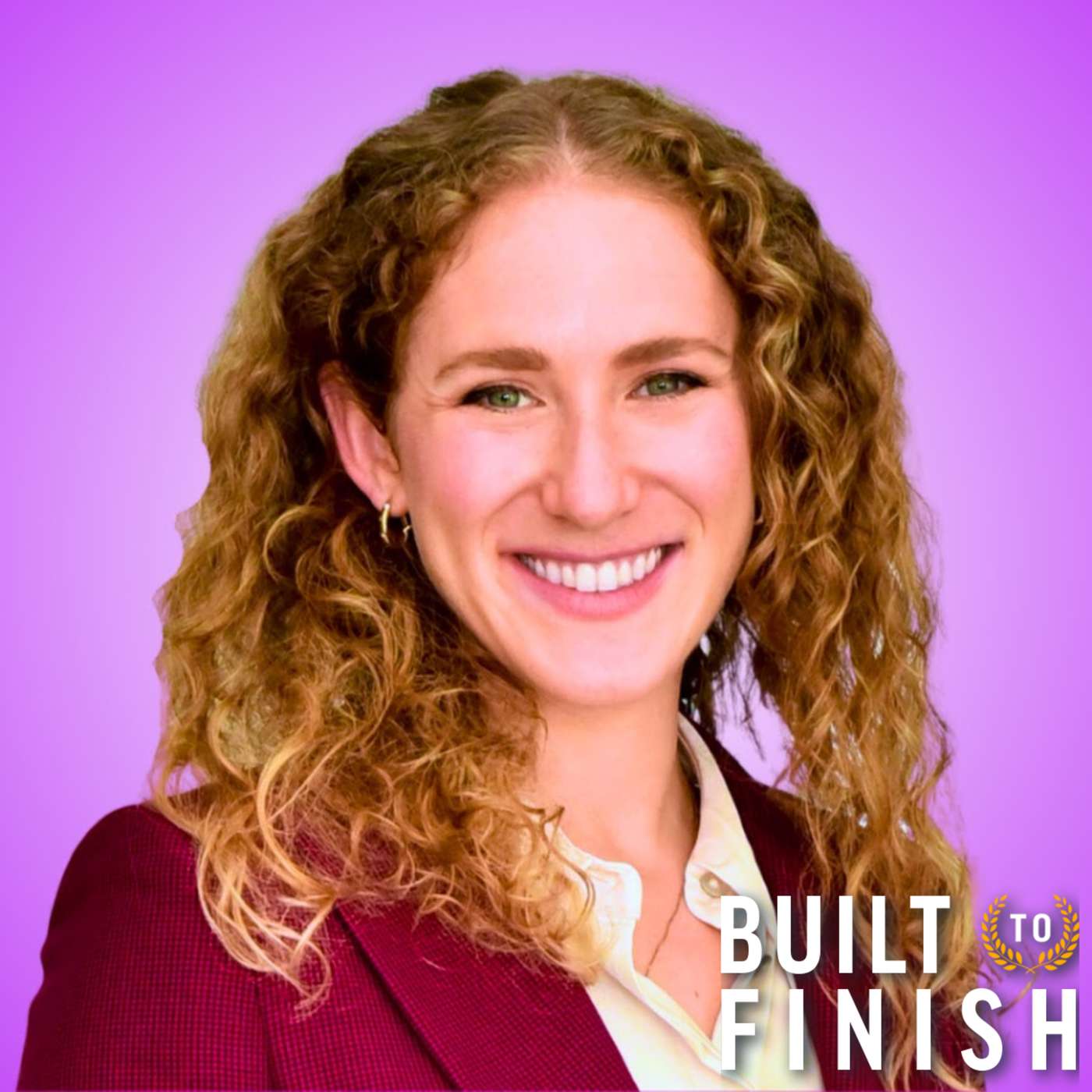
Dr. Anna Pleet discusses a comprehensive and compassionate approach to tackling obesity and improving overall health. Anna emphasizes that weight loss is far more complex than the simple "calories in, calories out" mantra. She explains her patient-centered method, which begins with listening and understanding an individual's mindset, motivations, and the emotional barriers, like shame, that can prevent progress. She argues that without addressing the underlying mental and emotional components, any dietary changes are unlikely to be sustainable, pointing to the common yo-yo effect seen in many popular weight-loss journeys.Anna introduces her "Perfect Meal Formula," a sustainable eating strategy inspired by traditional diets like the Mediterranean. The formula focuses on building balanced meals with three key nutrients, protein, fiber, and healthy fats, to optimize metabolism, regulate appetite, and prevent overeating. The conversation also covers practical advice on calculating protein needs based on goal weight rather than current weight and offers compassionate strategies for discussing health concerns with aging family members. Anna leaves listeners with a powerful reminder to proactively commit to physical activities they love, especially as technology makes our lives increasingly sedentary. Takeaways:Adopt the "Perfect Meal Formula": Focus on inclusion rather than restriction. Build every meal and snack around three core components: a source of protein, a source of fiber, and a source of healthy fat to optimize your metabolism and control your appetite naturally.Address the "Why" Before the "How": Before starting a health journey, take time for introspection. Lasting change comes from addressing the emotional and mental drivers behind your habits, not just from following a diet plan.Calculate Protein Needs for Your Goal Weight: When determining your daily protein intake, base the calculation on your ideal or goal body weight, not your current weight. This provides a more accurate target for fueling your metabolically active tissues. A good starting point for most people is 1 to 1.5 grams of protein per kilogram of their goal body weight.Find Your Personal Motivator: Aesthetics are often a short-term driver. Identify a deeper, more meaningful reason to stay healthy, whether it's playing with grandchildren, enjoying a hobby, or reducing medication dependency. Let that be your anchor.Reframe Conversations About Health: When approaching a loved one about their weight, focus on what matters most to them. Frame the conversation around their desires and goals—like maintaining independence or participating in family activities—rather than just on the need to lose weight.Be Proactive About Movement: As technology encourages a more sedentary lifestyle, it's crucial to intentionally carve out time for physical activities you genuinely enjoy. Don't wait for a health scare; commit now to the activities you want to be doing in your later years.Quote of the Show:"You've gotta take care of your body or it'll break down for you...The adventure is out there, but people need to remember, go seek it."Links:YouTube: https://youtube.com/@annapleetmd Instagram: https://www.instagram.com/annapleetmdPerfect Meal Formula Ebook: https://annapleetmd.kit.com/pmf

Hugh Massie, the Founder and Executive Chairman of DNA Behavior, a globally recognized behavioral AI solutions architect, shares his guiding principle for entrepreneurs: "dream big, start small, and finish big." He encourages founders to think beyond financial metrics and focus on the human impact their business can have, even setting goals as audacious as impacting a billion people. He emphasizes the importance of identifying and dominating a niche market channel to become a "category king."The conversation also delves into the critical, yet often overlooked, topic of wealth management for entrepreneurs, especially pre-exit. Hugh offers practical advice on selecting the right wealth manager, stressing the importance of aligning values and ensuring a personalized approach over chasing the highest returns. He and Steven discuss the common pitfalls entrepreneurs face after a liquidity event, advising a "decision-free zone" for at least six to twelve months to avoid hasty investment mistakes. Finally, Hugh provides a clear framework for founders looking to integrate AI into their current business models, suggesting they focus on both immediate task automation and a complete reimagining of their business for the future. Takeaways:Dream Bigger, Start Smaller: Set audacious, "moonshot" goals for your company's long-term vision, but begin with a focused, manageable starting point. Don't be afraid to aim to impact a billion people, but execute on a small scale first to get the model right.Become a "Category King": Instead of competing in a crowded market, design and dominate a new, niche market channel. Identify a sub-market where you can realistically see a path to becoming the undisputed leader.Prioritize Human Impact Over Revenue: While revenue is crucial, framing your success by the number of lives you positively impact can lead to greater innovation, a stronger company culture, and a more fulfilling entrepreneurial journey.Plan Your Exit Long Before You Sell: Start the process of finding a wealth manager years before you anticipate selling your company. Interview multiple advisors—from small boutiques to large firms—to find one whose values and communication style align with yours.Create a Post-Exit "Decision-Free Zone": After selling your business, resist the urge to make any significant investment decisions for at least 6 to 12 months. Give yourself time to adjust to your new financial reality and gain clarity on your purpose before deploying capital.Integrate AI in Two Ways: First, look for immediate efficiency gains by automating current tasks within your business (like customer service). Second, empower your innovative team members to reimagine your entire business model and develop new, AI-driven products for the future.Don't Sacrifice Your Health or Family: True success is about building a sustainable life, not just a profitable business. Integrate your work with your personal well-being, ensuring you don't lose your health or family in the process of building your company.Quote of the Show:“I go by the motto, dream big, start small, and finish big.” Links:LinkedIn: https://www.linkedin.com/in/hughmassie/ Website: https://dnabehavior.com/ Book Link: https://a.co/d/11Xuut7

Miles Spencer is no stranger to risk, resilience, and reinvention. A multi-exit entrepreneur, investor, and adventurer, Miles has spent decades building companies in digital media, mentoring founders, and even chasing adrenaline in places like Pamplona and the deserts of the Middle East. Now, he’s channeling that same spirit into his most personal venture yet: Reflekta, a platform that allows families to preserve and interact with the voices, likenesses, and stories of loved ones.In this episode, Miles shares hard-earned wisdom on raising capital, managing leadership transitions, and creating optionality in business deals. He also opens up about the emotional journey of digitally reconnecting with his late father, how storytelling drives meaning, and why entrepreneurship is as much about courage and preparation as it is about innovation.Takeaways:Optionality Creates Leverage: When there’s only one buyer, you’re stuck. Building multiple options—through cash flow, buyers, or deal structures—gives you leverage to negotiate from strength and avoid desperation.Failure Can Be Fuel: A failed venture isn’t the end if you preserve relationships. Investors often back founders who learn from setbacks, seeing resilience as proof of future potential.Right People for the Right Altitude: Not every teammate is built for the summit. Like mountaineering, startups require different strengths at different stages—and leaders must know when to transition roles.Courage Comes from Preparation: Real courage isn’t recklessness—it’s being ready. Entrepreneurs mitigate risk through training, research, and planning, so they can act decisively when the moment comes.Legacy Matters: Success isn’t just financial. Miles’ work with Reflected AI shows how technology can preserve voices and stories, keeping family connections alive across generations.Funding Shapes Values: Who funds you impacts how you operate. Choosing family and friends over institutions can keep your mission aligned with trust, responsibility, and long-term vision.Gradual Innovation Prevents Overload: Powerful technology needs to roll out carefully. Step-by-step adoption—text to voice to hologram—helps people adjust, embrace the benefits, and avoid being overwhelmed.Quote of the Show:Entrepreneurship is a bit of a trick, right? You create things that look like daredevil challenges, and everyone says “wow,” but then you spend the rest of your time mitigating the risks. It’s not that bad—it’s not that bad, it’s not that bad. With homework, research, training, and so on, the same applies. To a certain extent, entrepreneurship and parenting share a lot of the same dynamics.Links:LinkedIn: https://www.linkedin.com/in/milesspencer/ Website: https://milesspencer.com/ Book Link: https://a.co/d/gO3nHxn

Adam Vernon, the Founder and Managing Director of Colorado Ski Furniture, shares his incredible story of how he turned a pile of old skis into a thriving and easily recognized business. With nearly two decades of experience, Adam discusses the evolution of his company, from a weekend stress reliever to a full-time venture that exploded during the COVID-19 pandemic. He details his hands-on leadership style and his philosophy of treating employees like family to foster a culture of low turnover and high motivation.The conversation explores Adam's practical strategies for longevity and growth, including his aggressive approach to product development, where he knows many ideas will fail but the winners will stick. Adam also dives into his marketing tactics, emphasizing the importance of meeting customers on various social media platforms—from Facebook to LinkedIn—and not being afraid to test new channels. He shares how exceptional customer service, especially turning a problem into a positive experience, is key to creating lifelong, loyal customers Takeaways:Embrace Experimentation: Don't be afraid to constantly try new things, even if you anticipate a low success rate. Adam launches new products regularly, knowing that even if only 20% succeed, those "winners" are what drive the business forward.Turn Problems into Loyalty: View customer complaints as an opportunity. Adam's philosophy is to do whatever it takes to make a customer happy when something goes wrong. He finds that these customers often become the most loyal and are most likely to return because the company fixed the issue effectively.Market Where Your Customers Are, Not Where You Are: As a business owner, you must get out of your own way. Your personal social media preferences are irrelevant; what matters is identifying which platforms your target audience uses and engaging with them there.Lead from the Trenches: Foster a strong team culture by being an active, hands-on leader who is willing to do any job, from cleaning the shop to handling difficult customer calls. This "all hands on deck" approach, combined with flexibility and treating staff like family, builds loyalty and reduces turnover.Gather Internal Feedback to Streamline Operations: Regularly ask your team which products or processes are the most difficult or time-consuming. This feedback is invaluable for identifying inefficiencies and deciding which products to discontinue, ultimately improving your bottom line and employee satisfaction.Listen for the Right Opportunity to Go All-In: A side hustle can be a great way to test a business idea with minimal risk. For Adam, getting laid off from his full-time job was the catalyst he needed to dive in with both feet and commit to making his passion project a success.Quote of the Show:"As an owner, founder, you need to get outta your own way and realize you may not like any of these social platforms... but really, who are your customers and are any of them on there or are all of them on there? If so, that's probably a place you need to be." Links:LinkedIn: https://www.linkedin.com/in/adamvernoncolorado/ Website: https://coloradoskichairs.com/
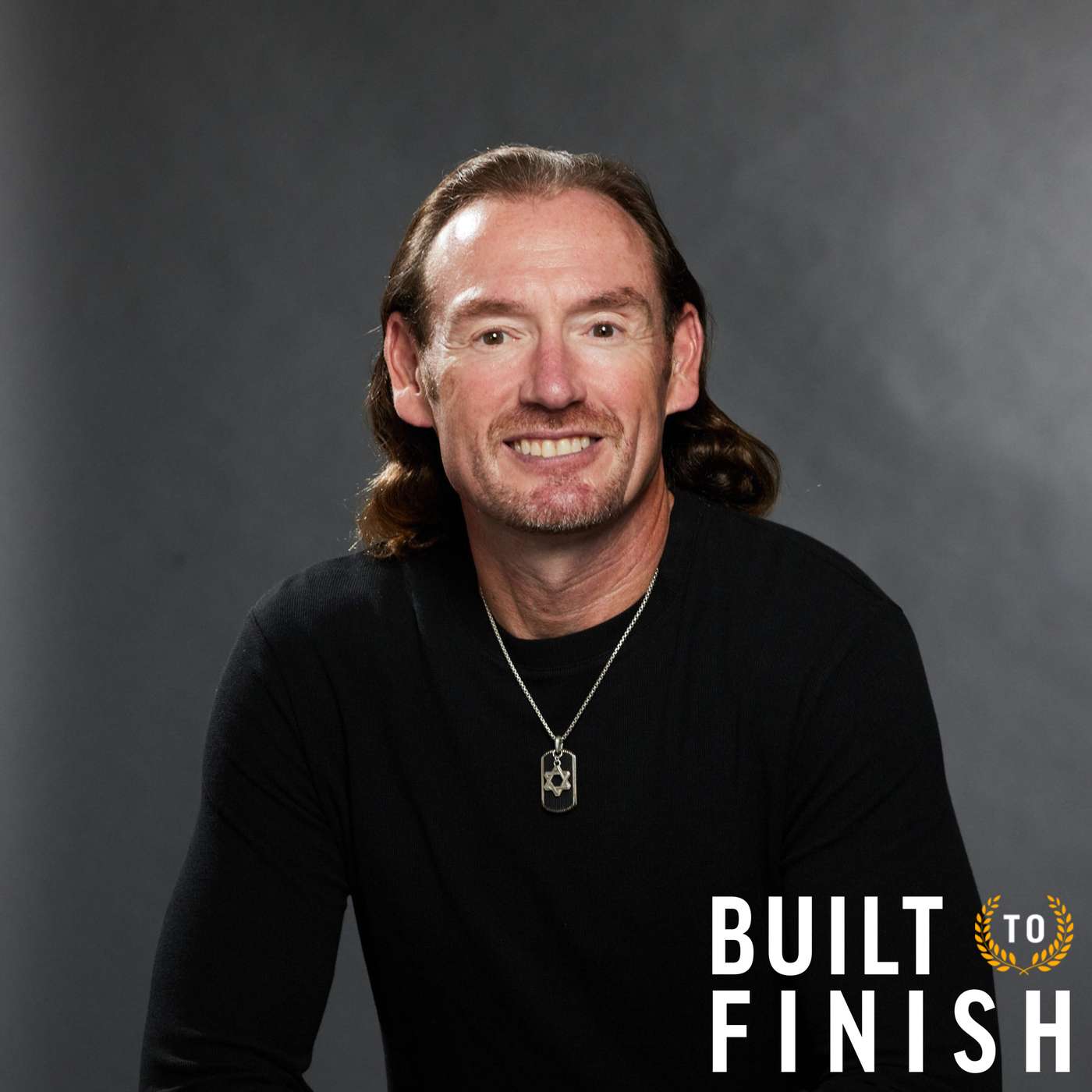
In this special bonus episode for National Podcast Day episode, our very own, Steven Pivnik, gets interviewed about his experiences so far hosting the Built to Finish podcast. Steven describes his show as informational, motivational, and entertaining, aimed at audacious goal setters, including founders looking to grow, scale, and exit their businesses. He discusses how the podcast extends his brand and allows him to share motivational stories from others. Steven shares that his biggest initial challenge was simply starting, followed by overcoming a "robotic" interview style. He reveals that preparing fewer questions and encouraging a conversational back-and-forth has led to his best episodes. Offering advice to new B2B podcasters, Steven stresses the importance of starting without waiting for perfection and making the listener feel like a "fly on the wall" to a great conversation.Takeaways:Just Start: The most significant challenge is often getting started. Don't wait until you feel 100% prepared or polished; you will improve as you go.Aim for Conversation, Not Interrogation: Move away from a rigid, robotic question-and-answer format. Focus on creating a natural conversation to make the episode more engaging for both the guest and the listener.Prepare Less to Achieve More: To foster a more natural conversation, try preparing only two or three core questions and allow the discussion to flow organically from the guest's answers. This forces you to practice active listening.Empower Your Guests: Encourage your guests to make the interview as conversational as possible, even inviting them to ask you questions in return. Giving them permission to do so can lead to the best episodes.Find Your Unique Angle: Identify a gap in your niche. Steven found that while many advisors discuss business exits, the founder's personal perspective was missing, so he positioned his podcast to "speak founder".Create a "Fly on the Wall" Experience: Your goal should be to make the listener feel like they are quietly observing a genuine and valuable conversation between you and your guest.Don't Fear the Interrupt: If a guest becomes overly scripted or starts rambling, you can use a pattern-interrupt question (e.g., "What is your favorite ice cream?") to break their script and guide them back to a more authentic, conversational state.Quote of the Show:"The hardest part is always to start, you know, people, they wanna have all the answers. They want to be super polished. They need to be a hundred percent prepared. And that's definitely not the case with, it shouldn't be the case with most goals. And definitely for podcasting."Links:LinkedIn: https://www.linkedin.com/in/stevenpivnik/ Personal Website: https://stevenpivnik.com/ Company Website: https://aipadvisory.com/ Podcast: https://podcast.stevenpivnik.com/ Book Link: https://podcast.stevenpivnik.com/

Ismael Larrosa, Founder and CEO of the UX-led development company Capicua, joins the show to discuss his entrepreneurial journey, from defying his father's wishes to attend design school to leading one of the fastest-growing companies in the Americas. Ismael shares his philosophy on the significant role luck plays in success, the importance of choosing the harder, more sustainable path, and how founders can manage the emotional highs and lows of the startup world. The conversation also explores practical strategies for stabilizing revenue, the transformative power of generative AI as a tool for both developers and designers, and why the future of the office depends on fostering creativity, not just offering perks. Takeaways:Choose the Harder Path for Long-Term Growth. When faced with two choices, opt for the one that is more difficult but ultimately more sustainable. This approach helps build skills and creates more robust, long-term solutions for clients.Stabilize the Emotional Rollercoaster. In the early days of a startup, the highs are very high and the lows are very low. To make the journey less stressful, work on strategies that decrease the frequency and gap between those peaks and valleys for a more manageable ride.Escape the "Feast or Famine" Cycle. To create more consistent revenue in a service-based business, you must always be prospecting, selling, and closing. You can further stabilize this by shrinking your scope and focusing on the specific types of clients, problems, and services you are best at.Use AI to Enhance, Not Just Accelerate. Treat AI tools like GitHub Copilot as productivity enhancers, not magic wands. The time saved by AI should be reinvested into improving other aspects of the product, such as documentation, quality assurance, and testing, to deliver more value to the customer.Make the Office a Hub for Creativity. Forcing employees back to an office only works if you provide value they can't get at home. Instead of focusing on perks like restaurants or gyms, redesign the office experience around collaborative, creative work that solves problems in ways that are not possible in a distributed environment.Win on Emotion, Not Just Logic. Competitors can often match logical features, but true differentiation comes from appealing to the user's psychological and emotional needs. As Ismael notes with Apple, a user's feeling about a product is a sign that the company understands them on a deeper level.Quote of the Show:"Design is something that you can't explain logically. You can only explain emotionally." Links:LinkedIn: https://www.linkedin.com/in/ismael-larrosa-fernandez/ Website: https://www.capicua.com/

Dr. Stephen Timme, Founder of FinListics and Author of “Insights Led Selling”, shares his unique journey from academia to entrepreneurship and details the critical shift modern sales organizations must make: moving from outdated feature-and-function pitching to sophisticated, insight-led conversations. He explains why today's executives are under immense pressure to deliver business results and how salespeople can become trusted partners by demonstrating clear financial and operational value. This conversation is packed with actionable advice on how to understand your customer's goals, tailor your message to different stakeholders, and ultimately transform your sales approach to increase deal size, shorten sales cycles, and boost closure rates. Takeaways:Focus on What Executives Truly Want: Modern buyers don't want to hear about features; they want you to: 1. Tell them something they don't already know about their business or industry. 2. Show them the clear business and financial benefits of your solution. 3. Make their life easier by providing concise, shareable materials (like a one-pager) they can use to socialize your idea internally.Earn the Right to Talk Tech: The technical, feature-focused conversation is still necessary, but it should happen later in the sales process. You must first convince the business leaders of the value and business outcome. Once they are sold on the idea, you can bring in the technical teams to discuss implementation.Ask Your Customers "Why?": The most direct way to understand your value proposition is to ask your existing happy customers why they chose you. Call them and ask, "Why do you really buy from us?" Their answers will provide you with the exact language and value points to use with your next prospects.Sales Leaders Must Be Coaches: For a sales transformation to stick, sales leaders must actively coach and reinforce the new methodology. During reviews (like QBRs), they should start by asking how the client is closer to achieving their goals, not just by asking about the status of the deal.Land and Expand in Large Organizations: Getting into a massive company like IBM can feel impossible. The key is to start with one small group or department, demonstrate undeniable value and success, and then leverage that success to "island hop" to other parts of the organization.Start with "How," Then "How Much": Don't lead a sales conversation by promising a specific dollar amount in savings. Customers will be skeptical if you don't know their business. First, explain how your solution drives revenue or improves profitability. Once the "how" is established, you can collaborate to build a business case for the "how much."Quote of the Show:"Eat your own dog food, dude... You're just talking about your features and functions. You created it. You're very proud of it. But what the VP of sales or the chief revenue officer wants to know is, so how's that gonna help me increase deal size?"Links:Email: stimme@finlistics.comLinkedIn: https://www.linkedin.com/in/dr-stephen-timme-phd-finance-8177578/ Website: info@finlistics.comFree Book Download: Insight-Led Selling

Stan Sher, a respected writer, speaker, and president of Dealer eTraining, shares his personal journey from starting as a car salesman at 20 years old to founding his own company, overcoming going broke three times along the way. The conversation dives into why the car-buying process is often unpleasant, which Stan attributes to undertrained, transaction-focused salespeople and a lack of genuine communication. He champions a "guest experience" mindset, urging a shift towards treating customers like people rather than dollar figures. The discussion also covers the importance of a consultative communication style, the power of personal discipline through challenges like 75 Hard, and the need for self-awareness, inspired by Mel Robbins' book. Takeaways:Adopt a "Guest Experience" Mindset: Shift your focus from the transaction to treating every customer as a guest. This involves having personal conversations and building rapport, which can overcome the negative stereotypes customers often have.Practice Consultative Communication: Instead of being direct or confrontational, become naturally curious and ask more questions. A consultative approach helps you understand the customer's needs and leads to a more diplomatic and effective conversation.Start Your Day with Intention: Spend the first 15 minutes of your morning watching or listening to something inspirational instead of doom-scrolling. This small habit helps set a positive and motivated mindset for the rest of the day.Learn from Every Generation: If you're a young professional, ask yourself what you can learn from a 65-year-old coworker. Conversely, consider what you can teach and inspire in them. Bridging the generational gap is key for team growth.View All Experiences as Opportunities: Adopt the mindset that every experience you have in life is a good one, because you never know when a skill or lesson learned will become useful.Develop a Process for Failure: Success isn't about never failing; it's about having a clear process for what to do when you fail. Stan's process after going broke was to spend his "9 to 5" applying for jobs and taking every meeting, refusing to give up.Quote of the Show:"I believe that we need to be consultative in every situation. We all need to be naturally curious. We need to ask more questions." Links:LinkedIn: https://www.linkedin.com/in/stansher83/ Website: https://dealeretraining.com/ Book Link: https://dealeretraining.com/
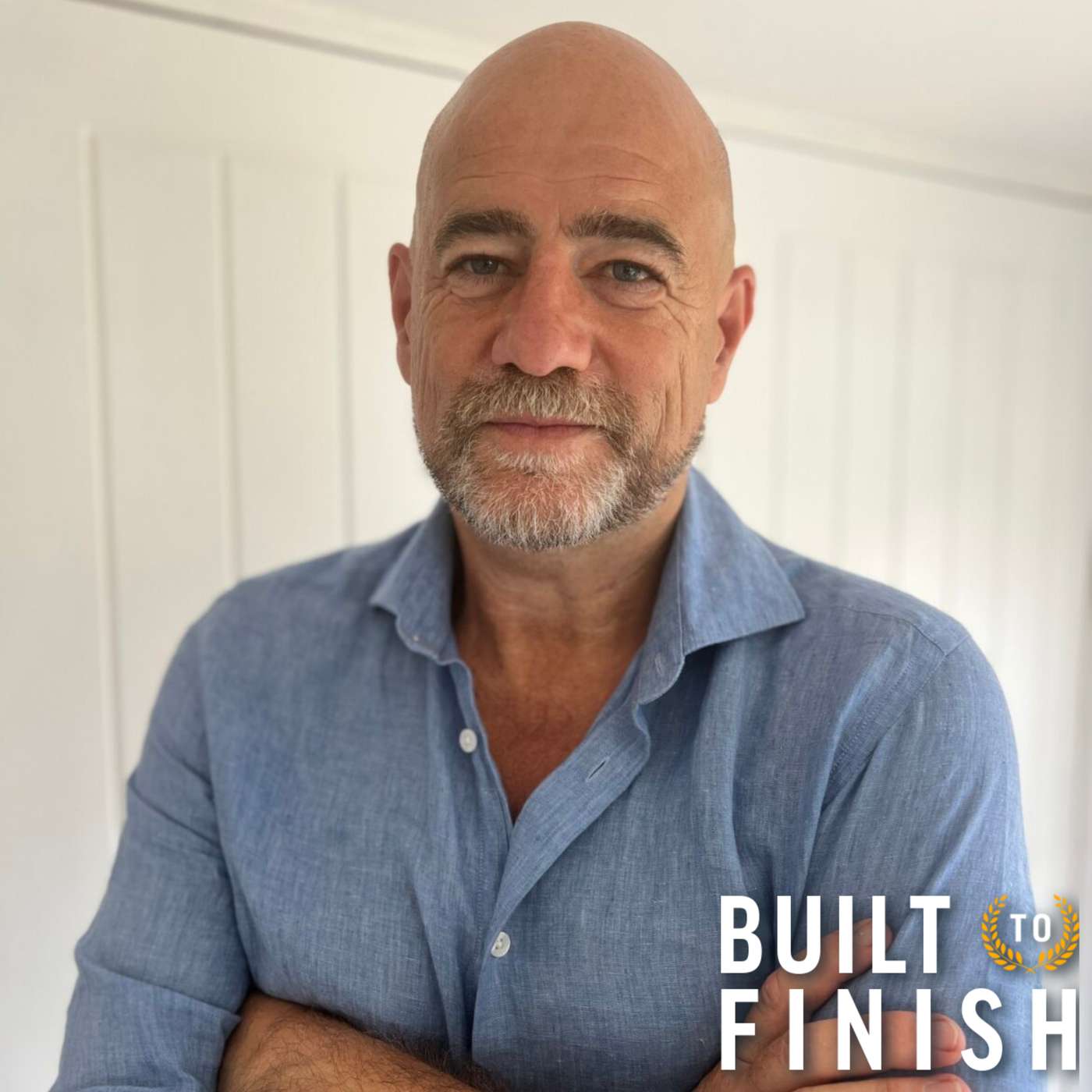
Brant McNaughton, the Founder and Managing Director of the web development consultancy Ecce. Brant shares his journey of transitioning from a 15-year career in global finance to becoming a tech entrepreneur in the late '90s. For over 26 years, he has built his agency on a foundation of strong relationships and reputation, growing organically through word-of-mouth referrals. Brant discusses the evolution of his business, the temptation to turn bespoke projects into products, and how his team uses "5% Fridays" to innovate with AI. He also provides invaluable insight into building a resilient, non-hierarchical company culture and navigating entrepreneurial challenges like the "feast or famine" cycle and the departure of a key employee. Brant connects the grit required in business to his passion for endurance sports, including his incredible story of swimming from Alcatraz. Takeaways:Prioritize Reputation Above All Else: Brant's business has thrived for 26 years, with 99% of his business coming from his network and word-of-mouth referrals. This underscores the principle that delivering quality work and building trust is the most effective and sustainable marketing strategy.Formalize Time for Innovation: Implement a "5% Friday," giving your team one day a month to step away from client work and explore new ideas and technologies. This dedicated time can foster creativity, improve skills, and even lead to the development of new, valuable projects.Lead from the Trenches to Build Culture: A strong, unified culture is built when leaders are on the shop floor with the team, not in a separate office. Adopting a mentality where no one is above any task—like the All Blacks rugby team captain who still sweeps the change room—eliminates an "us vs. them" dynamic and fosters collective ownership.Don't Catastrophize Key Employee Departures: When a key employee who has been with you for years decides to leave, resist the urge to catastrophize the event. It often creates an opportunity for other team members to step up, take on more responsibility, and bring fresh perspectives to the business.Use Business Downtime to Address "Technical Debt": The "feast or famine" cycle is common in service businesses. During the leaner "famine" periods, instead of worrying, redirect your team's focus to internal projects, process improvements, and fixing problems that were put on the back burner during busy times.Embrace "Type Two Fun" to Build Resilience: Pushing through difficult challenges, whether it's a grueling endurance event or a tough business problem, builds grit. Brant calls this "type two fun": it feels miserable while you're doing it, but looking back, the sense of accomplishment and learning is deeply rewarding.Quote of the Show:“Reputation's everything. It’s like when you run a decent pub, it's your name across the door, right?"Links:LinkedIn: https://www.linkedin.com/in/brantmcnaughton/ Website: https://www.ecce.uk/ Linktree: https://a1m.at/brant

Mike Hogan, CEO of Insights7, is a seasoned business leader with over 25 years of global experience. Hogan shares his journey from providing advisory services to developing a software-as-a-service platform designed to help organizations align their execution with strategic goals through his "work to value management system." He discusses the common challenge of ensuring entire teams are "rowing in the right direction" and introduces the concept of overlaying a value chain structure on top of the traditional organizational chart to create a single value creation system. Hogan explains how this approach empowers employees, fosters a culture of accountability, and provides leaders with the objective data needed to make difficult decisions. The conversation also touches on the parallels between entrepreneurship and endurance sports, the role of AI in their platform, and the ideal company profile for implementing their system.Takeaways:Aligning Execution with Strategy is Paramount: The most significant challenge for many businesses is ensuring that day-to-day operations (execution) are truly aligned with the company's high-level strategic goals.The Value Chain as a Governing Structure: Instead of relying solely on the traditional organizational chart, companies can achieve greater success by making the value chain structure explicit and the governing framework for decision-making.Define Value and Empower Your Team: Leaders should clearly define what "value" means for their customers and stakeholders. This clarity empowers teams by giving them a clear target and the autonomy to determine the best way to achieve it.Objective Data for Difficult Conversations: A system that provides clear, objective data on value creation can facilitate difficult but necessary conversations about performance, even with long-time employees or the leaders themselves.Context is Key for Effective AI Implementation: For AI to be truly effective within an organization, it needs a "ground truth" or a contextual layer that ensures all AI-driven recommendations are aligned with the company's shared understanding of its work-to-value system.The Entrepreneurial and Endurance Mindset: There are strong parallels between the mindset required for successful entrepreneurship and that of an endurance athlete, including planning, preparation, execution, and navigating setbacks.Ideal Client Profile: The "work to value" system is best suited for growth-minded companies, particularly small to medium-sized enterprises (from $10 million to $1.5 billion in revenue), where leaders are still closely involved in the business operations. Quote of the Show:“I think showing people who their customers are is one of the greatest gifts you can give.” Links:LinkedIn: https://www.linkedin.com/in/mikehoganinsights7/ Website: https://insights7.com/

Evan Dash, the co-founder and CEO of the billion-dollar kitchenware brand, Dash, shares his remarkable journey from being a firefighter to a corporate executive at Macy's, and ultimately, an acclaimed entrepreneur. He details the initial struggles of launching a business, the relentless challenges of managing cash flow in a rapidly growing company, and the unique experience of navigating a partial exit to a strategic partner, Groupe SEB. Evan provides a masterclass on building a brand from the ground up by focusing on being a "content company" first, fostering a positive team culture, and leading with values. He also discusses his partnership with his wife, Rachel, and offers invaluable advice for aspiring entrepreneurs on the importance of gaining corporate experience before launching their own ventures. Takeaways:Gain Experience on Someone Else's Dime: Before starting your own venture, treat your corporate job as a master's or PhD program. Learn everything you can about the industry, from finance to logistics, and make your mistakes while you're still collecting a paycheck.Focus on Content, Not Just Product: Shift your mindset from being a product company to a content company. The journey of selling a product is endless, requiring fresh content that aligns with seasons, holidays, and lifestyle trends to keep the narrative alive.Build Trust by Understanding Your Customer's Pain Points: When pitching to large retailers, lead with empathy. By demonstrating a deep understanding of their challenges and positioning your brand as a solution, you can break down barriers and build a strong partnership.Prioritize Values to Drive Long-Term Success: Implementing initiatives that prioritize values, like offering paid time off for community work, can become a significant source of company pride and a powerful tool for recruitment and retention.Embrace Organic Influencer Relationships: You don't always need a large budget for influencers. By creating products people genuinely love, you can inspire a wave of user-generated content. Identify and reward these organic ambassadors to build authentic and valuable relationships.Recognize the Power of a Visionary-Operator Duo: For a business to truly succeed, it often needs both a "visionary" who dreams big and an "operator" who is detail-oriented and drives things forward. Respecting and trusting each other's distinct roles is fundamental to a successful partnership.Quote of the Show:"Everything I needed to know about business I learned on the back of a firetruck."Links:LinkedIn: https://www.linkedin.com/in/evandash/ Website: https://bydash.com/ Book Link: https://a.co/d/61LPRlu
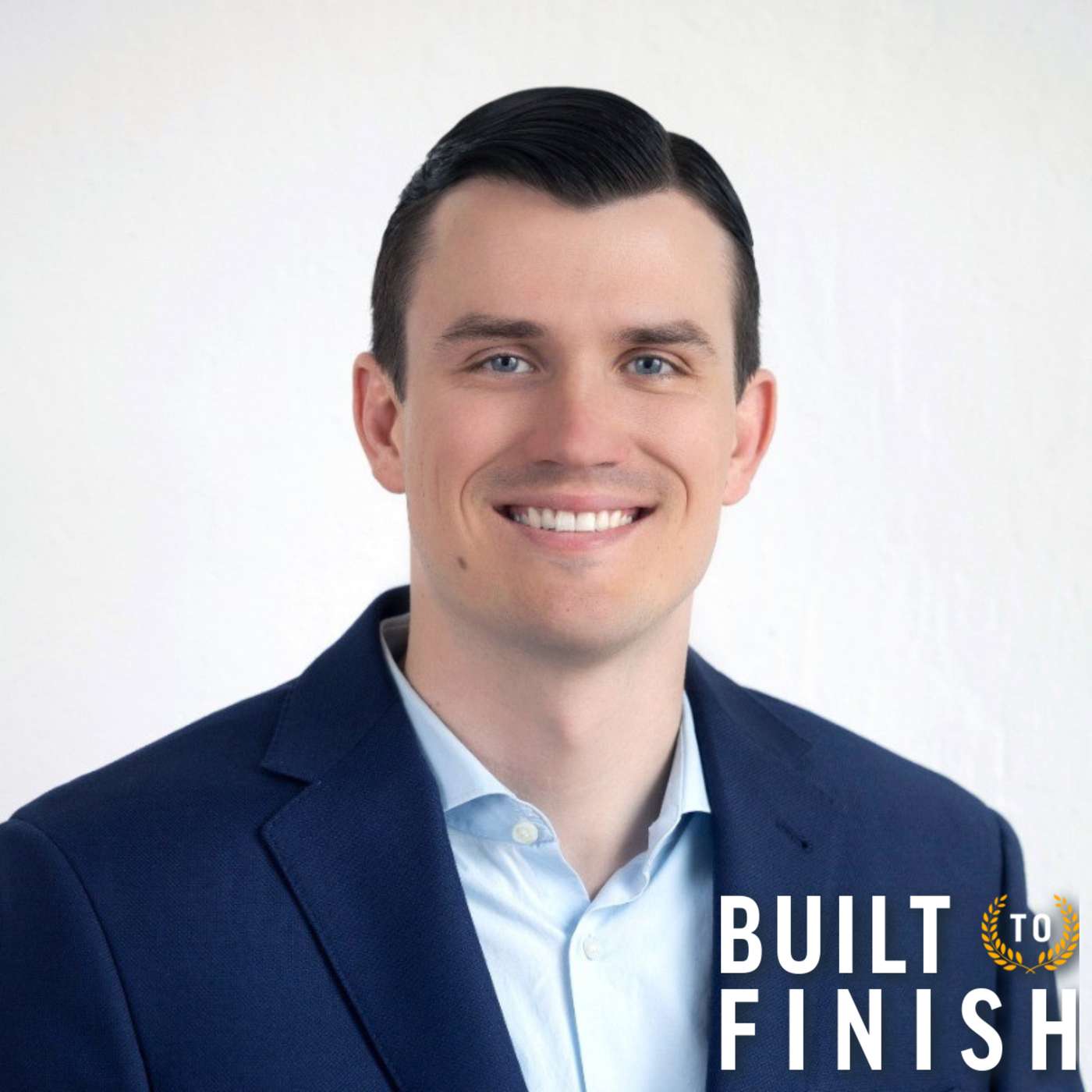
Robert Paylor, a former standout rugby player for UC Berkeley, shares his incredible journey of resilience and recovery. During a national championship game, a catastrophic injury left Robert paralyzed from the neck down, with doctors telling him he would never walk or use his hands again. Robert recounts the harrowing moments on the field, the devastating prognosis, and the immense physical and emotional challenges he faced in the aftermath. He details how the principles of mental toughness learned in rugby, the unwavering support of his family and teammates, and a profound shift in mindset helped him to defy the odds. From being unable to move to eventually walking again, Robert’s story is a powerful testament to the human spirit's capacity to overcome, find purpose in tragedy, and inspire millions. Takeaways:Focus on the Next Most Important Thing: When faced with an overwhelming situation, practice mental toughness by concentrating only on the immediate next step you can take. This prevents you from being paralyzed by the magnitude of the challenge.Control Your Mindset: While you can't always control your circumstances, you can always control your mindset, positivity, and willingness to fight each day. This internal control is a source of power in seemingly powerless situations.Practice Perspective with "Compared to What?" When you feel stuck or defeated, ask yourself, "Compared to what?" This phrase helps put your challenges into perspective by encouraging empathy and focusing on what you do have, rather than what you don't.Make a Selfless Commitment: Find purpose beyond yourself by committing to inspire and support others. Knowing that your strength helps others can provide the motivation to keep going, even in your darkest moments.Avoid the "Slow Fizzle" by Taking Small Steps: The biggest threat to a long-term goal isn't always a dramatic moment of giving up, but a gradual fizzling out. Combat this by dedicating even just five or ten minutes to your goal each day to maintain momentum. The hardest part is often just getting started.Embrace the Power of Your Support System: Recognize and lean on the support of your family, friends, and team. This network provides essential strength and resilience during life's most difficult periods.Reject False Hopelessness: Be wary of negative predictions that can kill your motivation. While it's important to be realistic, focus on what is possible and surround yourself with a team that gives you their full support, allowing hope to fuel your efforts. Quote of the Show:"Let's not focus on what we don't have. Let's focus on what we do have and what we can do with it".Links:Twitter: https://x.com/RobertPaylor5 LinkedIn: https://www.linkedin.com/in/robert-paylor/ Instagram: https://www.instagram.com/rob.paylorWebsite: robertpaylor.com Book Link: https://a.co/d/g9E548L

Naomi Kent, the founder and CEO of The Boardroom Company, discusses the intricate dynamics between founders and boards of directors. Naomi shares her 22 years of experience, outlining when founders should formalize an advisory board, what key roles board members play, and how to navigate the challenging transition when outside investors bring in a more formal board structure. The conversation also explores the powerful parallels between the discipline required for endurance sports, like the Ironman triathlons she has completed, and the focus needed to run a successful business. Naomi provides actionable advice for founders on leveraging their boards, for professionals seeking board positions, and for anyone looking to achieve big goals by harnessing discipline, transparency, and the power of their network.Takeaways:Understand the Evolving Purpose of a Board: In the early stages, an advisory board's primary role is often to be a "door opener" for new business and opportunities. As a company matures, especially with institutional investment, the focus shifts to governance, growth, and preparing for major events like an IPO. Boards serve different purposes depending on the company's life cycle.Focus on the Three Pillars Boards Care About: When communicating with a board or seeking a board role, frame your expertise around the three things they are most concerned with: growth, transformation, and risk. This includes oversight of potential risks, managing technological and market transformations, and driving different types of growth.Be Transparent When Your Board is New: If you are a founder facing a new, more formalized board for the first time, don't pretend to know everything. Be transparent and genuine, stating that it's your first time and that you would appreciate guidance from experienced members. Remember, the board has invested in you and wants you to be successful.Hire for Character, Not Just Connections: When building a board, personality fit is critical to avoid contentious dynamics. The best board experiences are defined by the people, not the product. Look for attributes like collaboration, humility, and the ability to ask questions constructively without making management look bad.Achieve Big Goals by Telling People: Whether you want to run a marathon, write a book, or start a business, the first step is to tell people about your goal. This creates accountability and opens you up to unexpected help from your network, connecting you with people who can make your goal a reality.Discipline from Fitness Translates to Business: The discipline, goal-setting, and resilience required for endurance sports like an Ironman directly improve business performance. Being physically fit helps you maintain focus, be more alert, and perform better mentally.To Get a Board Seat, Make Your Network Aware: Finding a board role is not like a traditional job search; positions are rarely advertised. Instead of asking for help, you should make your network aware of your desire to join a corporate board, ensuring you are prepared and using the correct "board-level language" to present yourself as a credible candidate.Quote of the Show:“If you get into the mindset of a loser or someone who's not achieving. Everything's destined to fail, in my opinion. And so everything is about your attitude and everything is about how you approach your day and how you approach your week and the goal settings and things like that.”Links:LinkedIn: https://www.linkedin.com/in/naomikent/ Website: https://theboardroomco.com/ Ways to Tune In:Spotify: https://open.spotify.com/show/1ghmiiaRwVtQ9kqqqvmVQY Apple Podcasts: https://podcasts.apple.com/us/podcast/built-to-finish/id1781753842 Amazon Music: https://music.amazon.com/podcasts/665cacbf-79ed-4745-8856-1d8465943c65 Podchaser: https://www.podchaser.com/podcasts/built-to-finish-5907037 YouTube: https://youtu.be/VXdu5jkMcTQ
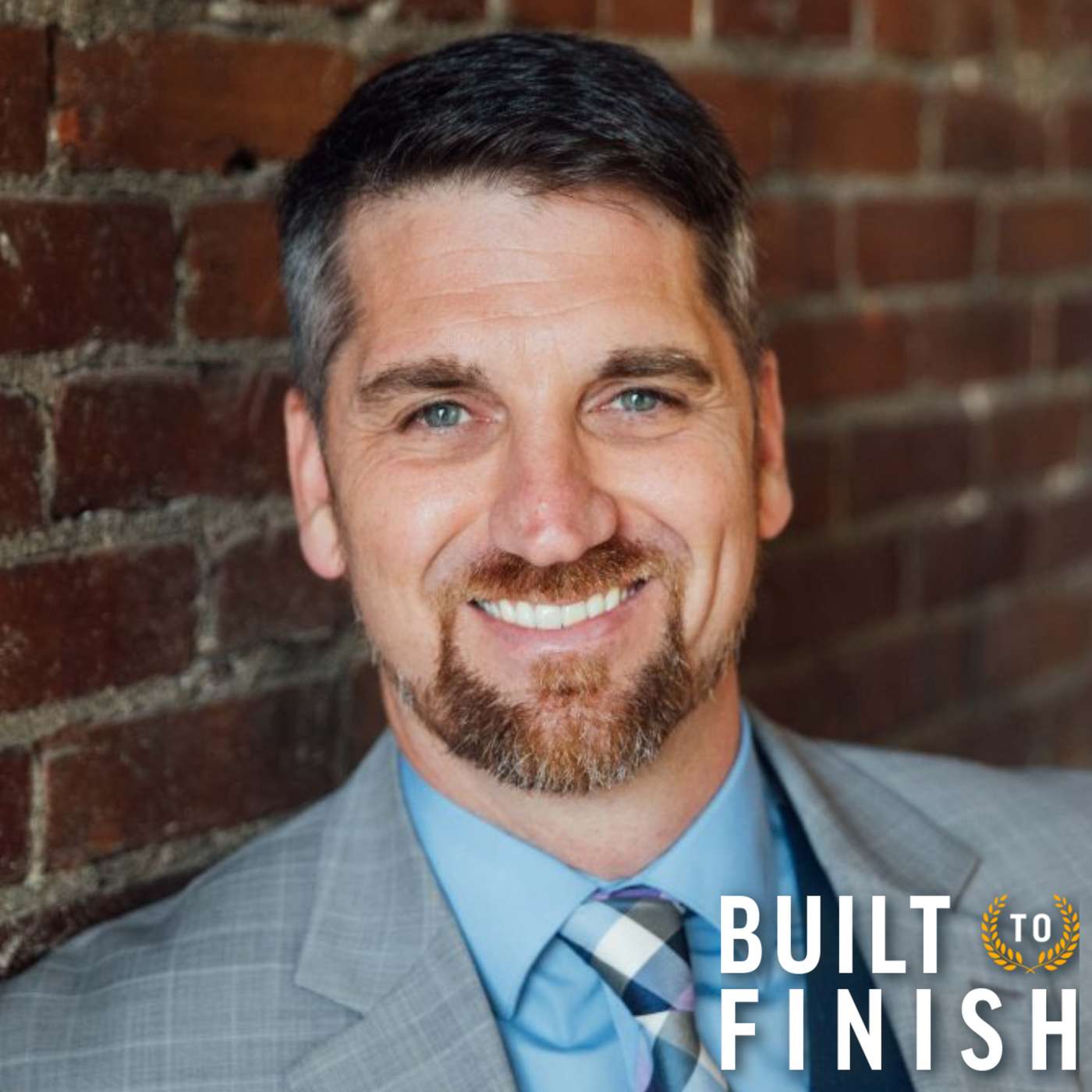
Donnie Tuttle, a passionate coach, author of "Sell Anywhere," and professor at the School of Professional Design, shares his transformative journey of relearning sales while living a nomadic life with his family, moving from one Airbnb to another for over two years. He discusses how to move from "the grind to working from your design" by infusing sales with genuine curiosity, joy, and purpose. Donnie explains how he overcame the sting of rejection by adopting an alter ego—the "Joyful Farmer"—and focusing on ulterior motives like having fun and making someone's day better. The conversation explores the importance of authenticity, the power of unconventional follow-ups to create curiosity, and why our smartphones can act as "pacifiers" that kill the boredom necessary for creativity and human connection. Takeaways:Smartphones can be "pacifiers" that stifle creativity. When we're bored, we become curious and adventurous, leading to new relationships and ideas. However, most people turn to their phones during moments of downtime, like waiting in line, which negates a significant part of human purpose by eliminating the opportunity for curiosity to spark.Reframe rejection with an "ulterior motive." To handle the constant rejection in sales, Donnie adopted the persona of a "Joyful Farmer," shifting his goal from simply making a sale to having fun and making someone's day better. By focusing on a positive ulterior motive, the sting of rejection lessens, and the work itself becomes more enjoyable, leading to better results.Create curiosity with uncommon, authentic outreach. Instead of traditional cold calls, Donnie found success by creating curiosity through unique, physical items, such as sending messages in a bottle. This approach led to a 90% meeting rate because it was uncommon and genuine. He stresses that whatever method you use, you have to believe in it, or it will feel like a gimmick.The best way to grow is through referrals. Above all other methods, the most effective way to grow your business is by leveraging your existing happy clients. Serve people so well that they are eager to talk about you. Then, ask them to connect you with other people who think and act like them, expanding your network through trusted relationships.Embrace consistency and follow-up relentlessly. Success in sales requires consistency and repetition. It is critical to have a system for continuous follow-up and to not stop contacting a prospect until they explicitly tell you to stop.Use AI as a tool to unlock your own genius. Donnie encourages the leaders he coaches to use AI tools like ChatGPT to prepare for coaching sessions. By inputting details about a person's personality (e.g., from a DISC test), AI can provide directional suggestions and questions, which the leader can then use to operate from their own genius and make meetings more effective.Find your "joyful work" to unlock strength. True strength and effectiveness come from joy. Donnie helps leaders and their teams find their "joyful work," where their gifts and talents are used purposefully. When you can identify moments where you love the person you are, you can tap into that version of yourself to tackle challenges in business and in life.Quote of the Show:"Where there's joy, there is an abundance of strength".Links:LinkedIn: https://www.linkedin.com/in/donnietuttle/ Instagram: https://www.instagram.com/donnietuttlecoach/ Personal Website: https://donnietuttle.com/ YouTube: https://www.youtube.com/c/donnietuttlecoach Book Link: https://a.co/d/akPgAN7 Ways to Tune In:Spotify: https://open.spotify.com/show/1ghmiiaRwVtQ9kqqqvmVQY Apple Podcasts: https://podcasts.apple.com/us/podcast/built-to-finish/id1781753842 Amazon Music: https://music.amazon.com/podcasts/665cacbf-79ed-4745-8856-1d8465943c65 Podchaser: https://www.podchaser.com/podcasts/built-to-finish-5907037 YouTube: https://youtu.be/yQmb_7q8r9A

Comments

Download from Google Play

Download from App Store
 United States