


 Claim Ownership
But Why? A Design Podcast
Subscribed: 1Played: 1
Subscribe

© But Why? A Design Podcast
Description
A space for curious minds to explore the stories, systems, and people behind the design of our everyday world.
www.butwhyadesignpodcast.com
20 Episodes
Reverse

In this episode of But Why? A Design Podcast, Eugene takes the microphone solo to share the findings of his 2025 Winston Churchill Fellowship, undertaken to investigate the enabling conditions required to successfully embed circular economies in Australia.Travelling through the United States, United Kingdom, Denmark, the Netherlands and Belgium, Eugene explored the policies, business models, infrastructure, cultures and collaborations helping circular initiatives succeed. Rather than seeking isolated examples of innovative products or recycling solutions, his research focused on understanding what allows good ideas to move beyond pilot projects and become embedded in everyday economic and social systems.The question that informed his findings: What enables a circular economy?This episode touches on:* Why circularity must be understood as an economic and social system rather than simply a better approach to waste management.* How effective policy and regulation can create markets, encourage innovation and establish clear expectations.* Why incentives, funding and traditional measures of value can either enable or discourage circular business models.* The importance of design and manufacturing capability in preventing waste and retaining material and economic value.* Why reuse, repair, adaptation and remanufacturing deserve greater attention alongside recycling.* How infrastructure, services and circular hubs help connect fragmented parts of the economy.* The importance of trust, transparency and accessible information in building confidence and participation.* Why education must extend beyond schools and households to include businesses, professionals and senior decision-makers.* How leadership, collaboration and system-wide alignment determine whether circular initiatives succeed or struggle.The fellowship report concludes with six recommendations intended to help Australia translate circular ambition into measurable action.Underlying these recommendations is a consistent finding: no single intervention enables a circular economy. Progress depends on multiple conditions working together, supported by leadership distributed across government, business and community.This episode is an invitation to think beyond individual products, materials and recycling targets, and consider how we can deliberately design the conditions that allow circularity to become part of everyday life.We hope you enjoy.Keep questioning, keep exploring, and most importantly… keep asking, But Why?Keen to Support Us?But Why? A Design Podcast is proudly an independent self-funded publication. By subscribing, you signify our content is valuable and it gives us reason to keep creating.If you are feeling generous, you can make a pledge, but if you would rather just buy us a coffee, we would love that too! Shout us a coffee through the below link:Show Links* Downloadable One Pager Report* Eugene Hooks Contact* Australia's Circular Economy Framework, Australian Government* Eugene Hooks LinkedIn* Winston Churchill TrustProduced by us.Music by Jessica Hooks. This is a public episode. If you would like to discuss this with other subscribers or get access to bonus episodes, visit www.butwhyadesignpodcast.com

In this episode of But Why? A Design Podcast, Eugene and Stirling are joined by Tenille Teakle, Founder of GriTT Studio for a discussion on Why design needs a narrative?Having worked on complex commercial projects throughout her career, Tenille’s transition into residential design was shaped by the experience of designing and building her own family home, Karijini House. Inspired by time spent in Western Australia’s spectacular Karijini National Park, the home demonstrates how a personal experience can become a powerful design narrative, influencing everything from spatial planning and material choices to how a place ultimately makes people feel.Our conversation explores the importance of storytelling as a tool for creating authentic, meaningful and enduring design outcomes. Tenille explains how a strong narrative can provide clarity throughout the design process, acting as a guiding reference point when navigating competing priorities and expectations. We also challenge whether narratives can become too literal or disconnected from function, and consider how storytelling might help people develop stronger connections to the places and objects around them.This episode touches on:* Karijini House and how the landscape, textures, shadows and sense of isolation influenced its design.* The importance of originality and authenticity as artificial intelligence increasingly influences the design process.* How stewardship needs stories made simple, relatable and easy to communicate beyond the design profession.* The influence of a ‘North Star’ in complex projects, where multiple stakeholders and competing requirements might converge.* The idea of design ‘easter eggs’, subtle references and stories embedded within a project that reward curiosity.* Why investing more time in design thinking can reduce unnecessary changes, resource consumption and waste.We hope you enjoy.Keep questioning, keep exploring, and most importantly… keep asking, But Why?Keen to Support Us?But Why? A Design Podcast is proudly an independent self-funded publication. By subscribing, you signify our content is valuable and it gives us reason to keep creating.If you are feeling generous, you can make a pledge, but if you would rather just buy us a coffee, we would love that too! Shout us a coffee through the below link:Show Links* Tenille Teakle* Karijini House* Karajini National Park* Tim Ross* Sydney Opera HouseProduced by us.Music by Jessica Hooks. This is a public episode. If you would like to discuss this with other subscribers or get access to bonus episodes, visit www.butwhyadesignpodcast.com
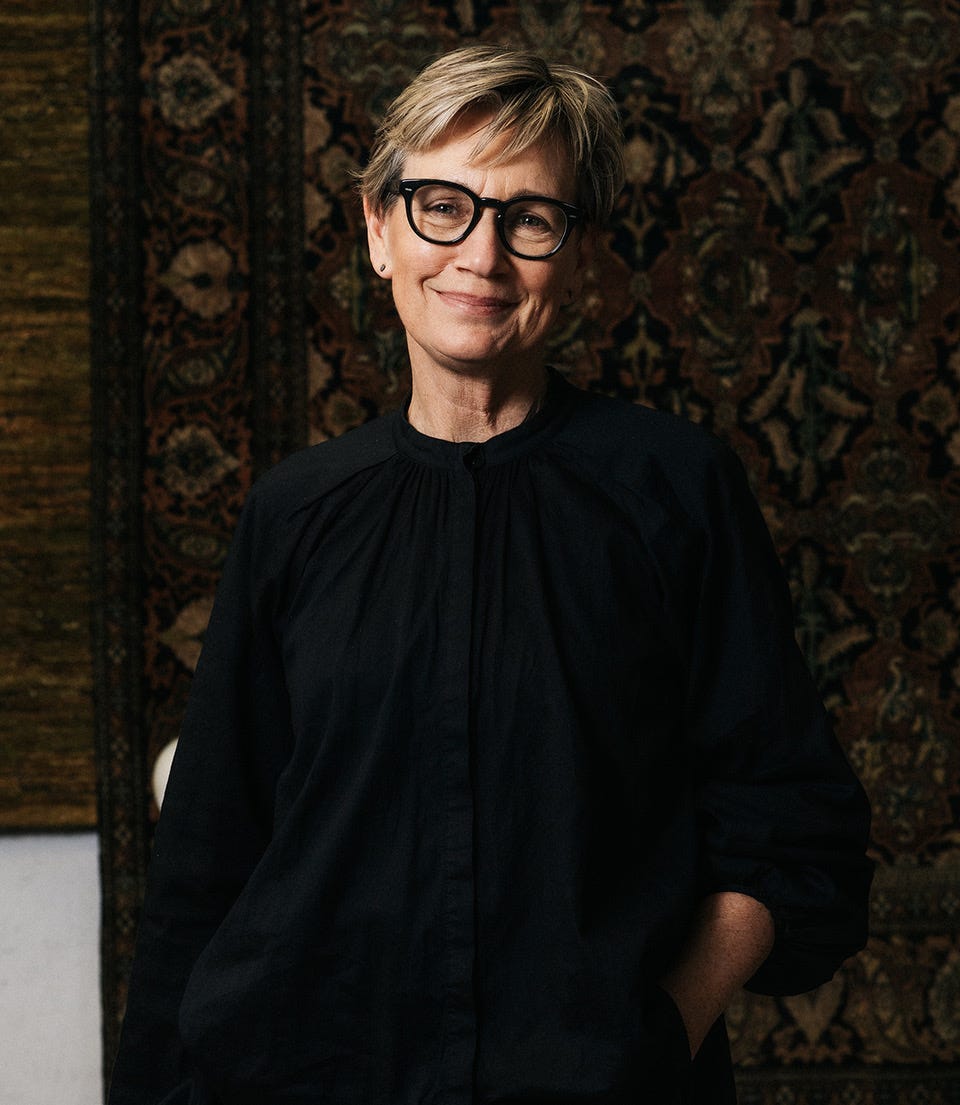
In this episode of But Why? A Design Podcast, Eugene and Stirling are joined by Pippa Hurst. Pippa is the Founder and Creative Director of DesignFreo and Fremantle Design Week - initiatives created to build design culture in Western Australia and help make design more visible, accessible and relevant to the broader community.In this episode, we explore Pippa’s journey into design and the origins of Fremantle Design Week, from recognising the gap between Western Australia’s strong creative community and its broader design culture, to building a festival that brings designers, industry and the public together.We also dive into this year’s FDW program, which brings together more than 60 events, exhibitions and collaborations across Fremantle. With this year’s theme, Imagine, our conversation looks beyond the festival itself to the role imagination plays in shaping better futures. We discuss why design needs to extend beyond professional circles, how people can develop the language to advocate for better design, and why exposure to new ideas can fundamentally change the way we see the everyday world around us.This episode touches on:* Why Fremantle Design Week was established and the challenge of building a stronger design culture in Western Australia.* Fremantle’s unique creative community and why concentrating the festival within a walkable city creates energy and connection.* The importance of making design accessible beyond designers, academics and industry.* Why understanding good design gives people the ability to advocate for better places, products and experiences.* This year’s theme, Imagine, and why imagination is increasingly important when business as usual is no longer enough.* Why design festivals can expose us to ideas and issues we may otherwise never encounter.We hope you enjoy.Keep questioning, keep exploring, and most importantly… keep asking, But Why?Keen to Support Us?But Why? A Design Podcast is proudly an independent self-funded publication. By subscribing, you signify our content is valuable and it gives us reason to keep creating.If you are feeling generous, you can make a pledge, but if you would rather just buy us a coffee, we would love that too! Shout us a coffee through the below link:Show Links* Fremantle Design Week* Pippa Hurst* One Designer Two Designer* A Tomb With A ViewProduced by us.Music by Jessica Hooks. This is a public episode. If you would like to discuss this with other subscribers or get access to bonus episodes, visit www.butwhyadesignpodcast.com
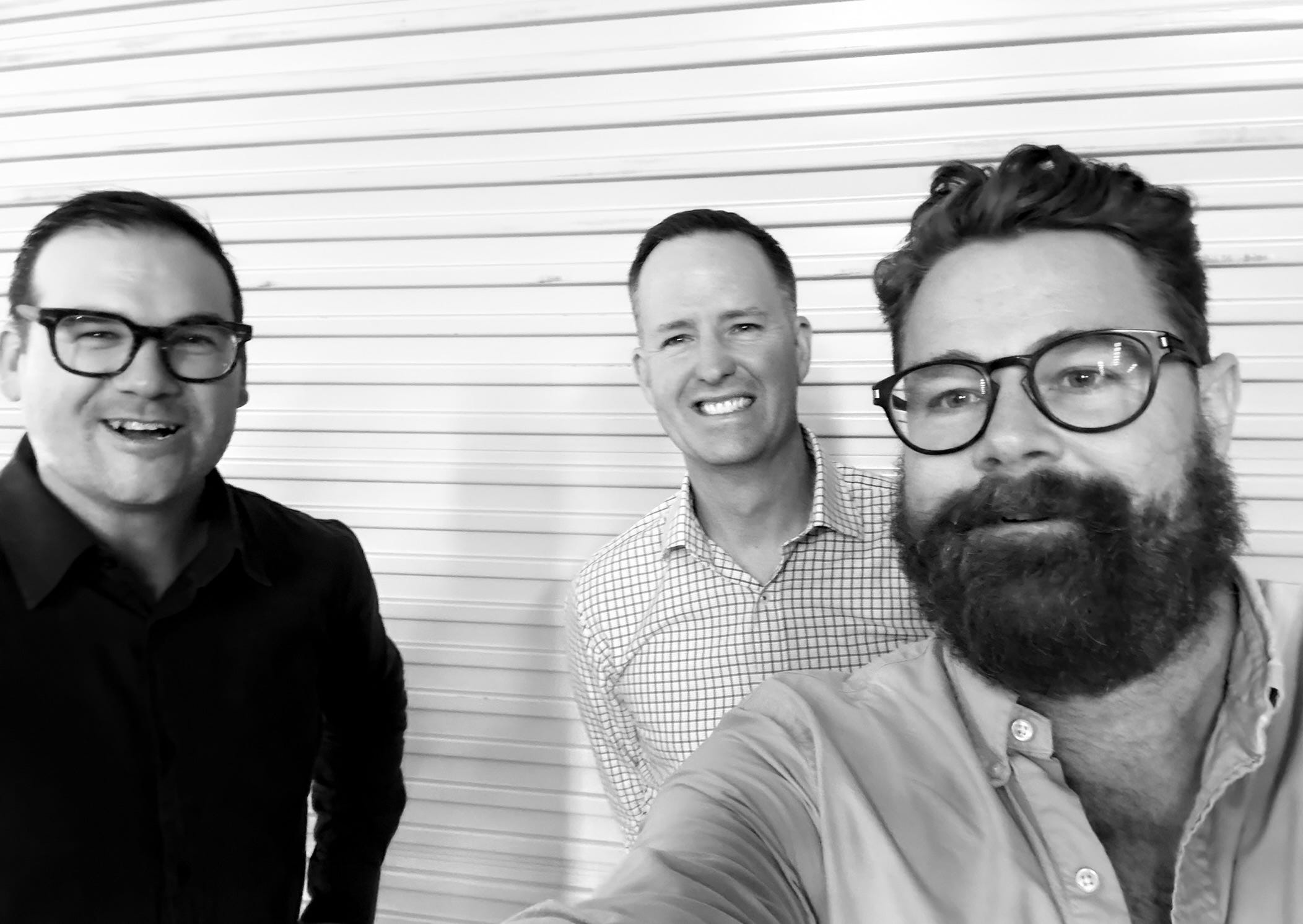
In this episode of But Why? A Design Podcast, Eugene and Stirling are joined by Justin Millar, Director of Property Solve, to explore the relationship between design and project management, and ask: Why Manage Design?Justin brings an interesting perspective to the conversation. Trained as an industrial designer, his career has taken him from superyachts and high-end interiors to workplace design, construction and ultimately client-side project management. It means he understands both the creative process and the practical realities of getting a project delivered.Our conversation explores the tension between creativity and constraint, and whether managing design limits creativity or actually creates the conditions for better outcomes. We discuss the role of time, budget and function, the difference between cost and value, and why sometimes the most valuable contribution to a design is simply asking……what is the point?This episode touches on:* The relationship between design and project management, and whether management has always been an inherent part of designing.* Why design needs a clear outcome, and what happens when the creative process is allowed to continue without boundaries.* How constraints around time, budget and function can improve rather than compromise a design outcome.* The importance of project managers needing to understand the competing interests of clients, designers, contractors and other stakeholders without automatically favouring one.* The difference between cutting cost and genuinely engineering value.* The importance in giving consultants the opportunity to explain and justify their thinking rather than defaulting to the cheapest option.* The value of independence in design review, particularly when designers become emotionally connected to their own work.* Why managing design ultimately isn't about controlling creativity, but helping turn an idea into an outcome.We hope you enjoy.Keep questioning, keep exploring, and most importantly… keep asking, But Why?Keen to Support Us?But Why? A Design Podcast is proudly an independent self-funded publication. By subscribing, you signify our content is valuable and it gives us reason to keep creating.If you are feeling generous, you can make a pledge, but if you would rather just buy us a coffee, we would love that too! Shout us a coffee through the below link:Show Links* Justin Millar LinkedIn* Property Solve* Woods BagotProduced by us.Music by Jessica Hooks. This is a public episode. If you would like to discuss this with other subscribers or get access to bonus episodes, visit www.butwhyadesignpodcast.com

In this episode of But Why? A Design Podcast, Eugene and Stirling are joined by Gavin Campbell, a designer and design advocate with more than 40 years of experience across interior design, architecture, project leadership, branding and the broader design profession.Gavin’s career has included major commercial, healthcare and infrastructure projects, alongside longstanding involvement with the Design Institute of Australia (DIA), including as National President. Throughout that time, he has maintained a strong interest in what defines good design, the responsibility designers carry, and how the profession recognises and promotes quality.Together, we explore the topics of Why do we need design awards?Our conversation examines what design awards should be recognising and whether some have become more focused on aesthetics, marketing and commercial opportunity than good design. Gavin challenges awards programs to look beyond the ‘beauty pageant’, arguing for greater honesty, stronger criteria and a deeper interrogation of the design process - including the constraints, compromises and decisions that shaped the final outcome.This episode touches on:* The construct of putting the word “designer” in front of a product doesn’t automatically make it good design.* The idea of ‘award washing’ and whether the term ‘award-winning’ has become devalued.* The importance of clear criteria, rigorous judging and understanding what an awards program actually stands for.* Potential conflict between sponsorship, entry fees and maintaining the independence and integrity of awards.* Why social, cultural and environmental responsibility should be embedded within good design rather than treated as separate award categories.* The value of asking designers what didn’t work and unresolved challenges.* How awards programs offer opportunity for design teams to stop, reflect and understand the value they created.We hope you enjoy.Keep questioning, keep exploring, and most importantly… keep asking, But Why?Keen to Support Us?But Why? A Design Podcast is proudly an independent self-funded publication. By subscribing, you signify our content is valuable and it gives us reason to keep creating.If you are feeling generous, you can make a pledge, but if you would rather just buy us a coffee, we would love that too! Shout us a coffee through the below link:Show Links* Hungry Puffs* Design Institute of Australia* Dieter Rams – Ten Principles for Good Design* Victor Papanek – Design for the Real WorldProduced by us.Music by Jessica Hooks. This is a public episode. If you would like to discuss this with other subscribers or get access to bonus episodes, visit www.butwhyadesignpodcast.com

Comments

Download from Google Play

Download from App Store
 United States